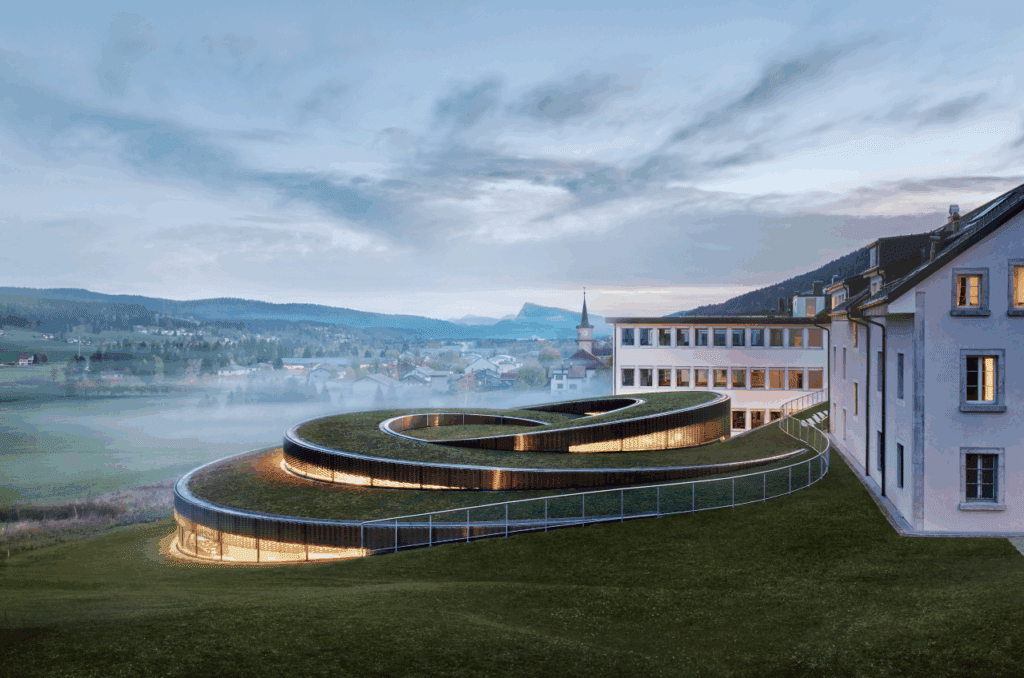
In the Vallée de Joux, time has always dictated behaviour. Long winters demanded patience. Craft developed slowly, governed by precision, repetition and resilience. Audemars Piguet was founded here in 1875, in Le Brassus, and the manufacture continues to operate within the logic of its surroundings.
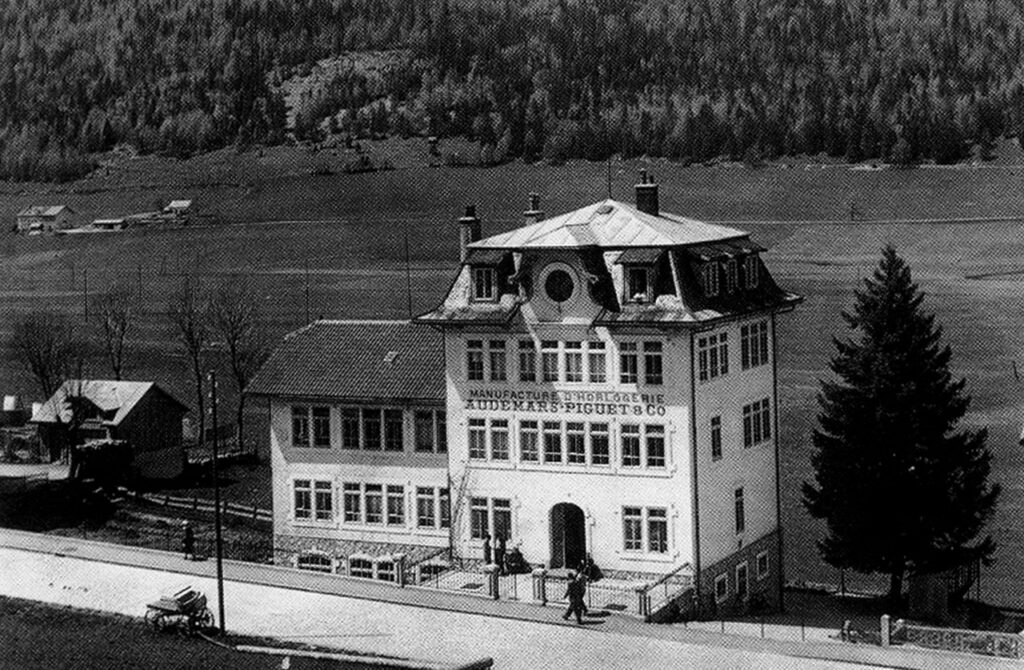
One hundred and fifty-one years later, Audemars Piguet remains family-owned. Not as a symbolic distinction, but as a structural reality that shapes how decisions are made and how far ahead they are allowed to reach. Independence here is operational. It allows the company to think in generations rather than cycles.
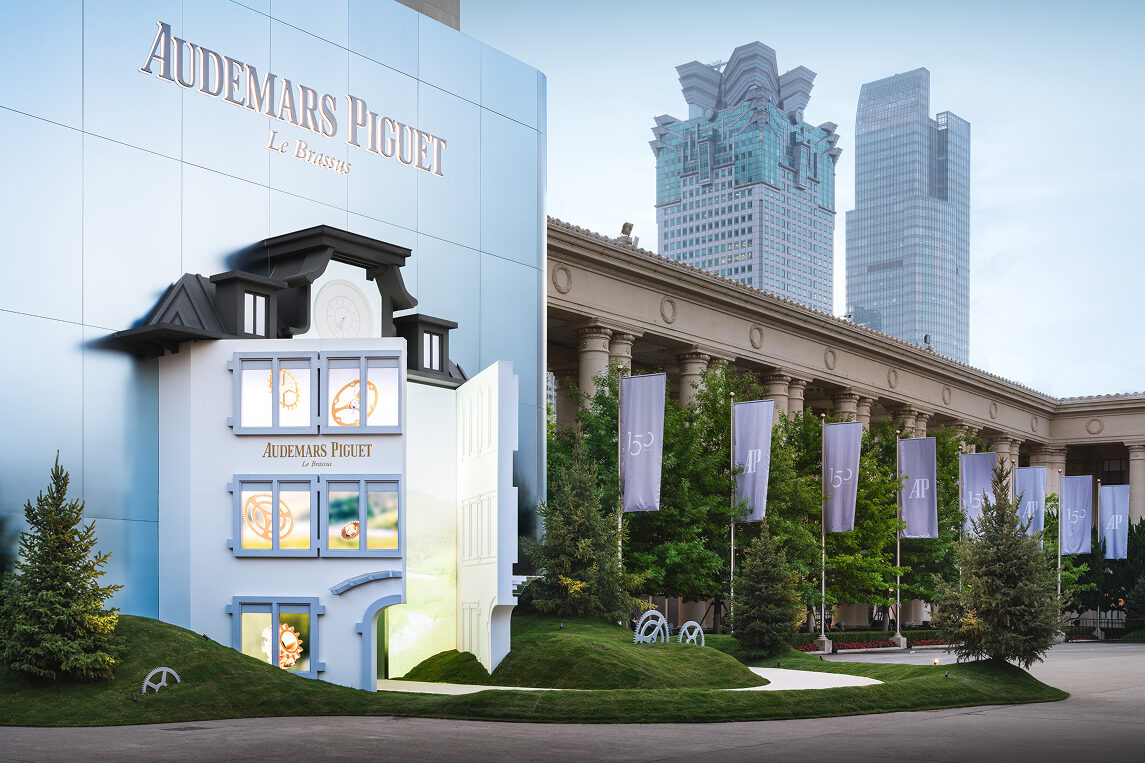
That perspective frames the current chapter under CEO Ilaria Resta. Her leadership is not defined by rupture, but by calibration. When asked which values continue to guide the brand today, her answer is precise.
“Audemars Piguet remains grounded in the values that have defined the brand for more than 150 years: excellence, independence, craftsmanship and innovation.”
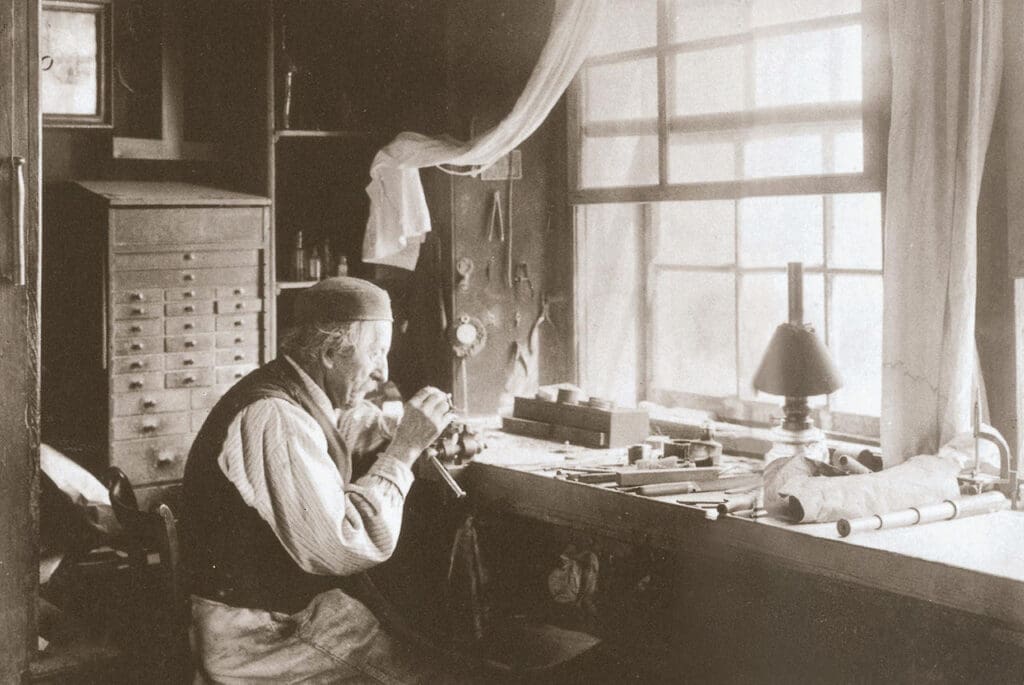
At AP, the idea of family extends beyond ownership. It is rooted in the établissage system that shaped the Vallée de Joux from the beginning, a decentralised network of specialised crafts working in coordination. The model favours collaboration over hierarchy and continuity over speed.
Resta is clear that this notion of family is active rather than inherited.
“Family for us means a community bound by deep passion and excellence. The strength of AP lies in its people – watchmakers, engineers, designers and artisans all united in the desire to craft the extraordinary.”
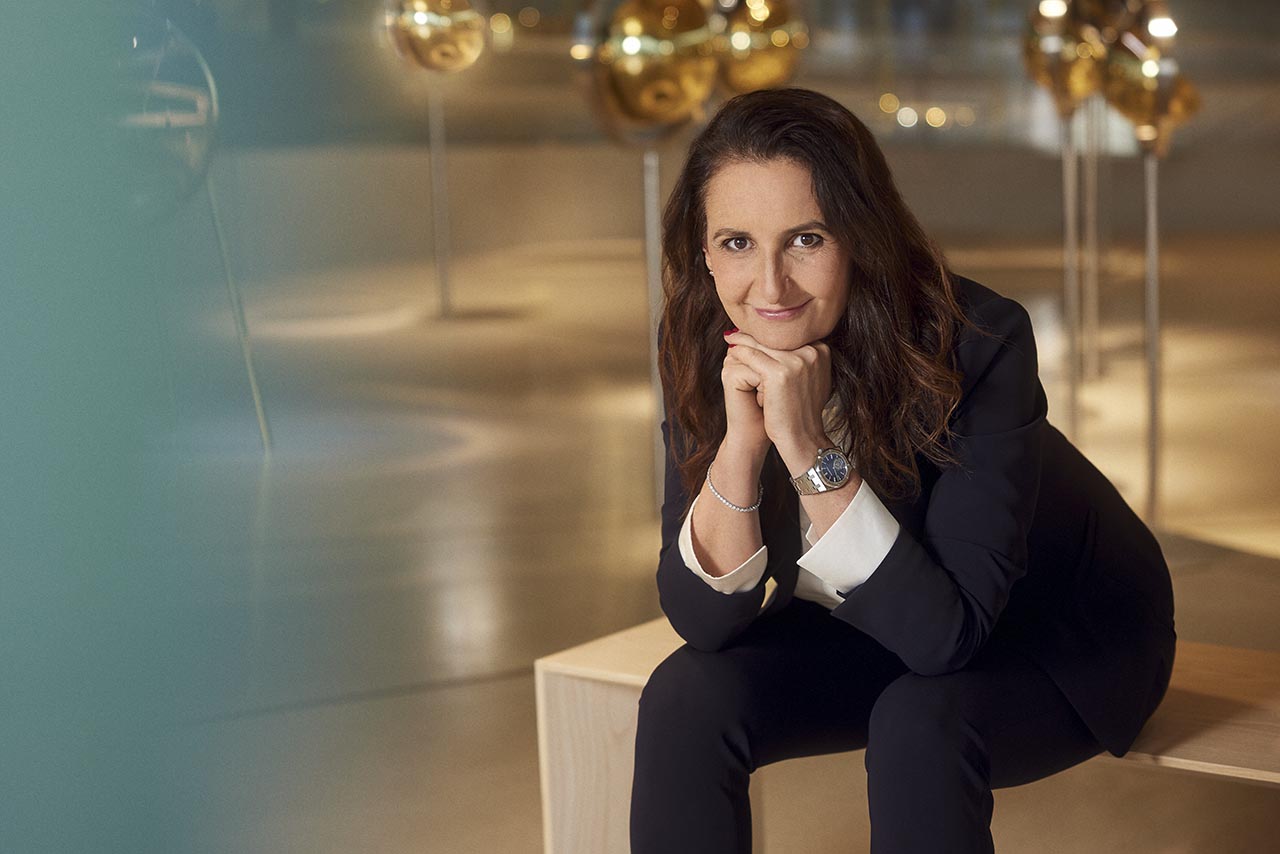
That collective culture allows the manufacture to evolve without becoming static. Icons are not protected through reverence, but through discipline. What changes and what remains is the result of deliberate choice.
“The balance lies in honouring our heritage while continuously reinventing ourselves. What must stay is our commitment to craft, precision and independence. Our aim is for heritage and the future to not just coexist, but to enrich one another.”
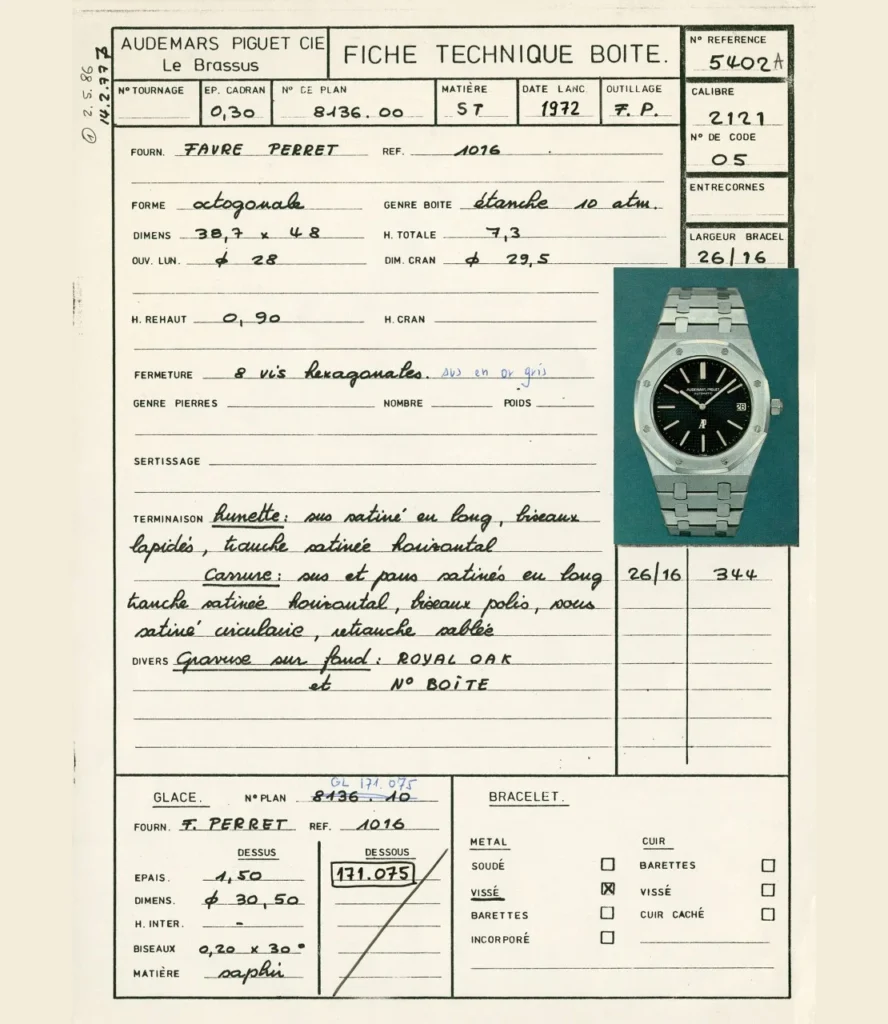
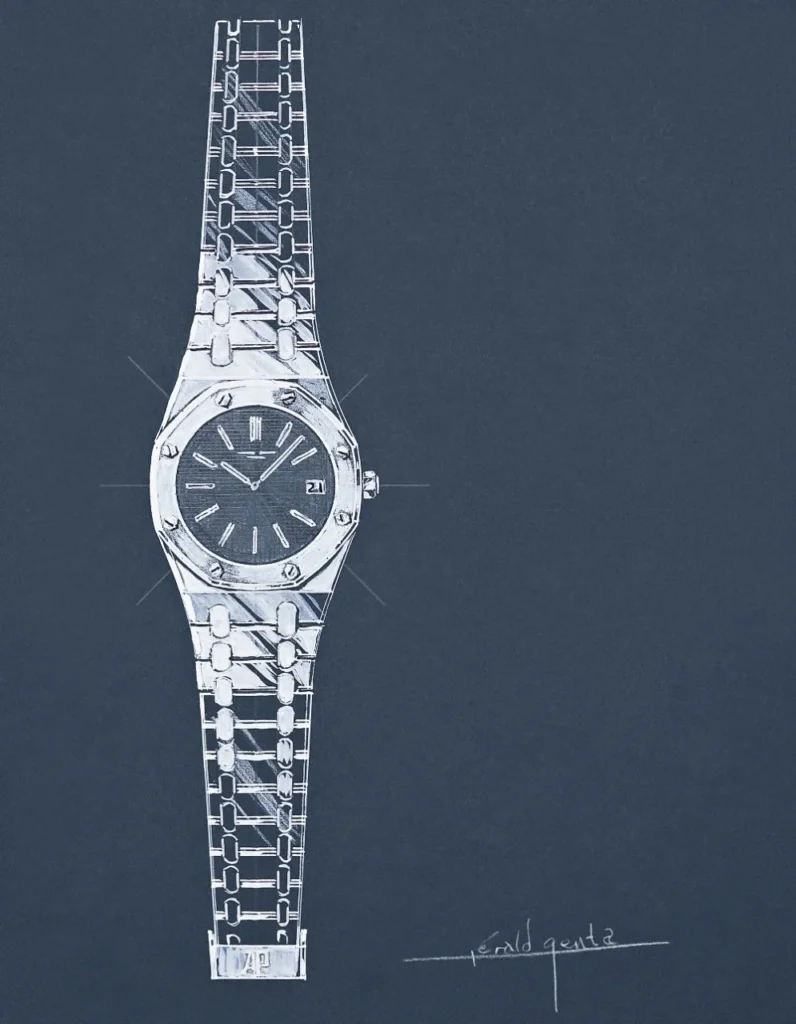
Nowhere is this more evident than in the Royal Oak. Designed by Gérald Genta and introduced in 1972, the Royal Oak challenged prevailing ideas of luxury watchmaking. Its exposed screws, integrated bracelet and industrial finishing were radical at the time. The so-called ‘Jumbo’ established proportions that still define the line today: 39mm in diameter, 8.1mm in thickness. Those dimensions are treated as constraints, not suggestions.
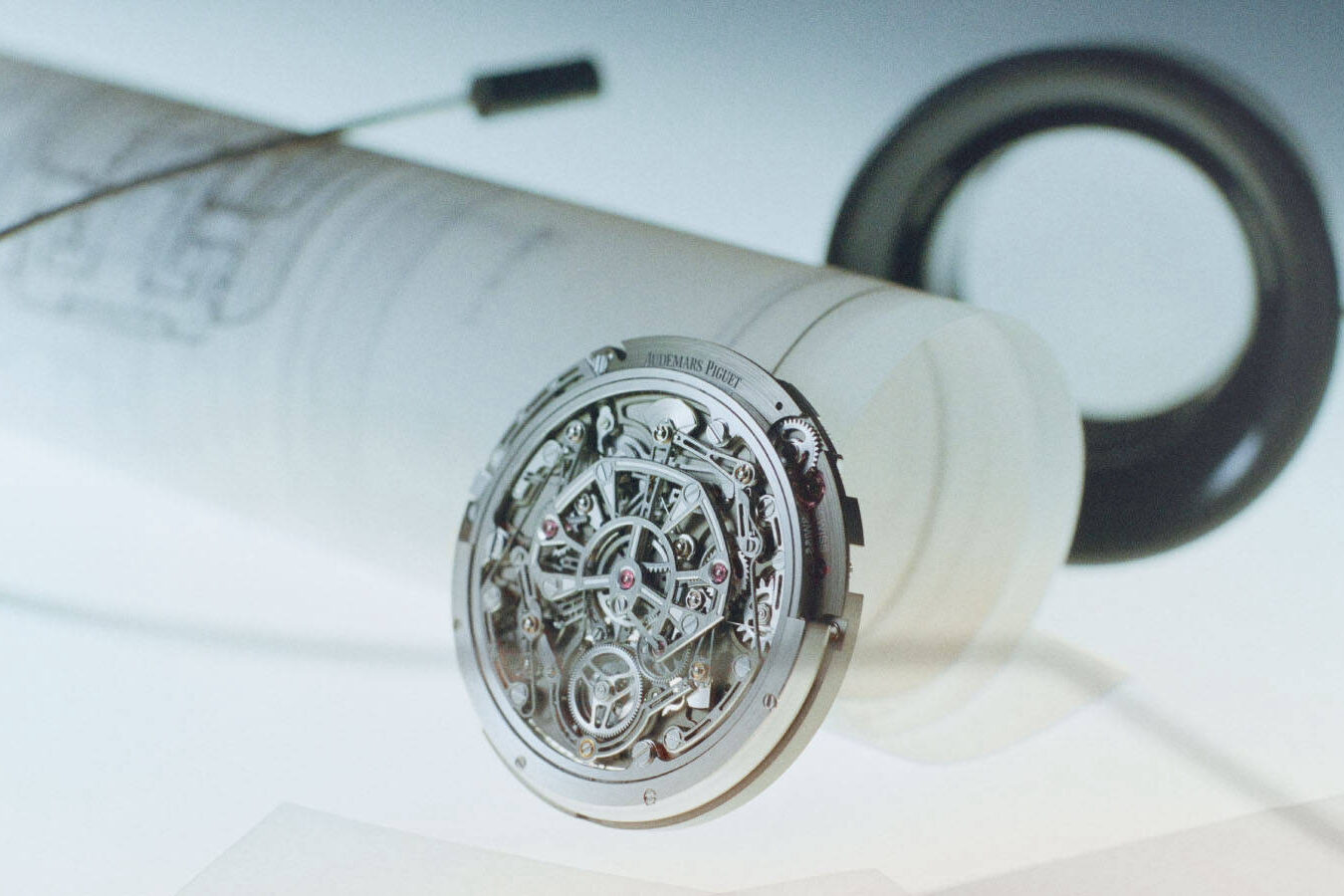
Resta points to the Royal Oak Extra-Thin Selfwinding Flying Tourbillon Chronograph, known as RD#5, as a clear expression of how innovation is permitted to operate within those limits.
“The launch of the Royal Oak Extra-Thin Selfwinding Flying Tourbillon Chronograph (RD#5) is a perfect example of the delicate balance between tradition and innovation.”
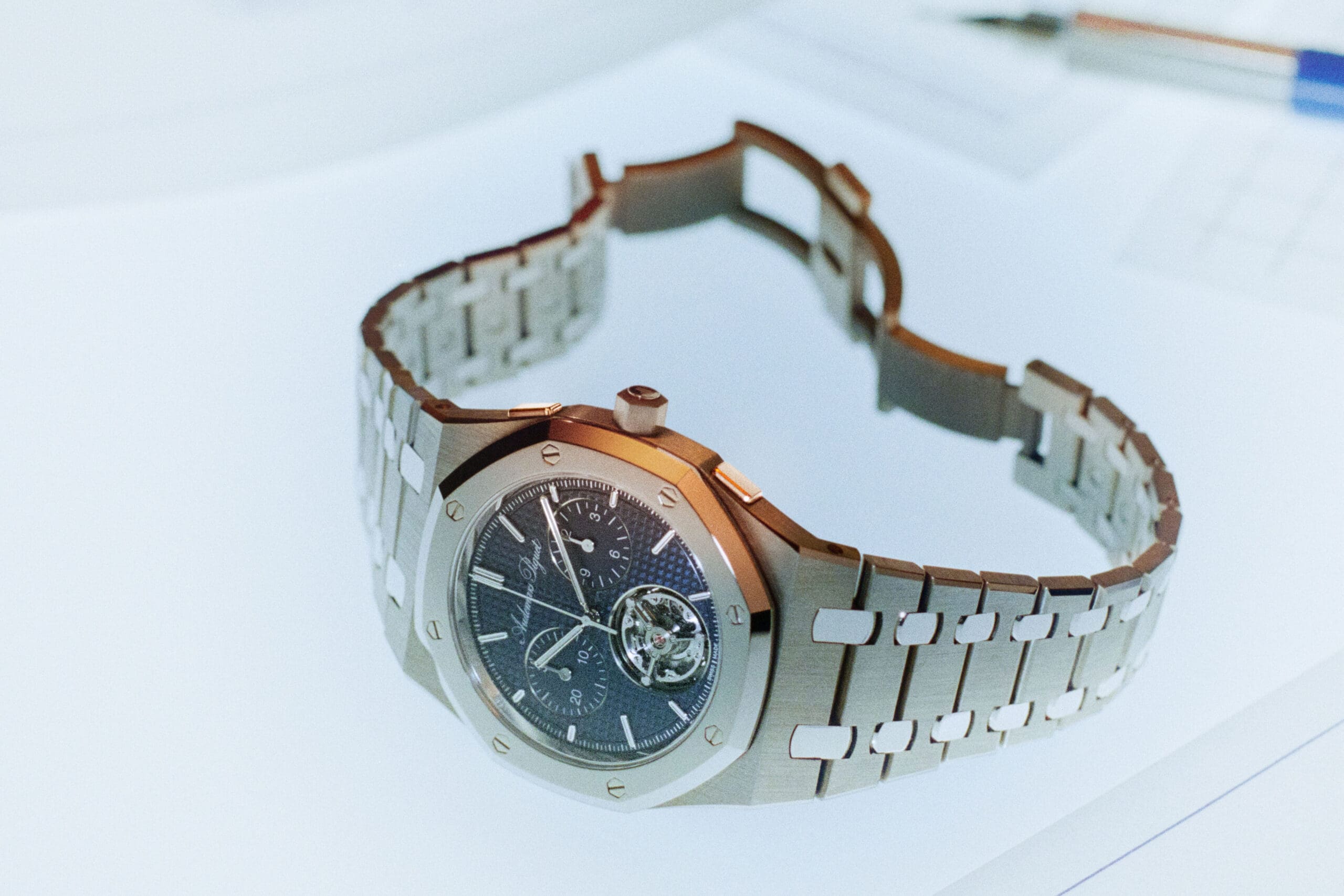
To achieve this balance, the movement architecture itself had to be reconsidered.
“With user comfort and strict adherence to the line’s aesthetic codes in mind, Audemars Piguet’s Research & Development team has completely redesigned the chronograph’s construction.”
The result is calibre 8100, a movement developed to serve the design rather than dominate it. Technical complexity is present, but restrained. Innovation remains tactile and wearable.
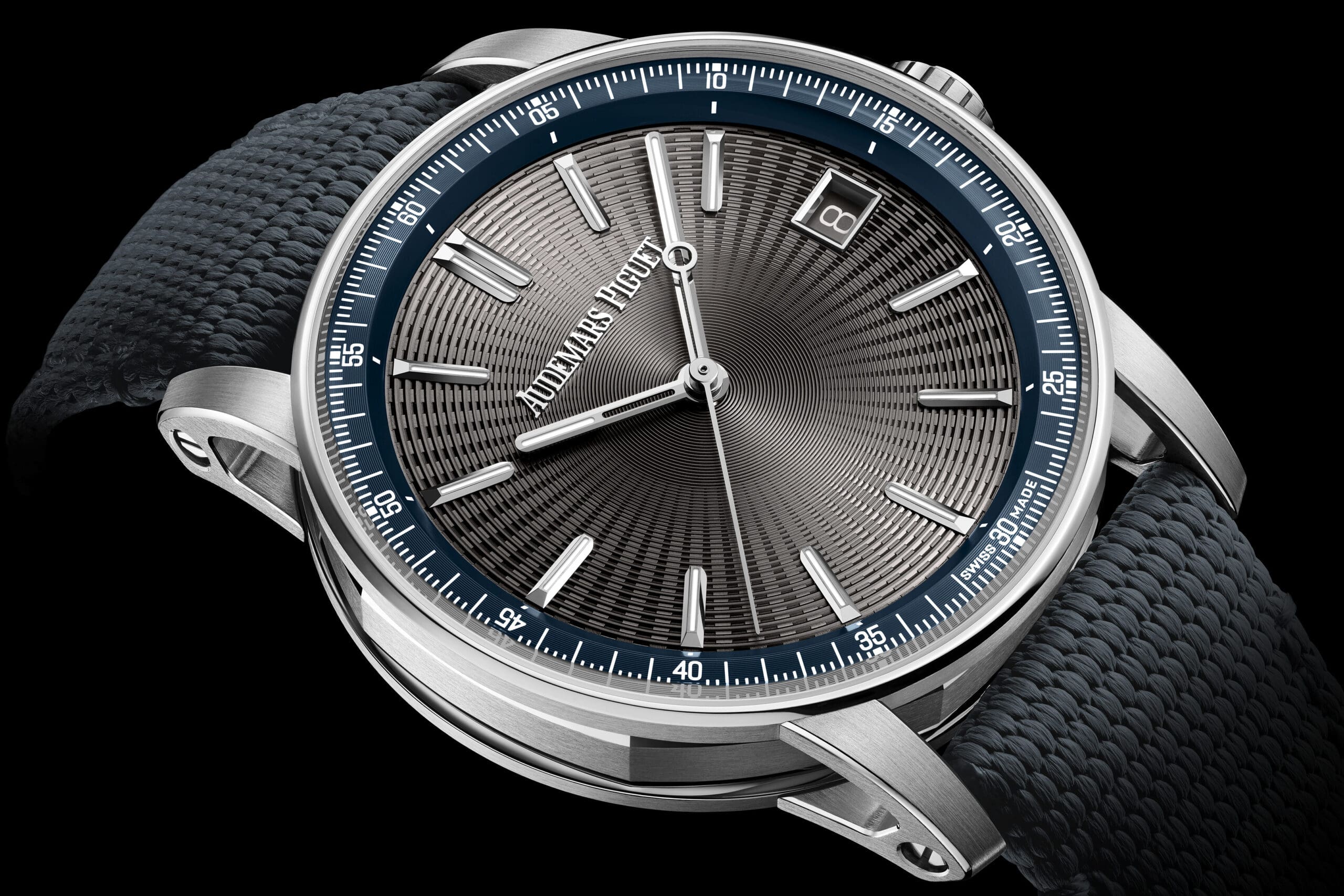
Alongside the Royal Oak, CODE 11.59 represents a different expression of the manufacture’s identity. Less bound by familiarity, it functions as a contemporary framework for experimentation.
“CODE 11.59 by Audemars Piguet stands as a contemporary, architectural expression of our DNA. It is an elegant yet boldly modern line that has become appreciated by collectors for capturing the highest expression of Haute Horlogerie.”
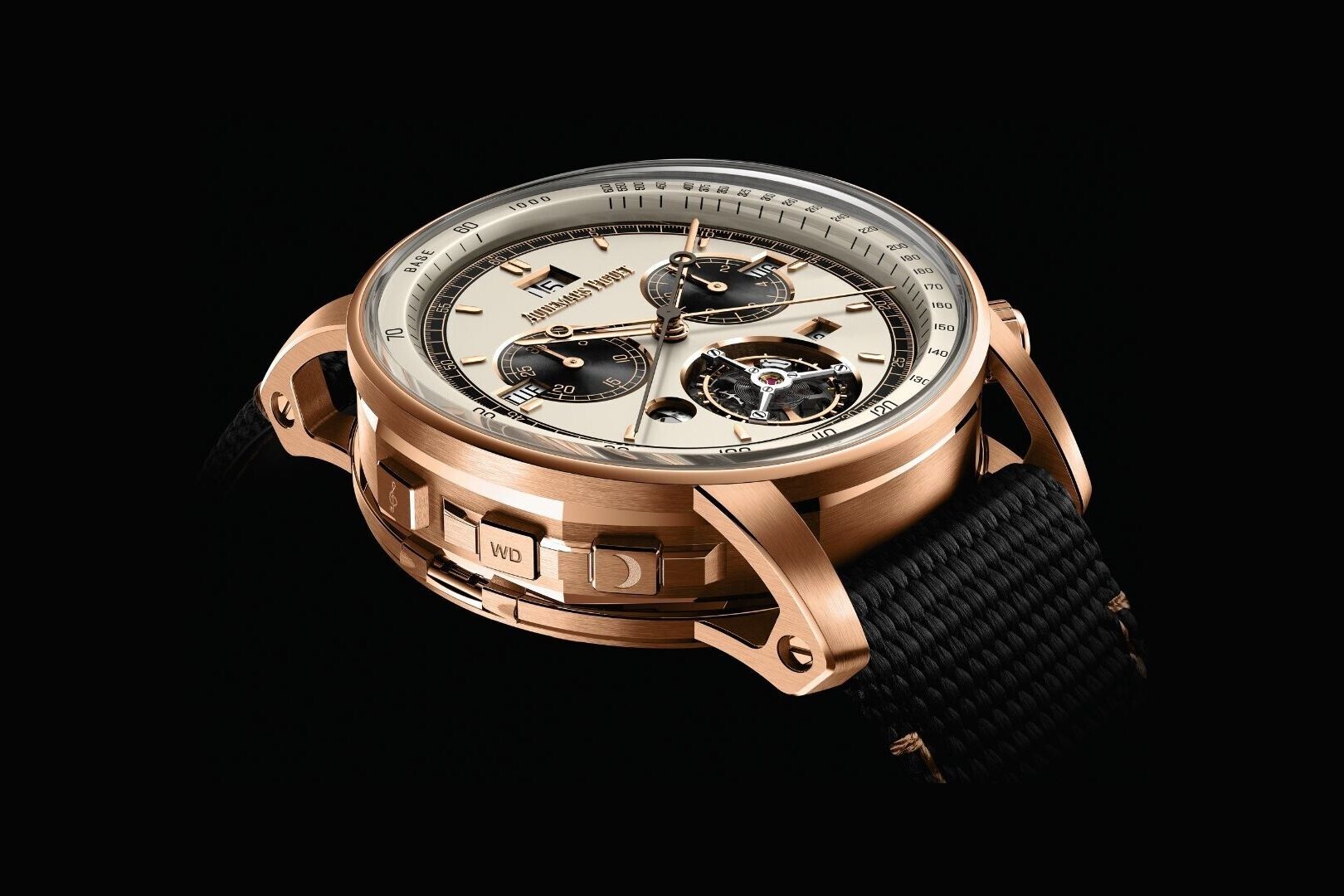
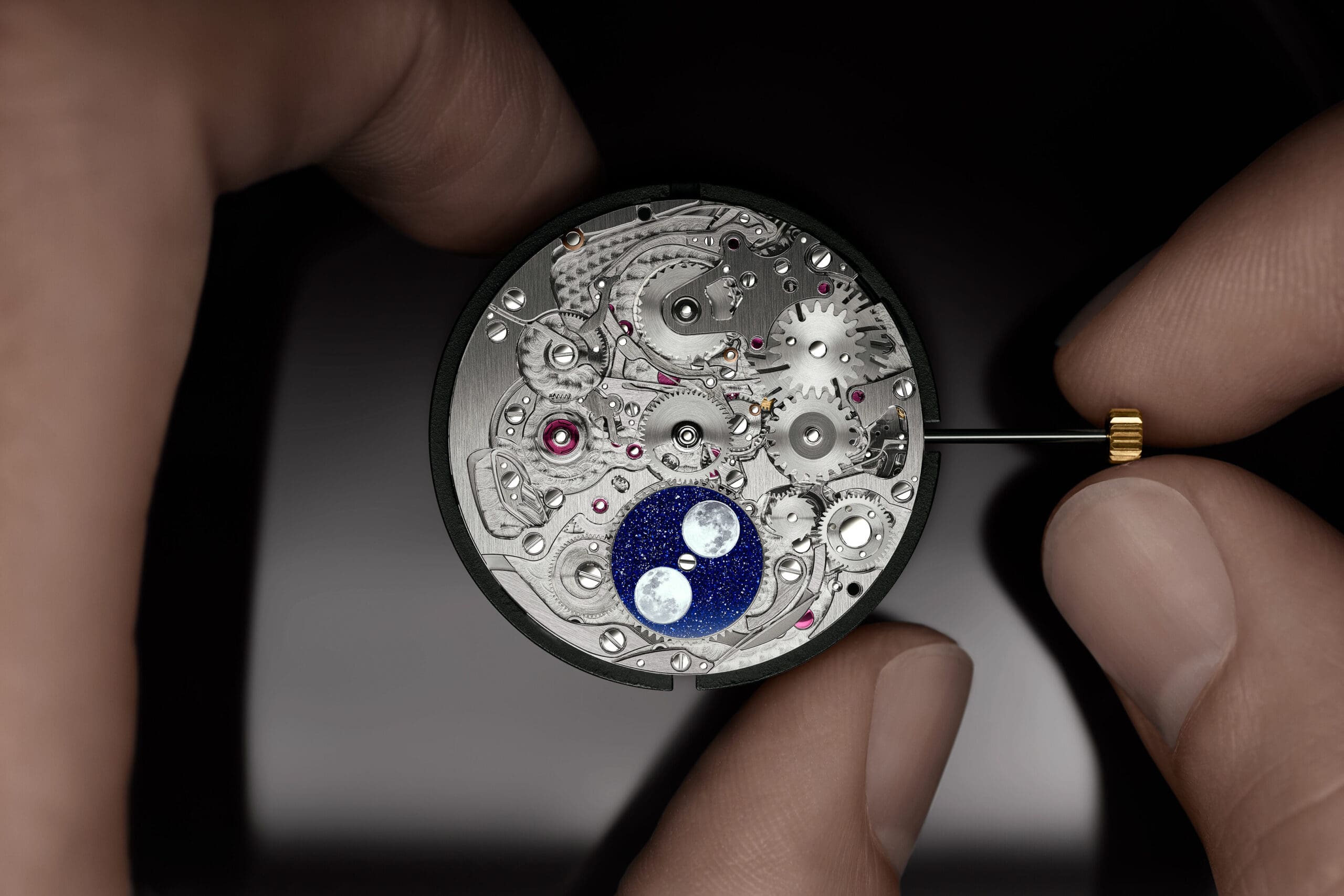
Within the collection sit some of the manufacture’s most complex creations, including the Grande Sonnerie Supersonnerie and the Universelle RD#4. Yet the intent is consistent. These watches are not showcases, but working demonstrations of what the maison can achieve when form is allowed to evolve.
Leading a family-owned manufacture at this scale comes with a particular responsibility. Independence allows freedom, but it also demands discipline, especially during periods of volatility.
“Our independence as a family-owned manufacture allows us the freedom and agility to make decisions for the long term.”
Resta’s leadership focus is structured around three priorities.
“Putting our clients even more at the heart of everything we do, championing craftsmanship at the highest level and embedding sustainability across the business. Leadership is not defined by control, but by the creation of enduring value, leadership with integrity, and a brand that will continue to inspire for the next 150 years.”
Maintaining a human connection between watchmaker and wearer remains central to this approach. Feedback informs development, particularly in ergonomics and usability.
“It is essential that our watchmakers continue to be inspired by direct interaction with those who wear their creations. The feedback they receive informs innovation at AP and has been a key driver behind our increased focus on ergonomics.”
Initiatives such as AP Houses and manufacture visits are designed to sustain that dialogue.
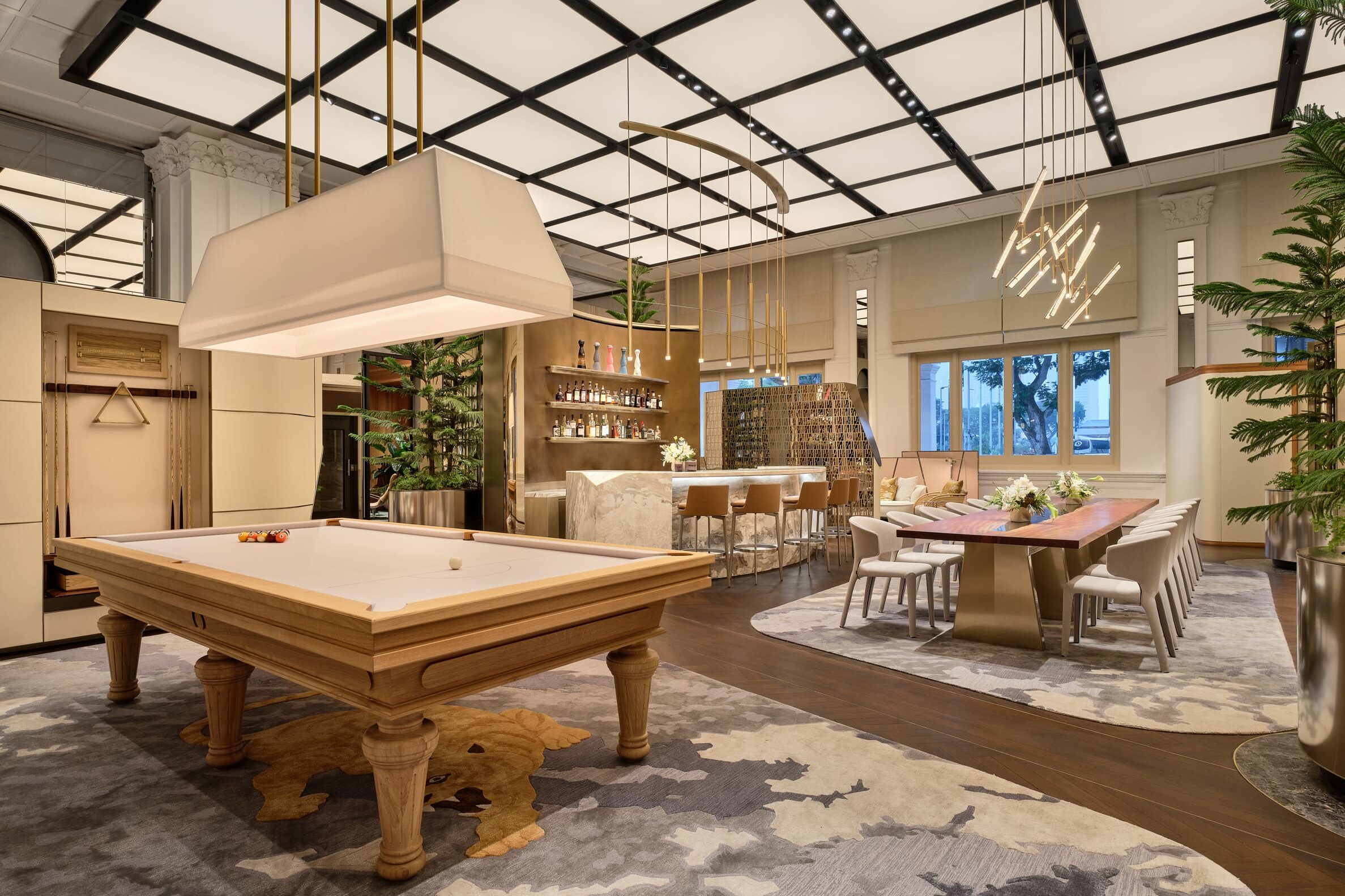
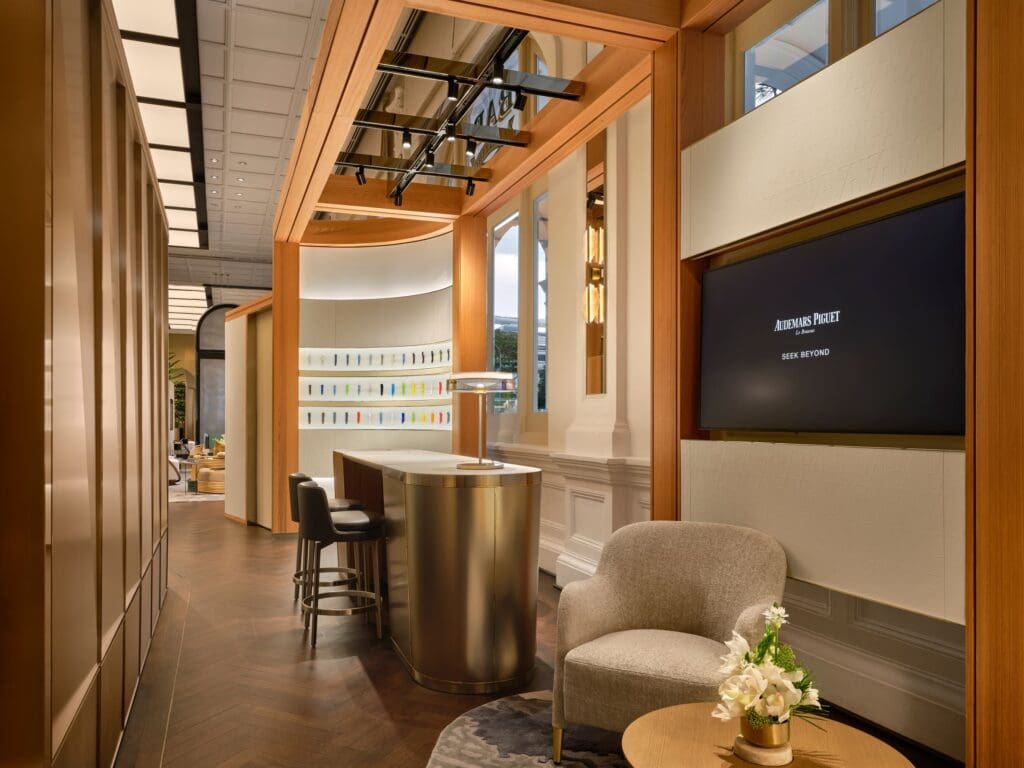
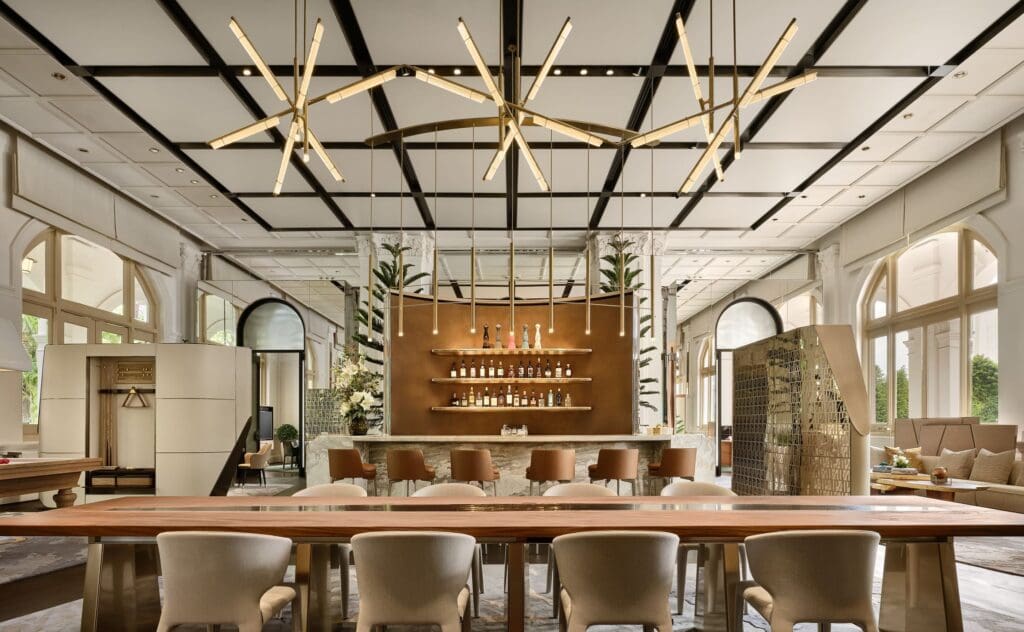
“AP Houses are more than retail spaces – they are social, creative environments that bring people together through their shared appreciation for artistry, music and mechanical excellence.
They function as extensions of the brand’s universe – creating bridges between our heritage and the contemporary world – where collectors and newcomers can slow down, connect, and feel at home in a space that bring the essence of AP to life.”
Coming from outside traditional watchmaking, Resta brings an external perspective shaped by international business. That distance has sharpened her view of the industry.
“Watchmaking is a world of precision, excellence, and heritage—but it can also be inward-looking. My role is to bring an outside-in view: to encourage openness, and to ensure that we remain relevant in a fast-evolving cultural landscape. ”
What surprised her most on entering Audemars Piguet was not the complexity of the craft, but its collaborative spirit.
“From my first visit to Le Brassus, I was struck by the depth of passion and collaboration within the AP community.”

Looking ahead, the ambition is not to redefine Audemars Piguet, but to guide it with intention.
“I want people to look at Audemars Piguet and see a brand that continues to innovate, to inspire, and to connect deeply with people around the world. That’s the legacy we’re shaping today.”
At 150 years, Audemars Piguet is not defined by age, but by its ability to operate within constraints. Icons are stewarded, not frozen. Decisions are measured against time rather than trend, and always with people in mind.