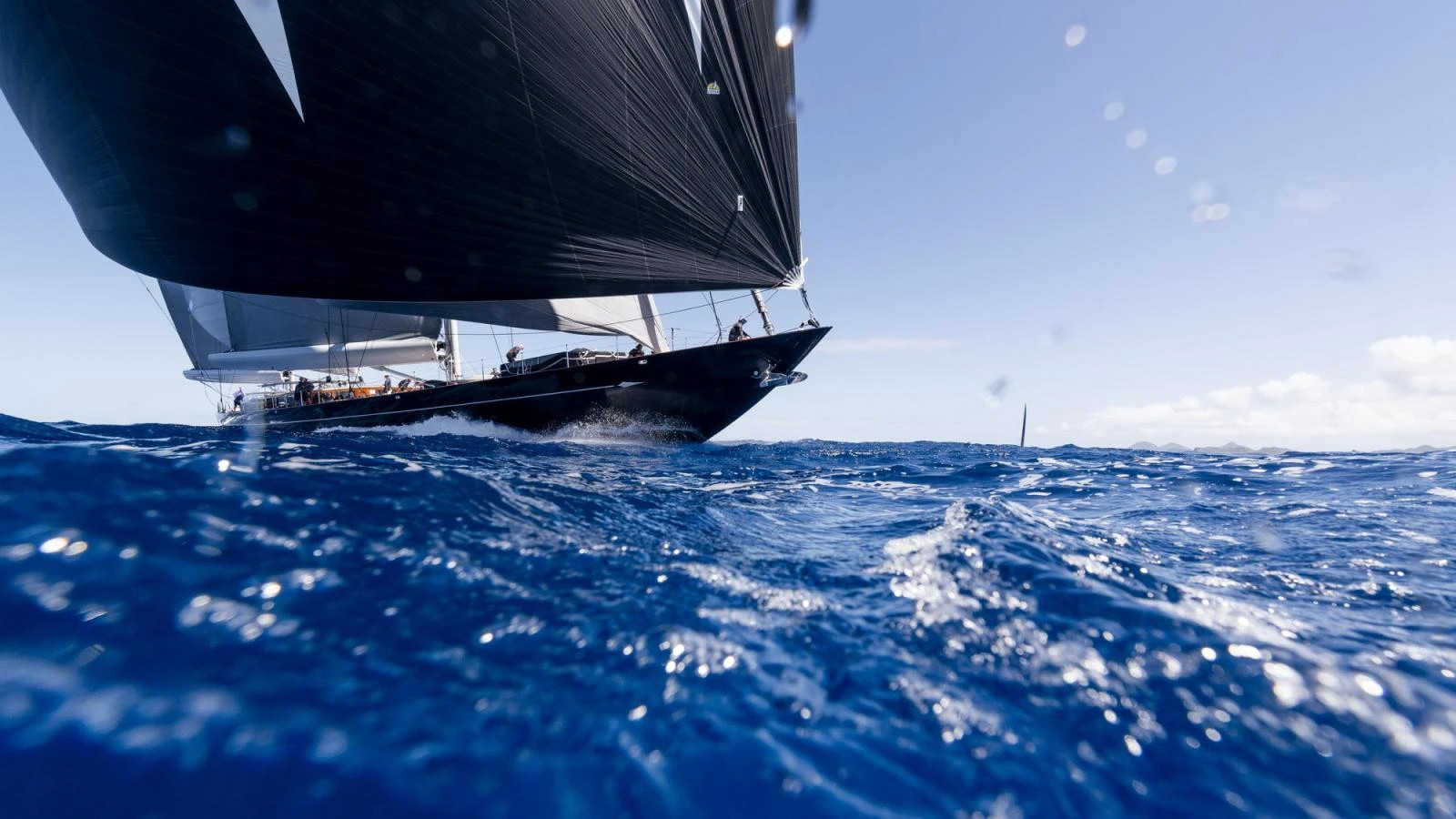
Aquarius took top honors in the Best in Sail 40m+ category at the 2026 International Superyacht Society Design and Leadership Awards on 28 October in Fort Lauderdale. The Florida presentation marked the fourth major peer distinction for the 65-metre ketch within the current season. The vessel previously earned the overall title of Sailing Yacht of the Year at the 2026 World Superyacht Awards, alongside the BOAT Design and Innovation Award for naval architecture and Robb Report's Best of the Best recognition.
The project began when experienced owners returned to Royal Huisman with an explicit development brief. Having logged extensive sea miles aboard a 56-metre ketch from the Dutch shipyard, they sought to retain the core handling characteristics and aesthetic balance of their previous yacht while gaining substantial internal volume and open-water sailing power. Recommissioning the same shipyard, naval architects, and styling studio for a second custom build established direct continuity from the initial hull to the current one.
Scaling the Aquarius Platform
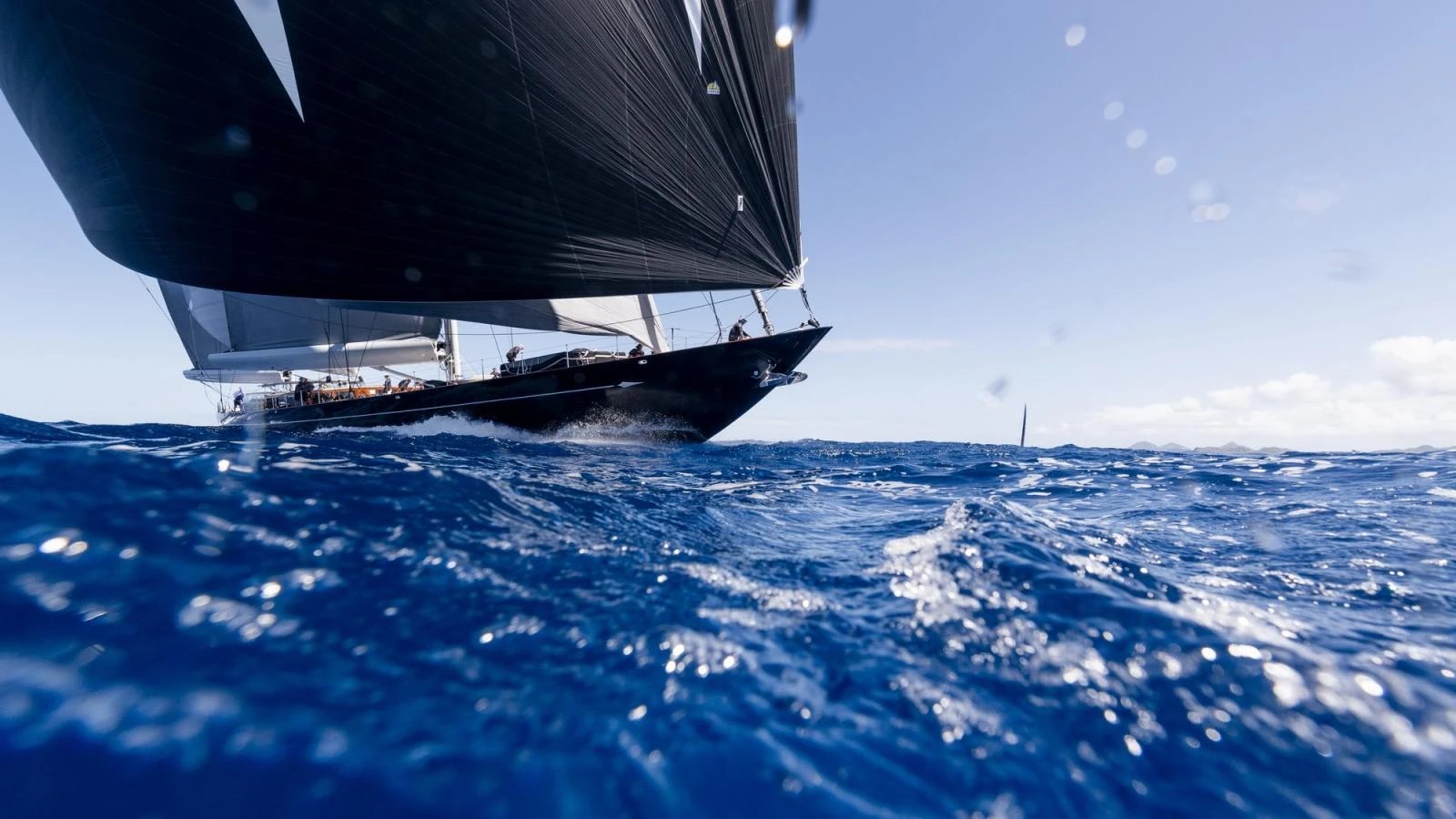
Translating that brief into working naval architecture fell to Dykstra Naval Architects and project manager Godfrey Cray. The finished yacht measures 65 metres, or 212 feet, overall. That increase in length yields 45 percent more interior volume compared to the earlier 56-metre hull. The expanded internal volume accommodated larger living spaces, increased utility storage, and expanded machinery rooms designed for long-distance cruising without requiring mid-voyage provisioning.
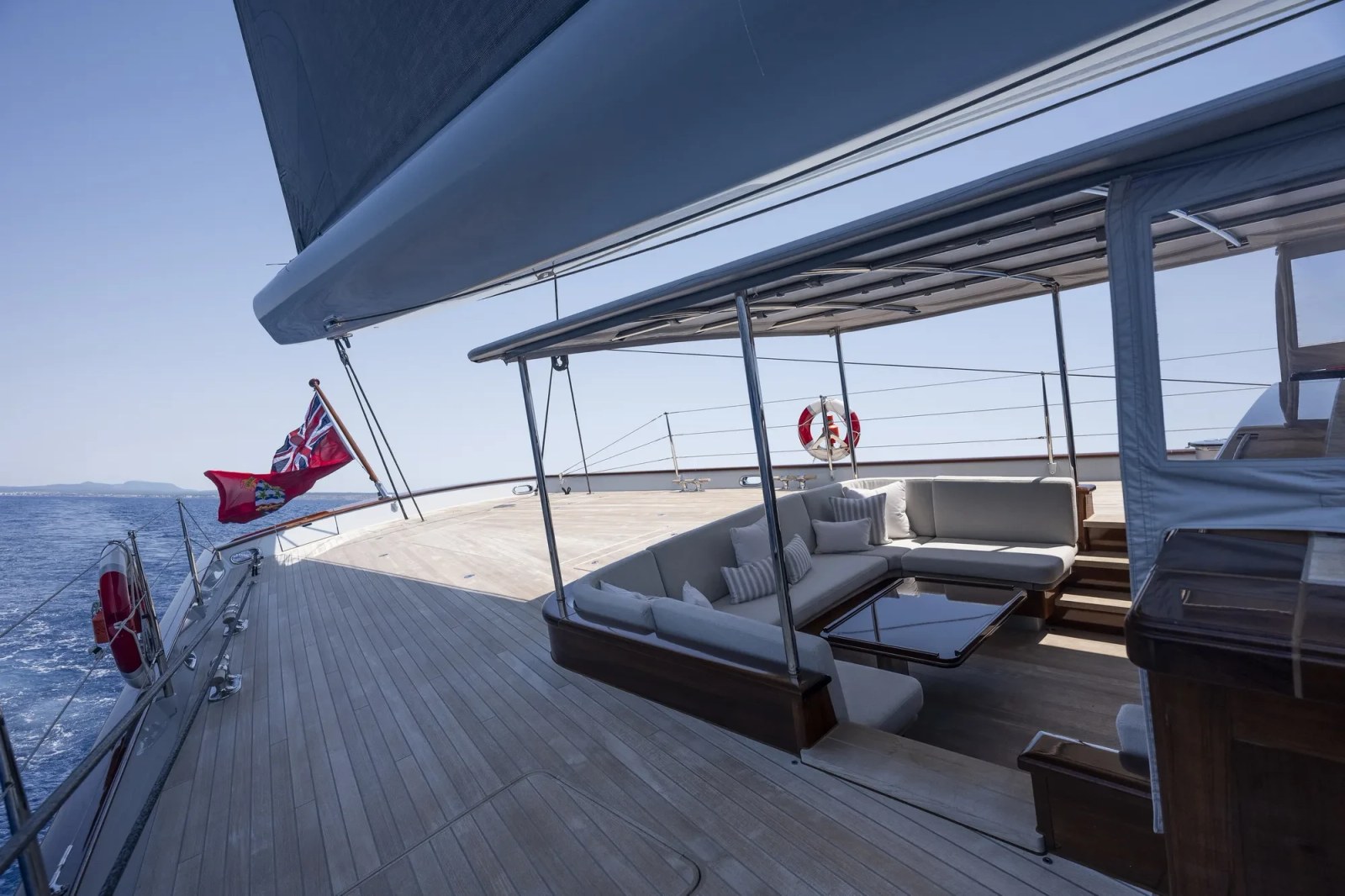
To keep the structural displacement manageable across a 65-metre waterline, the hull was built in lightweight Alustar aluminum. The material gives the platform high rigidity while controlling overall weight, directly aiding acceleration and handling in varied sea conditions. Mark Whiteley Design handled both the exterior lines and interior joinery, creating clean profiles, balanced deckhouses, and functional deck spaces that maintain operational efficiency during long offshore passages.
The Engineering Behind the Ketch Rig
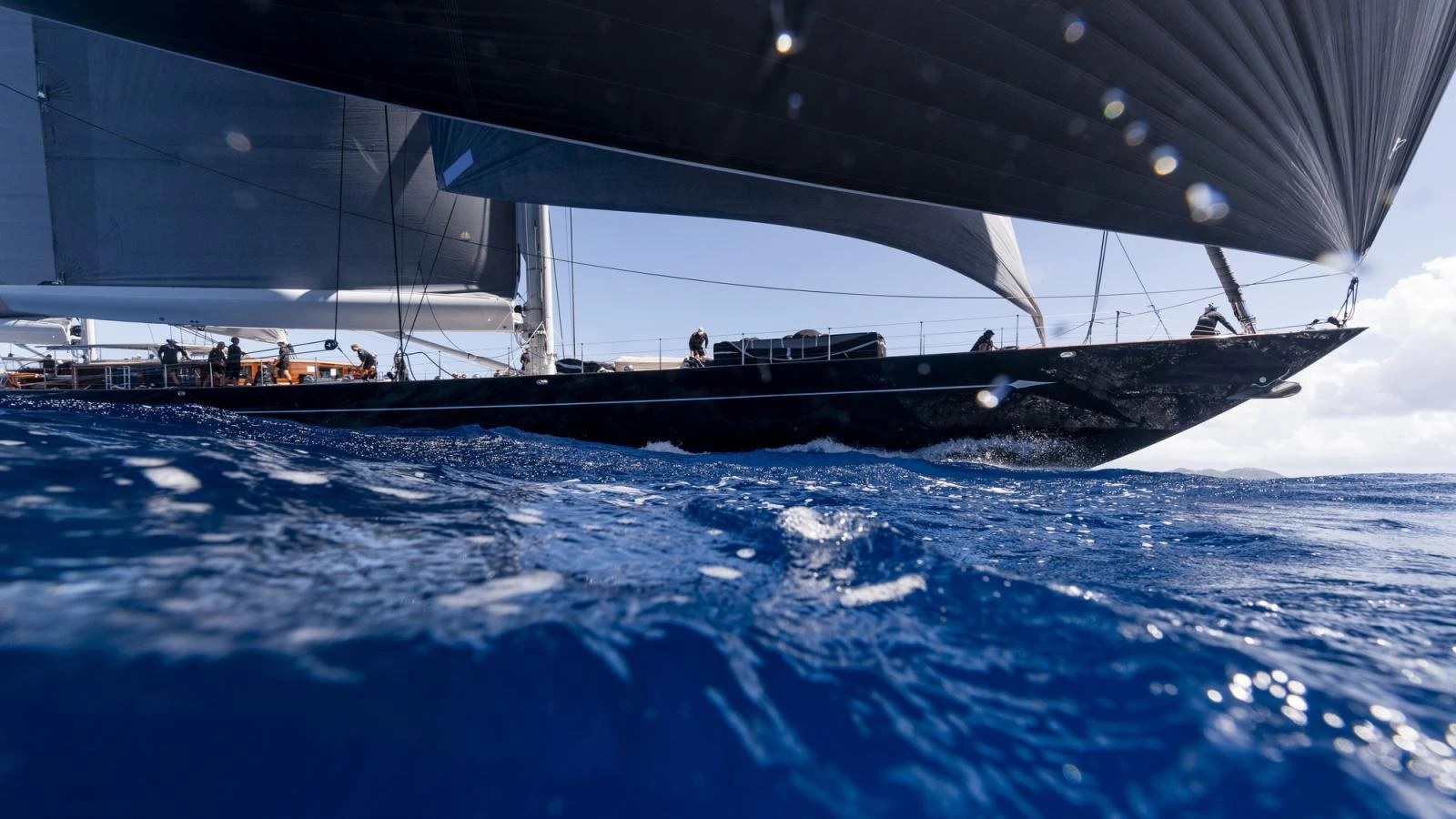
Sailing a displacement yacht of this scale requires substantial mechanical leverage. The rig package, engineered and manufactured by Rondal, features carbon fiber spars paired with integrated sail handling systems. Captive winches, below-deck furlers, and powered controls allow the crew to hoist, trim, and reef wide spreads of canvas from central consoles, eliminating loose deck lines and ensuring quick responses during unexpected squalls.
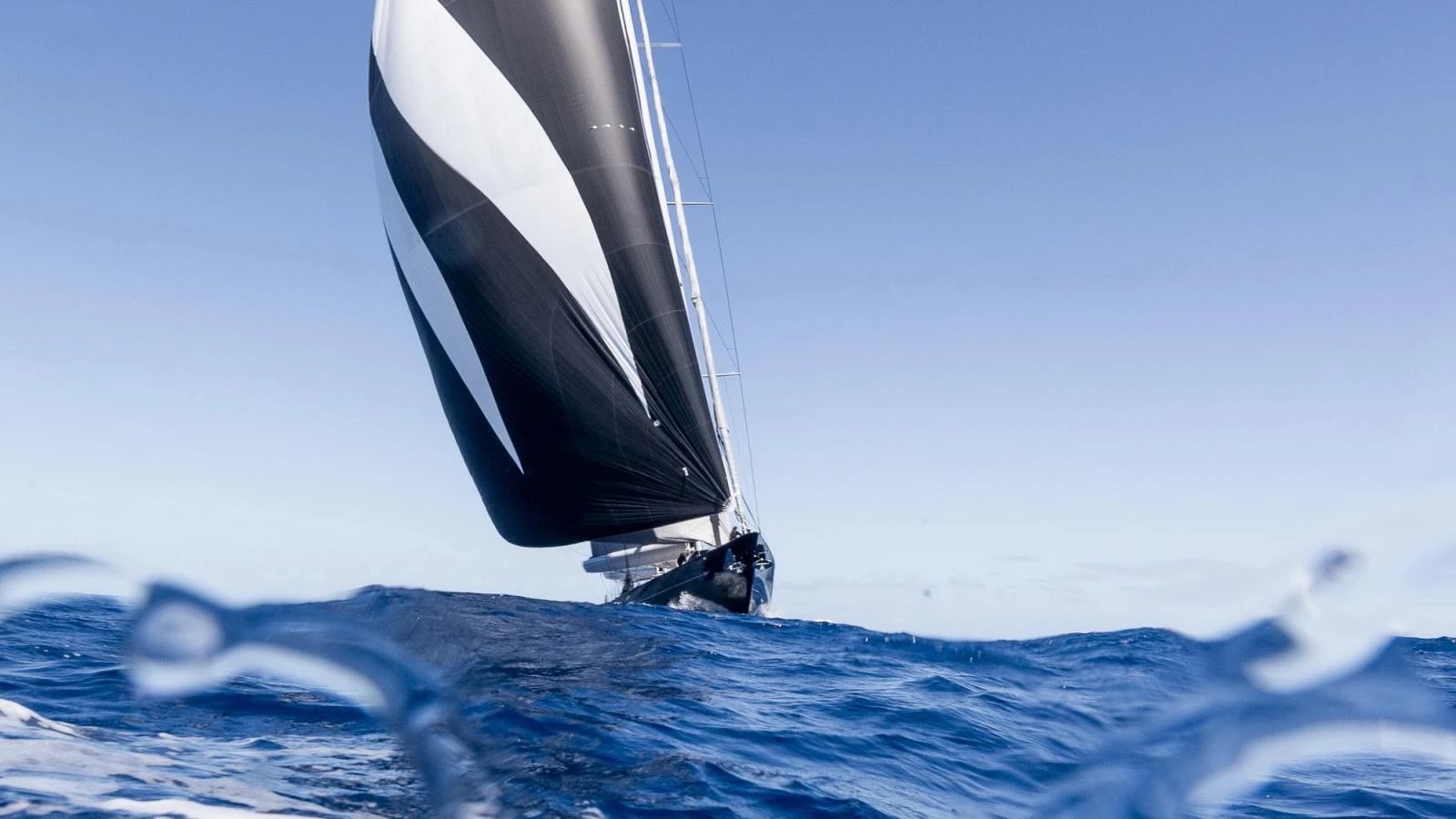
Beneath the waterline, the naval architecture incorporates an adjustable lifting fin keel. The keel deploys deep into clean water during ocean crossings, creating substantial righting moment against the tall Rondal carbon rig. When raised, the reduced draft permits access into shallow anchorages, bays, and harbour basins that remain inaccessible to fixed-keel vessels of equivalent length.
The platform demonstrated its sailing dynamics under competitive conditions at the 2026 St. Barths Bucket regatta. Maneuvering a 65-metre performance ketch around tight island courses tested load management, crew ergonomics, and sail balance under race rules. Data gathered across the regatta confirmed the hydrodynamic calculations and sail plans mapped out during early engineering phases.
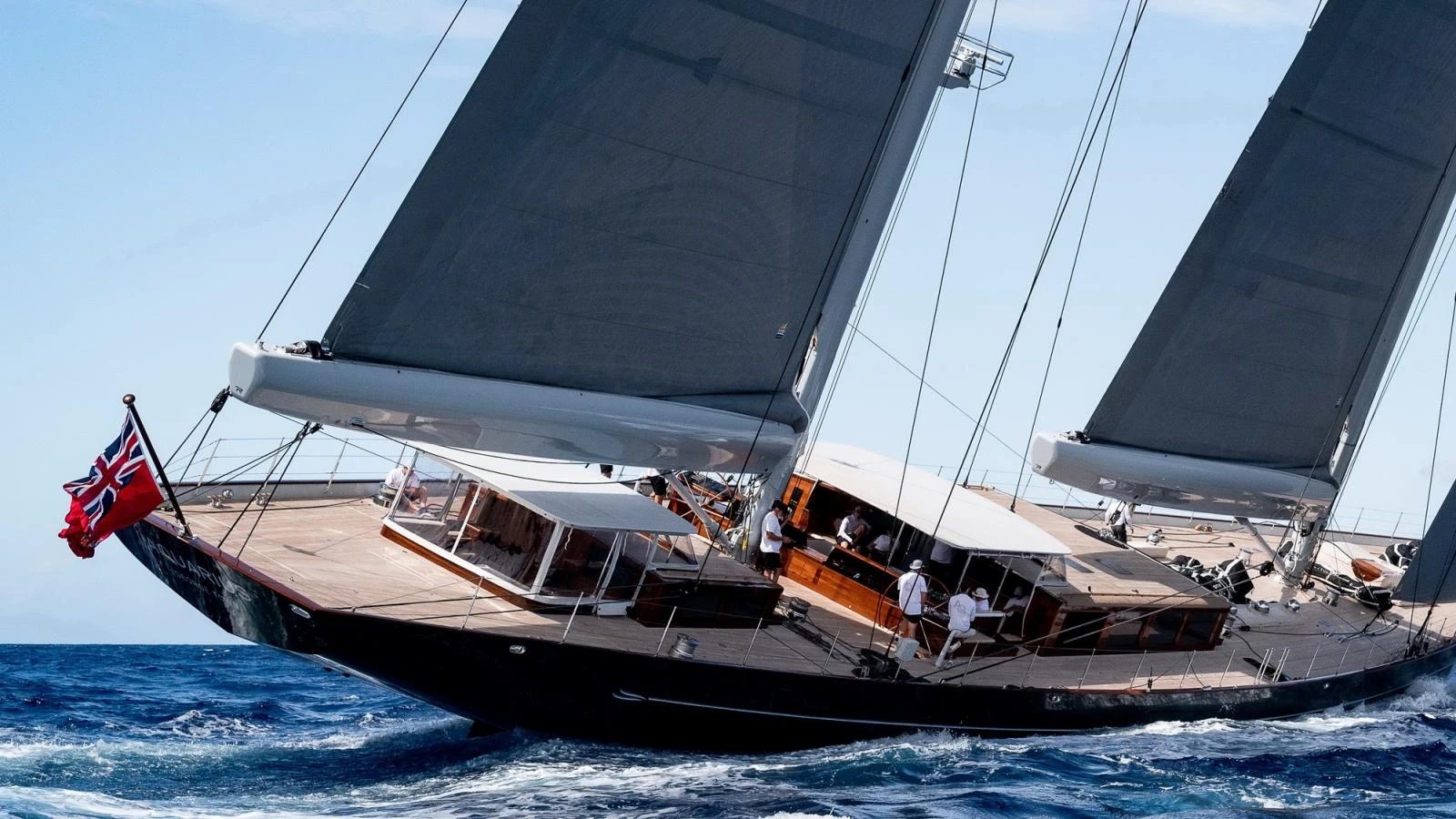
The International Superyacht Society awards, established in 1990, represent one of the oldest peer-reviewed programs in large yacht construction. By collecting the Best in Sail 40m+ trophy in Fort Lauderdale, Aquarius closed out the 2026 awards calendar with four premier titles across design, architecture, and construction. The yacht now continues active worldwide cruising operations.
Read more about yachts here.