
Every driver remembers their first weekend. The feeling is specific. For Arvid Lindblad, his debut in the top tier of motorsport begins not just with the car, but with two conversations that frame the entire challenge ahead. The air in the Melbourne paddock is different when you are the new man. The noise, the cameras, the sheer operational scale of a Formula 1 team—it can be overwhelming. Before his first official laps in Australia, Lindblad found himself receiving counsel from two distinct points on the sport’s timeline.
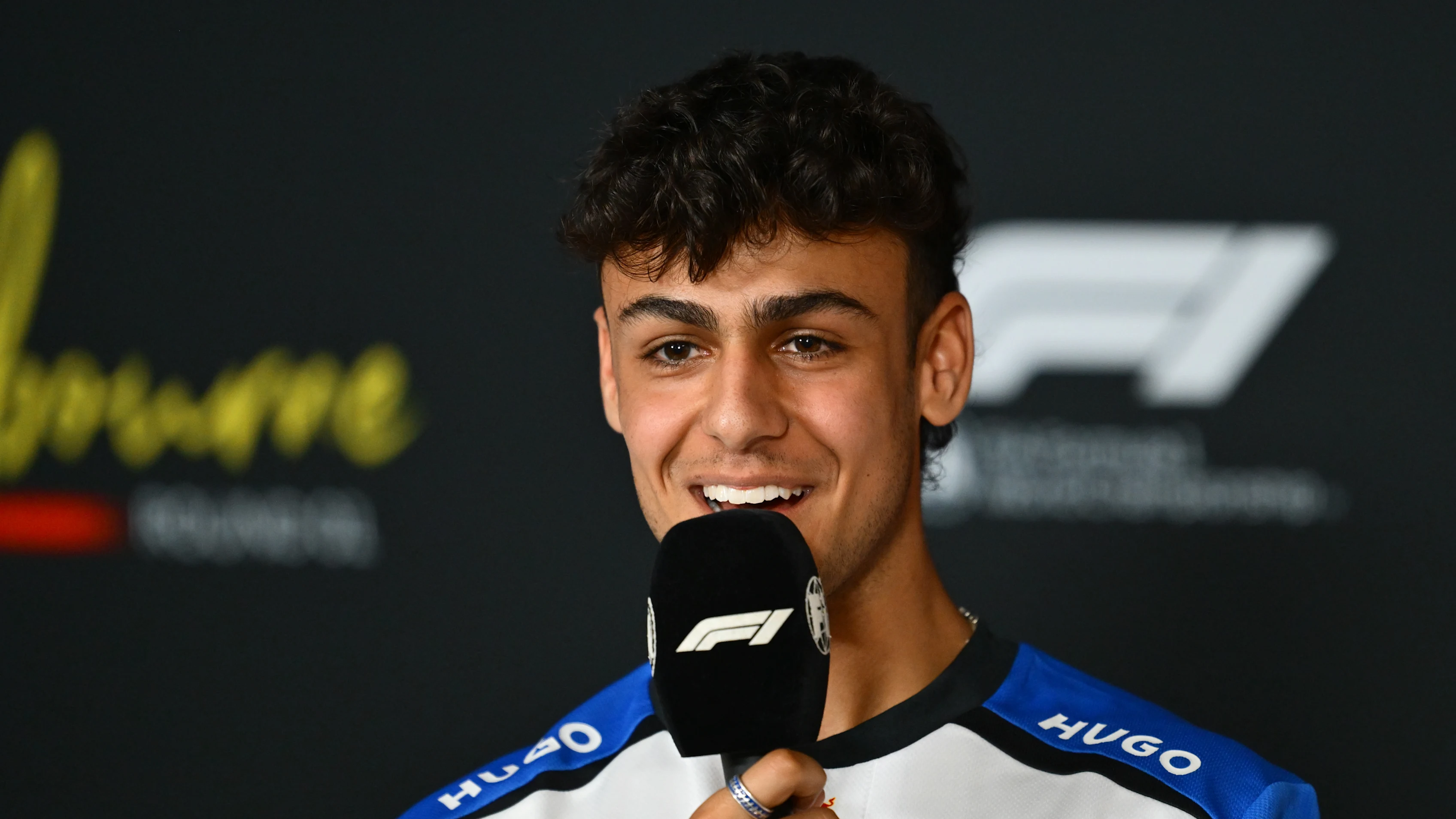
On one side is Lewis Hamilton. A seven-time world champion whose career has defined the modern era of the sport. His advice was simple: enjoy it. It sounds like a platitude, something anyone would say. But from Hamilton, the words carry the weight of nearly two decades of immense pressure, public scrutiny, and the transformation from a gifted racer into a global figure. He is not just telling Lindblad to have fun. He is reminding him to hold on to the purity of the act itself, the simple love of driving, before the complexities of contracts, media, and expectation begin to crowd it out. It is a piece of wisdom earned over a very long road.
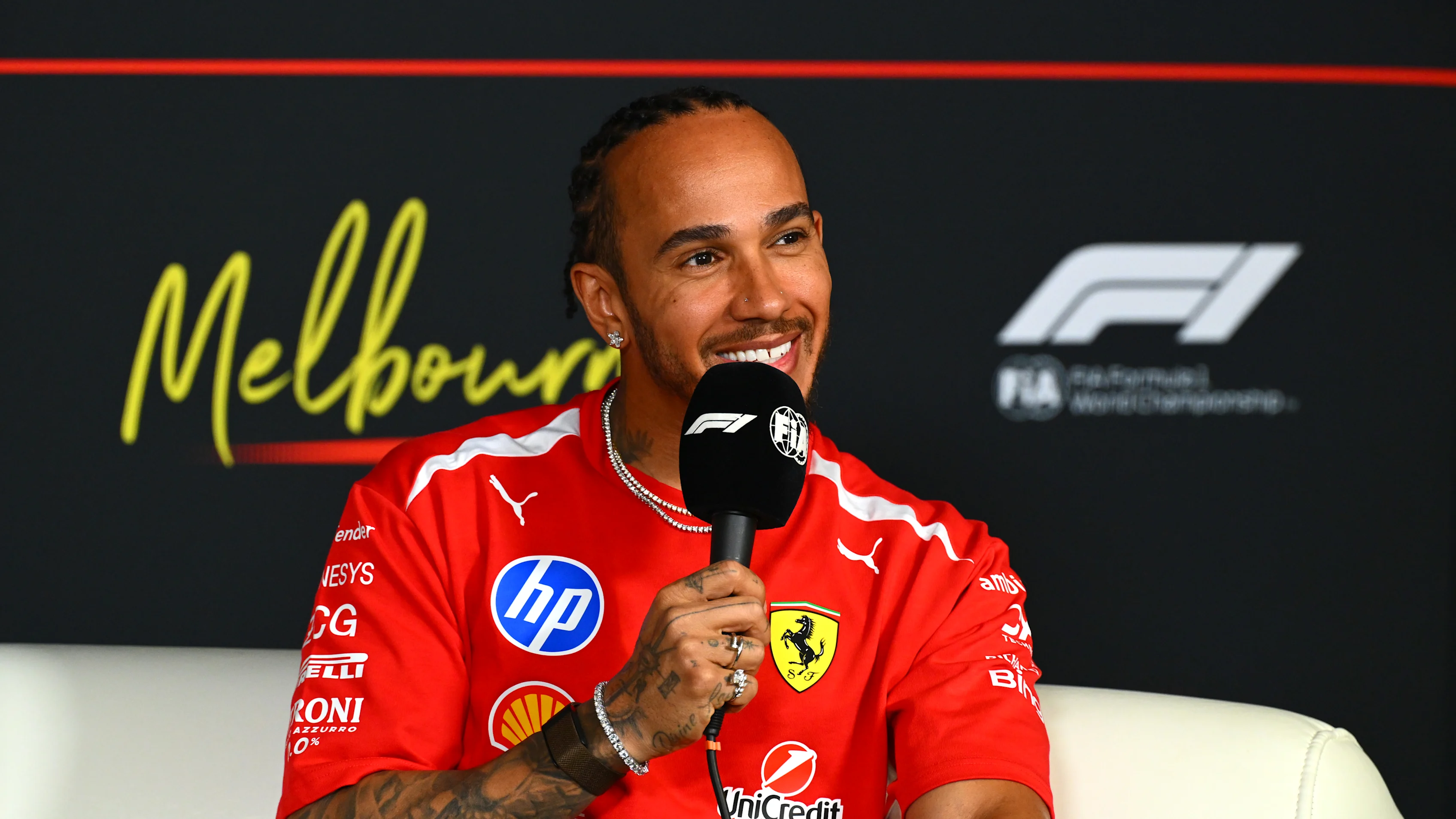
The Statesman and The Contemporary
On the other side is Liam Lawson, his teammate at Racing Bulls. Lawson’s experience is the opposite of Hamilton’s. It is fresh, visceral, and recent. He is not a statesman looking back on a career. He is a contemporary who was in this exact position just months ago, thrown into the deep end and forced to perform. His advice is grounded in the immediate shock of the present. It is about the car’s brutal power, the complexity of the steering wheel, and the sheer speed at which a race weekend moves. Lawson’s counsel is less about philosophy and more about survival. It is tactical, not sentimental.
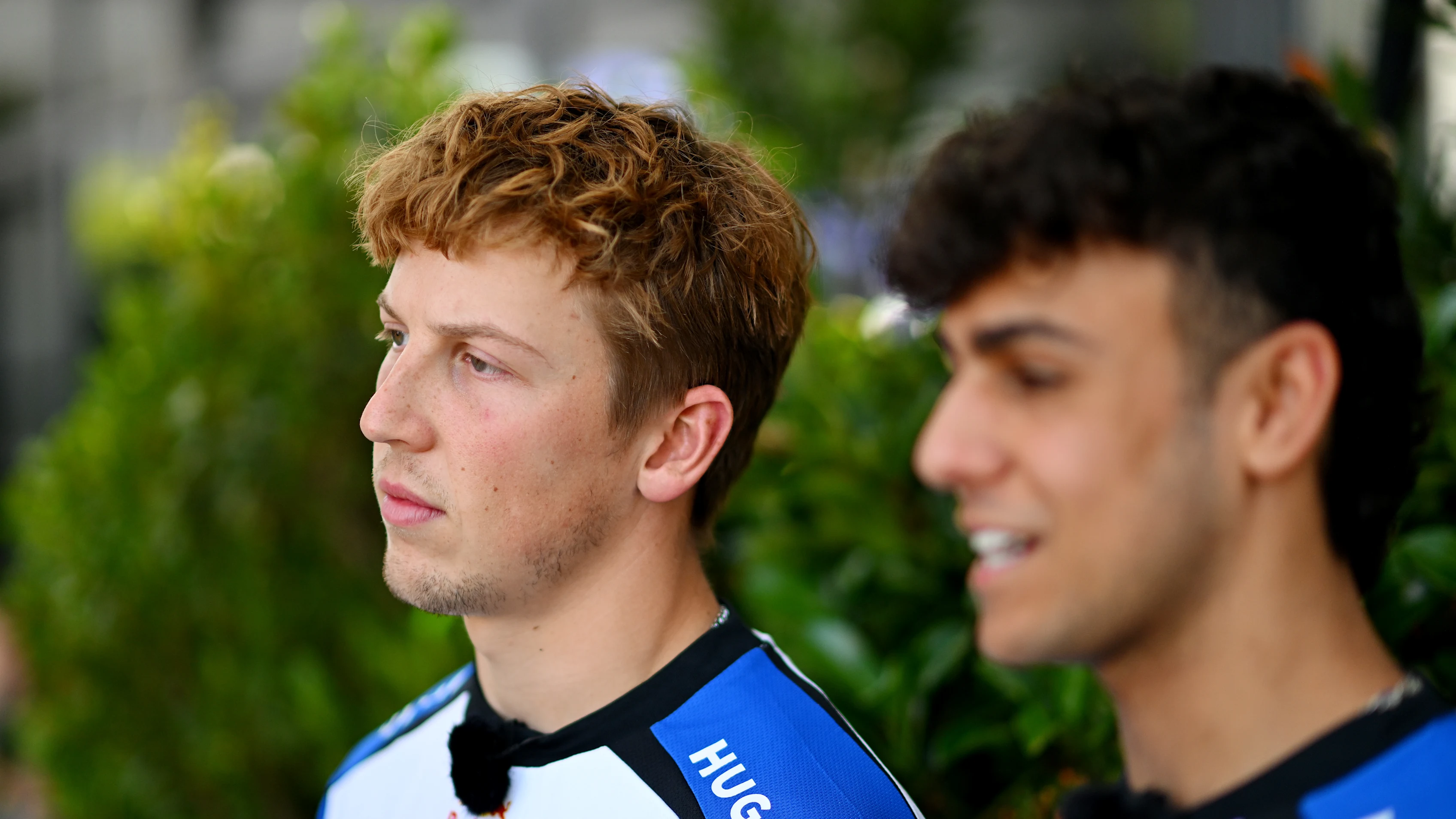
One man tells him to protect the feeling. The other gives him the tools to withstand it. Together, they represent the dual reality of being a Formula 1 driver. You must possess an almost spiritual connection to the craft while simultaneously operating as a high-performance data processor and athlete. You have to love it, and you have to be clinical about it. For a rookie, finding the balance between those two poles is the first real test.
The Real Test for Arvid Lindblad
The journey for Arvid Lindblad from junior formulas to the main event is a familiar narrative, but each driver lives it differently. The cars are faster, the margins are smaller, and the world is watching. The advice from Hamilton and Lawson serves as a valuable framework, a way to mentally prepare for what is about to happen. It offers perspective from both the summit of the sport and the base camp he is just leaving.
Ultimately, a driver is alone in the cockpit. The counsel from others fades once the helmet is on and the engine is running. The team can provide data, and mentors can offer wisdom, but the execution is solitary. The weekend in Melbourne is not just about lap times or finishing positions. It is about how Lindblad synthesizes everything he has learned, absorbs the pressure, and begins to write his own story. The conversations are over. Now, all that is left is the driving.
Read more about sports here.