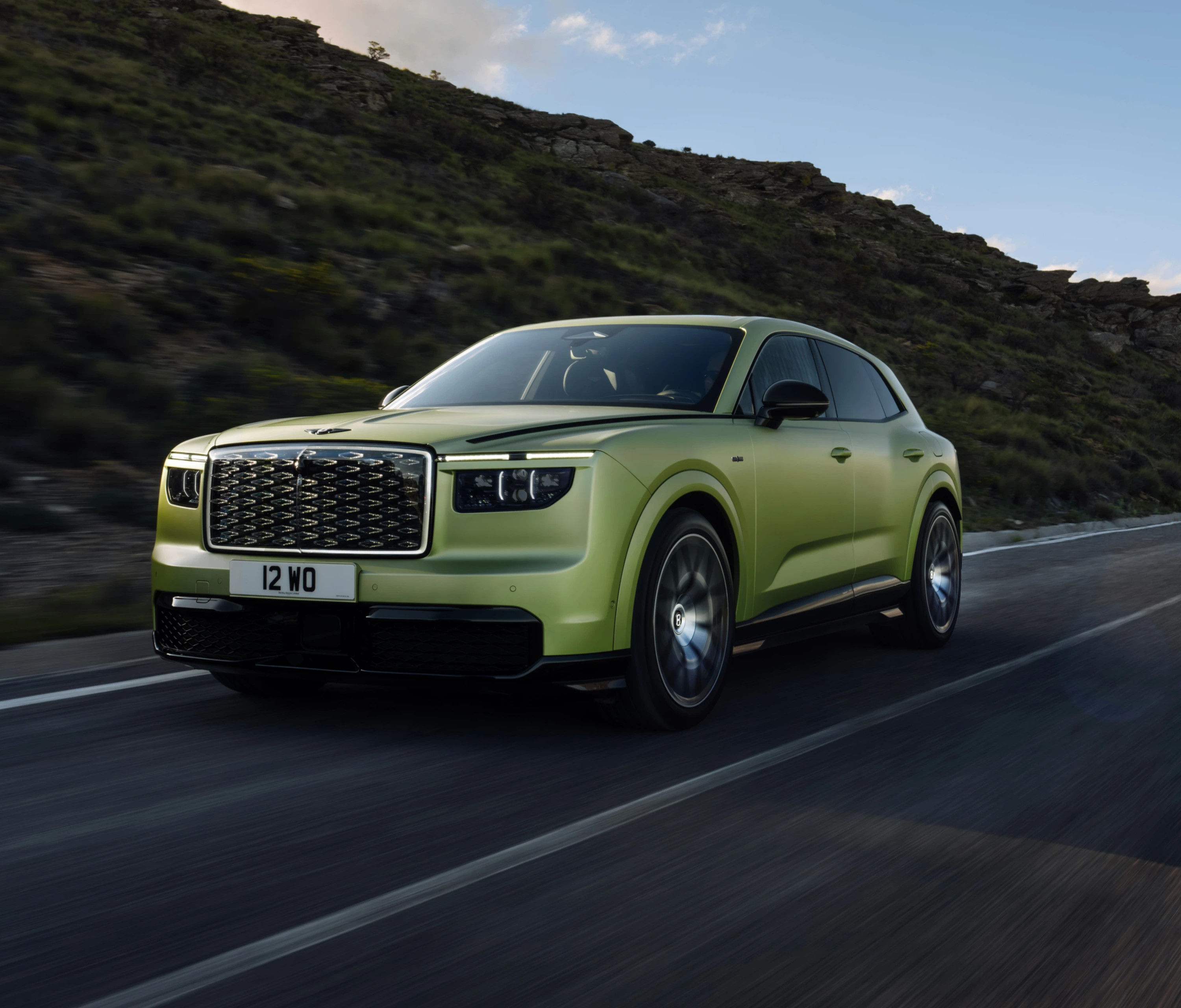
Bentley has officially unveiled the all new Torcal in London, introducing not only its first fully electric production model but an entirely new model line. Designed, engineered and built in Crewe, the Torcal is a five metre luxury SUV intended to establish the design, technology and material direction for the next generation of Bentleys.
Rather than allowing electrification to define the car, Bentley has approached the Torcal as a Bentley first. That means effortless performance, extensive craftsmanship and long distance comfort remain at the centre of the experience, only now paired with an 800 volt electric architecture and some of the most advanced chassis technology the marque has developed.
A New Bentley Design Language
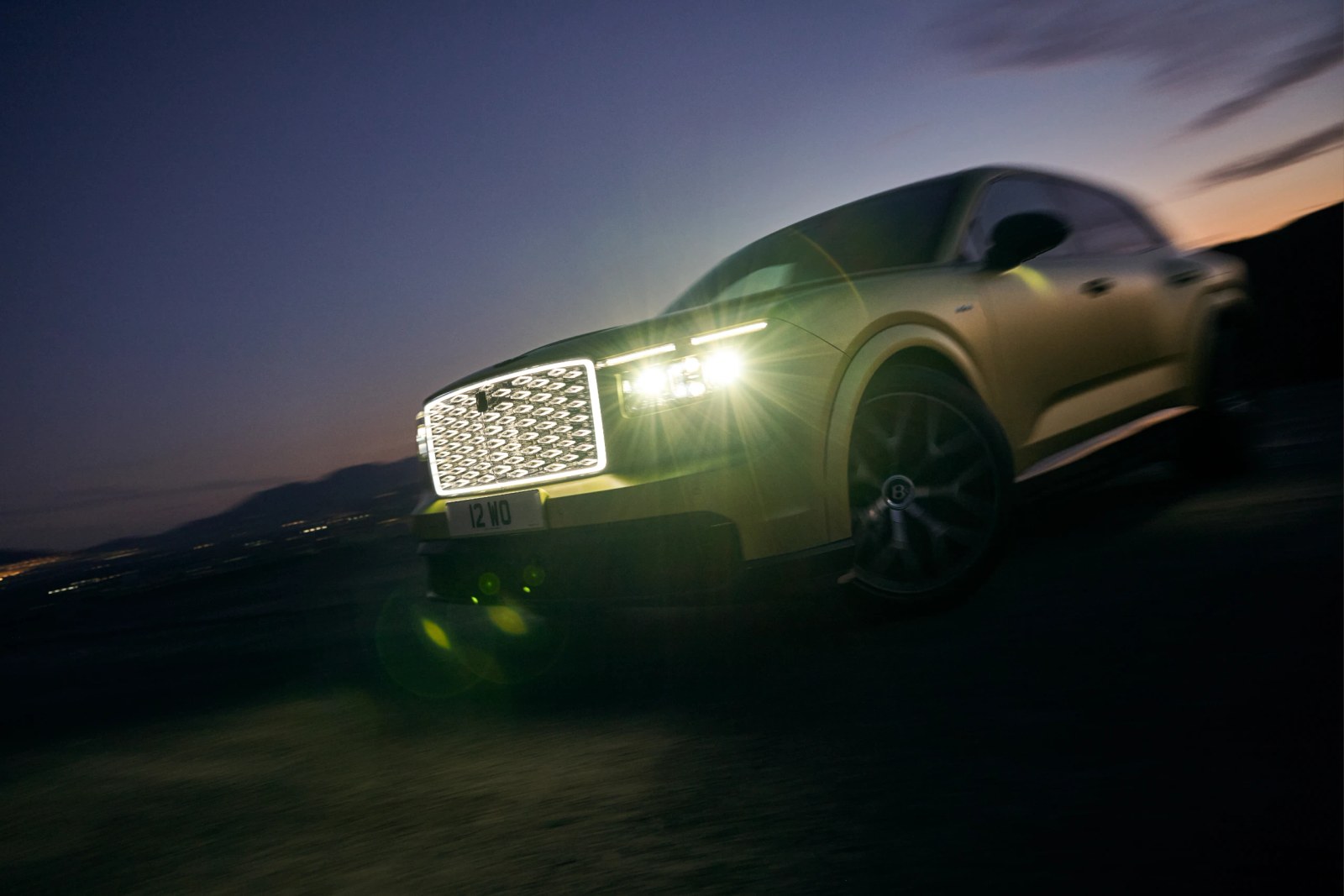
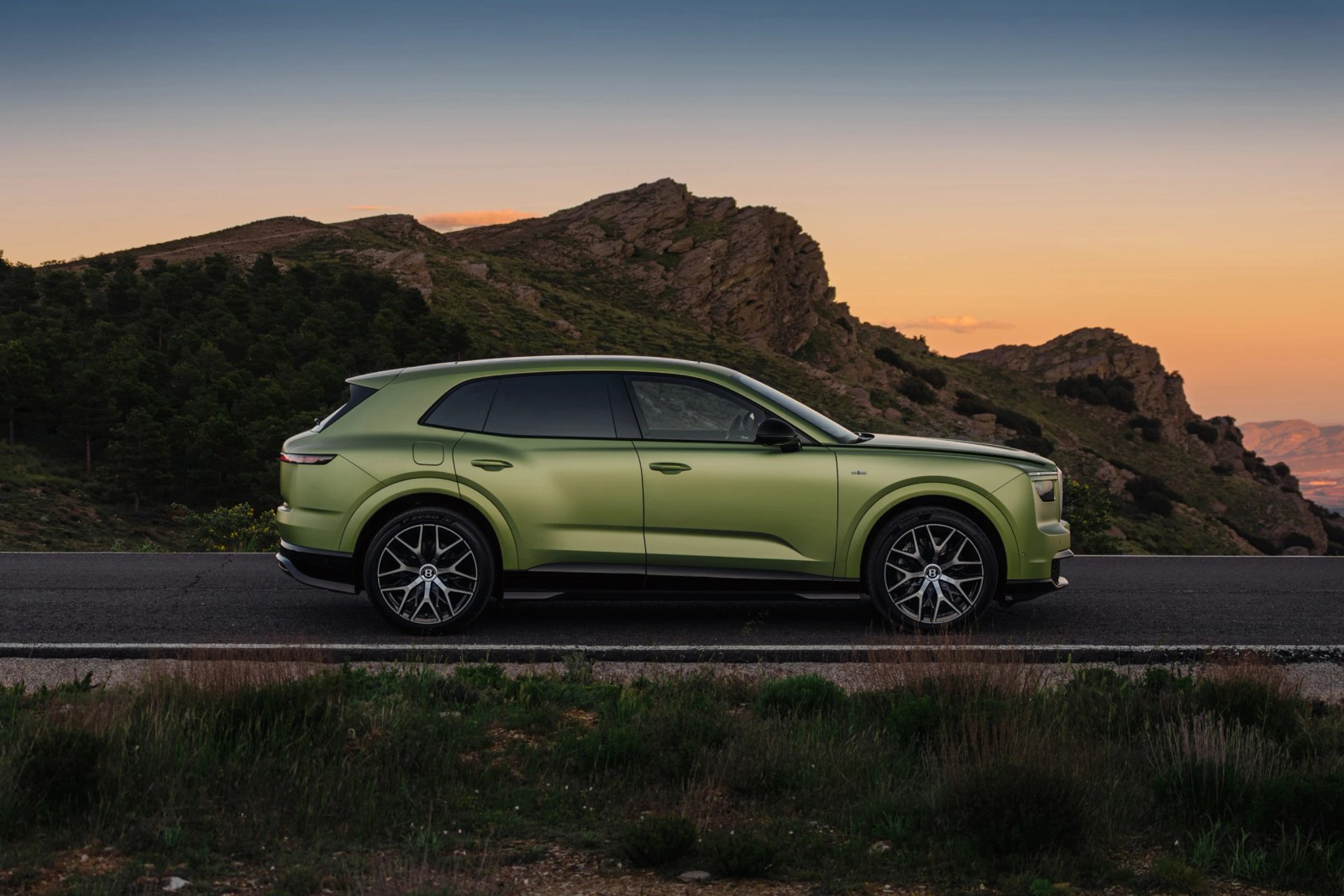
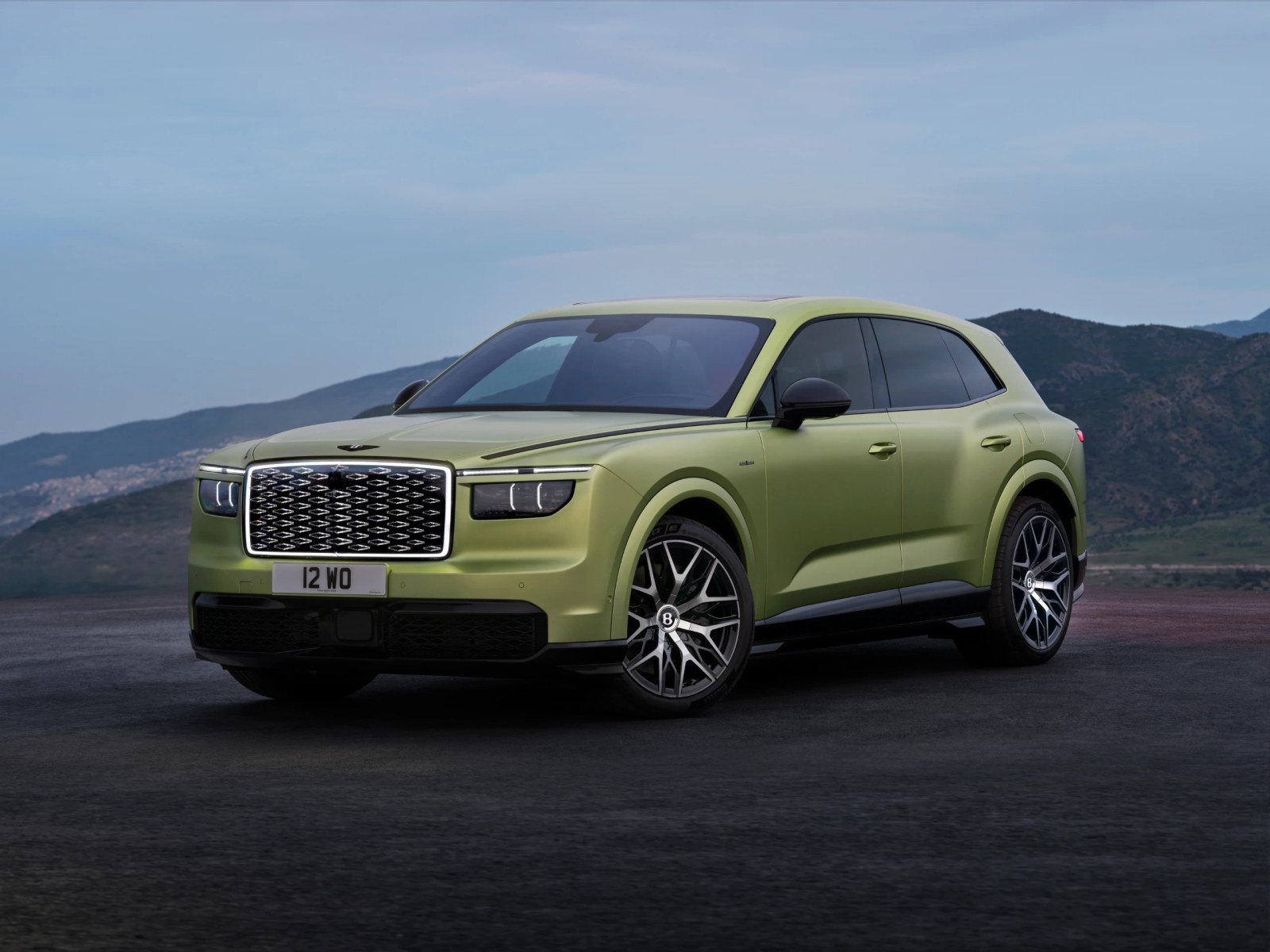
Under Design Director Robin Page, the Torcal introduces a noticeably more progressive interpretation of Bentley’s traditional proportions. A long wheelbase, short overhangs and prominent front end create what the company calls “upright elegance”, while the familiar sense of an extended bonnet remains despite the absence of a combustion engine.
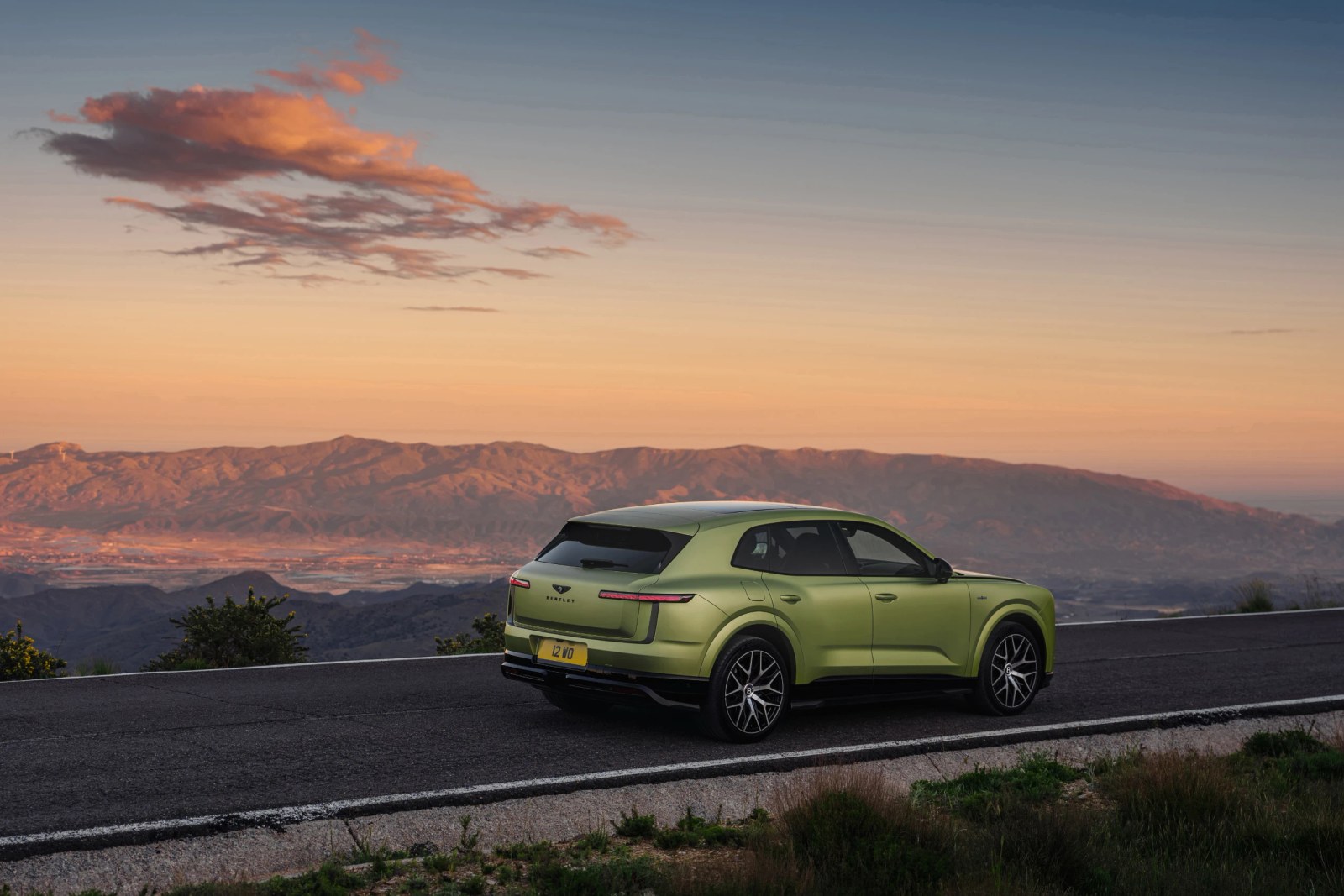
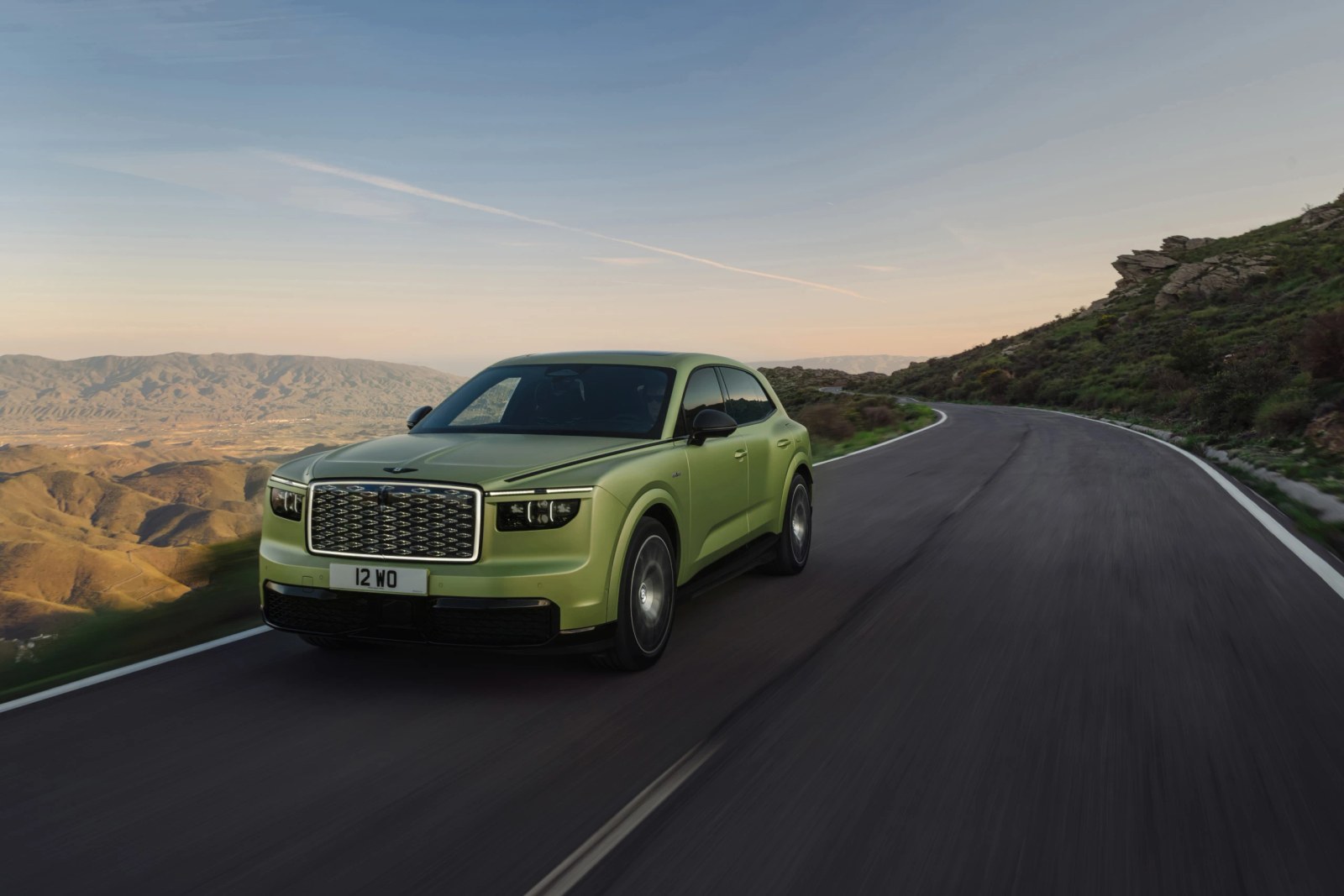
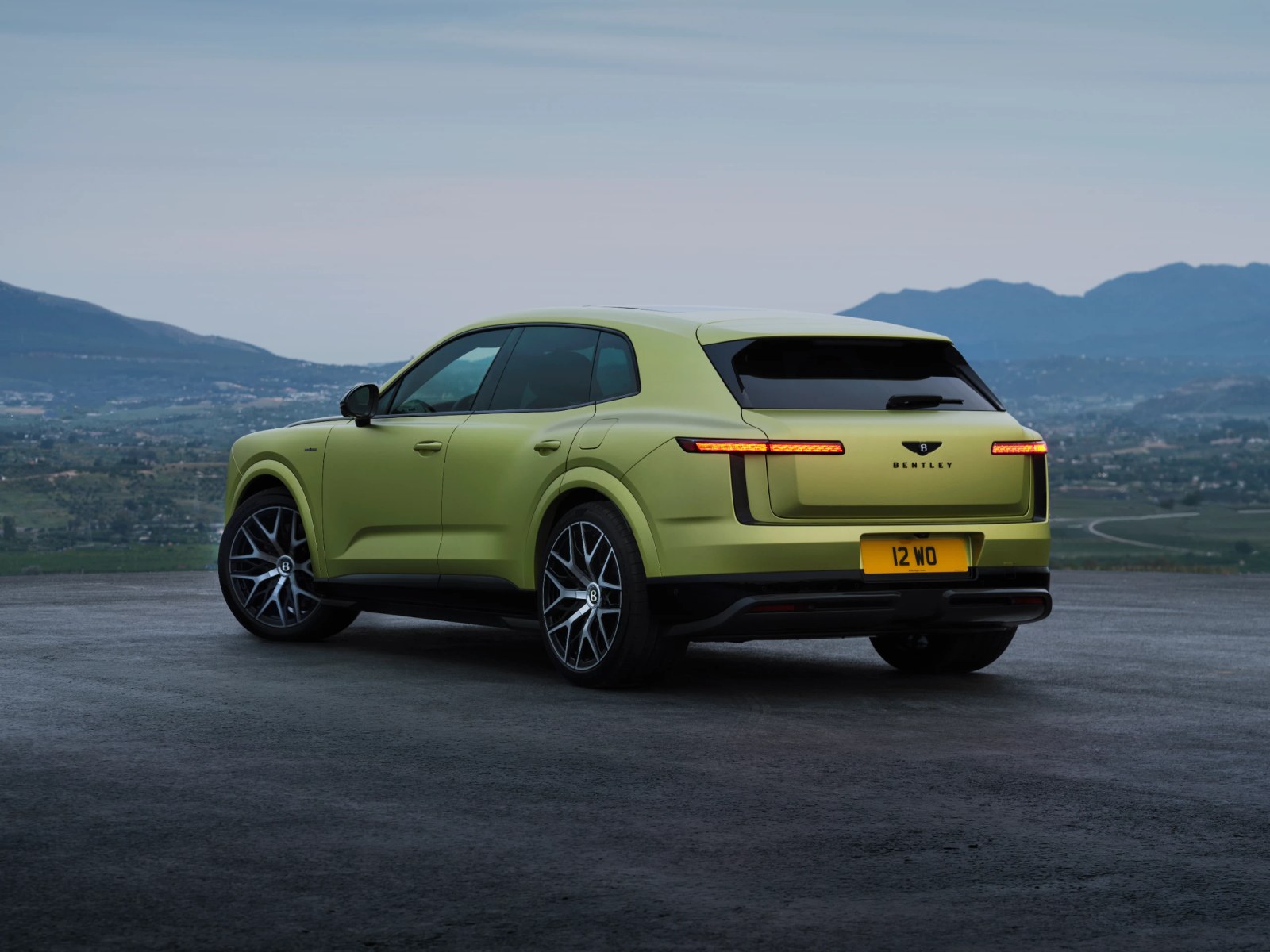
The front also introduces a distinctive illuminated diamond grille, while inspiration from cars such as the Continental T has been reinterpreted through modern lighting technology. At the rear, pronounced haunches and a cabin that narrows towards the back give the Torcal a muscular stance Bentley describes as a “resting beast”.
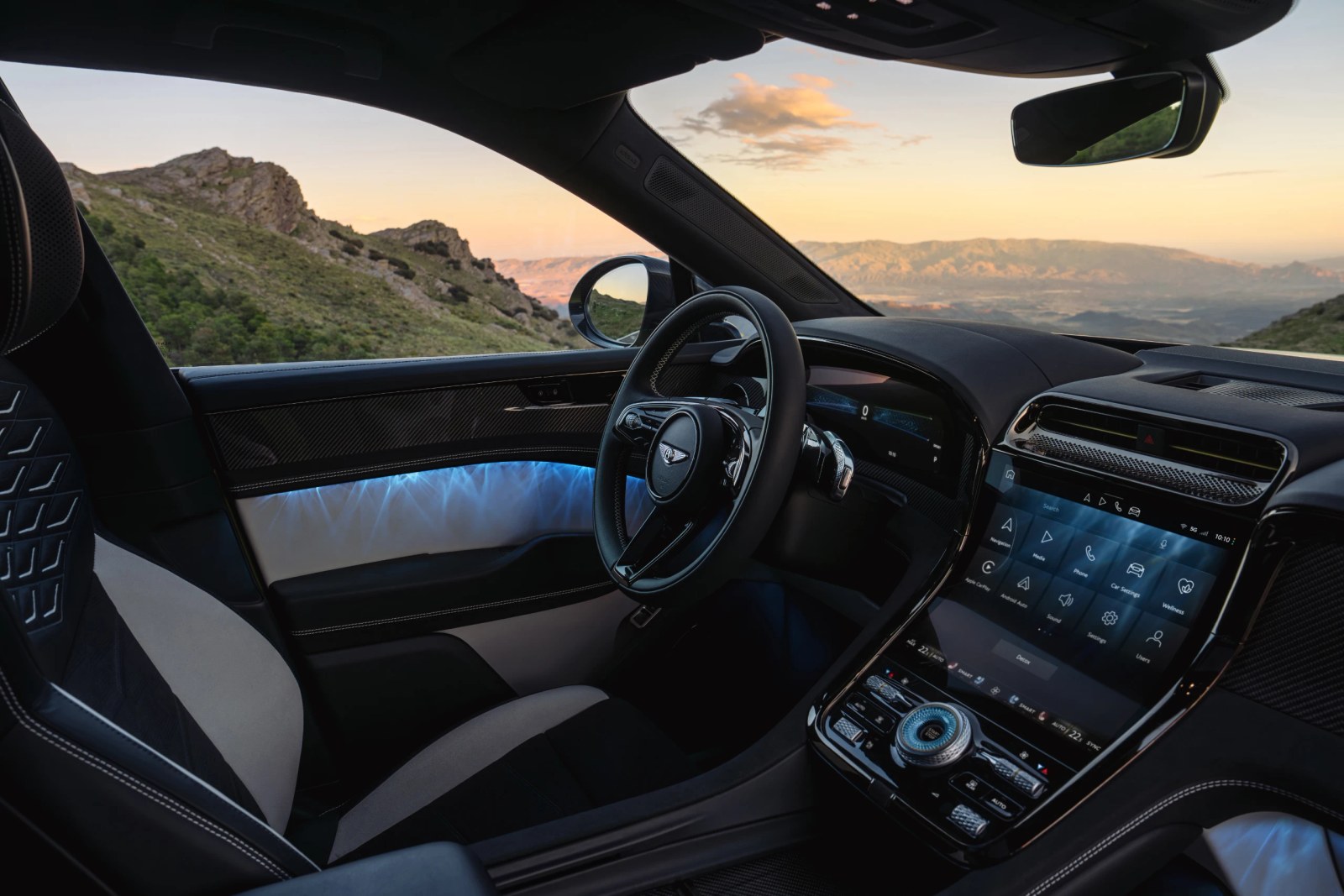
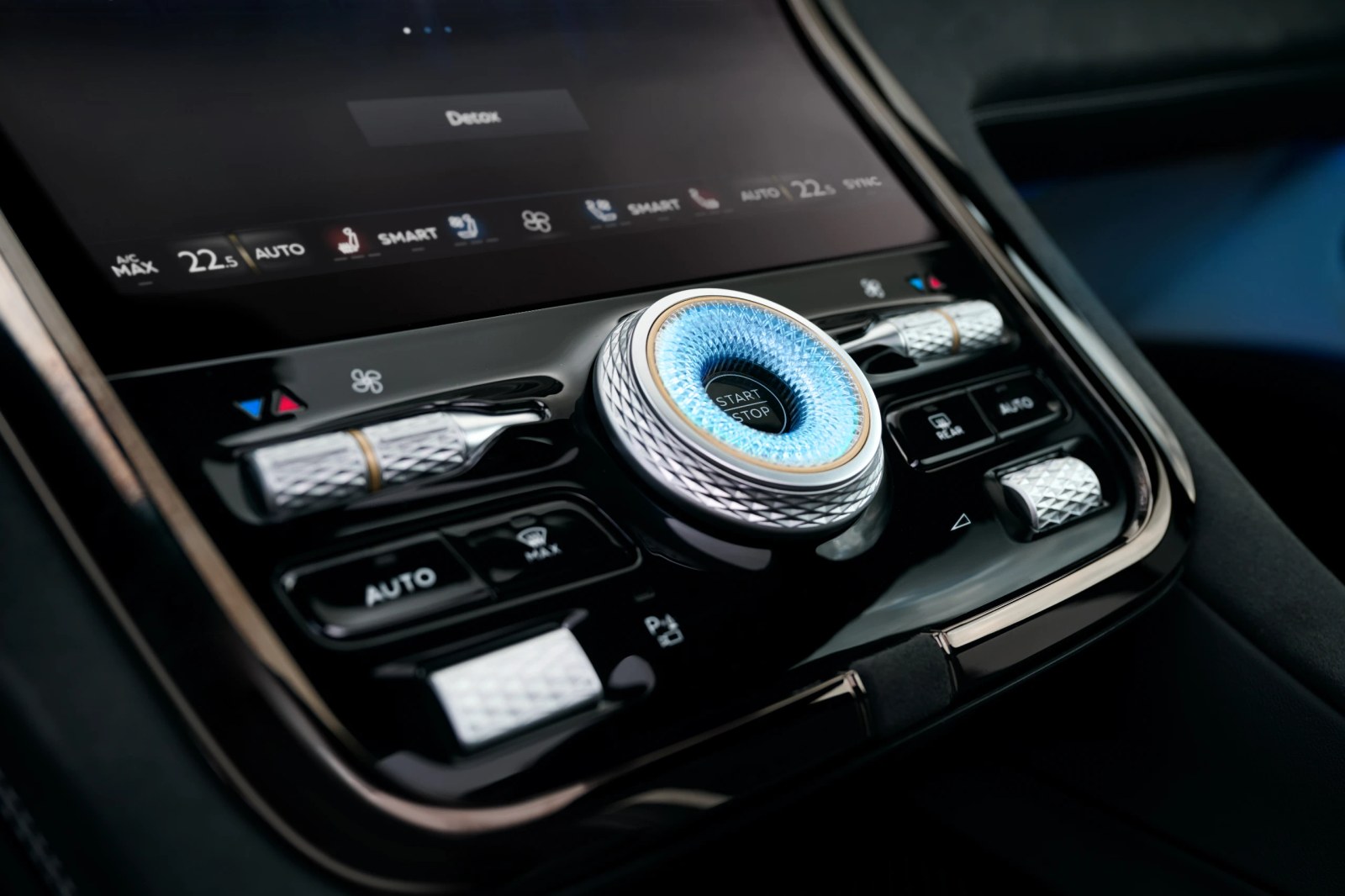
Inside, the familiar wing inspired dashboard architecture remains, but Bentley has introduced new textures and materials alongside physical controls for frequently used functions. The seats are completely new, offering 16 way adjustment, heating, ventilation, adjustable bolsters and massage as standard. Optional wellness technology can continuously adjust pressure distribution and cabin temperature during longer journeys.
Up to 888 PS and 1,350 Nm
The headline numbers belong to the Torcal S. With Launch Control engaged, its dual electric motors produce 888 PS and 1,350 Nm, making it the highest torque Bentley ever produced. Zero to 100 km/h takes 2.9 seconds, with a top speed of 260 km/h.
The standard Torcal is hardly restrained, delivering 821 PS and 1,194 Nm. It reaches 100 km/h in 3.4 seconds before continuing to 250 km/h.
Both use a 113 kWh net capacity battery operating at 800 volts. Bentley quotes a range of up to 600 kilometres WLTP, while charging at up to 400 kW can take the battery from 10 to 80 percent in around 16 minutes. Around 161 kilometres of range can be added in seven minutes.
Perhaps more significant than the straight line performance is the chassis. The Torcal becomes the first Bentley equipped with fully active suspension, combined with adaptive two valve dampers and standard electronic all wheel steering. Bentley says the objective was to give the car the comfort of a Flying Spur while retaining the dynamic character associated with the Continental GT Speed.
Giving an EV a Bentley Sound
Bentley has taken an unusual approach to one of the biggest challenges facing performance EVs: sound.
Instead of simply reproducing the note of a combustion engine electronically, musicians were brought in to create what Bentley calls the Dynamic Symphony. Drums, viola and bass guitar were used to build a soundtrack inspired by the rhythm of Bentley’s 6¾ litre V8.
The resulting sound changes according to speed and torque demand, becoming more prominent in Sport mode while remaining completely switchable for drivers who prefer silence. Even smaller details received similar attention. The indicator sound originates from a recording of a hammer striking leather inside Bentley’s upholstery workshop, while another interface sound was created using a crystal glass.
Luxury Through New Materials
Electrification is only one part of Bentley’s attempt to redefine its future. The Torcal also introduces a wider selection of materials, including what Bentley says is the world's first 100 percent Merino wool automotive fabric, developed together with British textile specialist Fox Brothers and certified to the Responsible Wool Standard.
Mulliner has also created Ombré Walnut from as many as 1,000 individually selected layers of responsibly sourced walnut offcuts and recycled craft paper. Another new finish, Sunburst Aluminium, takes inspiration from the engine turned dashboards found in historic Bentleys.
Technology is equally prominent. Curved OLED displays, facial recognition, a mobile phone based digital key and an augmented reality head up display all feature, while four Experience Modes adjust everything from lighting and climate to sound and the amount of digital information presented to occupants.
The Torcal represents a major transition for Bentley, but its most interesting aspect may be how deliberately the company has avoided making electricity the entire story. The performance figures are suitably dramatic, yet the focus remains on craftsmanship, comfort, materials and the sensory details that have traditionally defined the marque.
For Bentley, the Torcal is less about creating an electric alternative to its existing cars and more about establishing what a Bentley can become in the electric era.