Every great marque begins with a machine. The rare ones endure because someone gives that machine a presence.
Rolls-Royce often tells its story through engineering brilliance and mechanical resolve. Yet its emotional gravity arrived quietly, shaped by an artist who understood movement, restraint and the poetry of form. Charles Robinson Sykes did not build engines. He gave them a soul through the Spirit of Ecstasy.
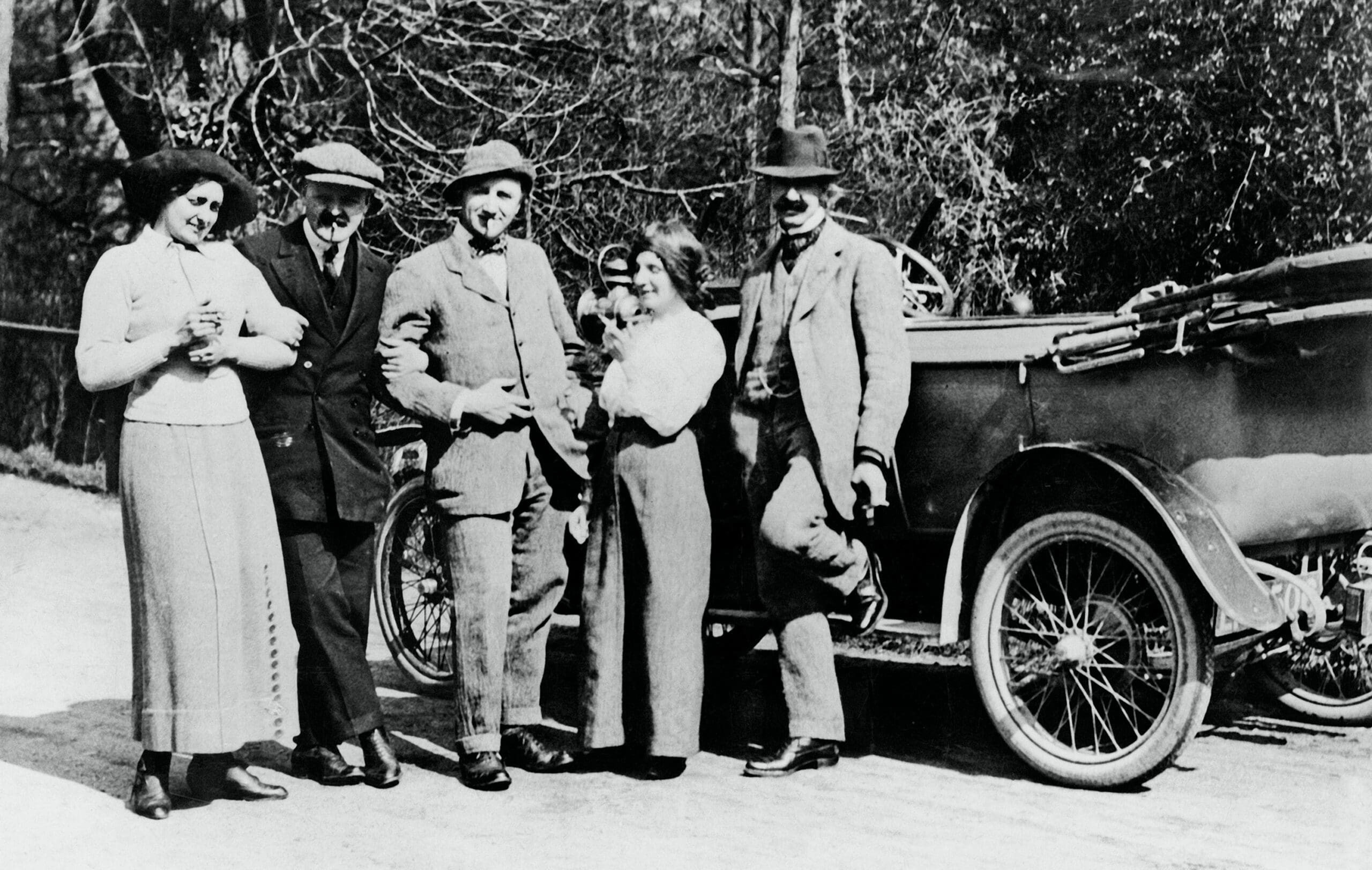
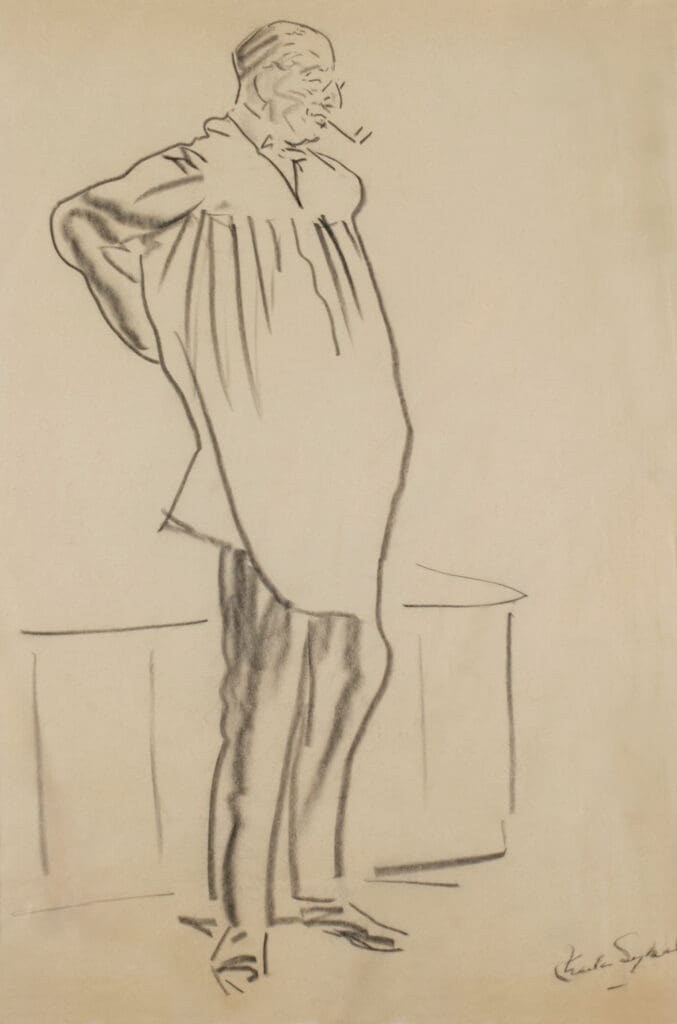
Born in a mining village in North Yorkshire in 1875, Sykes carried with him a sensitivity that felt out of step with industrial Britain. His early training sharpened discipline, but it was his imagination that defined him. Drawing, painting and sculpture were never separate acts. They were variations of the same instinct, a desire to humanise objects meant to endure.
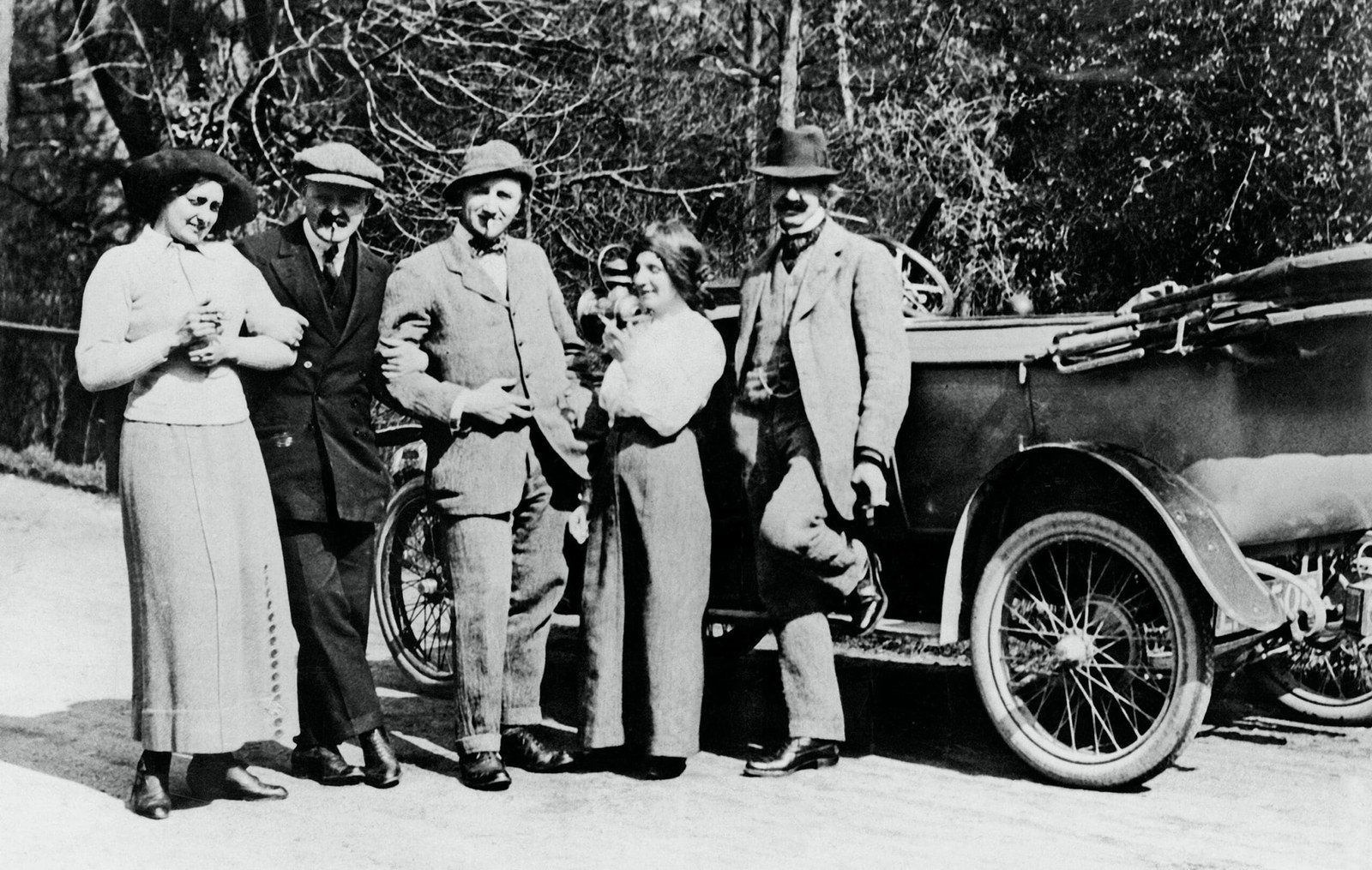
London recognised his talent early. The V&A now holds many of his works, a quiet affirmation of his range. Magazine illustrations, classical references, trophies and figures all reveal an artist comfortable moving between utility and beauty. Sykes never chased spectacle. He worked in proportion and mood.
When Rolls-Royce entered his life, the company was already formidable. Charles Rolls brought daring and ambition. Henry Royce brought intellect and precision. What was missing was expression. Sykes understood this immediately.
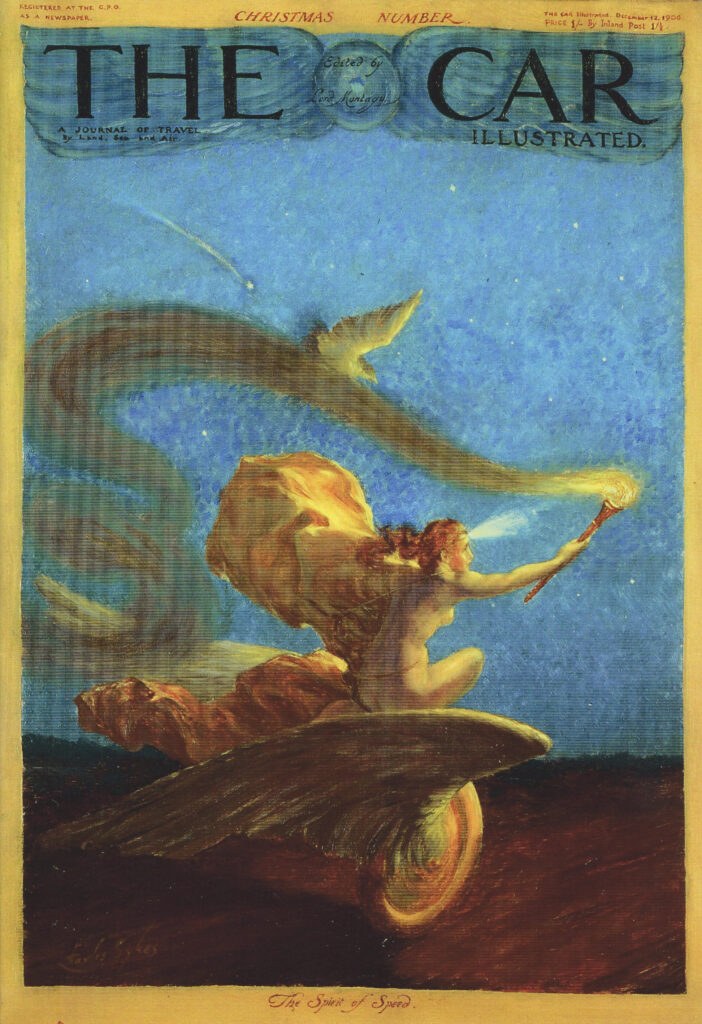
His early paintings for Rolls-Royce catalogues did more than depict cars. They placed them within moments. Arrival at dusk. Progress through snow. Effortless ascent. These images suggested that ownership was not about motion alone, but about how one moved through the world.
Then came the figure that would define everything.
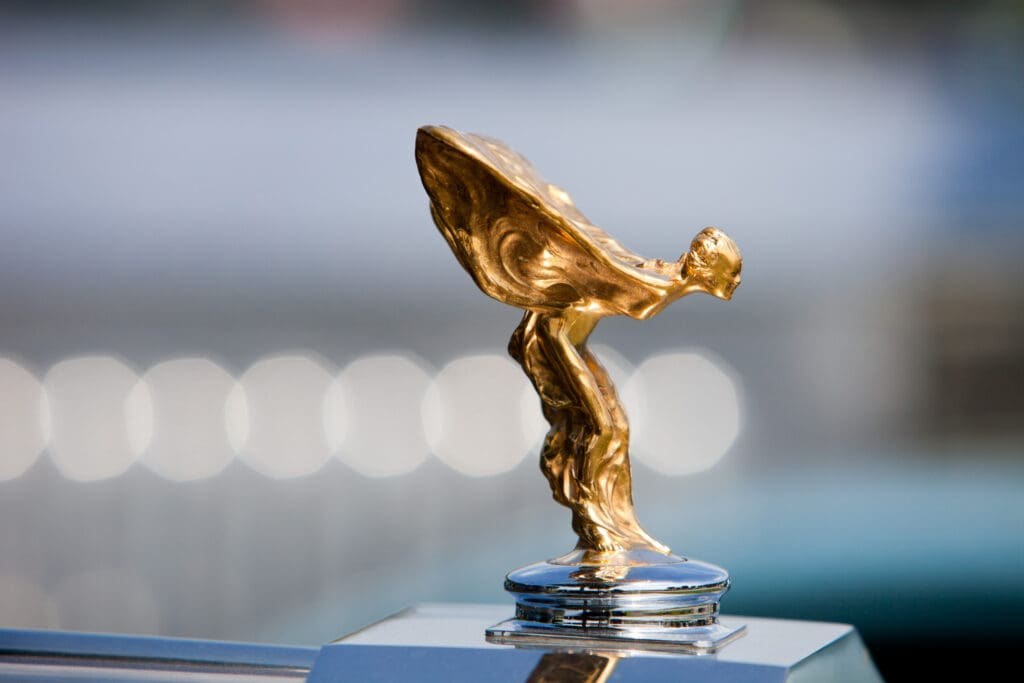
The Spirit of Ecstasy is often described as a mascot, but that word feels insufficient. She is not decoration. She is intention made visible. Forward leaning, composed, serene. A study in restraint rather than excess. Sykes resisted the obvious. He created something timeless by refusing to overstate.
In doing so, he changed how a motor car could be perceived. Not merely as transport, nor even as triumph of engineering, but as an object capable of grace. This idea now feels inevitable. In 1911, it was radical.
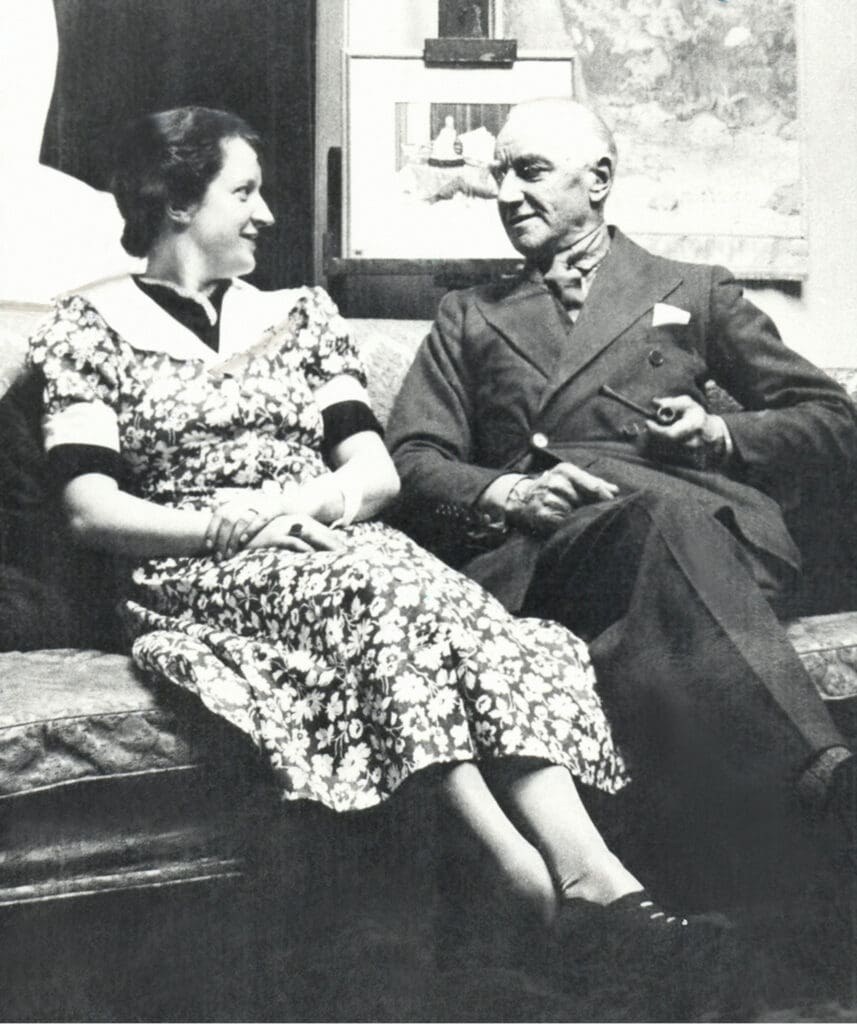
Sykes introduced emotional authorship to Rolls-Royce. That lineage continues today, not through nostalgia, but through craft. In Bespoke commissions and Coachbuild projects, the marque still speaks his language. Texture over noise. Meaning over ornament.
One hundred and fifty years after his birth, Charles Sykes remains present in the quiet confidence of every Rolls-Royce. Not loudly celebrated. Simply there.
Some figures build legacies by force. Others shape them by feel. Sykes belonged to the latter. He understood that true luxury does not announce itself. It reveals itself slowly, and stays.
Read more about Rolls-Royce here.