
Christian von Koenigsegg is best known for pushing the boundaries of automotive engineering through his hypercar company Koenigsegg Automotive. Now, the Swedish innovator is exploring the skies. A newly filed patent reveals an aircraft concept based on a closed wing structure that could significantly improve aerodynamic efficiency compared with conventional airplanes.
The idea centers around one of aviation’s longest standing aerodynamic challenges: wingtip vortices.
Rethinking the Wing
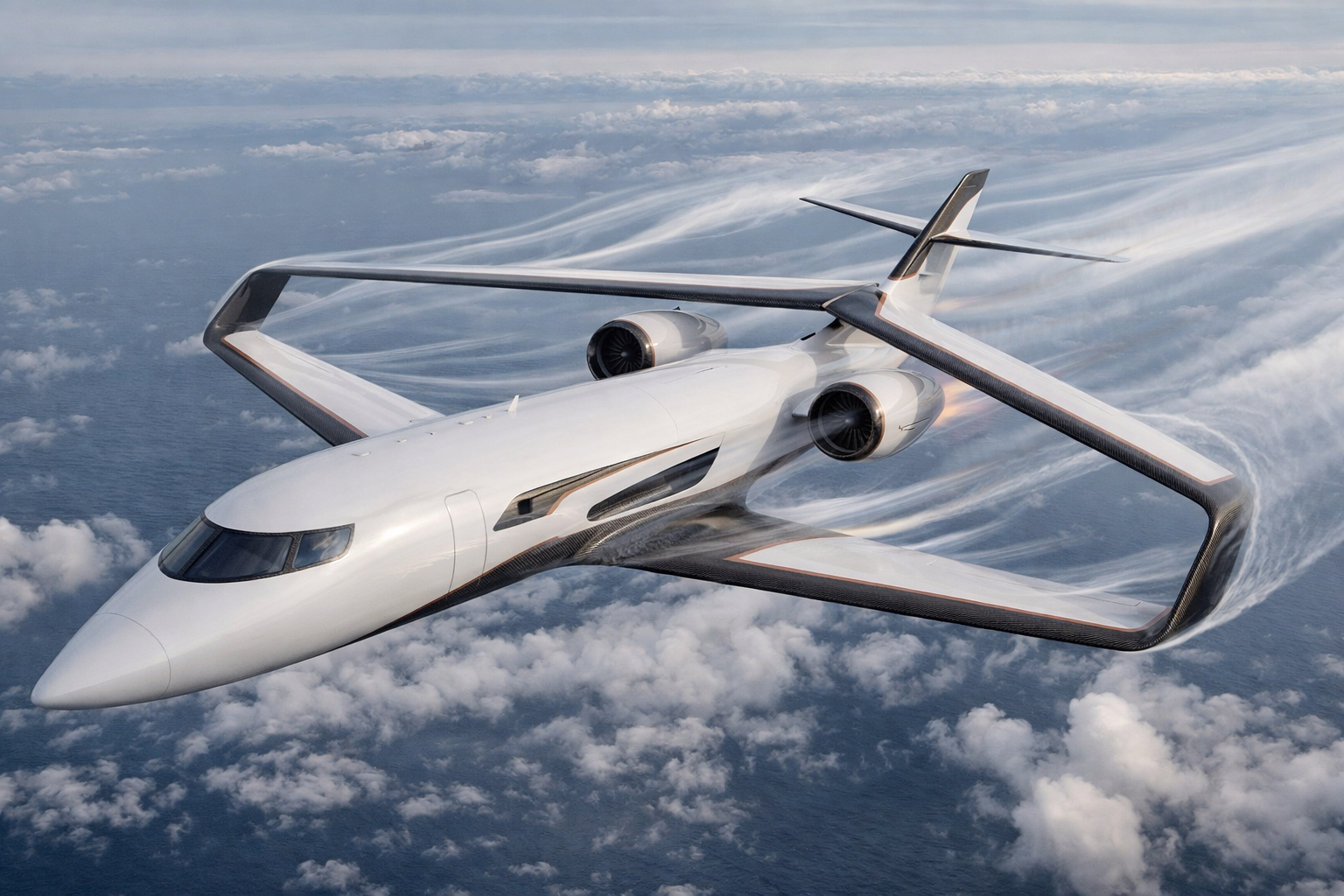
In traditional aircraft design, the main wings generate lift but also create turbulent spirals of air at the tips known as wingtip vortices. These vortices increase drag and reduce overall efficiency. To combat this, modern aircraft often use winglets, the upward curved tips seen on planes such as the Boeing 787 Dreamliner and Airbus A350.
Koenigsegg’s concept takes a more radical approach.
Instead of allowing the airflow to spill off the wingtip, the design connects the wing directly to the rear horizontal stabilizer, forming a structural loop or closed wing. By linking these aerodynamic surfaces together, the system greatly reduces the pressure difference responsible for vortex formation.
The result is a wing that can potentially deliver the same lift with less drag.
What a Closed Wing Structure Does
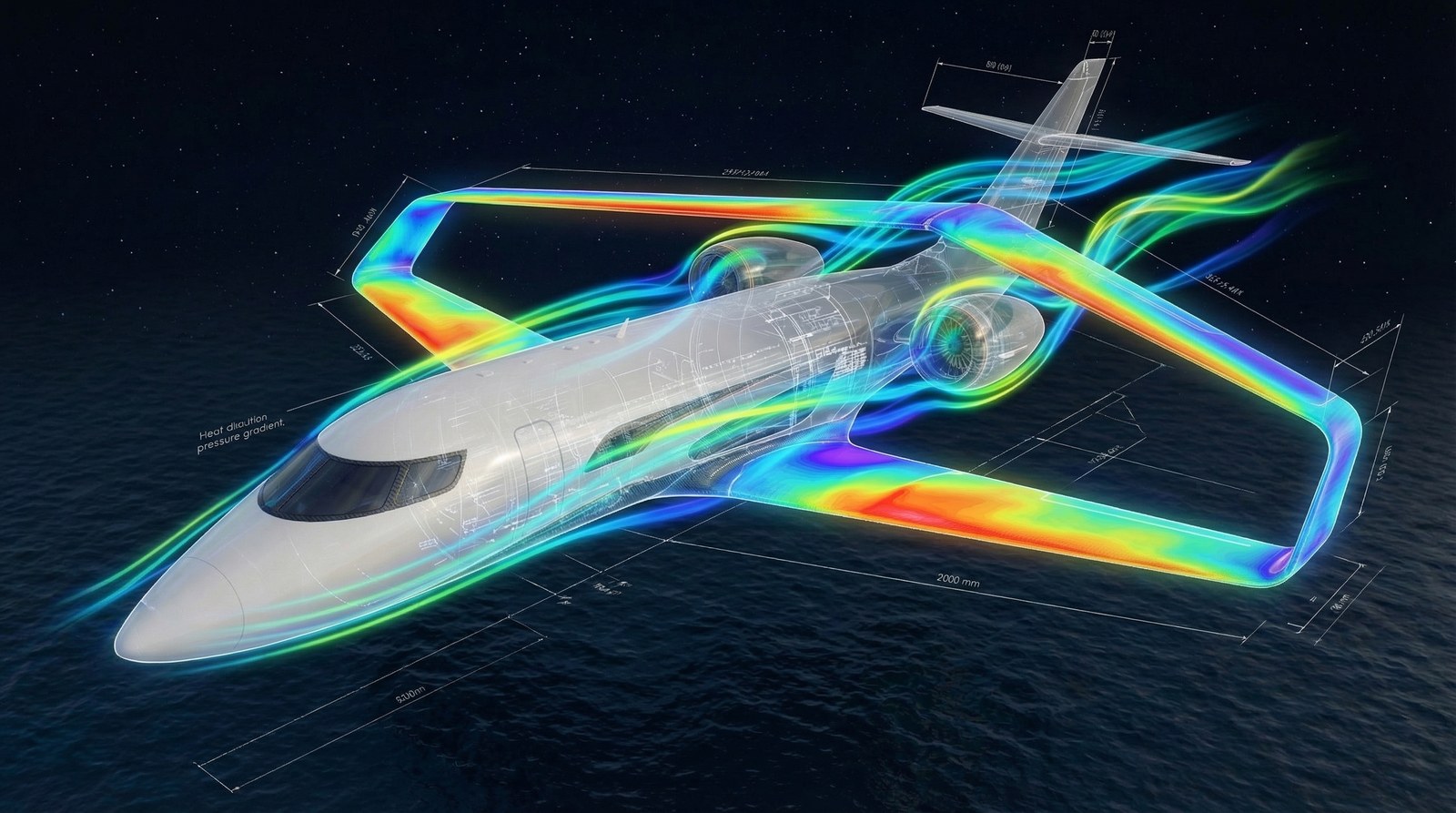
A closed wing configuration essentially creates a continuous aerodynamic surface. In Koenigsegg’s patent, the forward wing curves back and connects to the tail structure, forming a ring like aerodynamic frame around the fuselage.
This setup offers several theoretical advantages.
First, it minimizes the formation of wingtip vortices, which means less induced drag. Second, the closed structure distributes loads more evenly across the airframe, potentially allowing lighter structural components. Third, the design may improve stability and lift efficiency at lower speeds.
While the concept sounds futuristic, it is not entirely new in aviation theory. Engineers have explored similar designs in experimental aircraft for decades, but they have rarely been applied to mainstream aviation due to structural complexity and manufacturing limitations.
Koenigsegg’s expertise in advanced materials and lightweight engineering could make such a concept more feasible today.
Comparing It to Modern Aircraft
Most commercial aircraft rely on long, high aspect ratio wings combined with winglets to manage aerodynamic losses. Aircraft like the Boeing 777 and Airbus A320neo have highly optimized wings designed to maximize fuel efficiency during long range flight.
However, these aircraft still suffer from unavoidable induced drag caused by wingtip vortices.
A closed wing structure attacks the problem at its root by eliminating the open wingtip entirely. In theory, this could reduce drag more effectively than winglets, improving fuel economy and potentially extending range.
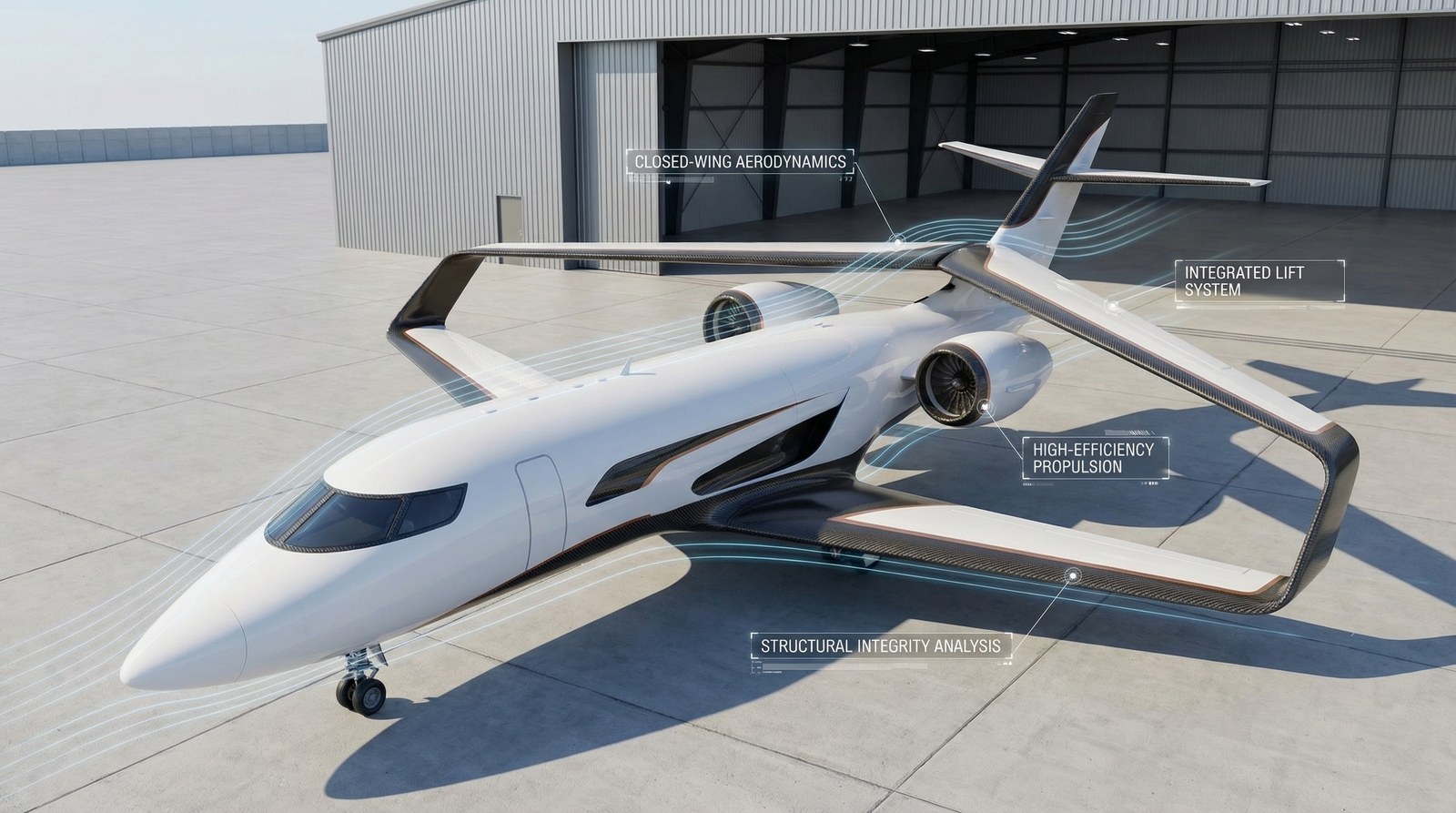
There are tradeoffs, though. Closed wing designs introduce additional structural challenges, including complex load paths and increased engineering demands around the tail connection. They may also complicate airport compatibility and aircraft maintenance.
Koenigsegg Thinking Beyond Cars
Christian von Koenigsegg has built a reputation for unconventional engineering solutions, from camless engines to innovative lightweight carbon fiber chassis structures.
Applying similar thinking to aviation is not entirely surprising.
The patent does not necessarily mean that Koenigsegg will build an aircraft tomorrow. But it shows that the same mindset that reshaped the hypercar world could also find new ways to rethink aerodynamics in aviation.
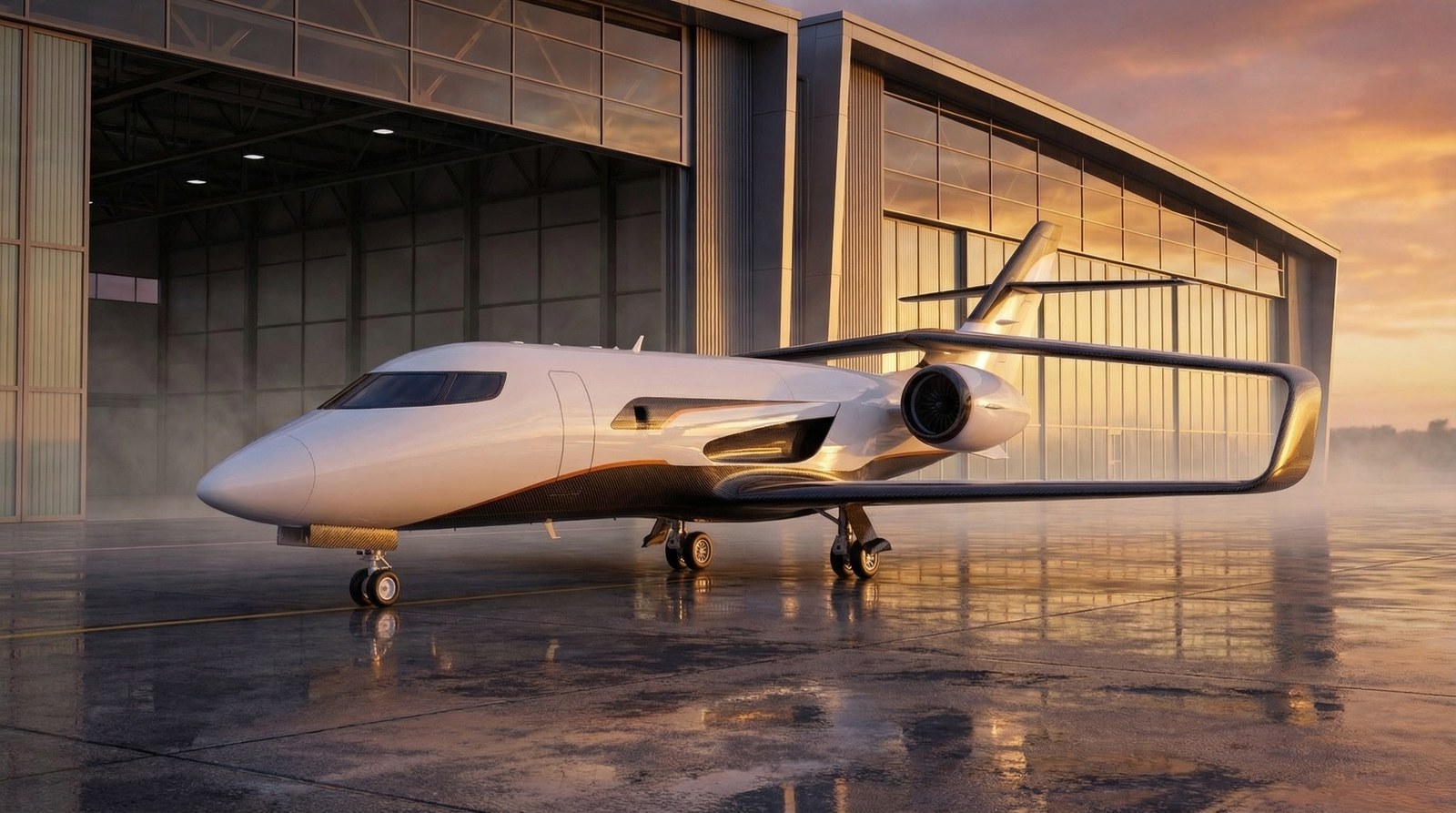
If developed further, the concept could influence future aircraft design, especially in the growing sectors of electric aviation, personal aircraft, and high efficiency regional transport.
In true Koenigsegg fashion, the idea challenges convention and invites engineers to reconsider how something as fundamental as a wing should work.
The images are designed to illustrate concepts. Not official images.
More about Aviation here