Some images change the course of history. Others exist because an artist saw something nobody else could, or because a documentary photographer travelled somewhere remote and brought back a glimpse of another way of living. Placed side by side, they do something rare: they bring people together, and they tell stories in a way nothing else can.
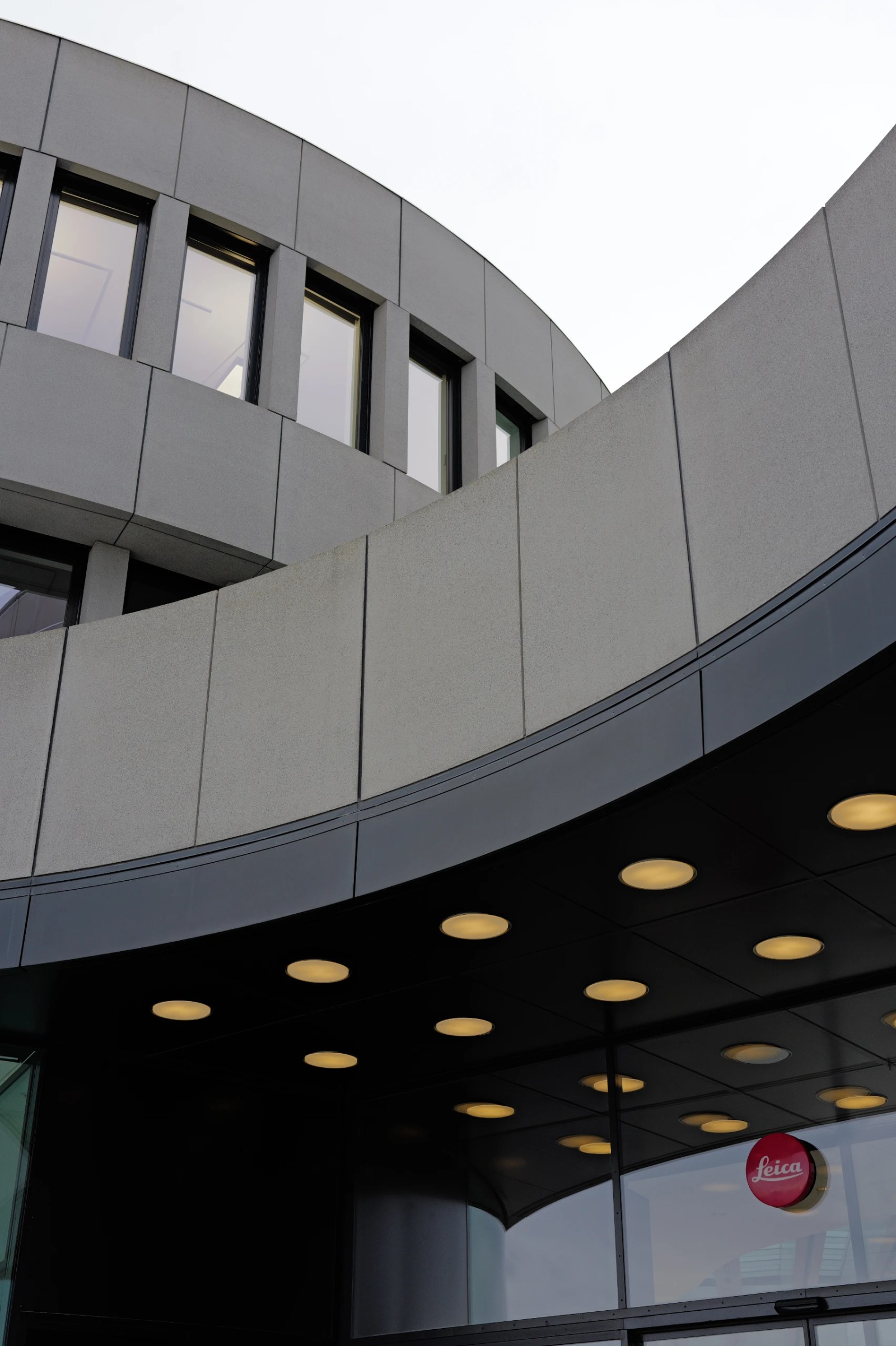
Celebrating that mix is the whole point of the Leica Oskar Barnack Award, and this year I travelled to Wetzlar, the home of Leica, for its 46th edition.
The Ones That Got Away
Graciela Iturbide, the Mexican photographer inducted into the Leica Hall of Fame this year, spoke about the images she captured, but also about the ones she missed. A couple getting married walked through her frame while she was shooting something else. Chickens on a bike, of all things. She never got the shot, yet the moment stuck with her, and she can still replay it in detail.
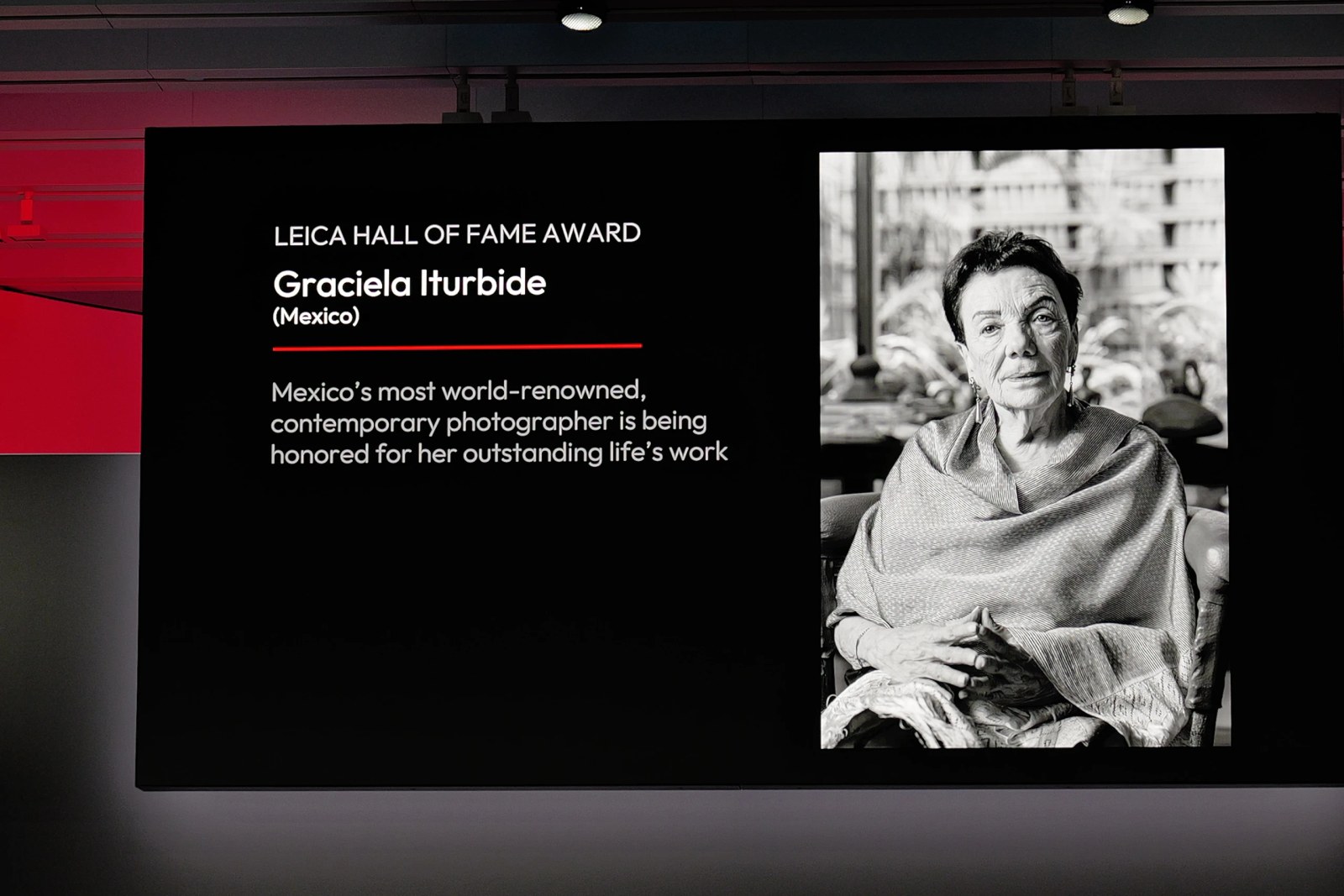
For more than five decades, Iturbide has photographed indigenous communities and the strong women at their centre, far from her own Mexico City. Her 1986 portrait Na’ Lupe Pan, taken in Juchitán, Oaxaca, was named this year’s Leica Picture of the Year. “I think that any photographer is an investigator,” she says. “Photography is a pretext to know the world, to know life. To know yourself.”
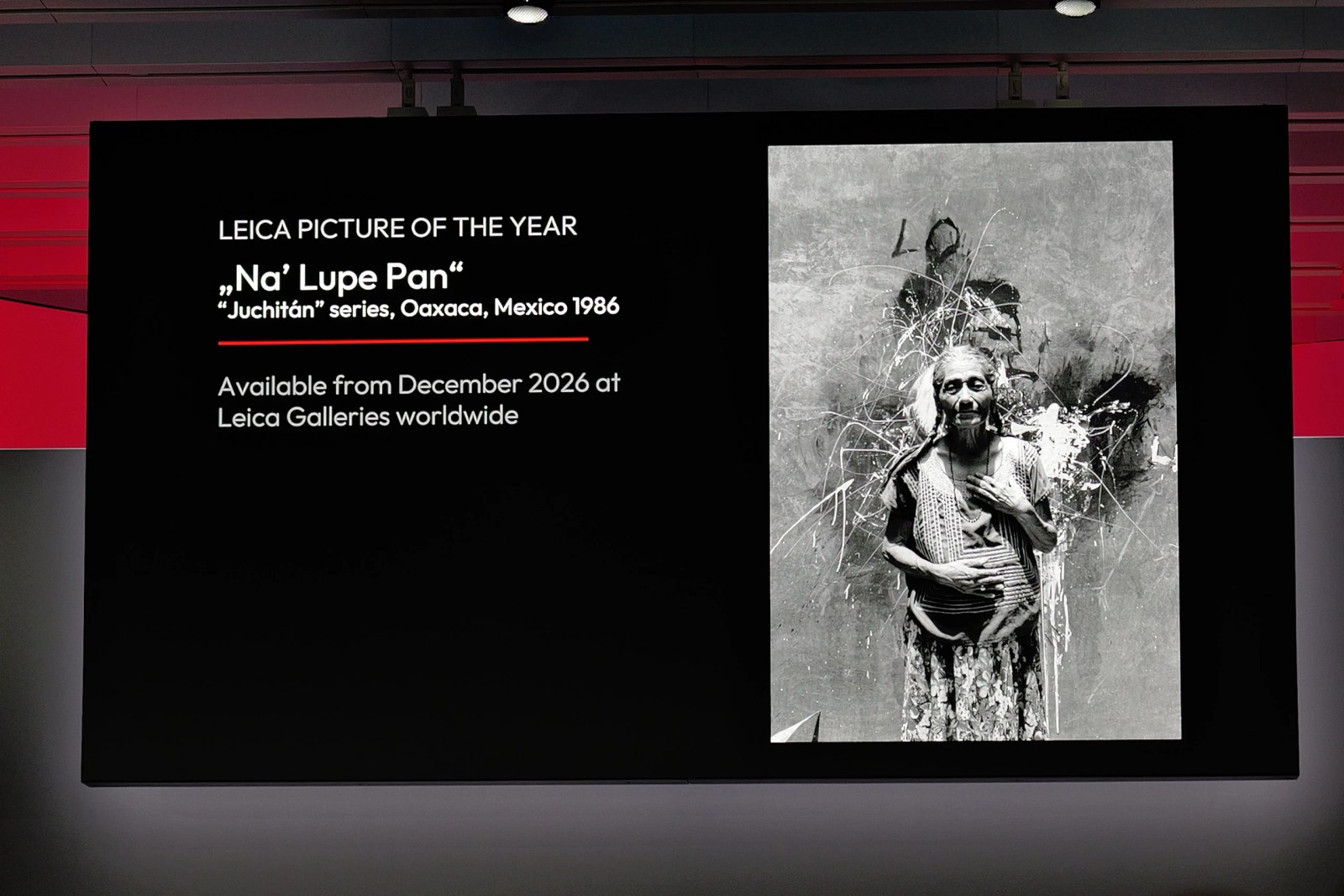
Her story goes to the core of what an image is. A memory. A moment we might otherwise have forgotten, or one we want to live again.
Photographs can also hold the opposite: the horrors of humanity that had to be documented and shared. In 1972, Nick Ut captured a young girl running from a napalm attack in Trang Bang on his Leica M2. Known as Napalm Girl, it became the defining image of the Vietnam War and helped change American opinion on it.
The Winners
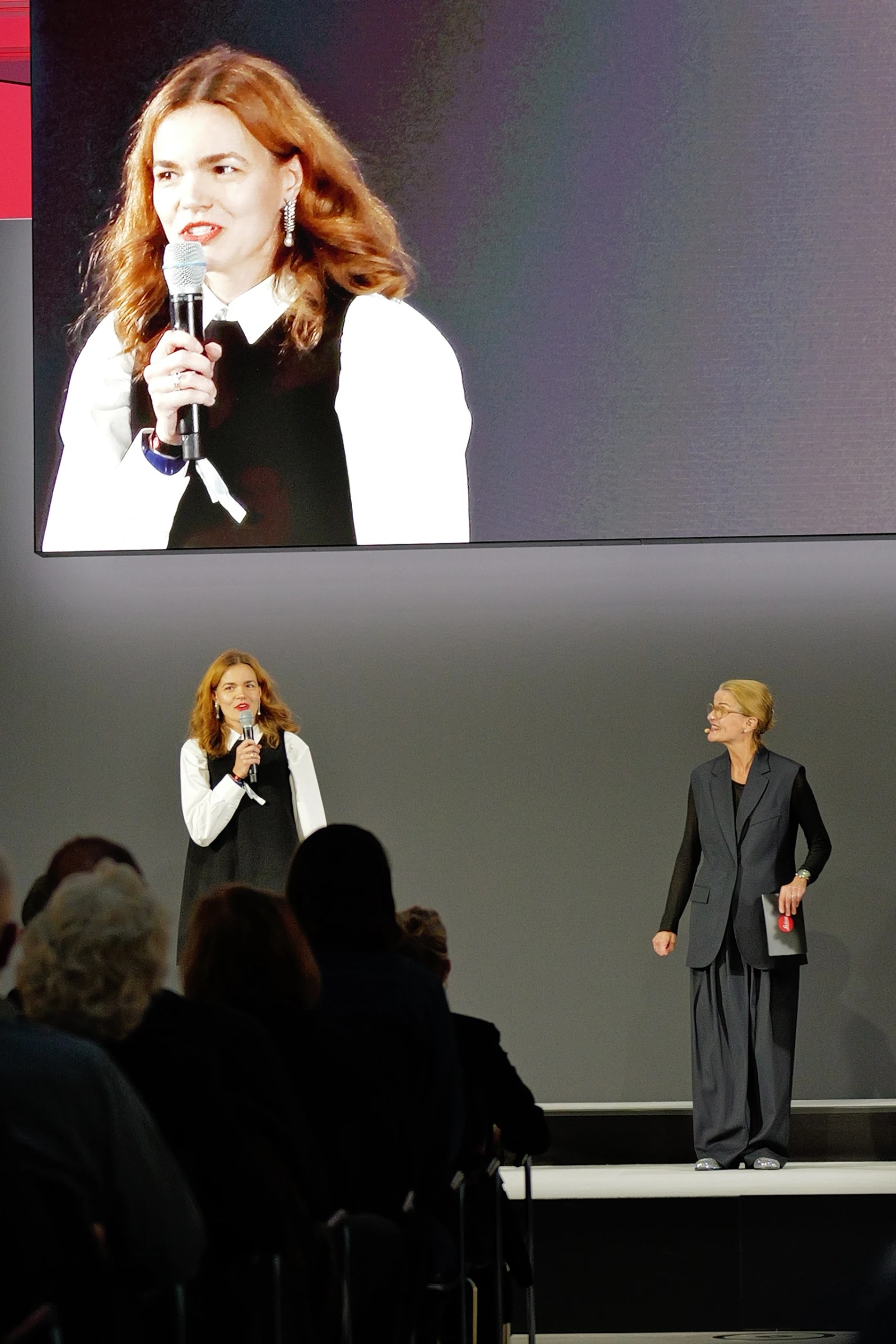
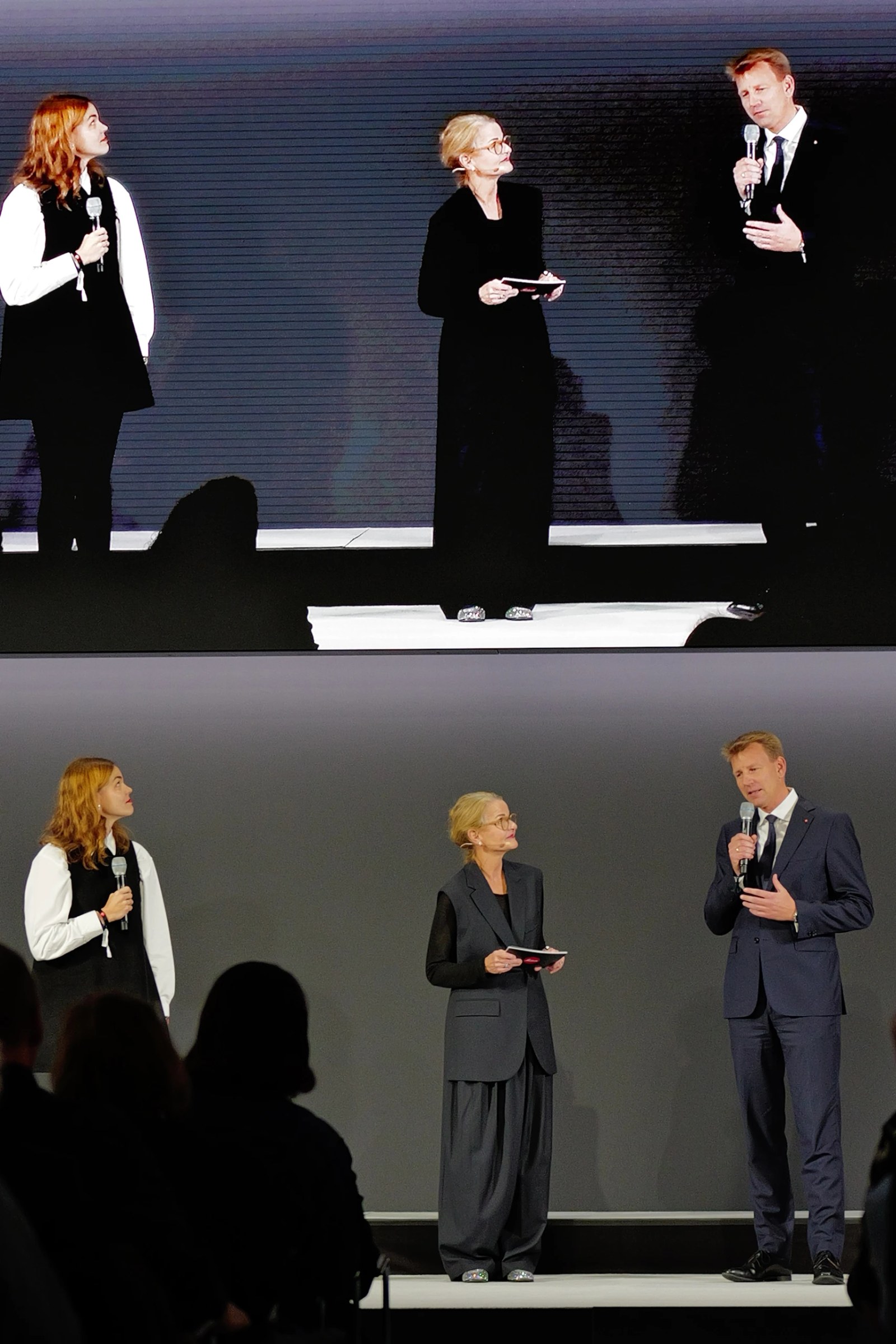
For all its global reach, the evening felt like a family occasion. Andreas Kaufmann could not be there in person but sent a warm video message, while Karin Rehn-Kaufmann, Art Director of Leica Galleries International, and her daughter Charlotte Ebner-Kaufmann shared a moment on stage with Leica CEO Andreas Voll.
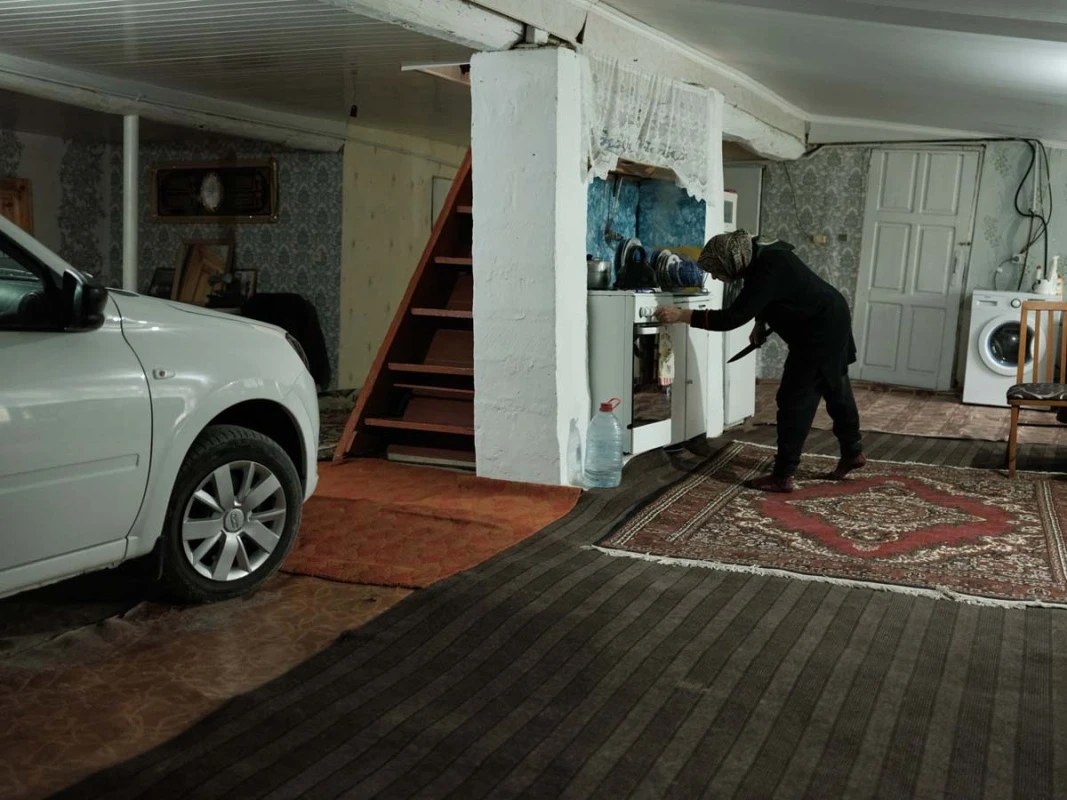
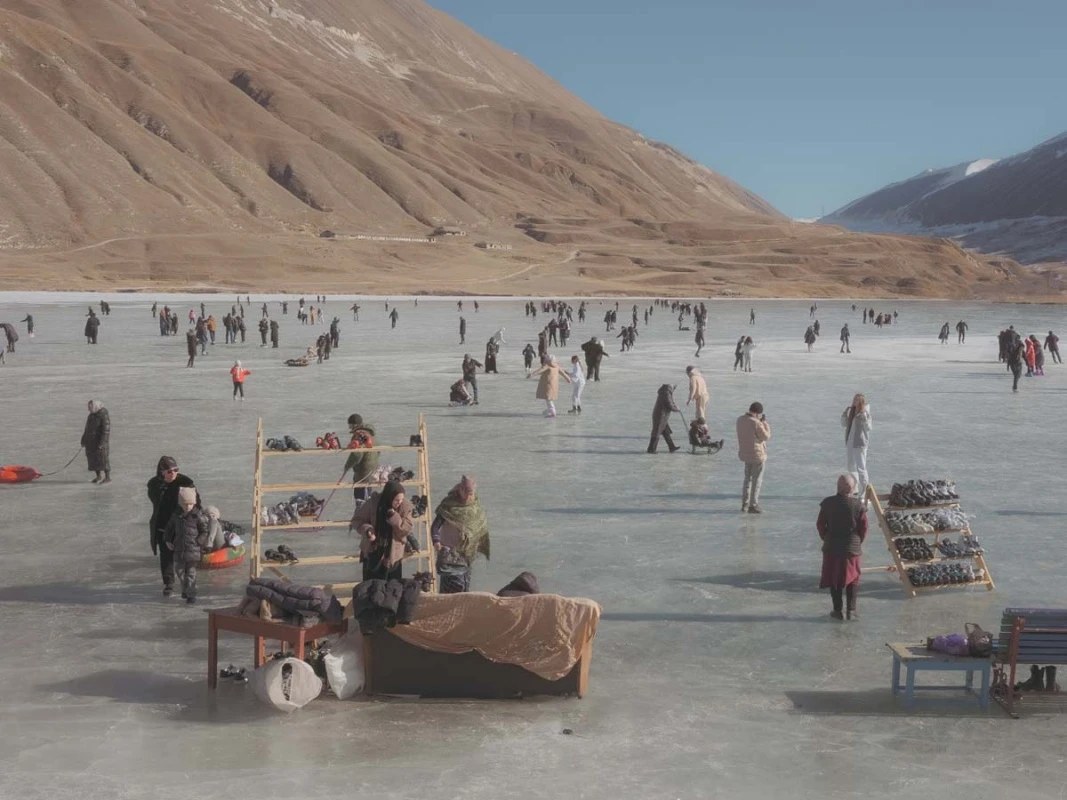
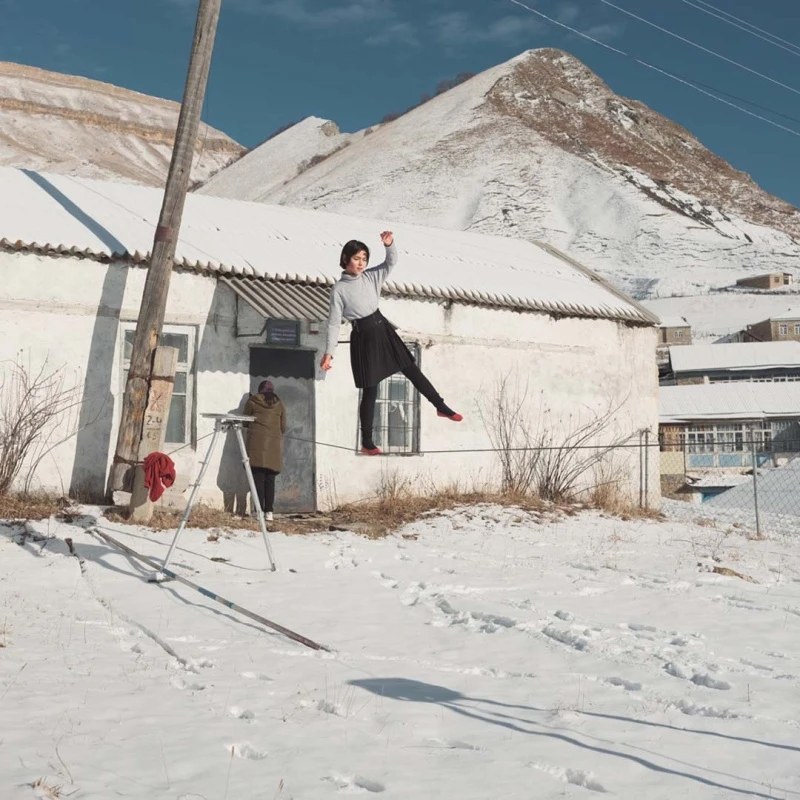
Russian photographer Damir Faizulin took the main award for his series Preserving Nature as Preserving Ourselves, and shared the stories behind his three favourite images. His long-term project takes us to the mountains of Dagestan in the North Caucasus, one of the most ethnically diverse regions in Russia, and documents a place in upheaval, where nature, traditions and cultural identity are all changing at once.
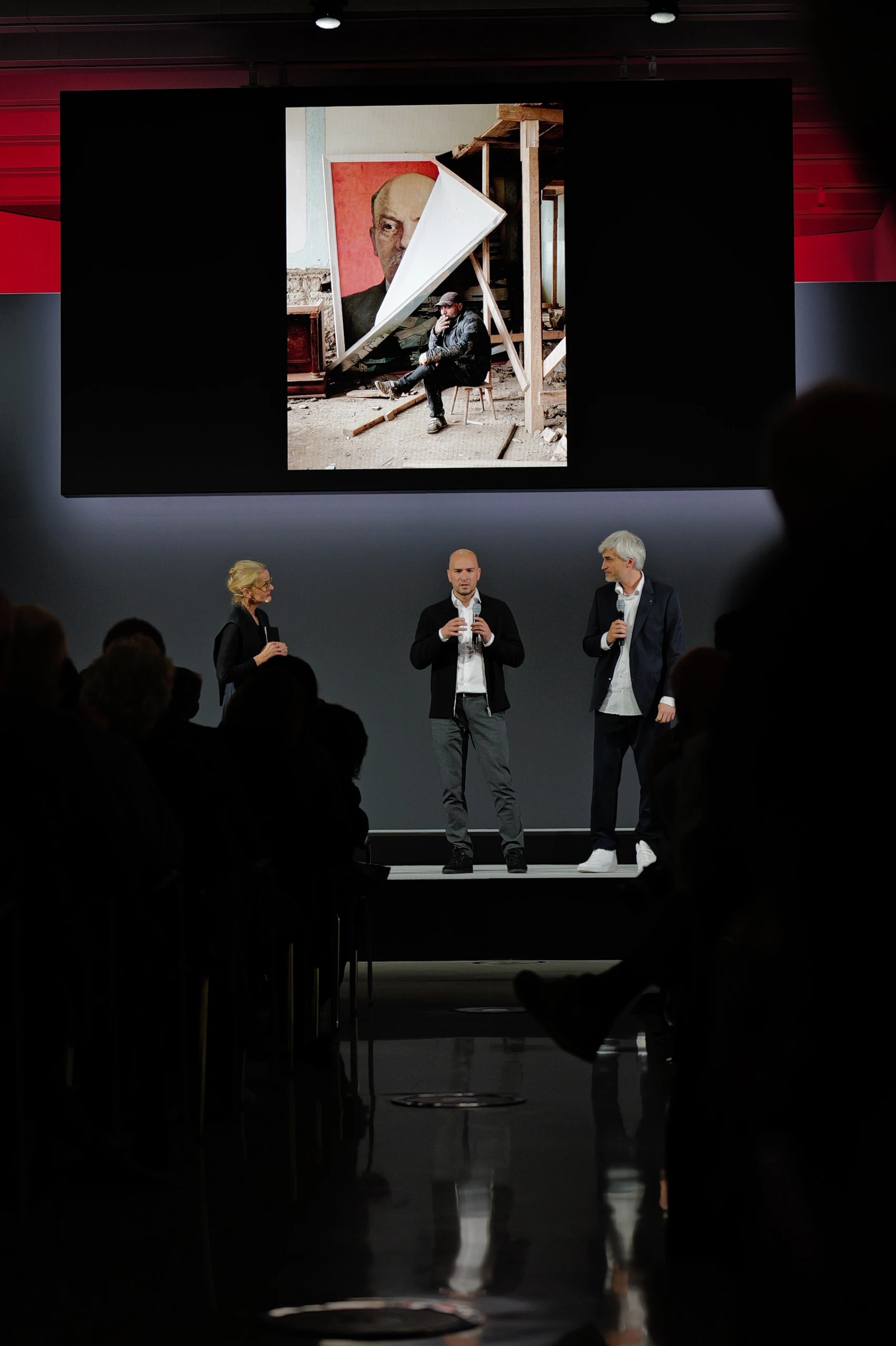
Born in Uzbekistan in 1986, Faizulin came to photography after a career as a martial artist and professional wrestler. He has worked on independent projects since 2020, and LOBA was the first international competition he ever entered. “It’s important to me that a photograph does not simplify reality, but rather helps us recognise its complexity,” he says.
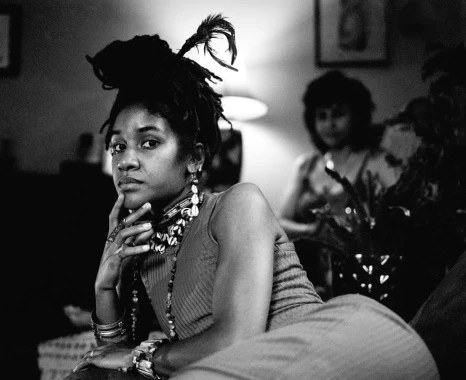
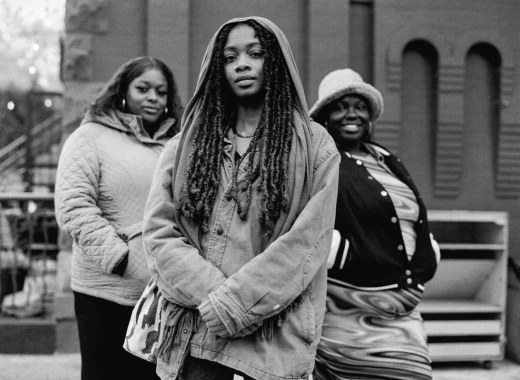
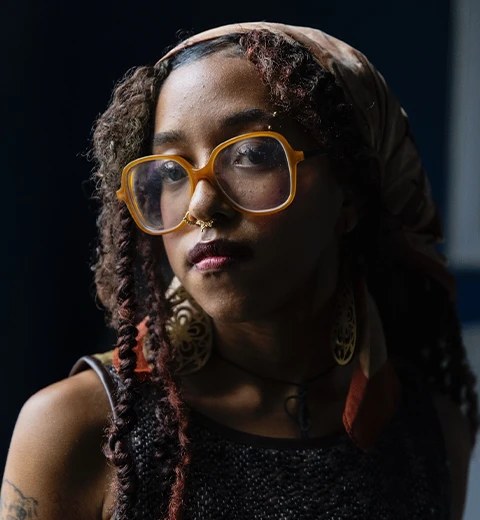
In the Newcomer category, American photographer Laila AnnMarie Stevens won with Clayton Sisterhood Project. Shot in black and white, the series follows her two sisters and four nieces after they moved from Queens, New York, to a shared house in Clayton, North Carolina, and reflects on queer kinship and the legacy of strong, self-assured Black women. Stevens was born in 2001 and had her work published in The New York Times at just 20.
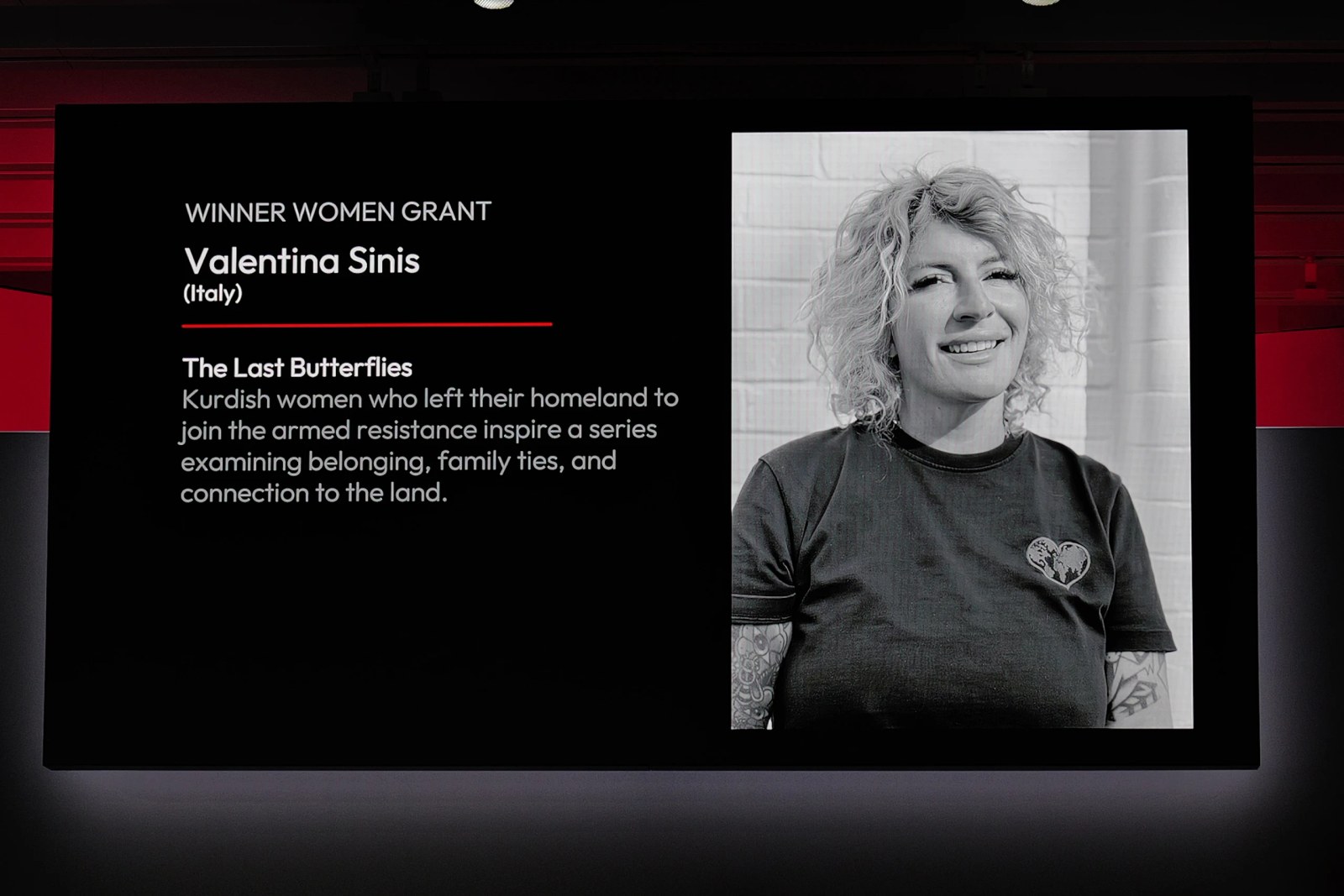
New this year, the LOBA Women Grant went to Italian photographer Valentina Sinis.
The surprise of the evening came from within Leica itself. Its employee choir took the stage and, if I may say so, sounded surprisingly good.
Inside The Factory
Wetzlar also gave me a rare look at how Leica builds its cameras, and the parallels to watchmaking are hard to miss. Each camera is assembled piece by piece, with human hands involved at every stage.
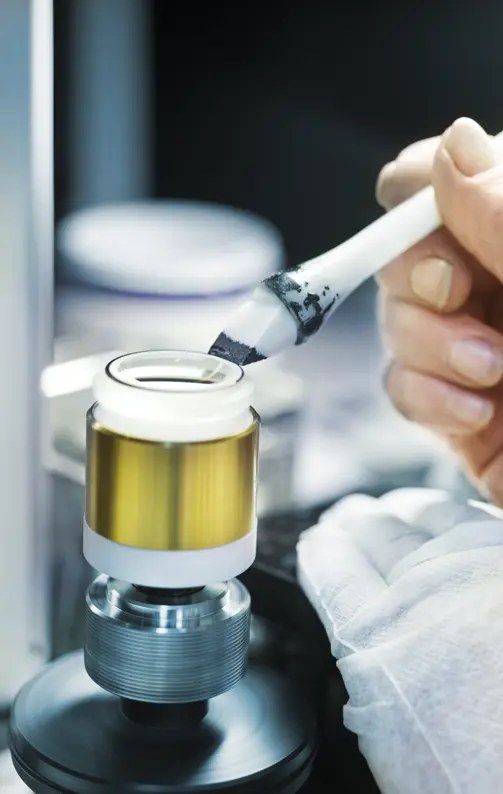
Lens elements have their edges painted black by hand to control the light bouncing inside the lens. On the M lenses, someone applies a paste and turns the focus ring back and forth by hand, for up to five minutes, until it moves exactly as it should. Only then is it lubricated.
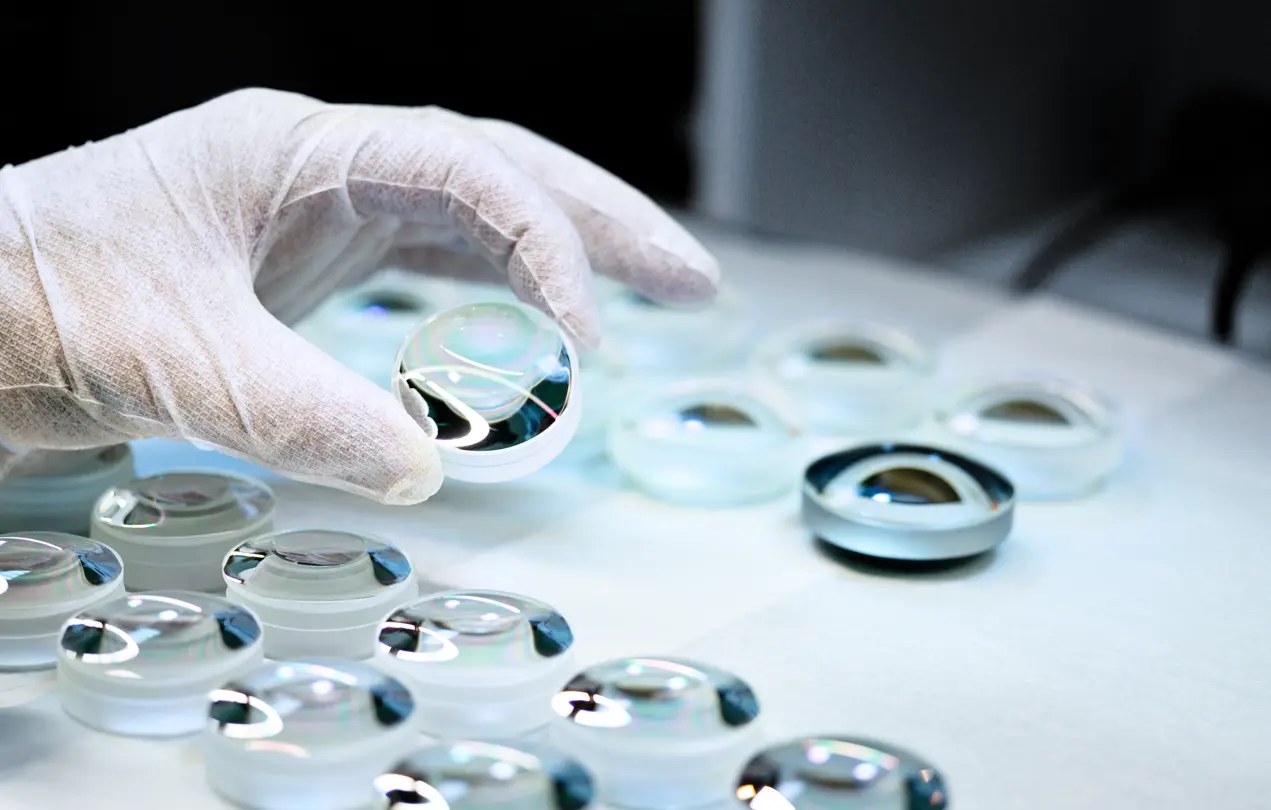
Some parts are measured and quality controlled down to the nanometre. Others are signed off by feel alone. Leica needs both, and you notice it the moment you hold the finished product.
The lenses themselves are shaped with methods most people would never guess. One uses a magnetic, iron-laden fluid to polish the glass. Another heats the glass in a 700 degree oven and presses it into shape, while accounting for the fact that it keeps moving as it cools, so the final form differs from the mould. Leica makes those moulds in-house too, from tungsten carbide, one of the hardest materials on earth, finished with hand-applied layers of diamond paste.
Before leaving, I watched the team service and restore a camera from the 1960s. Sixty years on, it was being brought back to life by the same hands that build the new ones.
The 2026 Shortlist
Damir Faizulin, Preserving Nature as Preserving Ourselves (Winner)
Laila AnnMarie Stevens, Clayton Sisterhood Project (Newcomer Winner)
Saher Alghorra, Witnessing Gaza
Todd Antony, Buzkashi
Anush Babajanyan, The Aral Sea and the Battered Waters of Central Asia
William Keo, Extramuros
Slava Lyu-Fa, Inner Distance
Benedikt Renč, Cairo
Elliot Ross, A Question of Balance
Annie Sakkab, We Used to Watch the Rivers Go By
David Sládek, People of Šumiac