

Gravity is not a preference. It is not a trend you can wait out. It pulls on a balance wheel the same way it pulls on everything else, and for the first three centuries of portable timekeeping it quietly ruined the accuracy of every pocket watch ever carried upright in a waistcoat.
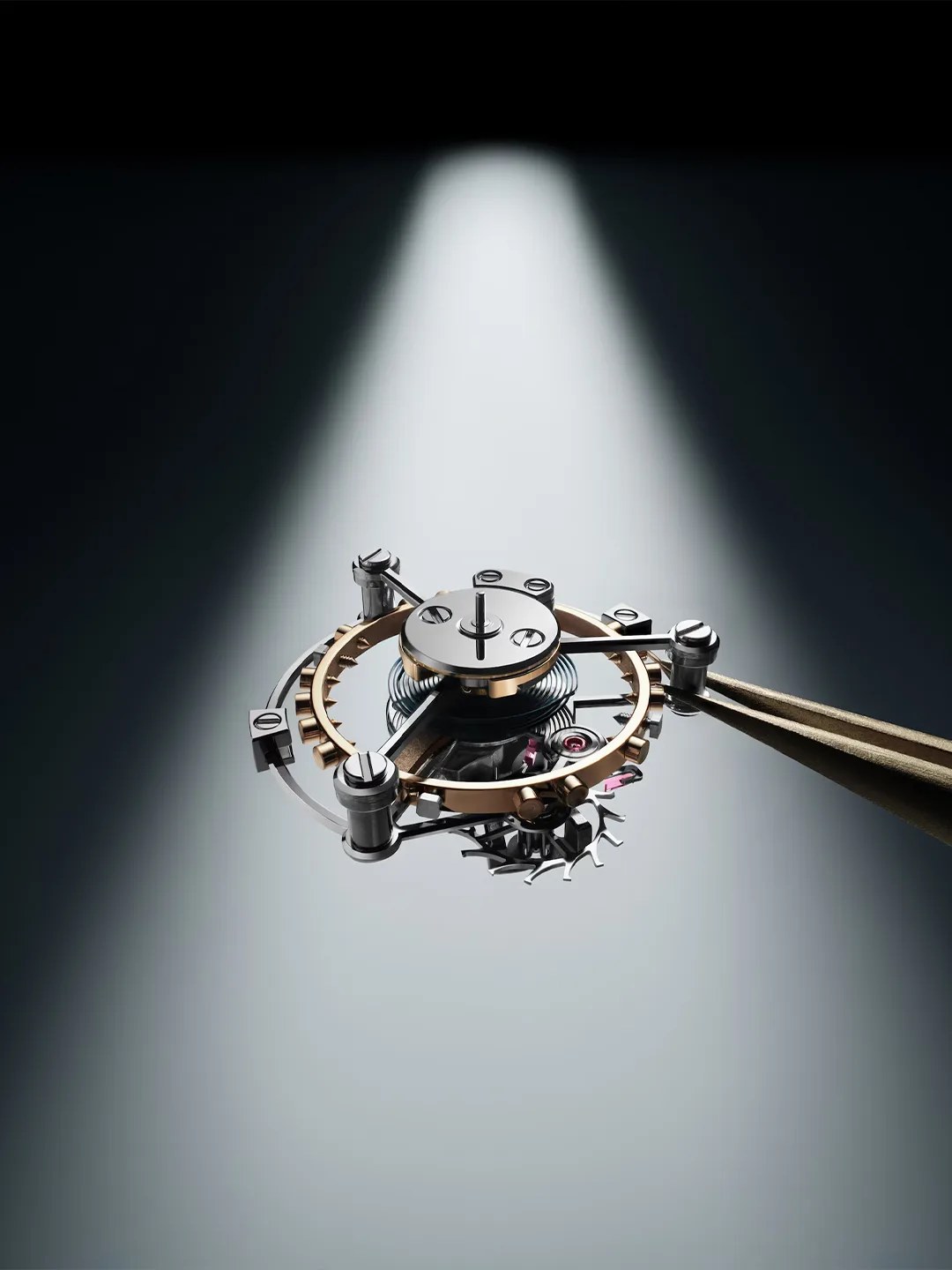
Abraham-Louis Breguet did not accept that. On 26 June 1801, dated 7 Messidor An IX under the French Republican calendar still in use at the time, he was granted a ten-year patent for a device he called the tourbillon. The idea was almost insolent in its simplicity. If gravity distorts a balance differently in each vertical position, then put the entire escapement inside a cage and rotate it, continuously, so that those positional errors average themselves out instead of accumulating.
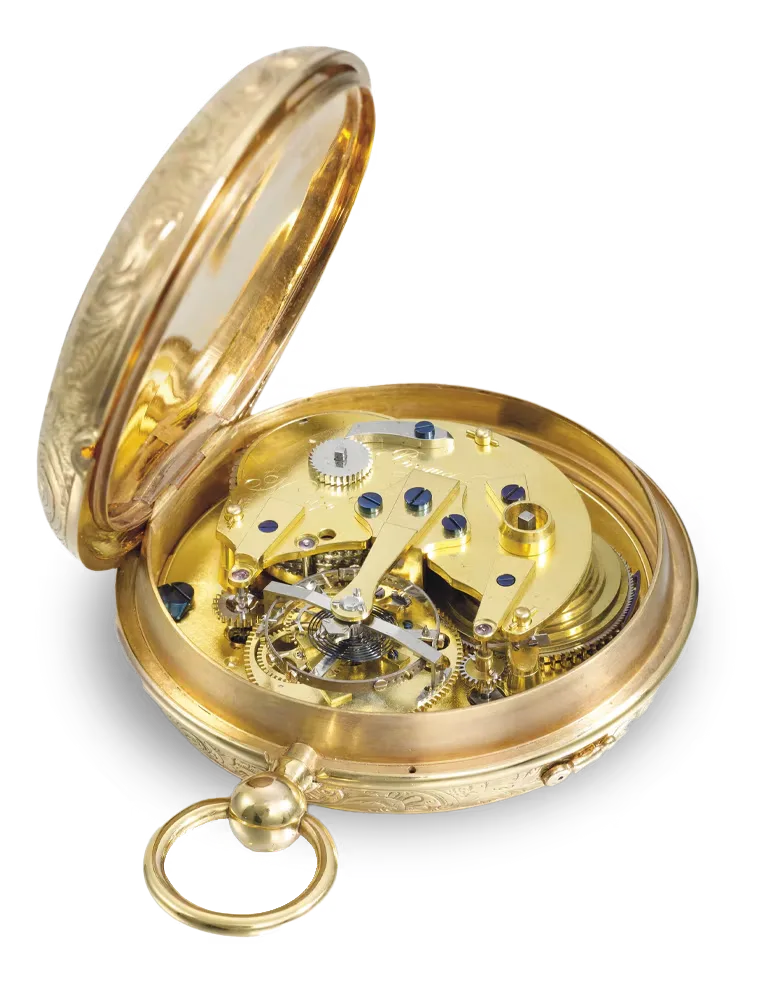
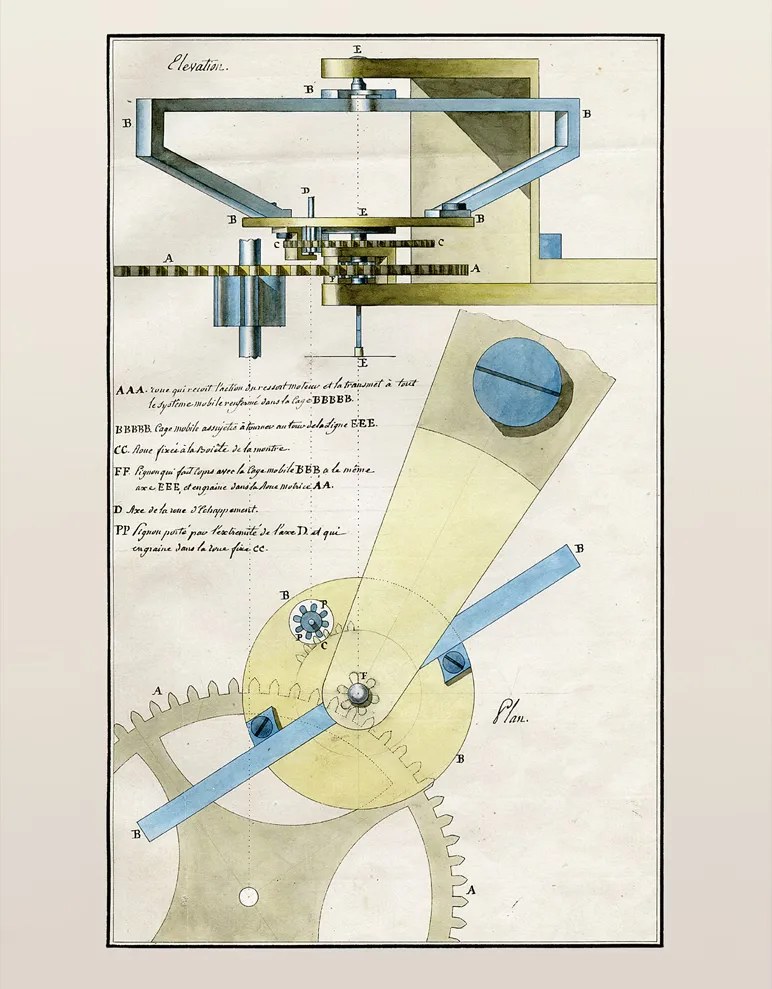
He did not defeat gravity. He out-thought it. Breguet's own campaign for this anniversary puts it more bluntly than we would: Sorry, Isaac.
Two hundred and twenty-five years later, the invention belongs to everyone and the origin to one house. The mechanism has been adopted by nearly the entire industry, but the patent of 26 June 1801 carries only one name, and this year the Manufacture marks the date with four new tourbillons. It is worth understanding what they are actually celebrating before we get to what they made.
The Invention Nobody Could Afford
Breguet was, by any honest measure, the founder of modern horology. The list of things he either invented or refined into their final form reads like a syllabus: the pare-chute shock protection, the self-winding perpétuelle, the overcoil balance spring that still carries his name, the constant-force escapement of 1798, and then the tourbillon three years later. Much of this thinking crystallised during exile. When the Terror made Paris untenable, Breguet took refuge in his native Switzerland and returned in 1795 with his best ideas nearly ready. The tourbillon was the culmination of that period.
What it was not, in his lifetime, was a commercial success. The mechanism was fiendishly hard to build and priced accordingly. Breguet produced only around 35 tourbillon watches in his lifetime, and fewer than ten are known to survive today. A handful sit in the Breguet Museum at Place Vendôme in Paris. So the invention that would go on to define haute horlogerie was, in its own time, a rounding error on the ledger. It became horology's most admired complication only after the man who made it was gone.
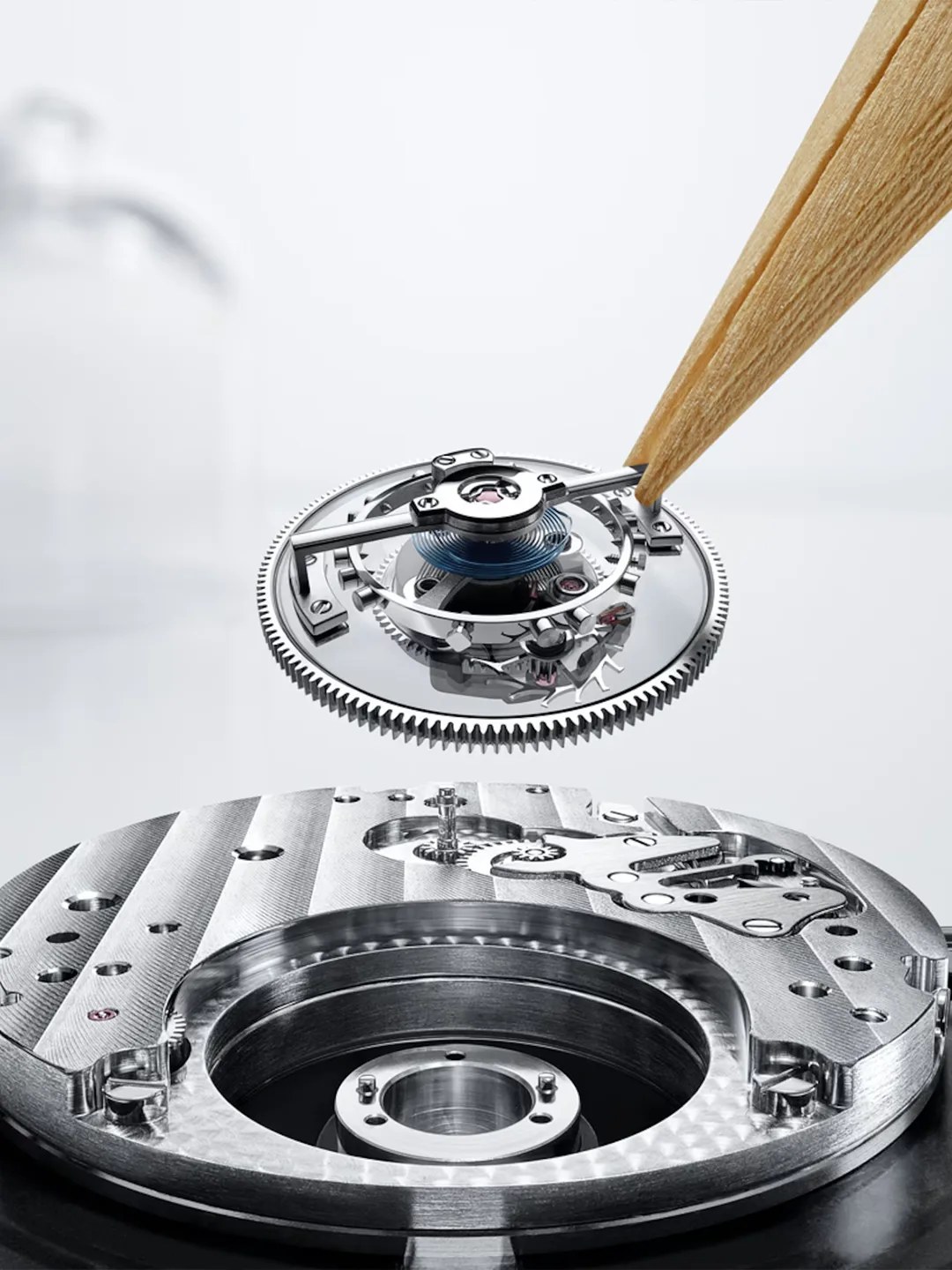
That is the part worth sitting with. The tourbillon earns its status not through utility (modern metallurgy and silicon give watchmakers easier paths to accuracy now) but through what it demonstrates: the construction of a cage light enough to spin without wasting energy yet rigid enough to hold the regulating organ true, turning once a minute, in full view. It is difficulty made visible. That is precisely why it inevitably became a success, albeit centuries later.
Four Watches, One Anniversary
The 2026 quartet was unveiled on 26 June, to the day. They share a visual language: the anniversary shade of Bleu de France, commemorative engraving, and a recurring motif of the night sky as it appeared over Paris on the evening the patent was granted. Beyond that, they could hardly be more different, and that range is the point. One is a dress watch, one is an illusion, one is a mechanical showpiece, and one is a grand complication wearing a sports jacket.
Classique Tourbillon 7357
This is the heart of the collection, and quietly the most interesting, because it is the only one that is regular production rather than a limited edition. It is a direct successor to Ref. 3350, and it keeps the thing that made the original special: a genuinely compact 35mm case, a full millimetre trimmer than its 1989 ancestor, under 9.2mm thick. In an era of oversized everything, restraint like this is the flex.
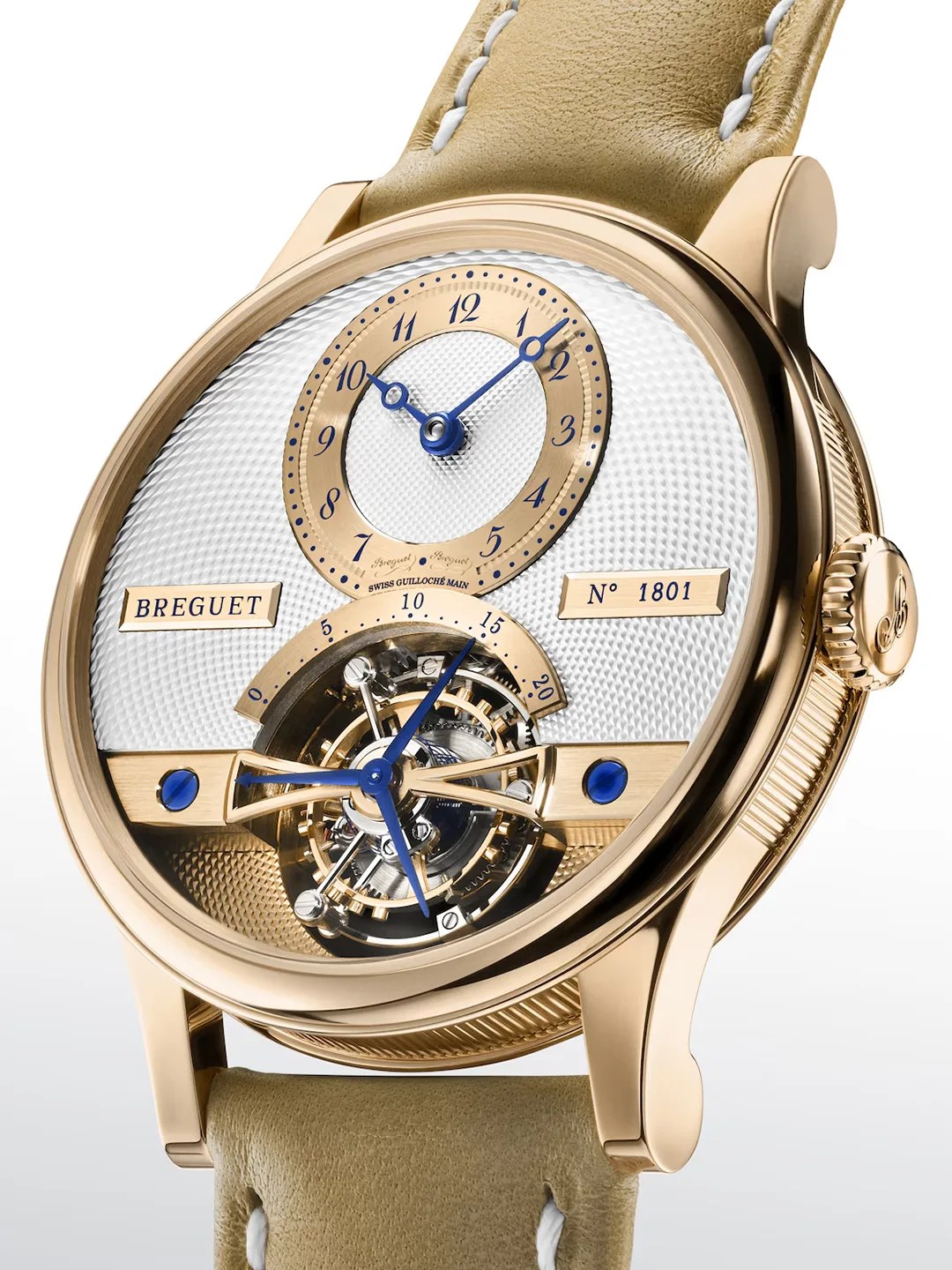
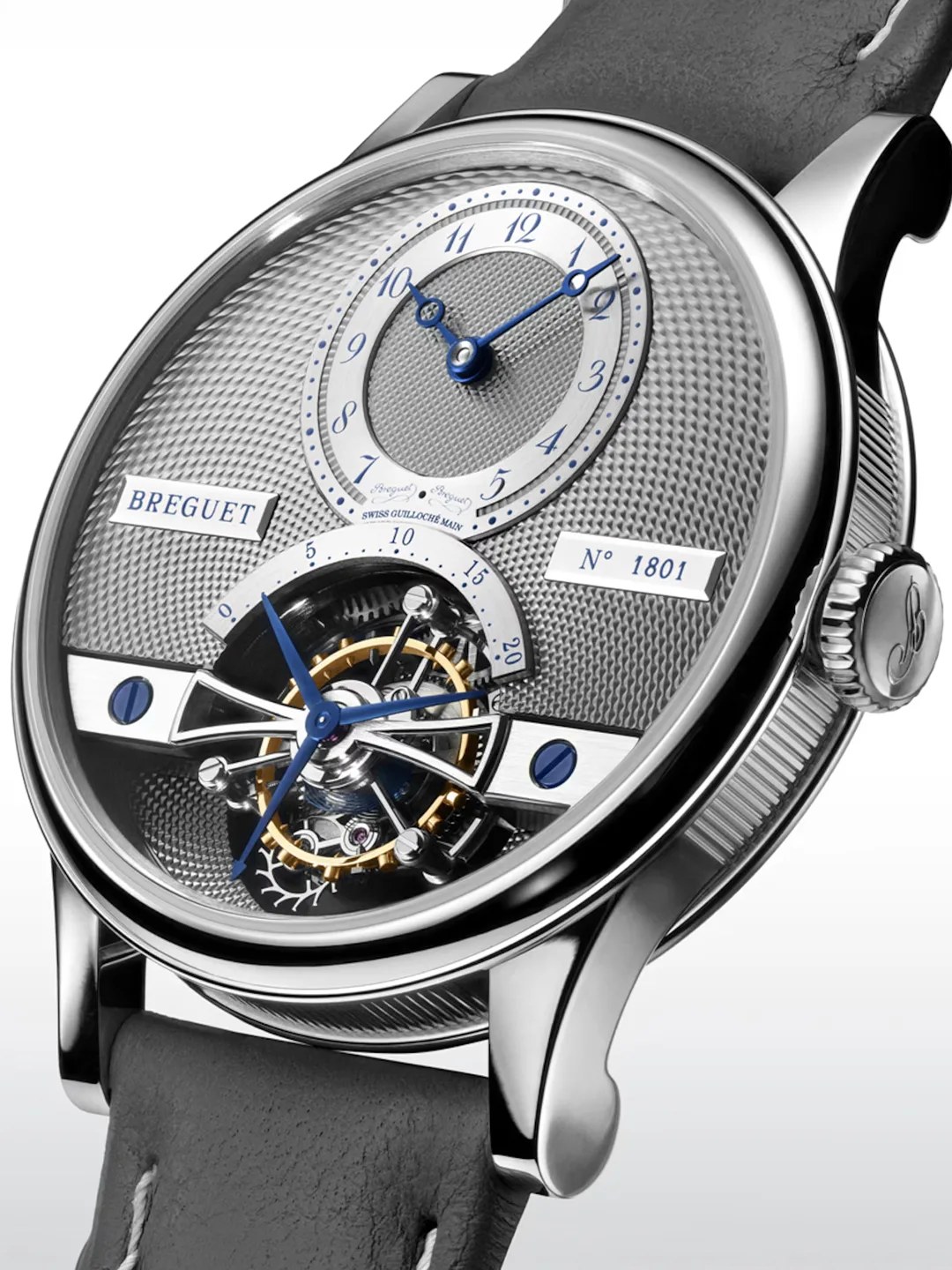
The case comes in platinum or in Breguet gold, the proprietary warm alloy introduced for last year's 250th anniversary. The dial is solid 18K gold worked in two of the house's signature guilloché patterns, Clous de Paris at the centre and barleycorn around the edge, with the Arabic numerals Breguet himself was using in the late 18th century. Inside is the Calibre 187B, an evolution of that historic 558 movement, still beating at a slow and hypnotic 18,000 vibrations per hour, now with a 60-hour power reserve and modern defences against magnetism in the form of a silicon escapement and a Nivachron balance spring.
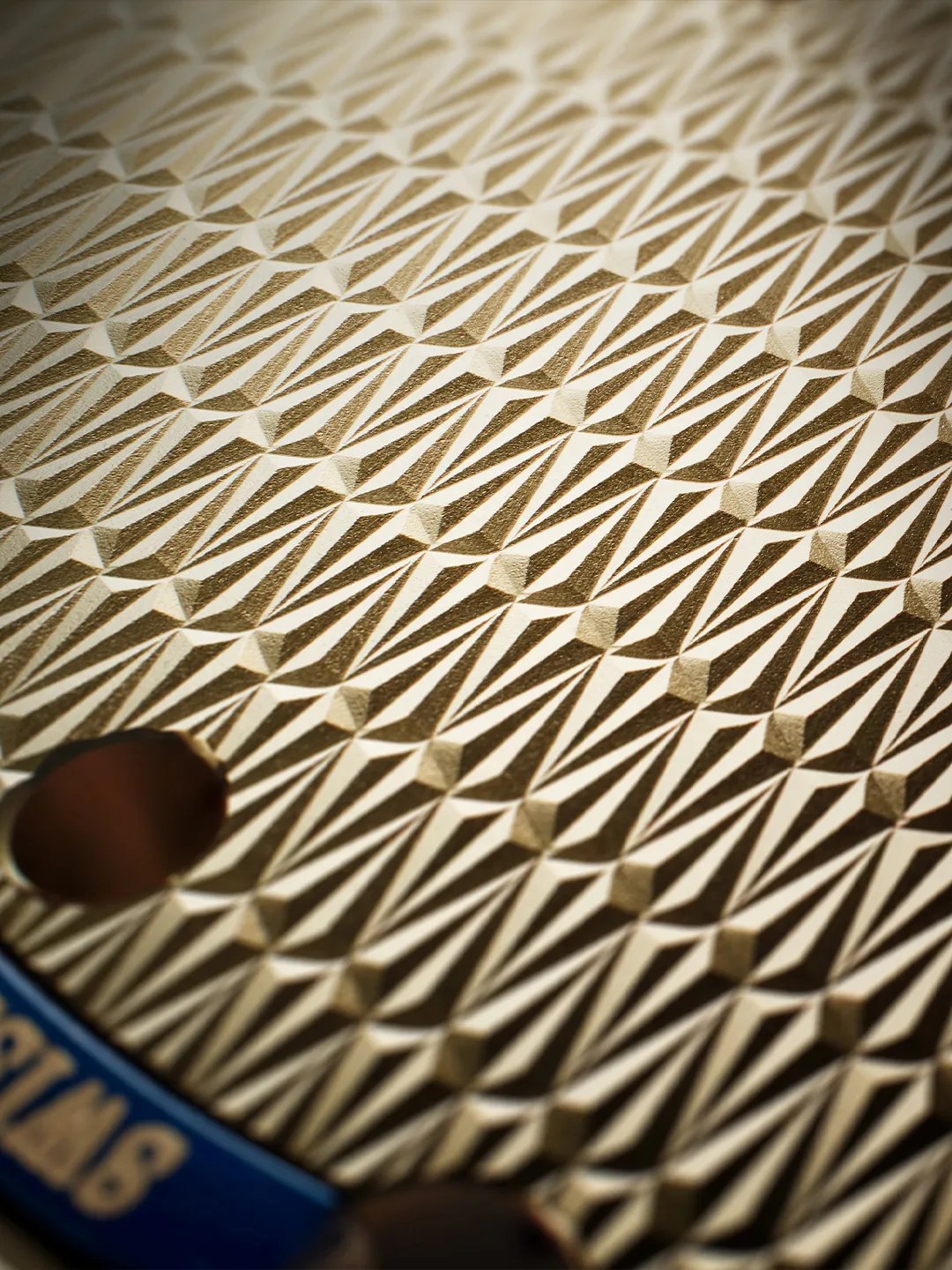
Turn it over and the movement plate carries a new guilloché motif inspired by the Dent de Vaulion, the peak that looks down on the Vallée de Joux where the Manufacture sits, alongside two engravings: Brevet du 7 Messidor An 9 and Tourbillon 225e Anniversaire. Priced at CHF 140,000 in gold and CHF 154,000 in platinum, before tax, it is, by the standards of this world, the accessible one.
Classique Tourbillon Sidéral 7255
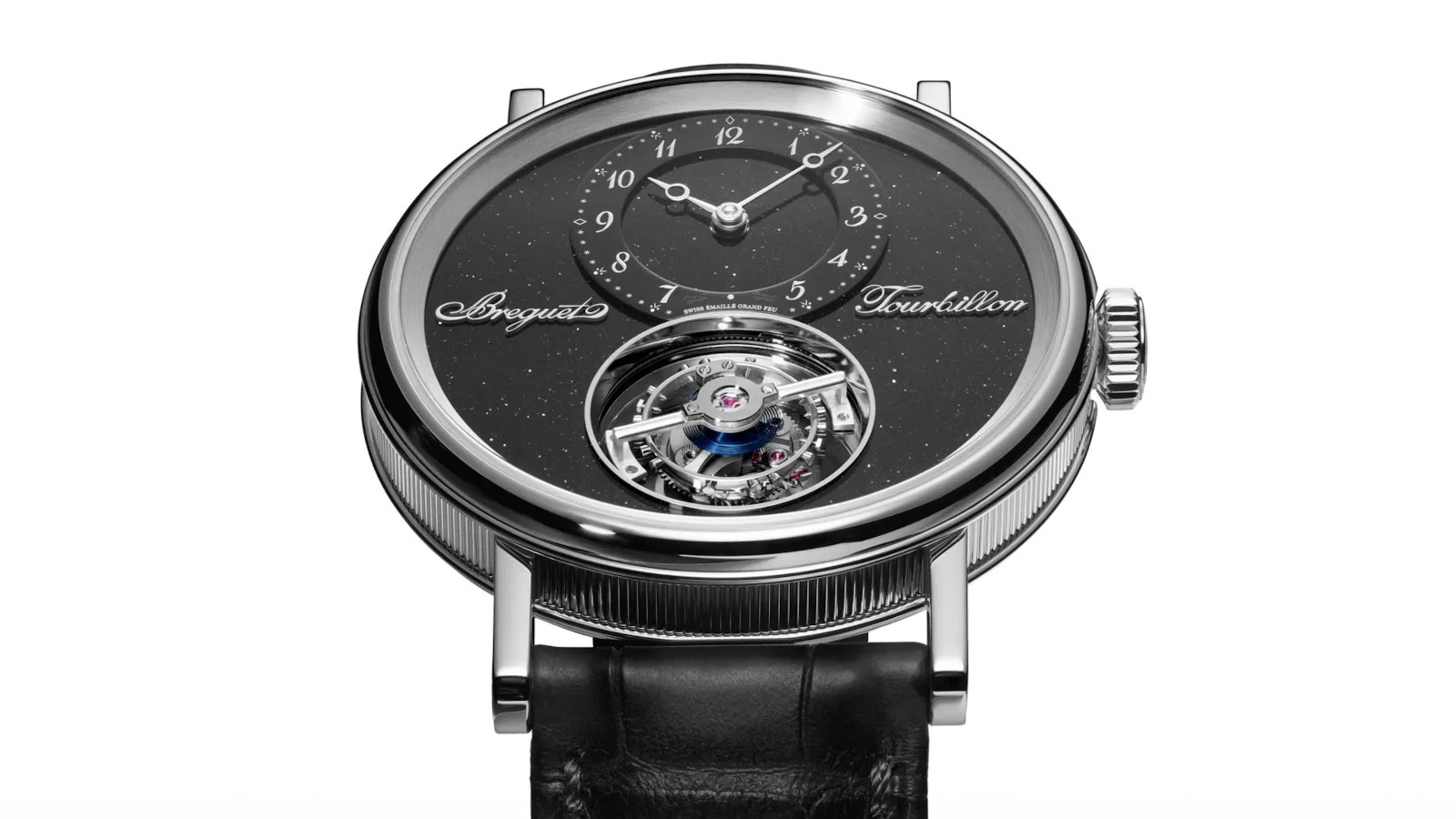
If the 7357 is about heritage, the Sidéral is about magic. First seen last year in Breguet gold, it returns in a 38mm platinum case carrying the house's first-ever flying tourbillon, driven by the Calibre 187M1. The trick is the mysterious display: the lower bridge and support that carry the tourbillon are cut from clear sapphire, so the point where the gears drive the cage vanishes from view. The result is a tourbillon that appears to hover, turning with no visible connection to anything. It is an old illusion, one Breguet had left alone for nearly two decades, and it still stops people mid-sentence.

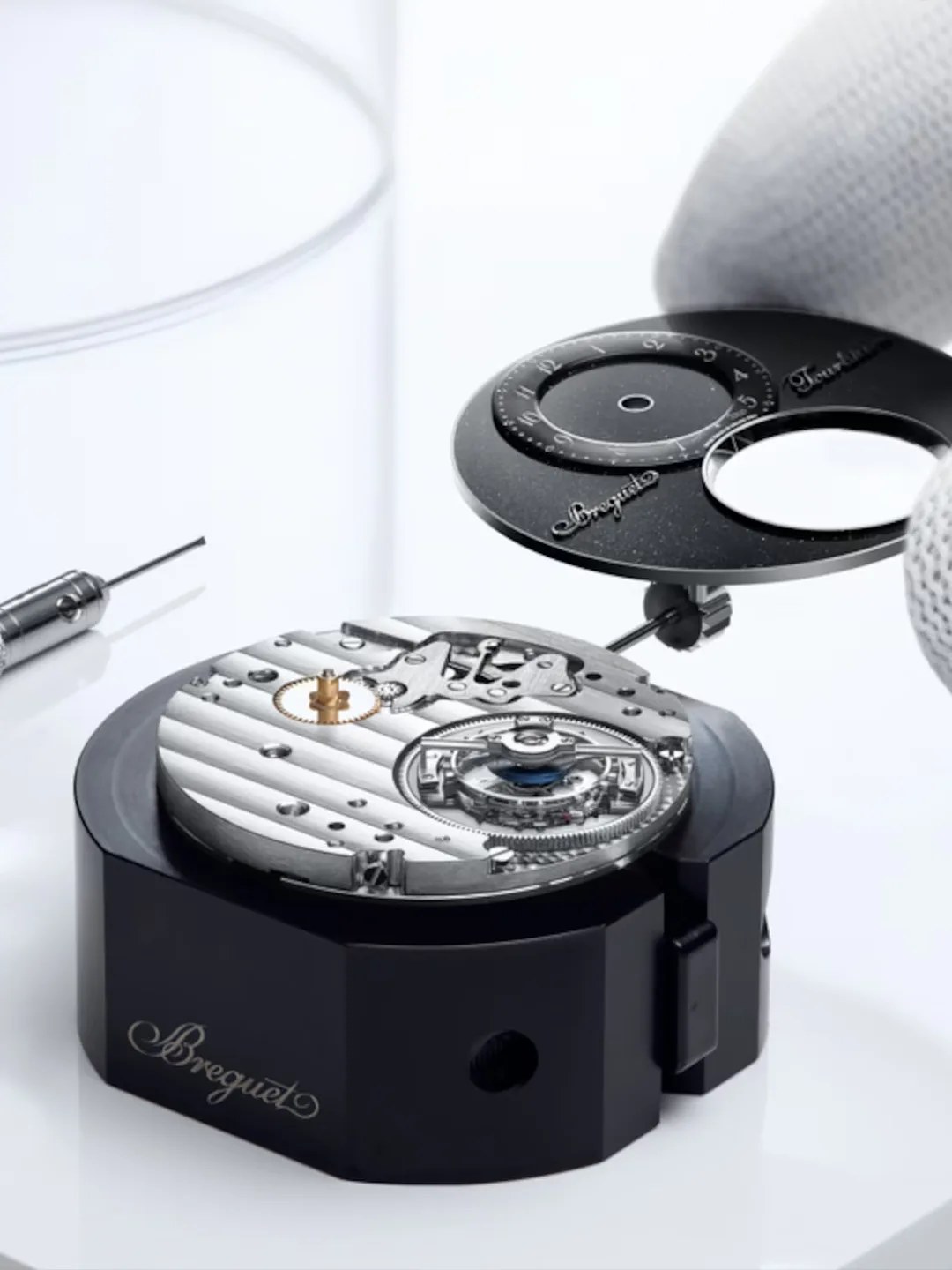
The dial answers the celestial theme with black aventurine enamel, its surface flecked with light like a fragment of night sky, and its rhodium-plated numerals and hands sit against it in cool contrast. Black and silver is a palette Breguet almost never uses, which is part of why it works. Limited to 50 pieces, at CHF 223,000.
Tradition Tourbillon 7047
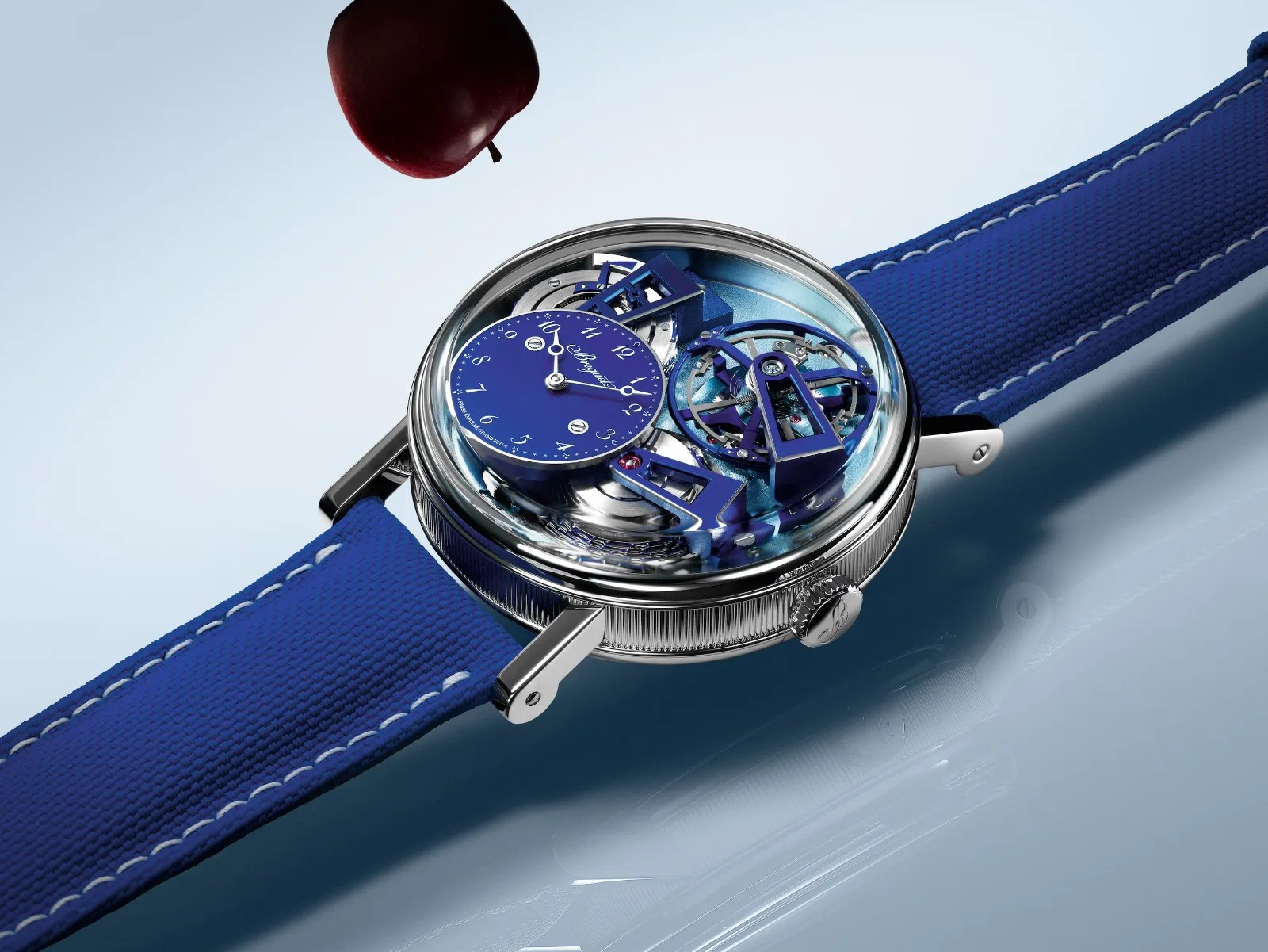
The 7047 is the mechanical heavyweight, and it hides nothing. The Tradition line puts the architecture of an old Breguet pocket watch movement on the front of the watch, so you read the time and admire the machine at once. Here that machine pairs a tourbillon with a fusee-and-chain transmission, a torque-regulating device whose geometry Leonardo da Vinci documented in his notebooks. A chain of 232 links winds across the movement to keep the power delivered to the escapement even, whether the mainspring is fully wound or nearly spent.

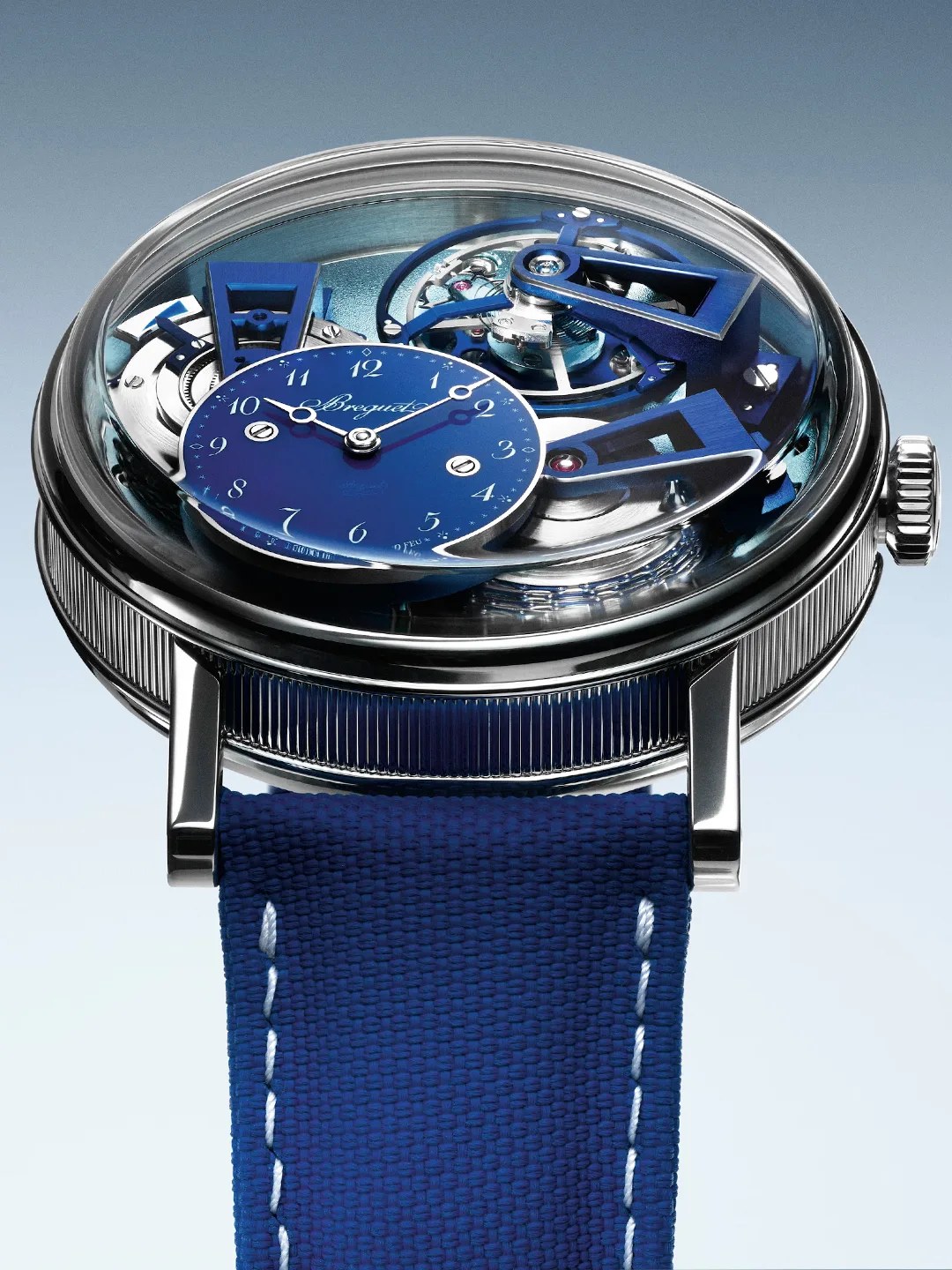
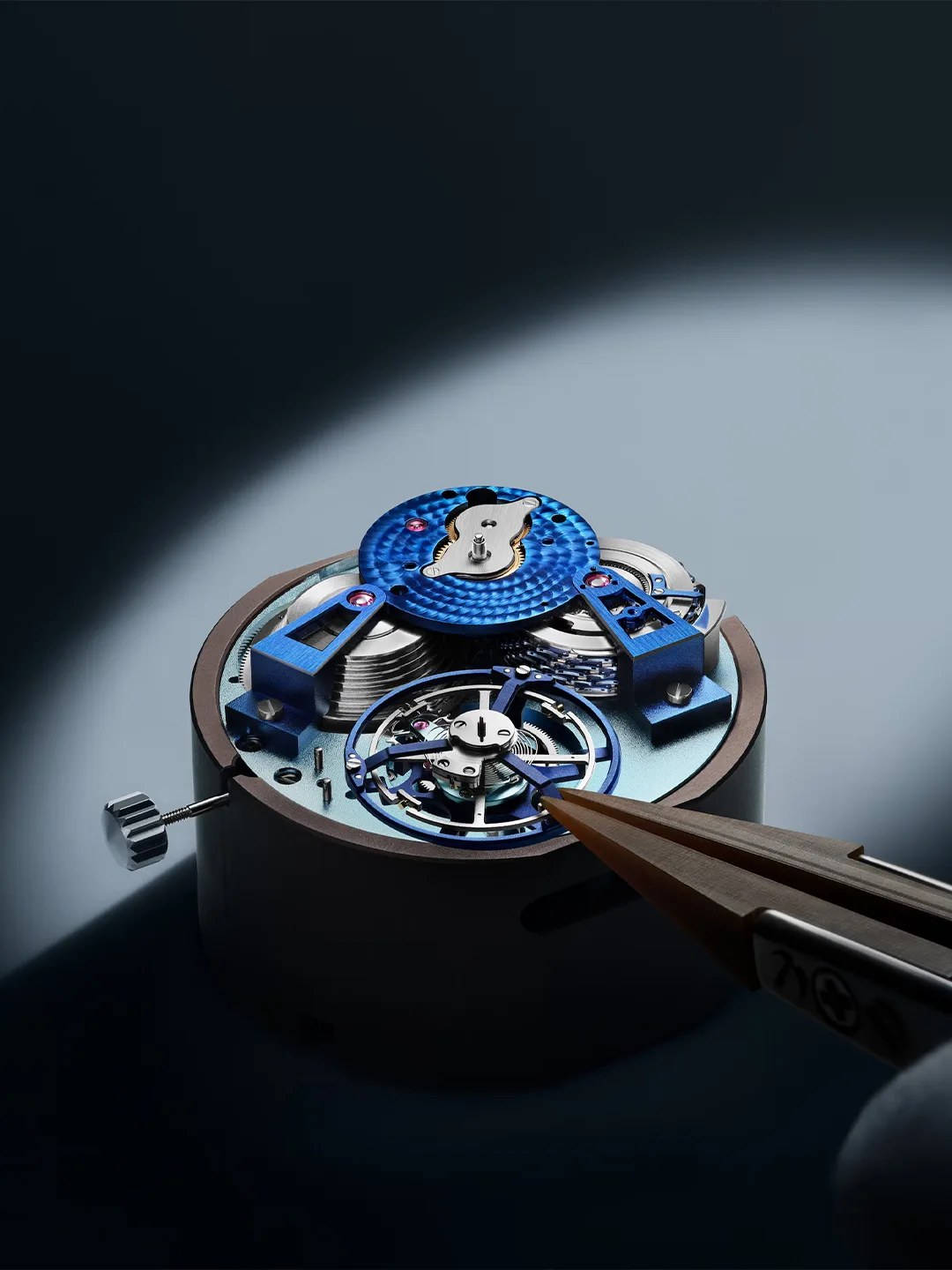
For the anniversary, the whole thing is rendered in blue. The enamel time sub-dial is Bleu de France, the tourbillon and fusee bridges are finished to match, the chain itself is blue, and even the tourbillon endstone is a blue spinel where a ruby would normally sit. The titanium tourbillon cage, a feature of this movement since 2010, turns against a frosted base plate in a pale, glacial blue. The effect is unexpectedly modern for a movement rooted in the 18th century. This is the 41mm piece, powered by the Calibre 569 with a 55-hour reserve, limited to 25 pieces at CHF 246,300.
Marine Tourbillon Équation Marchante 5887
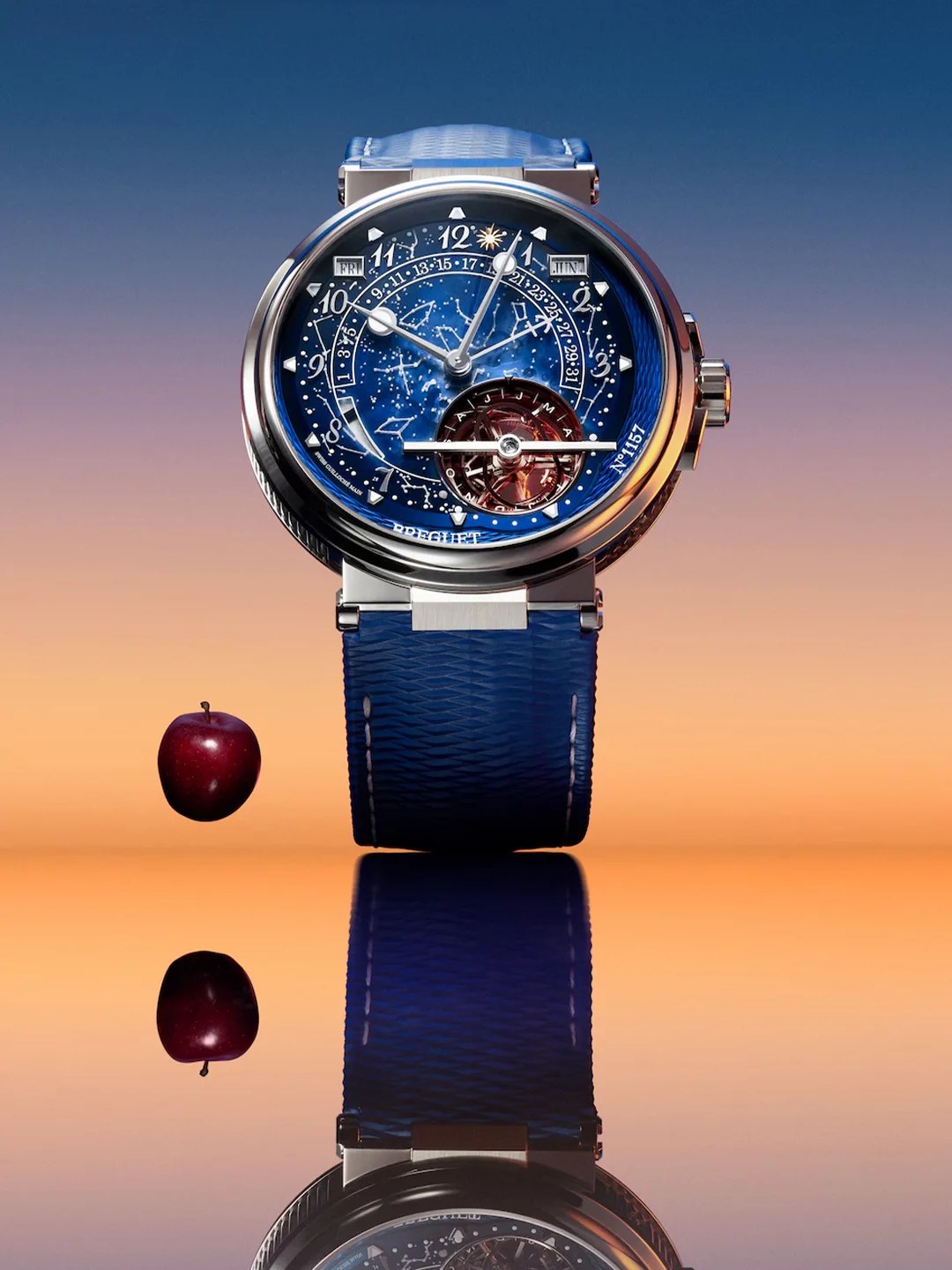
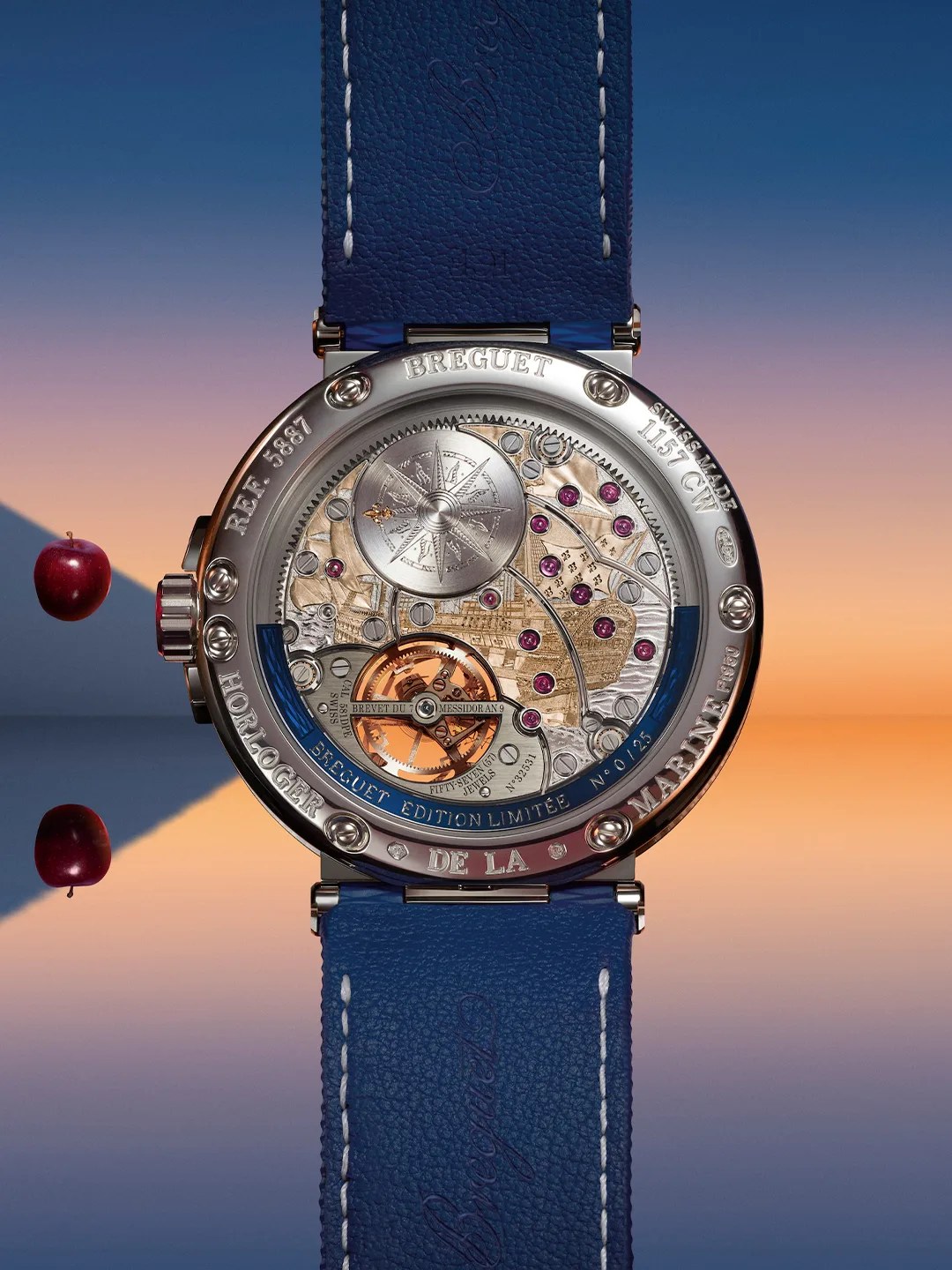
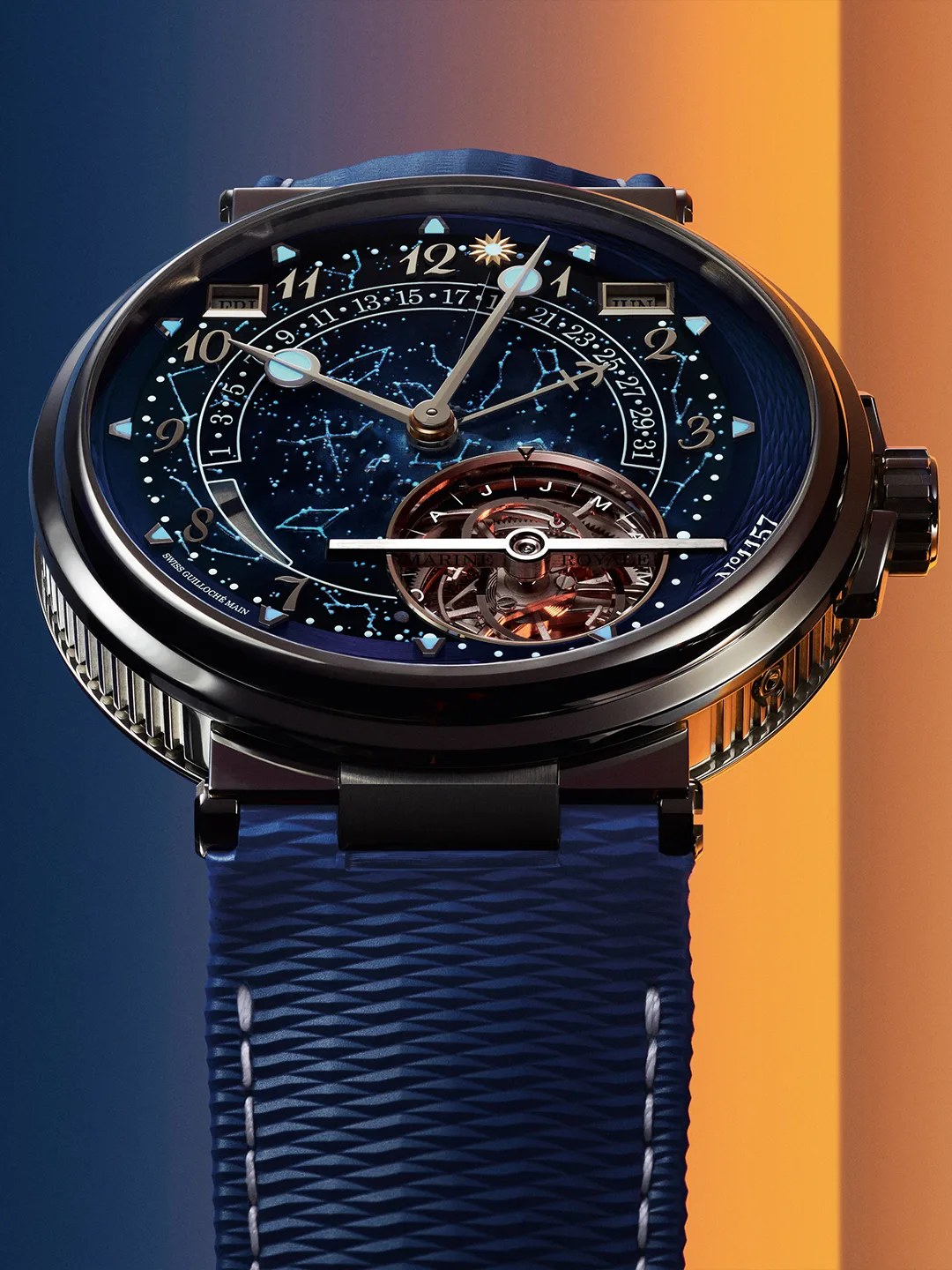
The last one is the surprise: a grand complication built into a sports watch. Behind a dial that looks almost calm, the 5887 runs a tourbillon, a perpetual calendar, and a running equation of time (the shifting gap between clock time and true solar time), driven by the self-winding Calibre 581DPE at a modern 4Hz with an 80-hour reserve.
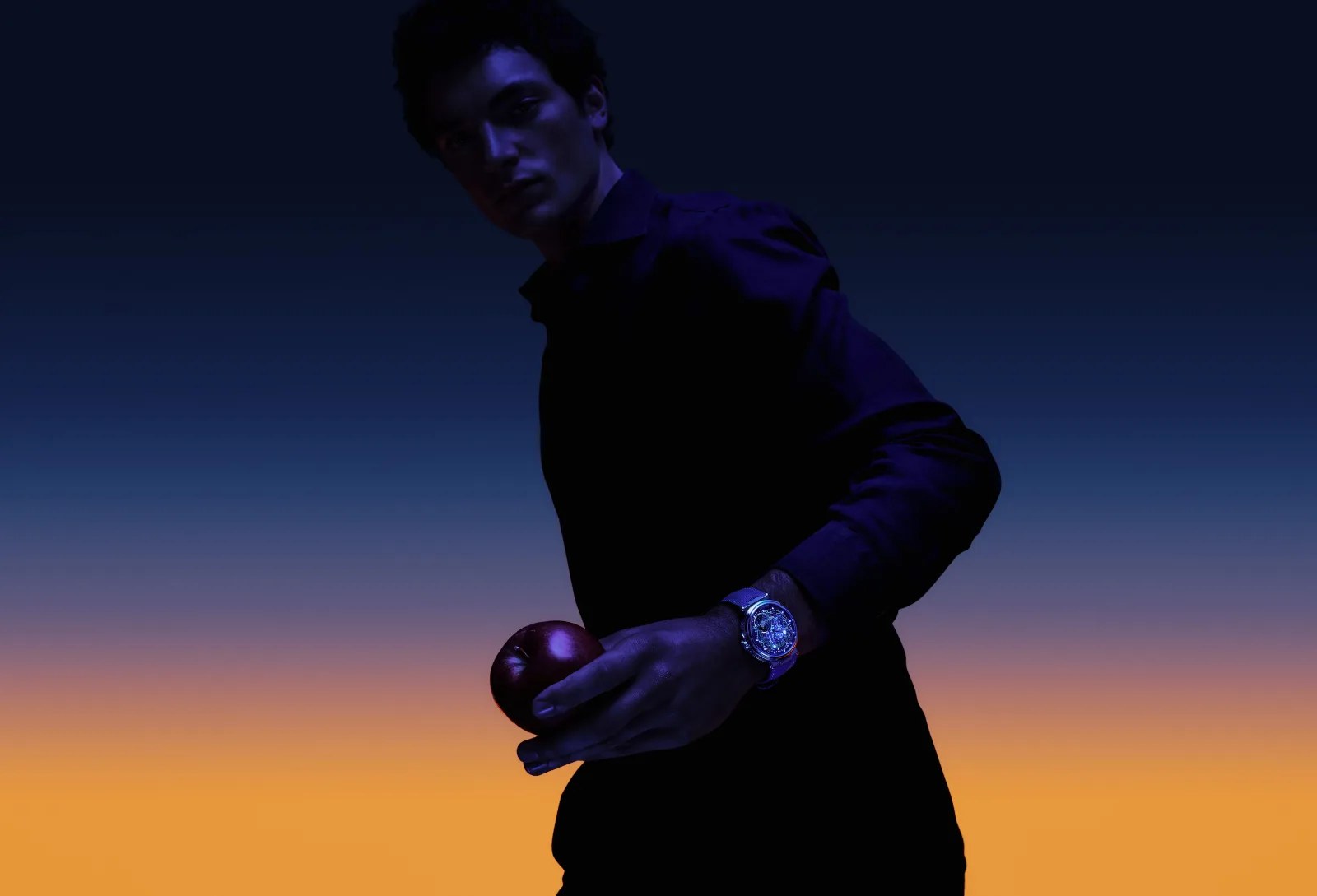
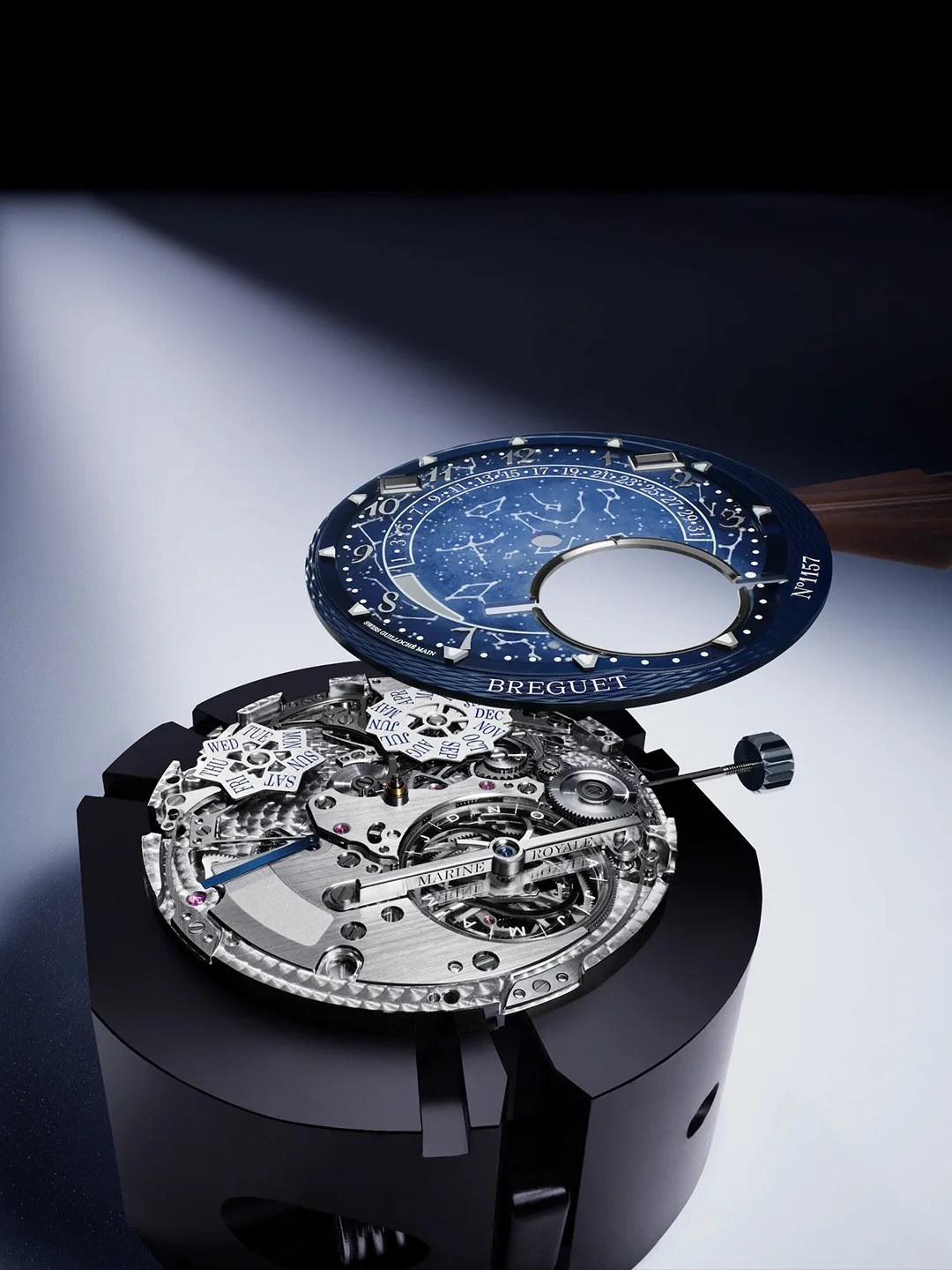
The anniversary version is where the whole collection's celestial idea reaches its conclusion. The dial is grand feu enamel over a tinted sapphire base, and the enamel is loaded with luminous pigment, so the constellations and the moon it depicts are not decorative shorthand. They map the actual sky over Paris at midnight on 26 June 1801, and they glow. On the back, a hand-engraved depiction of the Royal Louis, an 18th-century French warship, sails across oceans rendered in Breguet gold, set against a rhodium-plated sky and sea. Housed in a 43.9mm platinum case, it comes as a 25-piece limited edition on a rubber strap (CHF 292,300) or a matching platinum bracelet (CHF 370,700), and each can be personalised to the sky of a date and place the owner chooses.

Alongside the four watches, Breguet also showed No. 1176, Breguet's own third tourbillon ever made and his first four-minute example, sold in 1809. Two centuries of the same idea, in one vitrine.
What it inherited, and what it does with it
The easy way to mark an anniversary is to reissue the old thing and let the date do the talking. Breguet has not quite done that. The 7357 is the one that reaches furthest back, and even it has a new case, a new dial and a rebuilt movement. The other three take the tourbillon somewhere the founder never could have imagined it going: floating on sapphire, painted with a luminous star map, wrapped around a perpetual calendar on a platinum bracelet.
That is the more honest kind of tribute. A patent from 1801 is not a museum piece to be dusted once every twenty-five years. It is an inheritance, and the question that matters is always the same one: what is being done with it. On this evidence, the answer is quite a lot. Newton, we suspect, would have understood the appeal.