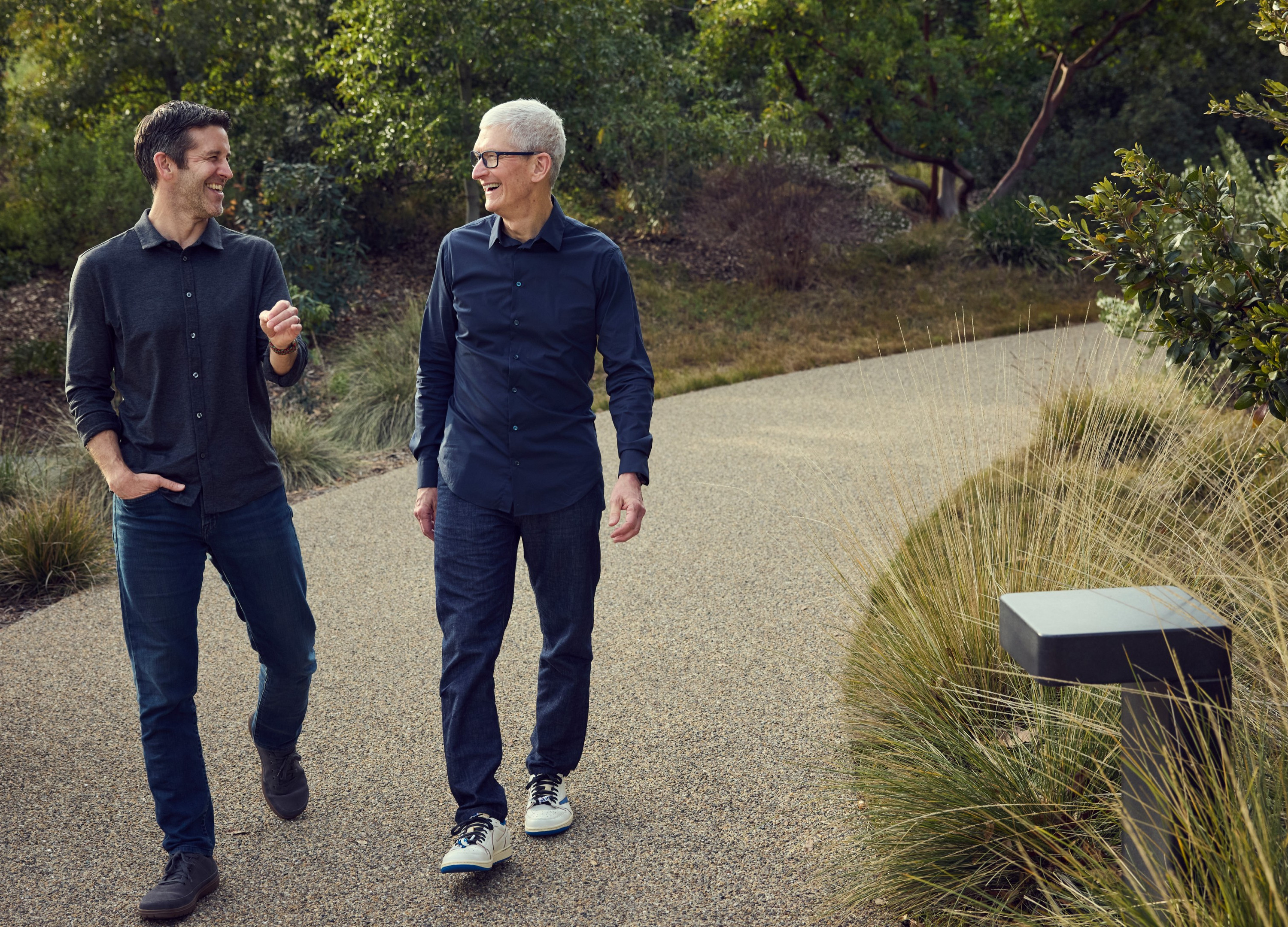
John Ternus has spent most of his career building Apple products. Now, he is responsible for building Apple’s future.
On September 1, 2026, Ternus officially became CEO of Apple, succeeding Tim Cook after 15 years at the top. Cook remains at the company as executive chairman, but day to day leadership now belongs to a man whose career has been defined less by corporate celebrity and more by engineering.
It is a significant change for one of the world’s most influential companies. But Ternus is hardly an outsider arriving to rewrite the playbook. He has spent 25 years inside Apple, rising from its product design team to become the executive responsible for the hardware behind some of the most recognizable products ever made.
Before Apple
Ternus studied mechanical engineering at the University of Pennsylvania before beginning his career as a mechanical engineer at Virtual Research Systems, a company working with virtual reality hardware.
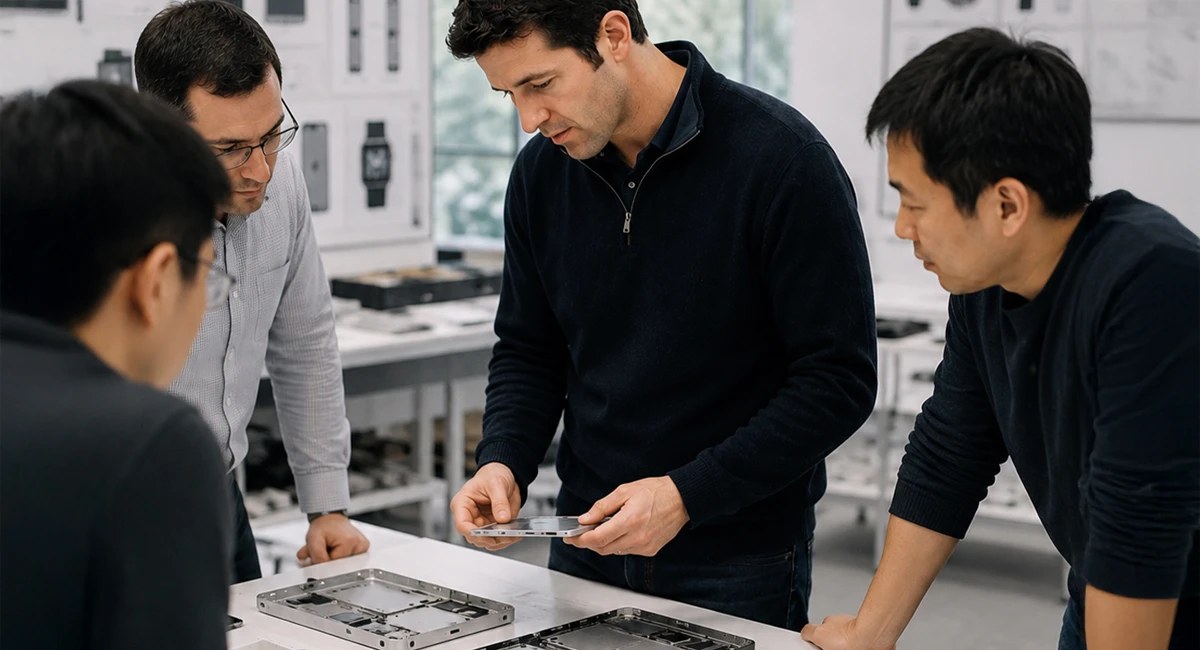
In 2001, he joined Apple's Product Design team.
The timing is worth remembering. This was before the iPhone, before the iPad, before the Apple Watch and before Apple became the technology giant we recognize today.
Ternus joined a company that was still rebuilding itself around a new generation of products. Over the following quarter century, he would help engineer many of them.
Building the Apple We Know Today
Ternus steadily moved through Apple's hardware organization before becoming vice president of Hardware Engineering in 2013.
His responsibilities grew alongside Apple's product portfolio.
He oversaw engineering work across every generation and model of iPad and became deeply involved with products including AirPods, Mac, iPhone and Apple Watch.
Perhaps most importantly, he became one of the key leaders behind Apple's transition of the Mac away from Intel processors and toward Apple silicon.
That transition fundamentally changed the Mac. By designing its own processors, Apple gained greater control over performance, efficiency and the relationship between hardware and software.
It was exactly the kind of project that reflected Ternus' career: enormously important to Apple's future, technically complex and largely happening behind the scenes.
Taking Control of Apple Hardware
In 2021, Ternus joined Apple's executive team as senior vice president of Hardware Engineering.
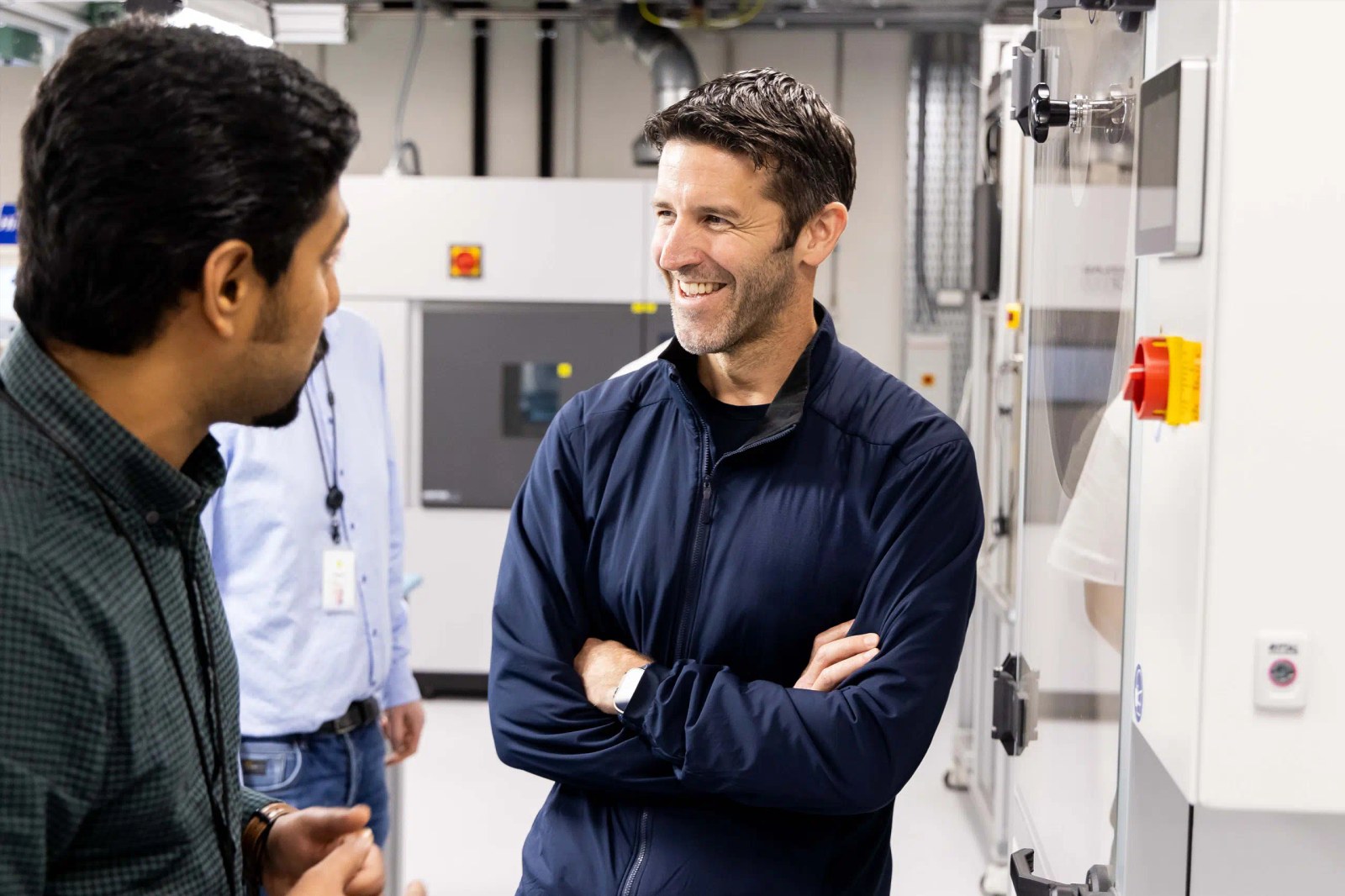
The promotion placed him in charge of Apple's hardware engineering organization and eventually gave him oversight across iPhone, iPad, Mac, Apple Watch, AirPods, Apple Vision Pro and other products.
His influence extended beyond simply making devices faster or thinner.
Ternus helped drive Apple's work around product reliability and durability, while also overseeing developments in materials and manufacturing. These included recycled aluminum used across several product lines and advances such as 3D printed titanium components for Apple Watch Ultra.
Repairability also became a larger part of Apple's hardware strategy during his leadership.
It gave Ternus something few potential successors to Tim Cook could match: direct experience with almost the entire physical Apple ecosystem.
The Long Road to the Top
By the middle of the decade, Ternus had also become increasingly visible outside Apple's engineering organization.
Those who followed Apple's launches had already seen him presenting major products and explaining the technology behind them. Gradually, one of Apple's most important executives was also becoming one of its most recognizable.
Then came the announcement.
In April 2026, Apple confirmed that Tim Cook would transition to executive chairman and that Ternus would become the company's next CEO. The board unanimously approved the succession following what Apple described as a long term planning process.
On September 1, the transition became official.
Twenty five years after joining Apple's Product Design team, John Ternus became CEO.
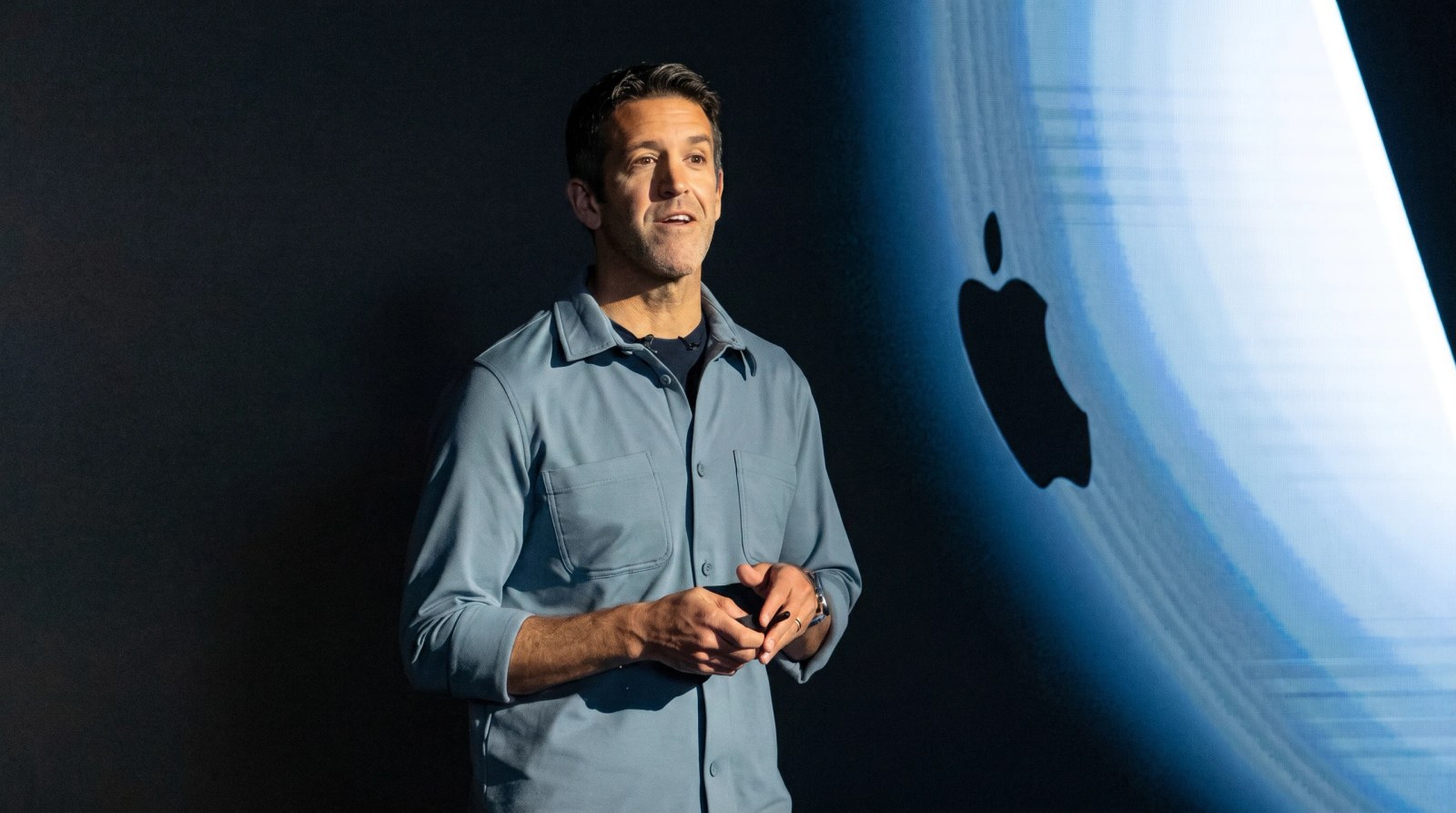
His Biggest Product Yet
Ternus inherits an Apple that is dramatically larger than the company he joined in 2001.
But he also inherits enormous expectations.
Artificial intelligence is reshaping the technology industry. New computing platforms are emerging. Apple's next generation of hardware will need to prove that the company can once again define entirely new product categories rather than simply perfect existing ones.
That makes Ternus an interesting choice.
Steve Jobs was fundamentally a product visionary. Tim Cook was renowned for operations, scale and execution. Ternus comes from another part of Apple's DNA: engineering.
After spending decades helping turn ideas into physical products, his next challenge is considerably larger.
The product is Apple itself.