
On June 11, 2026, an installation named “L’Appartement” was unveiled at the Orangerie of the Jardin d’Acclimatation in Paris. It was a showcase of what can be built from forgotten materials, with furniture and packaging all sourced from the same place. The project was a tangible demonstration of the work done by Nona Source, a platform celebrating its fifth anniversary.
Nona Source was founded in 2021 as part of an internal LVMH program called DARE, which stands for Disrupt, Act, Risk to be an Entrepreneur. The premise was simple. It gives professionals access to the high-quality fabrics, leathers, and yarns left over from the production runs of luxury Maisons.
In five years, that simple idea has found its scale. What began in a 30-square-metre Paris showroom now occupies a space of 120 square metres. Nona Source has brought more than 20,000 different material references back into circulation, sourced from over 25 luxury houses both within and beyond the LVMH group.
The platform currently serves more than 2,500 clients, from emerging designers to established brands, across 50 countries. The interest is growing. In 2025 alone, visitor numbers rose by 30 percent compared to the previous year, and the platform surpassed 20,000 total orders.
A New Chapter
To mark the anniversary, Nona Source has introduced a new brand identity and a redesigned website. Hélène Valade, the Environment Development Group Director for LVMH, framed the moment directly. “In five years, Nona Source has established itself as the leader in circularity in the textile market,” she says.
Valade sees the platform as “an accelerator of the circular economy for fashion Maisons, and a source of inspiring materials for young designers.” She adds that the new identity opens a new chapter, “with the ambition to be the spearhead of responsible creation, in the world of fashion and beyond.”
The Potential of Deadstock
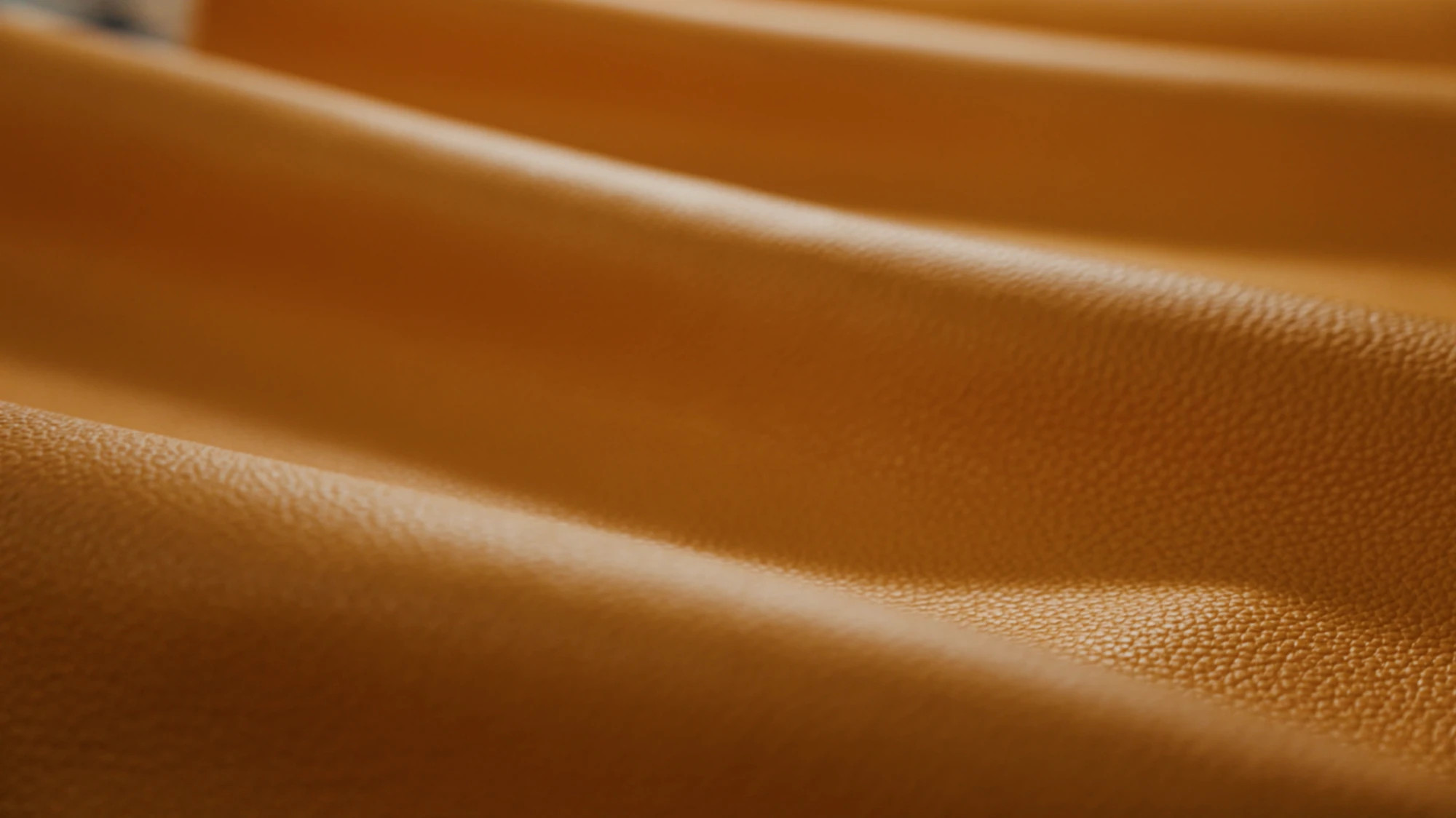
The “L’Appartement” installation was designed to show the potential of these materials beyond clothing. The platform plans to expand its focus on leather and interior architecture, and will soon add haberdashery to its offerings. It also intends to strengthen its material traceability and transparency.
Over the past five years, the company has worked to show that another model is possible. One where existing materials become a resource for the future, at the crossroads of desirability and craftsmanship.
Read more about fashion here.