
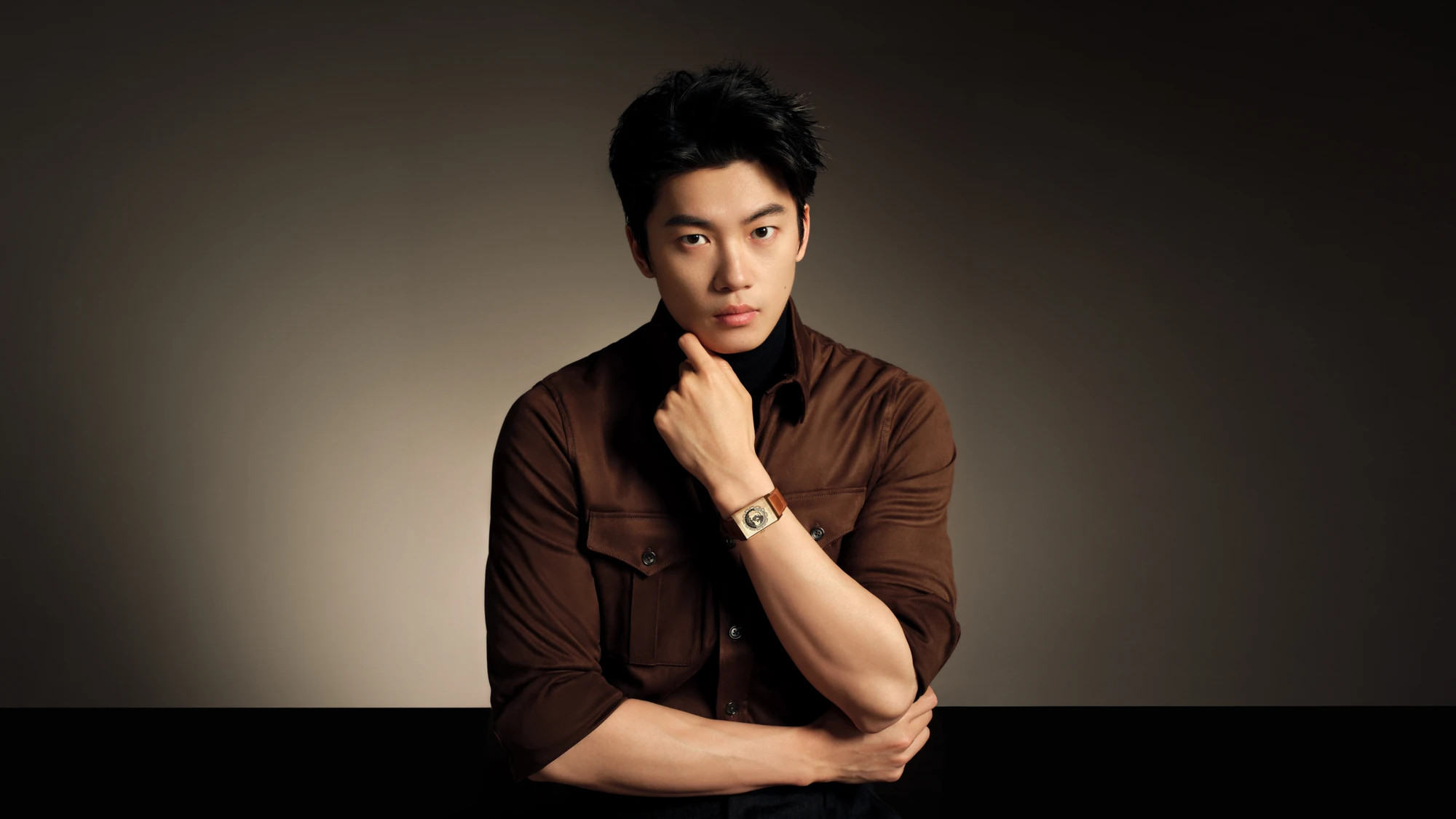
Success in the individual medley is about mastering four different conversations in the water. The discipline, a sequence of four distinct strokes, demands more than singular strength. It requires a swimmer to adapt their rhythm and technique on command, to move seamlessly from one form of motion to the next. This is the world of Olympic swimming champion Wang Shun.
His career has been built around this versatility. Years of training allow the body to respond instinctively to change, while experience teaches when to conserve energy and when to accelerate. It is a constant calibration of control and adaptation, played out in fractions of a second.
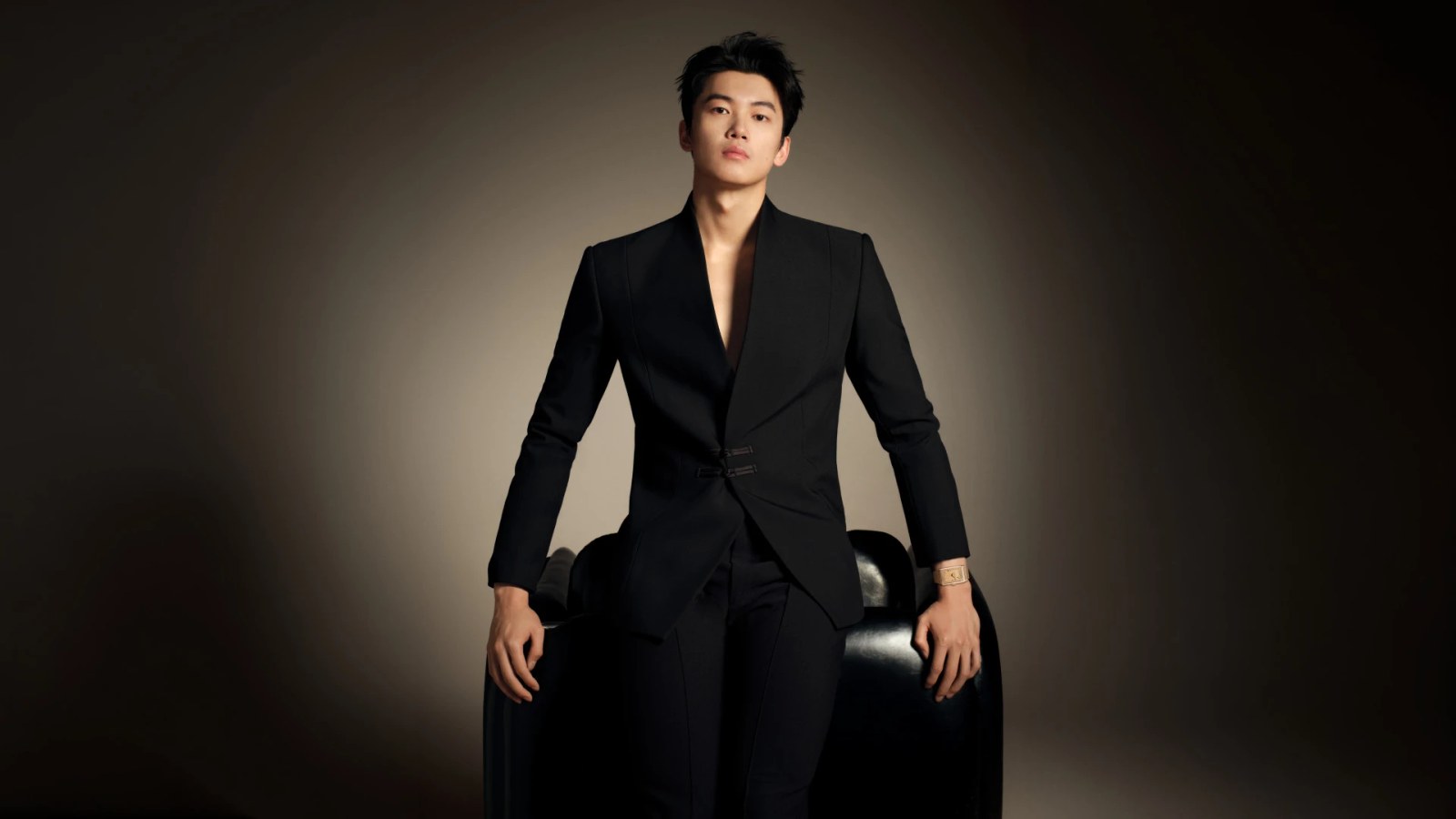
This is the territory Jaeger-LeCoultre explores in its latest chapter of The Hour Before, a series of conversations with its Friends of the House. The episode with Wang Shun brings together the worlds of elite swimming and mechanical watchmaking, finding common ground in their shared relationship with time and precision.
The brand sees a reflection of its own philosophy in Wang’s approach. The Jaeger-LeCoultre Manufacture-Atelier functions by bringing numerous specialised crafts together under a single roof. Each department has its own expertise, yet all contribute to a single, unified creation. This idea of collective mastery through diverse skills forms the core of the brand’s identity.
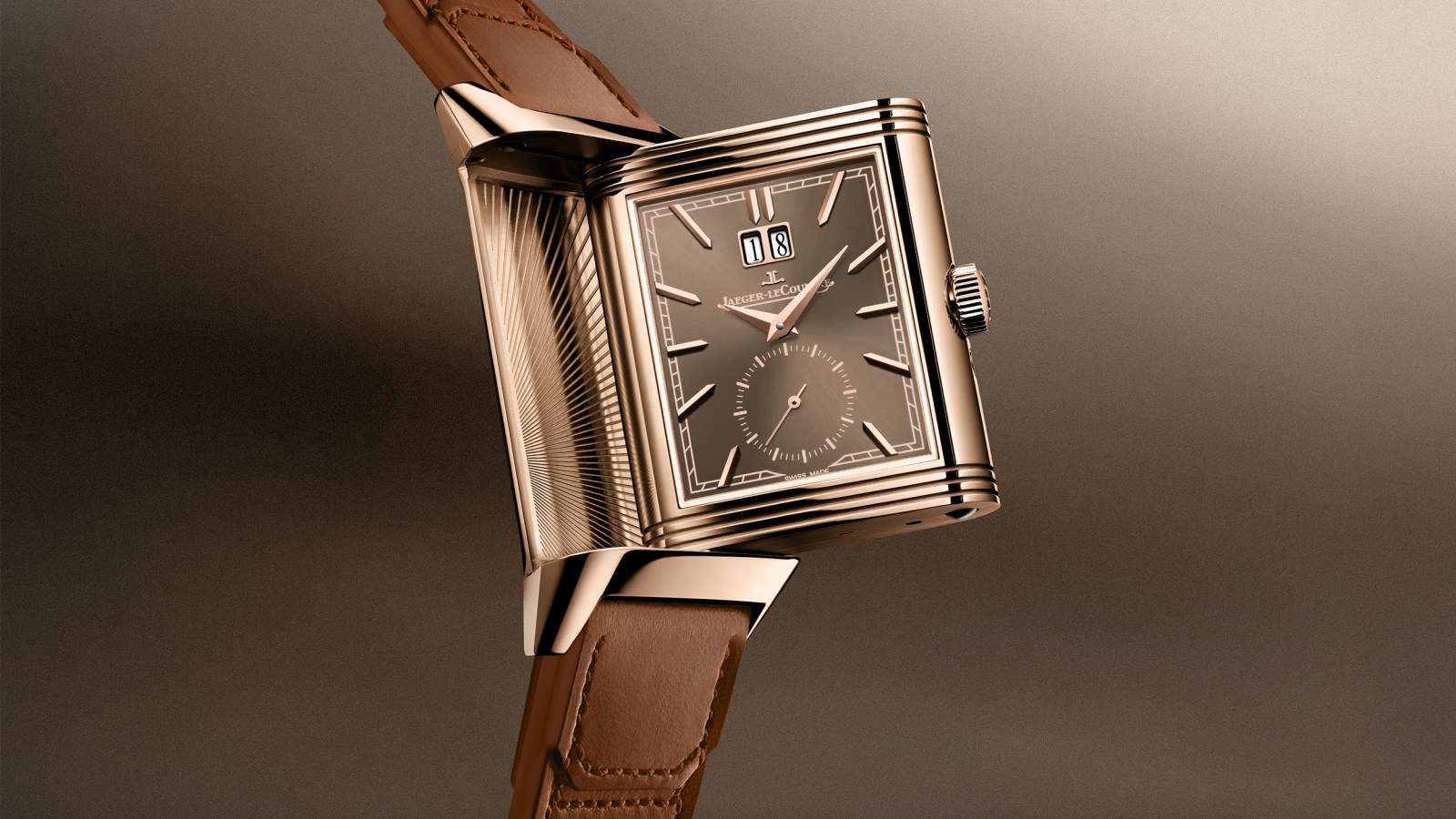

The connection extends to personal style. The source material notes Wang’s preference for considered simplicity and balance, an approach that mirrors Jaeger-LeCoultre’s own design language. The Maison’s creations often express their refinement through purity of form and subtle details, rather than overt display. The Reverso, an icon worn by Wang, embodies this spirit of distinctive yet personal character.
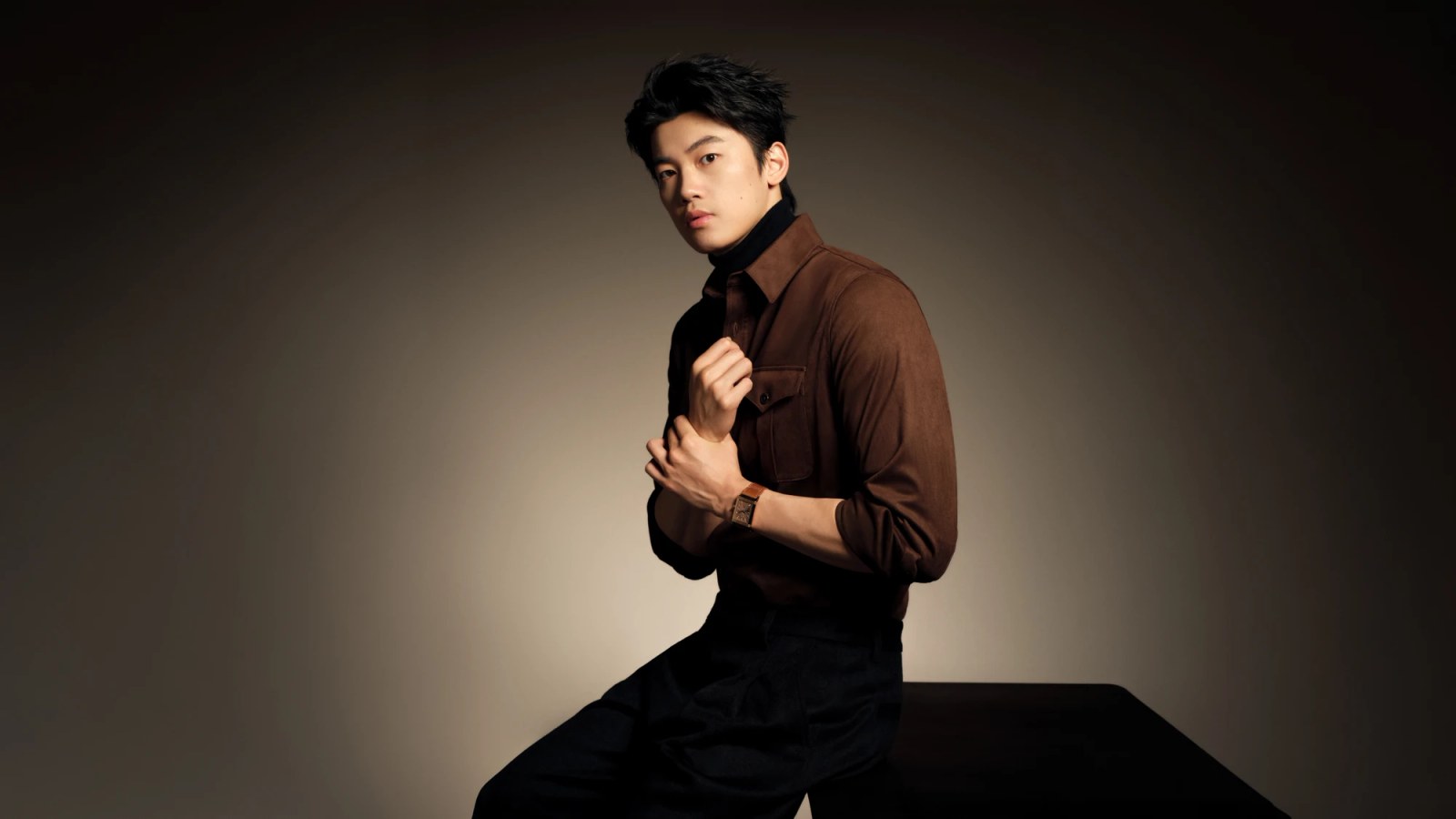
More than a simple interview, The Hour Before is conceived as a moment of connection. The format has Wang Shun engage with the assembly of a Reverso case while he reflects on his journey. The conversation moves from the language of watchmaking to his own values and the mental control required for competition.
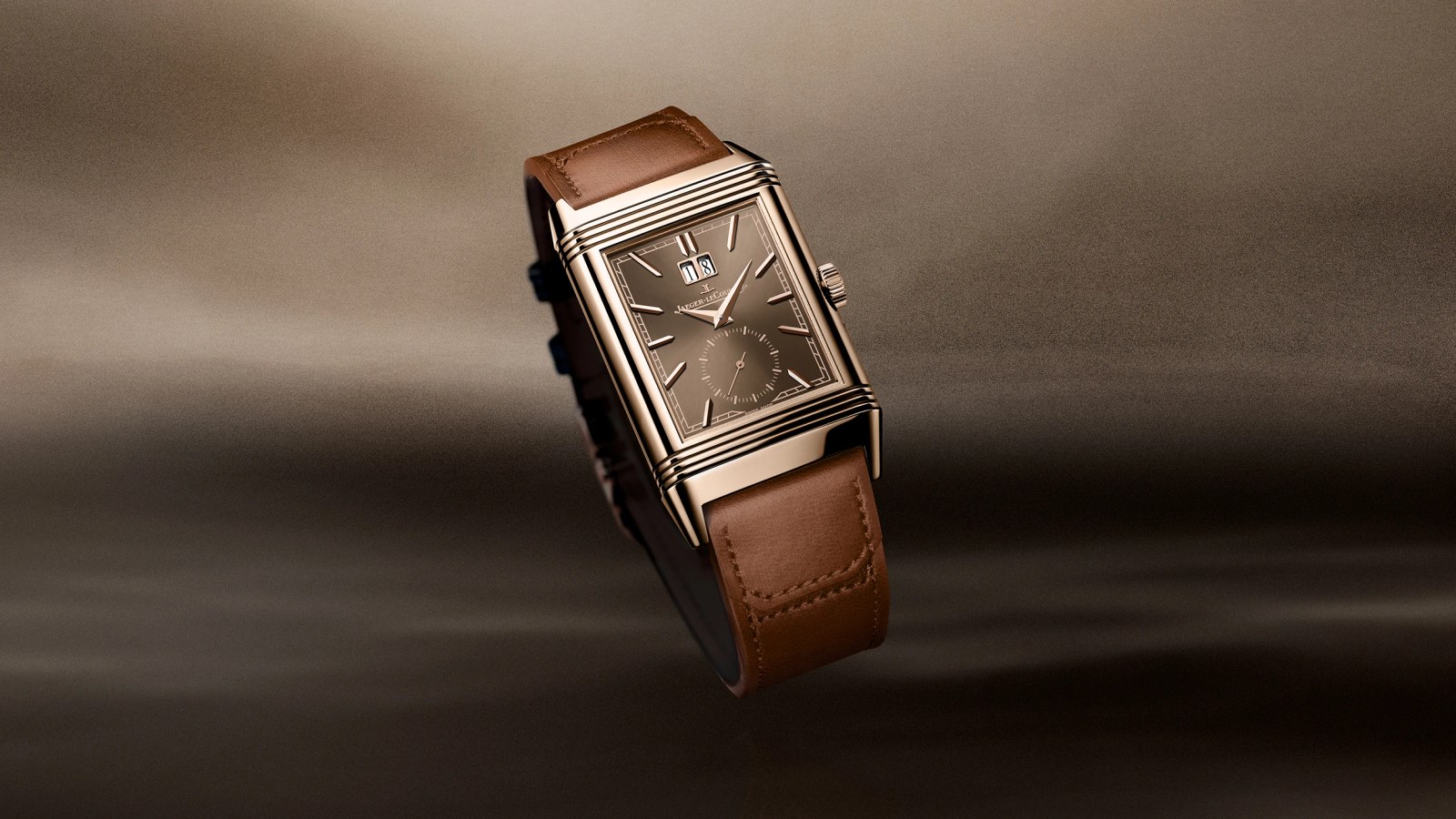
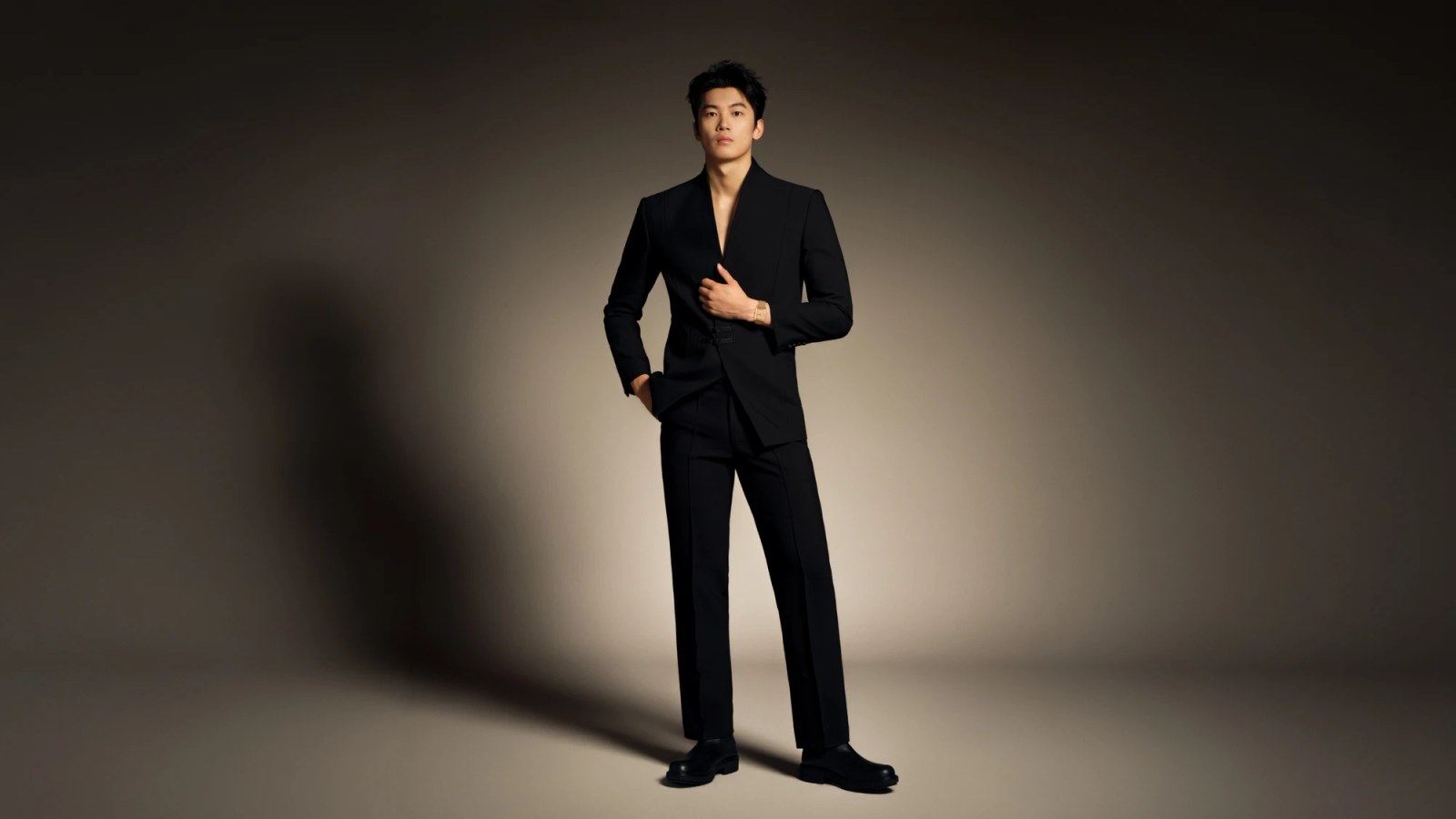
The physical act of handling the watch components becomes an entry point into a deeper discussion. The repetition of training finds an echo in the precise gestures of a watchmaker. Through this quiet, focused interaction, the abstract idea of mastery becomes a shared and tangible experience.