
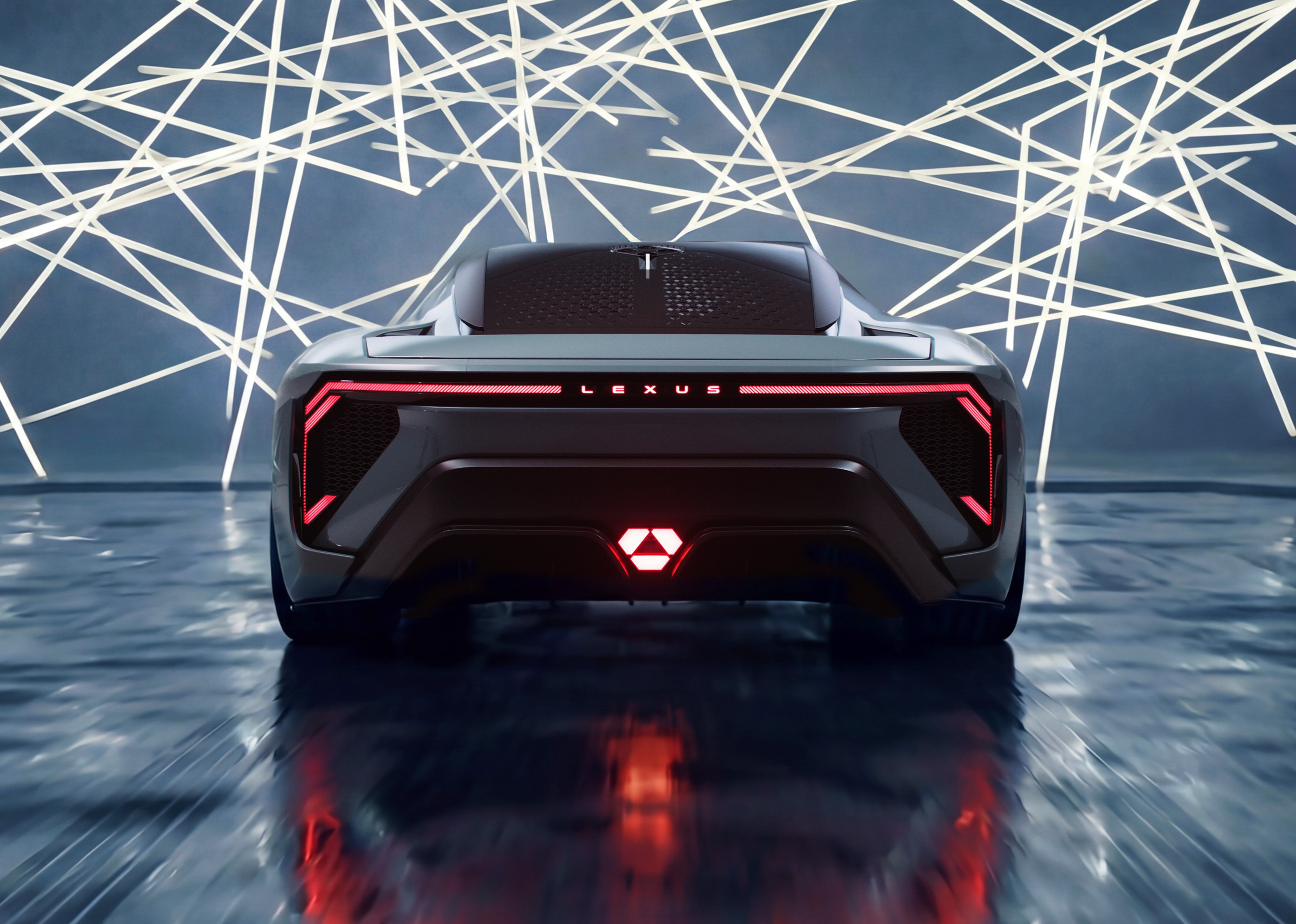
When you think of a modern Lexus supercar, what often comes to mind is elegance, comfort – and above all, refinement. But with the unveiling of the new Lexus LFA Concept, the Japanese brand proves it hasn’t lost its appetite for performance, ambition and bold reinvention.
From legend to tomorrow’s performance
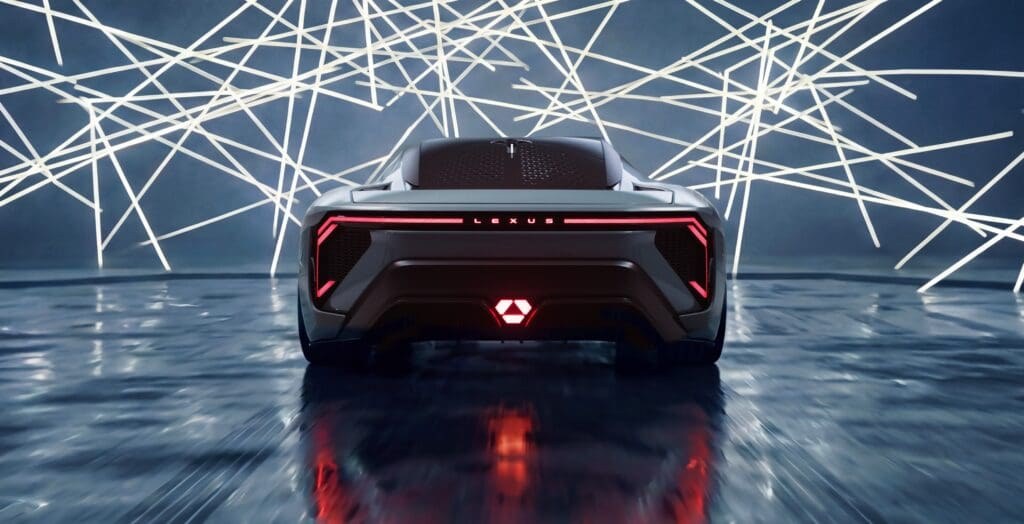
The original LFA, a limited-run, mid-engine V10 supercar – secured its place in automotive lore thanks to a screaming 9,000 rpm Yamaha-built V10, carbon fibre engineering and a purity of purpose rarely seen in mass-produced cars. With the LFA Concept, Lexus isn’t merely reviving a name. It’s reimagining what the LFA represents for the modern era.
Under the skin, the new LFA Concept borrows its foundations from the ambitious new Toyota GR GT supercar platform – an all-aluminum body frame engineered with low centre of gravity, high rigidity and optimal aerodynamic balance. But unlike the GR GT’s twin-turbo V8, LFA goes fully electric – signalling Lexus’ commitment to electrified performance.
This allows Lexus to pursue a different kind of engineering purity: no compromises on performance, but with the environmental and technological benefits of a battery-electric powertrain. The concept remains true to “shikinen sengu”, a philosophy of preserving craftsmanship and passing on performance heritage to future generations.
Design and driving immersion – a modern sports car identity
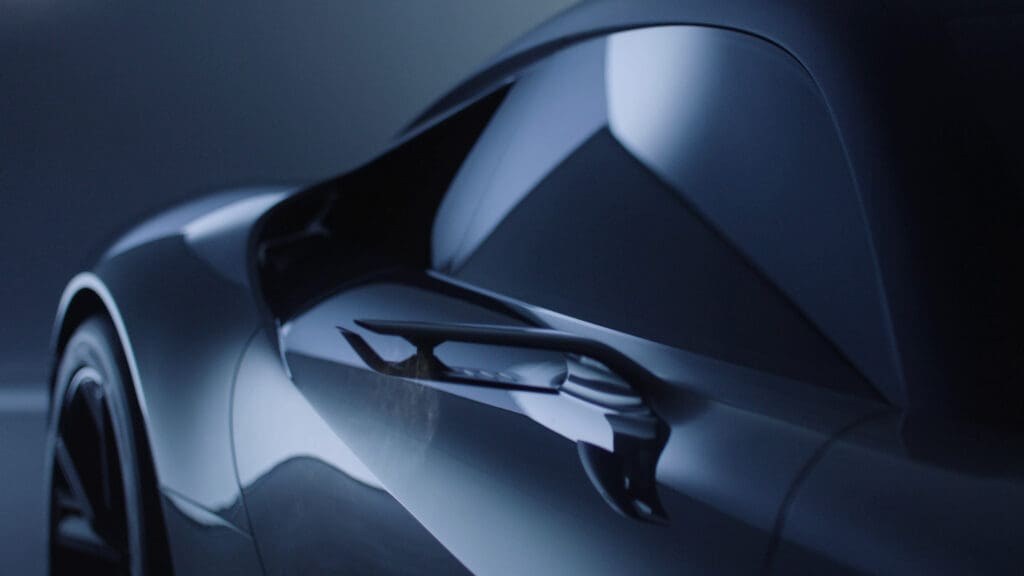
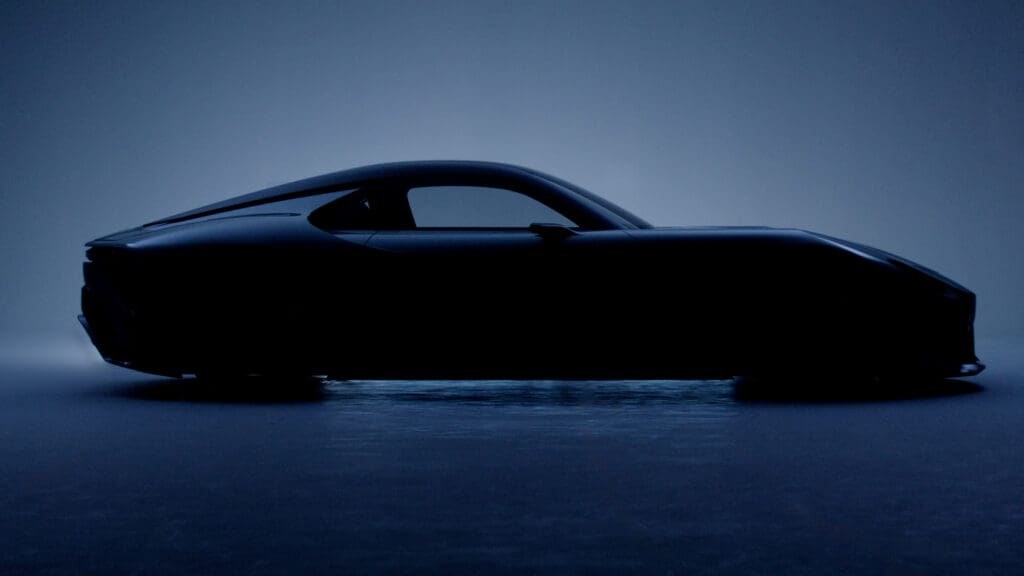
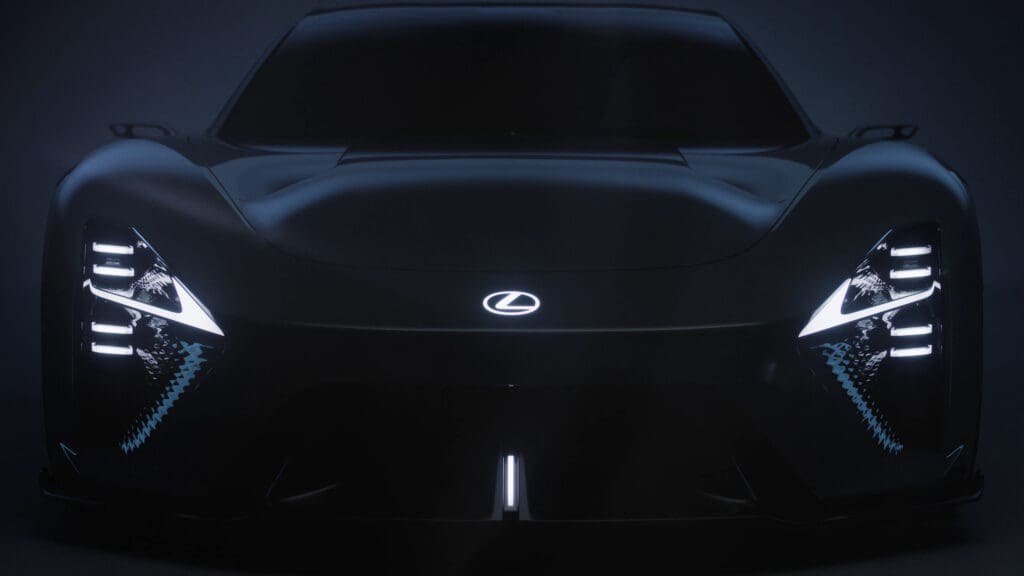
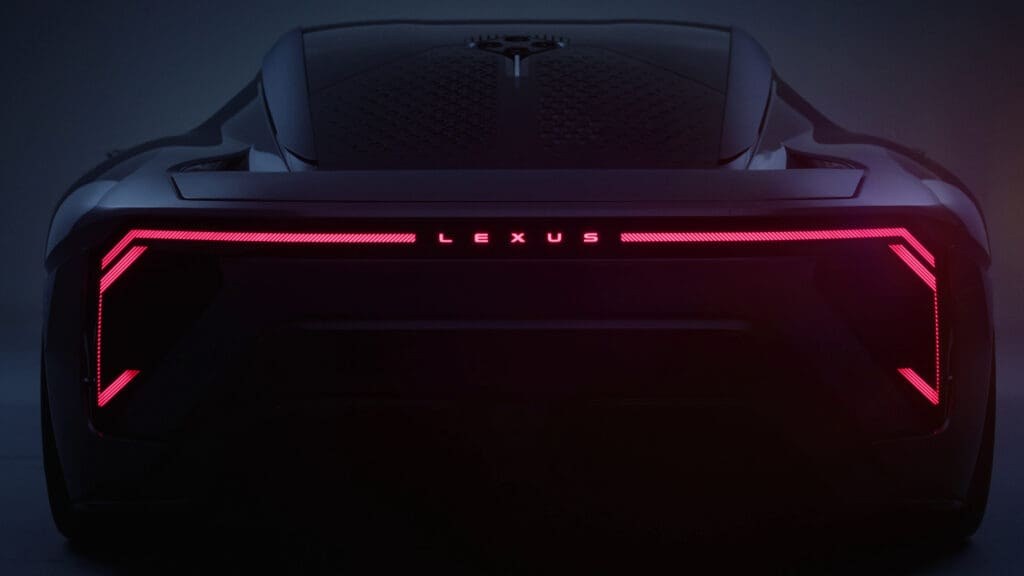
Visually, the LFA Concept merges sculptural elegance and futuristic minimalism. The long-hood, low-slung coupe profile evokes classic grand tourers, but every line and contour serves aerodynamic function. The front fascia, side ducts and rear treatment pay homage to the original LFA.
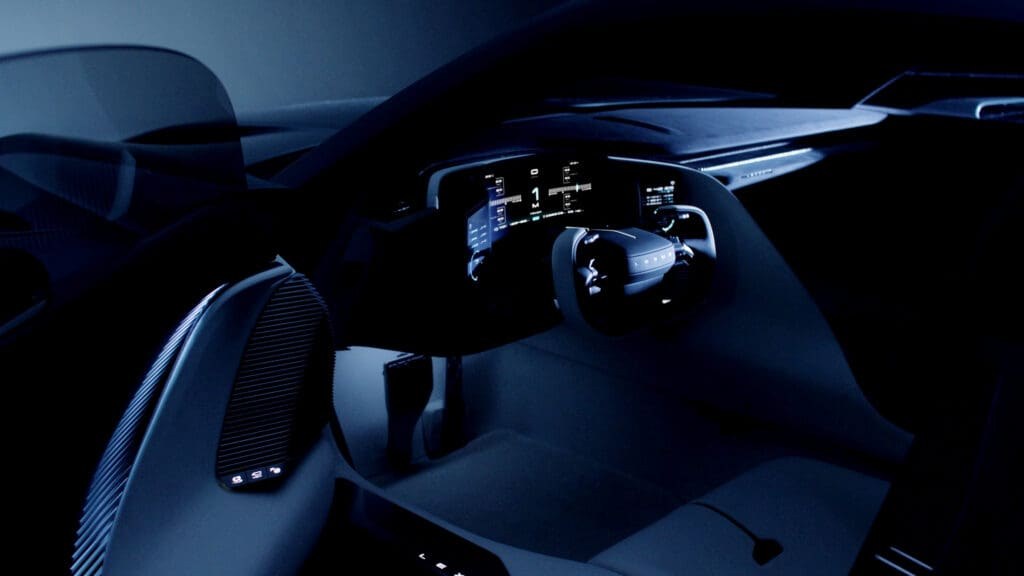
Inside, Lexus promises an immersive cockpit: minimal clutter, wraparound digital displays, a yoke steering control, and ergonomics designed to enhance driver connection. While the BEV layout removes the constraints of a classic combustion engine, designers took advantage of the flexibility to deliver a driving experience tuned for modern performance.
Lexus calls the intended experience “Discover Immersion” – a state where driver and machine connect on a more intuitive, sensory level than many EVs allow.
What we know, and what remains a mystery
So far, only partial specifications have been released: we know the chassis shares its geometry with GR GT, including a 107.3-inch wheelbase. Exterior and interior designs have been shown.
But many details remain under wraps, including motor count, battery capacity, range, power output and final production timeline. Industry speculation suggests that if Lexus intends to deliver on the promise of “electrified performance,” the production version could be among the first to leverage coming solid-state battery technology.
If that’s the case, the LFA Concept could become a flagship not only for electric performance, but also for what modern engineering and design can achieve when brands refuse to compromise heritage for sustainability.
Why it matters – and what it signals for the future
The unveiling of the LFA Concept marks a watershed moment for Lexus: it declares that performance, electric propulsion and artistic automotive design are no longer mutually exclusive. By building the new LFA on the same bones as Toyota’s GR supercar programme, Lexus bridges its luxury lineage with Toyota’s racing DNA.
For enthusiasts who once cherished the roar of combustion engines, the LFA Concept offers something different, but perhaps more forward-thinking: a pure, high-performance EV that still aims to connect the driver, the machine and the road in a way only sports cars used to.
In an industry shifting rapidly around electrification, autonomy and regulation – the LFA Concept stands as a sign that passion, art and speed still have a place when executed with vision and commitment.