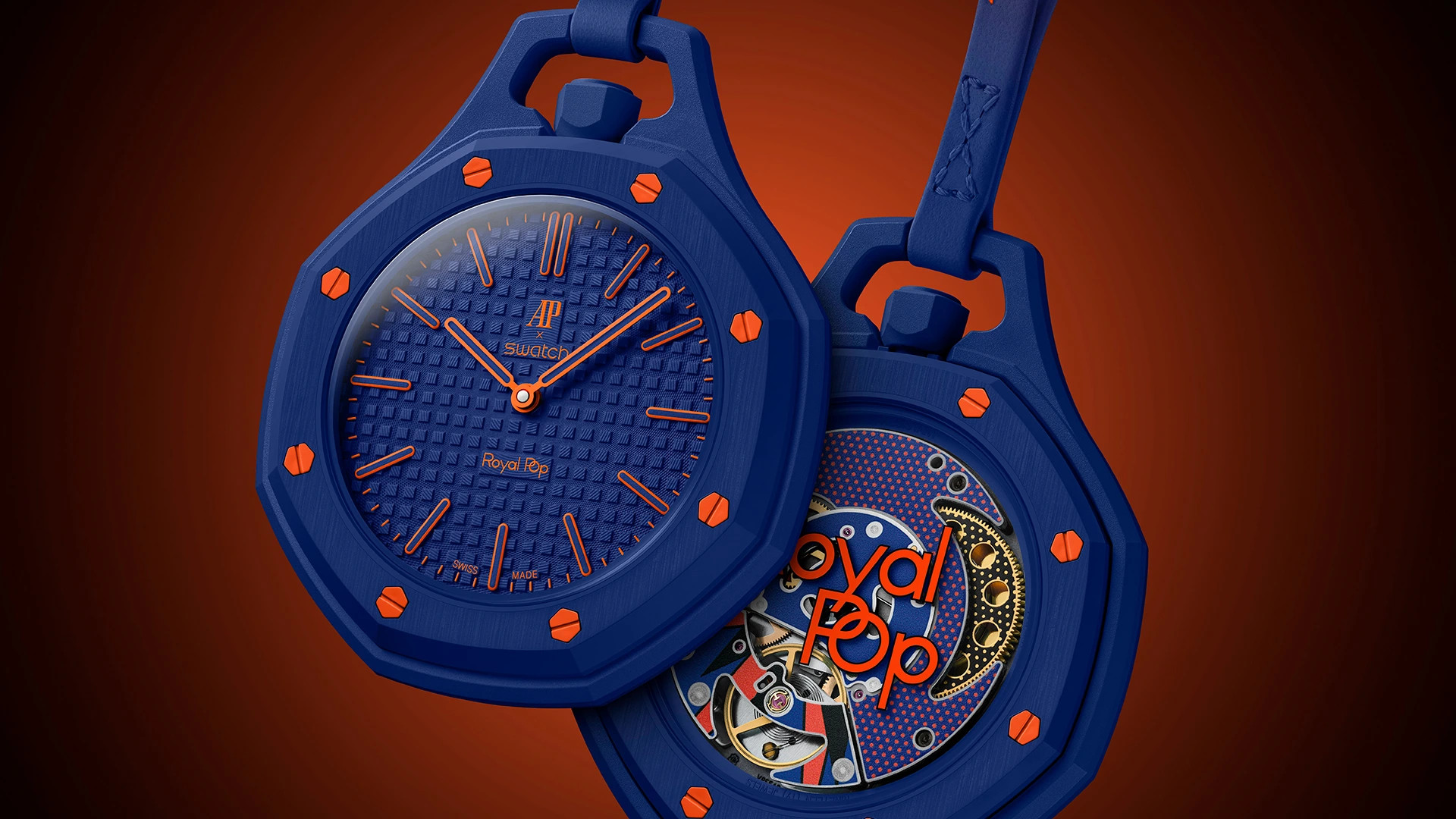
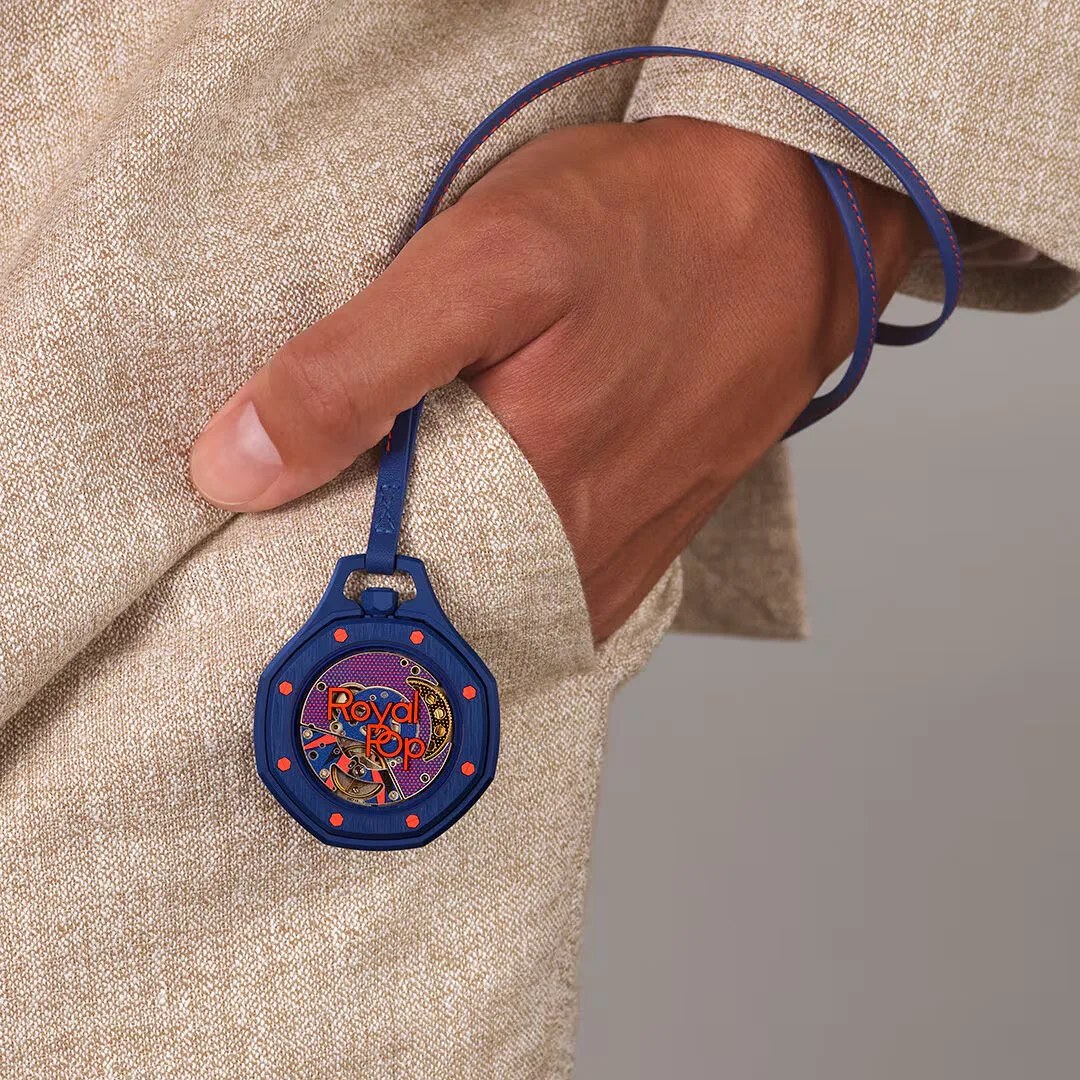
Yesterday Audemars Piguet and Swatch released the Royal Pop. By midday, queues had turned into pandemonium in several cities. Riot police were called. Watch influencers was at war by 9am. The internet, predictably, made it about the noise.
That is the part that does not interest me.
The fighting, the resale flips, the AI-generated wristwatch mockups, the Labubu comparisons, the camping chairs outside boutiques from Singapore to London to the US. All theatre. Because underneath the chaos, AP and Swatch have done something far more consequential than a viral drop. They have engineered the biggest mechanical watchmaking education moment the industry has had in a generation. And people, for the most part, got stuck in the noise.
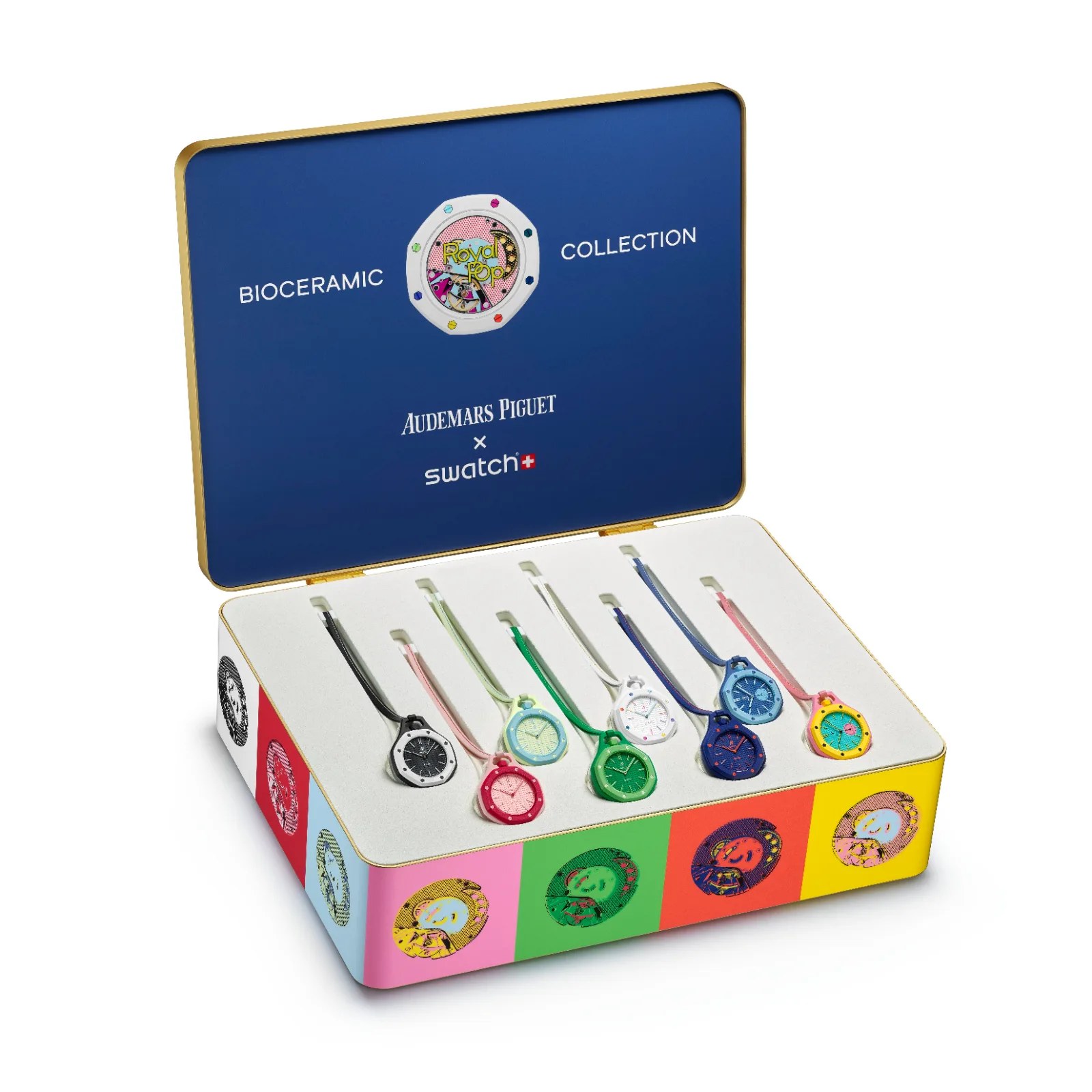
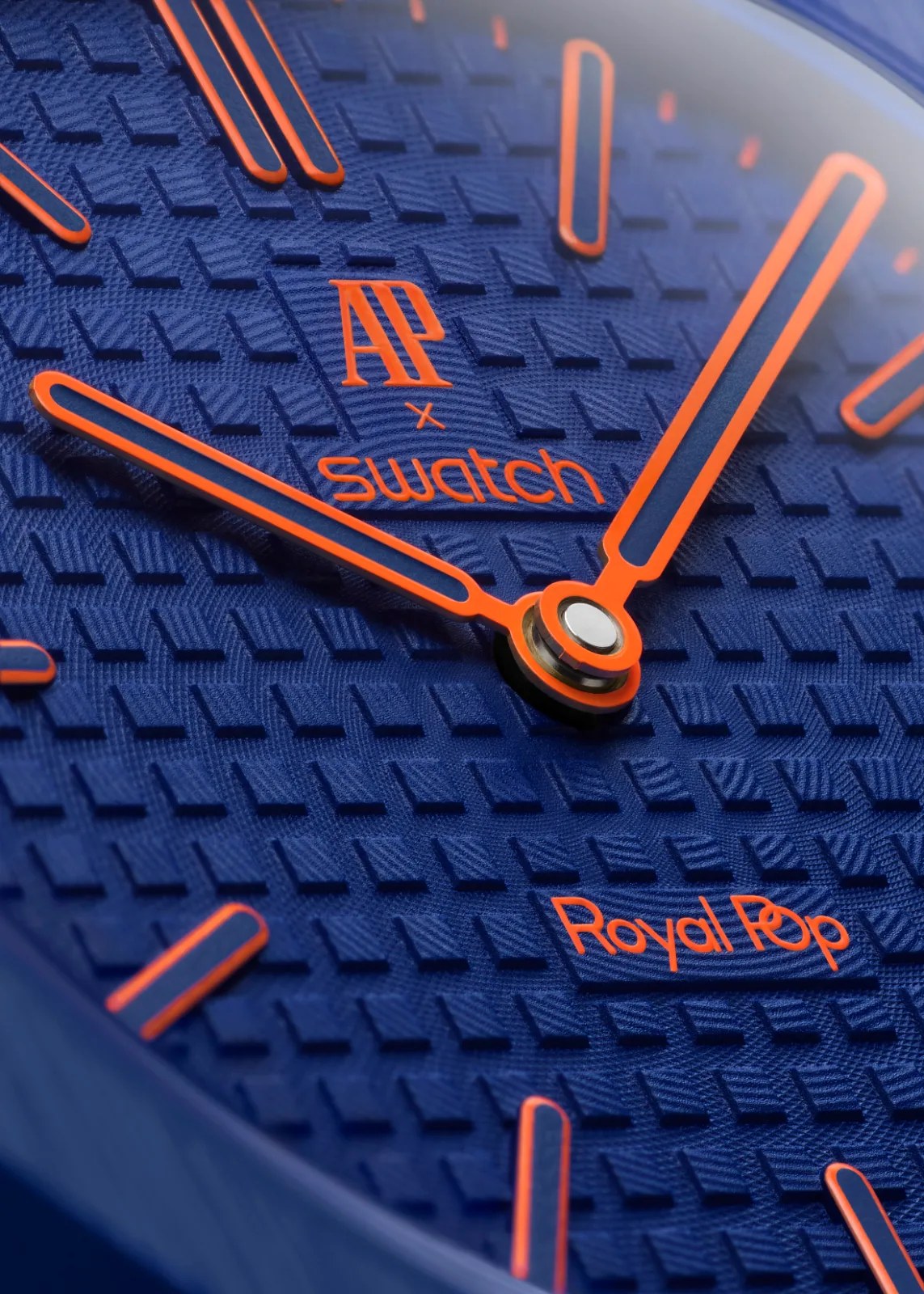
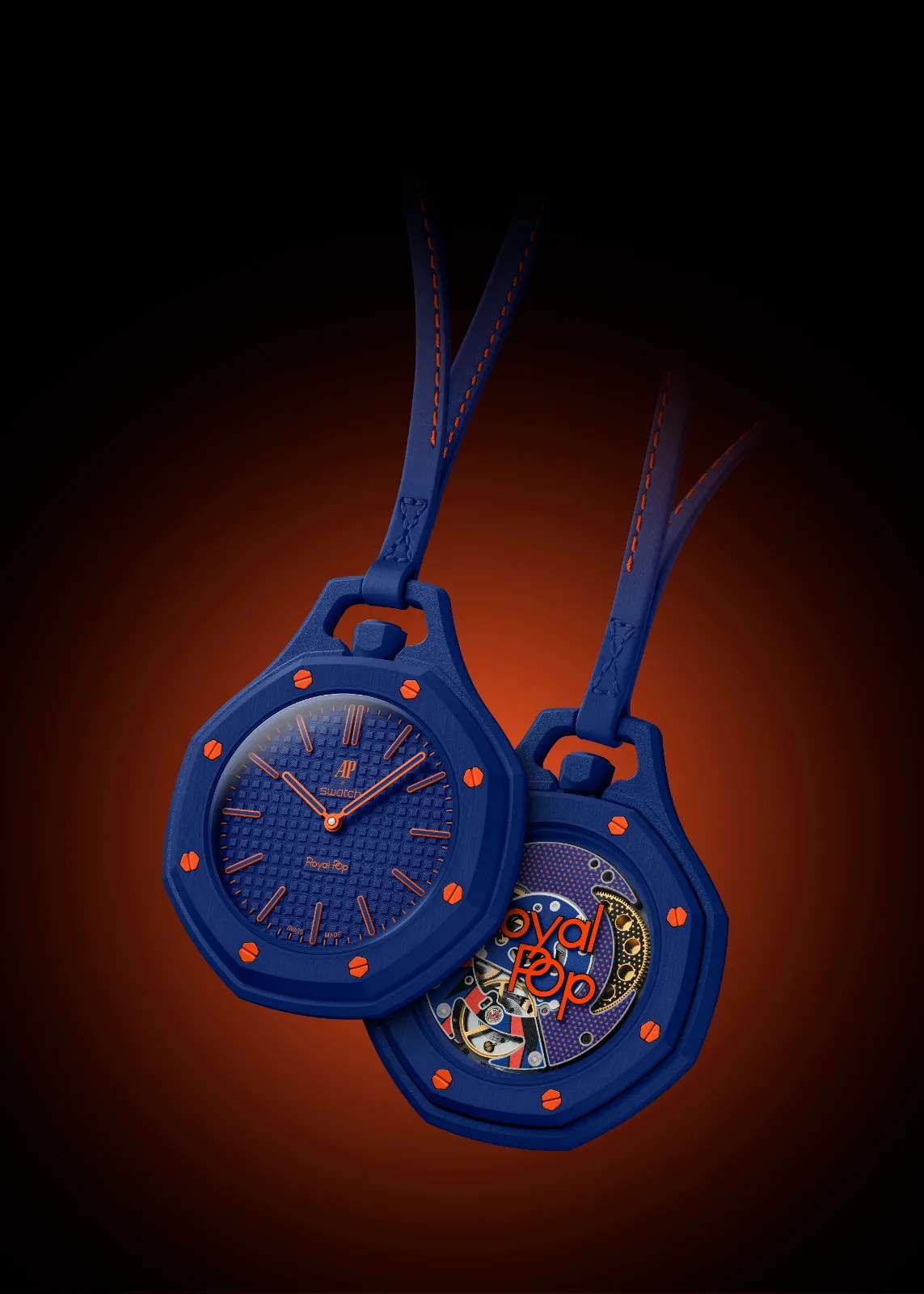
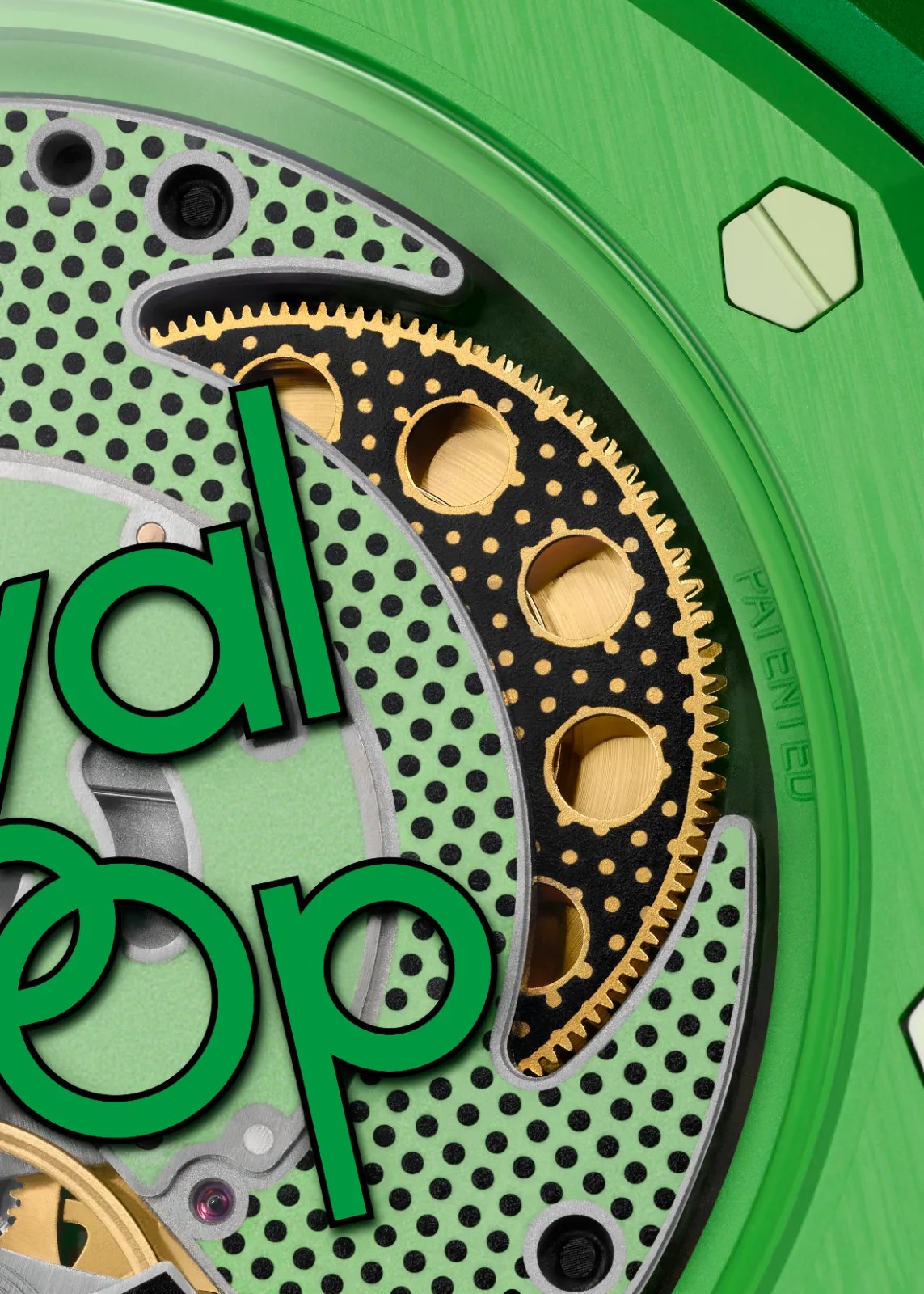
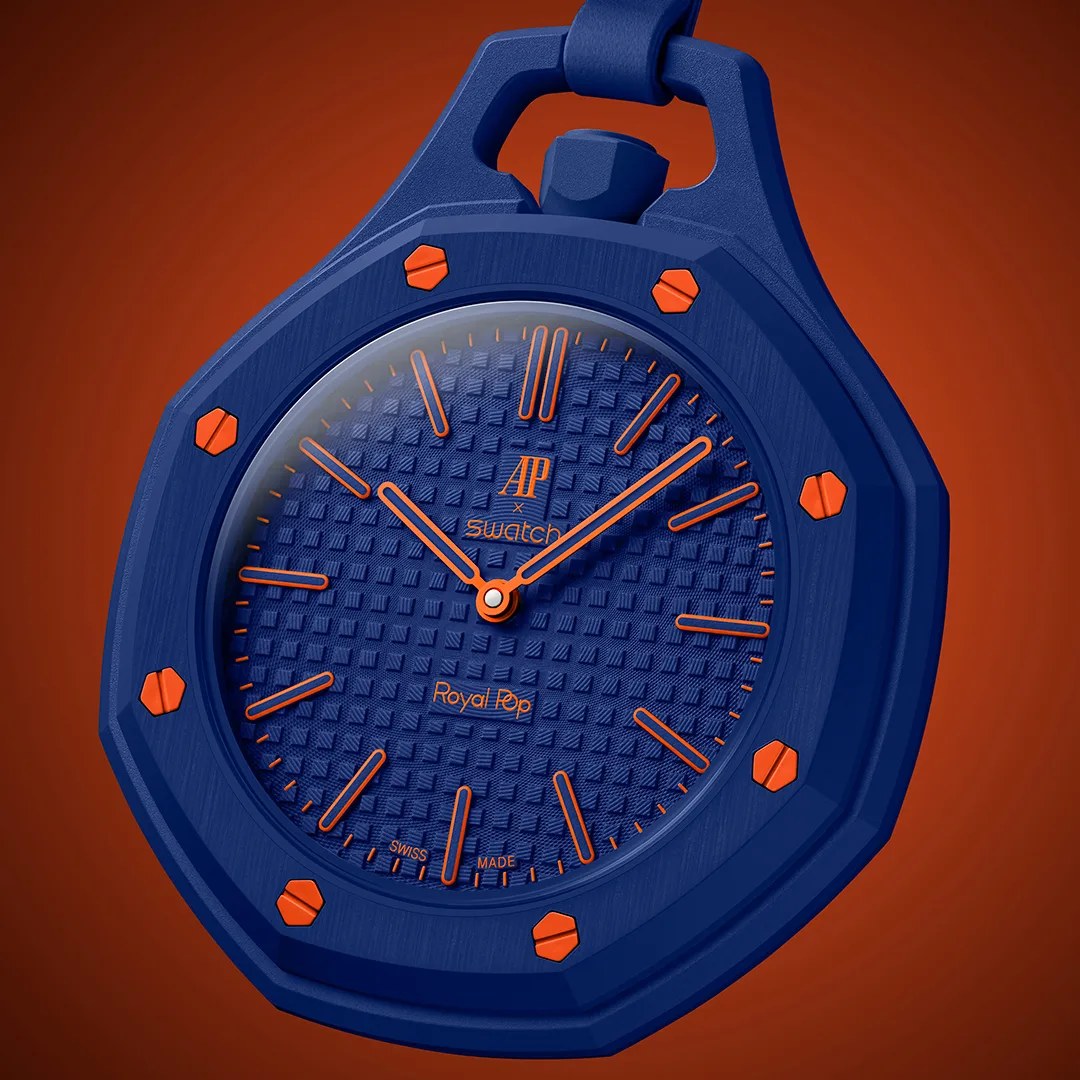
Look at what the Royal Pop actually is. Swatch built a new hand-wound version of the SISTEM51 for this collaboration. Fifteen active patents. A 90-hour power reserve. A Nivachron balance spring, originally co-developed by AP and Swatch Group years ago, which is the older and quieter handshake between these two houses. A barrel drum that doubles as a visible power reserve indicator. The caseback is transparent. The rotor is gone, deliberately.
This is the first time the SISTEM51 has ever been built as a hand-wound caliber. That is not a coincidence.
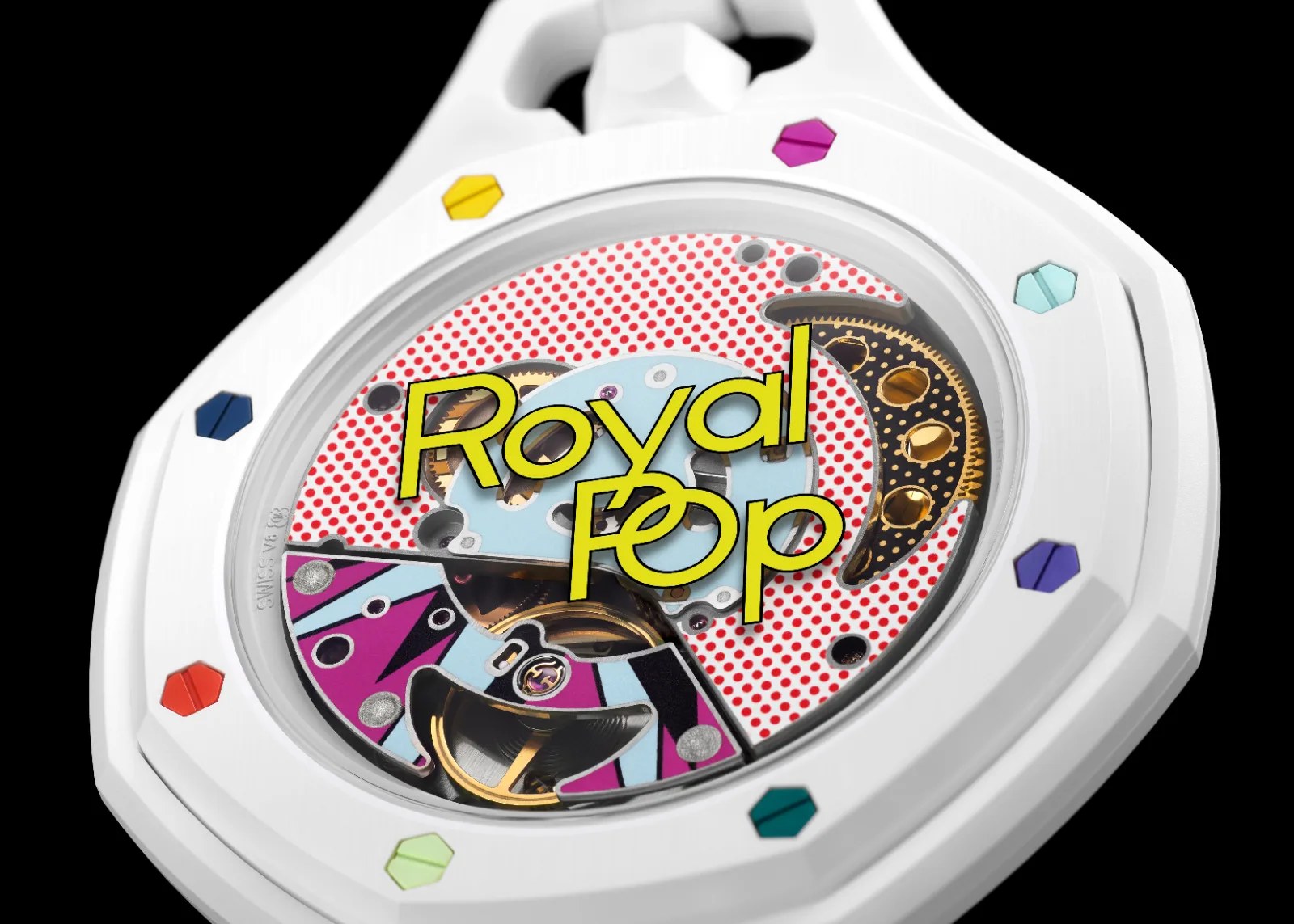
For those of us who live in this world, it’s nothing new. For the 20-year-old in Stockholm or Seoul or São Paulo who has never owned a mechanical watch in their life, this is first contact. The first time they will physically wind a movement. The first time they will see a balance wheel in motion through a sapphire caseback. The first time they will encounter the concept that a watch can run for 90 hours and then stop, and that this is not a malfunction but a feature.
Power reserve. Hand-wound versus automatic. Balance spring. Tapisserie. Octagonal bezel. Lépine versus Savonnette. These are vocabulary words. The Royal Pop is going to teach them, by physical experience, to a generation that was never going to learn them from the traditional watch press.

This is also AP's own framing of the project. Ilaria Resta, CEO of Audemars Piguet, said the collaboration "invites a broader audience including the younger generations to experience mechanical watchmaking differently." That is not marketing language dressed up after the fact. That is the explicit stated intent. The education thesis is not something I am reading into the launch. It is the launch.
We forget this constantly. We assume the language is universal. It is not. The vast majority of people have no relationship to mechanical watchmaking at all. They wear an Apple Watch or nothing. The Royal Oak, to them, is a shape they have seen on a celebrities wrist. The notion that someone hand-finishes the bevels on a movement they will never see is not an unfamiliar idea. It is an absent one.
MoonSwatch did the same job for Omega. Speedmaster sales rose more than 50% in the months that followed. The new buyers did not cannibalise Omega. They aspired upward, on a timeline of years. AP and Swatch are running that playbook cleaner than the original.
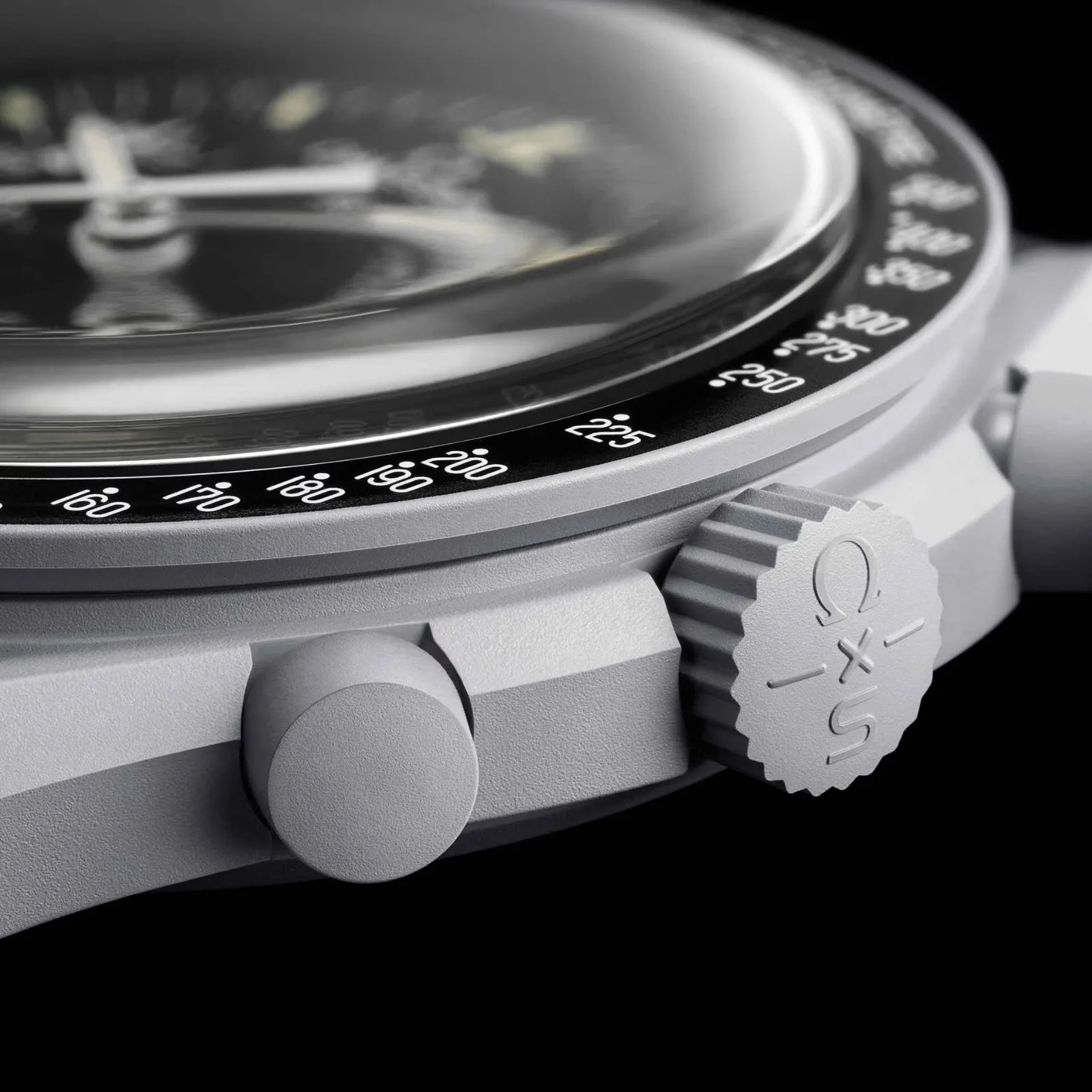
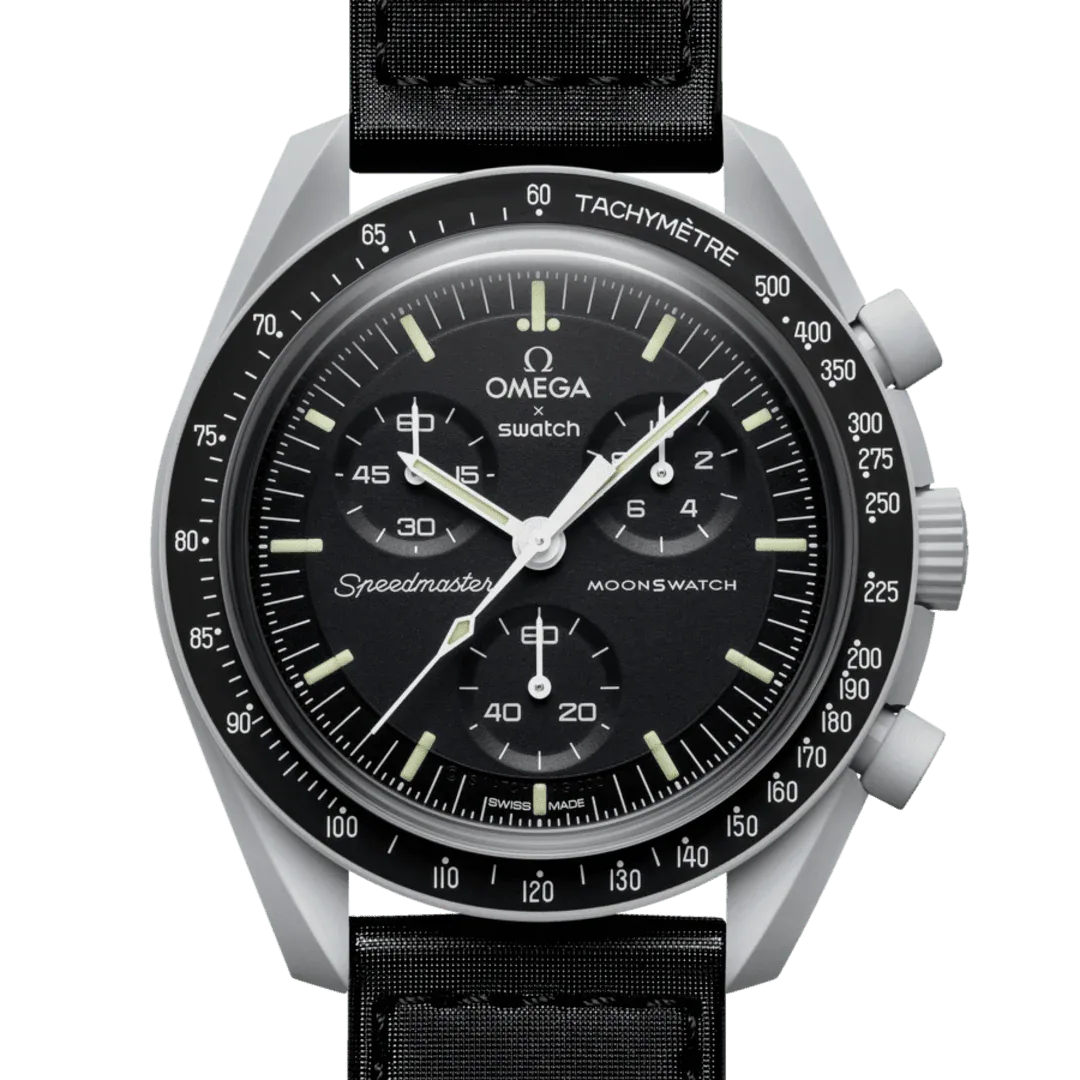
Cleaner, because the Royal Pop carries genuinely more mechanical content than the MoonSwatch did. A hand-wound caliber asks something of the wearer. You have to engage with it. You have to wind it. You have to notice when it stops. The Royal Pop is, in this sense, a better teacher than the MoonSwatch was. The MoonSwatch was a quartz watch you put on and forgot. The Royal Pop is a daily ritual. That ritual is the lesson. The pocket format sharpens it further. You pull it out. Someone asks. You explain. That conversation, multiplied across a million owners, is the largest piece of watchmaking outreach the industry has ever produced.
Now, the other half of the story, because it matters.
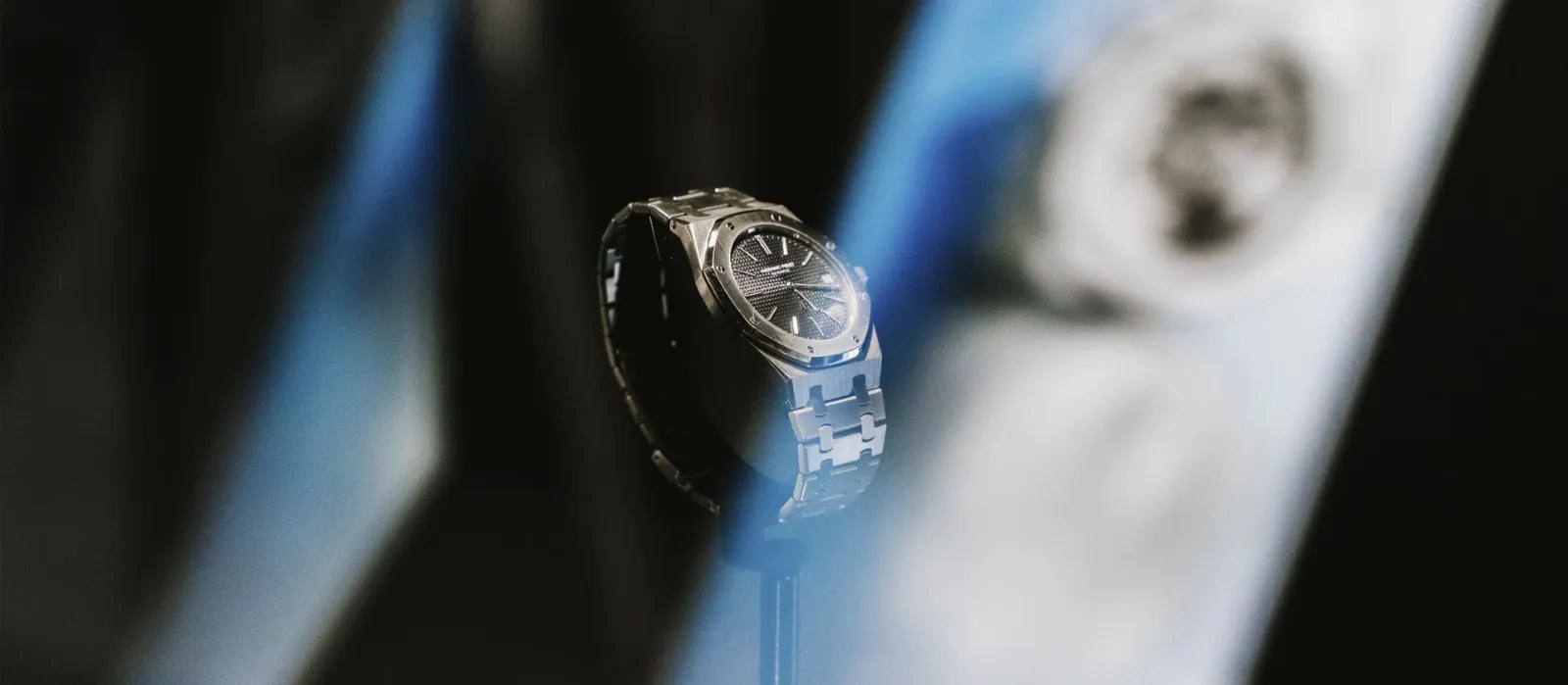
Audemars Piguet has had a quietly difficult few years protecting the Royal Oak in court. In March 2024, Japan's IP High Court refused AP's bid to register the octagonal bezel, eight hexagonal screws, and tapisserie dial as a trademark, ruling the features were not distinctive enough. In January 2025, the US Trademark Trial and Appeal Board reached the same conclusion. AP appealed both. AP lost both.
Now look at the Royal Pop filings. Swatch filed "Royal Pop" in Switzerland on January 15, 2024. Two months before the Japan ruling. They filed in the US on June 18, 2024. Four months after. Either Swatch is psychic, or this collaboration was being structured precisely when AP realised it was about to lose the legal capacity to stop others from making something that looked very much like a Royal Oak.
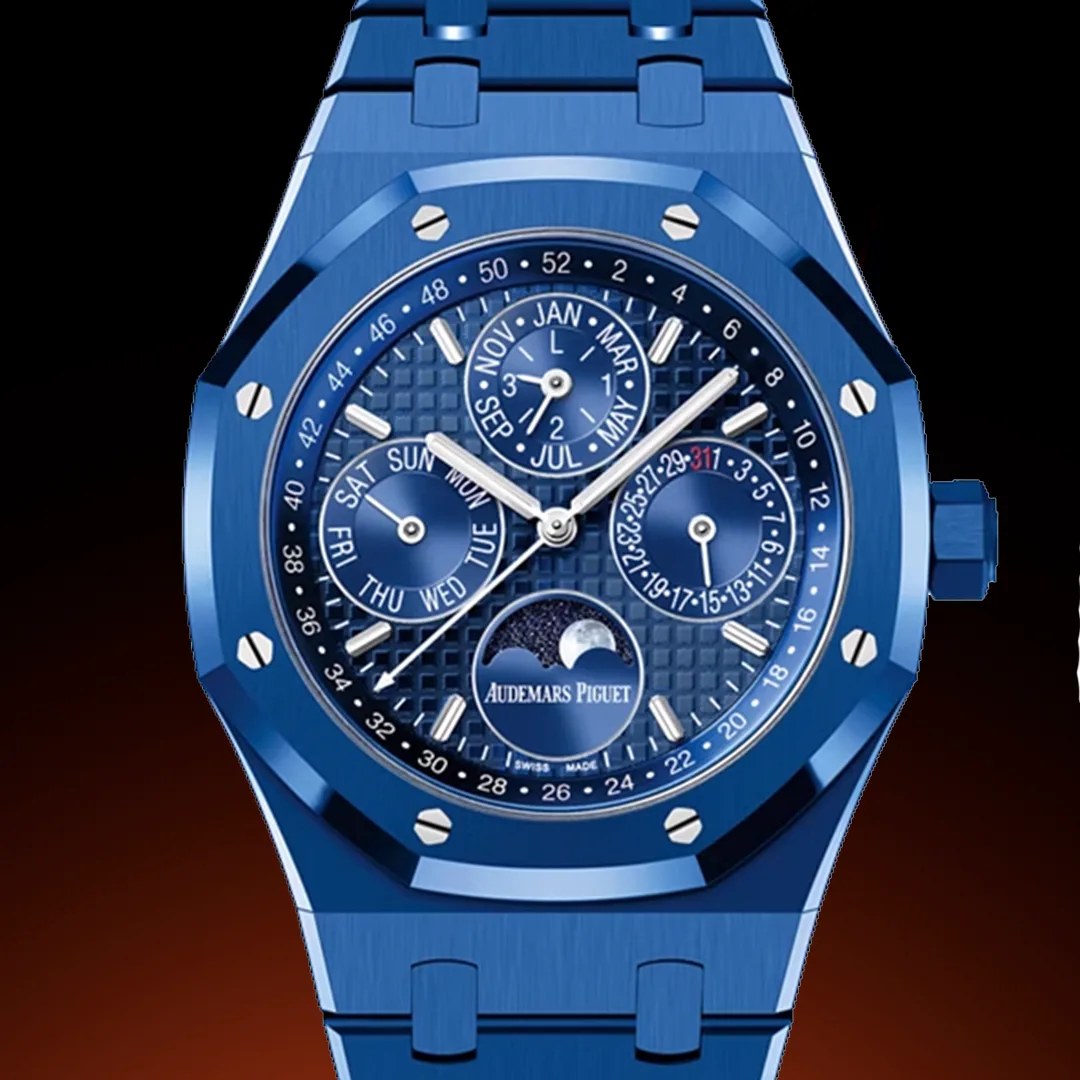
This is where the pocket format does its second, cleverer job. A wristwatch Royal Pop could compete visually with the Royal Oak in a new buyer's imagination. The pocket format puts the language of the Royal Oak everywhere without putting an octagonal wristwatch on anyone's wrist. The bezel travels. The wrist does not. AP takes cultural ownership of its own silhouette at every price point, on its own terms, through a Swiss partner whose distribution rivals any other on Earth. Risk management of the highest order and executed with grace.
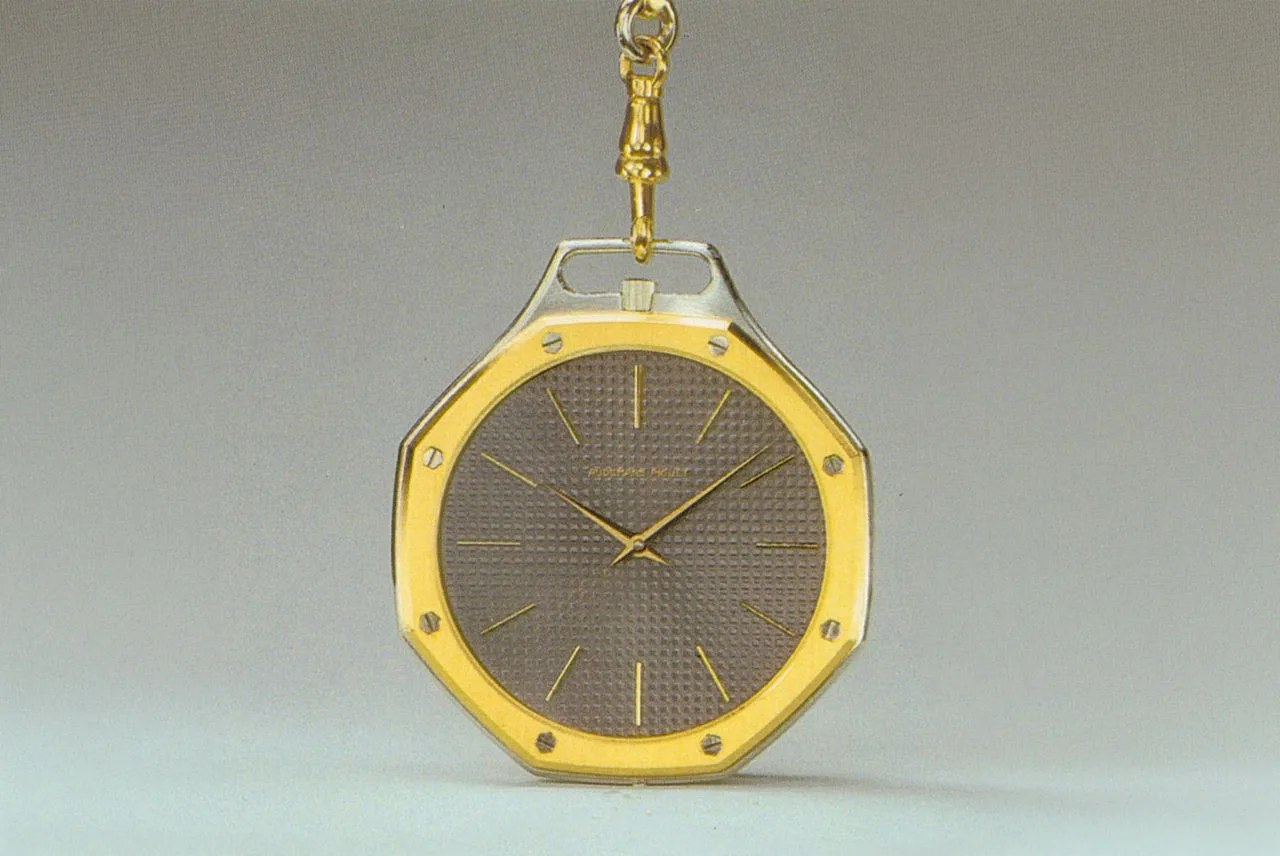
The format is also not invented for the occasion. AP made its first Royal Oak pocket watch, reference 5697, decades ago. It sits within a tradition of Audemars Piguet pocket watches with roots in the 19th century, where the 1960s and 1970s produced ultra-thin variations in very small series, sometimes round, often polygonal, hexagonal, even octagonal. Royal Pop is not a gimmick. It is a continuation of a format AP has been quietly working in for over a century, repositioned for a new audience.
Which brings me to the thing I want to say most clearly. Not a single Royal Oak buyer will change their mind and walk into a Swatch boutique instead. Not one. The person with $50,000 ready for a Jumbo is not the person queuing at 6am for a $400 pocket watch. They never were. AP knows their client. Swatch knows theirs. The two clients do not overlap.
What the Royal Pop does is create a third audience. The future client. Some, in fifteen years, will be on the Royal Oak waitlist. Most will not. Both outcomes are good for the maison.
AP routes 100% of its proceeds into apprenticeships and scholarships for young watchmakers. The watchmakers who will service the Royal Oaks of 2050 are partly being trained by the Royal Pop of 2026.
The queues will quiet. The resellers will move on. The Royal Oak will continue to be the Royal Oak. The Royal Pop will, in its quiet way, have done more for the long-term health of mechanical watchmaking than almost anything released this decade.
That is the actual story. The rest is noise.