In recent years, Audemars Piguet has tended to explore within familiar boundaries. Royal Oak remains the centre of gravity, with Code 11.59 steadily finding its footing beside it. The introduction of Neo Frame marks a clear shift. It represents a side of the manufacture that has been largely dormant in recent times, one that is willing to step away from established shapes and introduce an idea without cushioning it inside an existing family.
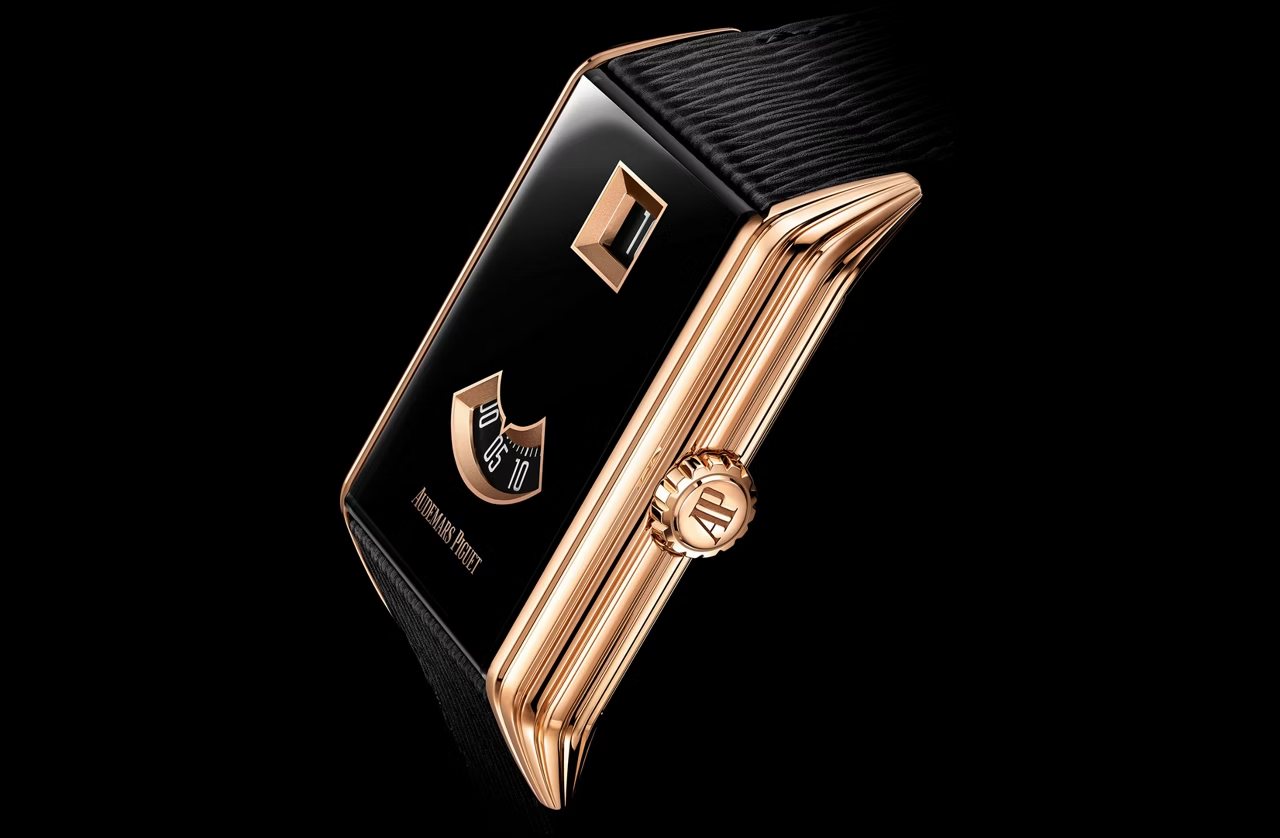
Neo Frame feels unfamiliar by design. The shaped case, compact and horizontal in its stance, immediately breaks from the round logic that defines most contemporary Audemars Piguet watches. The display does the same. Hours appear through an aperture and advance in discrete jumps, while minutes trail quietly below, replacing hands with framed information. Reading the time becomes a conscious act rather than a reflex.

What makes the watch compelling is not novelty for its own sake, but intent. The jumping hour complication has a long history at Audemars Piguet, particularly during the interwar period when wristwatch design had not yet settled into convention. Neo Frame draws from that moment, when shaped cases and experimental displays were part of a broader search for modernity. The reference is structural rather than decorative. This is not a reproduction, and it makes no attempt to look vintage.
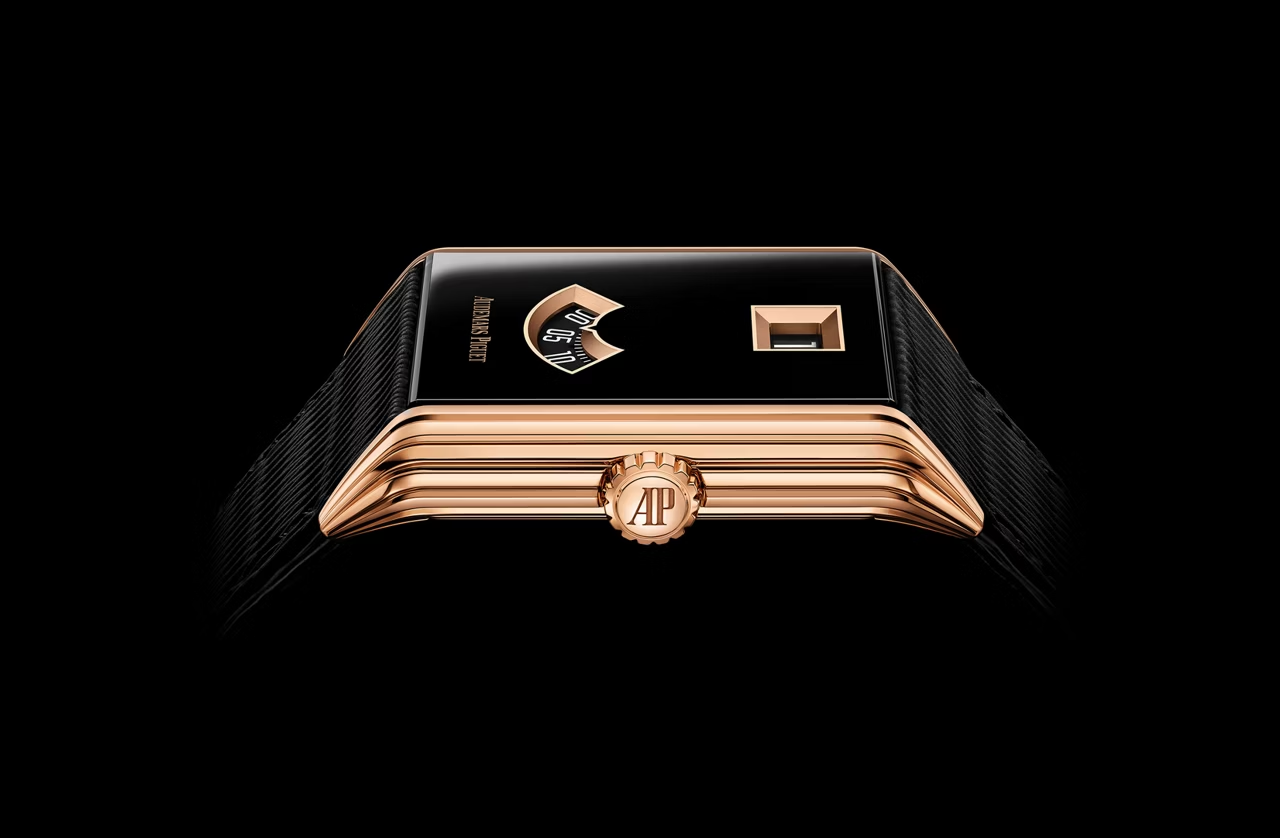
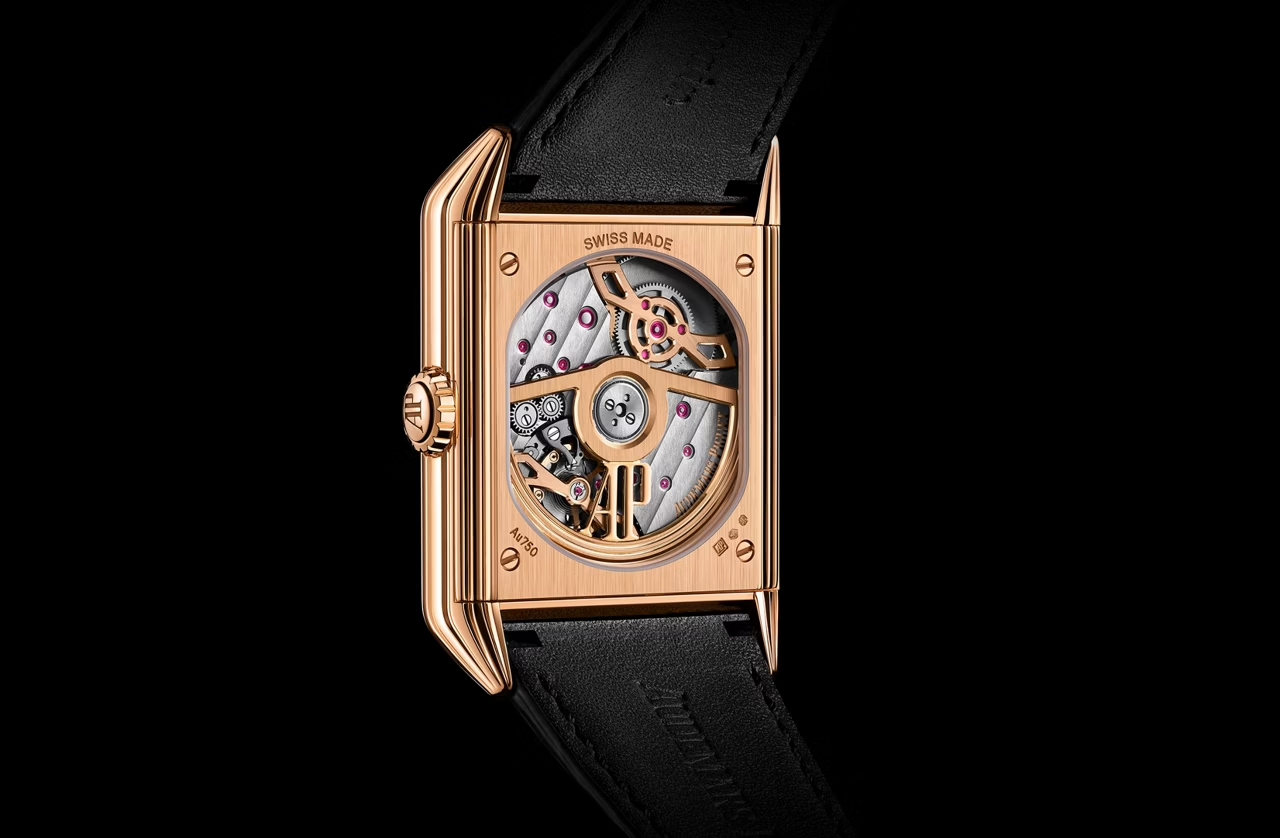
The case design carries much of that thinking. Its geometry feels architectural, with vertical textures running along the sides and into the crown and caseback. These are not ornamental gestures but elements that define how the watch is held together. The dial, or more accurately the absence of a traditional dial, reinforces this clarity. A dark sapphire surface replaces metal entirely, allowing the apertures to appear almost suspended rather than cut out.
Inside, the movement follows the same pragmatic logic. Neo Frame debuts Audemars Piguet’s first self-winding jumping hour calibre, developed to serve the aperture display rather than adapt to it. Round in form and set within a rectangular frame, it sits without apology or disguise. Reliability, wearability and daily use take precedence, qualities that older jumping hour watches often lacked. Neo Frame does not romanticise fragility. It is designed to be worn, not protected.
Within the broader set of novelties, Neo Frame stands apart because it does not reinforce an existing narrative. It opens a new one. That decision alone makes it one of the most telling releases from Audemars Piguet in years.
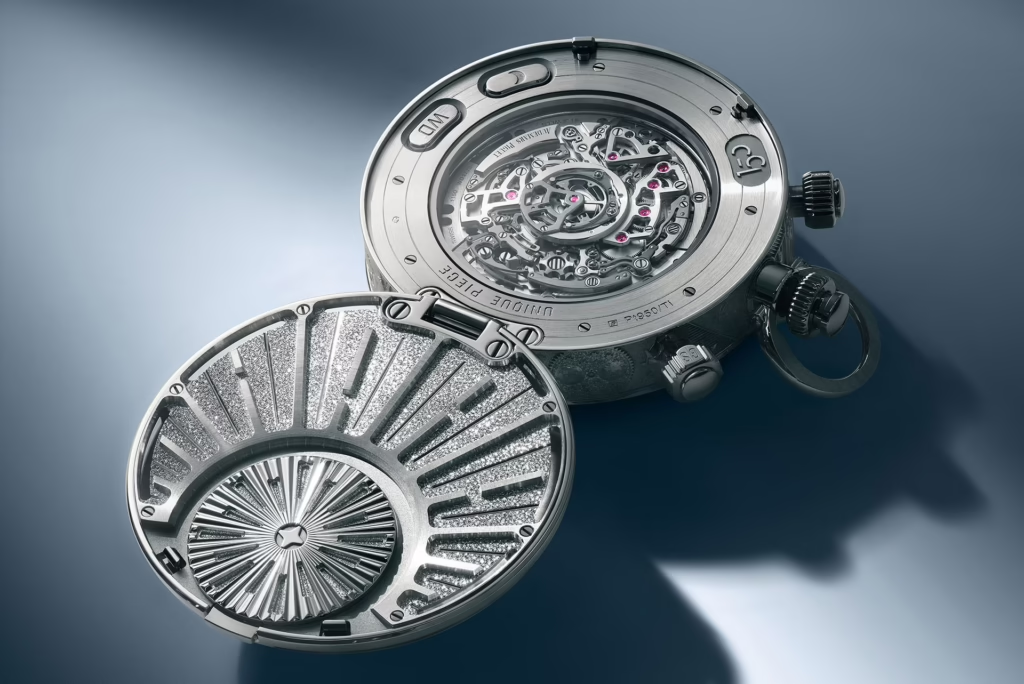
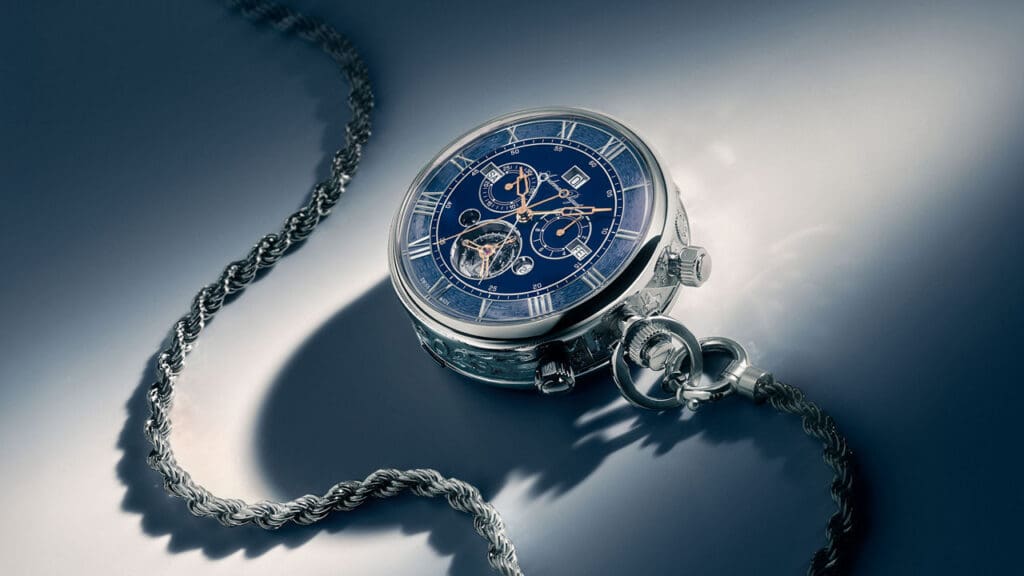
Within the wider set of novelties, the new pocket watch Ultra-complication Universal Calendar offers a deliberate counterpoint. Expansive, classically complicated and deeply artisanal, it speaks to Audemars Piguet’s historical depth and long relationship with astronomical timekeeping. Its presence anchors the collection in tradition, reminding us that experimentation and heritage have always coexisted here.
The Code 11.59 pieces continue their quiet consolidation. The case architecture feels increasingly natural, and complications sit more comfortably within it. These watches no longer read as statements. They feel like part of an established rhythm, refined through repetition rather than reinvention.
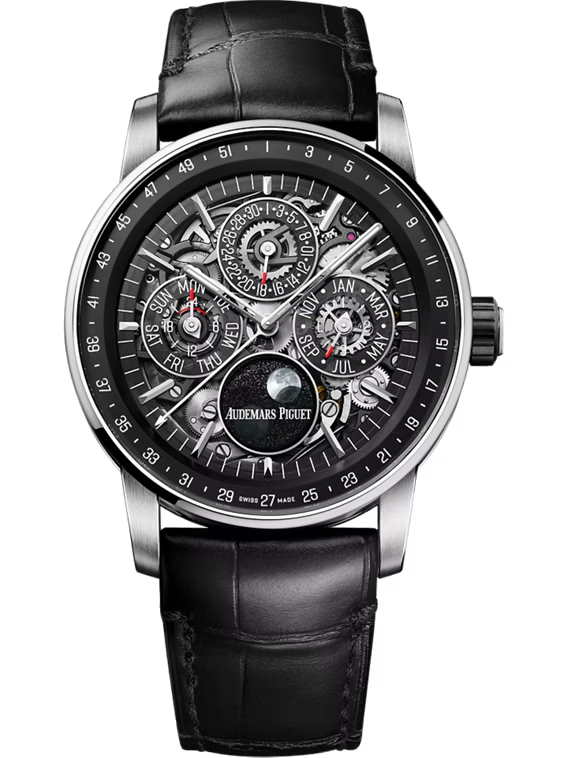
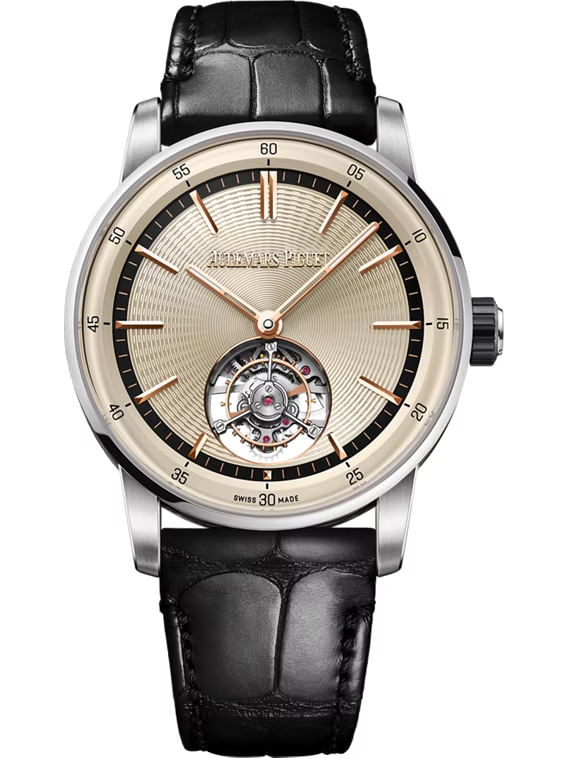
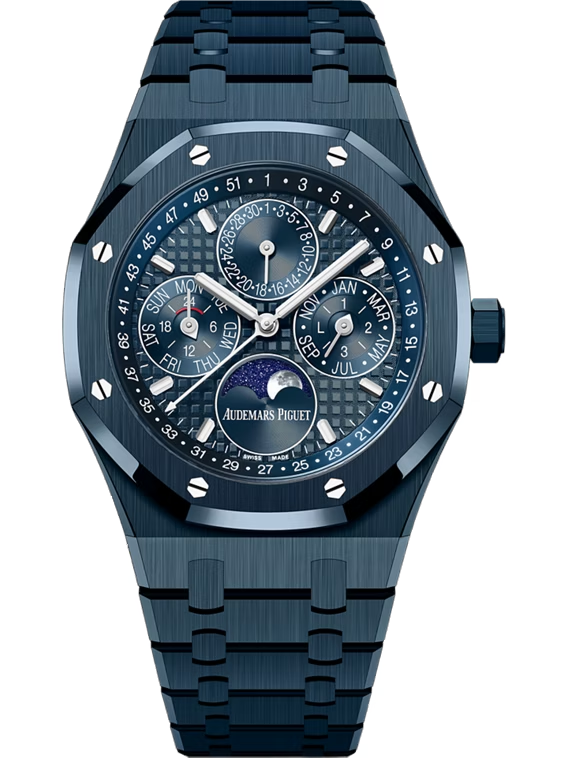
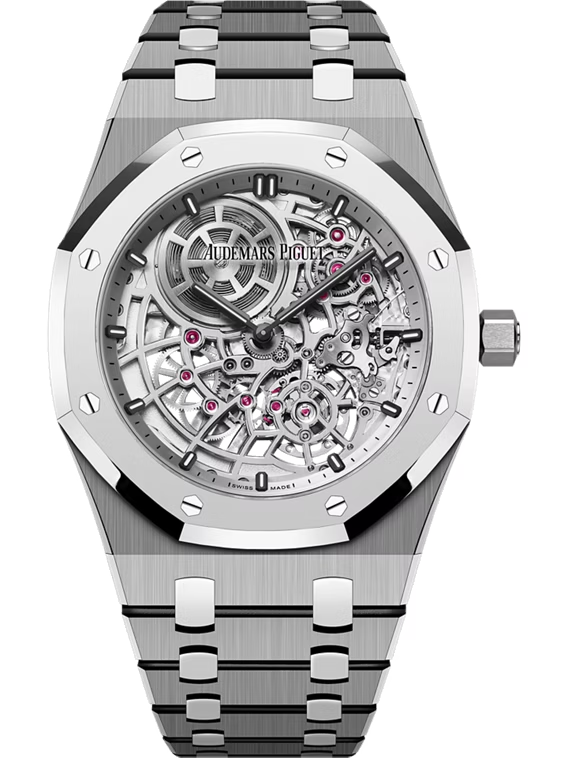
The Royal Oak novelties remain focused on material and structure. Ceramic and titanium variations reinforce the model’s technical confidence, while openworked executions maintain the dialogue between engineering and form. Nothing is forced. Evolution happens through precision.
Seen together, these novelties reveal a broader posture. Audemars Piguet is not shifting away from its icons, but it is allowing space for something unfamiliar to exist alongside them. Neo Frame matters because it shows the manufacture willing to step outside its recent habits, and trust a new idea enough to let it stand on its own.
Read our recent interview with Ilaria Resta here.