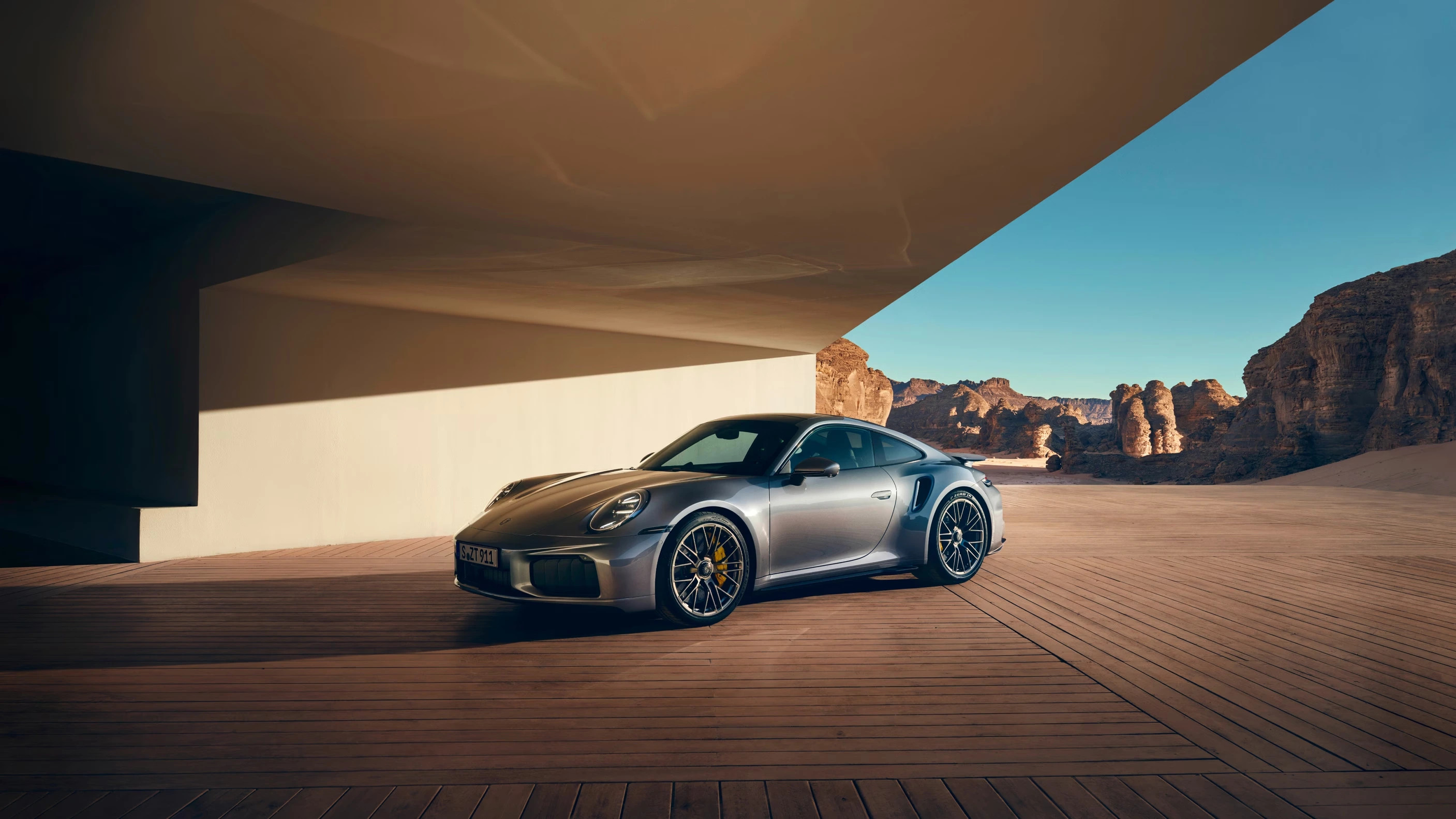
For years, the question seemed inevitable.
When would Porsche finally turn the 911 into an electric car?
As governments tightened emissions regulations and manufacturers accelerated their transition toward EVs, many assumed that even Porsche’s most iconic model would eventually follow the same path.
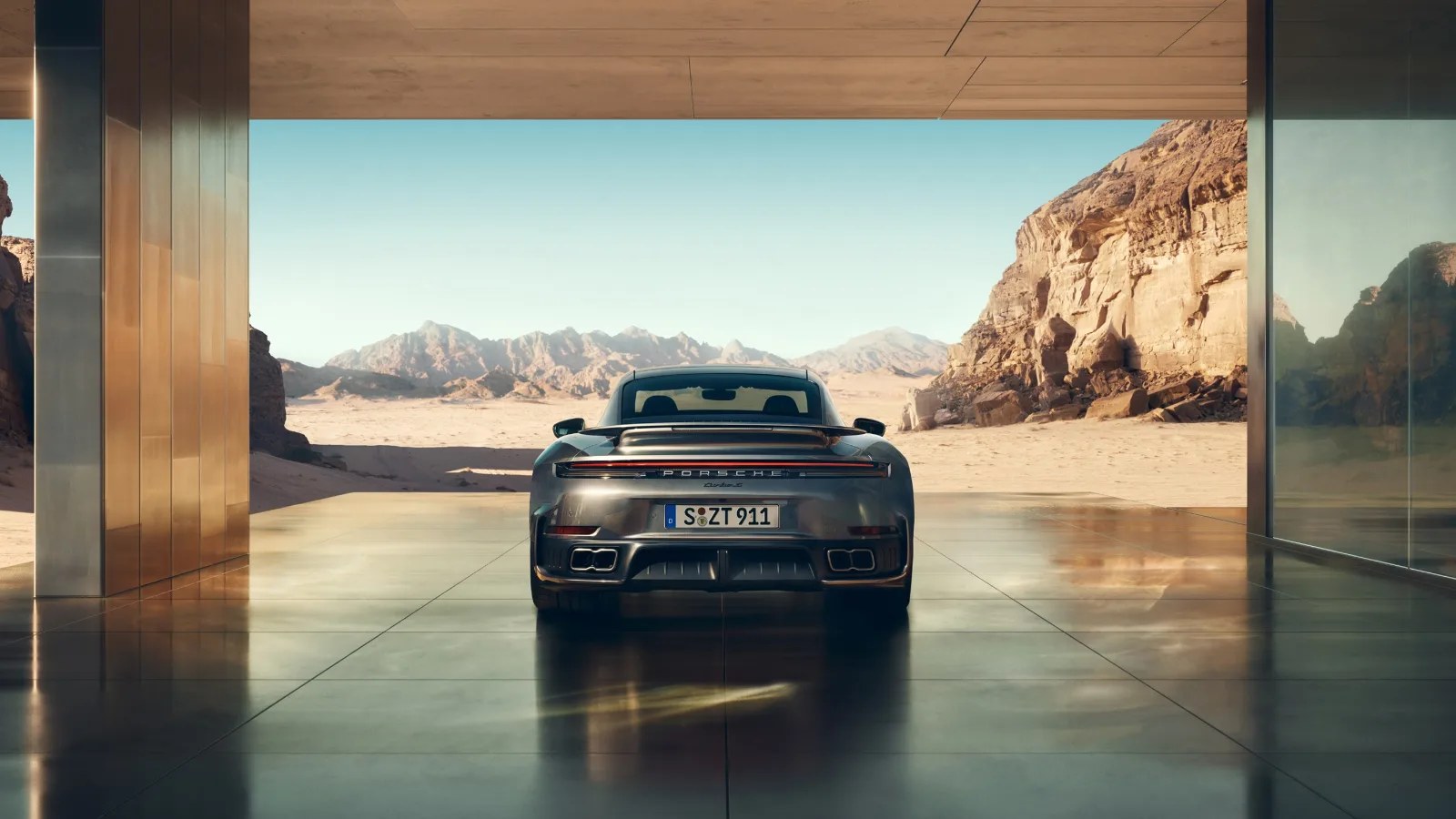
But according to Porsche CEO Michael Leiters, that future is not on the horizon.
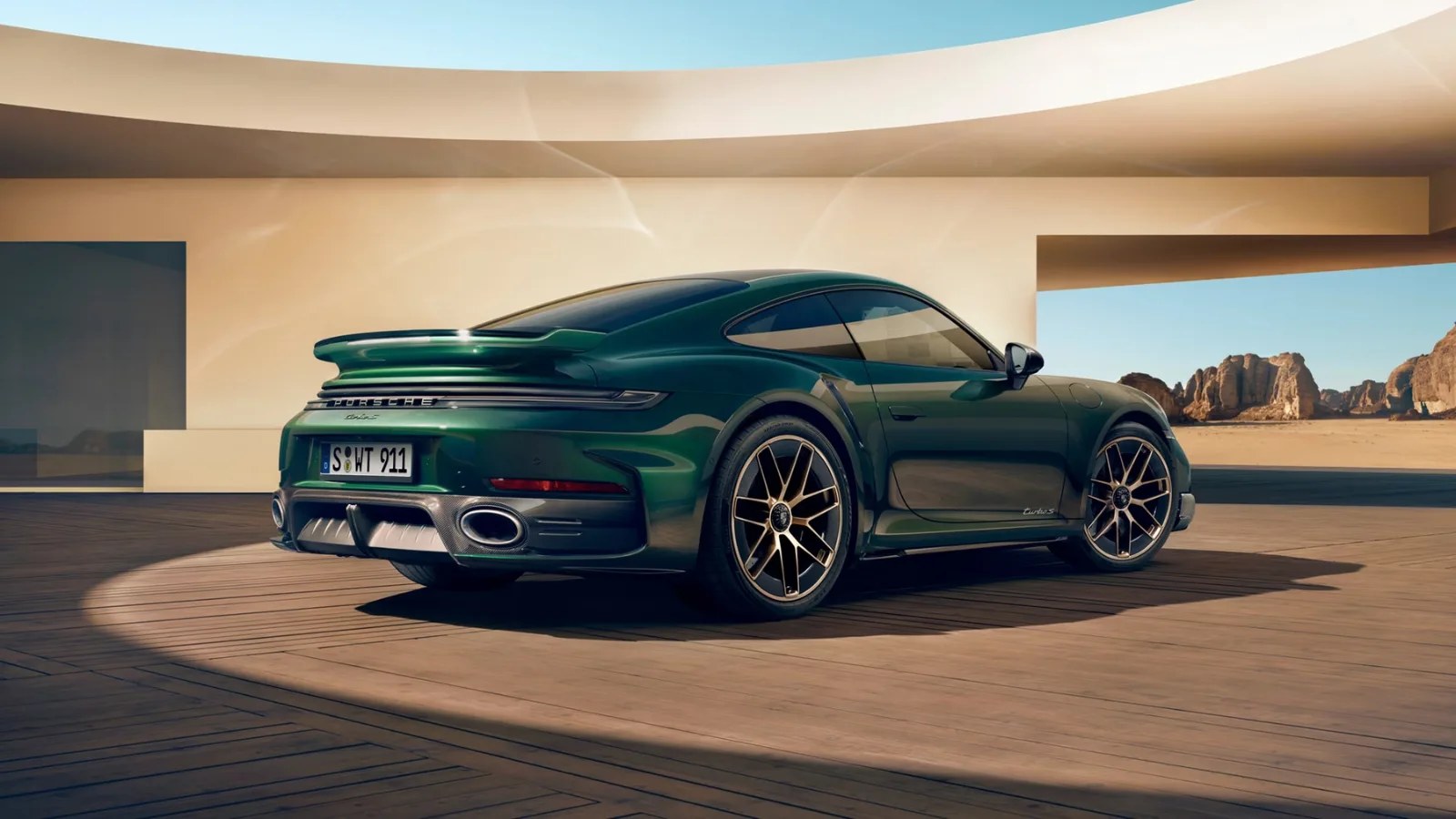
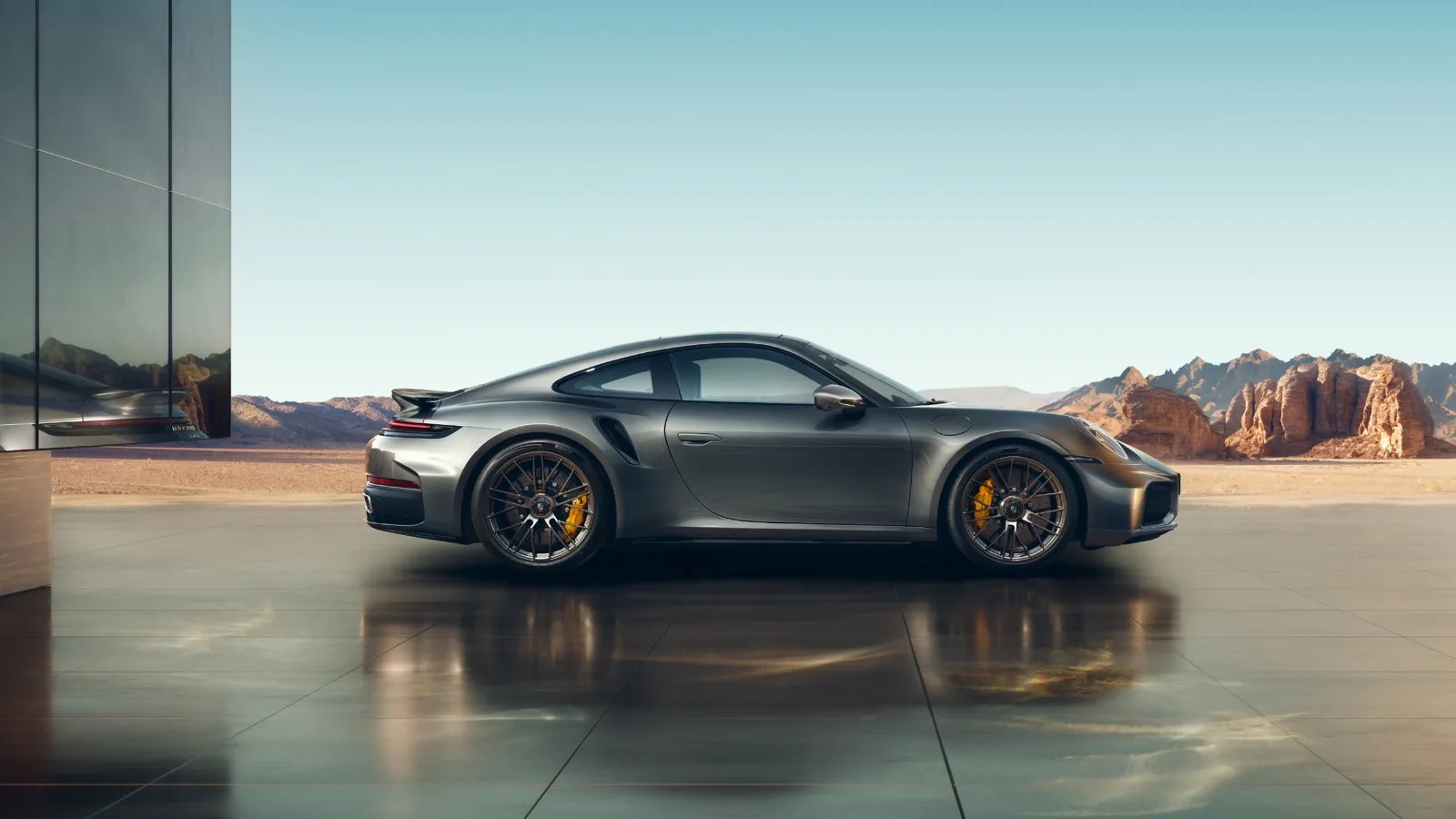
Speaking this week, Leiters made it clear that a fully electric Porsche 911 is not part of the company’s plans. Instead, Porsche intends to continue developing the model with combustion engines and hybrid technology, preserving the characteristics that have defined the 911 for more than six decades.
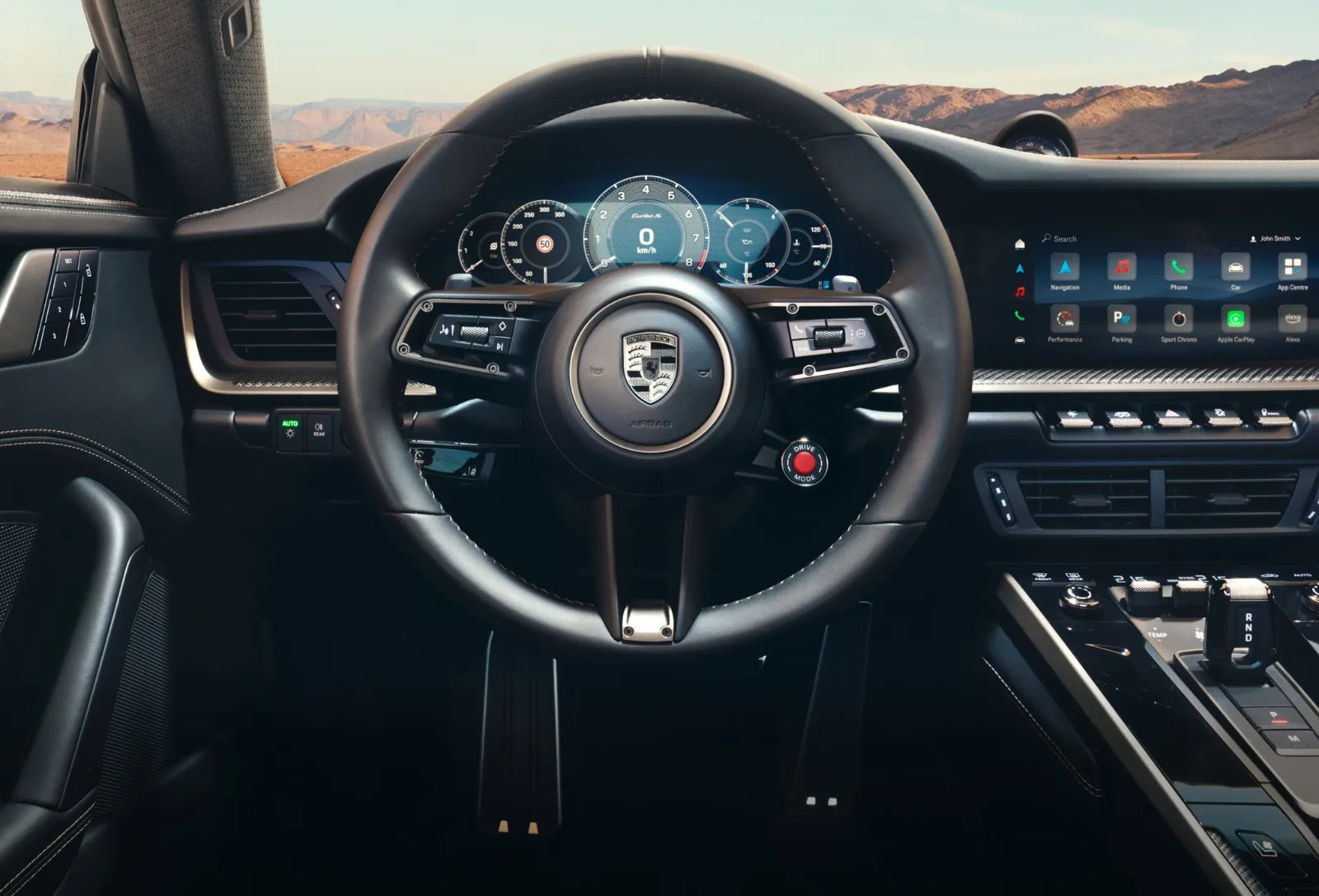
The decision arrives at a time when Porsche is actively expanding its electric lineup. The Taycan has become one of the brand’s most important products, while the new Macan Electric represents another major step in Porsche’s EV strategy. Yet despite those investments, the company appears unwilling to fundamentally change the formula behind its most recognizable sports car.
For Porsche, the 911 occupies a unique position within the automotive world.
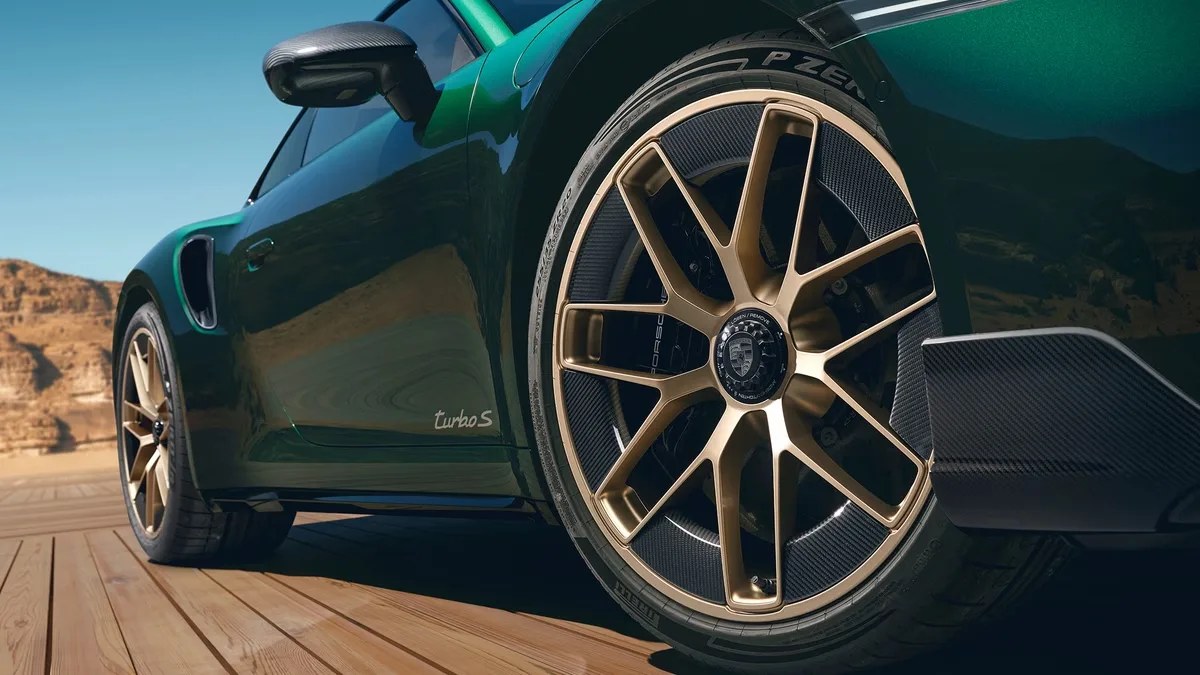
Few cars have maintained such a consistent identity across generations. While performance, technology and design have evolved dramatically since the model first appeared in 1964, the core experience has remained remarkably familiar. The distinctive rear-engine layout, the driving dynamics and even the sound of the flat-six engine have become inseparable from the 911 name.
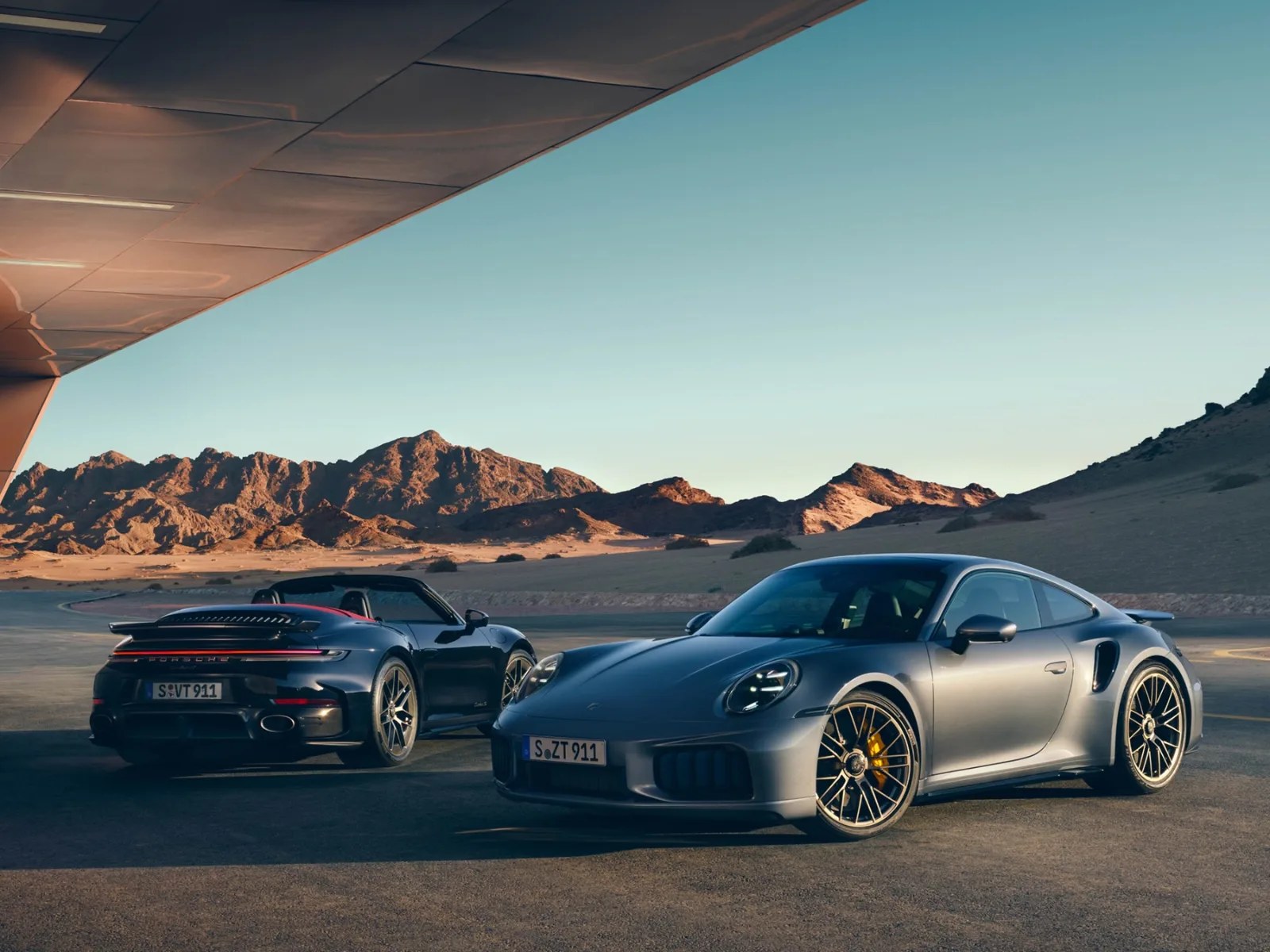
That heritage is a major reason why many enthusiasts have long been skeptical about the idea of a fully electric 911.
While electric powertrains can deliver extraordinary performance, Porsche understands that speed alone has never been what defines the 911. The emotional connection between driver and machine has always been just as important.
Instead of replacing the combustion engine entirely, Porsche is expected to continue exploring hybrid solutions that allow the model to meet future regulations without abandoning its character. The recently introduced hybrid technology in the latest 911 generation offers a glimpse of how the company may balance performance, efficiency and tradition in the years ahead.
The announcement also highlights a broader shift taking place across the automotive industry. After years of aggressive electrification targets, several manufacturers are reassessing how quickly customers are willing to move away from traditional powertrains. For brands built on heritage and enthusiast appeal, maintaining identity has become just as important as embracing new technology.
For now, Porsche's message is simple.
The future may be electric for many vehicles, but the 911 will continue to follow its own road.