
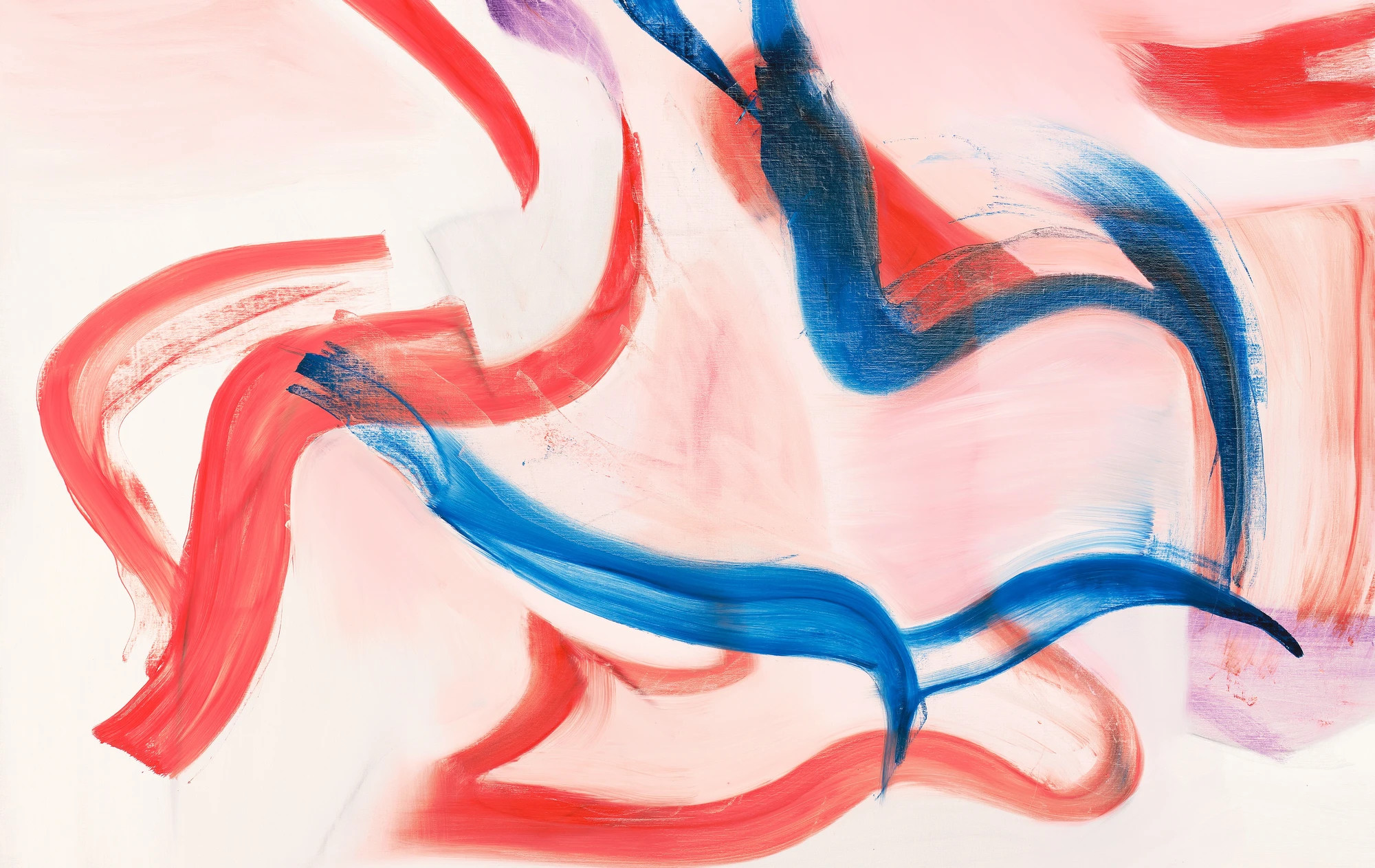
The number is the first thing you hear. A collection expected to achieve more than $130 million is not a quiet affair. But with the Robert Mnuchin collection, the figure is less a price tag and more the summary of a life spent looking. It is the quantification of a very specific eye, one that shaped markets on Wall Street before it began shaping taste in the art world.
Before he was a gallerist, Robert Mnuchin was a trader at Goldman Sachs. He spent decades in the world of high finance, a place governed by numbers, risk, and calculated return. His transition to the art world was not a retirement project. It was a second act, one where the currency shifted from stocks to aesthetics, but the instinct for value remained.
From Trader to Tastemaker
To understand the collection, you have to understand the man. Mnuchin did not simply buy art. He built a perspective. His gallery, Mnuchin Gallery, established itself as a serious destination, known for scholarly exhibitions and a clear point of view. This was not the work of a dilettante. It was the application of a rigorous mind to a field often clouded by sentiment.
The collection being offered at Sotheby's is the private expression of that public work. It is what he chose to live with. Collecting at this level is a discipline. It requires conviction, a willingness to follow one's own judgment against the noise of the market. It is an assembly of conversations between objects, artists, and eras, all curated through a single intelligence.
It reflects an engagement with post-war American art, a period of profound confidence and formal invention. The names are significant, but the real story is in the specific choices. The quality of each piece, and how it relates to the others, tells you more than any artist's signature.
A Private View Goes Public
Now, that private world is being dismantled for the public. An auction of this nature is a peculiar event. It is both a celebration and a dispersal. A singular vision, carefully assembled over decades, is broken apart and scattered to new owners. Each piece will begin a new life in a new context, its part in the Mnuchin dialogue now a memory.
The auction room is the ultimate stage for the intersection of culture and commerce. It is where passion is assigned a number and an instinct is validated by the market. For Mnuchin, a man fluent in both languages, this moment feels less like an ending and more like a final, decisive trade.
The collection was a statement of personal conviction. The sale is a statement about the market itself. It affirms the value, not just of the art, but of the eye that chose it. In the end, the works will go to new walls, but the story of the collection, and the man who built it, remains.
Read more about collecting here.
 | Photo by Tim Nighswander/IMAGING/Photo by Tim Nighswander/IMAGING](https://vmaxctydbiqhmabwstnl.supabase.co/storage/v1/render/image/public/assets/optimized/ddf28be94f48523693be9b4c6d9cee6d.webp?width=1600&quality=88&resize=contain)