Six Senses arrived in Rome with a proposition that took me a moment to fully understand. The city is relentless in the way only ancient places can be: Vespas, centuries of history pressing in from every corner, crowds moving with the particular intensity of people who have saved up for this trip. Most visitors leave grateful and completely drained. That's almost a given.
The standard solution, if you're building a wellness retreat, is distance. A clifftop somewhere. A valley with no signal. Somewhere the world has to work to reach you.
Which is why placing one on the Via del Corso, one of the most unrelenting streets in Europe, reads at first like a provocation. But it isn't a mistake. It's actually the entire premise. The thinking seems to be that you don't need to flee Rome to recover from it. You just need somewhere considered to land when the day has taken everything you've got.
A New Urban Rhythm
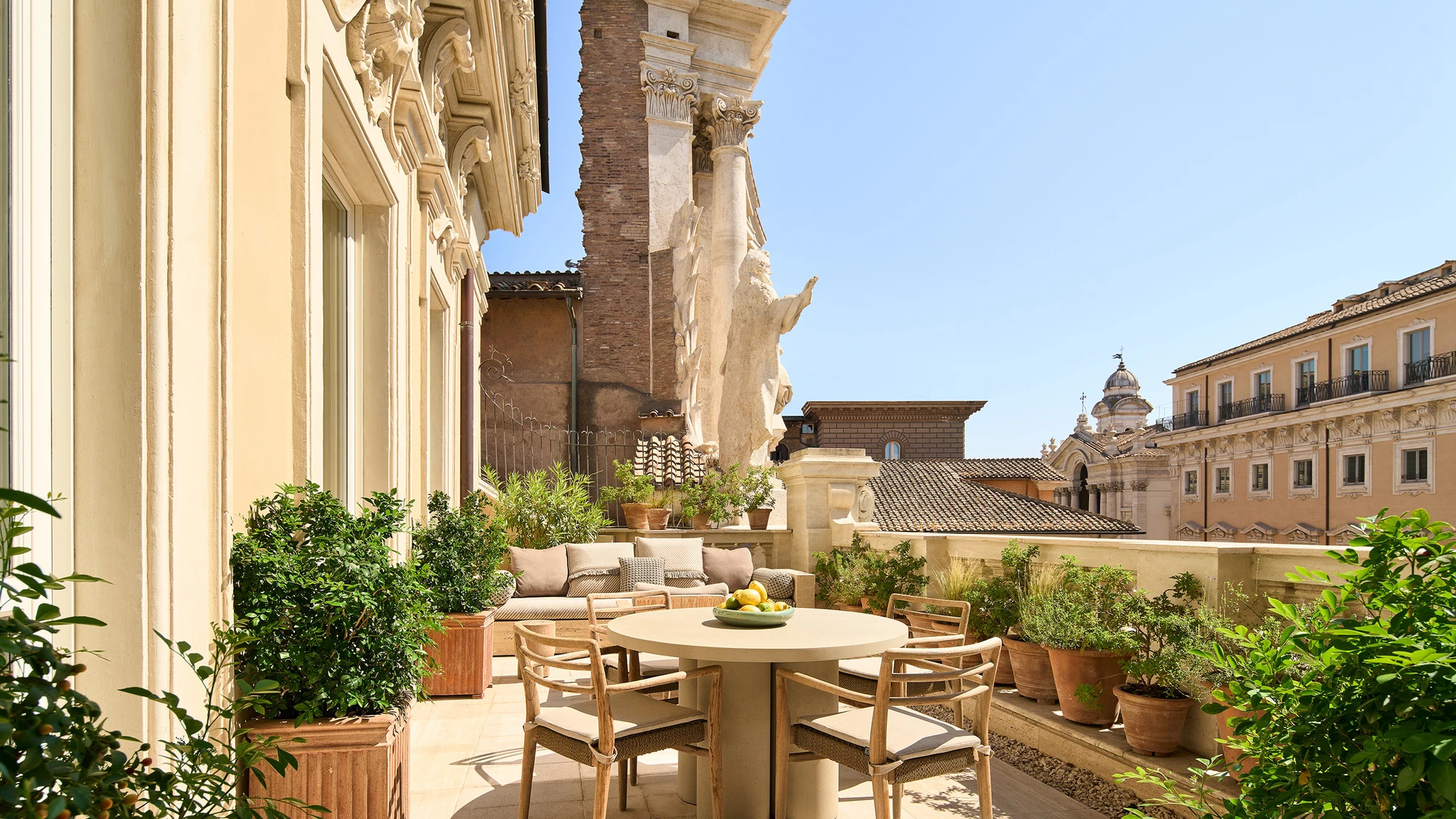
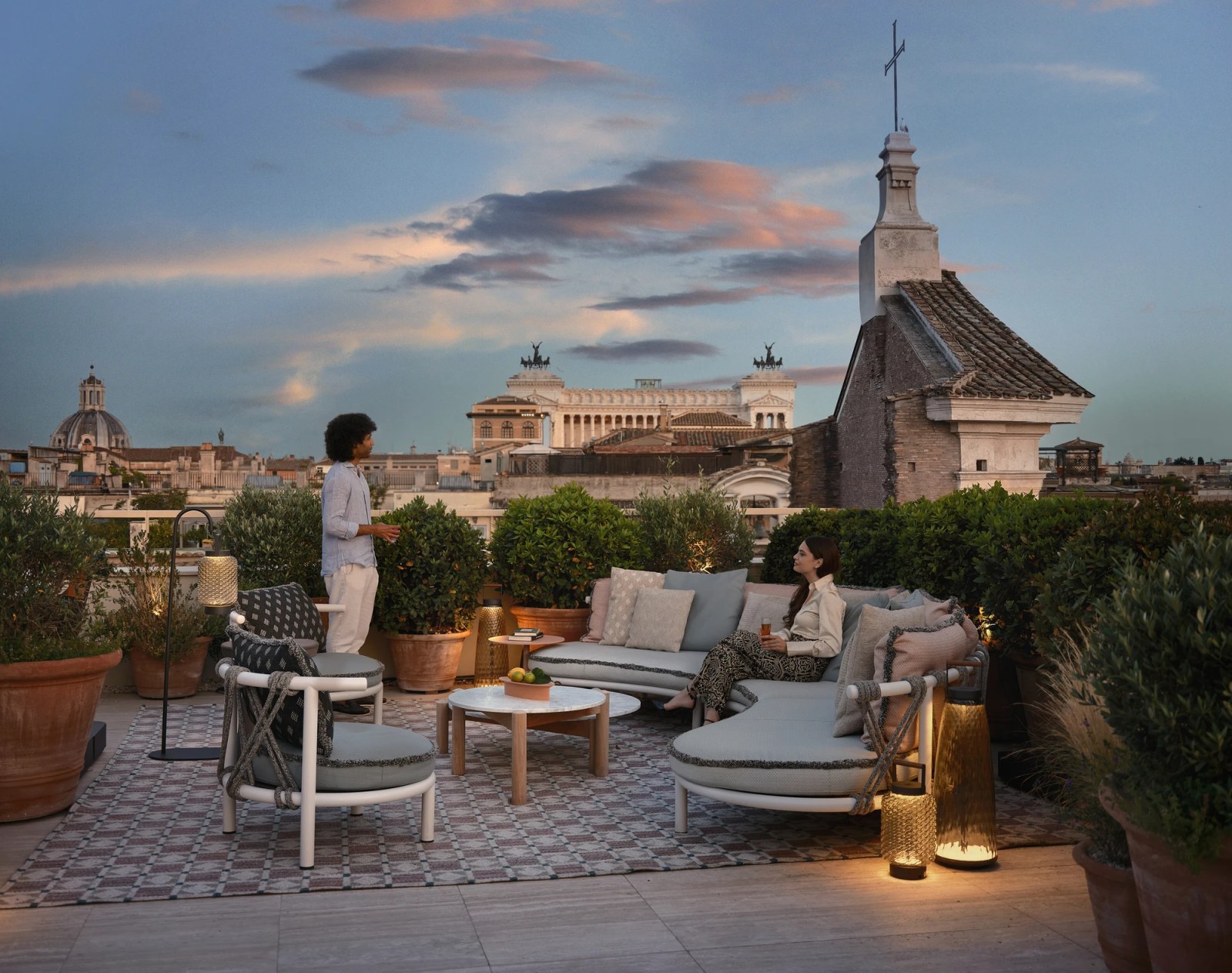
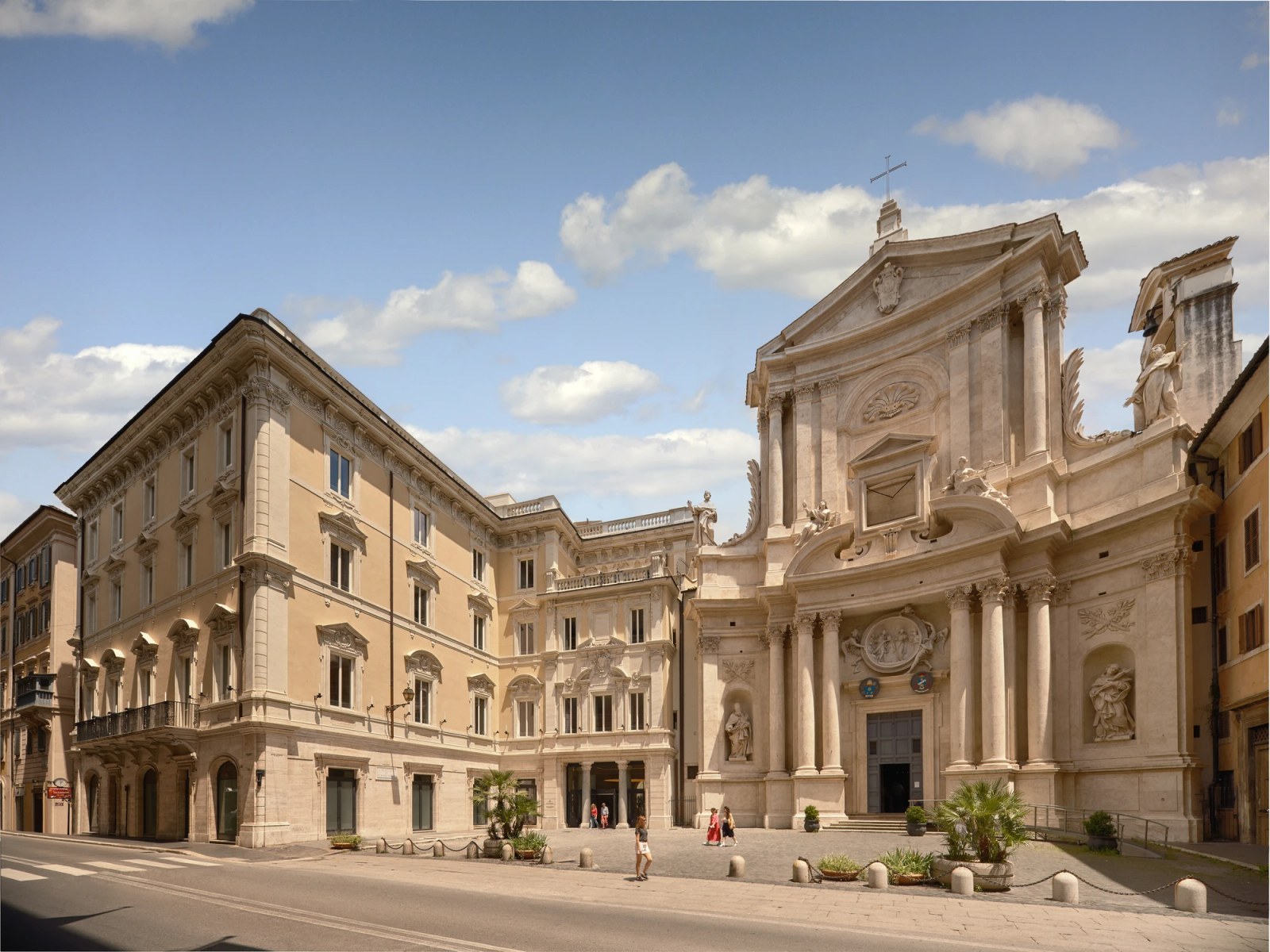
The hotel occupies the Palazzo Salviati Cesi Mellini, a building that has been absorbing the city's energy for centuries without appearing to mind. Rather than pretending the noise outside doesn't exist, the design simply offers a quieter register to settle into when you need one.
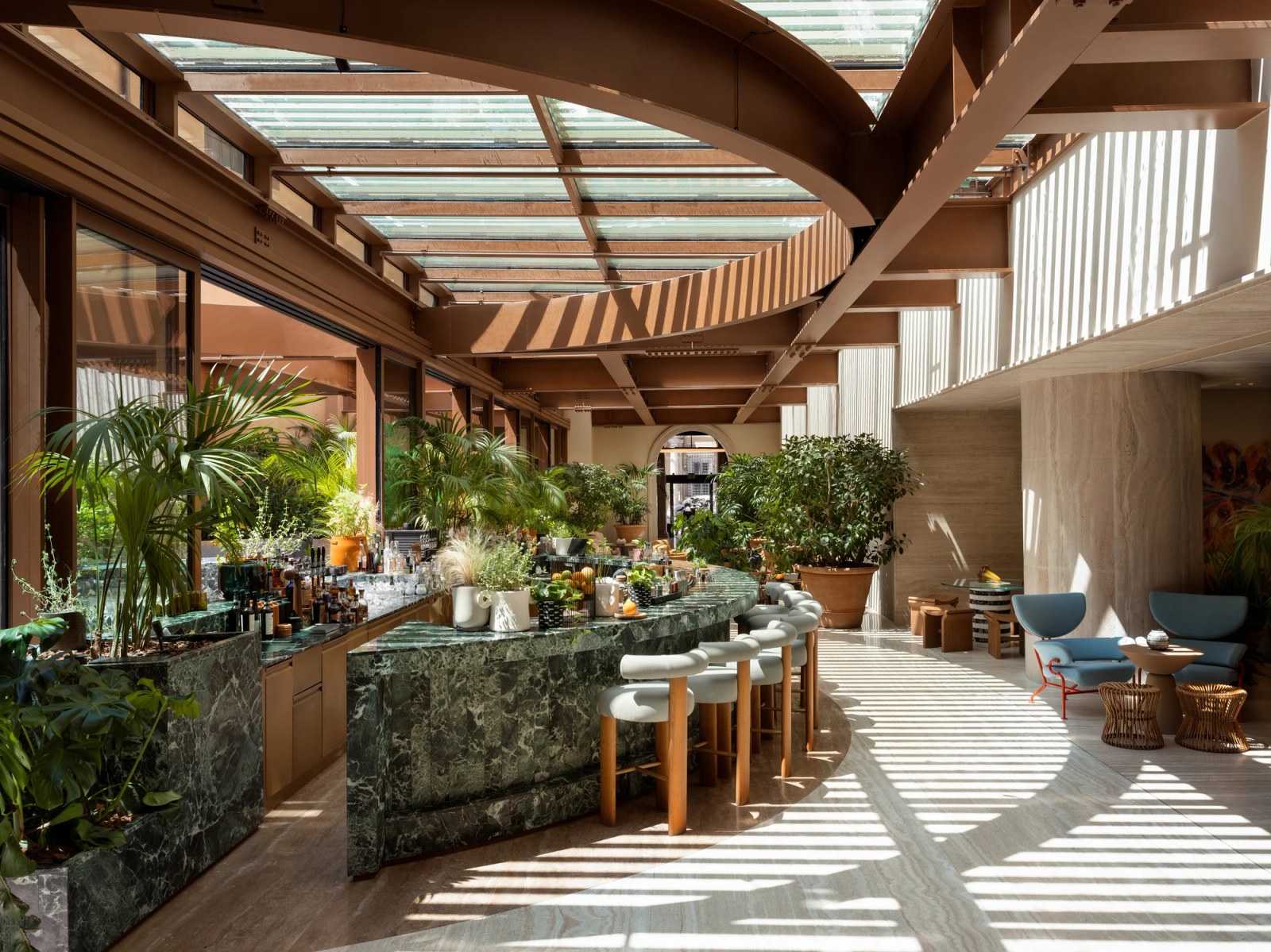
Six Senses has always taken a more deliberate approach to wellbeing than most brands in this space, thoughtful without being preachy, and rarely impulsive about where they open. Choosing the heart of Rome feels consistent with that. It's a more honest position than retreating somewhere remote and framing it as transformation.
The Modern Roman Bath
The spa is where the whole concept becomes most legible. It's modelled on the Roman bath, not as aesthetic reference, but as a functional one. The original baths weren't about indulgence in any contemporary sense. They were where Romans went to reset collectively, communal and practical, built into the rhythm of daily life.
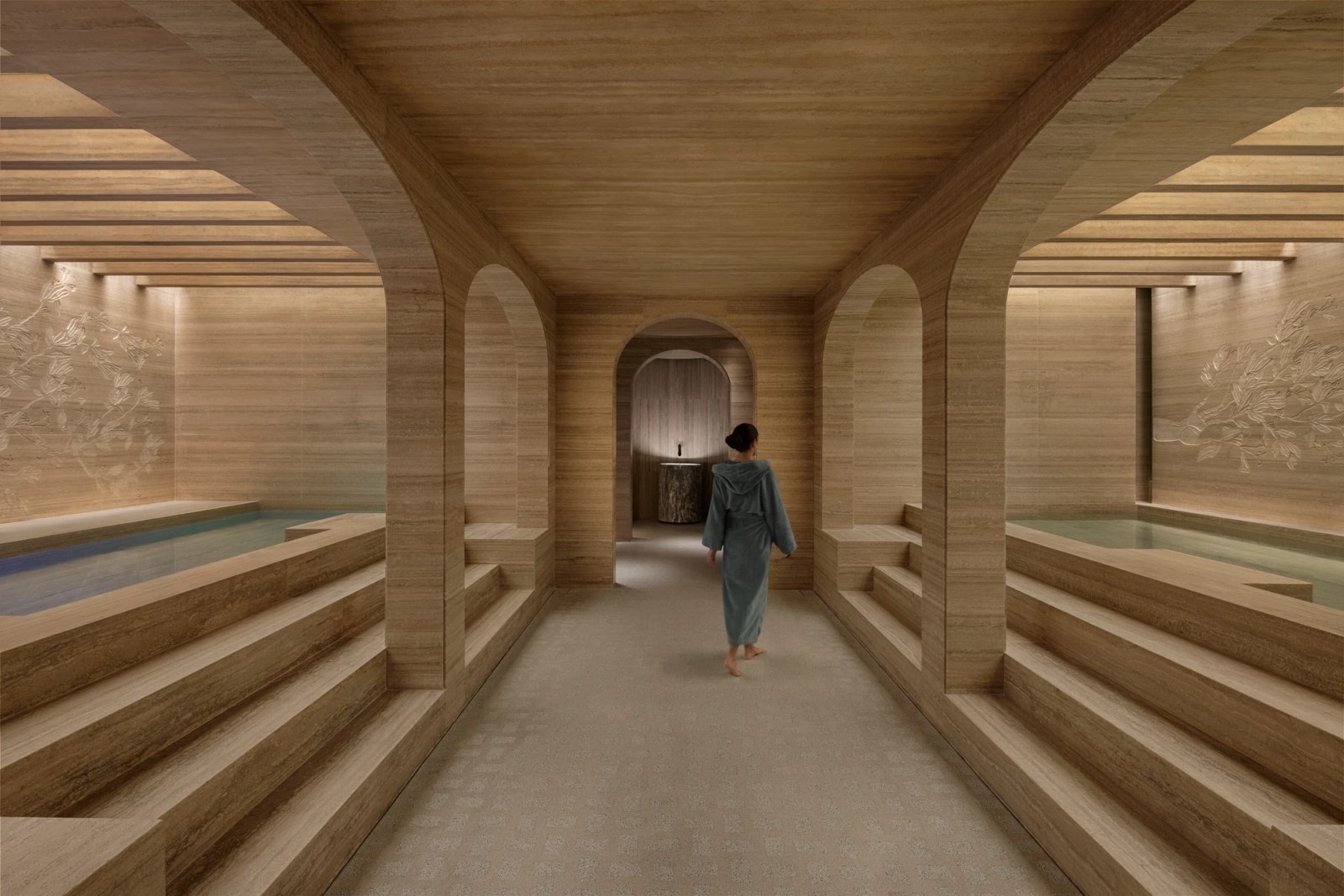
The execution here is clean and unshowy. Three plunge pools at different temperatures, the way it's always been done, in a space that has no interest in announcing itself. After a full day navigating the Colosseum or pushing through the crowd near the Pantheon, the logic of it lands immediately.
This is a more mature take on luxury hospitality. It acknowledges the challenge of its environment and provides a thoughtful tool to manage it. It understands that after a day navigating the Colosseum, the Forum and the endless tide of tourists, what you need is not more stimulation.
Read more about travel here.