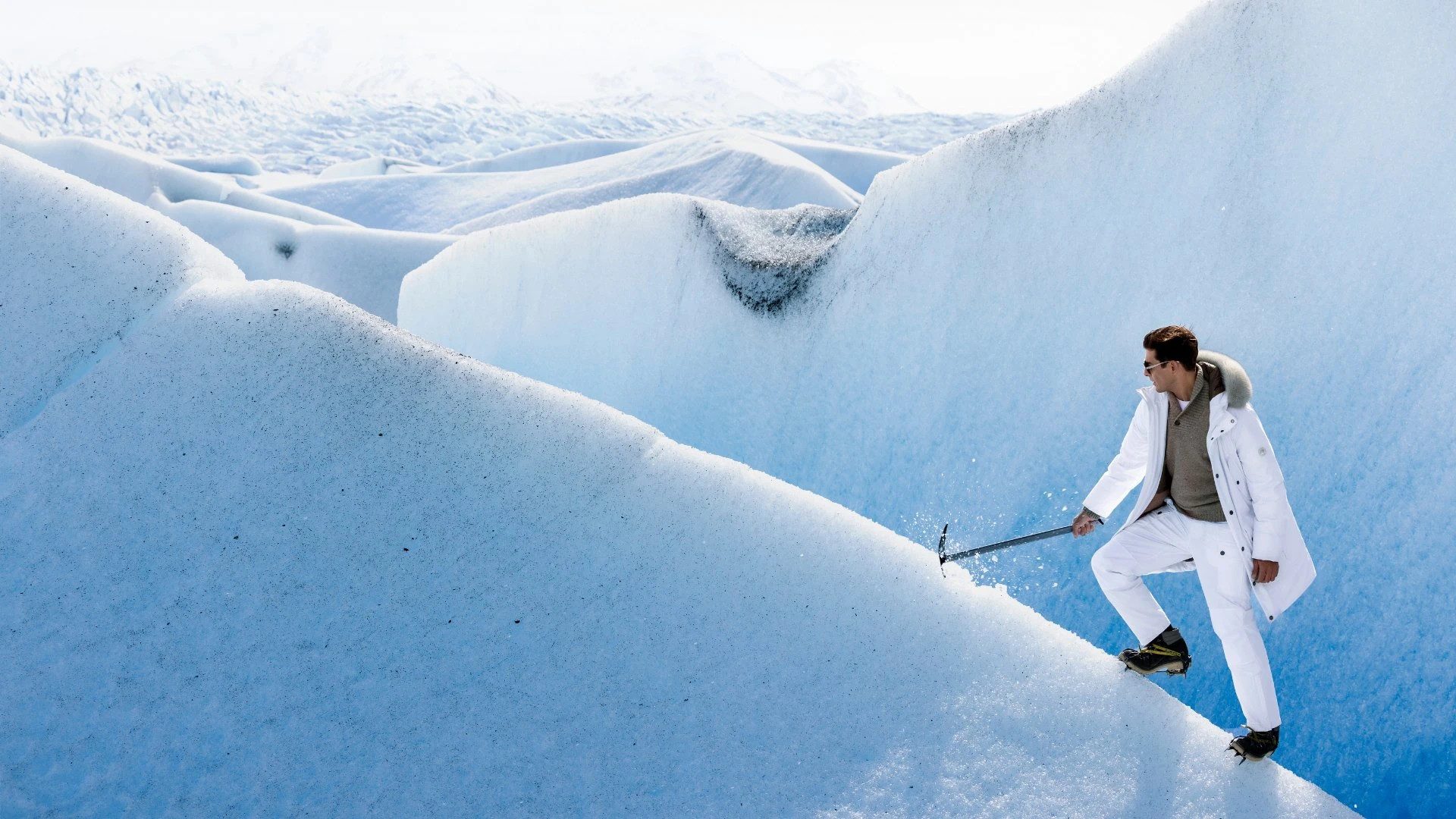
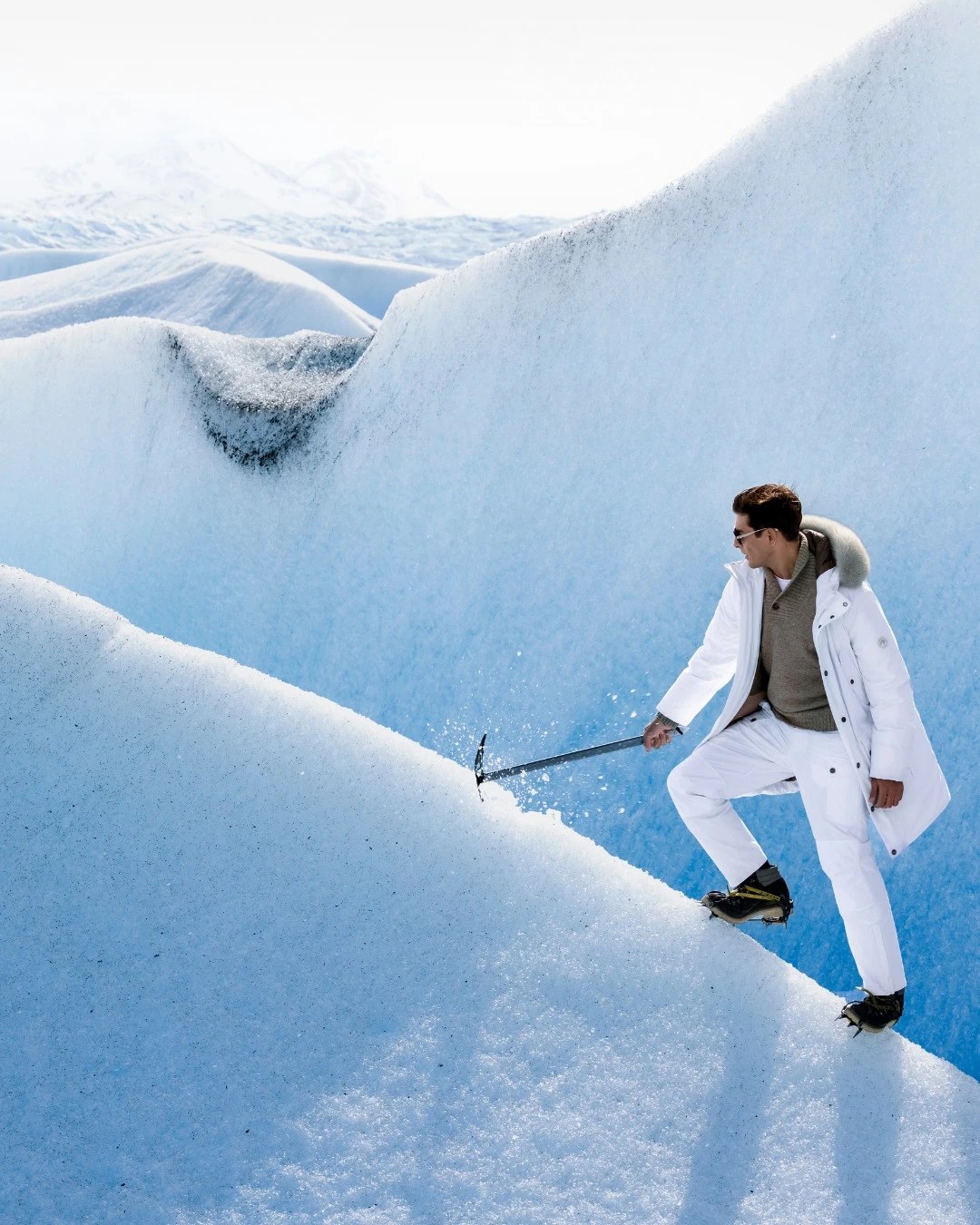
The ice of the Bernal Glacier is an unusual place to find Florentine tailoring. It is a landscape of raw, elemental force, where survival is measured in degrees and durability. Yet, this is the backdrop chosen by Stefano Ricci for its eighth Explorer Mission, a project that places the house’s meticulous craftsmanship into the world’s most demanding environments.
This journey to Patagonia and Tierra del Fuego is not about creating technical gear in the traditional sense. You will not find Gore-Tex or ripstop nylon here. Instead, the project poses a more interesting question. What is the role of absolute luxury in a place that has no need for it?
The Edge of the World
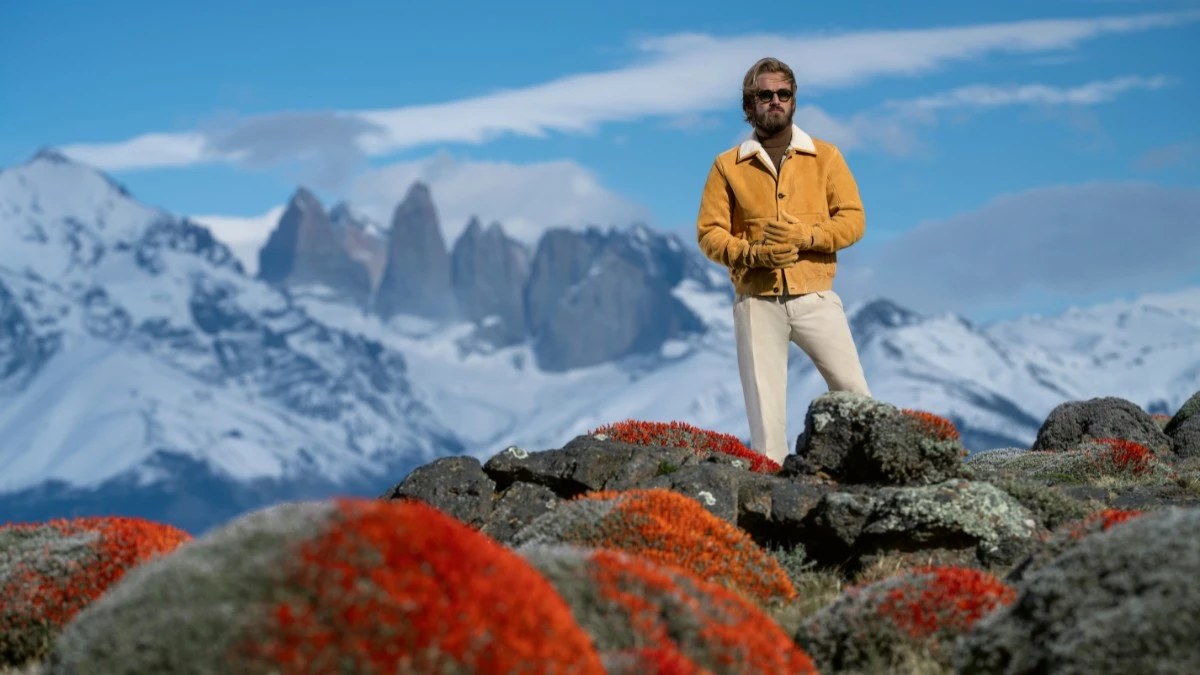
Patagonia is less a place than a feeling. It is a vast, sparsely populated region at the southern tip of South America, shared by Argentina and Chile. The mission’s itinerary reads like a list of cartographic poetry: the Mirador Bader Valley, the granite peaks of Torres del Paine, the windswept plains of Cerro Guido. These are not gentle landscapes.
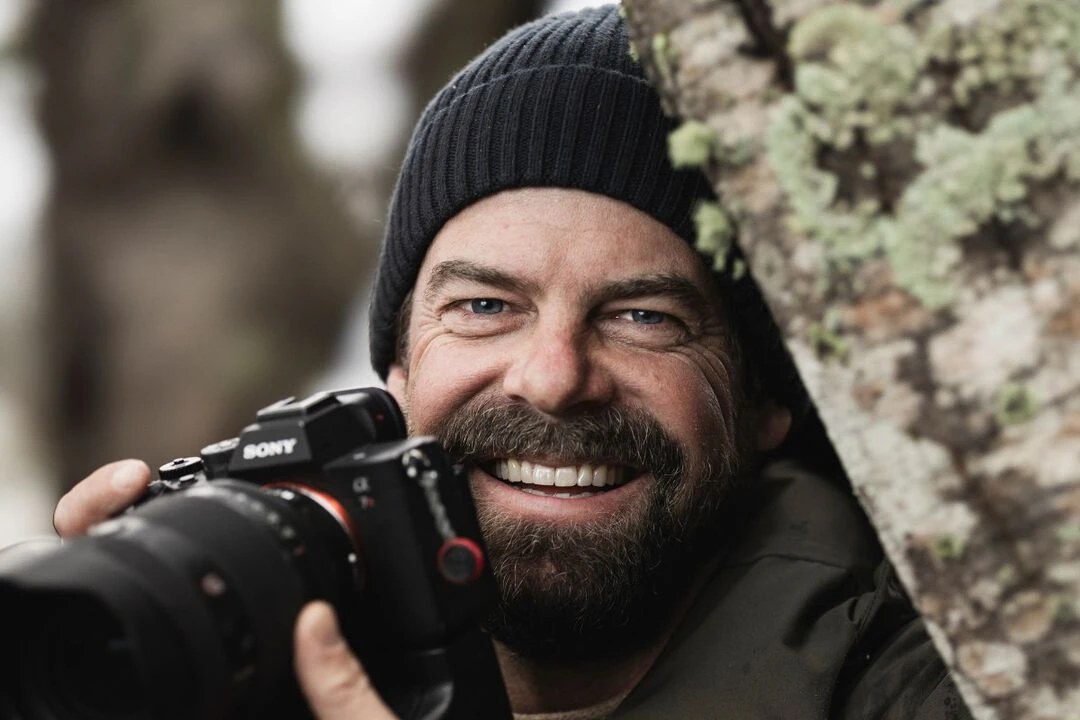
The journey continued to Isla Magdalena, home to a sprawling colony of Magellanic penguins, and the remote shores where elephant seals claim their territory. Documenting the expedition was Andy Mann, a photographer and filmmaker whose work with National Geographic has taken him to the planet's most extreme locations. His presence lends a certain gravity to the undertaking. This is a real expedition, not just a set-dressed photoshoot.
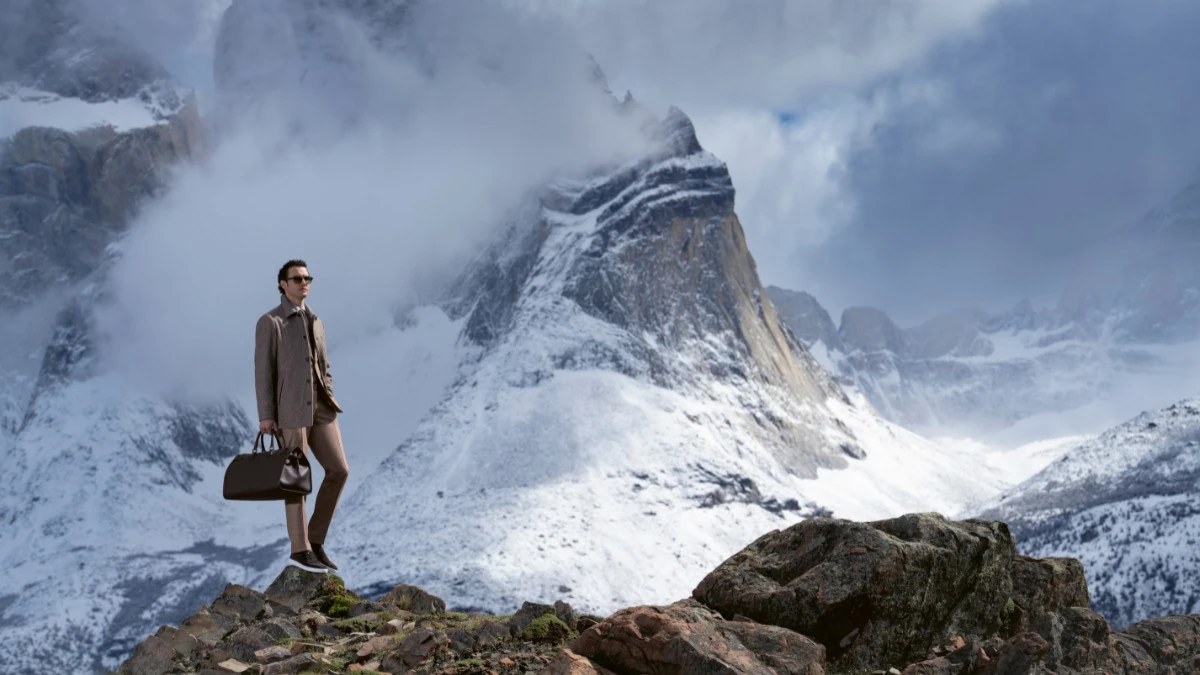
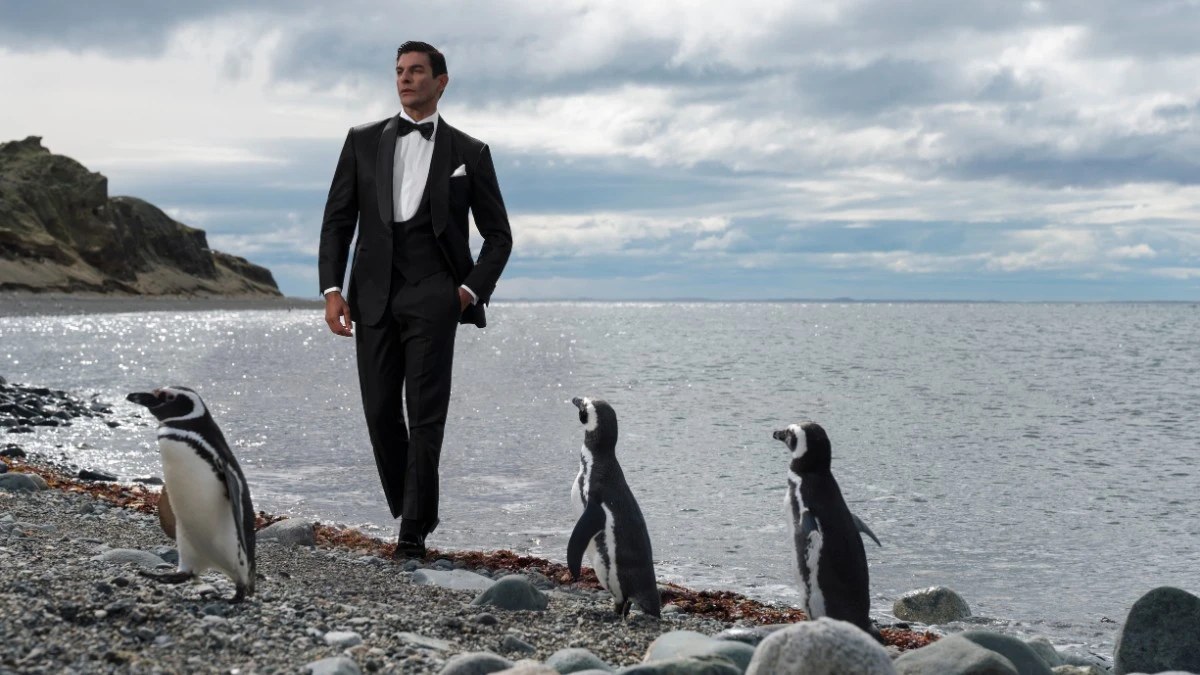
Against this backdrop of raw nature, the clothes become characters in the story. A cashmere and fur coat is seen not in a Milanese street, but standing against glacial ice. A suede and crocodile gilet is worn while observing wildlife on a rocky coast. The context changes how we see the objects themselves.
A Different Kind of Performance
The Stefano Ricci Explorer project seems to suggest that performance is not just about technical specifications. It can also be about a certain quality of experience. The collection features field jackets, knit zip polo shirts, and coats made from materials like cashmere, silk, and virgin wool. They are designed for a man who expects the highest quality, regardless of his location.
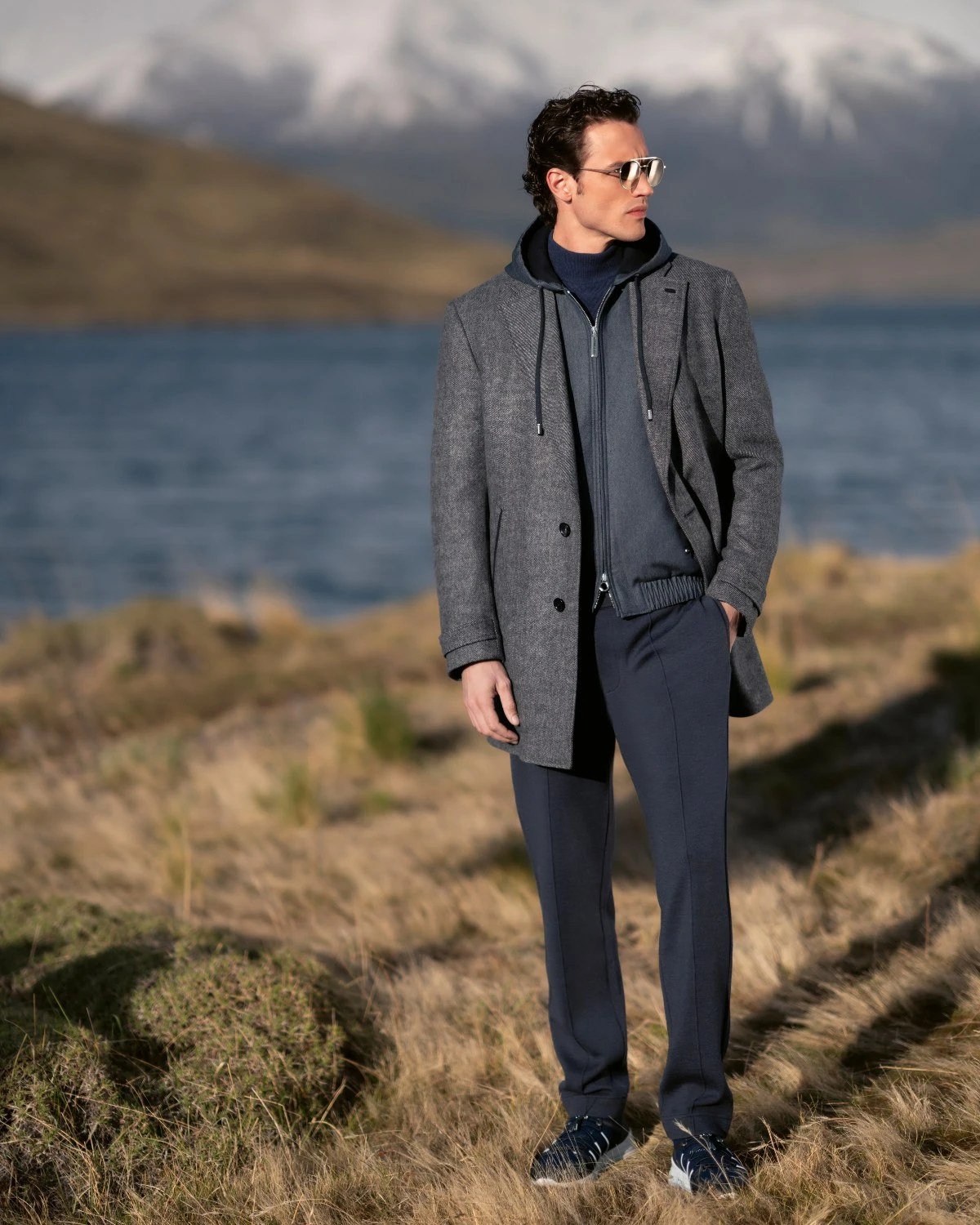
There is an implicit narrative here about the modern man of means. He is no longer confined to the city. His life, and by extension his wardrobe, must be able to move between the boardroom and the wilderness without compromise. The clothing is not presented as survival equipment, but as an extension of a lifestyle where excellence is the default setting.
By placing its finest work in a context of extreme beauty and hardship, Stefano Ricci is making a point about its own philosophy. The value is not just in the material or the cut, but in the idea that such refinement can exist, and even belong, at the very edge of the map.
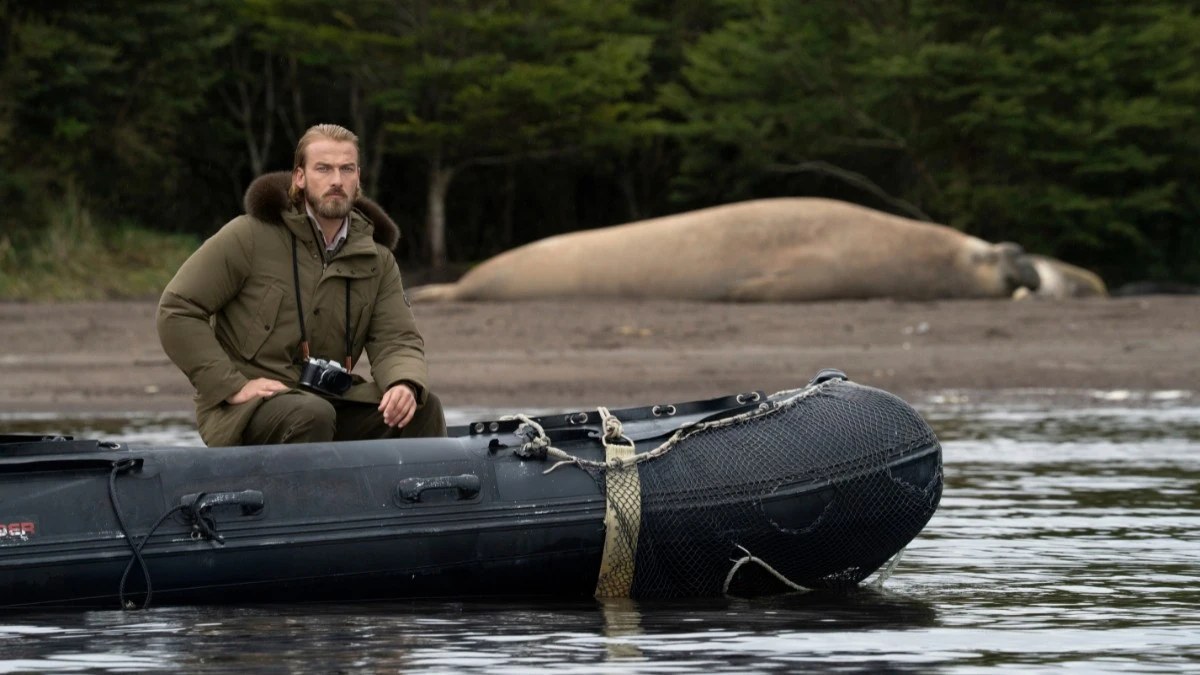
It reframes the purpose of luxury. The goal may not be to conquer the mountain, but to experience it without sacrificing a personal standard of quality. It is an argument for a kind of resilience that is measured in texture and form, not just function.
Read more about style here.