The atmosphere inside a Swiss workshop is usually quiet. You hear the light tick of a balance wheel and the soft stroke of a file across a bridge. This year, that calm carried a different undertone after a heavy blow from Washington. The United States has now eased the tariff on Swiss to 15 percent, down from the 39 percent level imposed in August. The new rate aligns Switzerland with the European Union and suggests the start of a steadier phase for an industry that prefers precision to political turbulence.
The shift matters because the earlier damage was significant. In September, Swiss watch exports to the United States dropped 56 percent, according to the Federation of the Swiss Watch Industry. American retailers saw slimmer inventories, while pieces meant for U.S. boutiques found temporary refuge in London and other friendlier markets. When tariffs rise, importers and distributors take the first hit, but the pressure spreads. Margins shrink. Allocations move elsewhere. For collectors, it shows up as fewer deliveries, longer waits, and the occasional adjustment to sticker prices.

The backdrop is important. The 39 percent figure, which followed a 31 percent rate earlier in the year, ranked among the highest U.S. tariffs applied to any country. The decision to bring it down to 15 percent followed meetings between American and Swiss officials and a White House visit attended by executives from Rolex and Richemont. There is also a broader industrial element. U.S. trade representative Jamieson Greer noted that Switzerland plans to expand American manufacturing in pharmaceuticals, gold, and other sectors. That development seems far from the world of watchmaking, but it signals a cooling of tensions that should help stabilize the supply chains shared across several Swiss industries, including those that support horology.
For collectors, the question is simple. What changes now? Retail prices will not fall overnight. Brands set their pricing structures carefully and rarely move them in direct response to tariffs. Most will wait for the market to settle. What should change sooner is the rhythm of deliveries. Expect steadier shipments to authorized dealers and a return toward normal for popular models that were redirected during the tariff spike. In daily terms, that may mean more familiar calls from your dealer, fuller trays, and less of the silence that took hold at many counters. Availability has its own quiet pleasure. The feel of an untouched leather strap. The cool heft of a sports watch when you first roll it across your wrist.

The gray market offers a different landscape. When official channels tighten, parallel distribution tends to surge, and that pattern was clear in recent months. With the tariff now reset, the incentive for sharp arbitrage should ease for most mainstream models. The most coveted pieces will remain governed by scarcity and brand strategy, so waitlists will not disappear. But the center of the market, where collectors often spend more time and attention, should look healthier. Cooler markets have a way of grounding premiums.
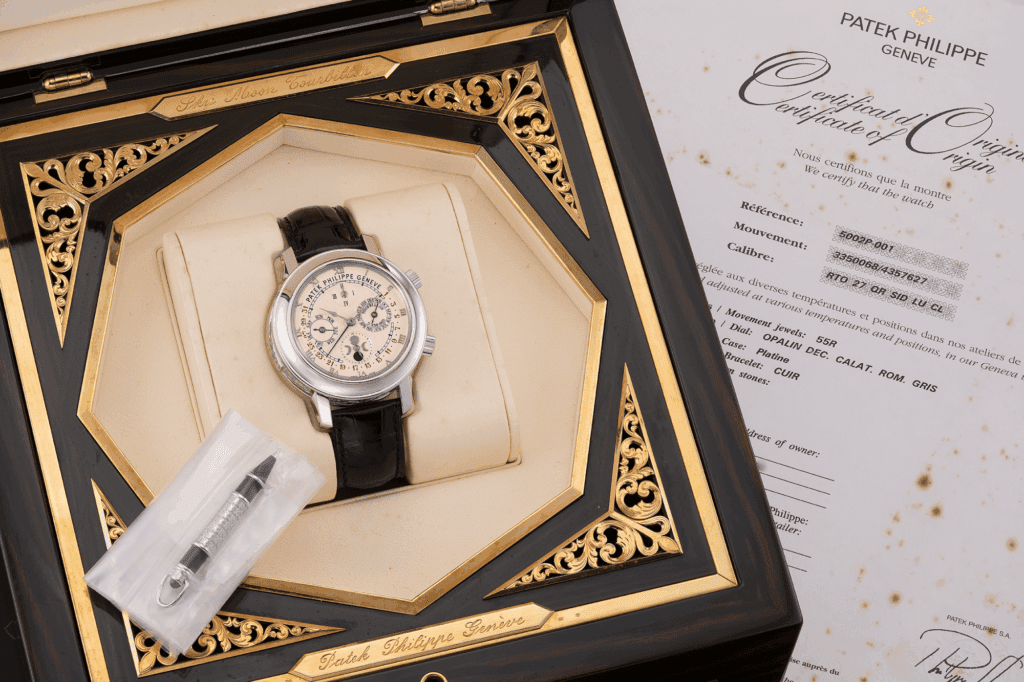
There is also a cultural layer to consider. Watches have long been quiet ambassadors. Not in ceremony, but in what they symbolize. Switzerland’s watch industry sits between craft, commerce, and national identity. This year brought a softening dollar, a strong franc, and rising gold prices. Adding a near 40 percent tariff felt like strapping extra weight to a movement that was already working hard. Reducing it to 15 percent does not fix currency pressure or metal costs, but it removes the least predictable force and lets the industry compete again on engineering and appeal rather than policy swings. The steady sweep of a seconds hand remains a better guide than a political headline.
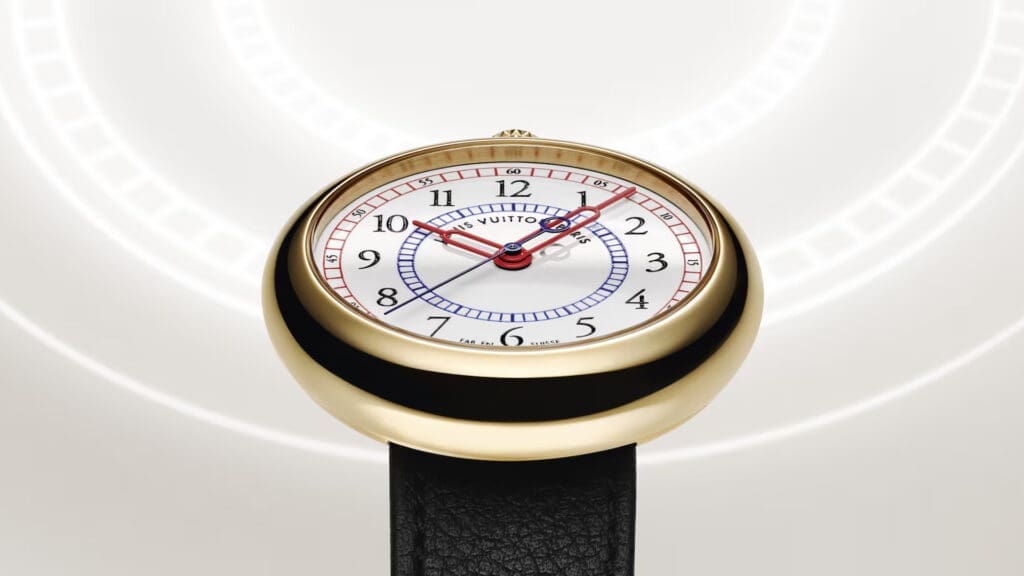
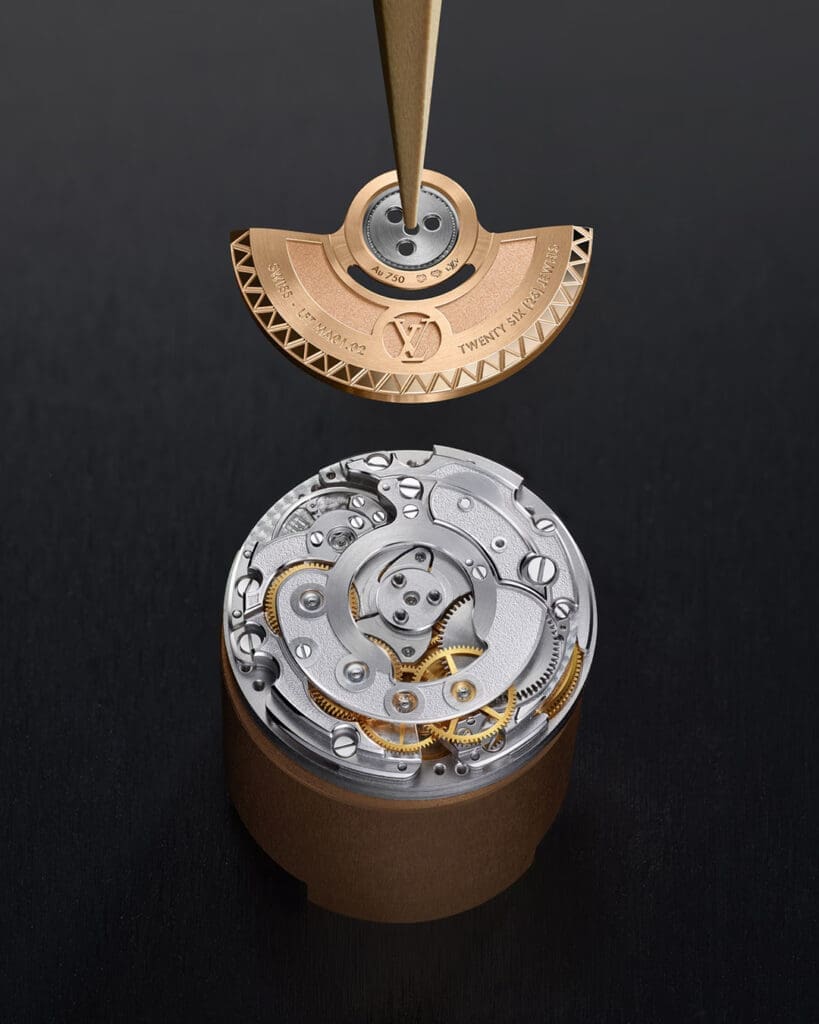
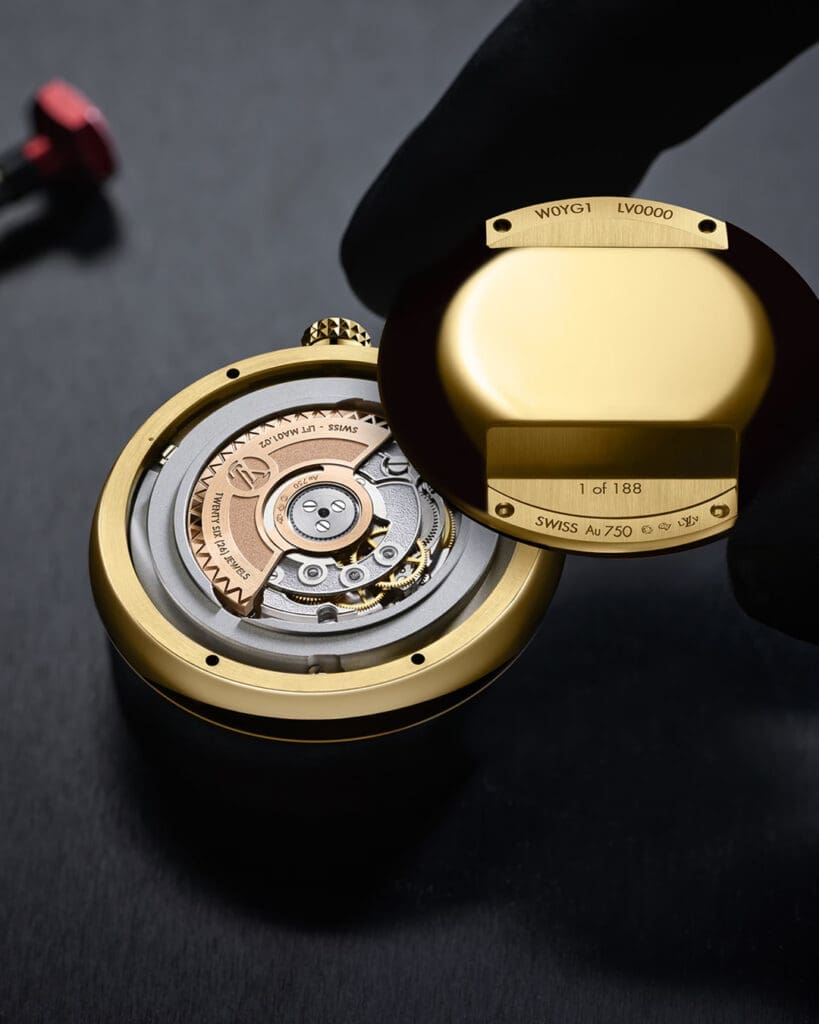
The broader agreement between the two countries may also matter in time. If Swiss pharmaceutical and precious metal operations expand in the United States, the logistics networks that support case making, bracelet production, packaging, and service centers could benefit. You may not notice it when you run a thumb along a polished bevel, but the system behind that bevel becomes slightly more resilient.
The tariff cut is not a windfall. It is a return to a workable baseline for a sector that depends on consistency. Retailers gain room to plan. Collectors gain a clearer sense of when pieces will arrive. Prices may hold steady, but delivery patterns should improve. That is progress you feel quietly. Fuller displays. Fewer delays. The simple click of a clasp when your name is finally called.
Read more about watches here.
