
The 5-star rating was once a helpful shorthand. Not a promise of perfection, but a loose signal of where a hotel sat within a spectrum. Today, that spectrum has stretched to the point of meaninglessness.
The issue is not that five-star ratings exist. It is that the range within the category has become so vast that the rating itself no longer informs. Two hotels, identical classification, can deliver experiences separated by lightyears. One thoughtful, precise, quietly confident. The other bloated, inattentive, and strangely exhausting. Both carry the same badge.
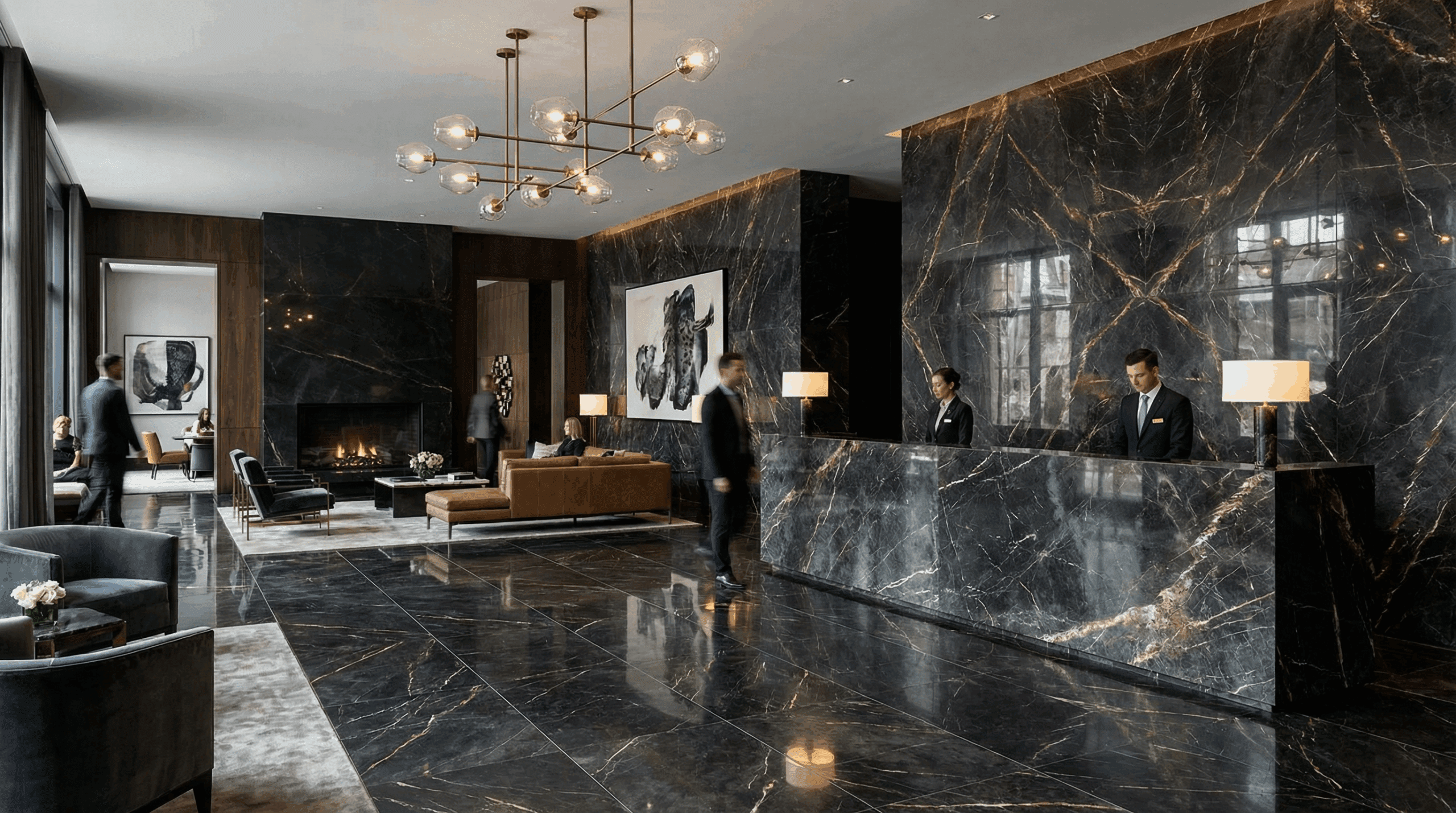
This is not an argument against comfort, nor against expense. There is nothing inherently wrong with generous rooms, fine materials, or even the much maligned high ceilinged marble lobby. At their best, these spaces still work. The problem is that they have become generic. Replicated across continents, drained of local intelligence, built to satisfy criteria rather than to welcome.
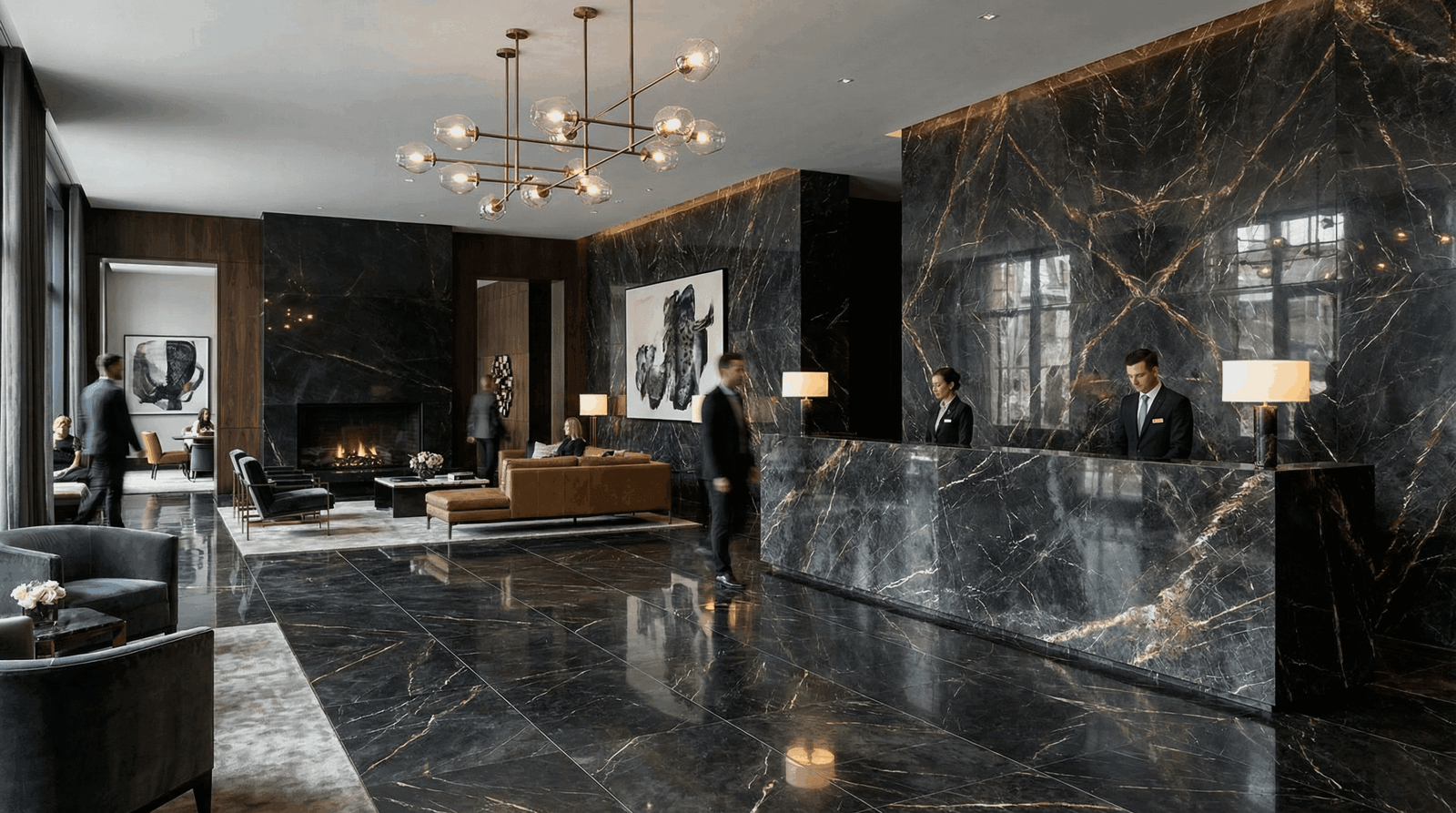
Marble has become a substitute for judgment. Volume a substitute for atmosphere.
The five star system measures what can be counted. Square metres, outlets, amenities, staffing ratios. It cannot measure ease. It cannot assess whether a hotel removes friction or adds to it. It cannot distinguish between service that is attentive and service that is merely present.
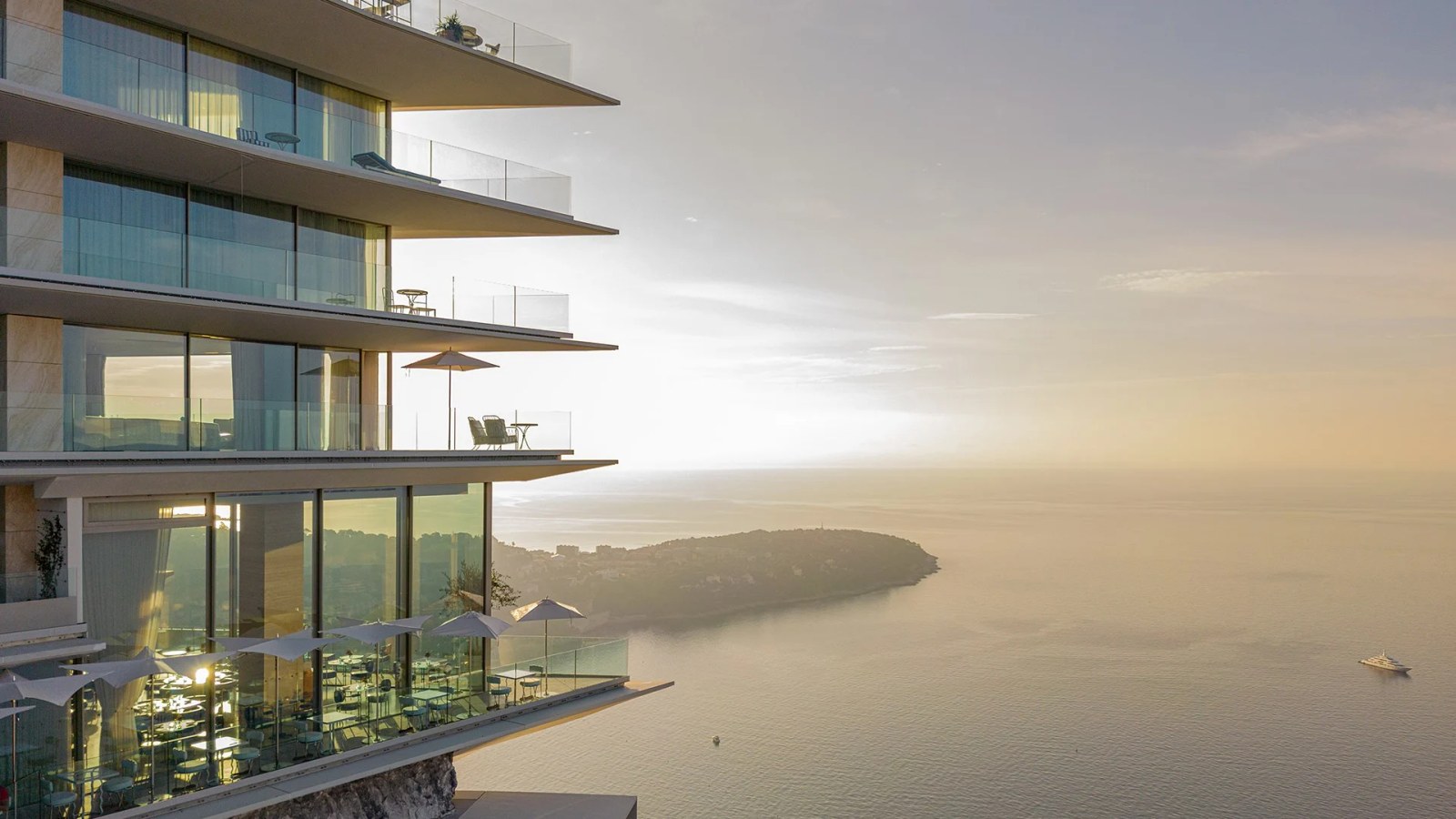
Good hospitality is rarely loud. It lives in anticipation, not performance. In rooms that make sense when you arrive late and still make sense when you wake early. In staff who understand timing, discretion, and proportion. None of this appears on a checklist. Some hotels understand this intuitively, The Maybourne Riviera among them.
It is also worth acknowledging the structural incentives that keep this system alive. In many cities, tourism taxes and regulatory frameworks are directly tied to star ratings. Higher classification often means higher tax yield. Municipalities benefit from more five star hotels on paper, regardless of whether the experience justifies the label. Inflation becomes convenient. Precision does not.
The rating drifts further from lived reality.
This is why a well run four star hotel can outperform a poorly run five with embarrassing ease. And why an unrated chalet, owned and operated by someone with taste and patience, can surpass them both. No classification, no lobby theatre, just an environment designed to hold you properly. Warmth, light, silence, flow. The conditions for memory.

Booking platforms have eagerly exploited this bluntness. Mass-market operators, built around urgency and star ratings, reduce complex hospitality into numbers and prompts. Lastminute.com is a particularly clear example.
Context disappears. Service culture, management quality, recent decline or renewal, all flattened in the service of speed.
The result is a transactional approach to travel that mistakes speed for intelligence. When something goes wrong, as it often does, responsibility diffuses. The guest is left navigating policies rather than being looked after.
Five stars are not the enemy. Nor are fine rooms, or even spectacle, when used with restraint. The problem is scale and span. A category that has grown too wide to be trusted, yet remains powerful enough to shape behaviour, pricing, and perception.
What travellers actually remember has very little to do with ratings. They remember how a place made them feel. How easily things worked. Whether the hotel faded gently into the background of their time away, allowing moments to form without interruption.
Atmosphere. Service. Friction removed.
Until the industry finds a way to value those things with more honesty, the five star rating will remain what it has quietly become. A symbol that promises clarity, and delivers very little of it.
Read more about travel experiences here.