There is a small city in Switzerland that sits above a lake and below the Jura mountains, Neuchâtel. Abraham-Louis Breguet was born there in 1747. He left as a teenager, moved to Paris, and eventually bent the arc of mechanical horology so far in his direction that the craft has never fully straightened.
He invented the tourbillon, the self-winding watch, the world's first wristwatch. His clientele included royal families, Napoleon, Marie-Antoinette and many more. When Breguet passed away in 1823, the art of timekeeping was irreversibly his.
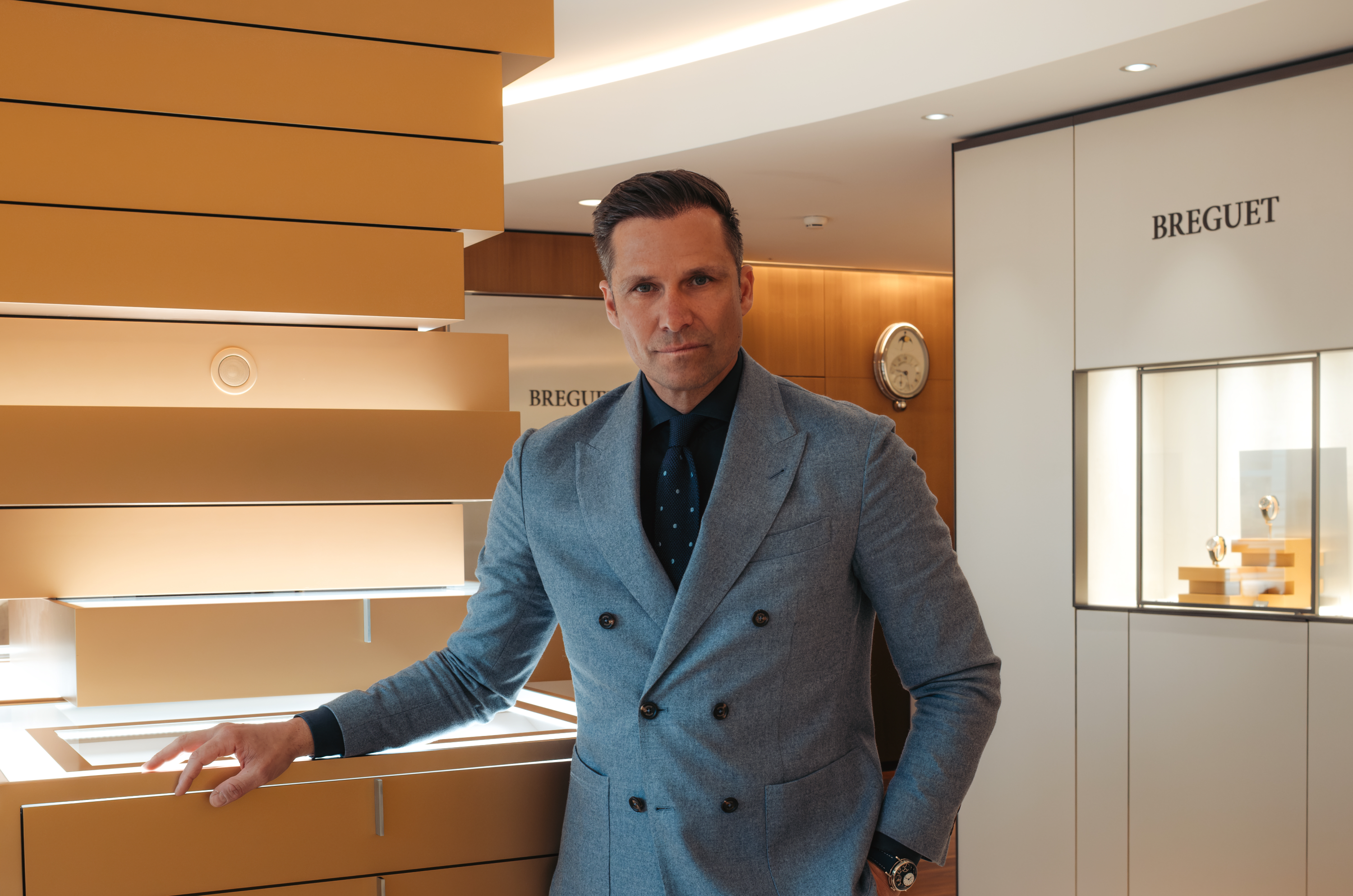
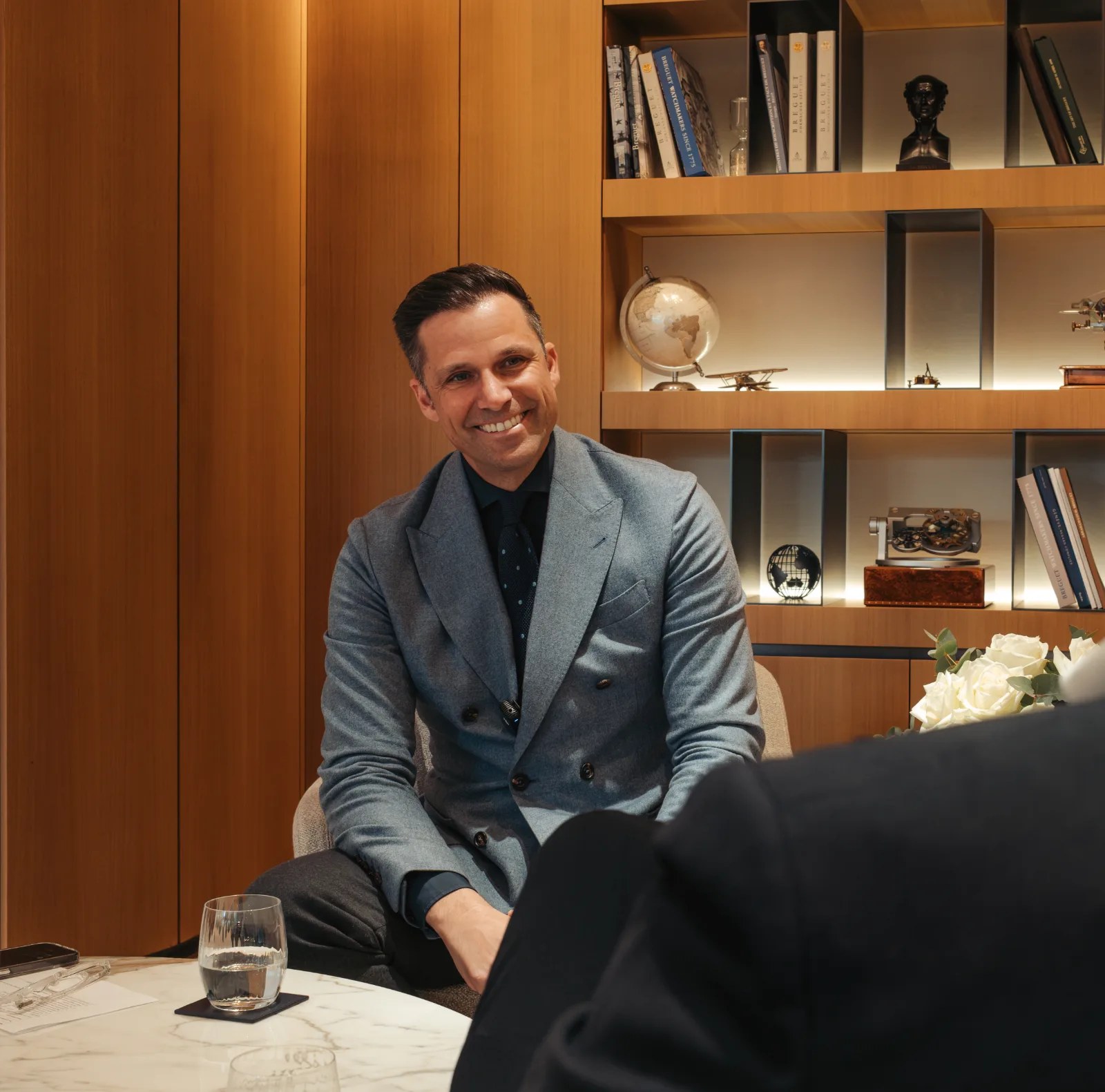
Two hundred and fifty-one years after he opened his workshop on the Île de la Cité, another man from Neuchâtel sits in the same position. Gregory Kissling was born there in 1976, the same year Breguet moved its production from Paris to the Vallée de Joux. "It is not the only common point,” Kissling said, and smiled.
He studied engineering in Le Locle, the same valley where Abraham-Louis spent two years in exile during the French Revolution and, in that concentrated time, conceived the subscription watch, the sympathetic clock, and the tourbillon.
Kissling began his professional career as a movement constructor at Cartier, and spent twenty years at Omega. "When you know about the mechanics and what is inside the watch, it is more easy to understand the different functions. Knowing the heart, the engine of the watch, is what makes the beauty, the art of watchmaking."
In October 2024, Mr. Hayek appointed him CEO of Breguet, and before anything else, gave him one piece of advice. "The first thing you have to do when you enter this beautiful brand," Kissling recalled, "is open the drawers."
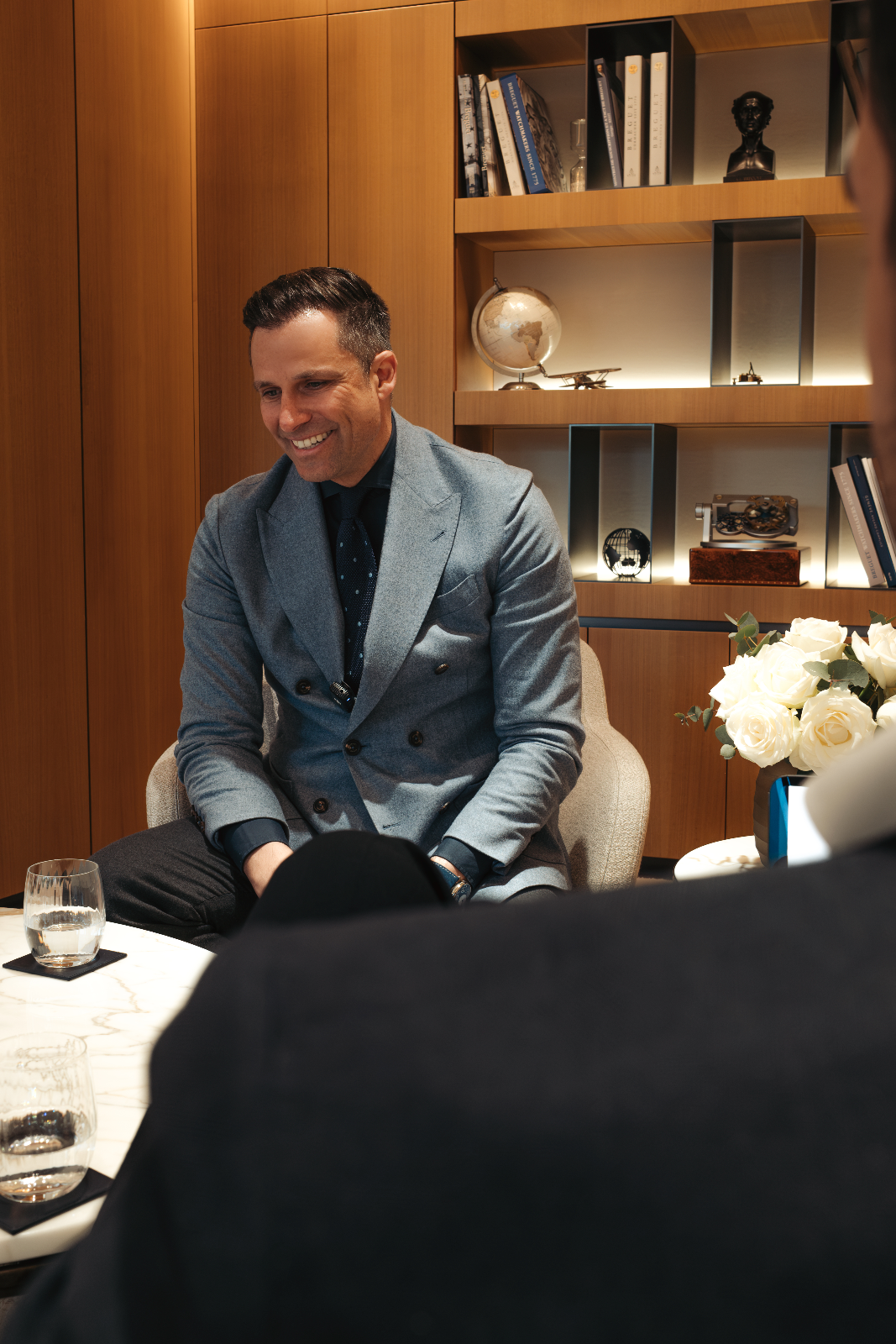
So he did. The R&D department first, where he found a magnetic escapement with more than ten years of research behind it. "When I discovered that beautiful mechanism, we decided to introduce it into a new product." Then the patrimony: nearly 200 antique timepieces, production books going back to Paris, Emmanuel Breguet running the archive. "I was looking to understand these pieces, not only from the exterior, but also from the inside." A completely verticalized manufacture, craftspeople whose families have worked the Vallée de Joux for generations. "Not only the guilloché, but also the beveling, the engraving, the enameling. We really master every level of the movement."
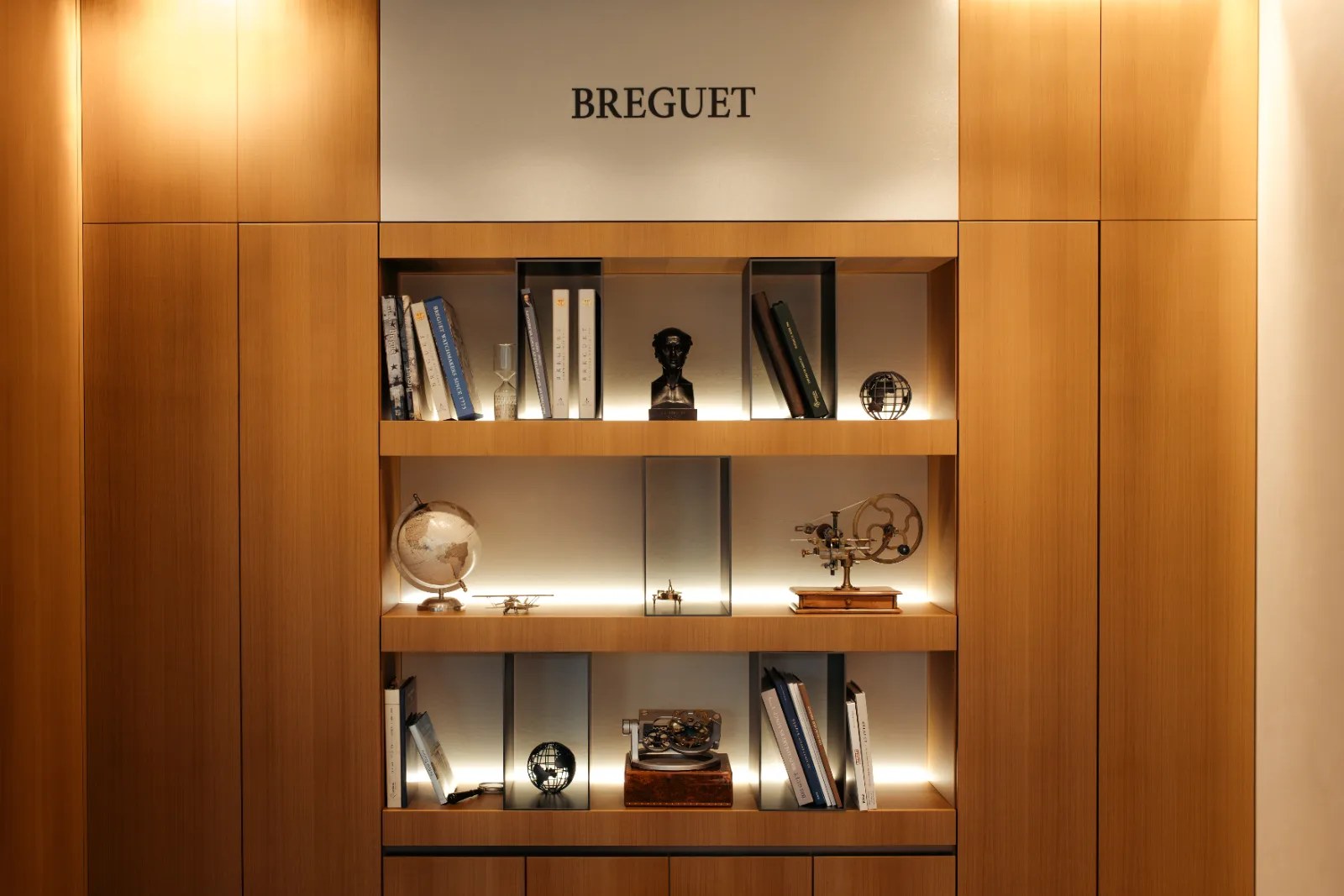
One of the central references he brought with him was The Art of Breguet by George Daniels, still the definitive technical study of the founder's work. Kissling had met Daniels many times during his Omega years. Now he runs the house Daniels spent a lifetime studying. "This book is on my pile of coffee table books, but it is on the top. It is not below. Every weekend I open that book because The Art of Breguet is definitely the Bible of the brand. He analyzed the different types of escapement and the mechanics. It is not only about the timepieces. It is about what is inside."
The design influence runs just as deep. "When you look at the George Daniels collection, you recognize the inspiration for dial hour markers, hands and so on."
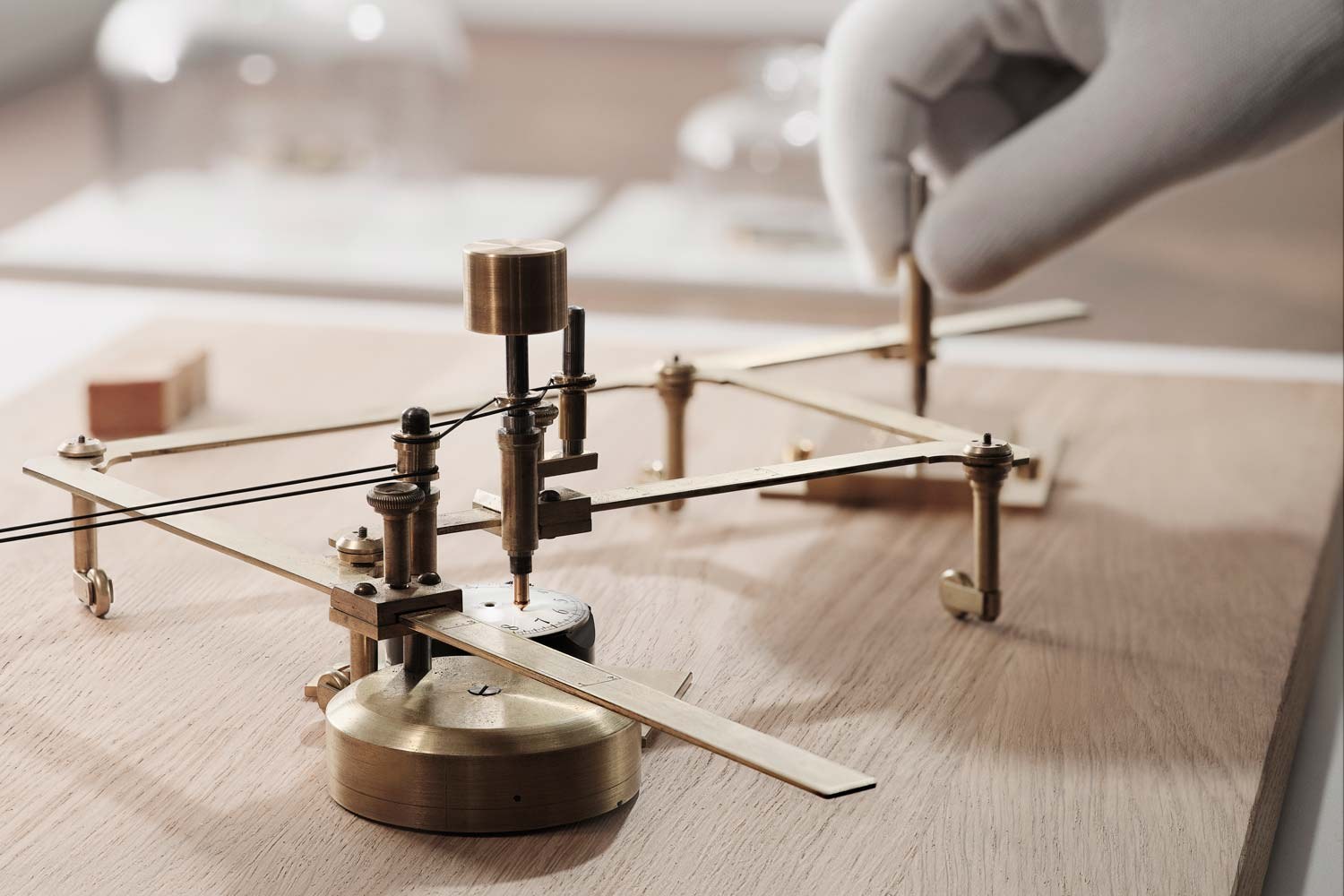
The connection is physical too. Abraham-Louis used a diamond-tipped pantograph to press his secret signature into each dial, nearly invisible, a mark against the counterfeiters bold enough to copy his name. That pantograph eventually came to rest in Daniels' collection. When his estate was auctioned, Breguet bought it back. Every Souscription dial leaving the manufacture today carries a signature pressed with that same machine.
"There is still today a strong connection between George Daniels and Breguet," Kissling said. "It is a legacy in motion." The inheritance runs in circles. The instrument that passed through Daniels' hands is still cutting the name of its first owner into enamel.
And during the 250th anniversary auction at Sotheby's, a pre-co-axial escapement configuration was discovered inside an antique tact watch. Kissling lit up telling it. "Funny fact, we actually discovered inside a tact watch a kind of pre-co-axial escapement. So actually the co-axial escapement came from Breguet." The mechanism Daniels dedicated his life to refining had its roots in the very house Kissling now leads.
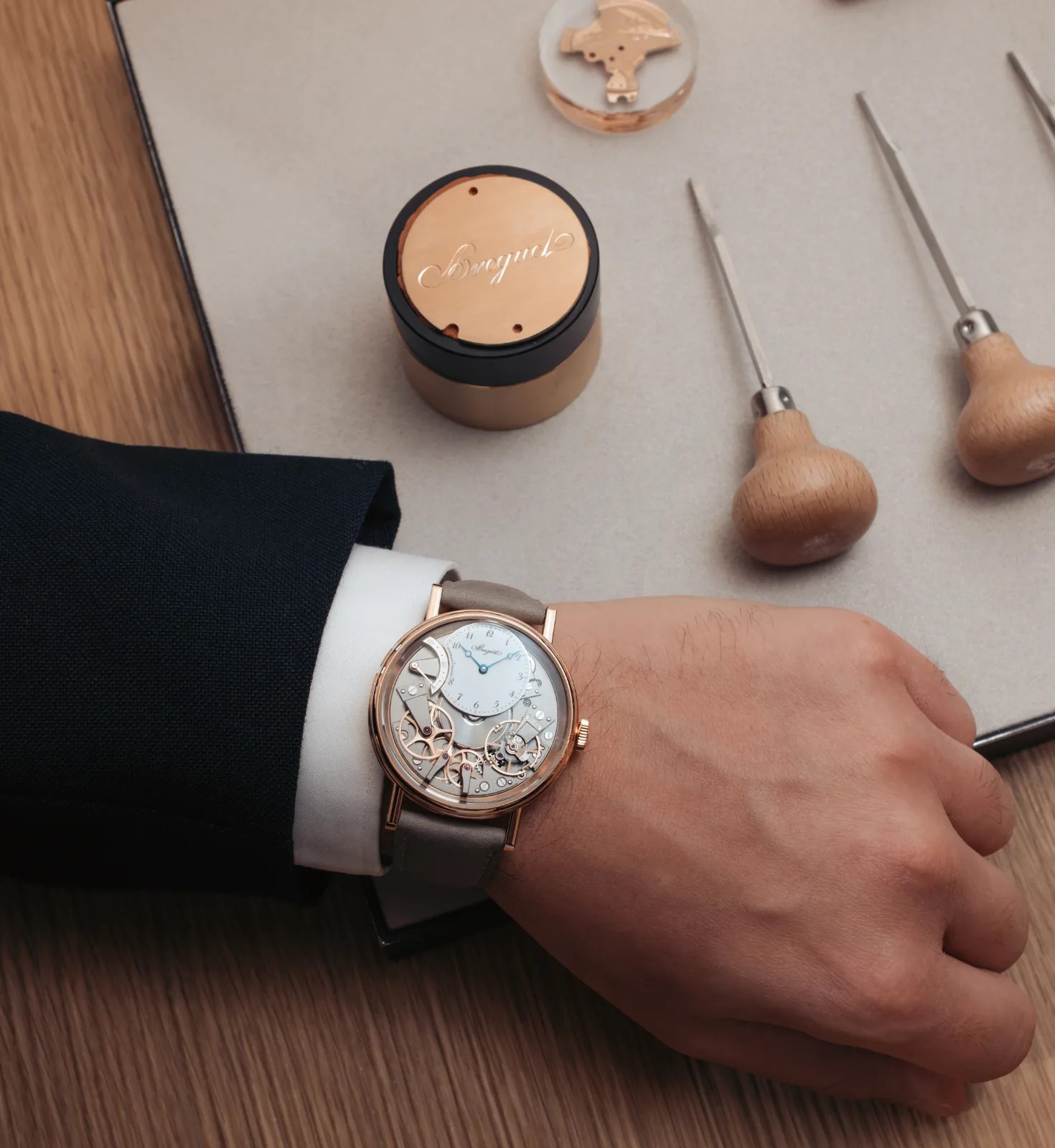
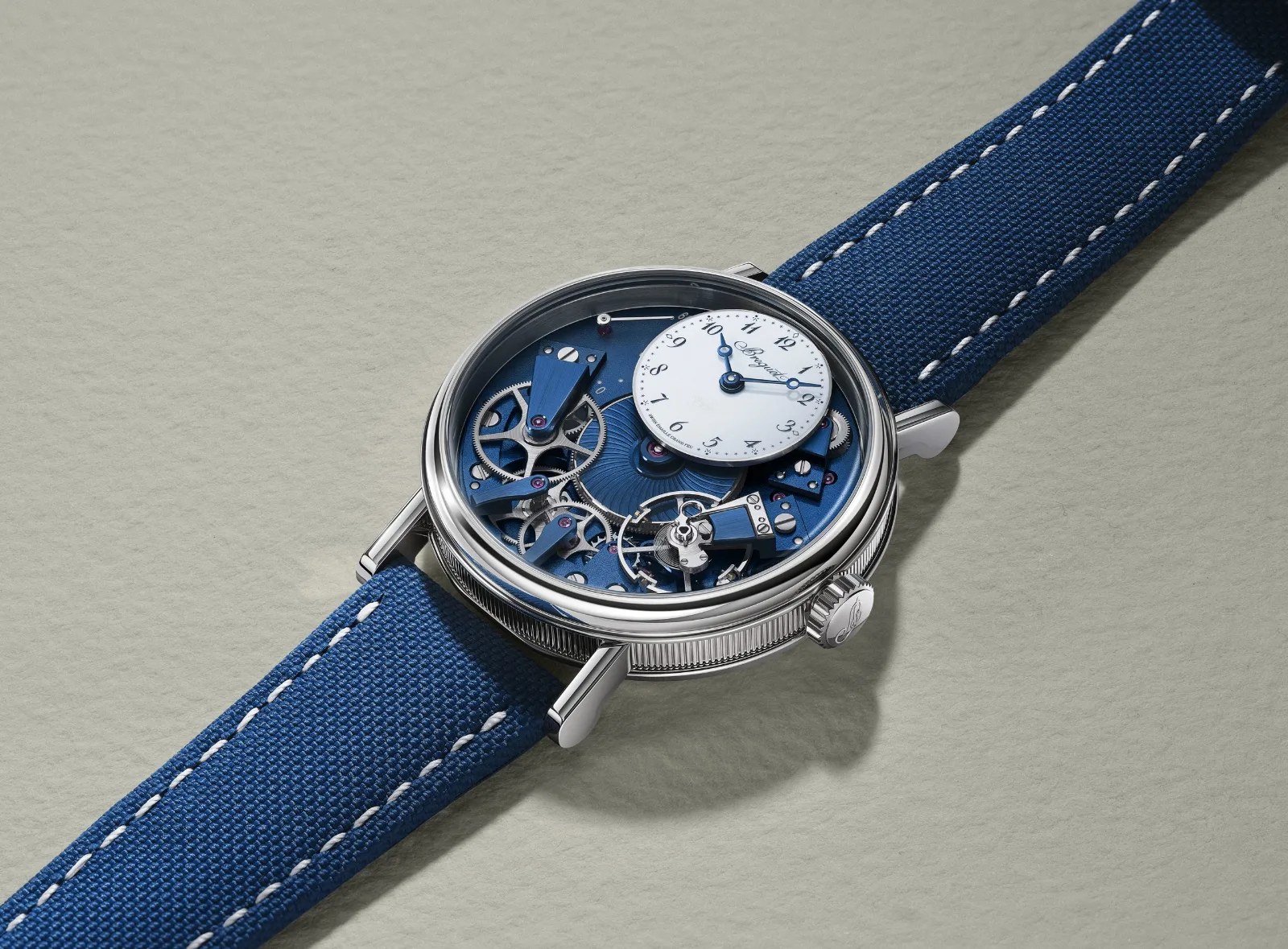
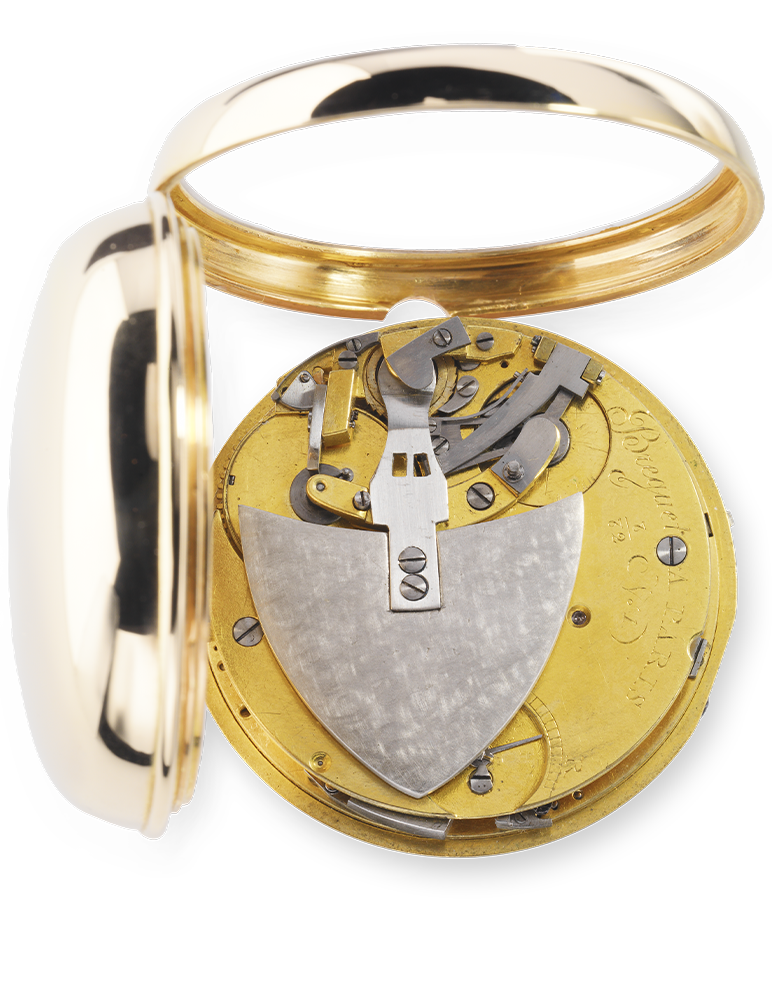
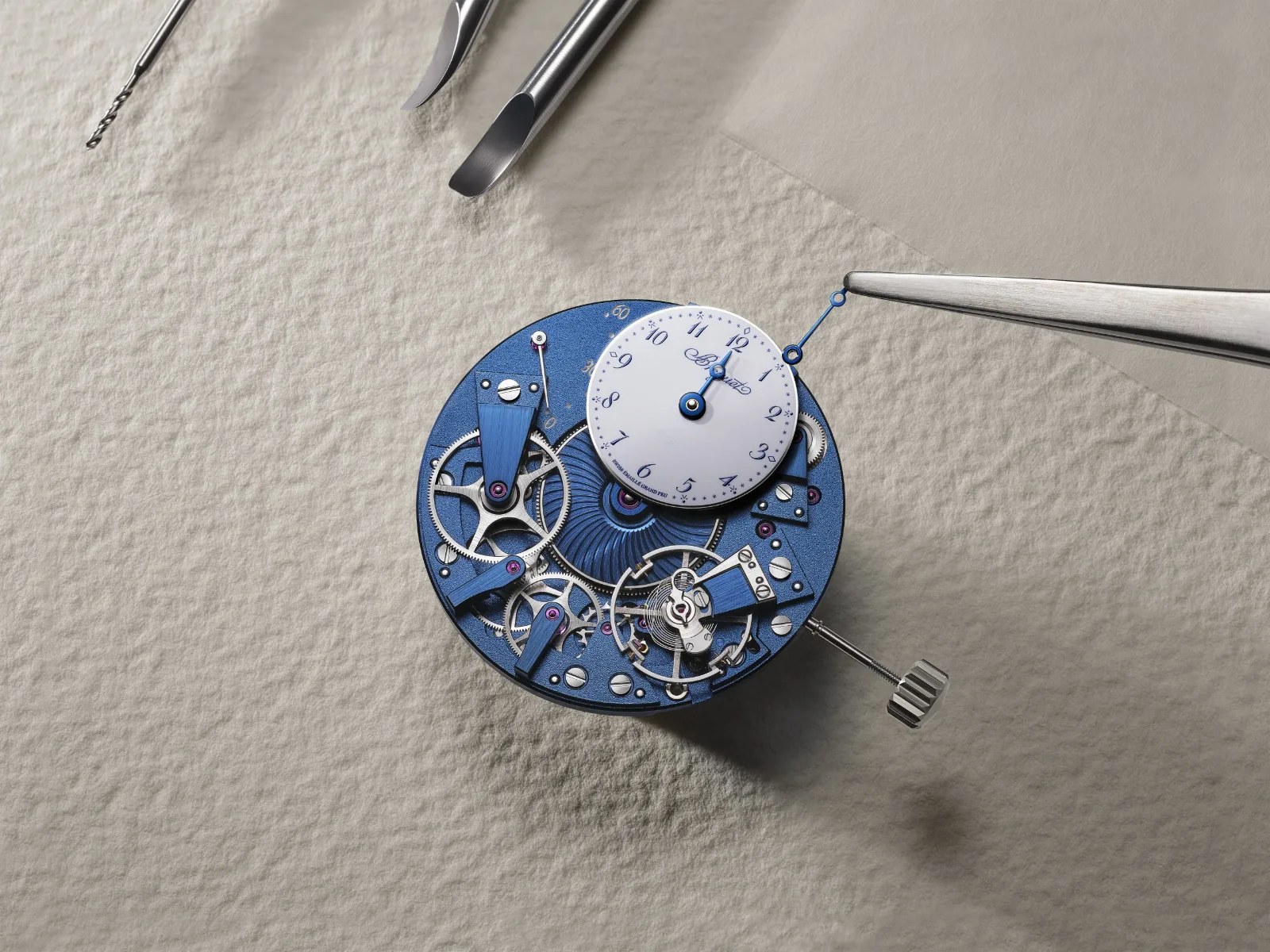
The Tradition collection, launched in 2005, traces back to a watch Abraham-Louis built in 1799 called the Tact, designed so time could be read by touch without removing it from the pocket. The Tradition brought that same movement architecture to the wrist, exposing it entirely. Gear trains, bridges, barrel covers sit in plain view. The mechanics become the face. "It is not only about reading the time. It is about having a beautiful view on the gears, the mechanics of the movement. It is really also admiring a piece of art."
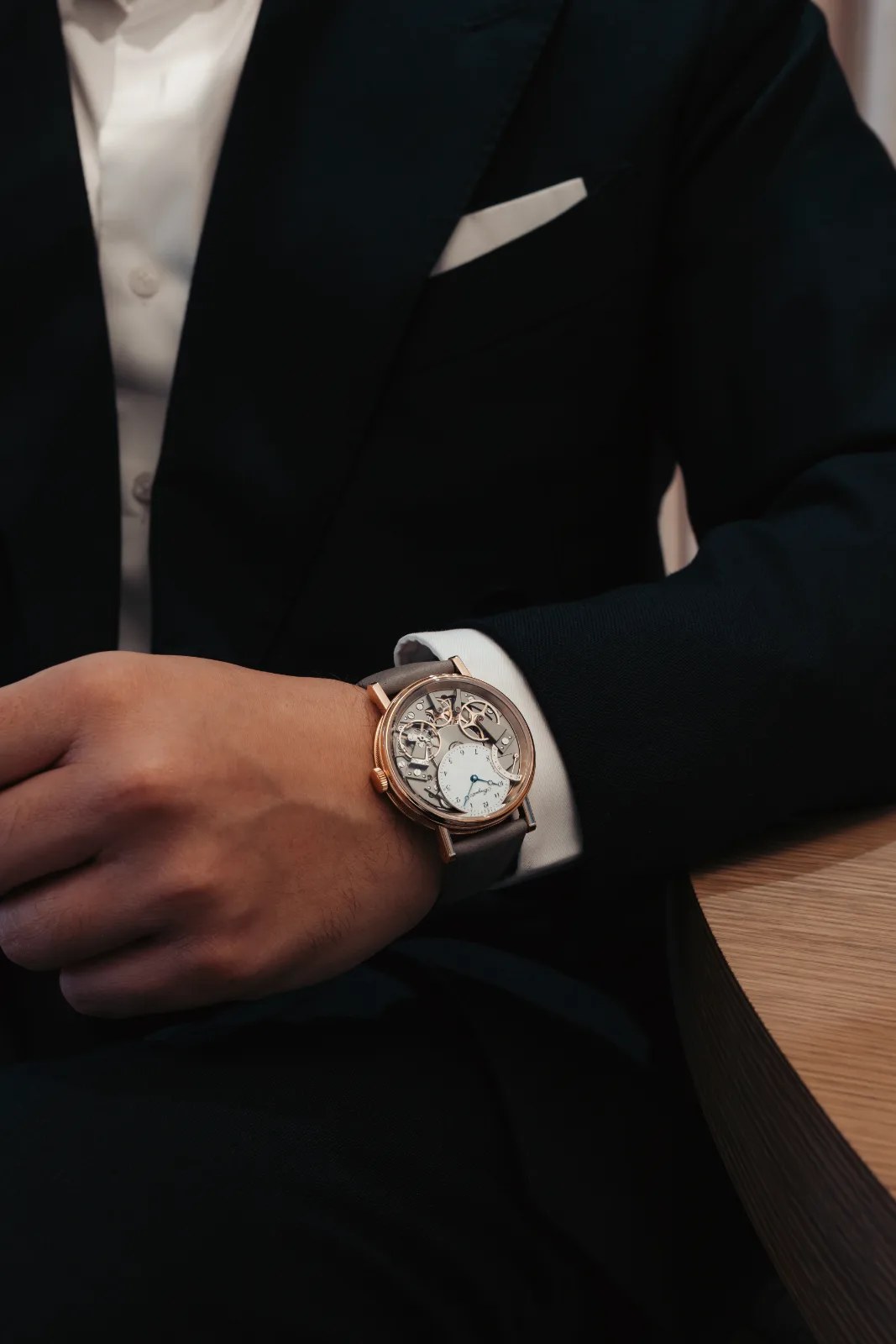
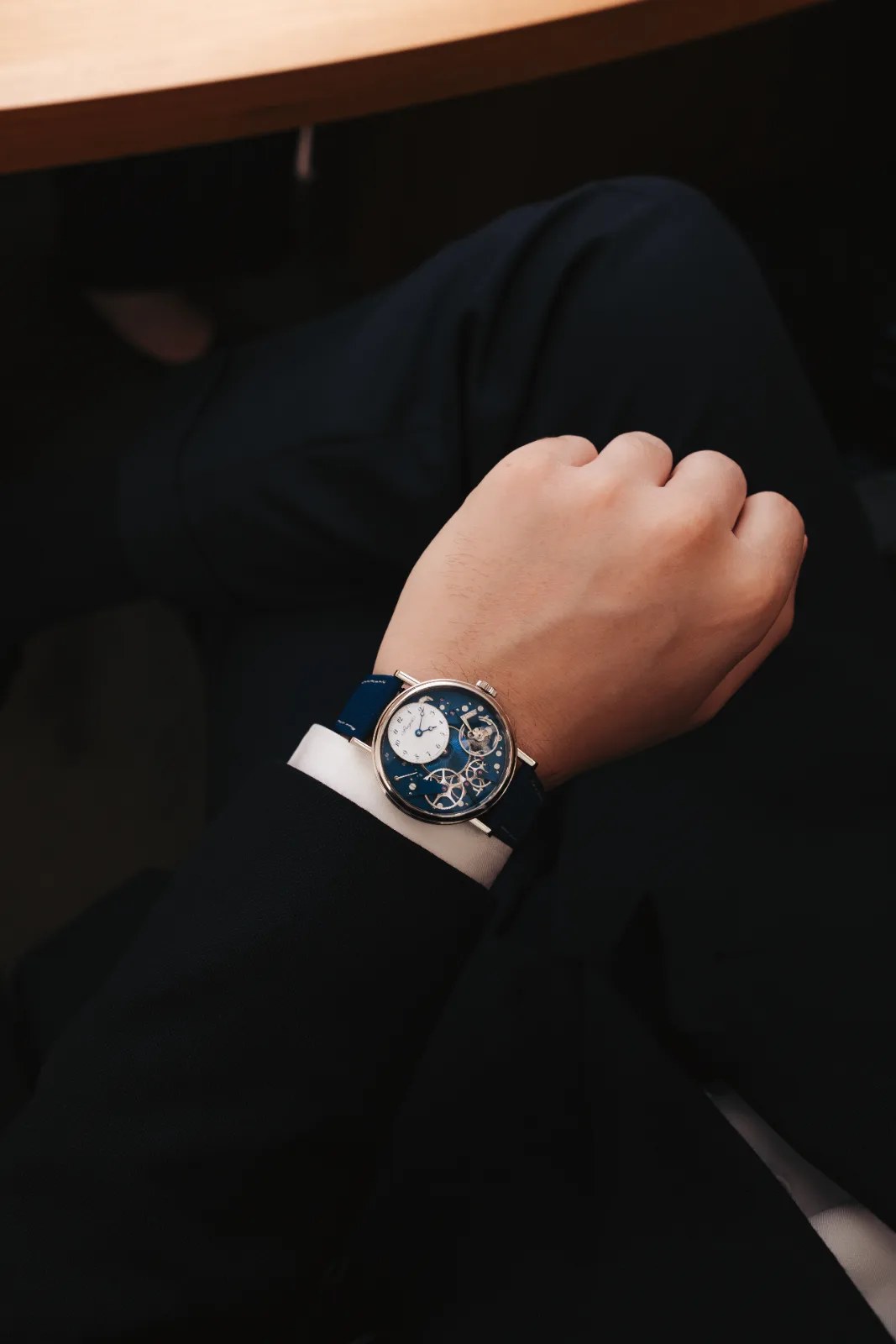
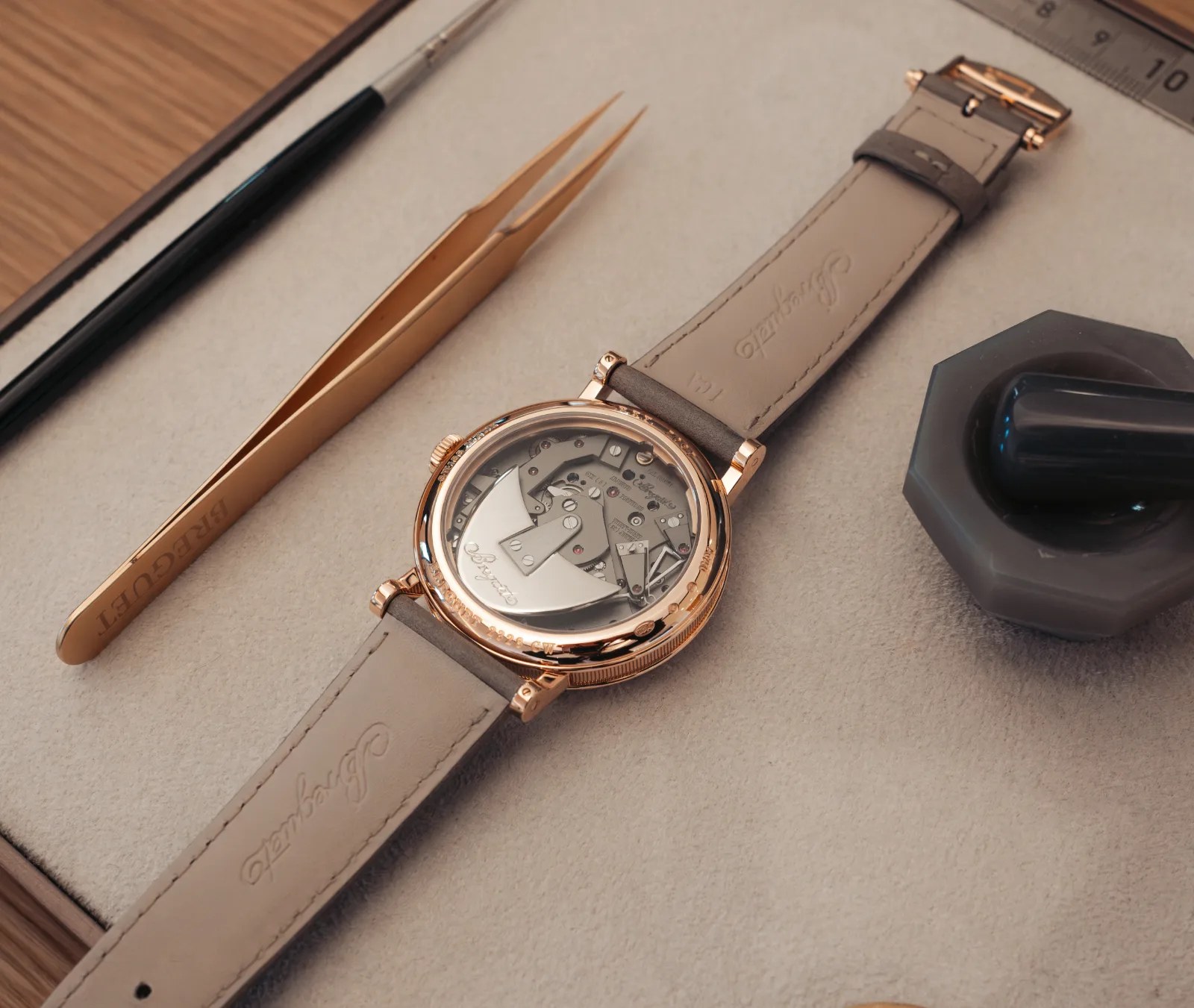
This year Kissling refreshed it with grand feu enamel dials, handmade guillochéd barrel covers, and a vivid blue on the bridges and main plates through Atomic Layer Deposition. The oscillating weight is platinum, the same choice Abraham-Louis made in 1780 when he built the first Perpétuelle, searching for density, for a material heavy enough to wind itself from the wearer's movement. "Every component has its own place, and at the end, everything is completely balanced."
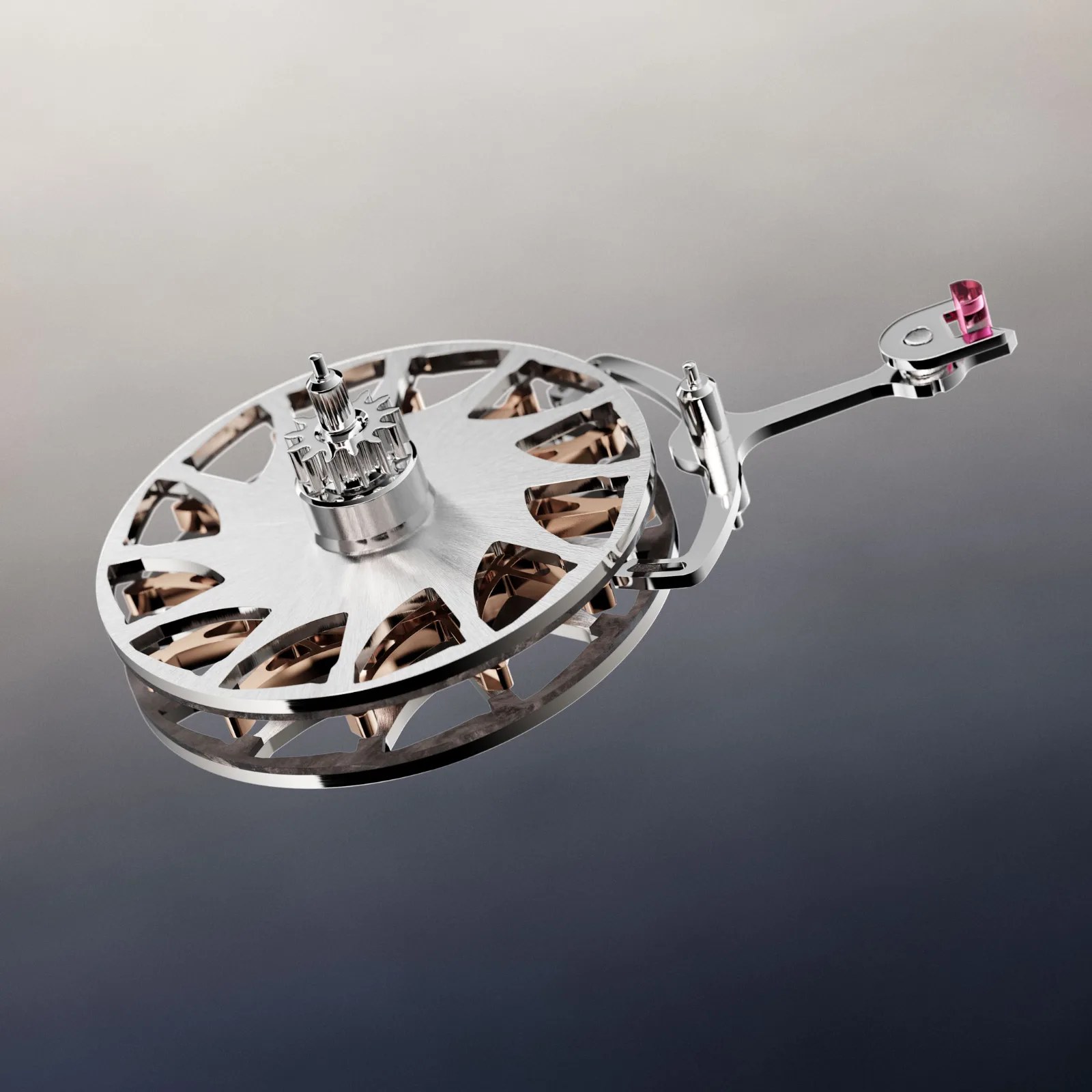
The magnetic escapement from the drawer became the Expérimentale 1, a constant-force mechanism delivering stable energy across the full power reserve, running at 10 Hz, achieving Breguet's own Scientific certification of plus or minus one second per day. "It is not only about being precise when the watch is new. It is also being precise after many years." The Pointon Breguet, introduced alongside it, uses the same three precision categories Abraham-Louis himself used: scientific, civilian, and evening.
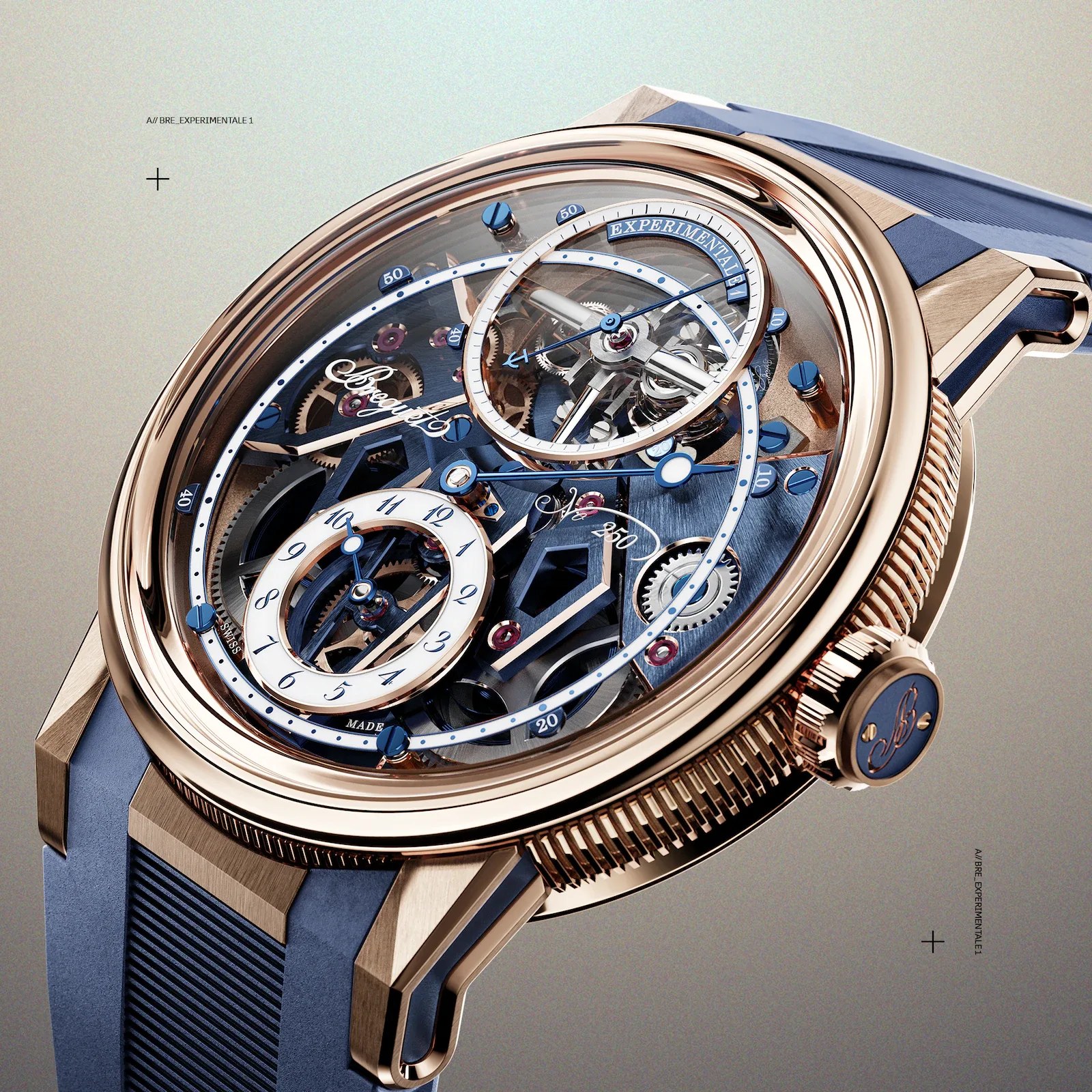
The founder's vocabulary applied to movements he never imagined. The paradox at the centre is that Breguet has spent years pursuing magnetism from both directions, increasing resistance to it externally while harnessing it internally. "Most watchmakers refuse the magnetic field because it will affect the precision of the watch. At Breguet, we decided to tame the magnetism." He smiled. "In the watch industry, we are always at the cutting edge."
Kissling runs. Marathons, Ironman distances, 100-kilometre races. "During a 100K, you have up and down, and it is like in life. You have technical challenges, different types of challenges. But if you have a clear goal, a cap, the good direction, and you know you can cross this bad moment, at the end you will reach your destination." The 250th anniversary year demanded exactly that. "It was like putting all the links together, like the fusée chain tourbillon. And it works from the first time."
Other brands carry Breguet's name in their own product specifications. Breguet numerals. Breguet hands. Breguet spiral. Not attributions, the names of the components themselves. "Breguet is the only brand named by other brands. He is the father of modern watchmaking, of modern horology."
Kissling feels the weight of that. Not as pressure, but as direction. "Breguet is a legacy in motion. The idea is to perpetuate the spirit of our founder. One invention at a time. It is not over." He rotates his watches, moving between the Souscription and the newer pieces, wearing them to understand what comes next. "It is important to feel the watch, not only to see it. You can really think about what is next."
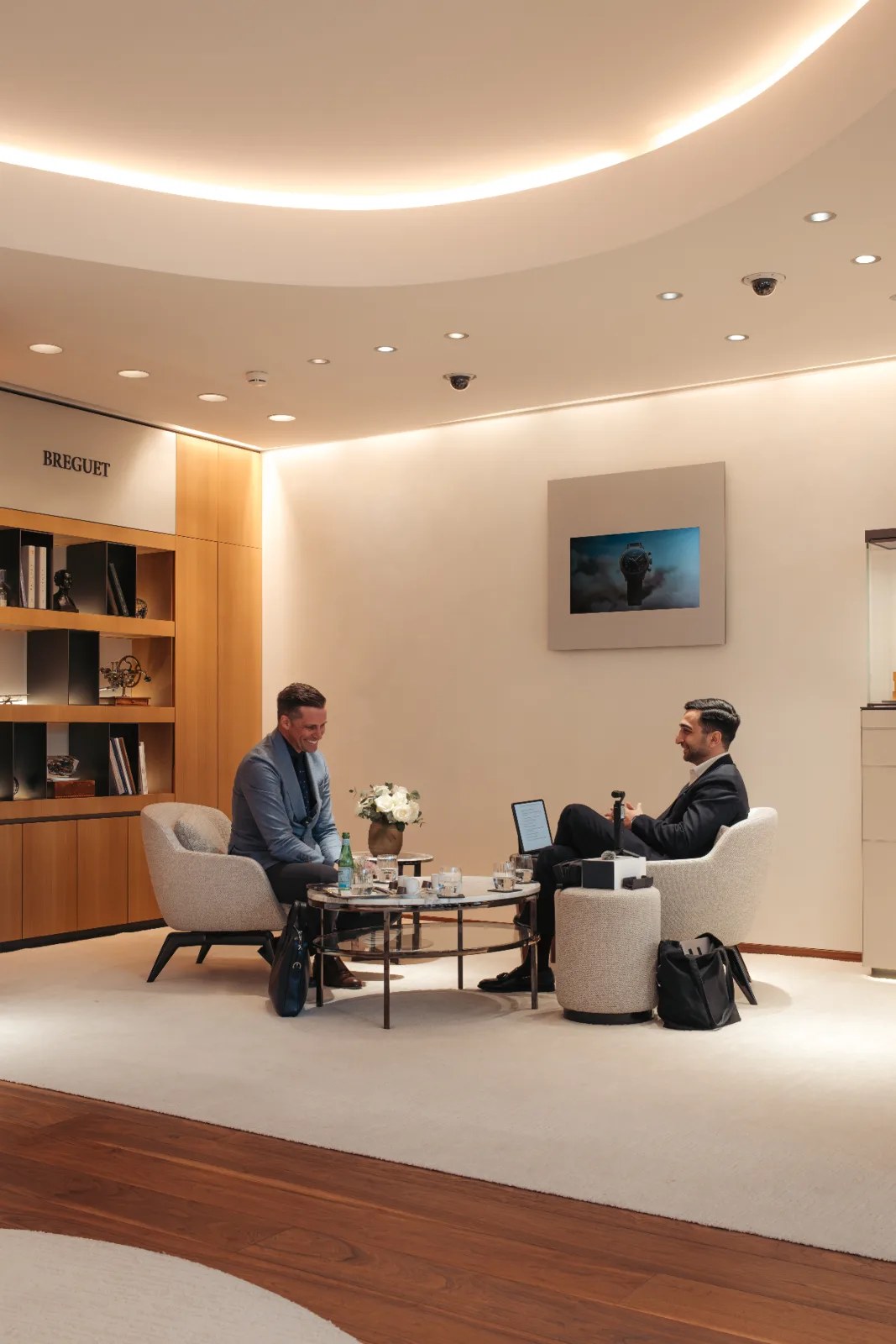
Near the end of our conversation, I told him: it feels like the stars aligned. Neuchâtel. Le Locle. The pantograph. The drawers. The anniversary. He laughed and agreed, genuinely.
But what struck me leaving Geneva was something different.
Here is a man who carries one of the most important heritage brands in the world, who knows its history better than almost anyone alive, and who is not the least bit interested in stopping there. The reverence is real. So is the restlessness. He opens the drawers not to admire what is inside, but to understand what comes next. He talks about the Expérimentale 1 the way Abraham-Louis must have talked about the tourbillon: not as an achievement, but as a beginning.
Breguet has made watches continuously since 1775. Each generation inherited a house shaped by the one before it, the founder's inventions, the family name, the craftspeople in the valley, the drawers full of things waiting to be found.
One invention at a time.