Few names in automotive history carry the cultural weight of Bertone. For over a century, the Turin-based design house shaped how the world understands proportion, tension, and sculptural purity – not through excess, but through clarity.
With the unveiling of the new Runabout, Bertone returns to one of its most radical ideas, originally conceived in 1969. But this is not nostalgia dressed as novelty. Instead, the 2026 Runabout is a disciplined reinterpretation of a philosophy that feels increasingly rare: freedom through reduction.
A Concept Born From Optimism
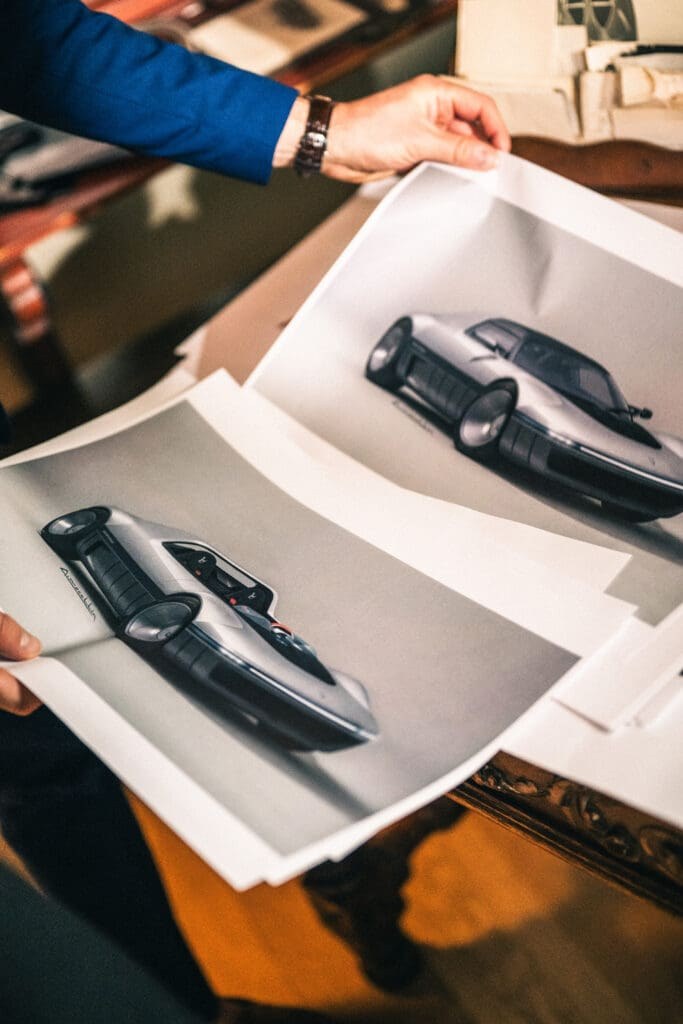
The original Runabout emerged at the end of the 1960s, during a moment when Italian design embraced experimentation and optimism. Under Nuccio Bertone, the concept rejected convention, celebrating openness, exposed mechanics, and a sculptural honesty that felt closer to nautical design than traditional automotive form.
That spirit remains central to the new Runabout. Rather than replicating historical shapes, Bertone approached the project as a translation of values – simplicity, proportion, and emotional presence, into a contemporary architectural language.
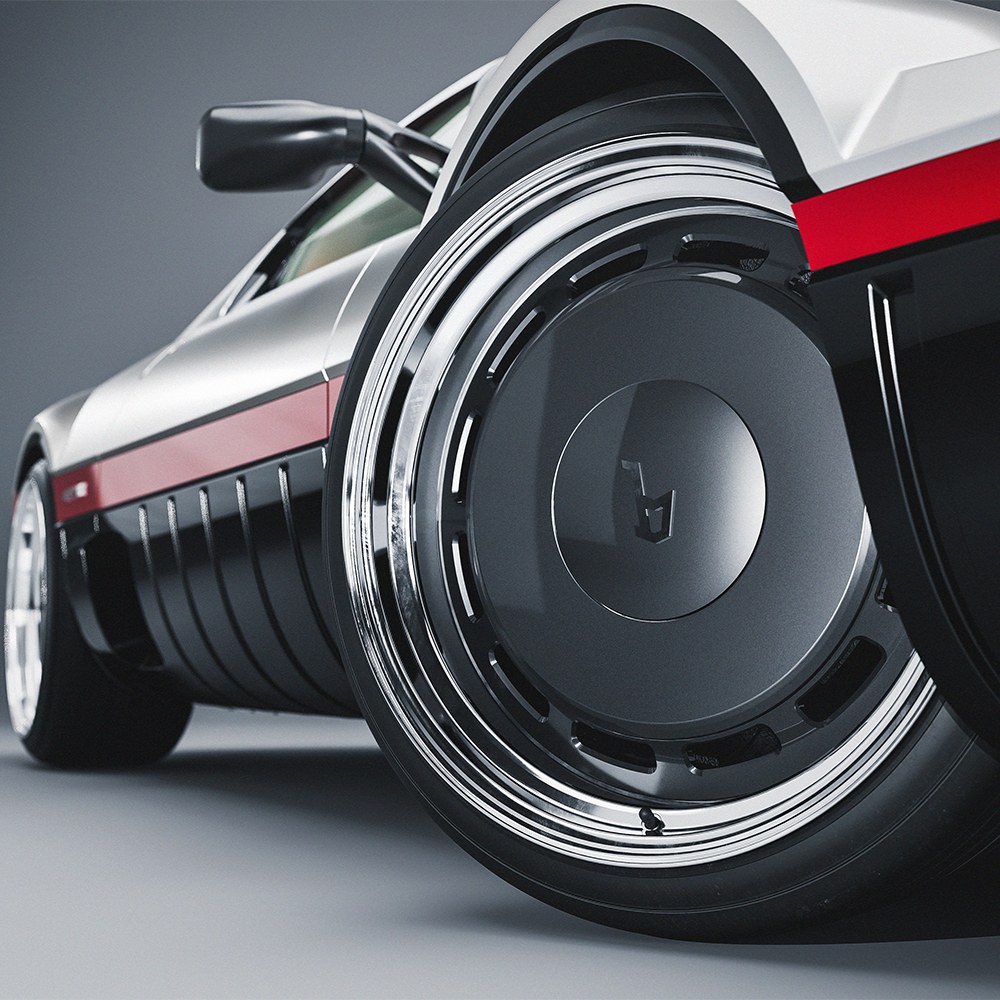
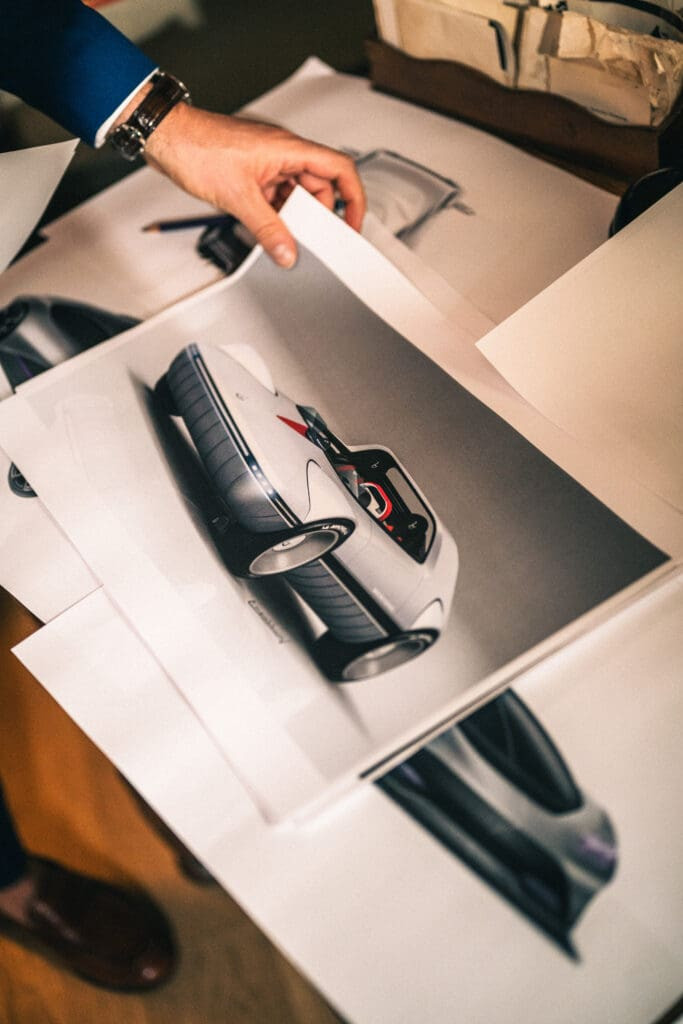
The result is a car defined by two essential gestures: a forward-leaning wedge and a coda tronca tail. Nothing more. Nothing added for effect.
Two Interpretations, One Philosophy
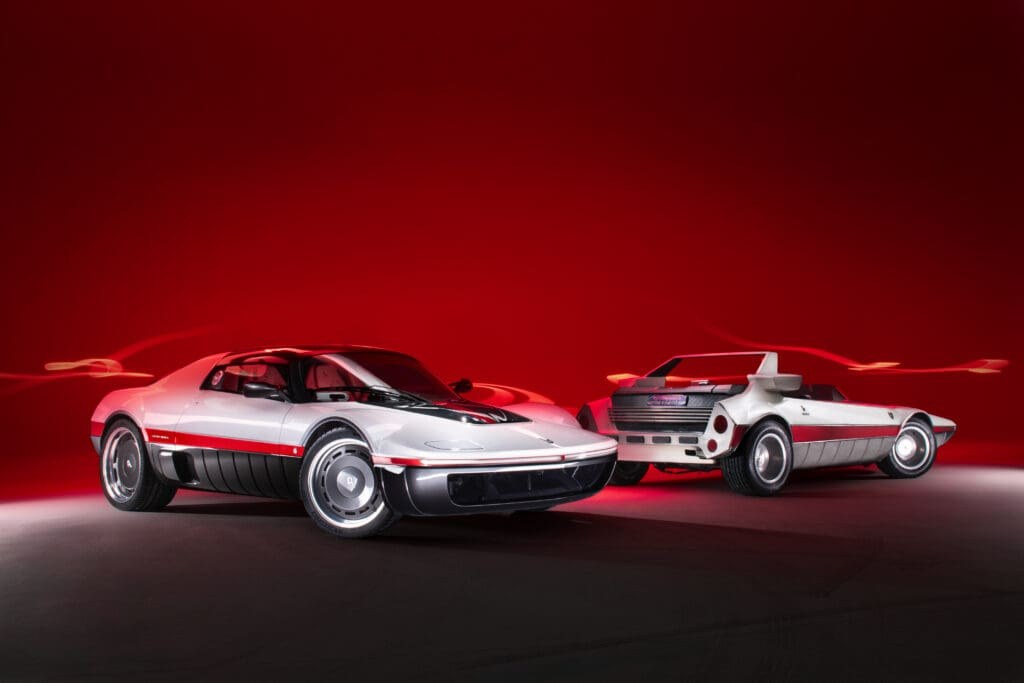
The Runabout is offered in two body styles: Barchetta and Targa. These are not stylistic variations, but two emotional interpretations of the same underlying architecture.
The Barchetta is the purest expression – open, light, and uncompromised. With no roof to interrupt the wedge silhouette, the experience is immediate and immersive, recalling the elemental freedom of the original concept.
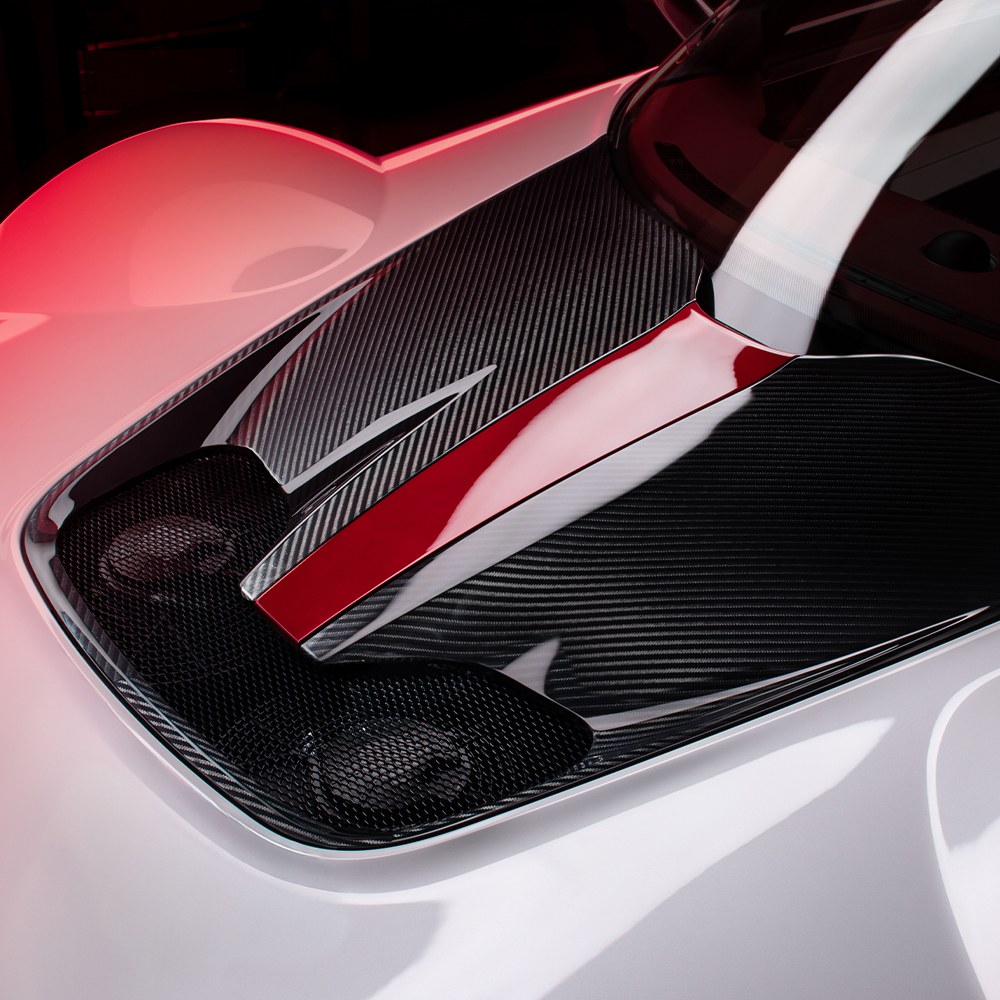
The Targa introduces a removable carbon roof, adding versatility without disturbing the car’s proportions. Structural complexity is handled with restraint, preserving the Runabout’s visual clarity while offering adaptability for different environments.
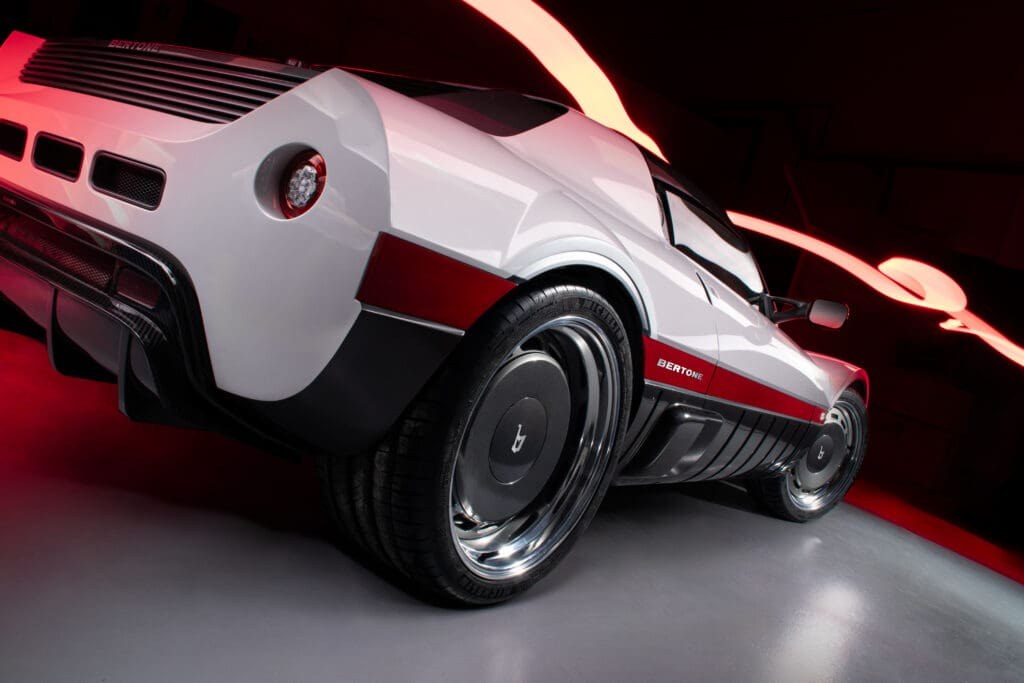
In both versions, proportion remains the guiding principle.
An Interior Designed Like a Hull
Inside, the Runabout feels closer to a sculpted object than a traditional cockpit. Inspired by naval architecture, the cabin is formed as a hull-like tub that places occupants low within the car, reinforcing intimacy with the machine.
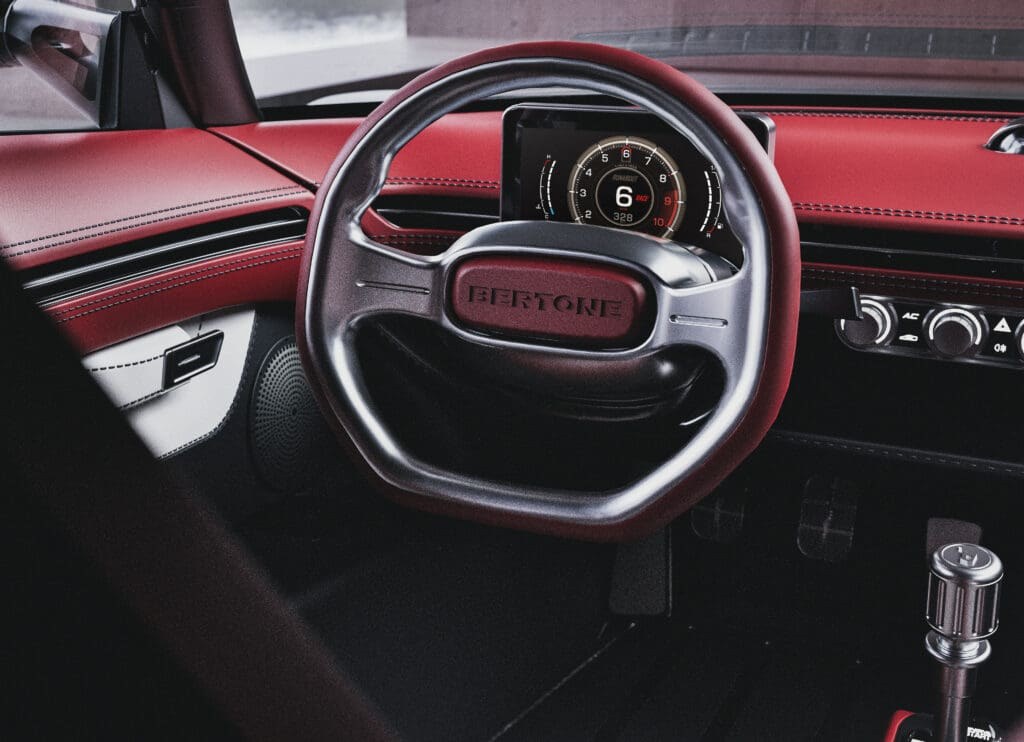
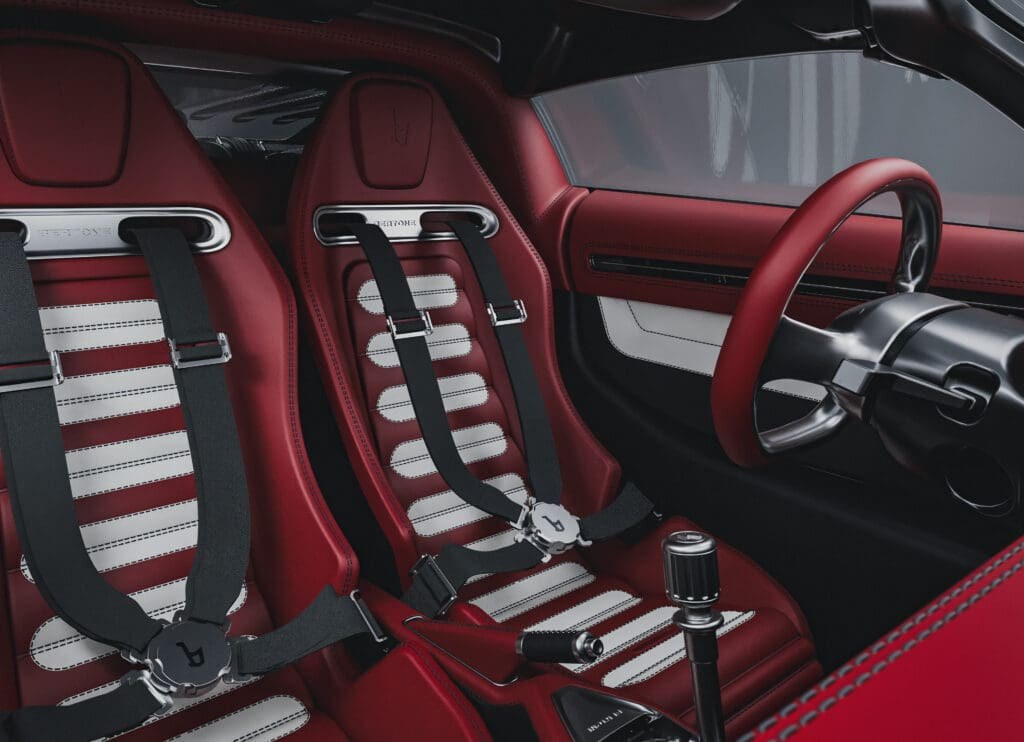
The dashboard is a single horizontal plane, calm and deliberate. A solitary digital tachometer sits in the driver’s line of sight, a modern instrument used sparingly, restoring focus in a world overwhelmed by screens. A nautical compass at the center quietly references the car’s maritime inspiration.
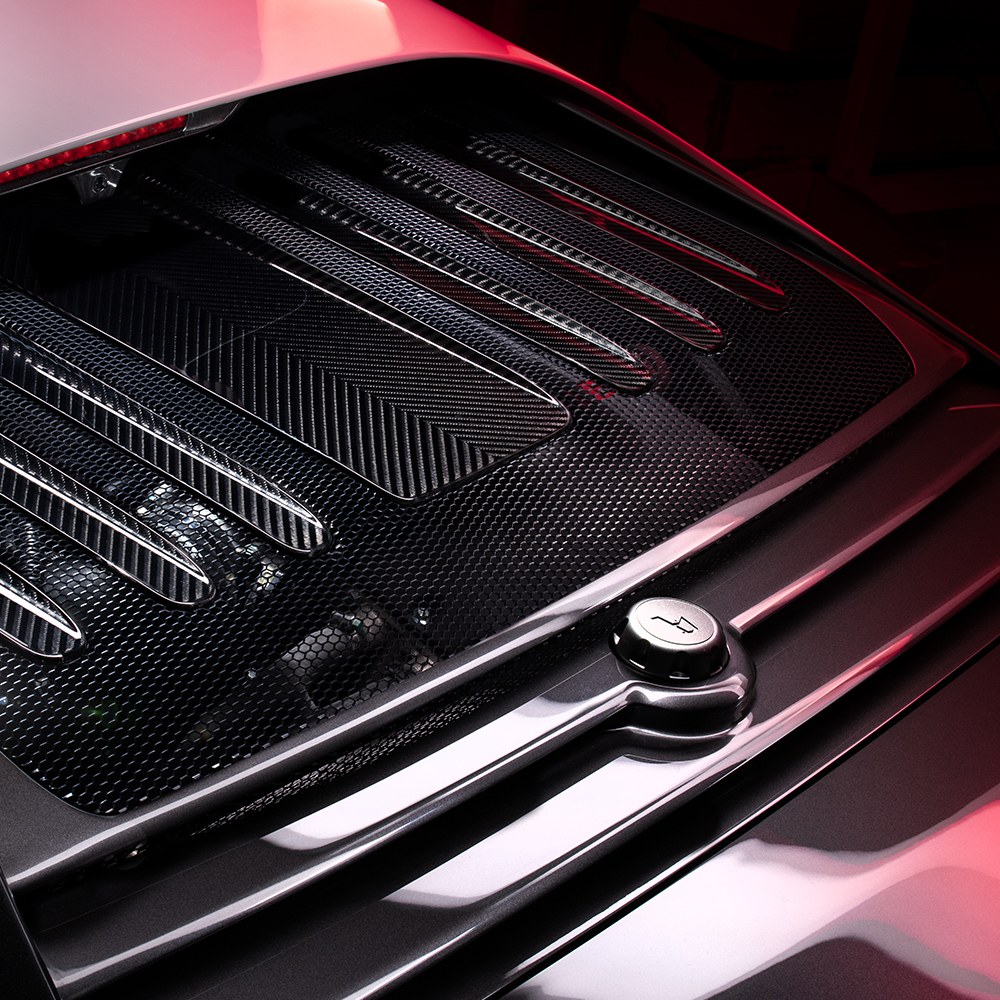
Materials are chosen for tactility rather than decoration: carbon fiber, precision-milled aluminum, exposed mechanics, and hand-finished leather. Luxury here is not visual excess, but execution.
Mechanical Intimacy, Not Performance Theater
At its core, the Runabout is engineered for engagement. A 3.5-liter supercharged V6 delivers 475 horsepower through a six-speed manual gearbox – a deliberate choice in an era dominated by automation.
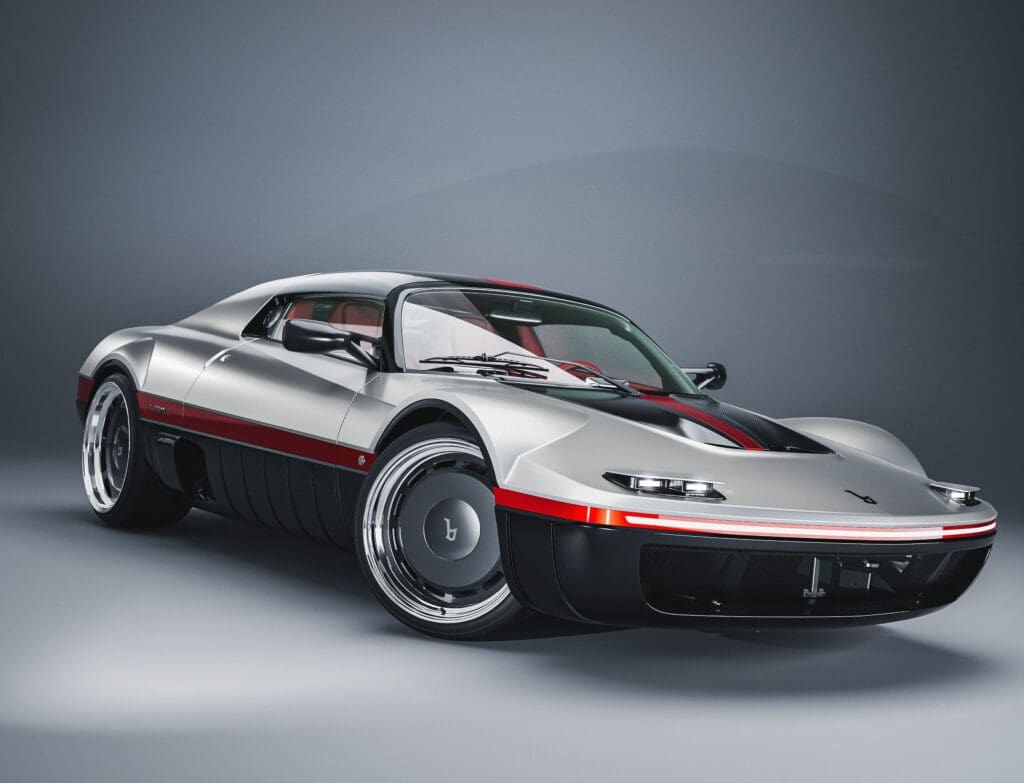
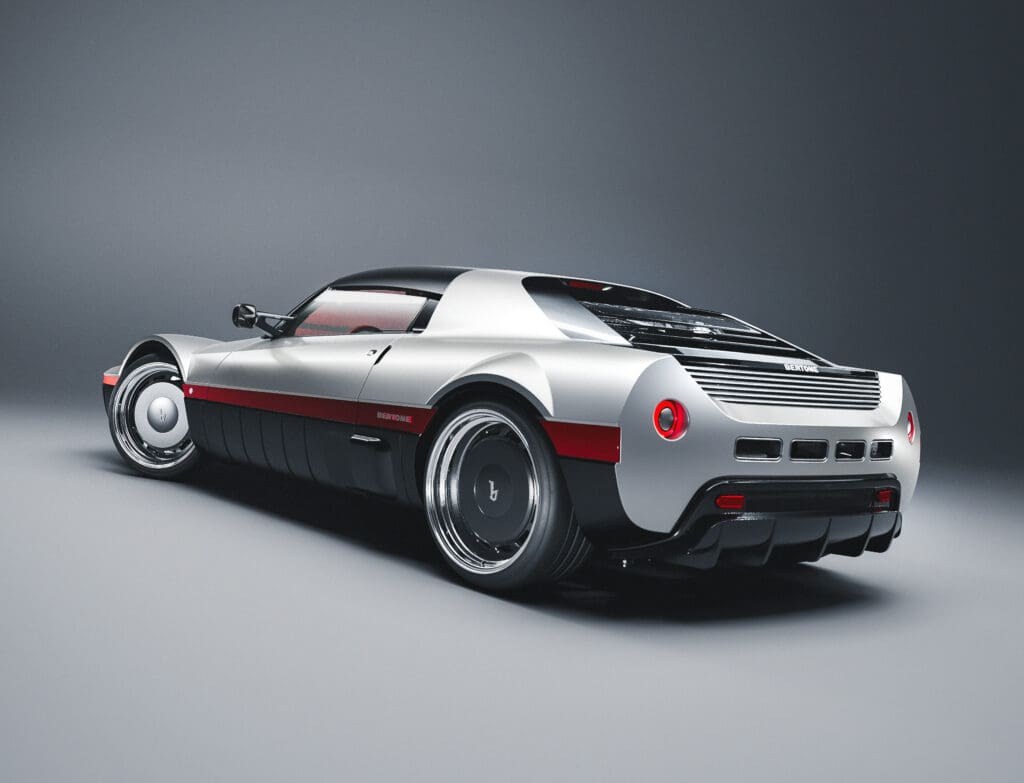
The lightweight aluminum chassis and extensive use of carbon fiber result in a curb weight just over 1,050 kilograms, allowing the car to reach 0–100 km/h in 4.1 seconds. But figures are not the point.
This is a car tuned for feel: gated shifter, exposed components, mechanical sound preserved rather than filtered. Performance as experience, not spectacle.
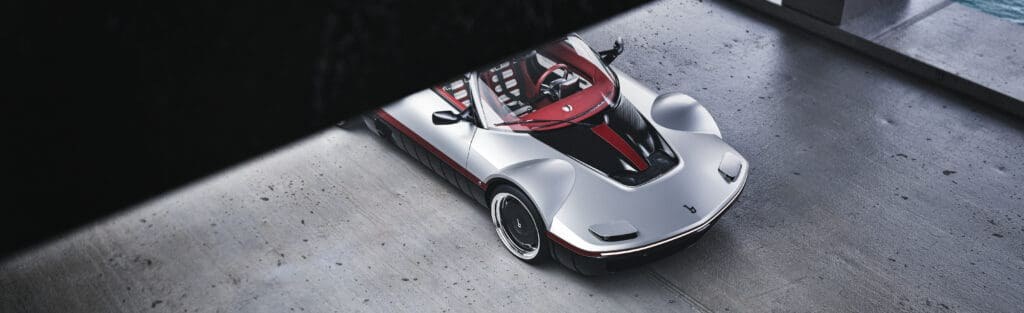
A Limited, Intentional Object
Only 25 examples of the Runabout will be produced, each shaped through a bespoke configuration process at Bertone’s Centro Stile. Clients are invited into a dialogue – selecting materials, finishes, and textures, reinforcing the tradition of Italian coachbuilding as something deeply personal.
Presented alongside the original 1969 Runabout at Rétromobile 2026, the new car creates a direct conversation between past and present. Not a reinvention, but a continuation.
In an age where speed, screens, and excess dominate the conversation, the Bertone Runabout chooses another path.
One defined by restraint.
By proportion.
By presence.
And by the quiet confidence that true design never needs to raise its voice.