
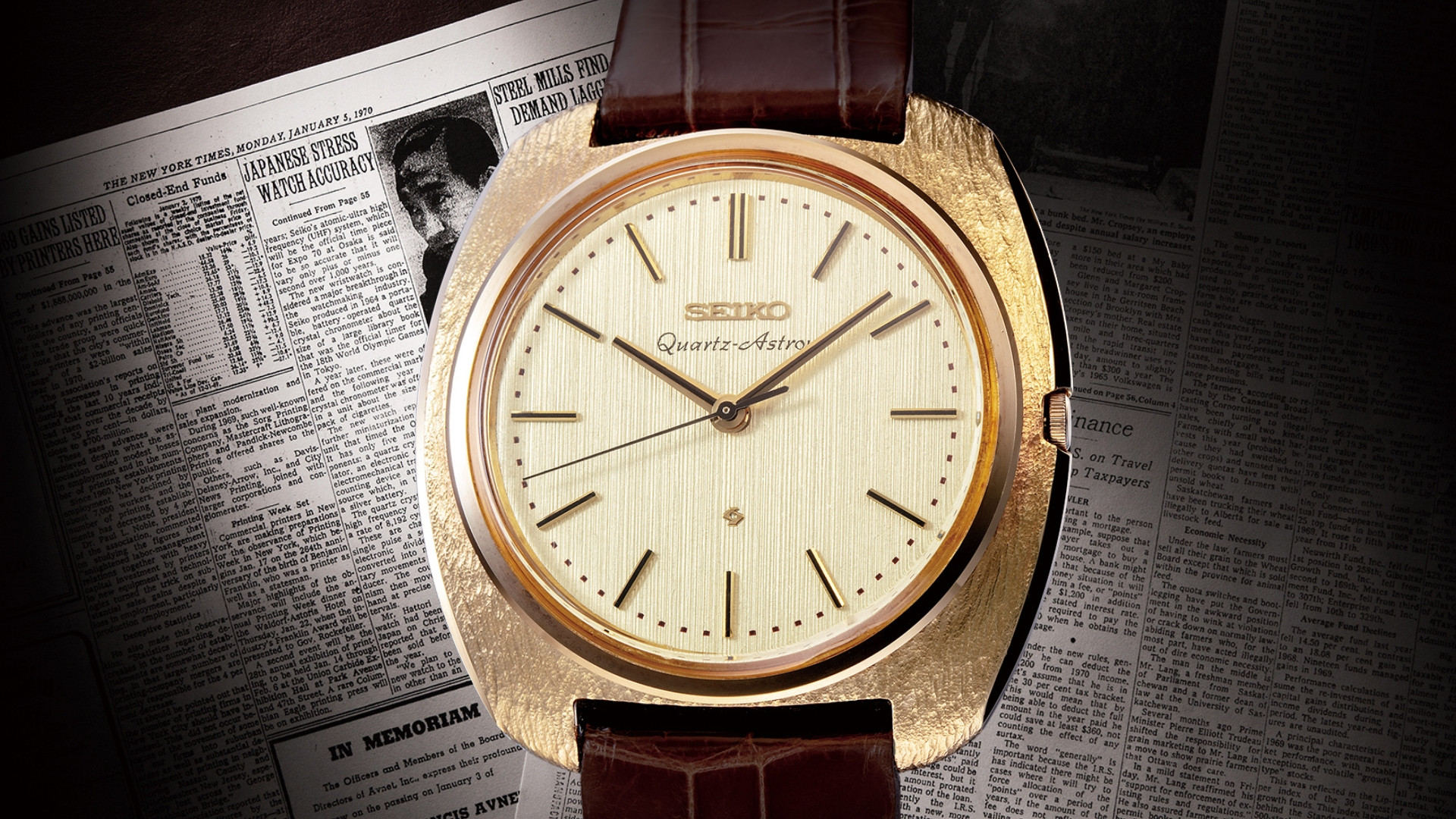
In 1969 Seiko released the Astron. It cost as much as a small car and kept time better than any mechanical watch ever made. Within five years quartz was cheaper too, which was the part that mattered. Swiss watchmaking employment fell from around 90,000 in 1970 to 33,000 by 1984.
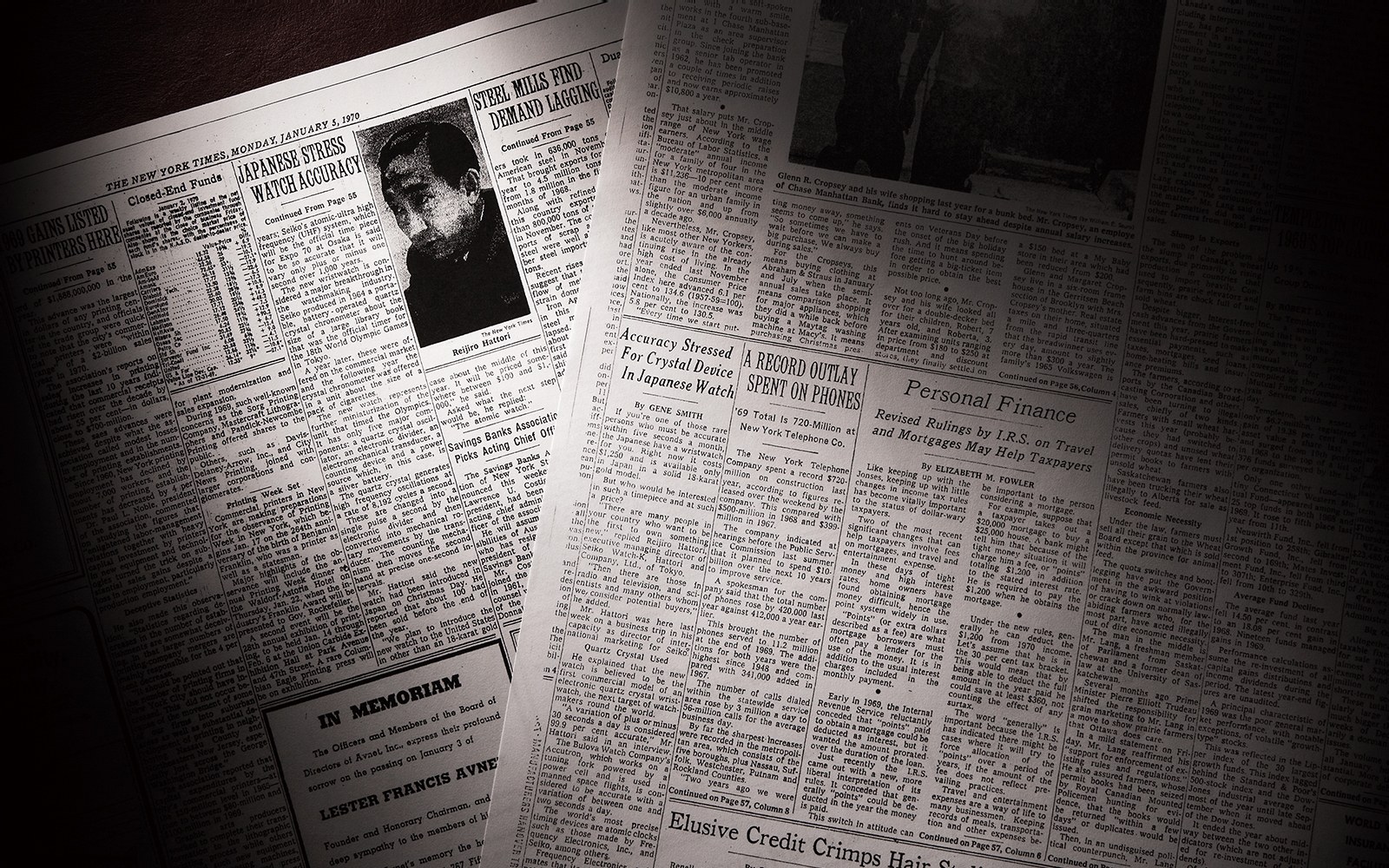
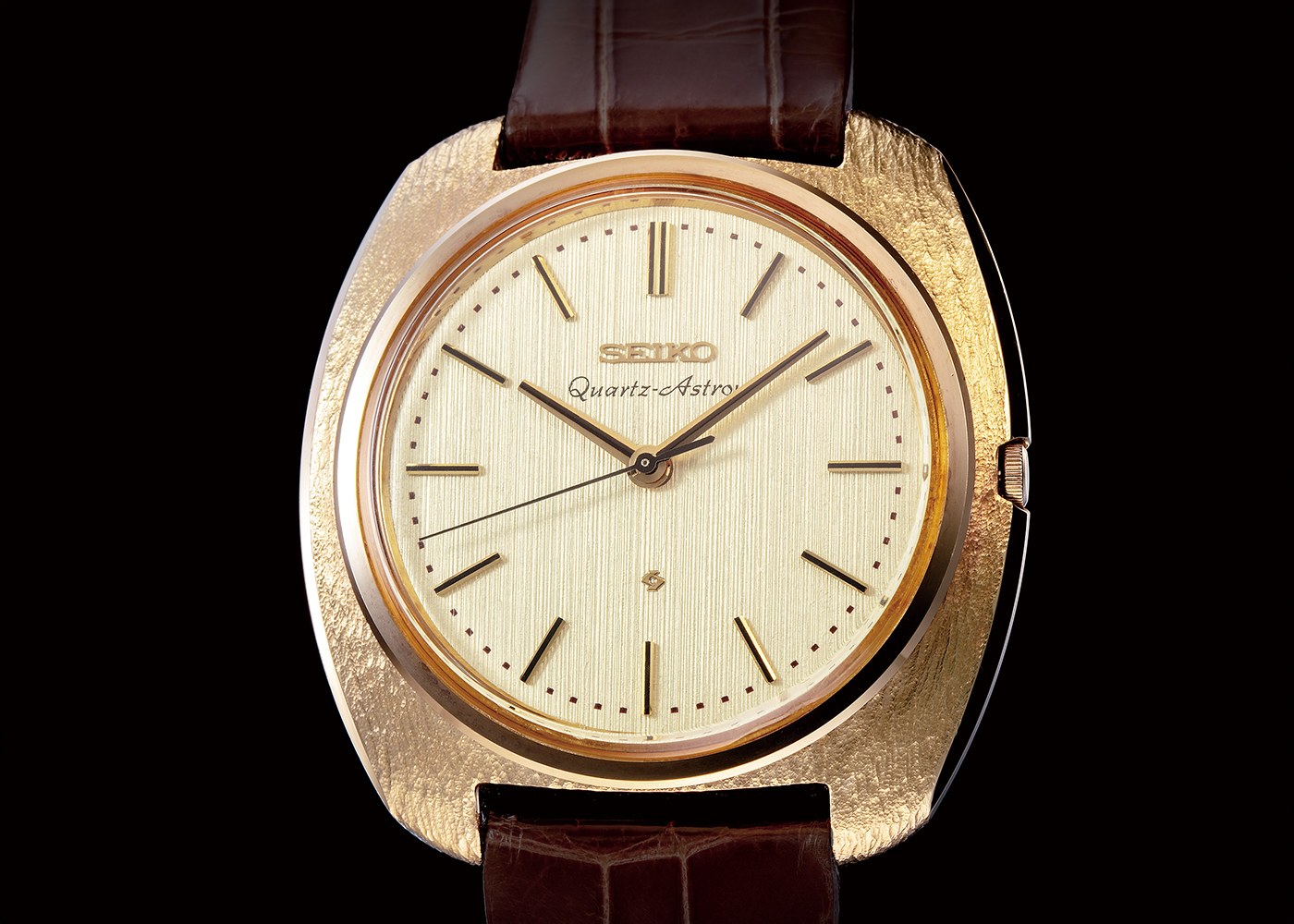
The standard telling is that the incumbents were too slow. They were first.
Neuchâtel had a working quartz prototype in 1967, before the Astron reached a shop. At Basel in 1970 two dozen Swiss brands launched watches on a shared movement, the Beta 21, among them Rolex, Patek Philippe, Omega and Jaeger-LeCoultre. Six thousand were built. Then it was abandoned.
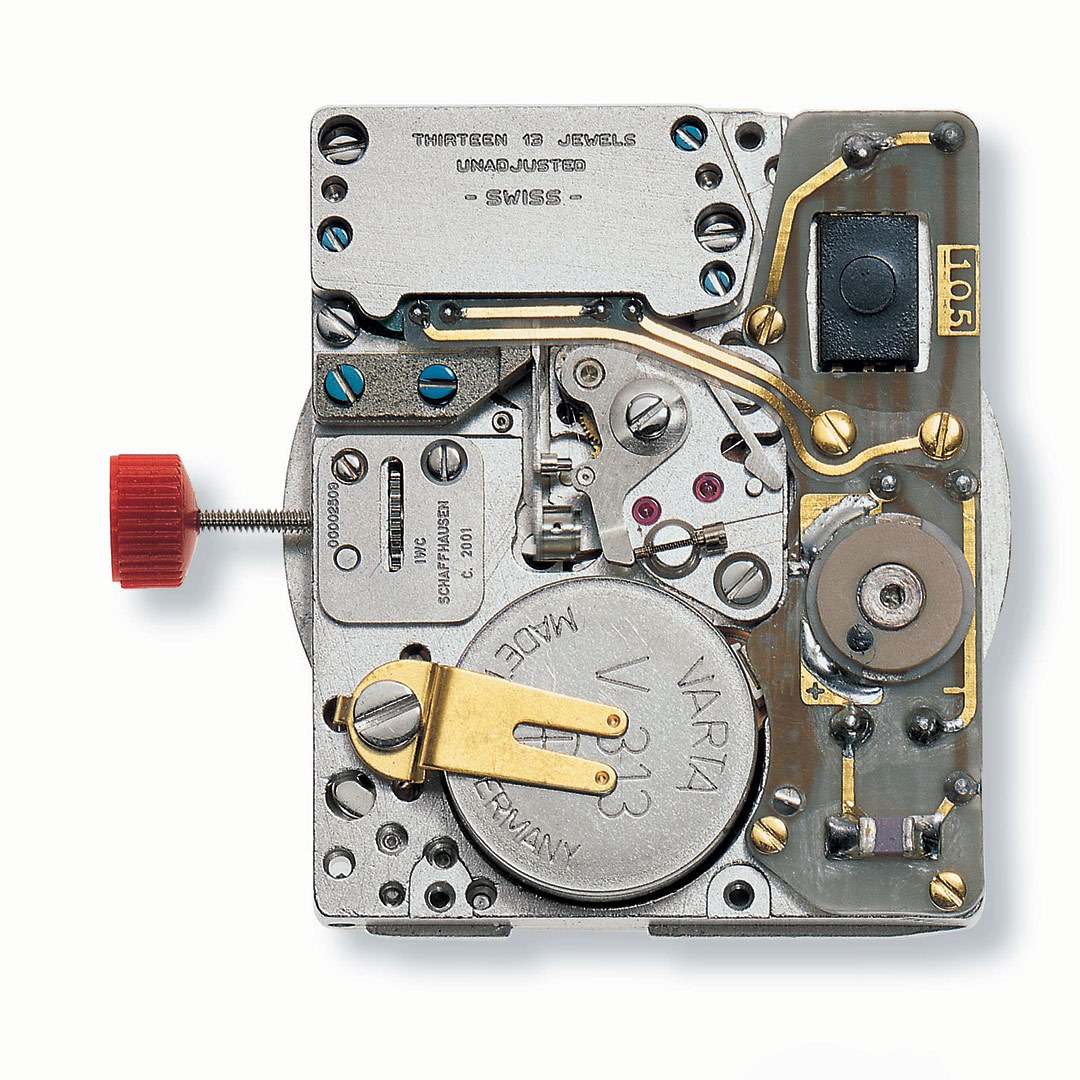
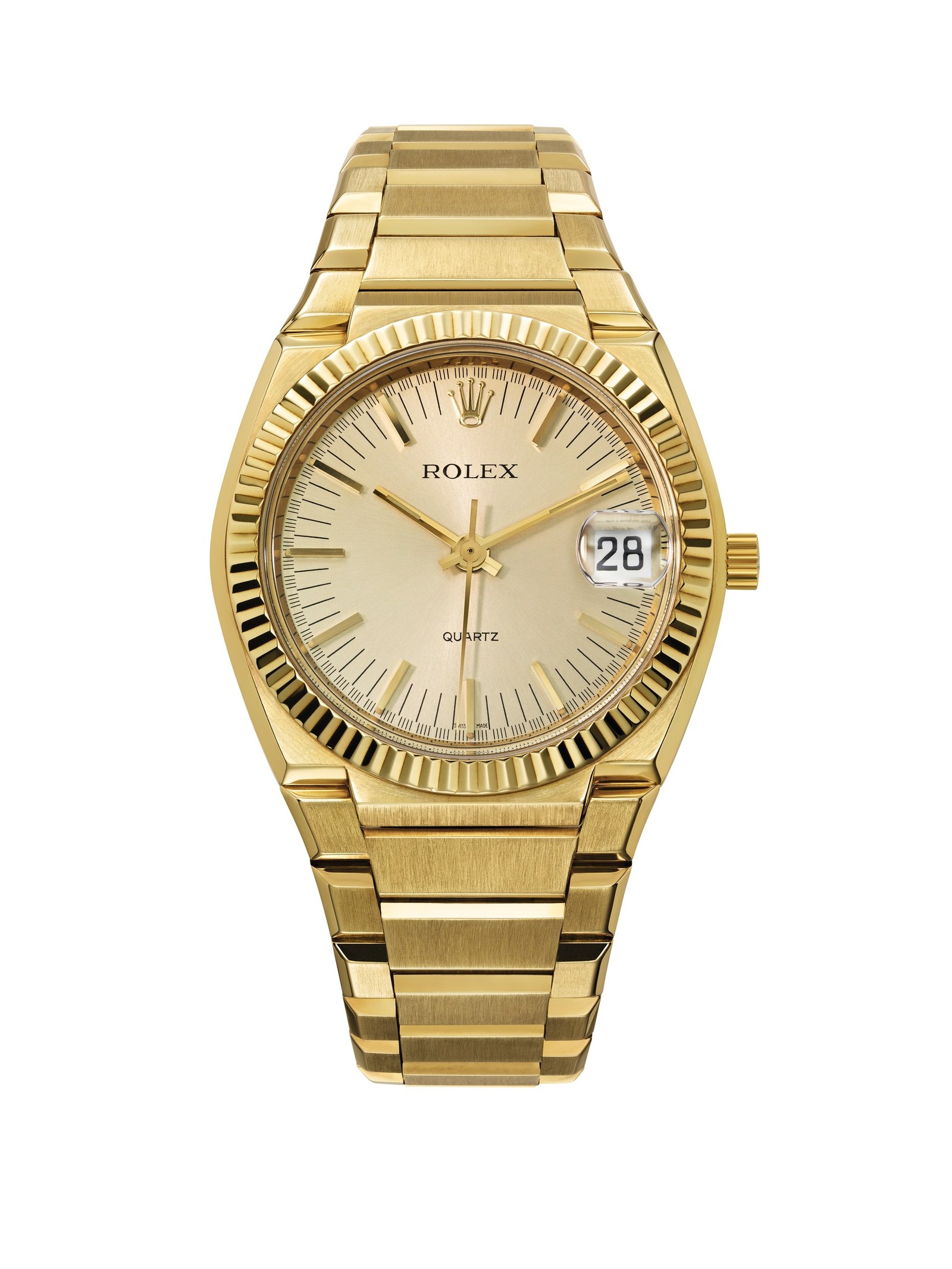
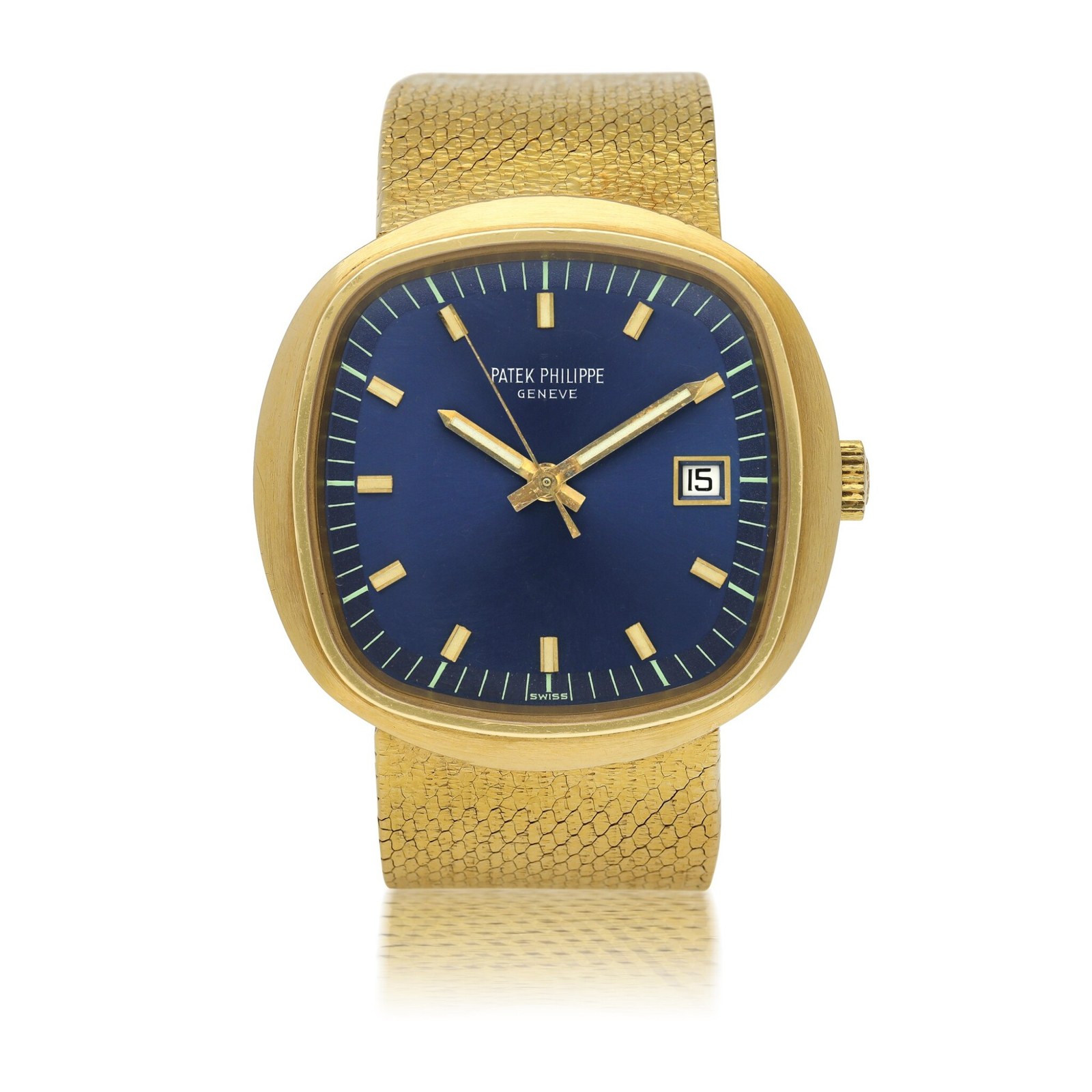
Quartz was not a watchmaking problem, it was a semiconductor problem, and the Swiss industry of 1970 was a network of small workshops facing Intel and Texas Instruments. Being first bought them nothing. ASUAG and SSIH, the two great conglomerates, were insolvent by the early 1980s and merged under pressure from the banks.
What The Swiss Got Wrong
For two hundred years the case for a Swiss watch was performance, and the claim was true. Observatory trials, chronometer certification, an entire apparatus for establishing who was best. It was the hardest engineering problem in the country and Switzerland had solved it better than anyone alive.
The error was assuming performance meant mechanism.
Precision was never a property of gears. It was a property of whatever oscillated most reliably, and in 1969 that stopped being a balance wheel. The competence was real and it was tied to a substrate, which is the worst kind to hold when the substrate moves.
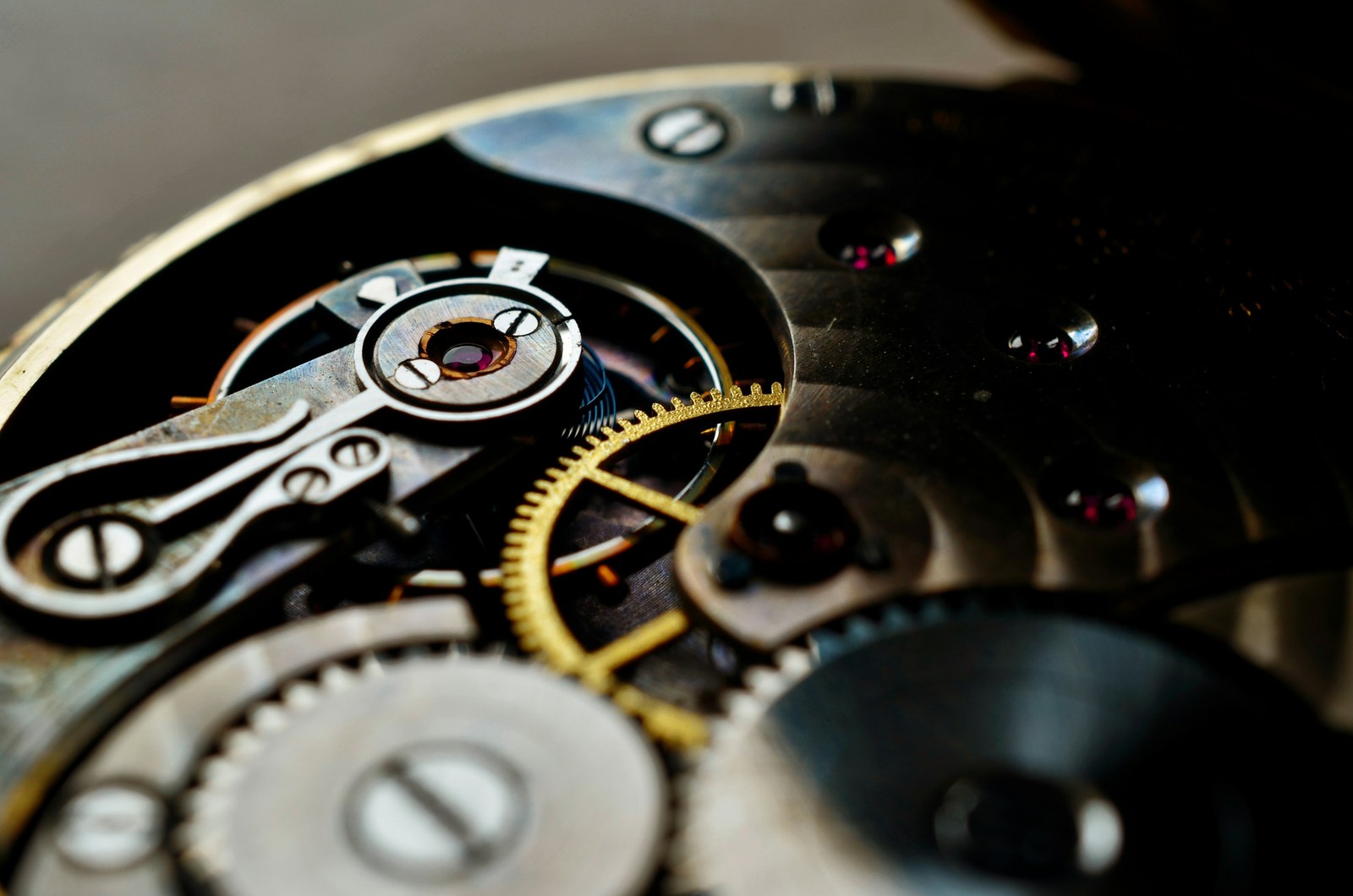
What survived was a redefinition. A tourbillon does not make a watch more accurate today. A minute repeater does not tell the time better. The industry moved from performance as a measured result to performance as a visible feat, and kept the pride by changing what the pride was for. Swiss watch exports were worth 25.6 billion francs last year, 86 percent of it mechanical, every piece of it keeping worse time than an airport Casio.
The lesson held. When Apple Watch arrived in 2015 the industry was tested again. By 2019 Apple was shipping 30.7 million watches against 21.1 million for every Swiss brand combined. This time nobody converted a house. A few brands built connected watches, most stayed out, and mechanical value held. They were never the same market, and the industry had already paid to learn it.
The Same Mistake, In Metal
Electric drivetrains are better on most of the metrics the car industry trained its customers to care about, so that is where the legacy manufacturers are competing. Range, acceleration, screens, drag.
Every one is a losing position. BYD began as a battery company and still makes its own cells, which it supplies to Mercedes, Toyota and Ford. European carmakers are assemblers sitting on a supplier network, the same shape Swiss watchmaking had in 1970, facing the same problem: the value has moved into a component they do not make.
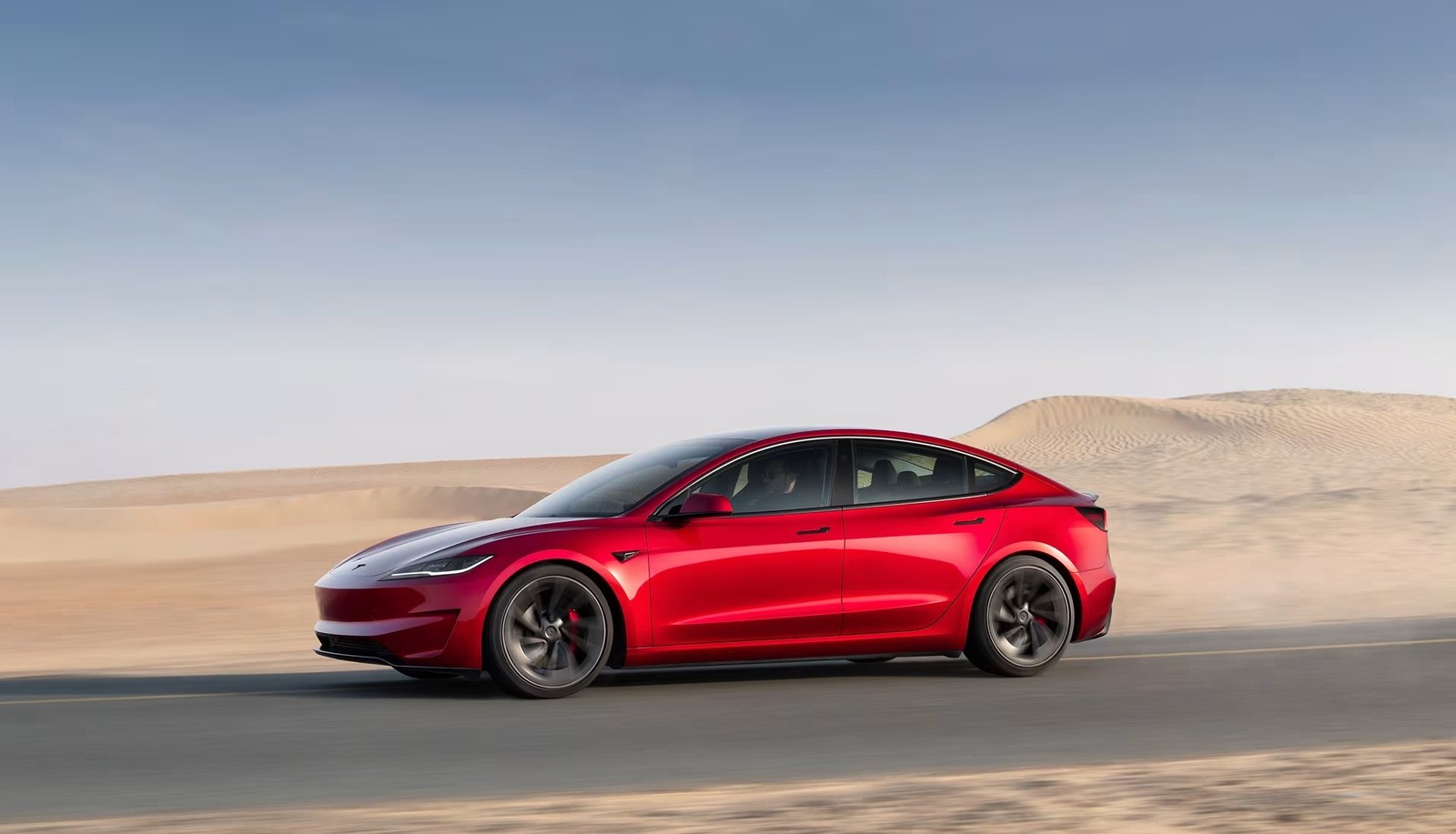
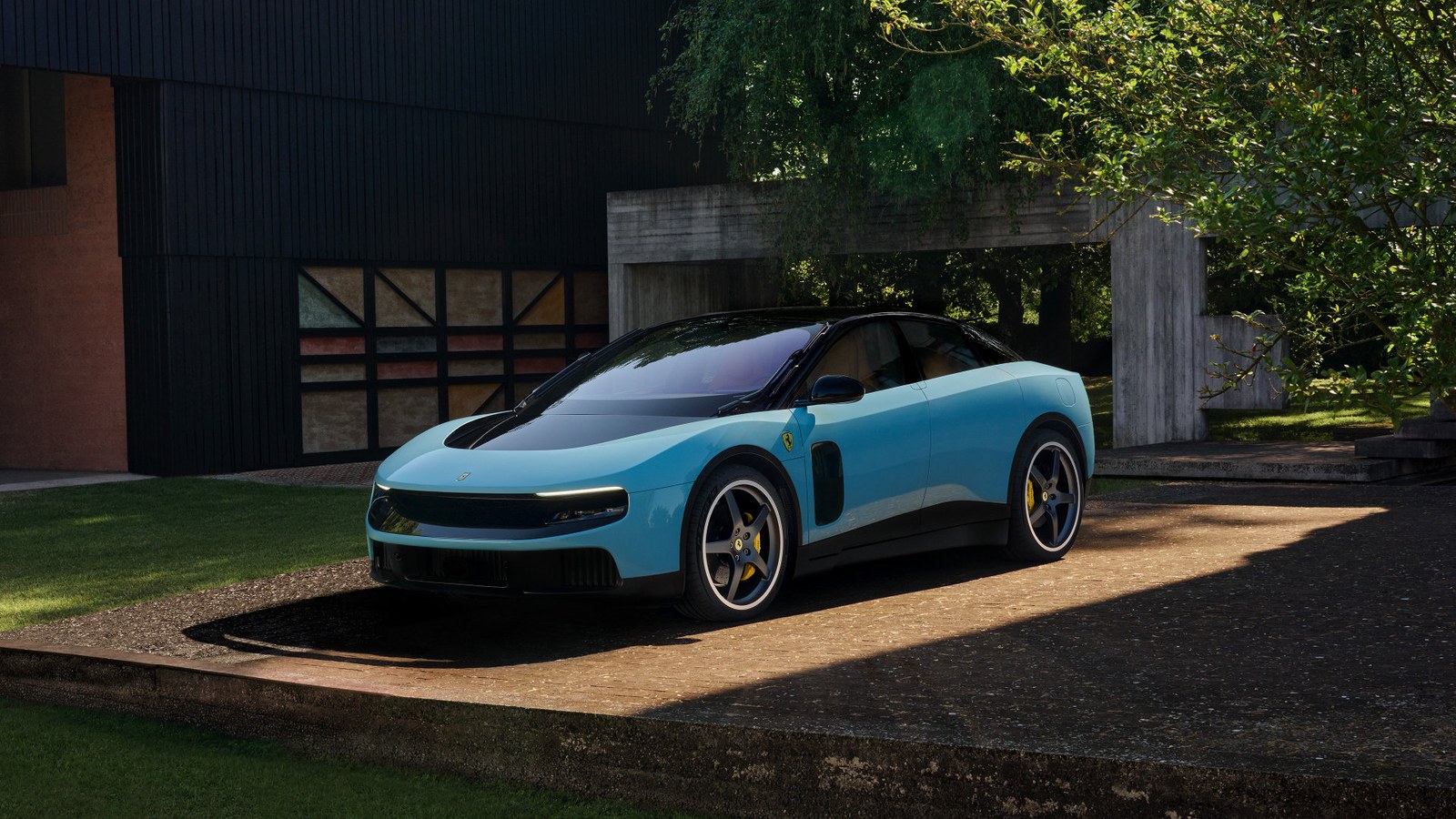
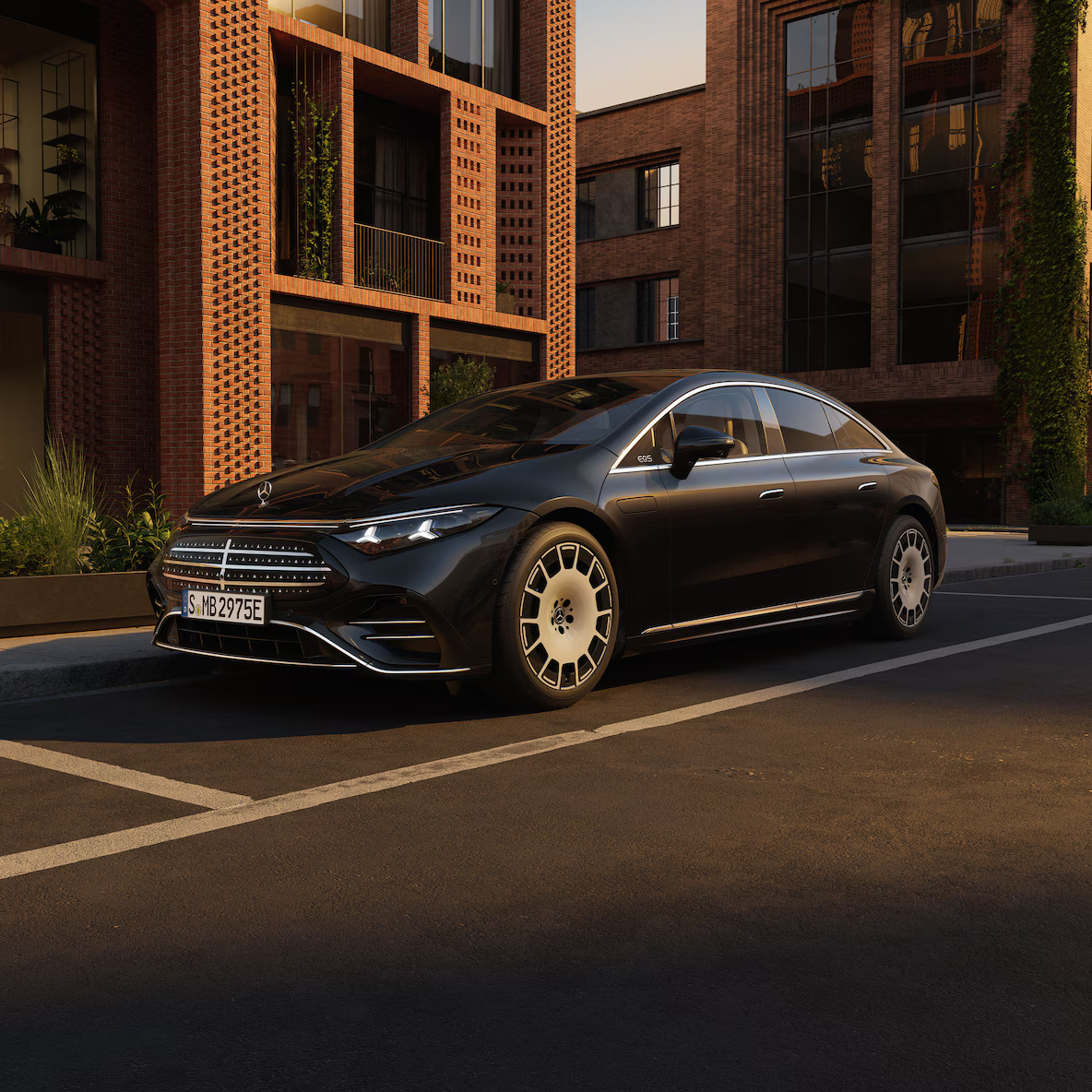
And the metric is deforming the product. Range rewards low drag, low drag rewards one shape, and recent electric cars keep resolving into the same smoothed pebble. Mercedes has admitted it. The EQS was built around a drag coefficient of 0.20, Gorden Wagener has conceded it arrived ten years early, there will be no second generation, and the EQ line is being retired.
And Then There Is The Luce
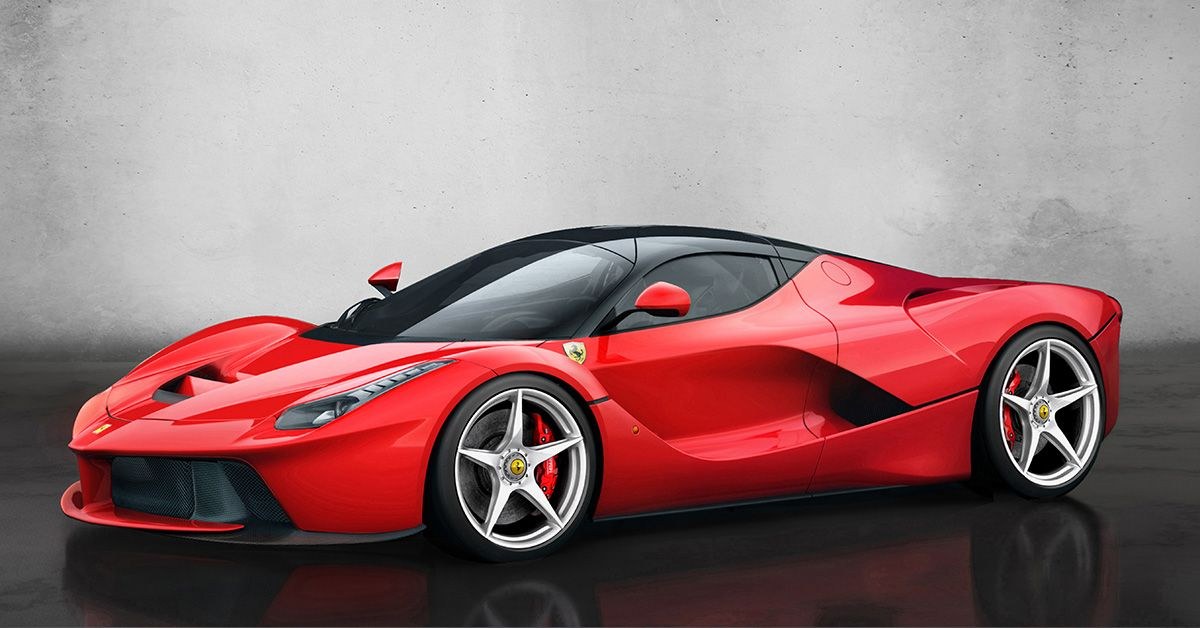
Ferrari sells performance and always has. But the expertise is mechanical, and an electric powertrain does not reward what Maranello is world class at. A Tesla Model S Plaid ran the quarter mile in 9.23 seconds against a LaFerrari's 9.74, and nobody has ever cross-shopped the two, because the number was never the product. The demonstration that produced it was.
Which is what makes the Luce revealing. Accelerometers on the rear axle pick up powertrain vibration and amplify it into the cabin, and five power levels simulate the feeling of continuous acceleration. Performance in the theatrical sense, without the mechanism that earned it. A tourbillon with no tourbillon.
It sold, and quickly. Just under 500 cars in two months. But Ferrari delivered 13,640 vehicles last year and sells by allocation to a list longer than the run, so filling 500 slots at 550,000 euros tests the waiting list, not the car. And Ferrari instructed dealers not to push its combustion collectors toward it, which is the detail that decides the argument. You do not ringfence your existing customers from your new product if you believe the new product is the business. You do it when you know exactly what they are buying and that this is not it.
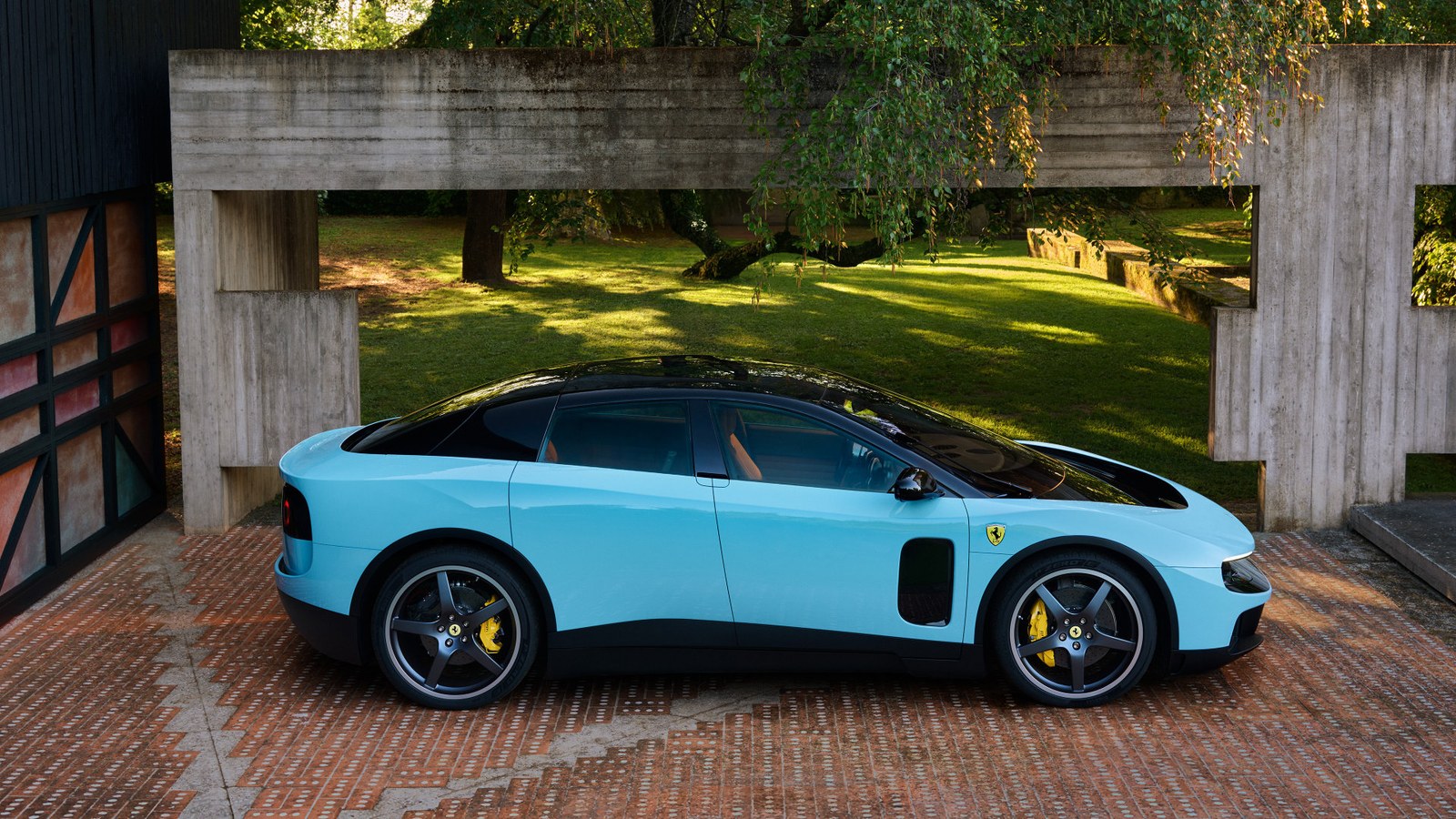
Luca di Montezemolo, who ran the company for two decades, said the Luce should not carry the prancing horse. That is not an argument about engineering.
What Follows
This is not an argument against electric cars, or about the whole market. Lucid, Rivian and BYD have no inherited meaning to protect and are free to compete on the metrics, which is why they are good at it. The problem belongs to the houses whose value was built on something an electric powertrain does not reward.
Among the legacy houses, the winners will not be the ones with the best electric cars. Not one legacy house survived the quartz crisis by making the best quartz watch. The middle goes first, as it did in 1979.
Jaguar is the clearest case: it discontinued its entire combustion range before the replacements existed, spent a year selling almost nothing, and has now delayed the Type 00 again. The rebrand took the blame, but the sequencing was the decision that mattered.
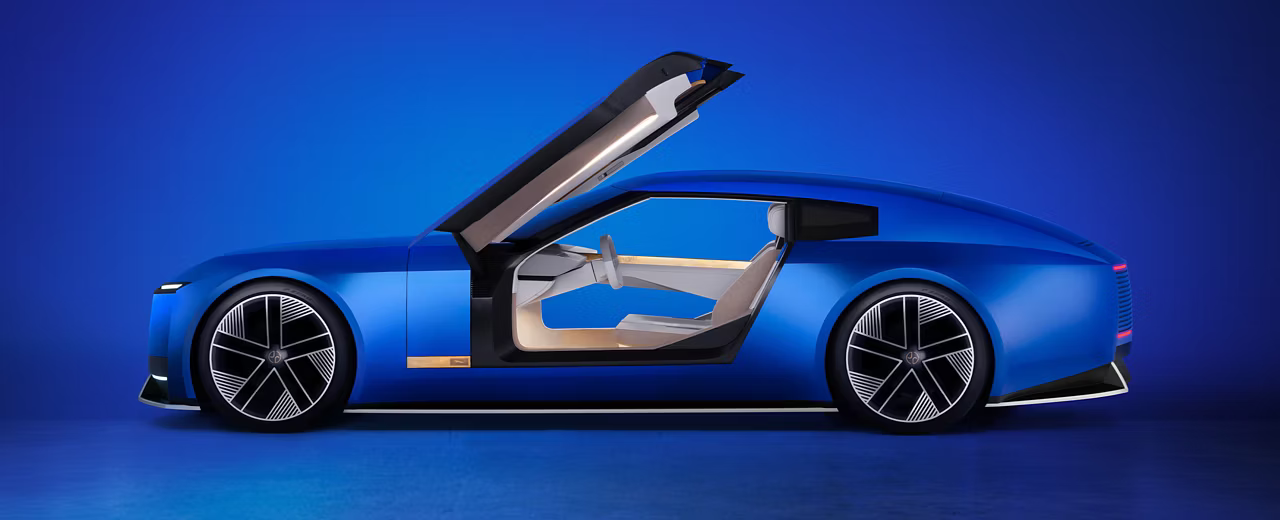
And combustion becomes smaller, more expensive and more deliberate, which is already happening: Ferrari has cut its 2030 electric target from 40 percent to 20, with no second electric car before 2028.
The point is narrower than it looks. Performance is not one thing, and when the substrate moves a company has to decide which half of the word it is keeping. Watchmaking needed a decade of insolvencies and sixty thousand lost jobs to work that out.
The car industry is sitting the same exam now, and it has the answers in front of it.