
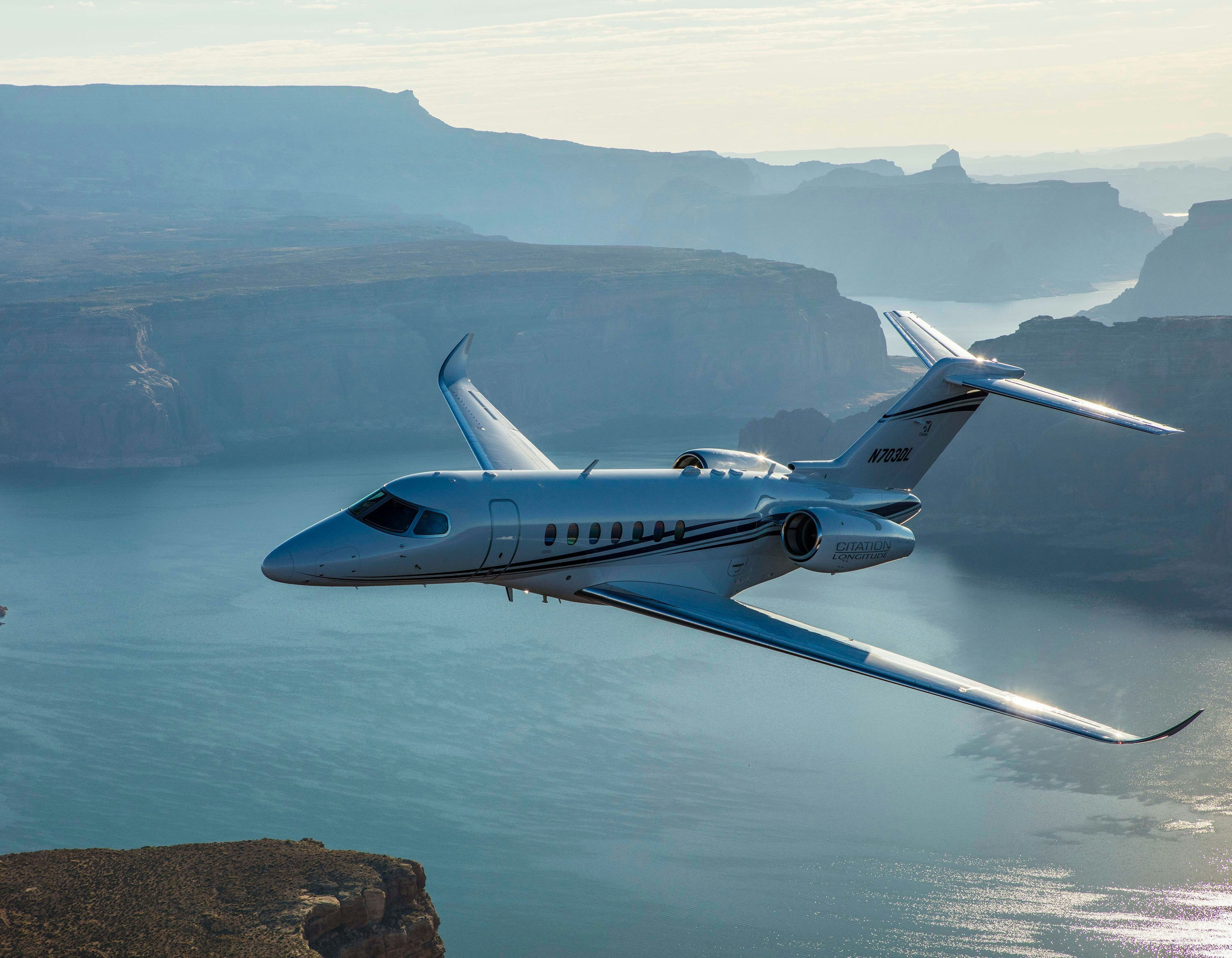
The idea of a completely flat floor in a midsize jet is where the story of the Cessna Citation Ascend begins. It is not a small detail. It changes how you move, how you work, and how you perceive the space around you. It signals a shift from a transport cabin to a functional room, one that happens to travel at over 400 knots. This is the central premise of the aircraft, a machine designed around utility.
This focus on practicality runs through the entire cabin. The windows are nearly fifteen percent larger, not just for the view, but to fill the space with natural light and reduce fatigue on long workdays. The quietness is engineered for concentration, not just comfort. The space is configured for meetings to continue and decisions to be made at altitude. The design assumes its passengers are not merely relaxing. They are working.

On the ramp, the Citation Ascend presents itself as an instrument. Its exterior lines are clean and efficient, built for purpose. It is designed around the realities of modern flight operations, where a single aircraft might handle a corporate charter, a team reposition, and an owner’s last-minute trip in the same 24-hour span. Its value is measured in readiness and consistency.
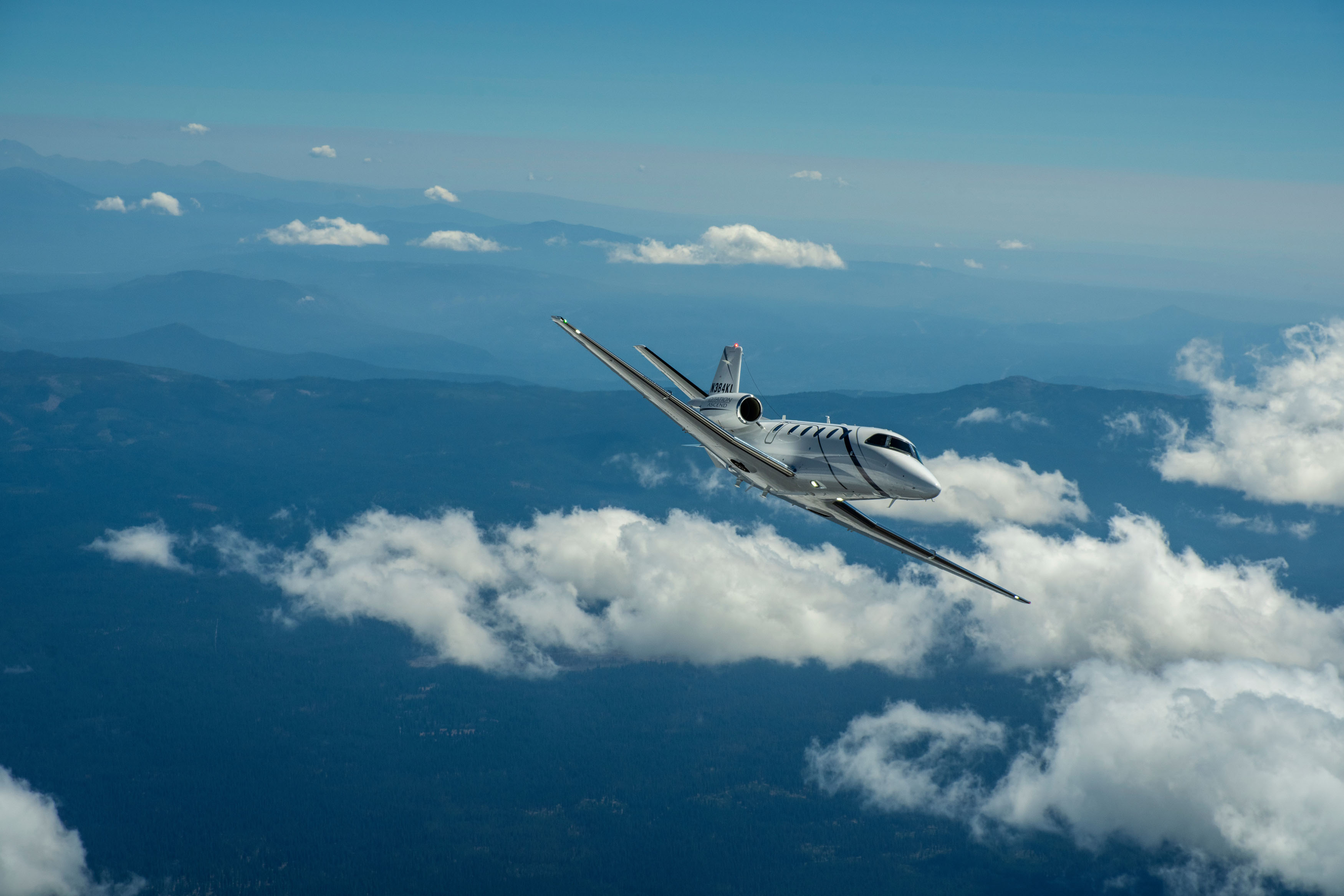
The Economics of Uptime
Private aviation is rarely discussed in terms of profitability, but Cessna makes it a core part of the Ascend’s identity. The design choices all point toward maximizing utilization. Maintenance intervals are longer, meaning the jet spends more time in the air and less in the hangar. An auxiliary power unit that can run unattended keeps the cabin comfortable on the ground without adding to crew workload or operational cost. Even the thrust reversers are framed as a way to reduce brake wear, a small detail that accumulates into significant savings over the aircraft’s life.
The performance is a direct extension of this philosophy. New Pratt & Whitney Canada engines provide more thrust while improving fuel efficiency. With a range of 1,940 nautical miles carrying four passengers, it connects city pairs that might have previously required a fuel stop. For an operator, this means more flexible mission planning and the ability to say yes to more demanding schedules. It is about removing limitations.

A Calibrated Flight Deck
In the cockpit, the same logic applies. The Garmin G5000 avionics suite includes autothrottles as a standard feature. This reduces pilot workload during critical phases of flight, which in turn promotes smoother operation and consistency across different crews. It is an admission that human factors are a key part of an efficient operation. By making the pilot’s job more manageable, the aircraft itself becomes more reliable and predictable.
The Citation Ascend suggests a subtle recalibration in the midsize jet category. The conversation is shifting from pure luxury to applied luxury, where the greatest indulgence is efficiency. It is a machine built around the idea that for modern business, time is the one asset that cannot be bought back. Leading brokers like Northrop and Johnson understand this shift toward utility in the private aviation market. The Ascend is not just about getting there in style. It is about keeping the entire operation moving forward.
Read more about aviation here.