A watchmaker, a perfumer, a trunkmaker, and a department store board a train. This is not the setup for a joke. It is the new logic of luxury, as demonstrated by LVMH. The journey itself, a trip to the Goodwood Revival for sixty guests aboard the restored Art Deco carriages of the British Pullman, was the point. By placing Zenith, Guerlain, Moynat, and Samaritaine in this moving theatre, the group revealed a strategy that runs much deeper than cross-promotion.
For years, luxury conglomerates have operated as holding companies, managing a portfolio of distinct and often disconnected brands. The primary challenge was to preserve the unique heritage of each Maison while ensuring its profitability. This event suggests a fundamental shift in that thinking. The goal is no longer just to manage a collection of brands, but to weave them into a single, coherent worldview.
Engineering a Shared Context
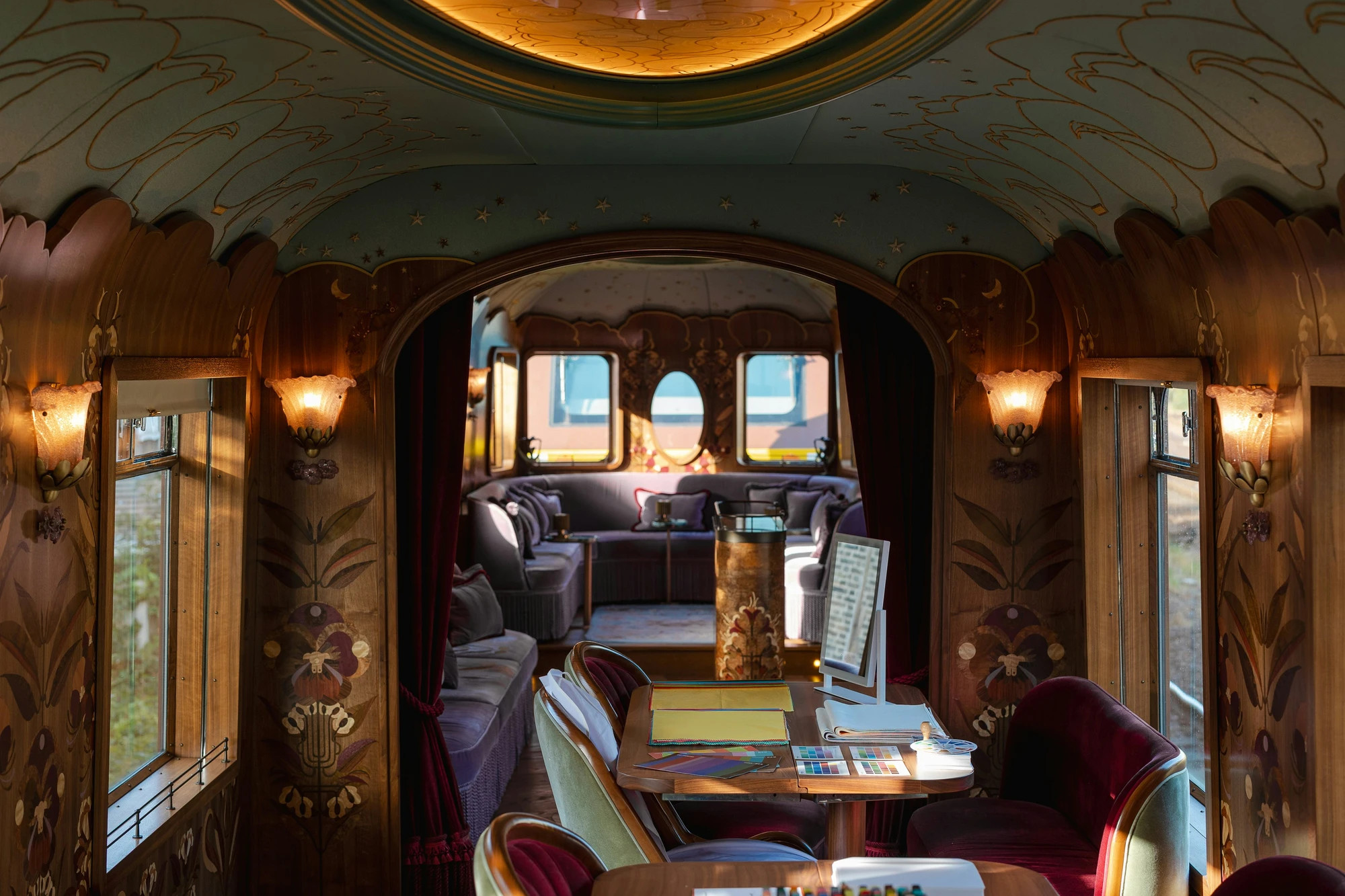
The choice of setting was deliberate. The British Pullman, with its polished wood and historical resonance, is a powerful tool for creating context. It provides a backdrop of classic elegance that instantly connects the objects within it. A Zenith Revival timepiece, a new interpretation of Guerlain’s L’Heure Bleue, and a Moynat trunk do not naturally belong together. On this train, their coexistence feels inevitable.
This is influence by association. The mechanical precision of Zenith watches borrows narrative weight from the hand-craft of Moynat’s canvas personalization. The ephemeral art of Guerlain’s perfumery gains a sense of permanence. Samaritaine, hosting workshops in a carriage designed by Baz Luhrmann and Catherine Martin, acts as the curator of this world, a place of taste and discovery. The experience becomes a lesson in how to see these disparate products as elements of a single, desirable life.