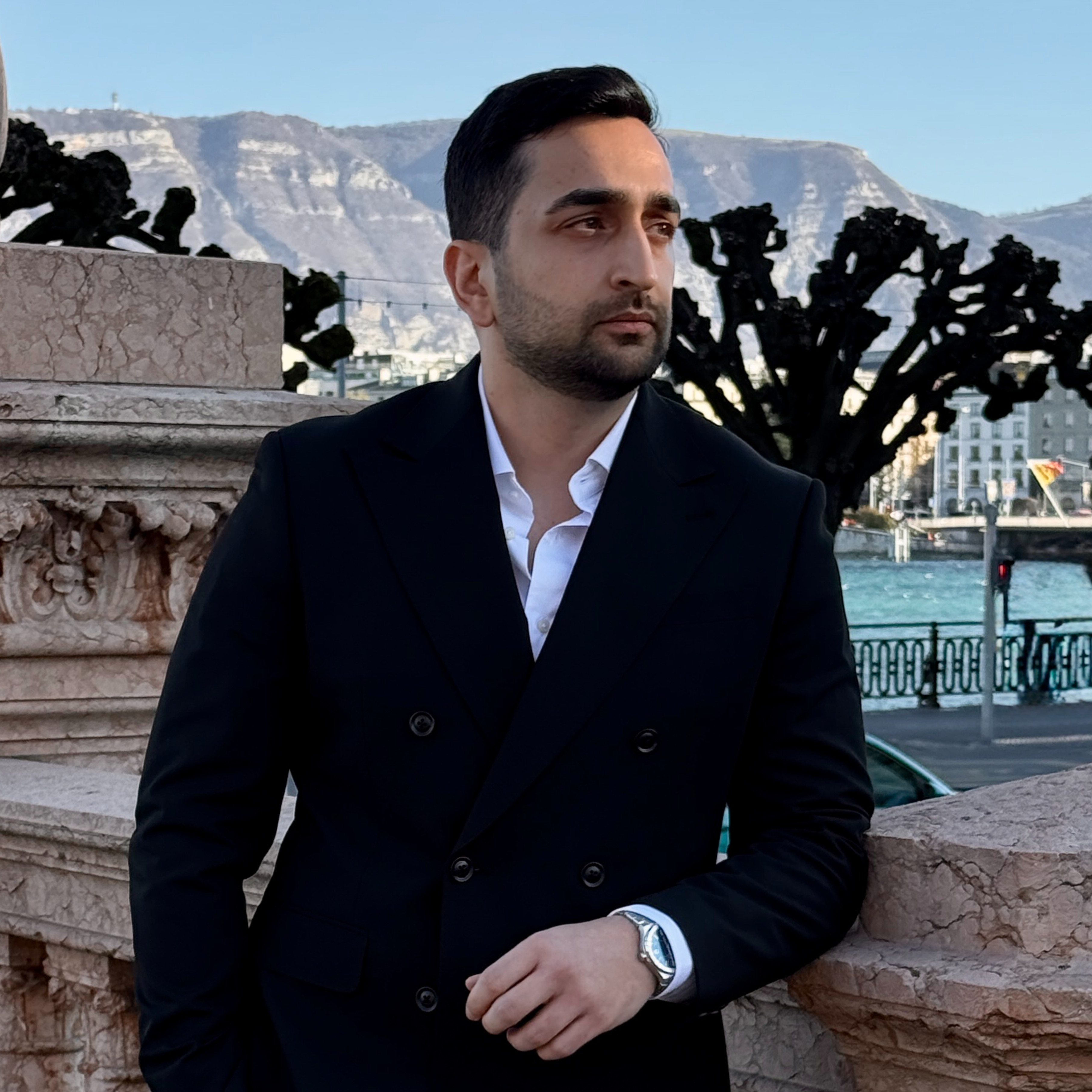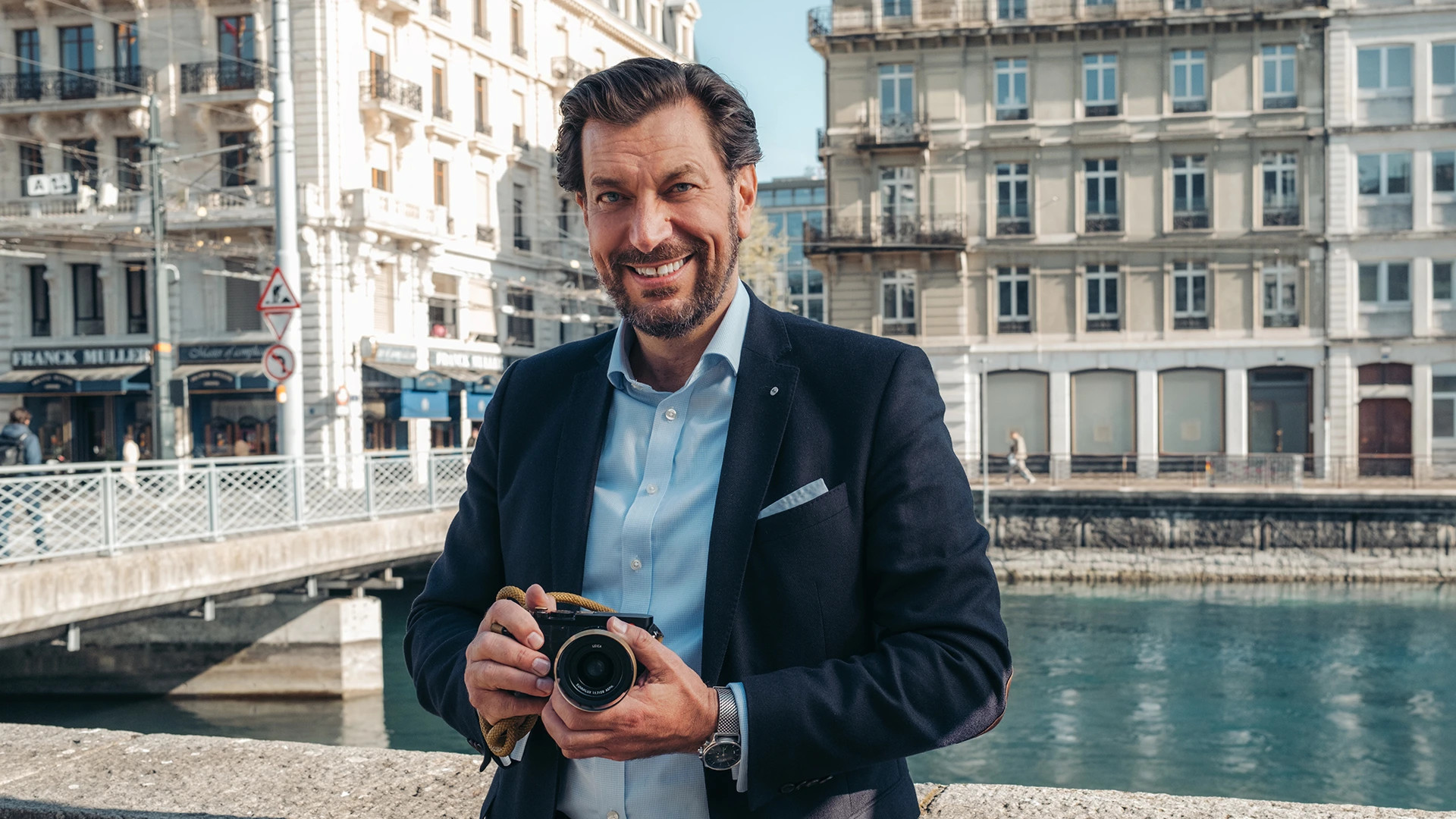
The top cover of the M6 is off. Henrik Ekdahl is holding the open camera in front of him, pointing at the mechanism inside, naming the parts.
Spring. Barrel. Gear train. Bridges.
These are watch parts, named in the language of watchmaking. They also govern the shutter of an analog Leica that has been on the market since 1984. From one second to one thousandth of a second, fully mechanical. The cover lifts away as if it were the back of a calibre.
We are speaking Swedish. Ekdahl drifts in and out of German with colleagues, in and out of English when a word escapes him. Most of his vocabulary lives in three languages now, and some of the watch terms only exist in one.
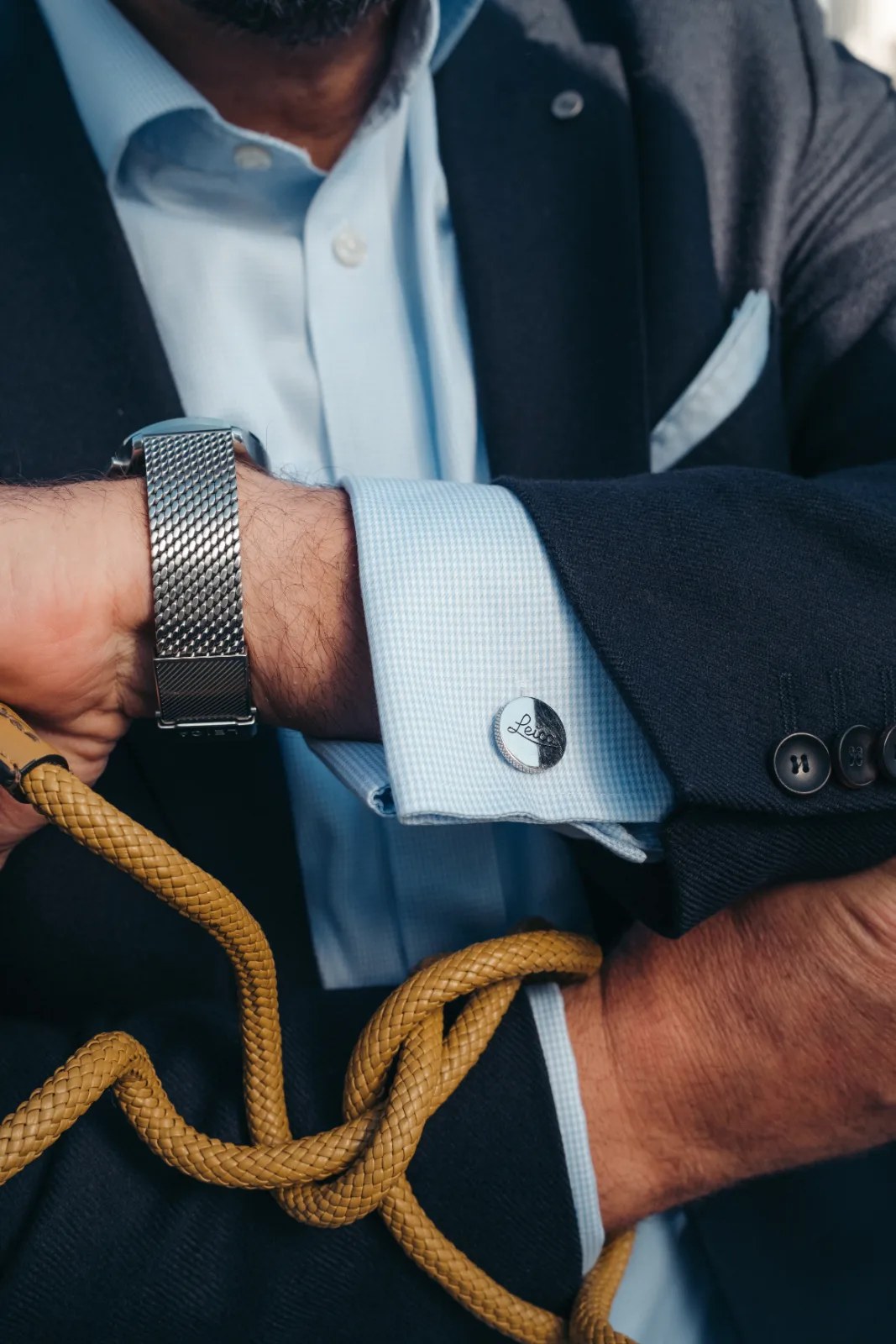
He hands the camera back. "Watchmaking," he says, "is the foundation of everything we do."
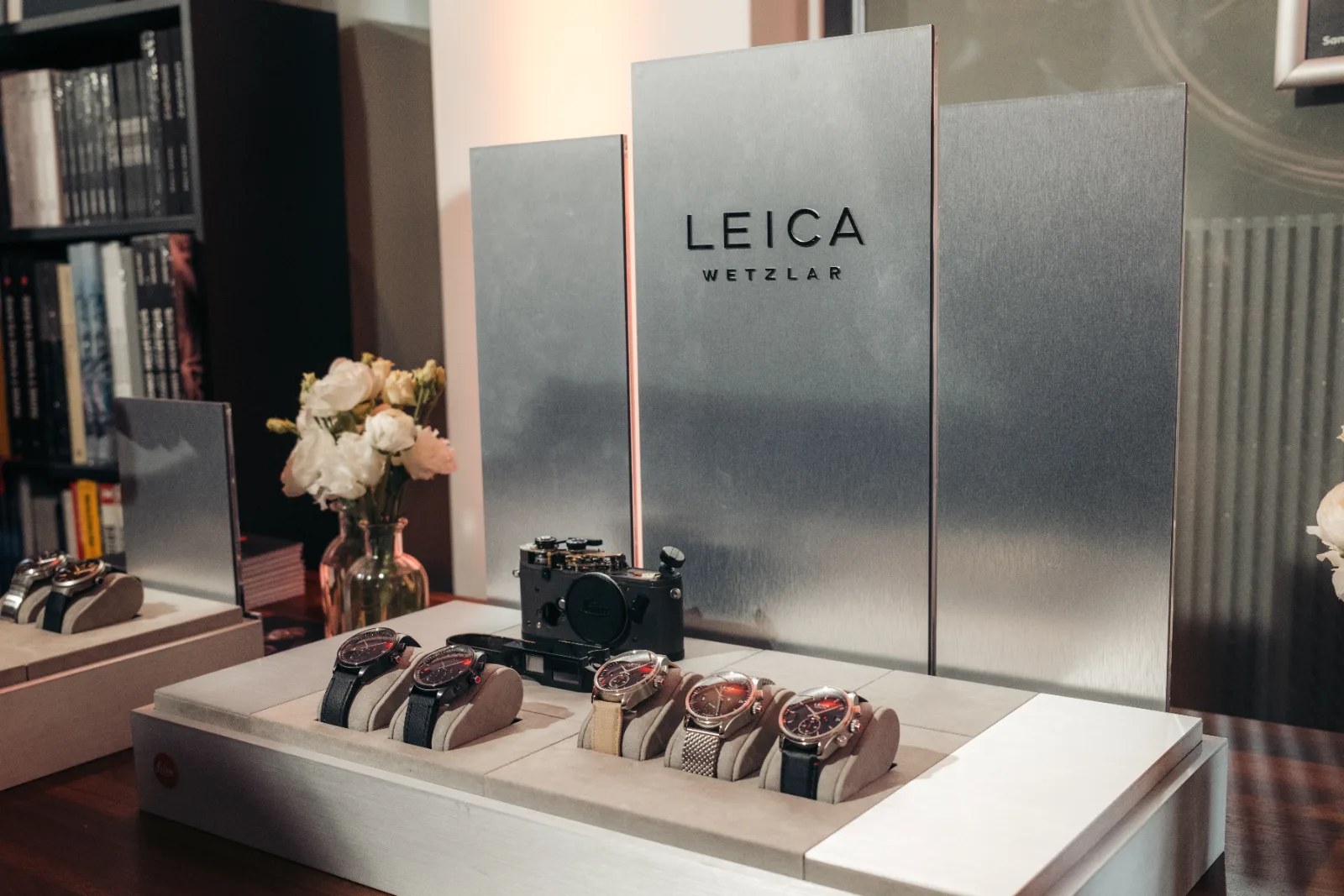
A man named Ernst Leitz the First travelled, at twenty years old, from Wetzlar to Neuchâtel. He spent two years there learning to make watches. He returned to Wetzlar, fifty kilometres north of Frankfurt, and went into the optics business. The company that grew from his workshop now has factories in Wetzlar and in Vila Nova de Famalicão, and it is majority owner of Ernst Leitz Werkstätten GmbH, the subsidiary that has made Leica watches and which Ekdahl has run since the first of March, 2024.
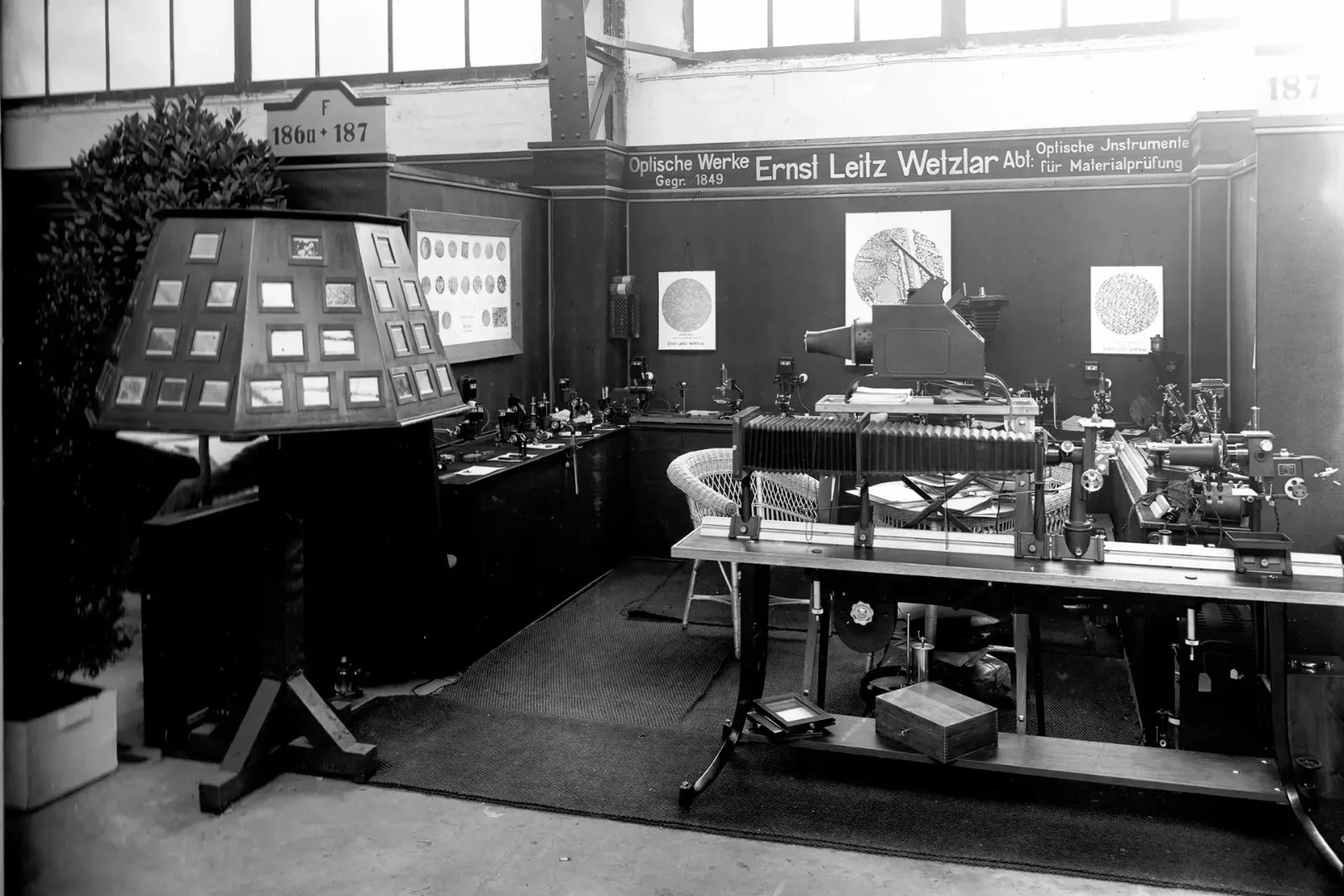
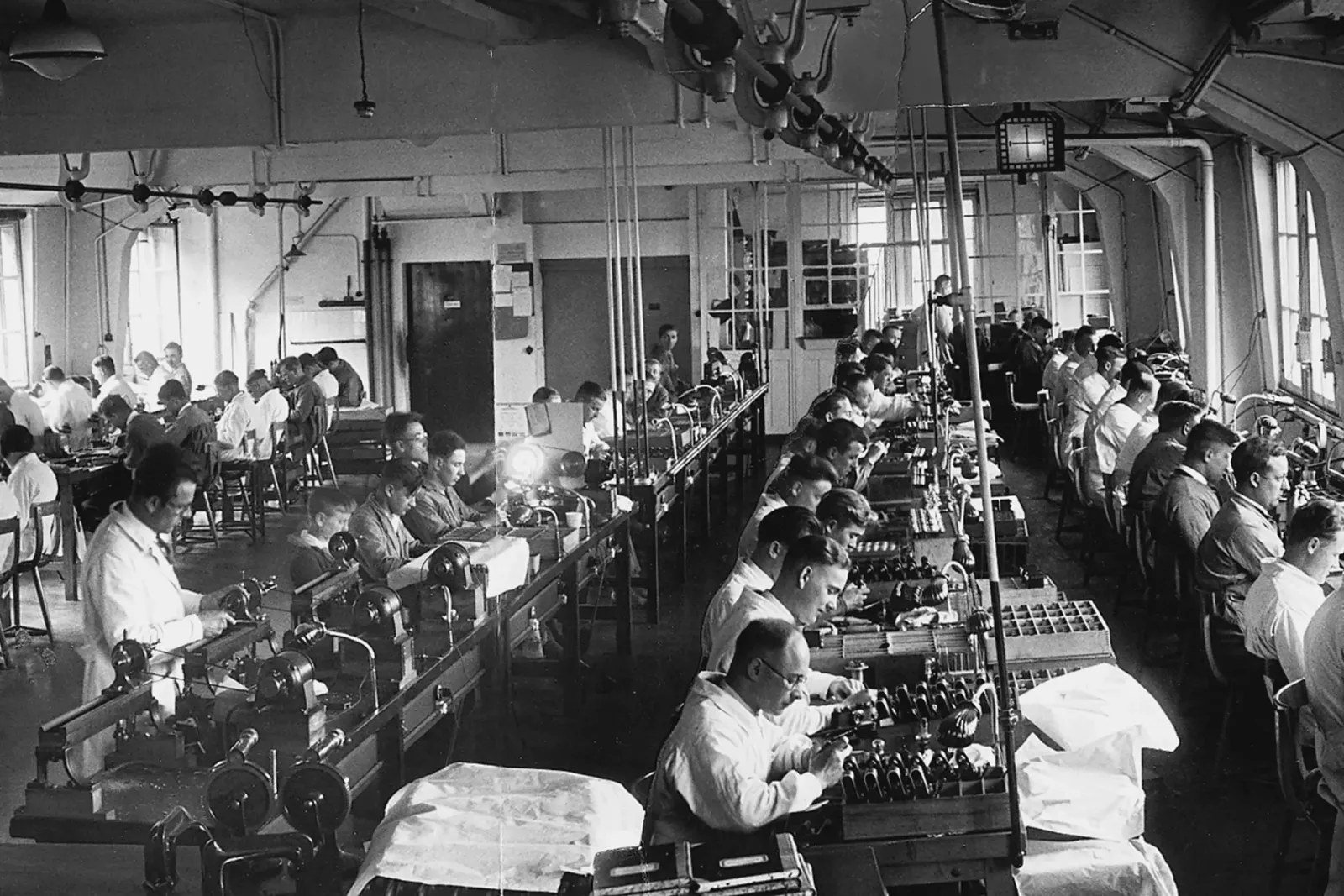
Most companies that make watches and cameras want you to believe the link is poetic. Leica's link is genealogical. The founder was a watchmaker first.
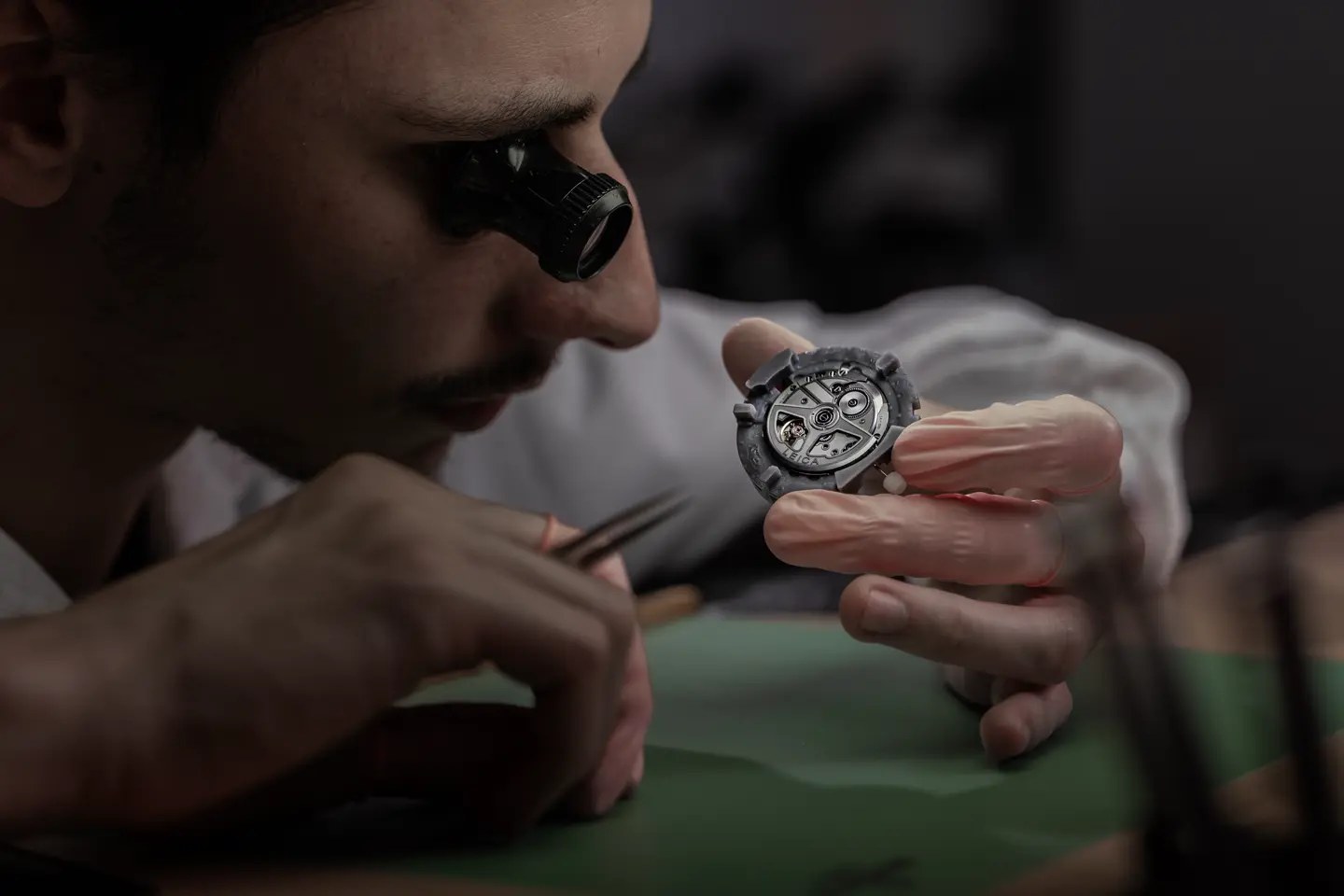
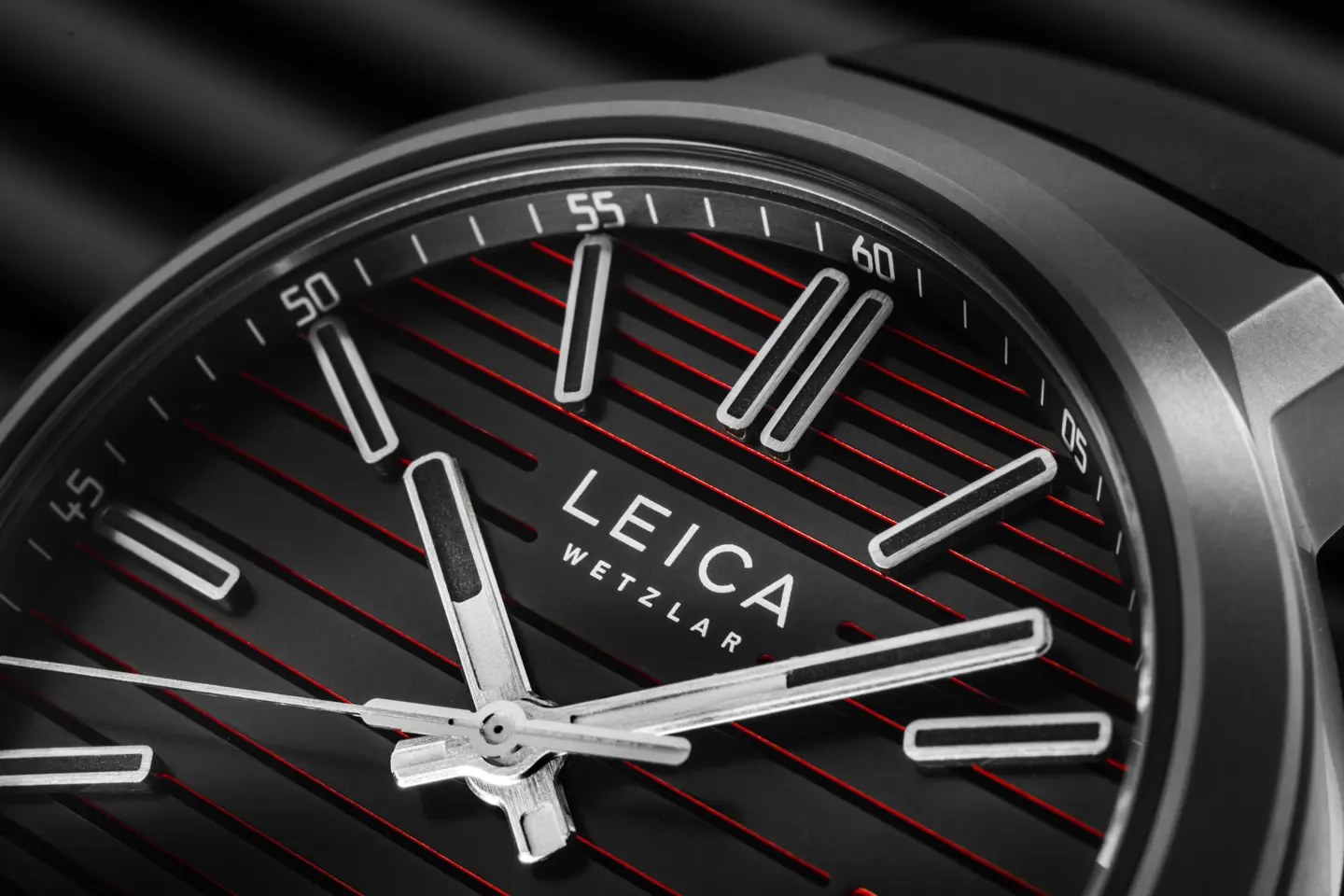
The Leica watch project began in 2015, driven by Dr. Andreas Kaufmann, the chairman who had bought into Leica around the time Polaroid and Kodak were filing for bankruptcy and the company itself was effectively insolvent. Dr. Kaufmann liked watches. He brought in a movement designer who had previously built calibres for A. Lange & Söhne, and a product designer named Achim Heine, who had spent years designing Leica cameras and binoculars. They decided what the watch should do, what complications it should carry, how it should look. Then they had to find someone to actually build the movement.
The movements are made in the Black Forest, by a small company that also, by coincidence or not, builds the machines Leica uses to manufacture its cameras. The supply chain folds into itself.
Henrik spent seventeen years at IWC Schaffhausen before this, running three subsidiaries out of Munich, Moscow and Istanbul, with thirty countries reporting in. Before IWC he was inside the BMW Group, working on Rolls-Royce, and inside Richemont, working on Cartier.
He worked for Leica once before, between 1996 and 1998, as area manager for Eastern Europe. He is back at the company twenty-eight years later. The company has grown six or seven times in revenue since Dr. Kaufmann's rescue. The new CEO, who started on the first of April, was the chief operating officer at IWC during Ekdahl's time there. They have worked together for fifteen years. "If I have an idea," he says, "I can just transform it into something that actually happens. I don't have to ask a lot of people."
His title covers more than the watches. He runs everything that isn't a camera or a lens. Leather goods, which launched as a full collection last August. Camera bags, which are coming. Straps and protectors for cameras, which sell at volumes. The watches are different. He shows one with an alligator strap that, he says, exists once. Another reference exists in fifty examples worldwide.
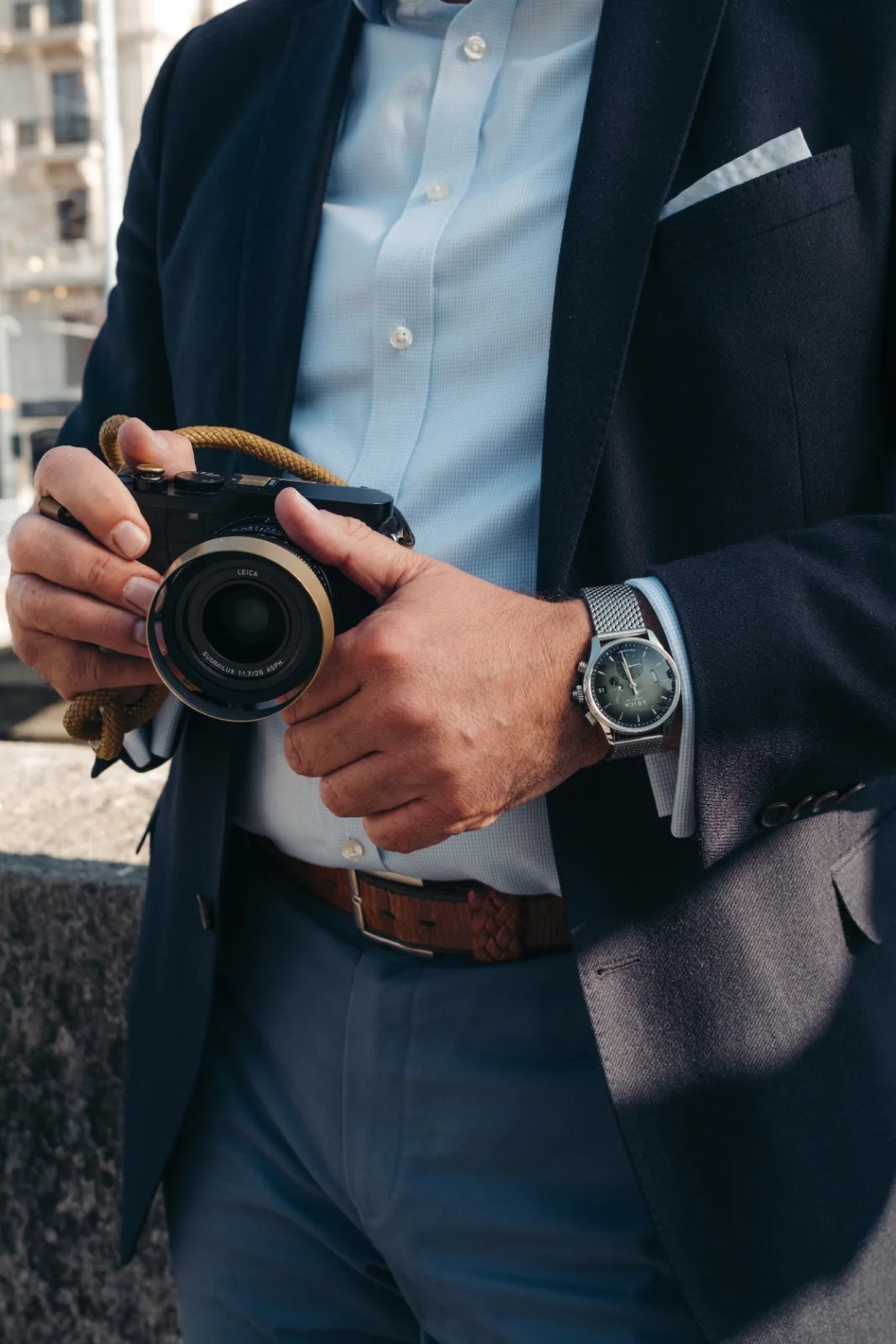
Volume he is patient about. Most Leica watch customers do not arrive at the watch first. They arrive at the camera, then the strap, then the case, then, eventually, the watch on the wrist. At least for now.
At a press event in Munich last May, a journalist told Ekdahl a story he liked enough to repeat. The journalist had just come from Watch & Wonders in Geneva, where the press chief at one of the larger Swiss watch houses had stopped him on the floor and asked what was happening. Of the previous ten journalists, seven had been using Leicas cameras.
Leica's claim is the essential. "Leica," Ekdahl says, "stands for a reduction to what is really important." The argument is not new. It is now, apparently, working.
He flies a hundred nights a year, lives in Munich, works near Frankfurt. The home cinema projector that Leica makes, he says, unprompted, is the reason he will never own a television again. There is a smaller version for three and a half thousand euros.
When he talks about cameras, he shines in a different way. He brings up Sigtuna, the Swedish school he attended as a boy, where he founded a photography club and developed black and white film himself. "I can still smell those chemicals," he says. He remembers the moment in development when you could see the image was going too bright and you had to stop, immediately, before it was lost. "It was real art," he says. "Now it's more like bang, bang, bang."
The watches, the leather, the projectors: those are a long-term project, and Ekdahl uses the word project deliberately. The smell of the developing room he uses without thinking.