There is a difference between an explorer yacht dressed for the role and one that has done the work. Northrop & Johnson has listed VANGUARD, a 24-meter aluminum hybrid-drive yacht, at $3,230,000 after a substantial reduction, and the timing is noteworthy. Fresh from a summer 2025 expedition from Fort Lauderdale to Rode Bay, Greenland and back, the boat arrives on the market with something rare in this size class: real, recent proof.
The build brief is purposeful. VANGUARD pairs commercial-grade diesel propulsion with electric drive capability and renewable charging, creating a long-range, ice-ready platform. The hybrid system can power the yacht’s entire electrical load without traditional diesel generators, which is still unusual at 24 meters. That translates at sea to a quieter underfoot vibration and the soft whir of electric machinery in place of a constant genset clatter. The aluminum hull gives a cool, matte sheen in low Arctic light, the kind of surface that looks built to work rather than pose.
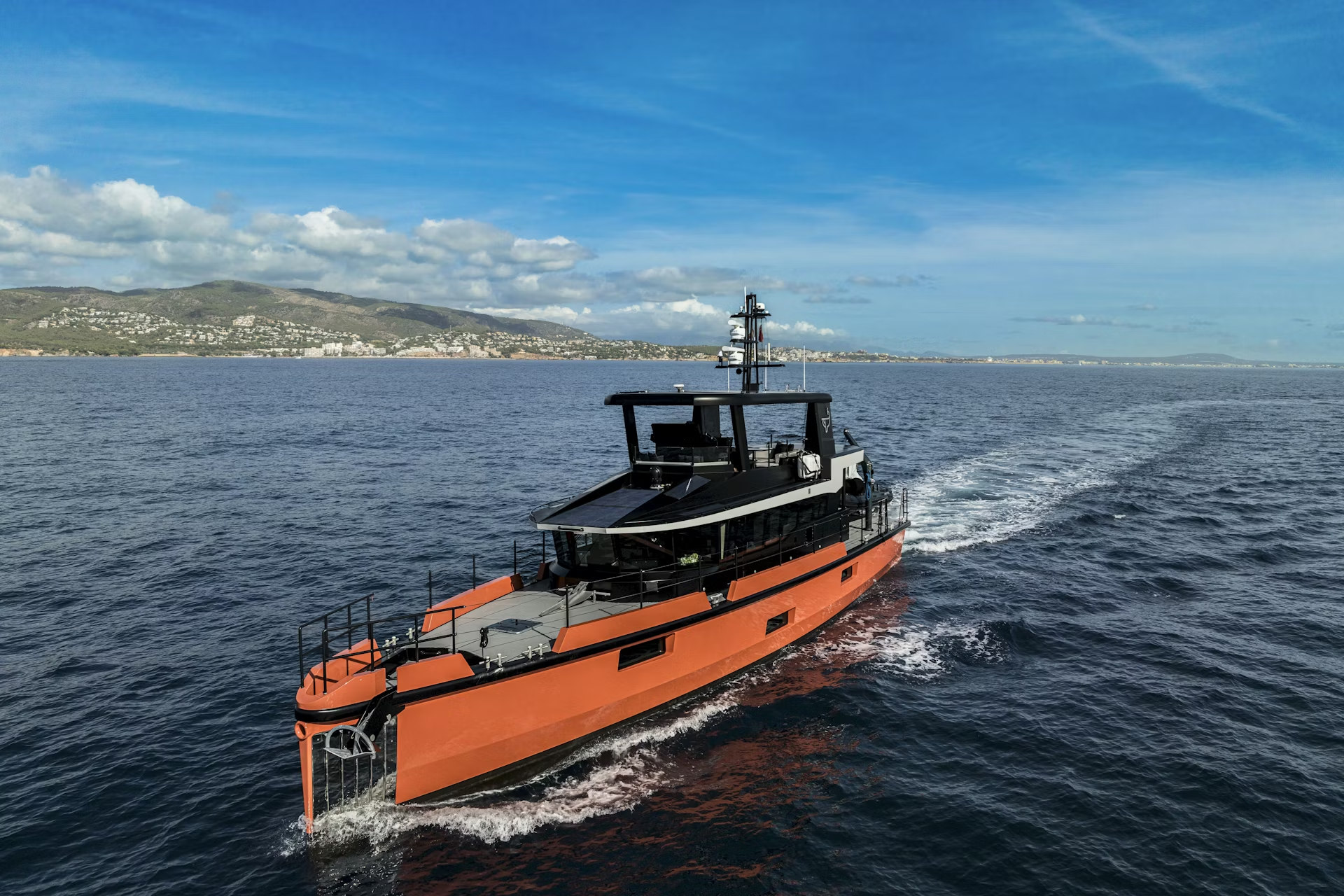
VANGUARD logged 7,400 nautical miles and is cited as the first documented hybrid-propulsion vessel to transit the full North American Atlantic seaboard. She handled wind speeds above 90 miles per hour in Newfoundland and Western Greenland, made a high-speed run ahead of Hurricane Erin across the Labrador Sea, and picked her way through heavy ice in Disko Bay with experienced ice pilots aboard. The yacht also participated in an at-sea assistance and rescue event coordinated with local authorities, a reminder that true expedition work is not always a postcard scene. Average fuel burn came in at roughly four liters per nautical mile, and the boat ran with a lean crew of two to five depending on the leg. Picture radar pings over the hiss of spray, then the muffled crunch and low groan as the hull shoulders brash ice aside.
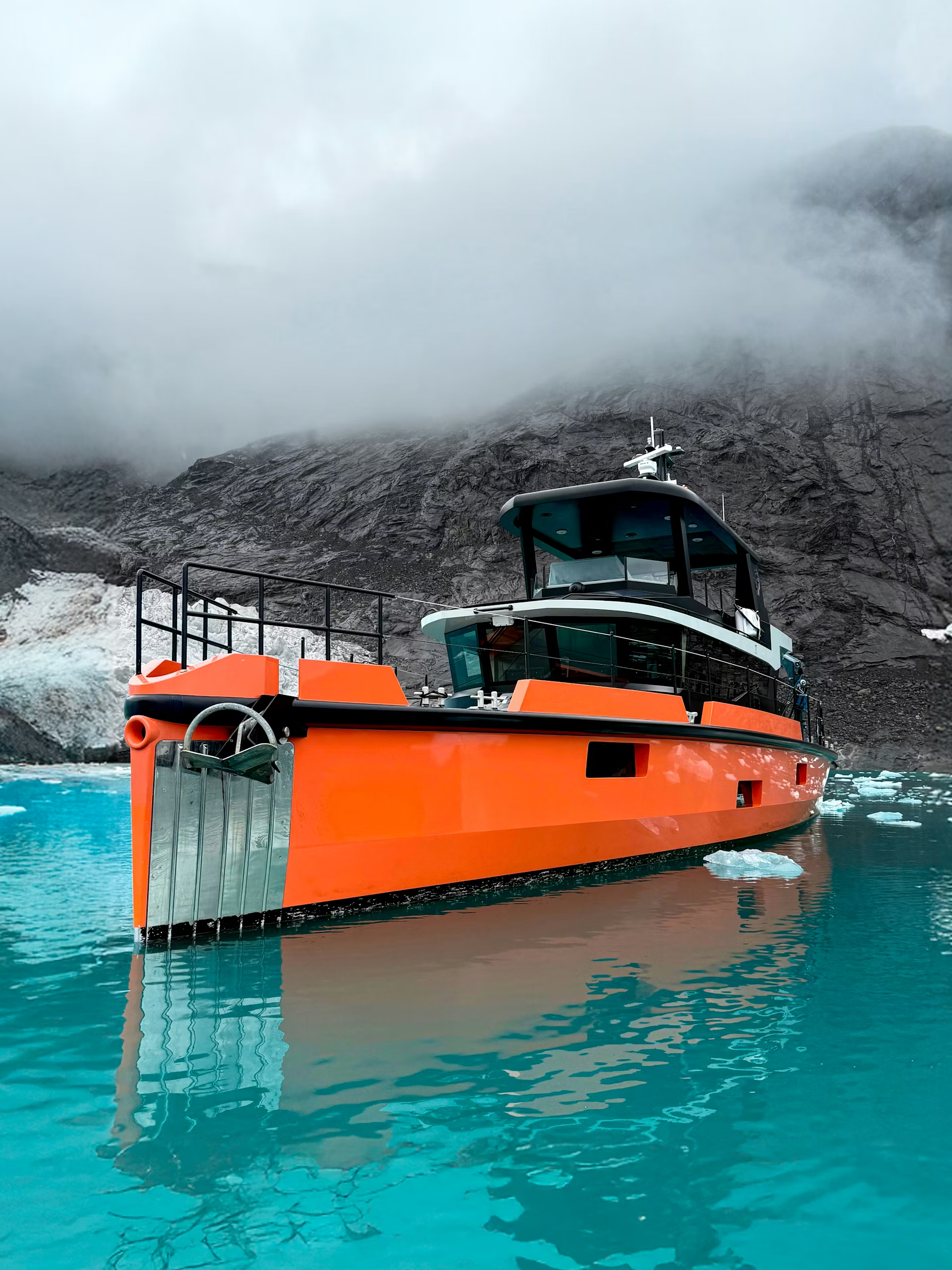
If hybrid propulsion still feels like concept-car tech in yachting, this is a counterexample. The system here is not theoretical. It has supported full hotel load and long-range passage-making in one of the harshest seasons in recent years. For an owner-operator or a small program, the ability to run a capable expedition platform with minimal crew has cultural significance. It democratizes serious adventure. It also reframes luxury in practical terms, where silence at anchor and reduced fuel burn count as much as a beach club. On the flip side, skeptics who prefer the simplicity of pure diesel will point to hybrid complexity. Fair. Yet field data from Greenland is hard to argue with, and it moves the hybrid conversation from promise to practice.
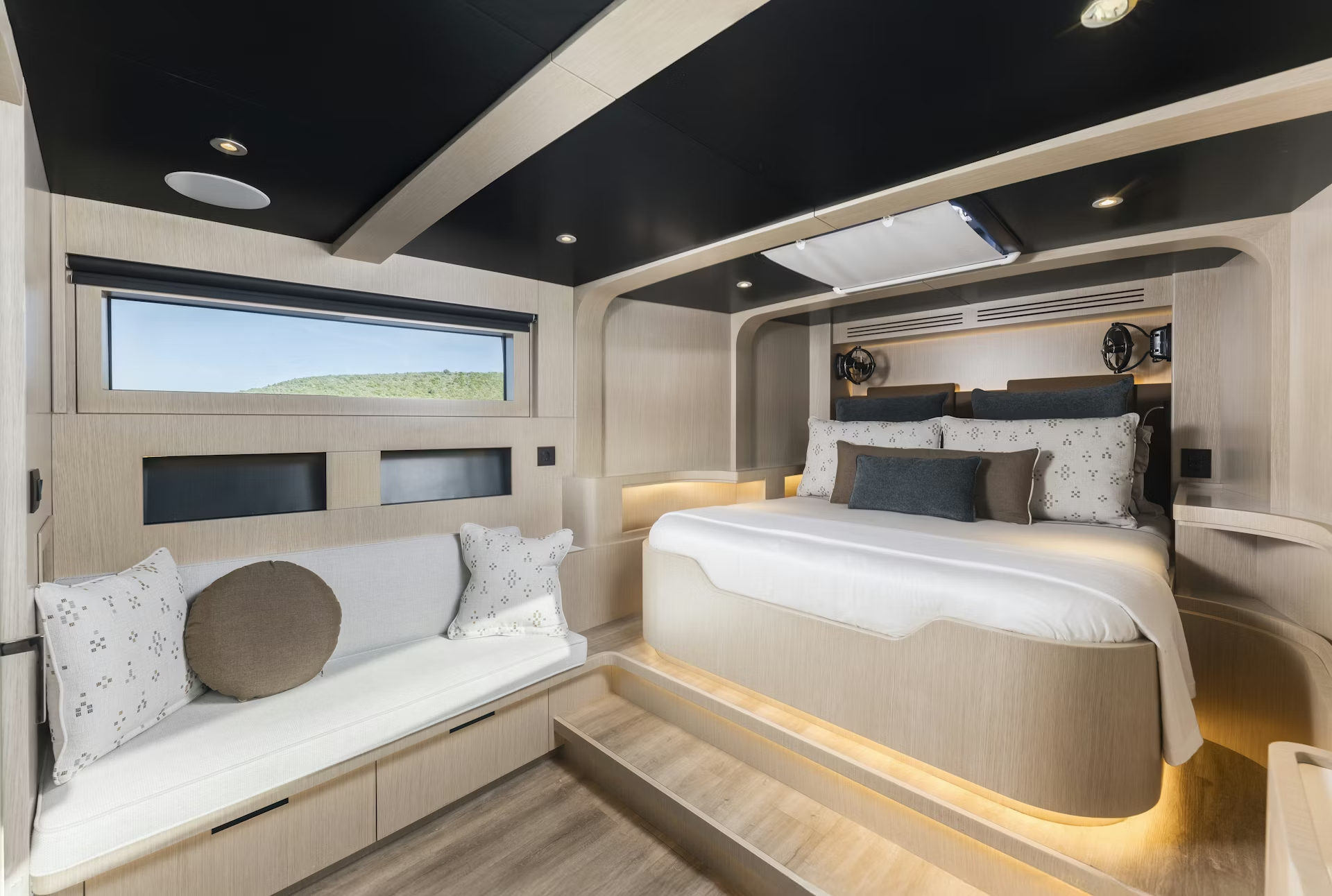
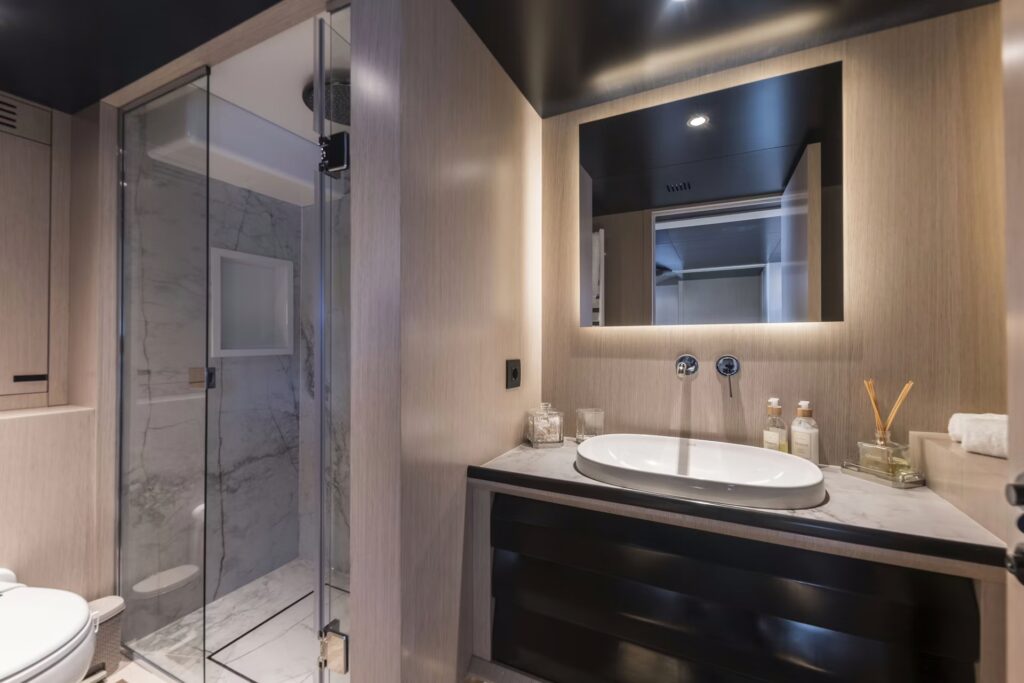
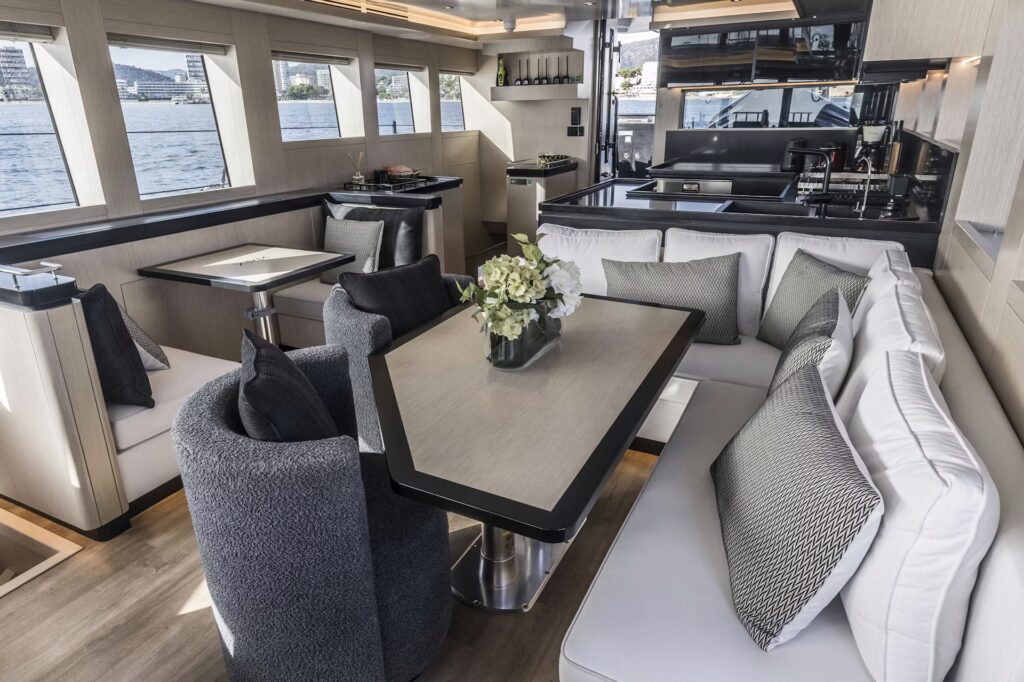
The price is part of the story. At $3.23 million, with a $750,000 reduction announced by Northrop & Johnson, VANGUARD occupies an interesting space. Many explorer yachts overdeliver on aesthetic bravado and underdeliver on readiness. This one arrives with a documented expedition file and a system designed to eliminate dedicated gensets for power, which, in 24 meters, is still rare air. The experience is as much about restraint as excess. Think the faint hum of electrics at night and the clean, cold smell of aluminum and sea rather than lacquer and perfume.
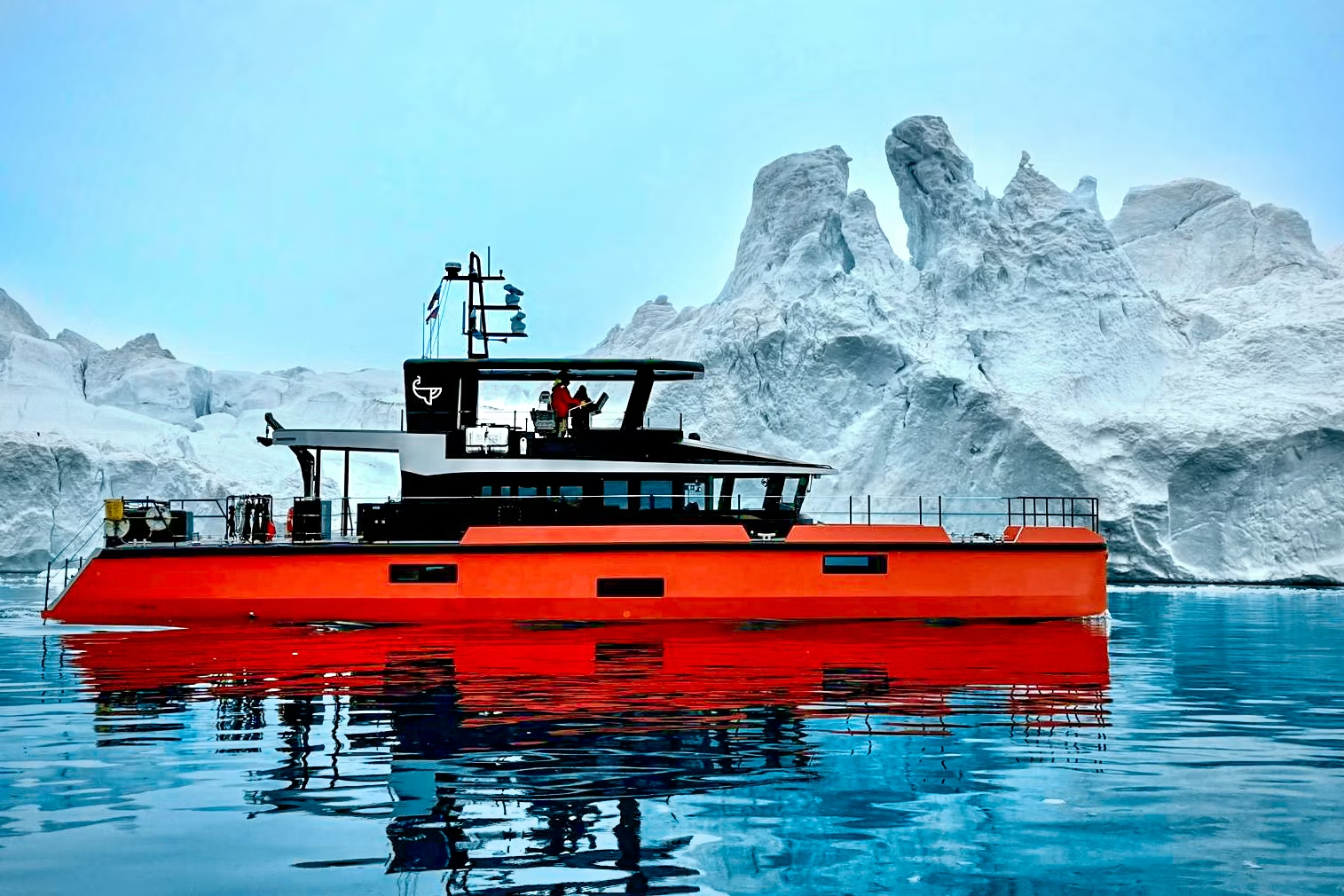
VANGUARD is now in refit at Yacht Management in Fort Lauderdale and is offered in excellent condition, according to the listing. The broker on the file is Mike Finnegan at Northrop & Johnson. The yacht’s appeal is not universal. If your vision is Riviera raft-ups, look elsewhere. If you value capability, measured efficiency, and a boat that just returned from Greenland, this is a serious proposition.
In a market that often confuses explorer aesthetics with expedition reality, VANGUARD reads as the latter. Not a louder look, a quieter logic. And for a modern gentleman who cares about where, how, and at what cost he travels, that may be the most persuasive luxury of all.
Read more about yachts here.