
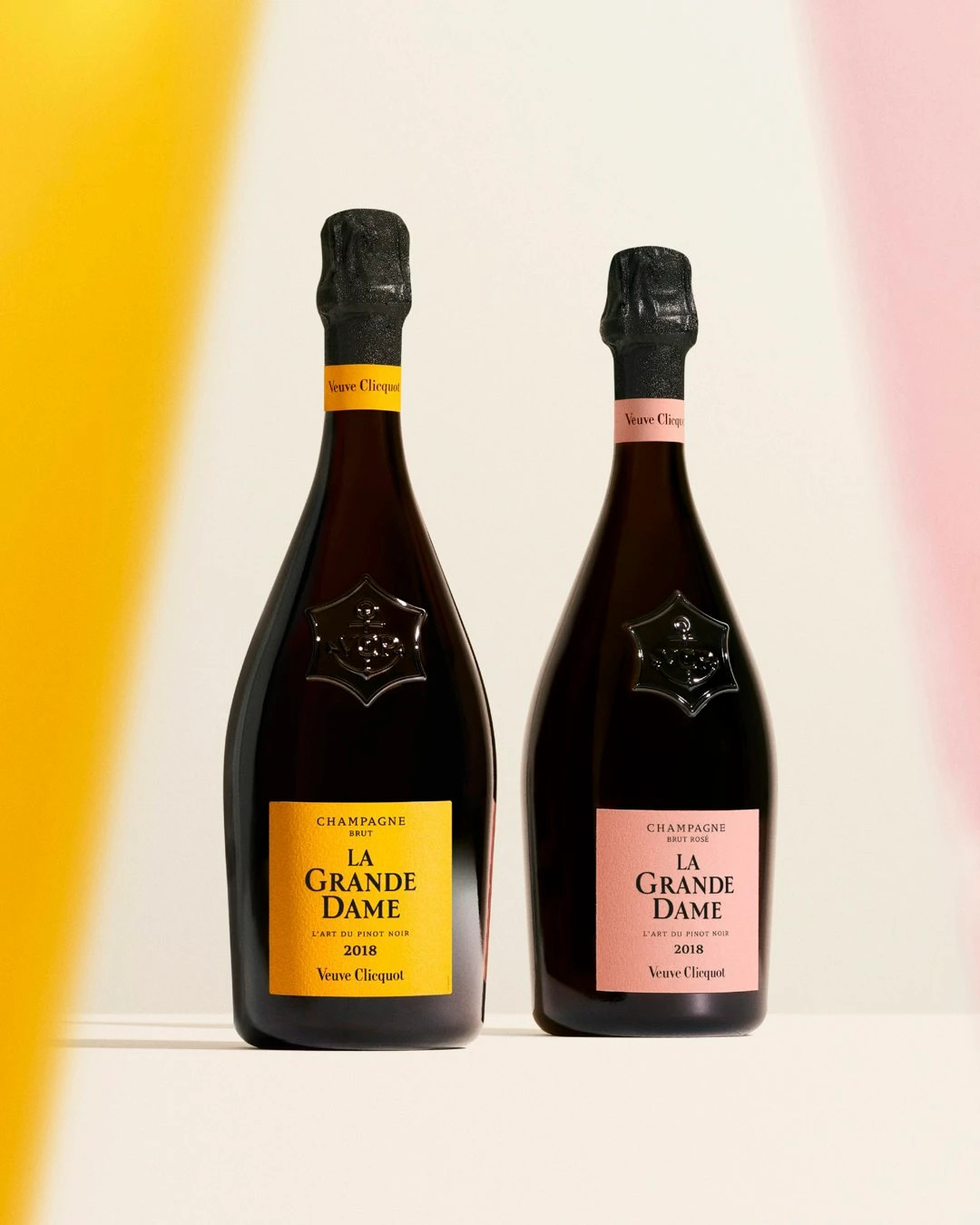
The first thing you notice about the new Veuve Clicquot La Grande Dame 2018 Rosé is not the bottle, but the box. It feels less like packaging and more like a piece of sculpture. The textured surface, subtle color, and solid form have a story of their own before you even get to the wine.
This is the work of Italian artist Paola Paronetto. Her collaboration with the Champagne house is a deliberate choice, signaling that the experience here begins well before the cork is pulled. Paronetto’s signature is a technique she calls “paper clay,” a unique blend that gives her objects a fragile, yet permanent quality. For La Grande Dame, she created a series of six gift boxes, each cast in a distinct color from her personal palette.
The Pinot Noir Question
The wine itself continues a story that began centuries ago. La Grande Dame is Veuve Clicquot’s prestige cuvée, a tribute to Madame Clicquot herself. Her great contribution to Champagne was an early and unwavering belief in the power of Pinot Noir. At a time when others hesitated, she saw its potential for structure, depth, and complexity.
The 2018 Rosé is a direct expression of that vision. The blend is almost entirely Pinot Noir, making up 90% of the cuvée, sourced from historic Grand Crus like Aÿ, Verzenay, and Bouzy. The remaining 10% is Chardonnay from Avize and Le Mesnil-sur-Oger.
To create the rosé, the house adds 14% red wine, made exclusively from Pinot Noir grown in the prized Clos Colin parcel in Bouzy. It is a precise and technical decision that defines the final character of the wine.