
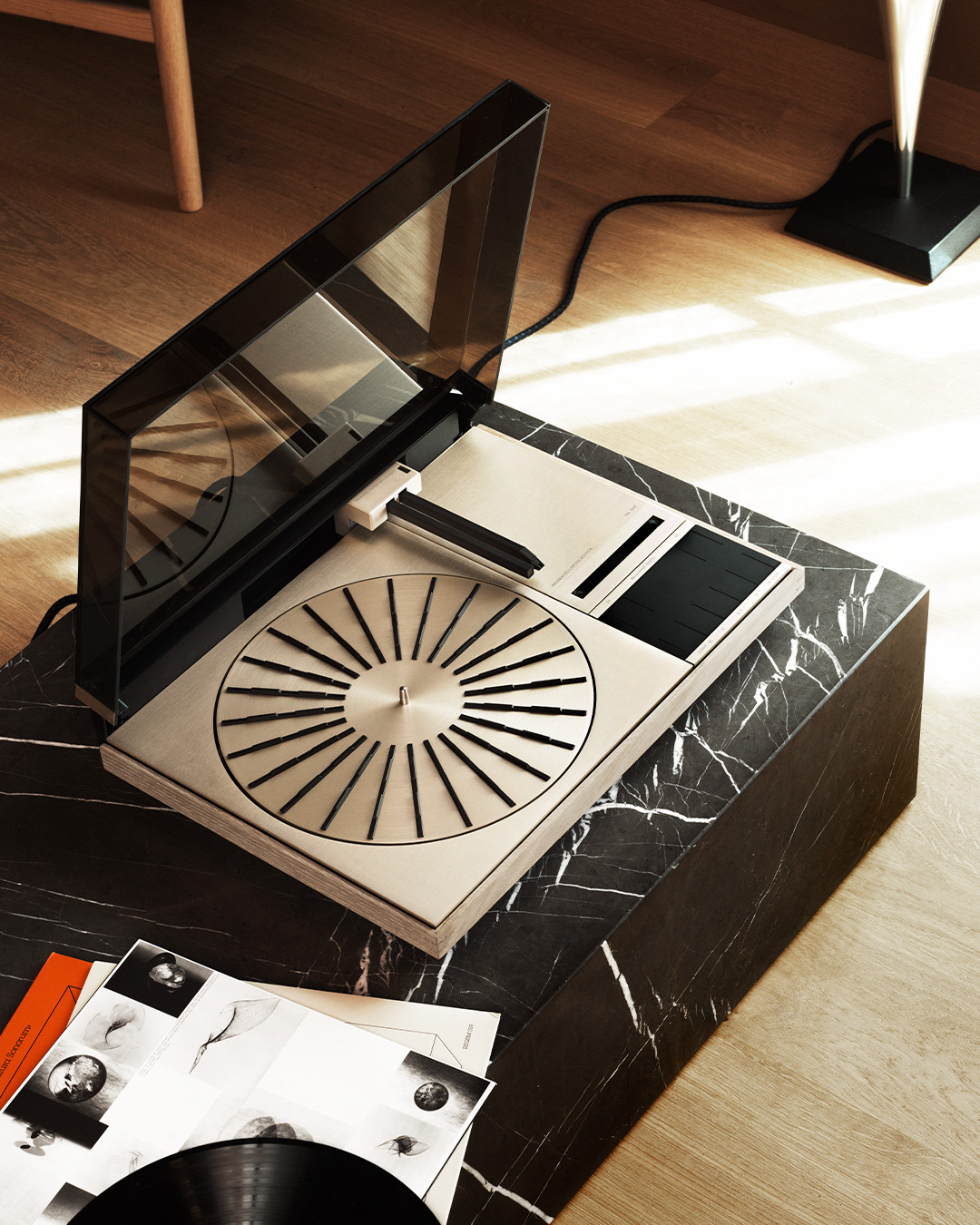
The first thing you feel is the weight. A 180-gram record has a satisfying heft that a playlist simply cannot. Then there is the artwork, large and deliberate, meant to be seen from across a room. The return of vinyl is not about rejecting digital music. It is about choosing to engage with it in a different way.
The numbers from the music industry in 2025 are now clear. For the first time since 1983, annual sales of vinyl records in the United States have surpassed the one billion dollar mark. This is not a sudden reversal, but the result of a steady, 19-year upward trend. Last year alone, 46.8 million records were sold, confirming that the format has moved far beyond a niche hobby.
Yet, the context is everything. This physical-format revival is happening while streaming platforms remain the undisputed center of the industry. Digital streaming accounted for 82 percent of the market’s total $11.54 billion in revenue. We have not traded our AirPods for turntables. We are simply using both.
A Culture of Ownership
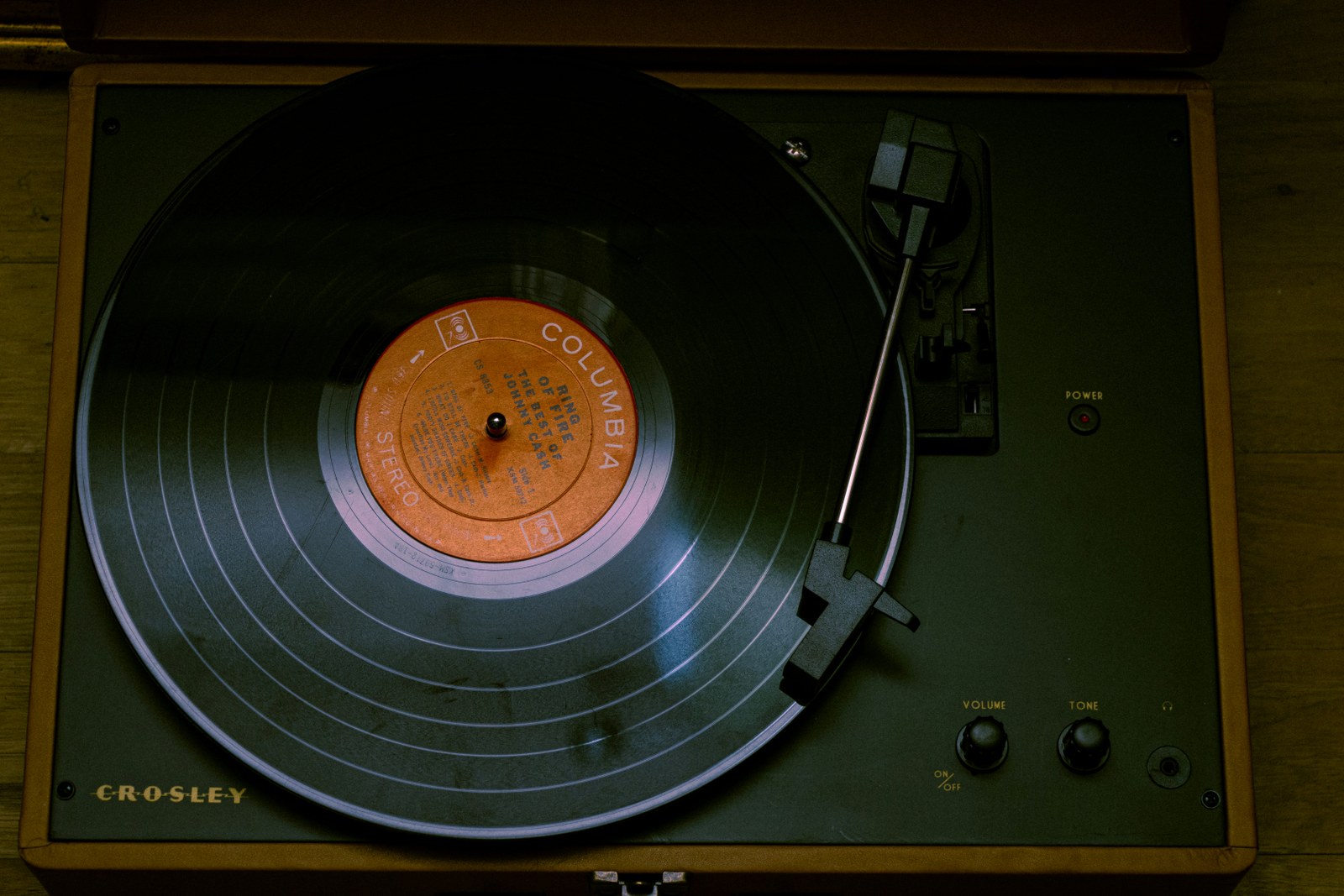
The rise of vinyl is not a battle against streaming. It is a supplement to it. The same fans who build intricate playlists are also the ones buying limited-edition pressings. It speaks to a desire for ownership and ritual in a world of access. One format is for convenience, the other is for connection.
This movement is being propelled by the most current forces in pop culture. The sales figures were significantly driven by special editions from artists like Taylor Swift and the soundtrack for the hit series KPop Demon Hunters. These are not heritage acts from a bygone era. They are the artists dominating the very streaming charts that supposedly made records obsolete.
The record itself becomes a physical token of digital fandom. It is an artifact to be collected and displayed, a tangible piece of a cultural moment that otherwise exists almost entirely online. It transforms listening from a background activity into a focused event.
The Physical in a Digital World
This instinct for the tangible is not unique to music. We see a similar current running through fashion, where collaborations produce physical objects that carry cultural weight far beyond their function. An album, like a sneaker, can become a marker of taste and belonging.
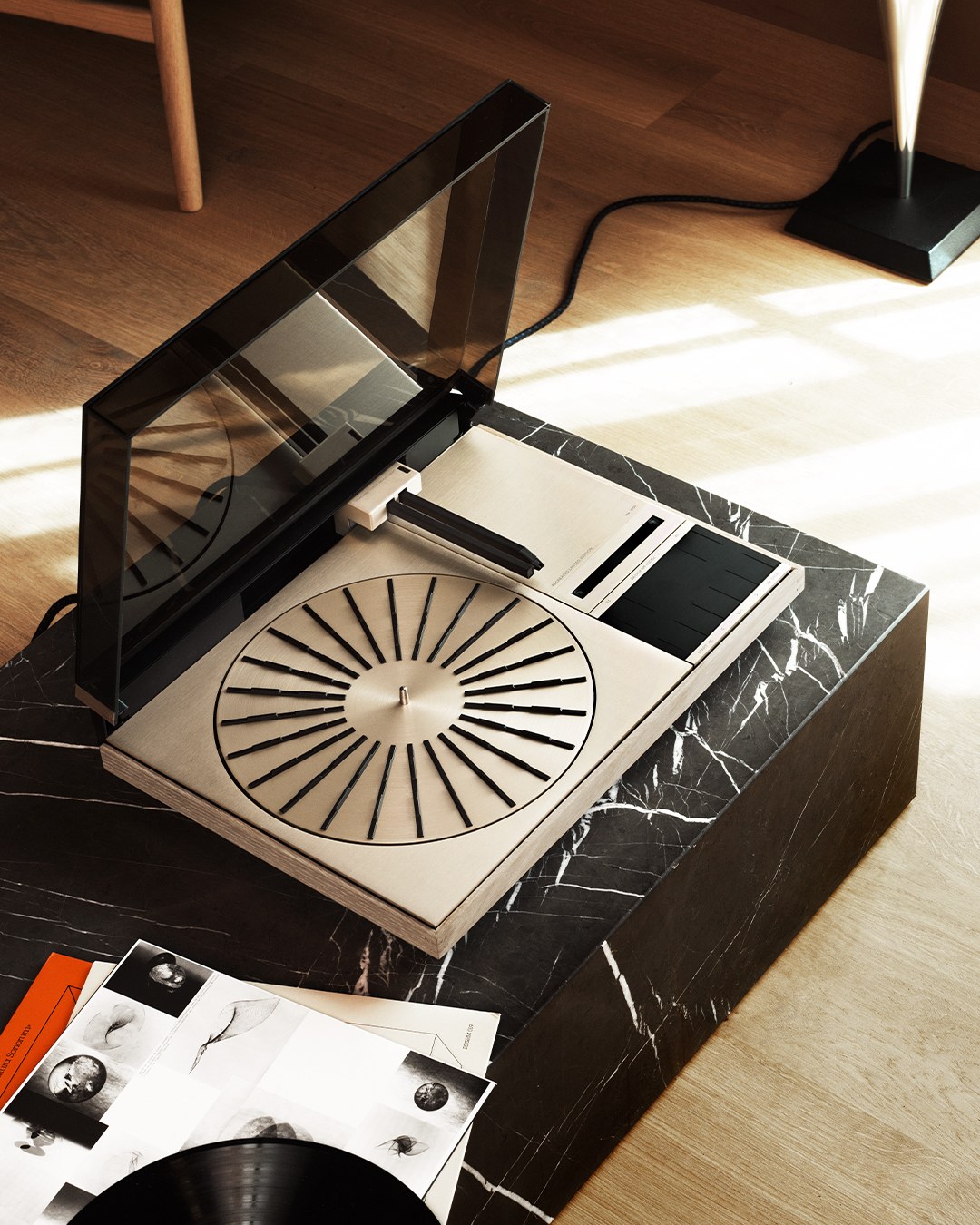
The digital ecosystem, with its endless storefronts and immediate access, does not eliminate the desire for physical goods. In many ways, it creates it. The more our lives are mediated by screens, the more value we place on things we can actually hold.
Data from the Recording Industry Association of America (RIAA) paints a picture of a healthy, diversified industry. The 106.5 million paid streaming subscriptions provide the foundation. The resurgence of vinyl shows that when a product offers a distinct experience, people are willing to pay for it, even if a cheaper, more convenient alternative exists. It seems the future of music is not one format, but many.
Read more about our deep dive into vinyl here.