
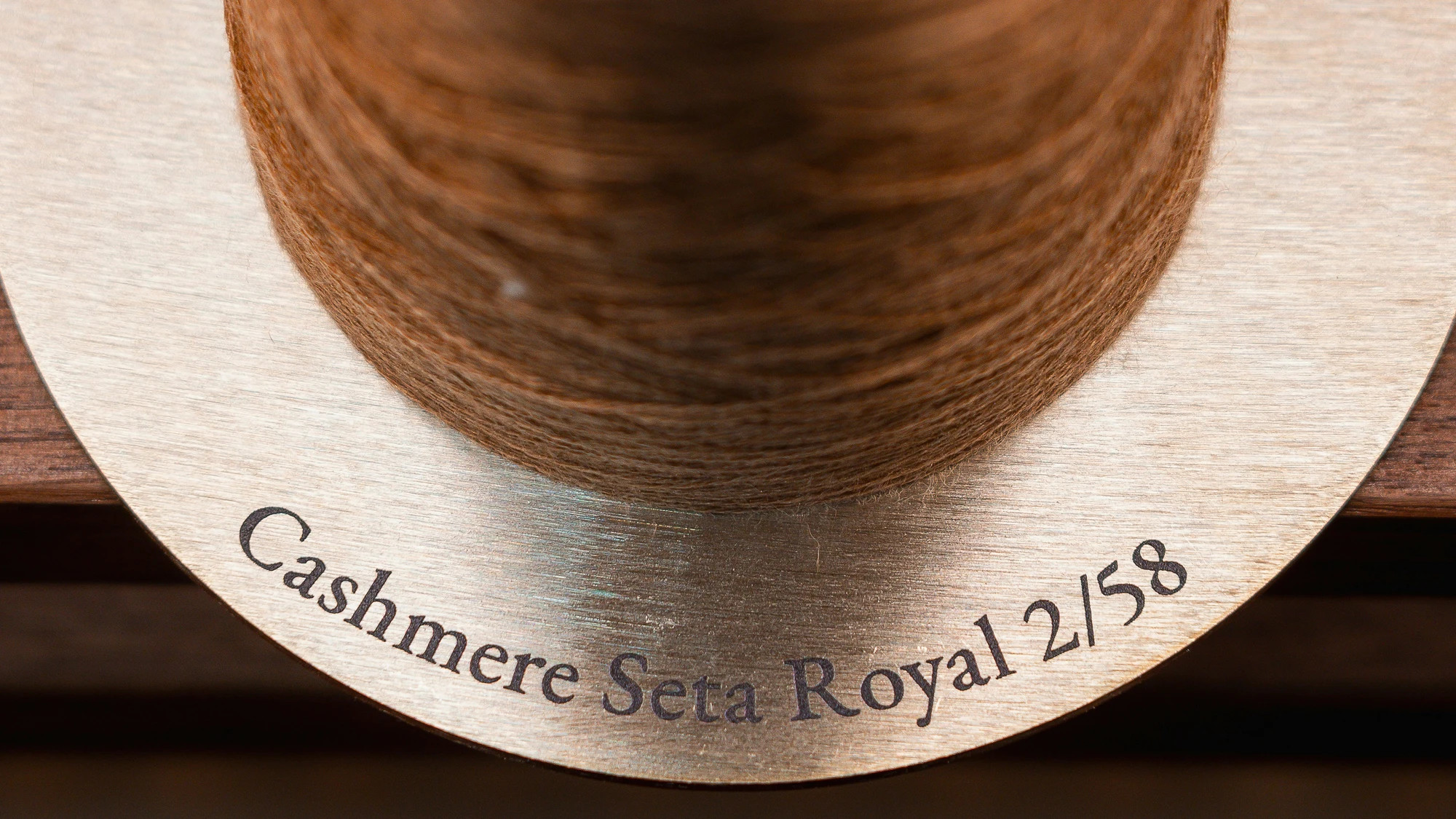
For the first time in more than thirty years, Loro Piana has built a new manufacture. The decision to construct an 8,000-square-meter facility in Ghemme, Piedmont, dedicated entirely to the single art of knitwear, is a quiet but significant move. This is a brand making a deliberate choice to anchor its future in something physical, local, and slow.
The choice of Ghemme is a return to roots. LVMH-owned Loro Piana first established a spinning mill on this same site back in 1987, tapping into a regional expertise in textiles passed down through generations. The new center gathers every part of the knitwear journey, from research on materials like vicuña and Baby Cashmere to the final assembly, under one roof. It is a consolidation of knowledge in a specific place.
An Academy for the Future
The most telling detail is not the advanced machinery or the scale of the operation. It is the preservation of the original caretaker’s house. This small structure has been given a new purpose as the home of the Accademia dei Mestieri. This is an academy created to train the next generation of artisans in the specialized crafts of knitwear.
This investment in teaching is the core of the story. It signals a belief that the ultimate value of a luxury object lies in the skill of the hands that made it. In an industry often distracted by ephemeral marketing, Loro Piana is building a system to ensure its foundational knowledge survives and deepens. The brand is investing in people, and in the continuity of their craft.