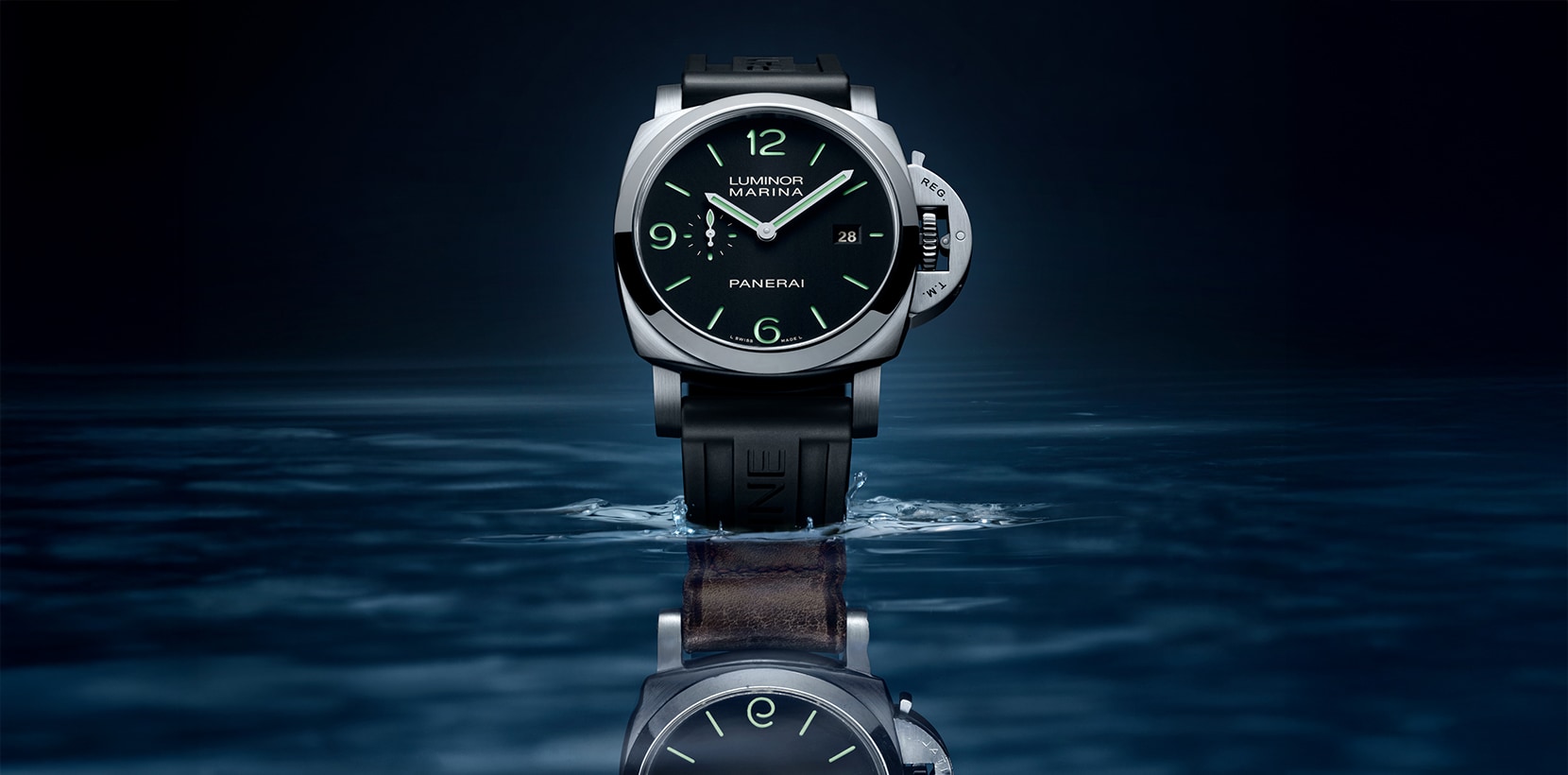
Milan in April is a city consumed by form. Every showroom, courtyard, and gallery is given over to the obsessive study of chairs, tables, and lighting. It is a strange, yet fitting, place to find a watch brand.
For the fourth consecutive year, Panerai returns as the Official Time Keeper for the Salone del Mobile.Milano. This is not a coincidence or a simple marketing alignment. It is a statement of intent. The brand is deliberately placing its own objects, born from military necessity, into the heart of the global conversation about design.
A watch and a chair have more in common than one might think. Both are judged on proportion, material honesty, and how well their form serves a purpose. The best of them achieve a kind of permanence, where a functional choice becomes an aesthetic signature. This is the story of Panerai, a brand whose identity was forged not in a design studio, but in the demanding environment of the Italian Royal Navy.
From Tool to Artifact
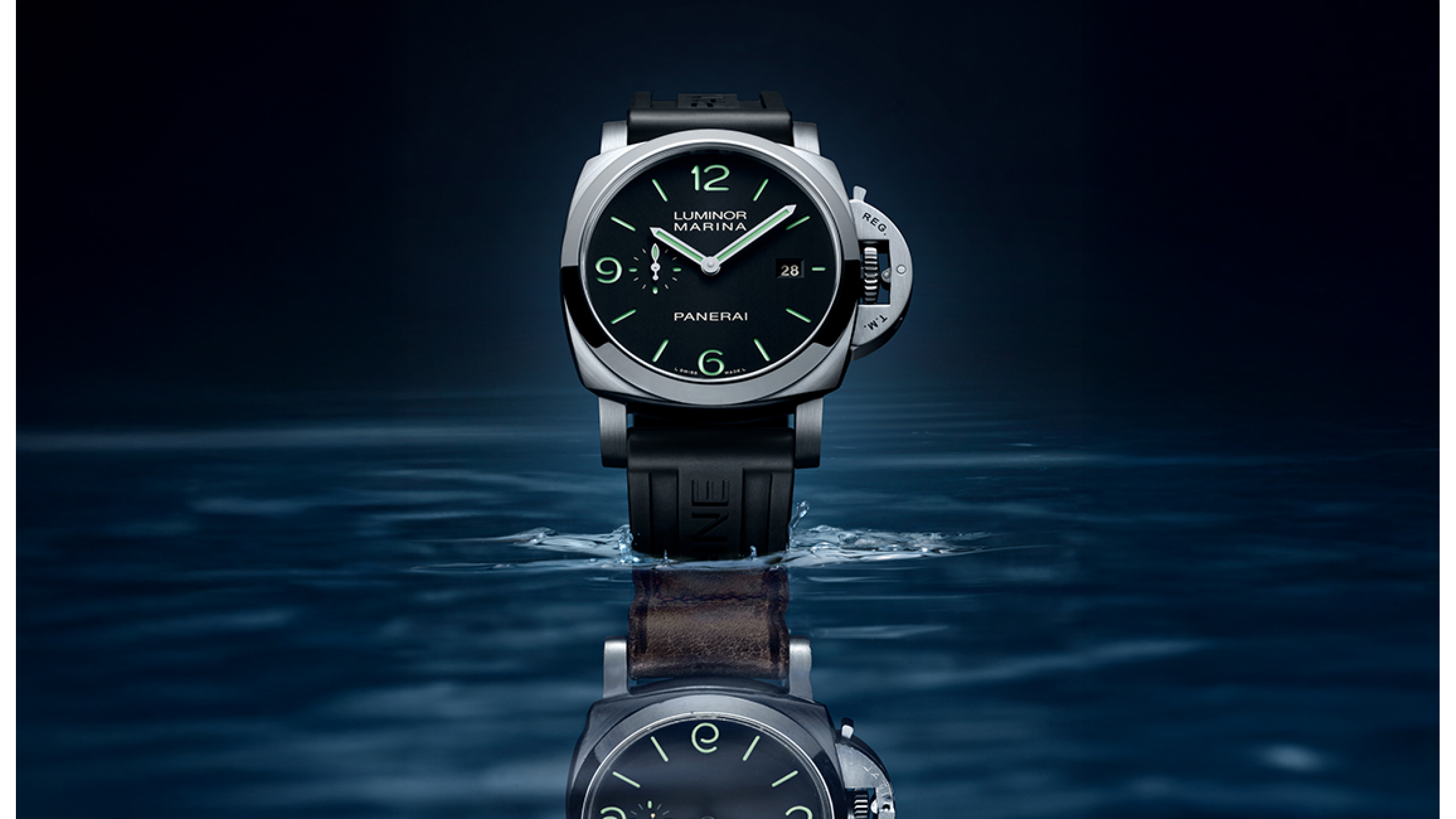
The Luminor’s crown-protecting bridge was not an aesthetic flourish. It was a solution to ensure water resistance under extreme pressure. The Radiomir’s luminous dial was not for style. It was for legibility in the dark depths of the sea. These were practical decisions that resulted in a shape and character so distinct they became iconic.
By embedding itself in the Salone del Mobile, Panerai is framing this history. It is suggesting that its watches belong in the same continuum as other great Italian design objects. It’s a shift in context from a tool for telling time to an object for consideration. This narrative is further reinforced by the brand's traveling “The Depths of Time” exhibition, which traces its history from military supplier to modern luxury house.

A Conversation of Form
The brand's presence in Milan includes a pop-up store, a space that acts less like a retail outpost and more like a small gallery. Here, a curated selection of watches can be seen not just as products, but as studies in form. The clean lines of a Luminor Due case feel at home among the principles of modernism that define so much of the furniture on display elsewhere in the city.
The partnership suggests that a watch is no longer an isolated accessory. For Panerai, it is a piece of industrial design that you wear. It is part of a larger ecosystem of taste that includes the car you drive, the chair you sit in, and the art on your walls. The continued relationship with the Salone is a quiet confirmation of this belief.
It repositions the brand away from just performance and heritage, and toward a more cultural role. Panerai is not just timing the event. It is participating in the conversation.
Read more about watches here.