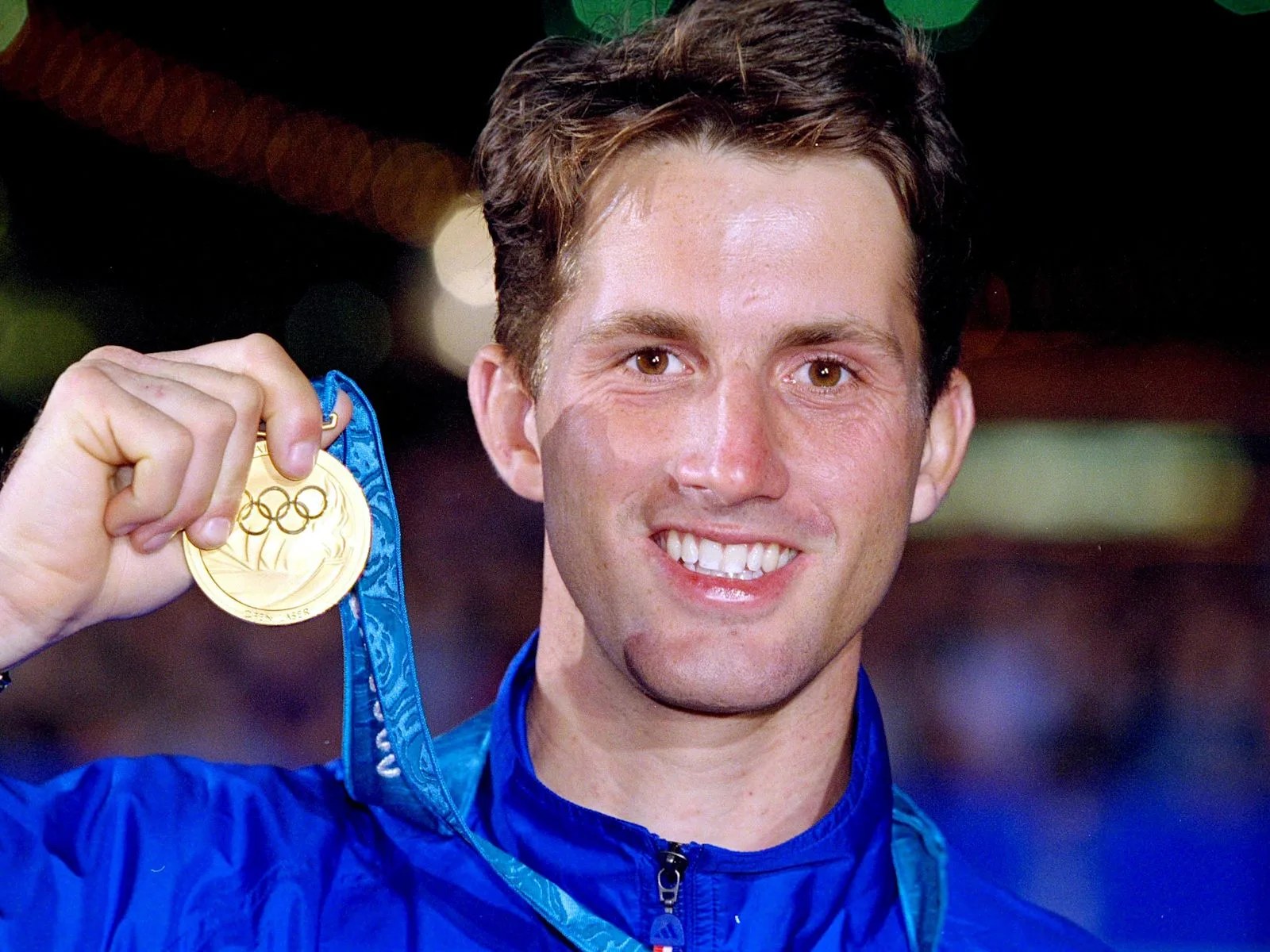
Thirty years ago this summer, a teenager from Cornwall stood on an Olympic podium in Atlanta with a silver medal around his neck and felt, by his own account, devastated.
That teenager was Ben Ainslie. Four successive Olympic gold medals would follow, along with eleven world titles and a place as the most successful sailor in Olympic history. For three decades, the shortest way to describe British sailing was to describe him.
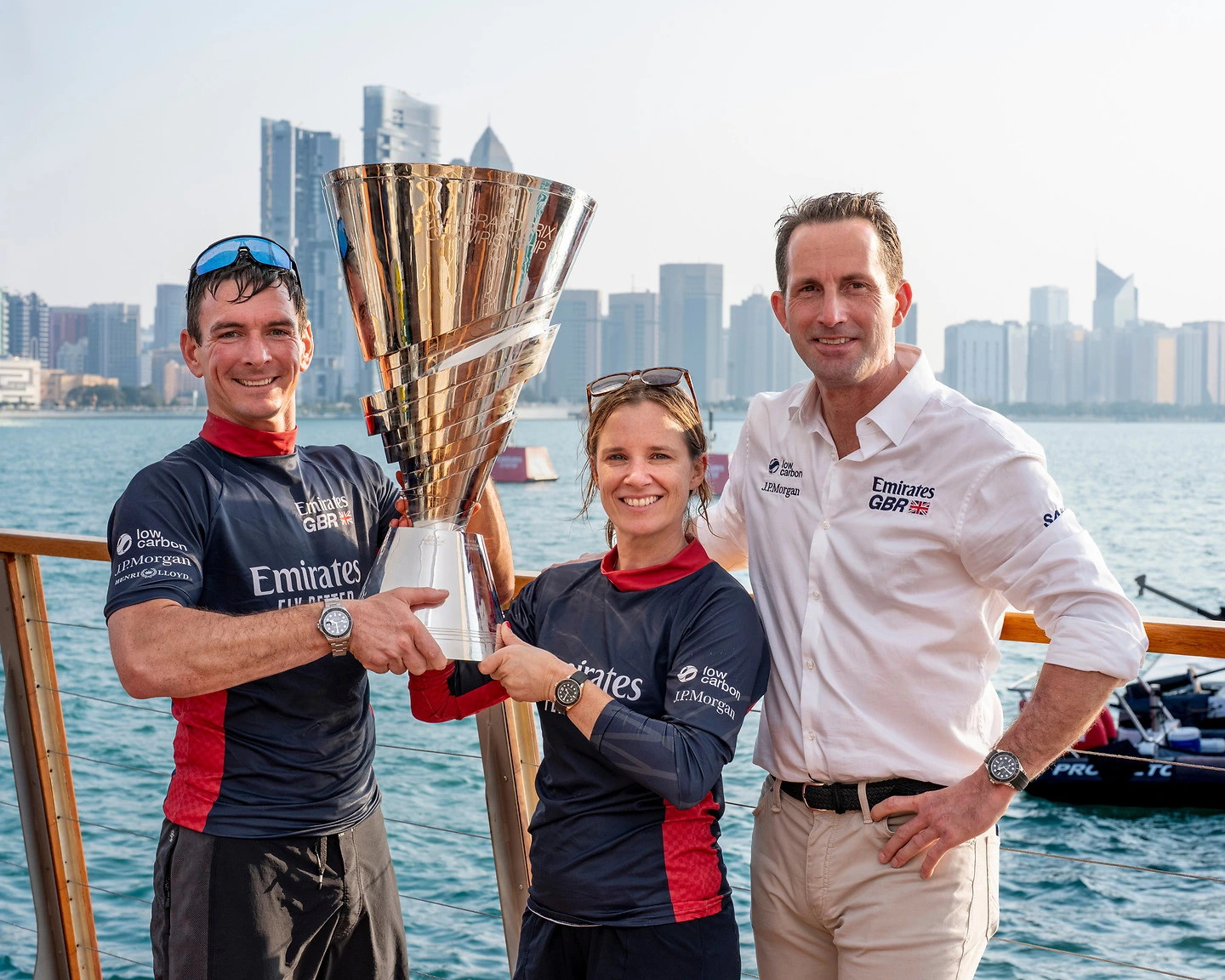
He no longer races. Instead, he leads Emirates GBR as CEO and team principal. When the boat is on the water, he stands on the shore but still helps the crew.
Cornwall
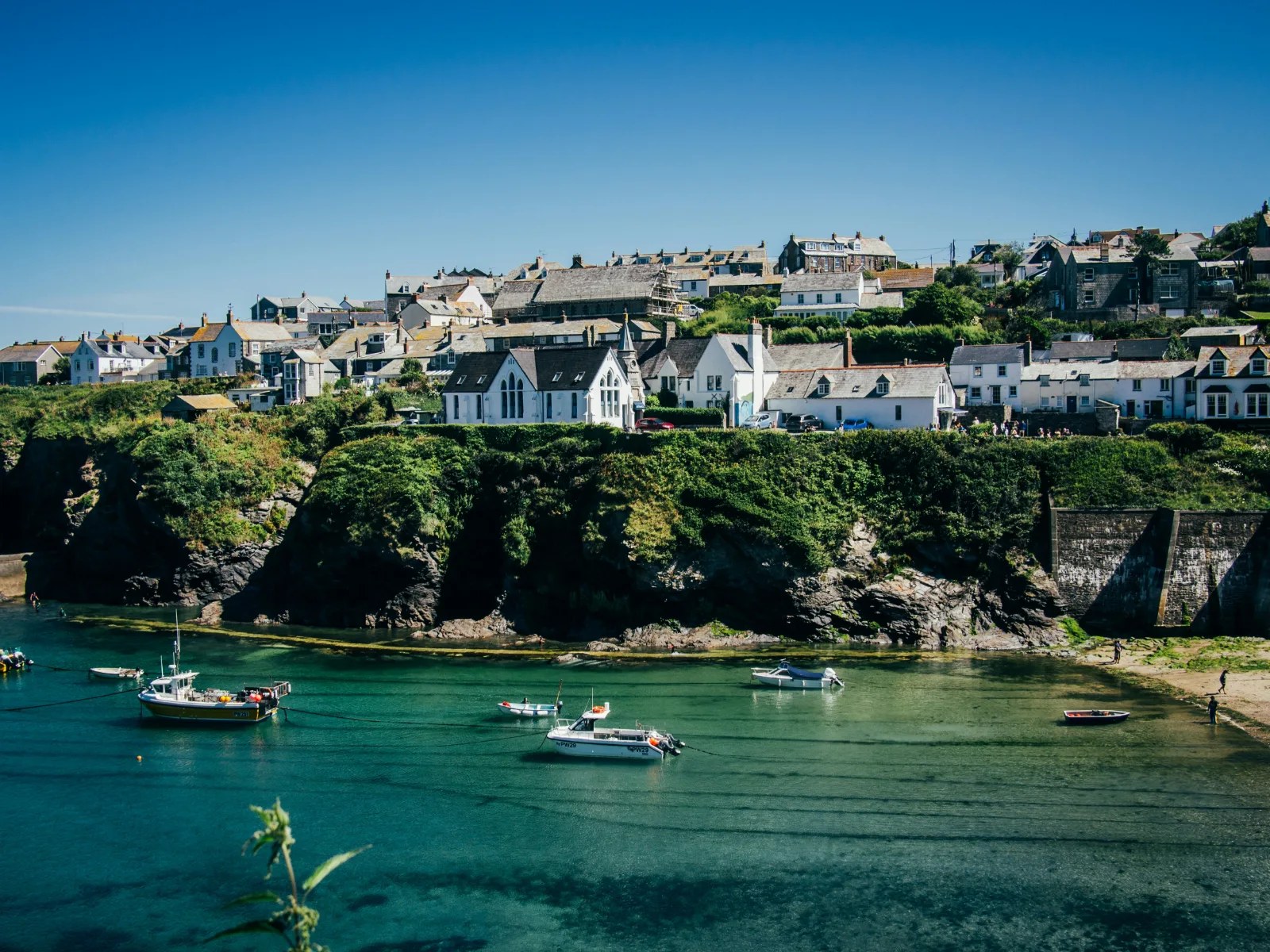
He learned the sport as a child, on the creeks near Falmouth, and spent the rest of his life getting as far from gentle as a sailor can.
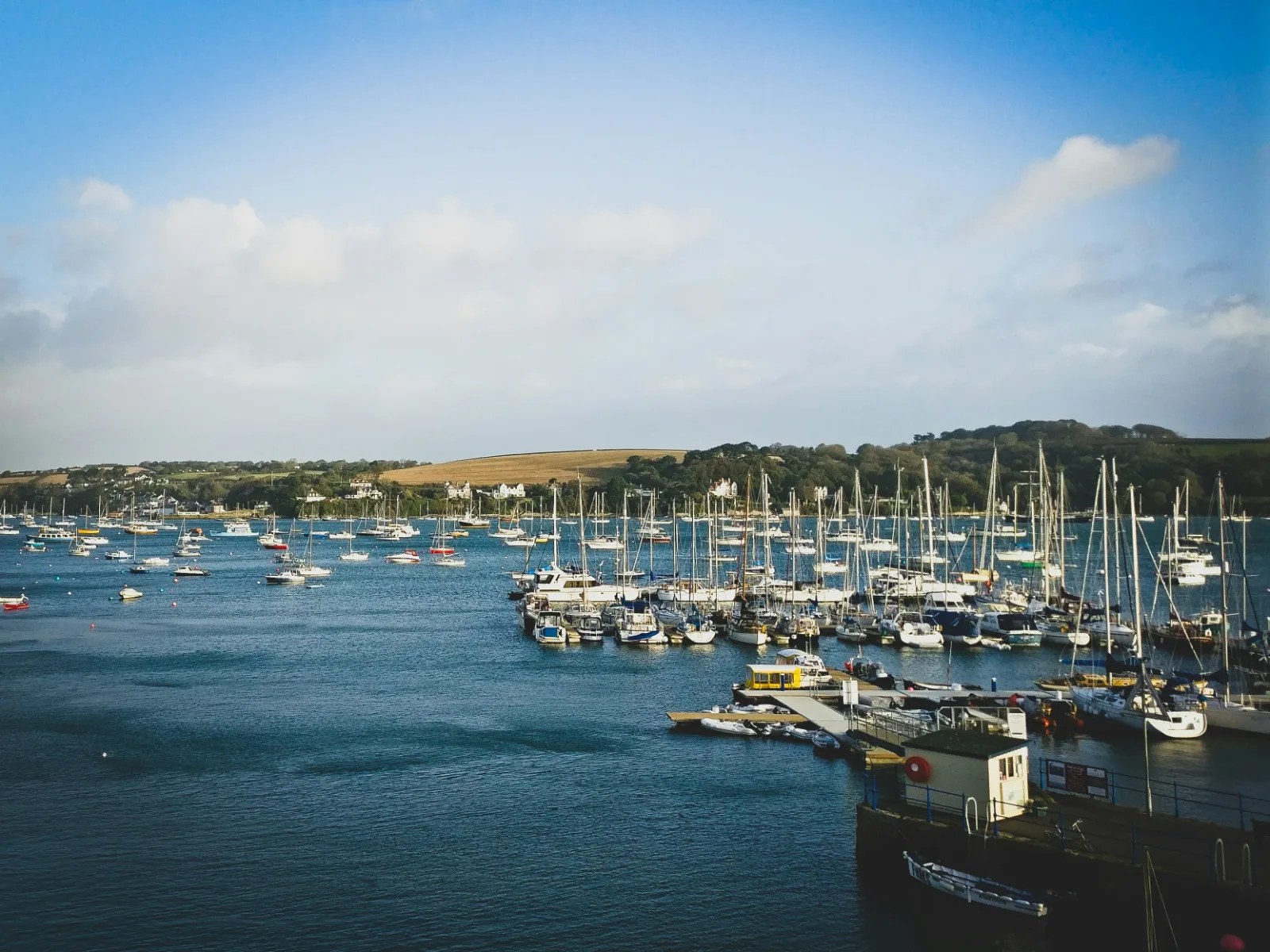
"I grew up in Cornwall, in the West Country, and got into sailing with my family. One thing led to another and I ended up qualifying for my first Olympics. I was eighteen, very young for a sport like sailing. I won a silver medal, and I remember being devastated I didn't win gold. Then I kept at it. For some reason I had a very strong motivation to be successful. With most things I'm reasonably relaxed, but with sailing I decided that was my thing."
Hold on the word. Devastated, by a silver, at his first Games, at an age when most sailors are still trying to qualify. The feeling was there from the start, and it pointed in one direction.
The Rivalry
It found a target quickly. The man who took the gold ahead of him in Atlanta would become one of the great sailors of the era.
"I had a strong rivalry with an amazing Brazilian sailor, Robert Scheidt. He won that gold medal, and he won more after it. He drove my desire to be at that level, to compete against him and ultimately beat him. That rivalry set me up for the rest of my career."
He beat Scheidt for gold in Sydney four years later. Then he won three more, leaving the Laser for the heavier Finn as his body filled out, until winning at the Olympics became something he simply did.
Off The Boat
He drives no longer. Dylan Fletcher took the wheel, and last season steered the team to the title.
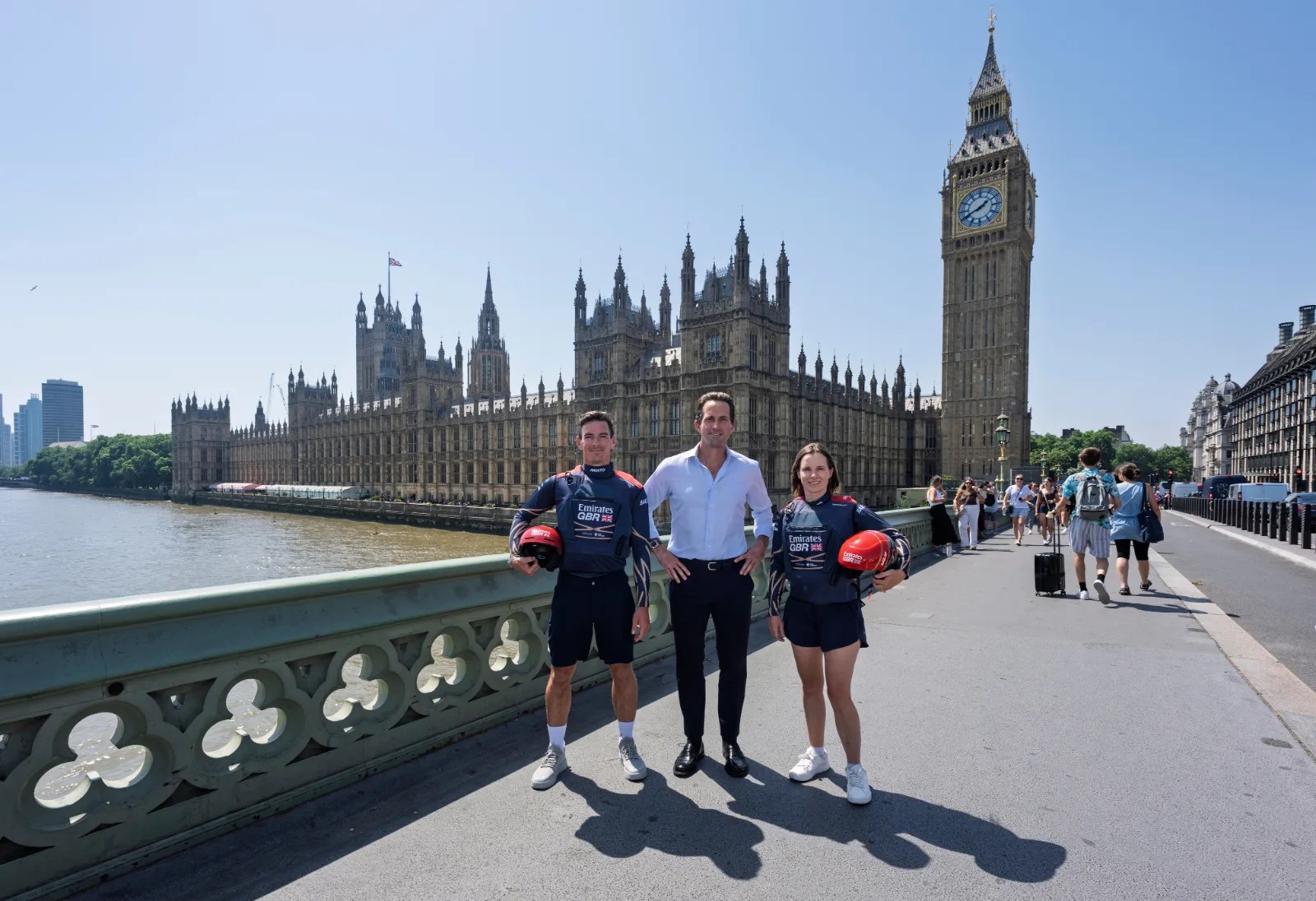
"It's always a tough decision, deciding when to step down from competing. For me it's what I'd done my whole professional adult life, so it was a hard one."
"But I had many other responsibilities and it felt like the right time. And finding Dylan Fletcher to replace me, he's a huge talent and has done a fantastic job. He came in and won last season, champions of SailGP. Dylan and the rest of the team performed brilliantly, right through to that final race. That was great to see."
The Machine
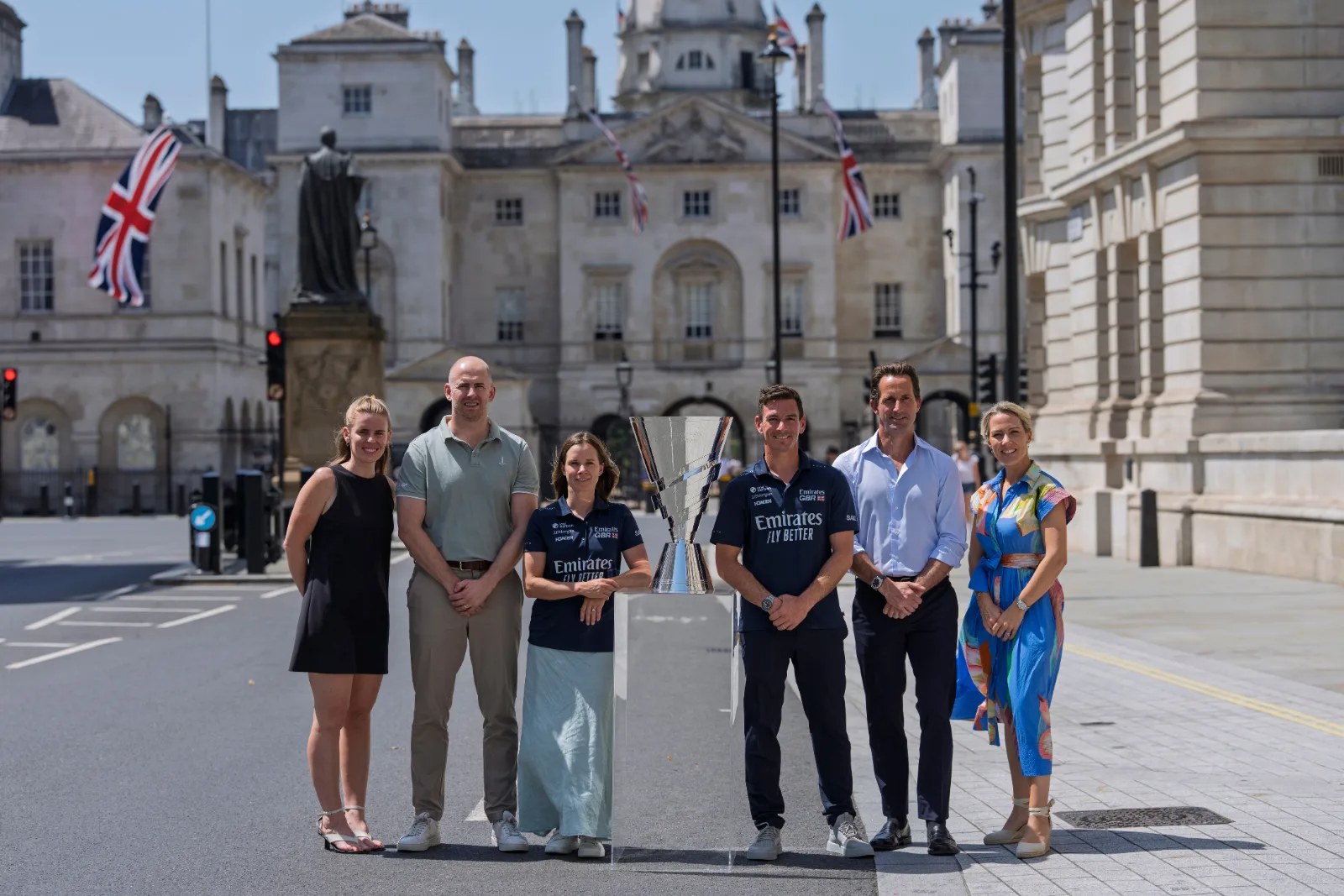
What he watches now is not the sailing most people picture. SailGP, in its sixth season, races thirteen national teams on identical F50 catamarans, close to shore, at speeds beyond a hundred kilometres an hour.
"The F50s are phenomenal boats. They get to speeds over a hundred kilometres an hour, so it's super high intensity. At those speeds you're really hanging on. There's a balance between getting performance out of the boat and keeping it safe, because you don't want to wipe out. You're on edge."
"I haven't driven a Formula 1 car, but I imagine it's a similar intensity. And it's a huge amount of teamwork. We've got six athletes on the boat and everyone needs to be perfect in their role."
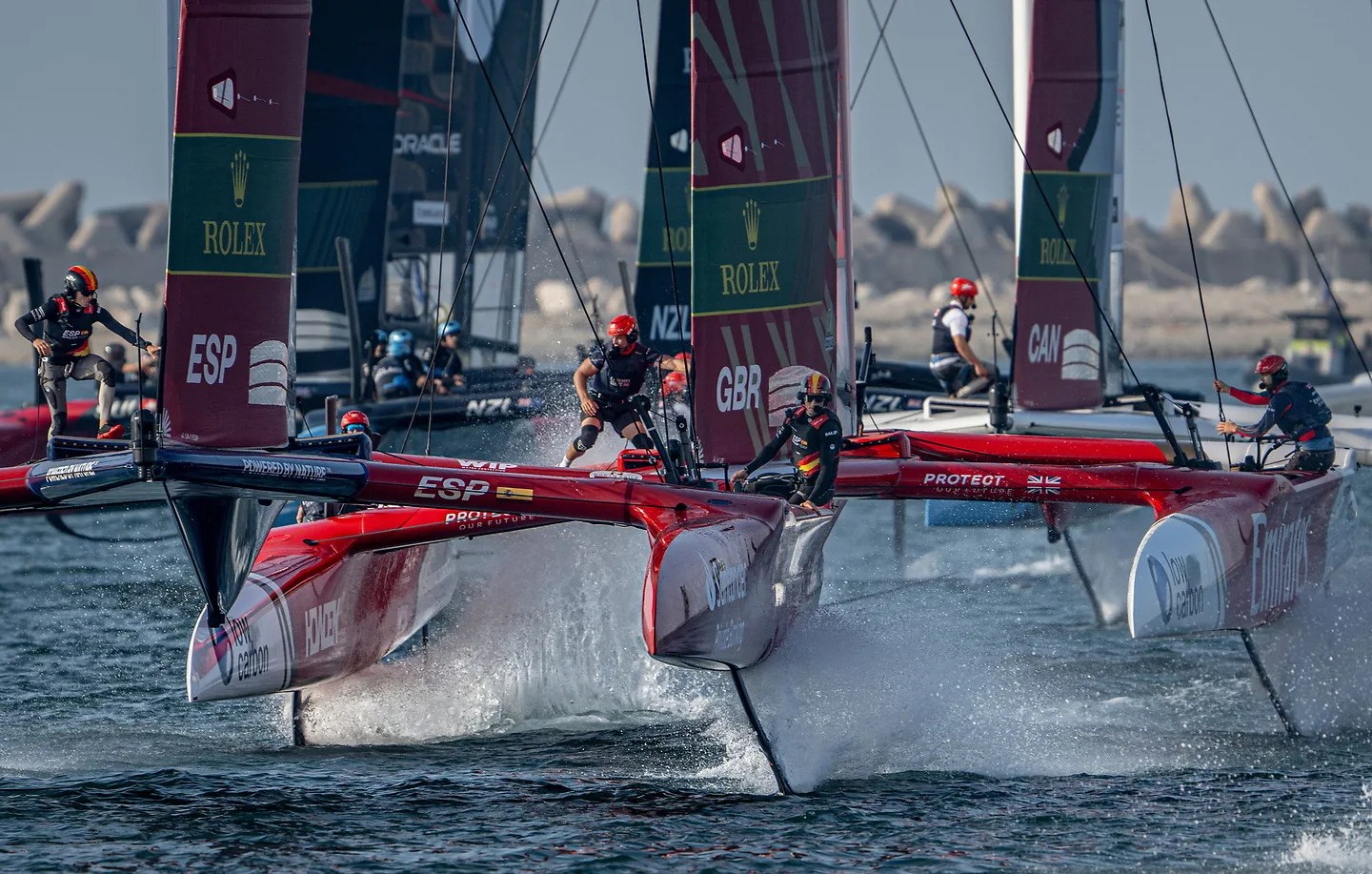
Because the boats are identical, the racing turns on the calls made on board. The trim, the timing, the reading of the wind. They are calls Ainslie used to make with his own hands.
"They're equal, but they're highly technical. The skill is not only putting the boat in the right part of the race course but working together to make the adjustments. The strategy side is critical. We have an amazing strategist in Hannah Mills, a multiple Olympic gold medallist. She's responsible for where we put the boat on the race course, reading the wind, watching what the opposition are doing and communicating it clearly."
From The Shore
You could expect a man assembled almost entirely from the will to win, a man leveled by a silver as a teenager, to find this unbearable. He describes something else.
"It's mixed emotions. I love sailing, so of course I'd love to be on the water, but that's not the case now and I'm comfortable with that. When the team is struggling, it's about how we support the athletes and get them back to the front of the fleet. And winning is amazing. It's almost more emotional watching from the shoreline than being on the race boat. When you're racing yourself you're so focused on the result that you don't have time to think about the emotion of it."
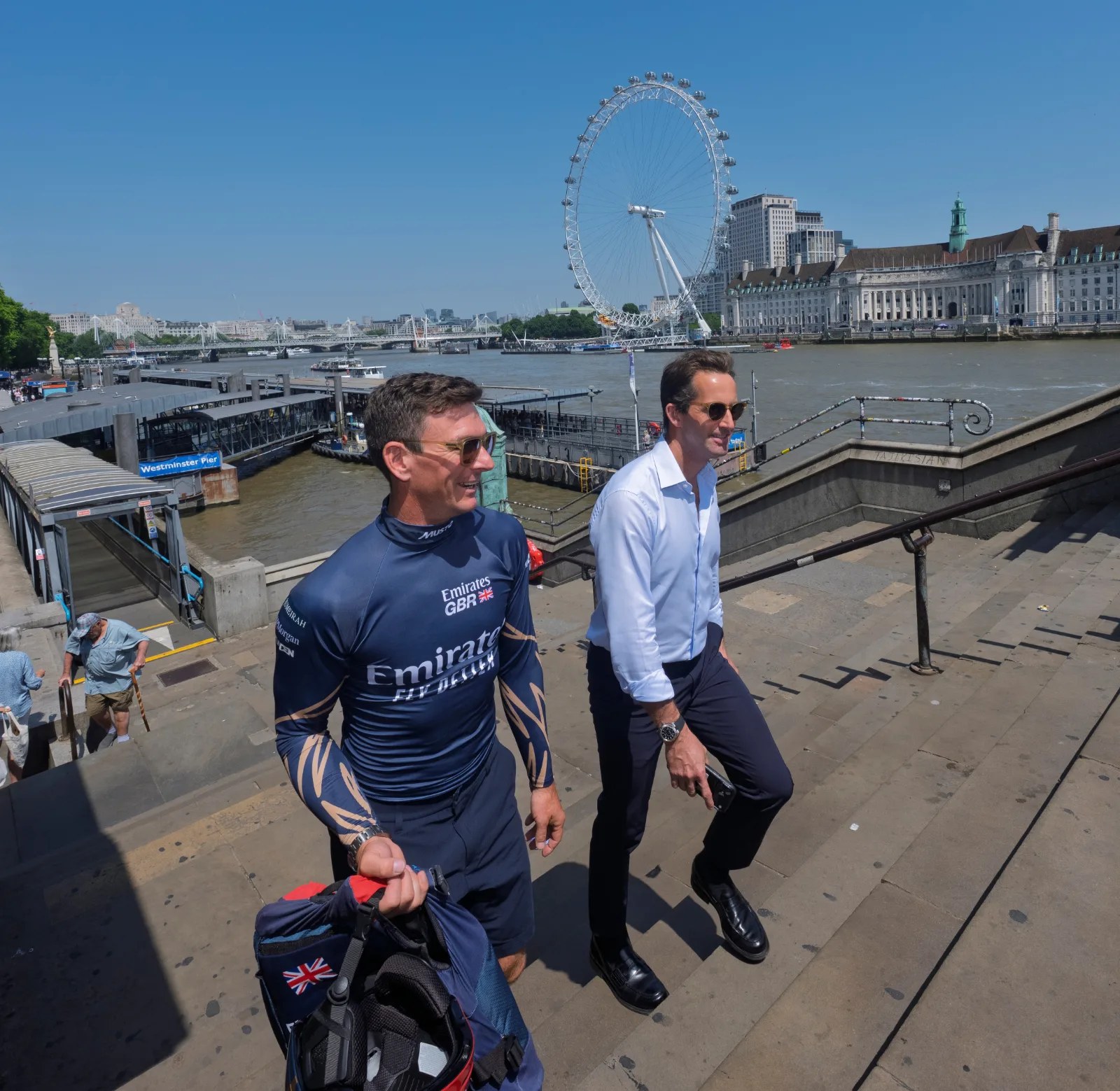
There is the whole thing, in a line he almost throws away. For thirty years the winning came too fast to feel. From the shore, with nothing to do but watch, it finally reaches him. He gave up the wheel and got the feeling back.
Who Gets To Sail
Some of that energy now points outward, at who gets near the water in the first place.
"There's a misconception that sailing is this super elitist sport, only for rich people. Actually the grassroots are huge. You don't need to own a boat, you don't need a wetsuit or any kit. Most clubs have fantastic initiatives to get young people into it. It's a really fun sport, and a very diverse one."
Coming Home
Next month it comes home. The Emirates Great Britain Sail Grand Prix returns to Southsea Common on the 25th and 26th of July, the team's home race and the start of the European leg, a year after Portsmouth's first event sold out to more than twenty thousand people.
"We're really looking forward to the home event in Portsmouth, then we're about halfway through. We've got more events in Europe before we finish in the Middle East, in Abu Dhabi, where we won last season. The priority is holding a top-three place to make the grand final, and then nailing that final race."
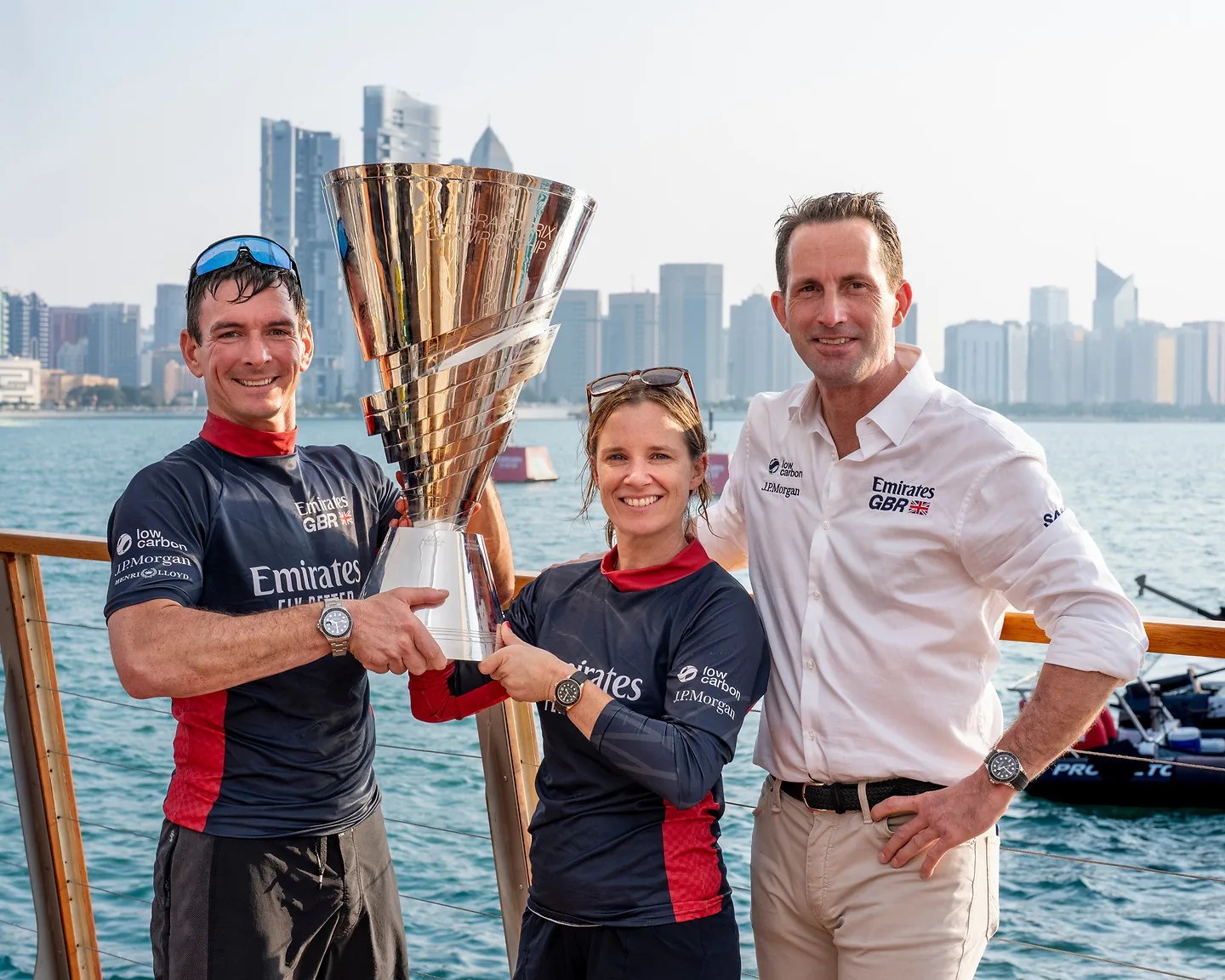
The team are champions, sitting third for now, holding the top-three place that keeps them in the grand final. Ainslie will watch all of it from the edge of the water. I asked him where he most likes to sail when none of it is at stake.
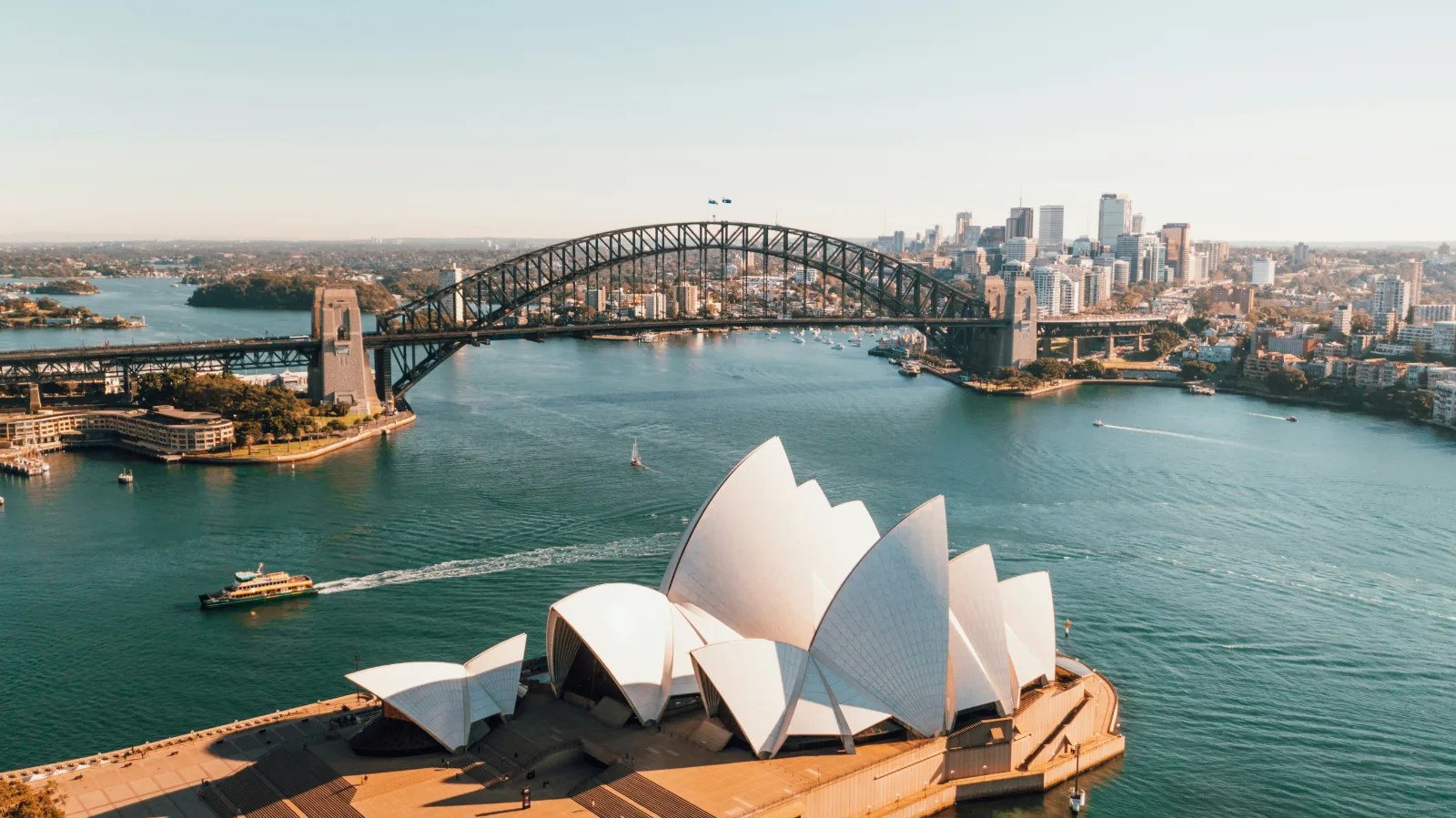
"I'd have to say Portsmouth, because that's our home event. But I love Sydney Harbour. It has a lot of history for me competitively, and just going out sailing around it on a summer's weekend. It's one of the iconic sailing venues anywhere in the world, and I love the city."
The Emirates Great Britain Sail Grand Prix returns to Portsmouth on 25-26 July.