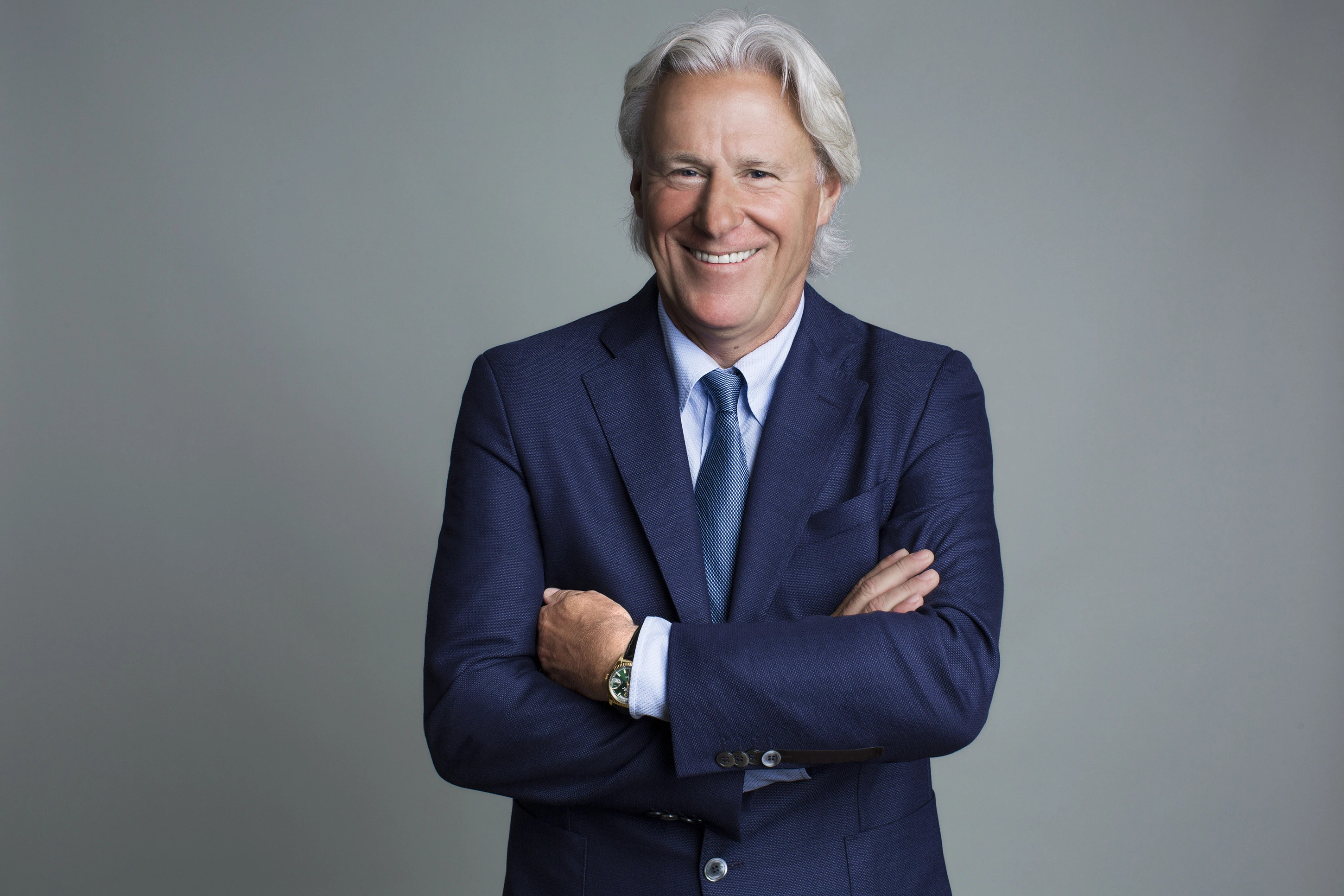
Fifty years on from his first Wimbledon title, Björn Borg on the surface he was told he could not win on, and the one court he never wanted to leave.
In the summer of 1976 a twenty-year-old arrived at Wimbledon with a game the grass had spent decades punishing, and left without having dropped a set.
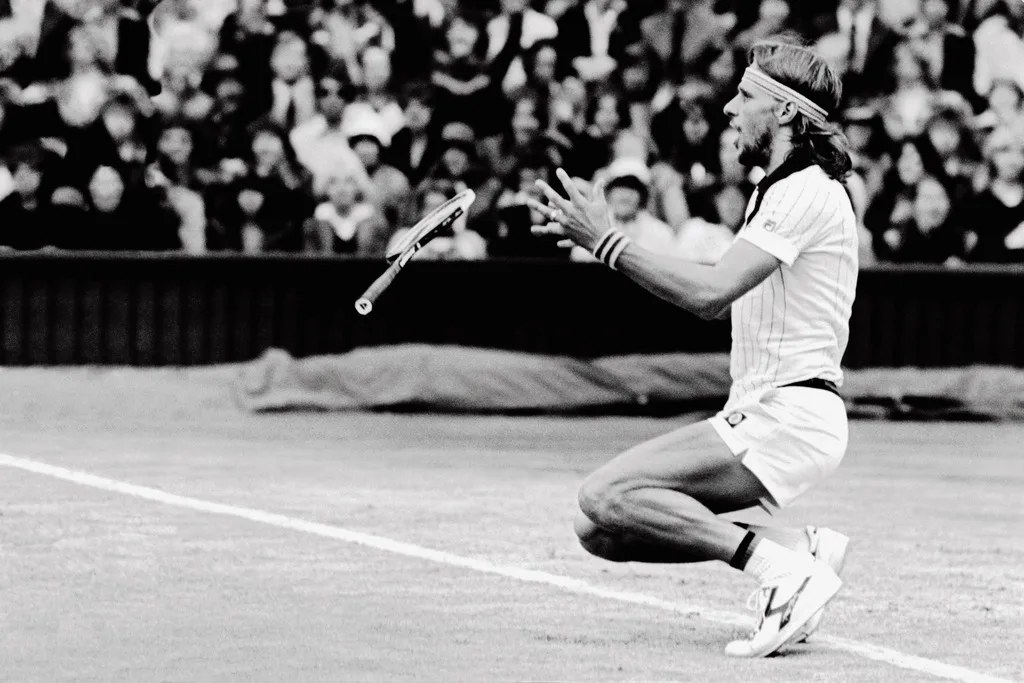
He had already won on clay, Roland-Garros at eighteen, the youngest man to take it at the time. The lawns asked the opposite question. They played low and fast and rewarded men who came forward, and Borg was a baseliner who preferred to wait.
"Back then, the grass courts were very fast," he says. "I had to learn and figure out how to play my game. Once I did that, I finally felt comfortable on this surface."
The turn, as he tells it, was a matter of timing. "I knew exactly when to come in and when to stay back, I found the motion, I found the rhythm," he says. "This was the key moment for me."
Once he had the timing, the surface came to feel like his. He beat Ilie Năstase in the final, and at twenty became the youngest man to win Wimbledon since 1931.
Năstase, who had just lost to him, gave the sport the line it has repeated for fifty years. "We're playing tennis, and he's playing something else."
It was the first of five in a row. The run reached forty-one consecutive matches at the All England Club before McEnroe ended it in the 1981 final.
The Reluctance
The game remembers the stillness. Ice Borg: the flat face, the quiet hands, the walk between points that gave an opponent nothing to read.
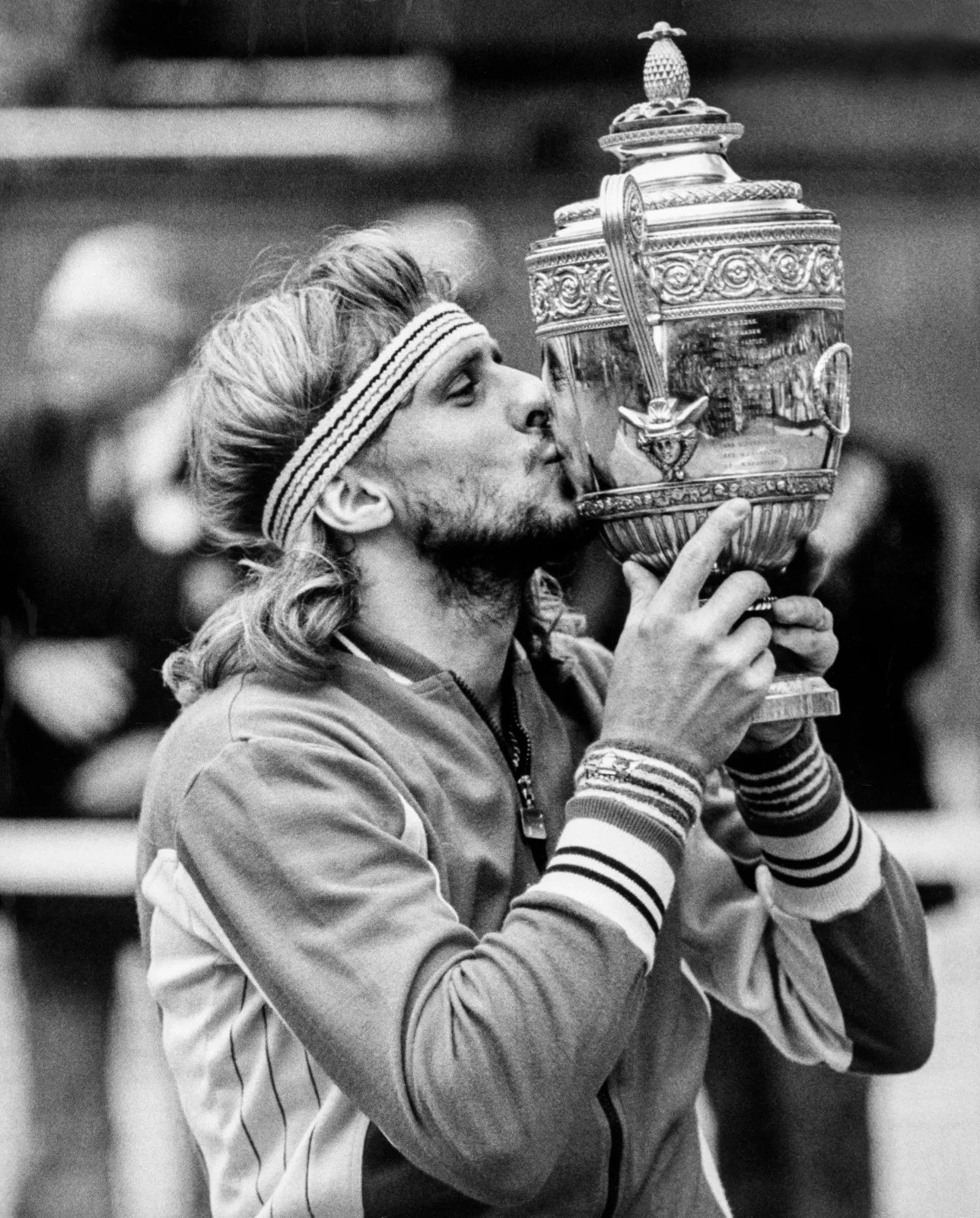
"Every time I won the Wimbledon title, I never wanted to leave Centre Court," he says. "The crowd was cheering me on."
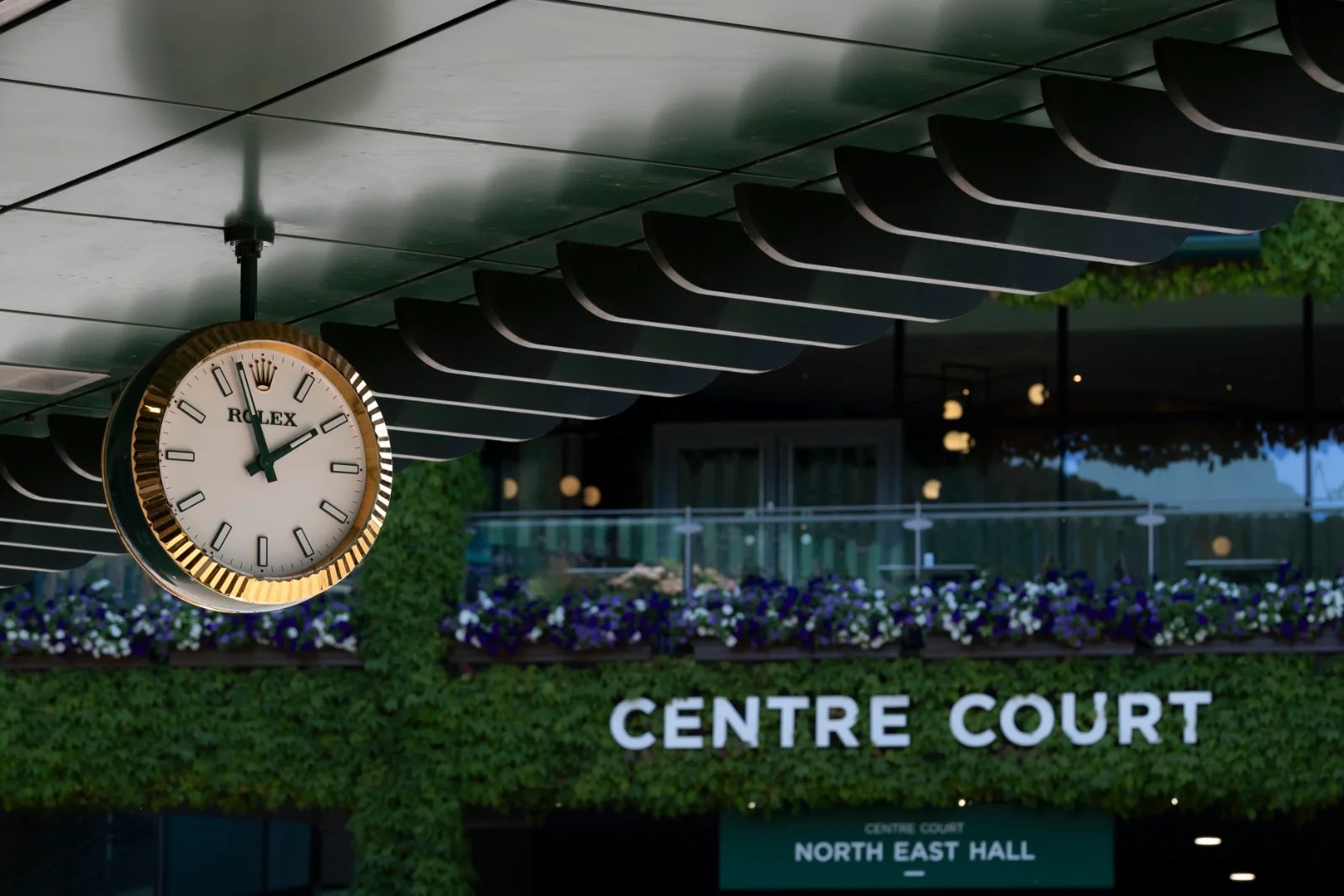
Five titles, and five times the coldest man on the grass was the one reluctant to go indoors. The trophy only sharpened the feeling.
"Walking back to the dressing room with the trophy in your hands is such a special experience," he says, before the admission underneath it. "I had accomplished a lifelong goal. It was one of the best feelings ever."
After
The reluctance is worth holding onto, given what he did with the rest of it. The man who could not leave Centre Court left the whole game, and early. After the 1981 US Open final he walked off the court and out of the stadium before the ceremony, and went straight to the airport. In January 1983 he said he was finished, at twenty-six.
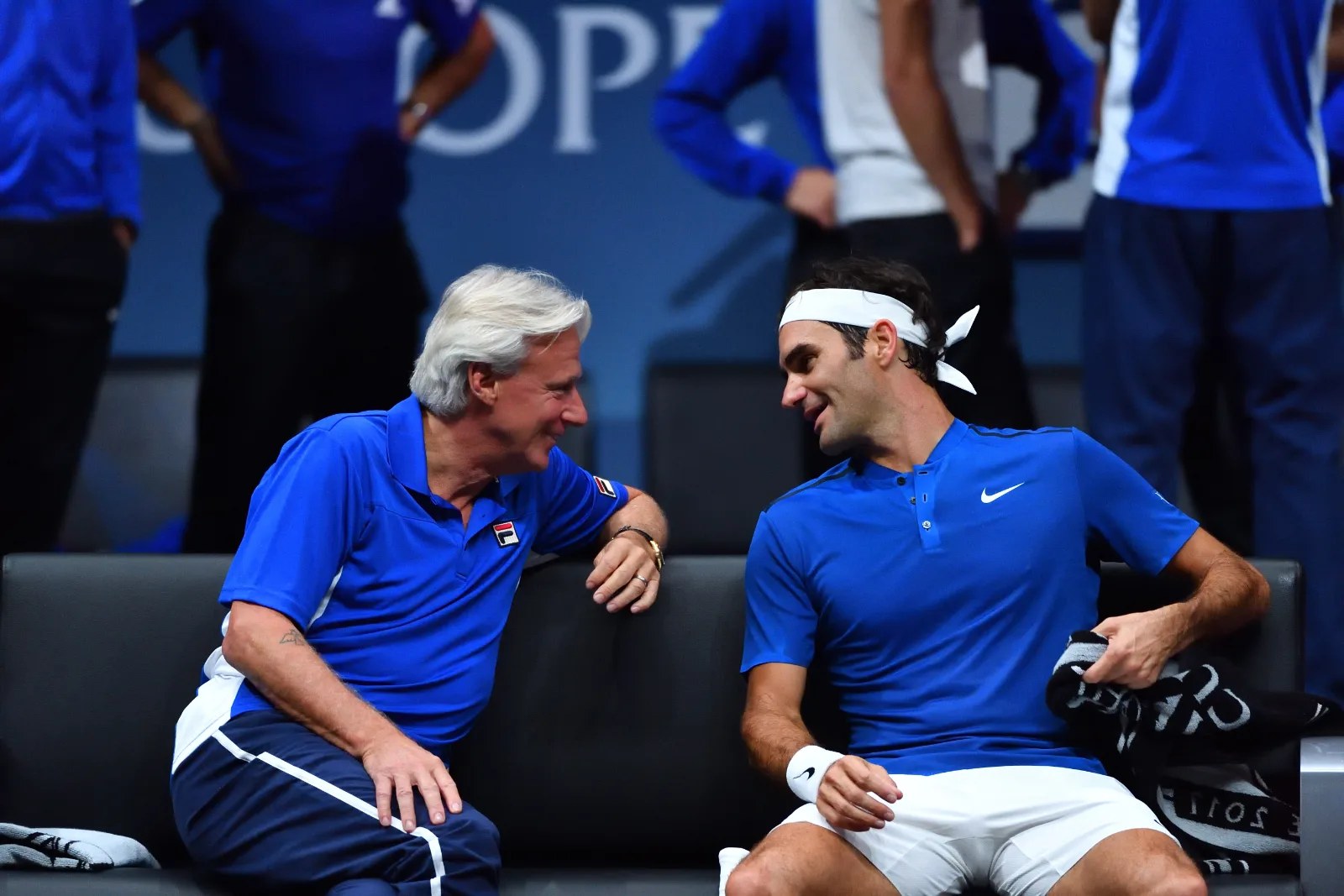
The court kept its pull. From 2017 to 2024 he captained Team Europe at the Laver Cup, courtside again.
Wimbledon has been played on grass since 1877 and remains the only Grand Slam contested on it. Rolex arrived as the tournament's Official Timepiece in 1978, midway through his five, in time to keep the clock on the last three of them and every summer since. The crown has kept time on the champions of the decades since, from Evert and Federer to Alcaraz and Sinner.
Which is why he can still speak of the place in the present tense.
"Somehow it feels like I'm still part of the tournament because of this relationship," he says.