Britain has challenged for the America’s Cup 23 times, more than any other nation, and never won it. The competition began in British waters, with a race around the Isle of Wight in 1851, hosted by the Royal Yacht Squadron.
Two years ago, the British team came closer than any in modern history. In Barcelona, in October 2024, it beat Luna Rossa 7-4 to win the Louis Vuitton Cup, earning the right to race Emirates Team New Zealand for the Cup itself. No British boat had raced in the Match since Sovereign in 1964. New Zealand won 7-2, but the two points Britain took were its first in a Match in 90 years. As New Zealand crossed the finish line on 19 October, the Royal Yacht Squadron’s challenge for the next Cup was accepted, making it Challenger of Record.
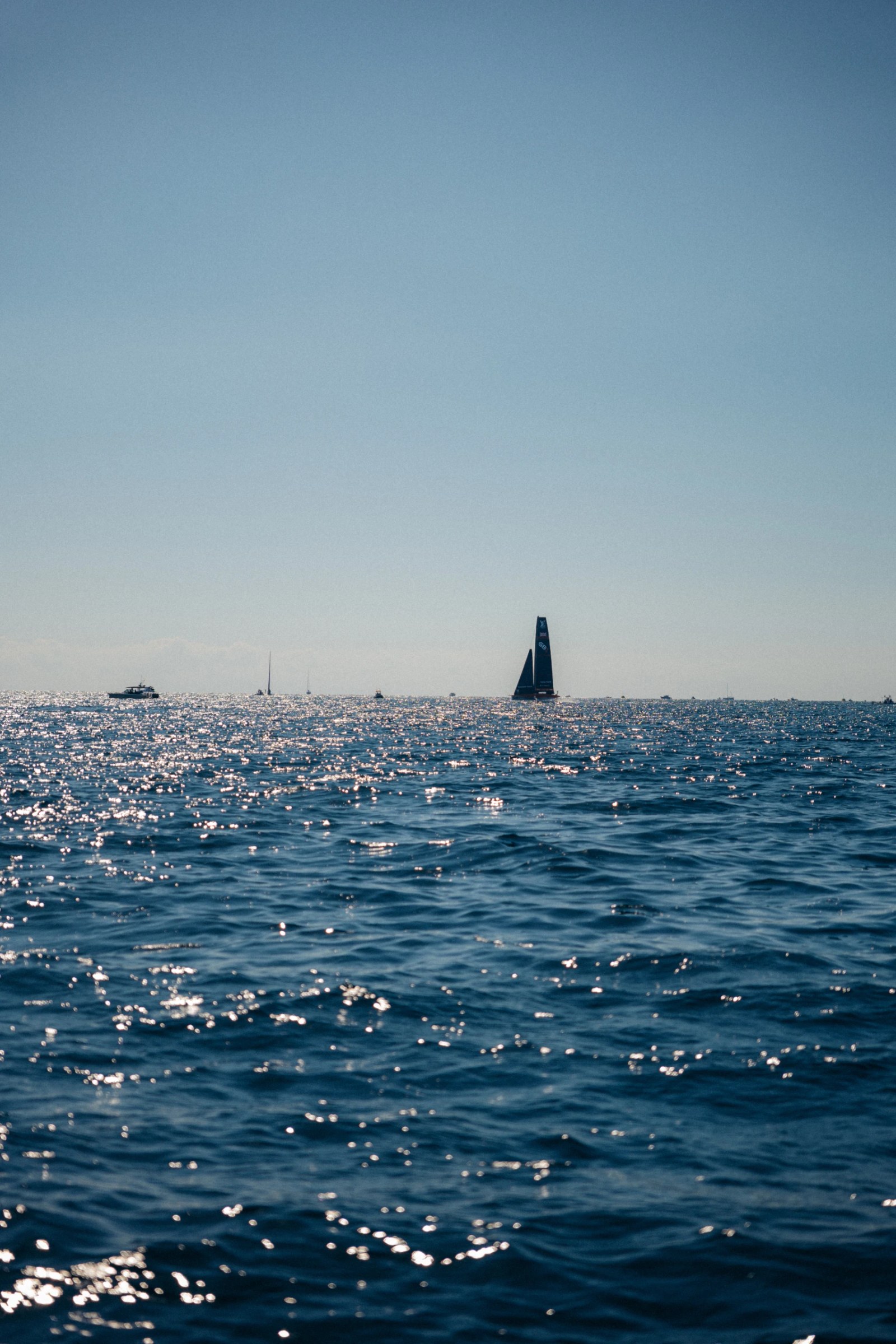
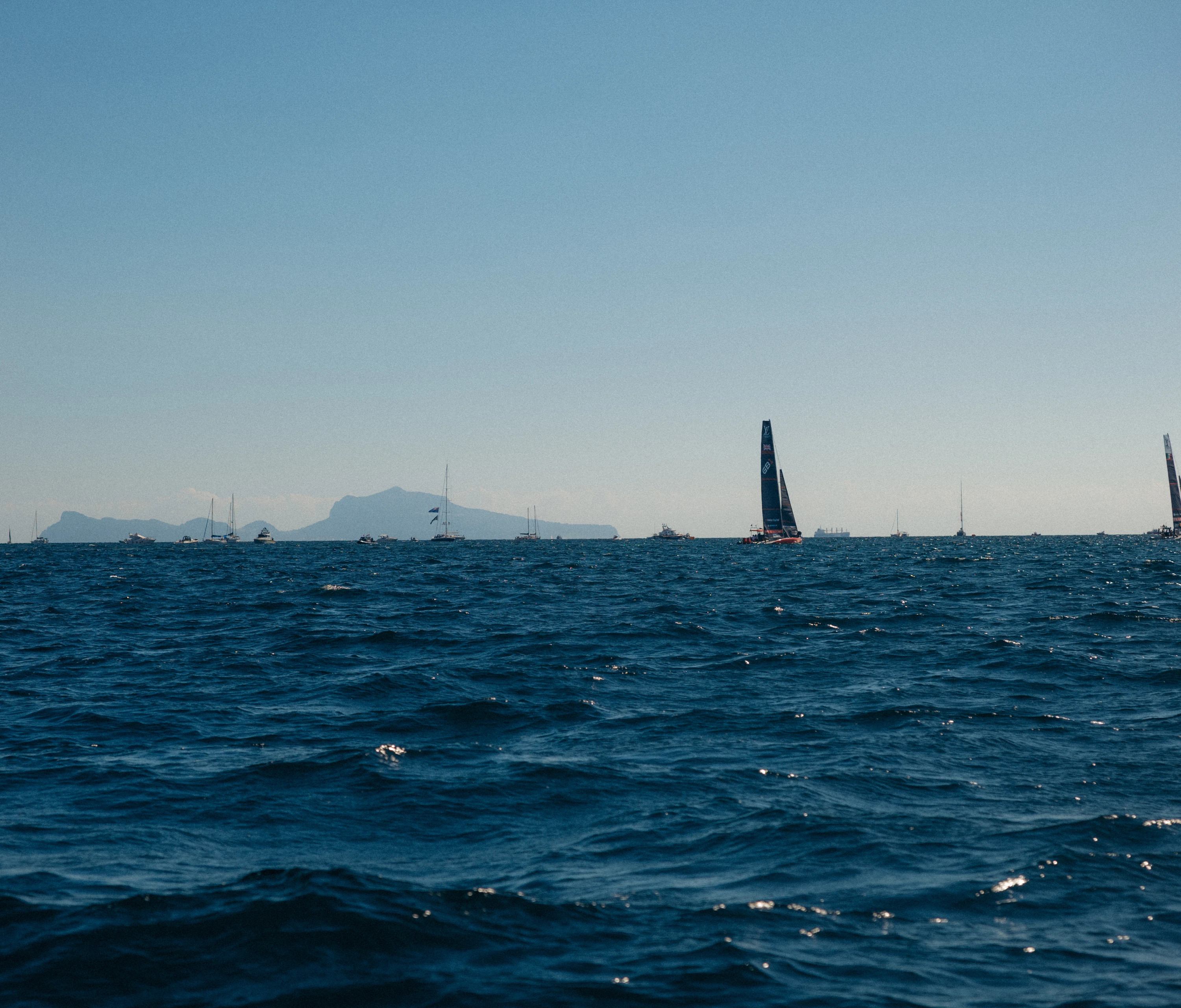
That team now races as GB1, and the next Cup will be held in Naples, the first time it is raced in Italy. Two years to the day after Barcelona, La Roche-Posay Racing Team became the first to launch an AC75 in the Bay of Naples. GB1 is rebuilding its own boat for a five-person crew and aims to sail it before the end of the year. The Louis Vuitton Cup opens on 22 May.
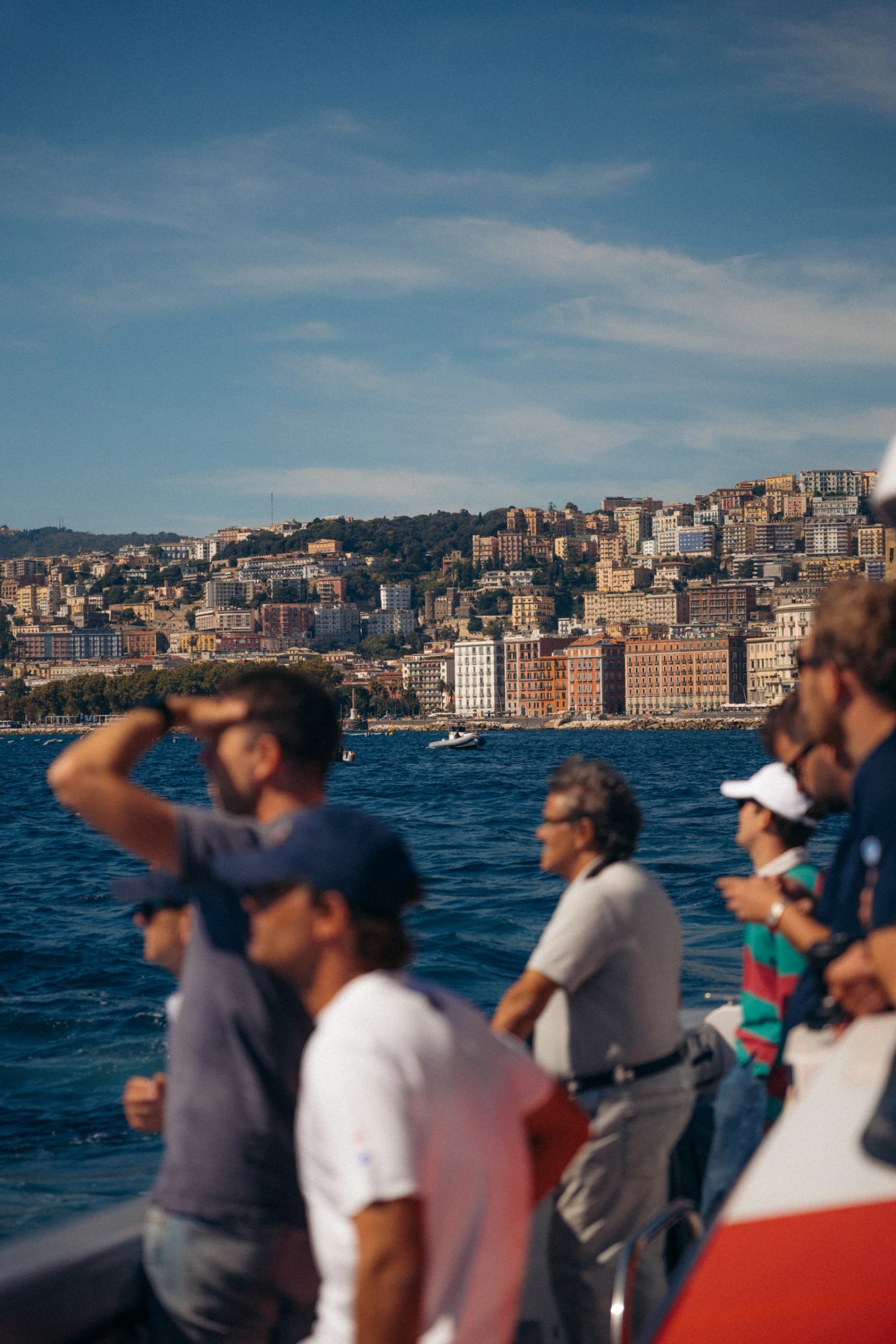
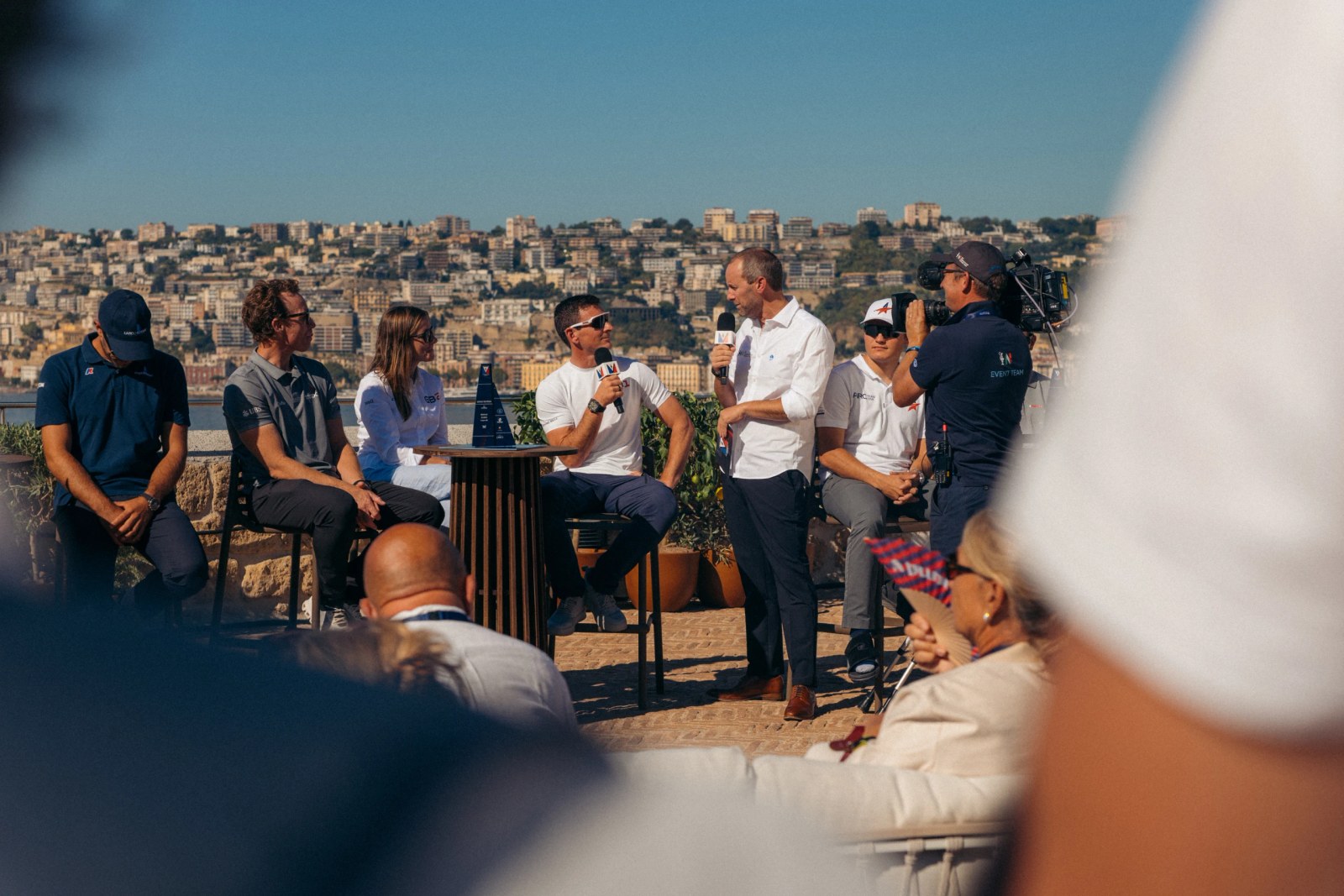
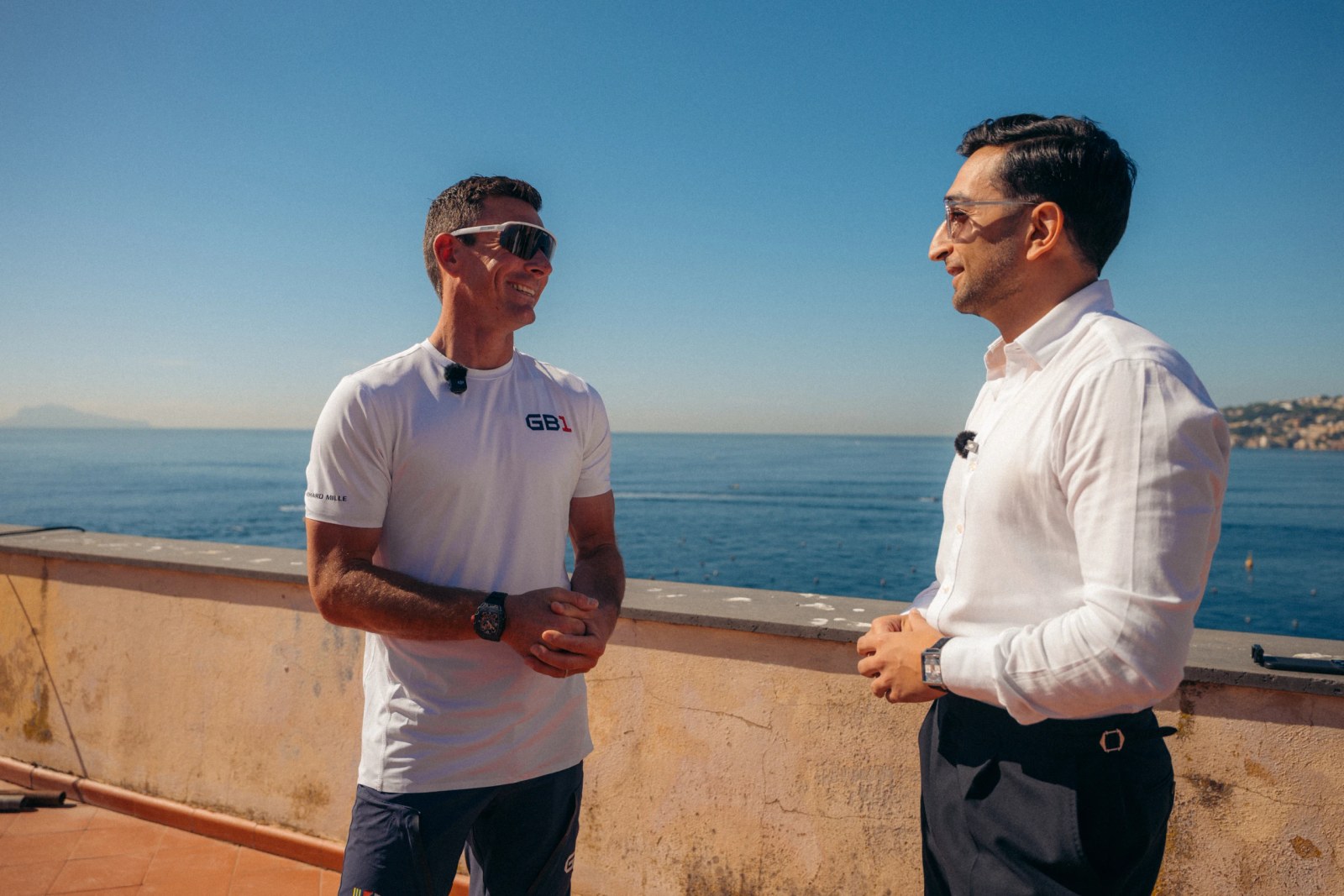
We were in Naples a month ago for the AC40 Preliminary Regatta, as guests of North Sails Apparel. On the official practice day, with the sea breeze filling in across the bay, we spoke with Sir Ben Ainslie, helm Dylan Fletcher and Jemima Lines.
Sir Ben Ainslie, Team Principal
Ainslie has won the Cup before, just not for Britain.
“I was lucky. I won it with America many years ago,” he said. “But it’s always been a goal to win it with Britain. It’s the one sporting trophy Britain’s never won, so that’s a big motivation for us.”
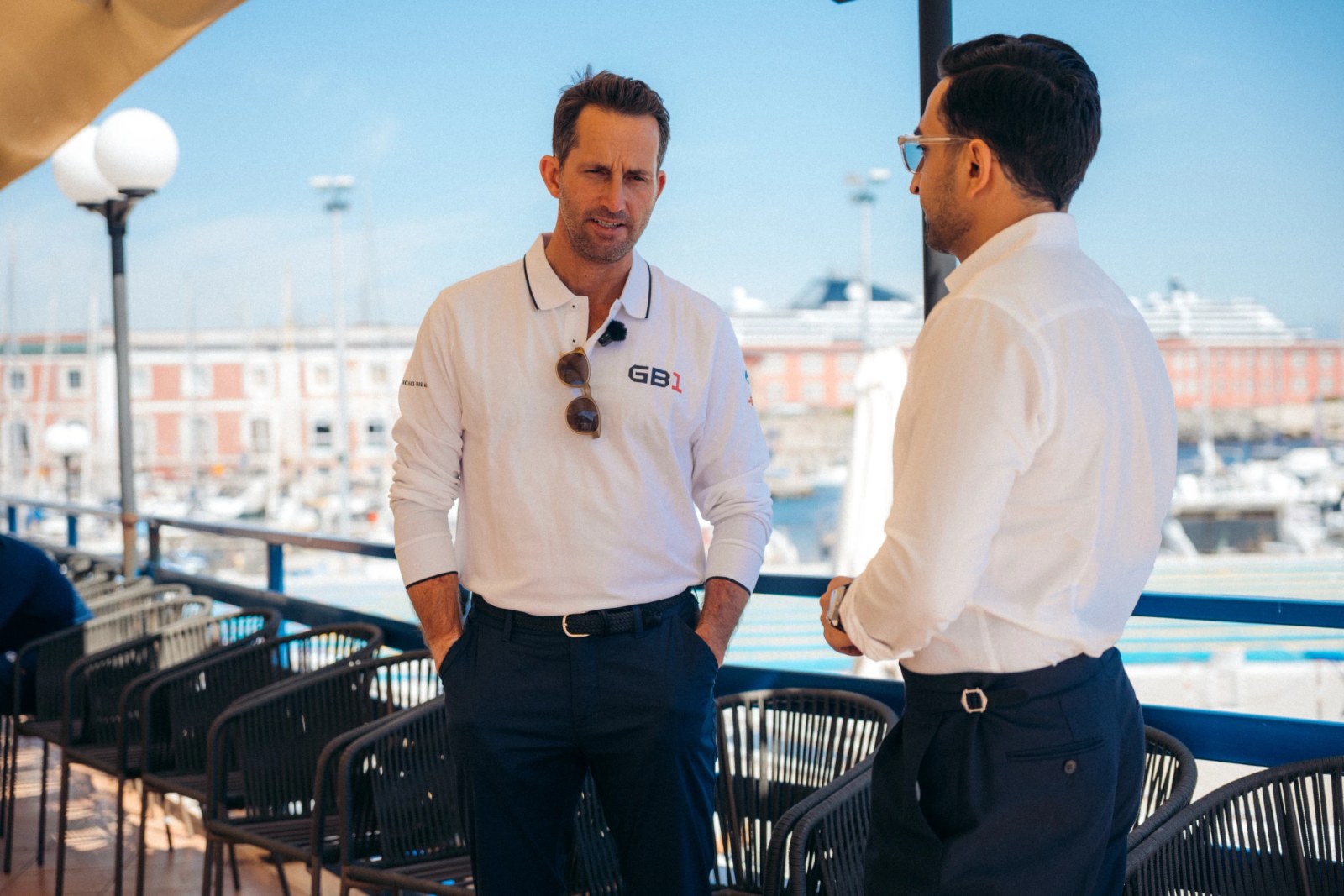
He founded the British team in 2014, a year after that win, and took it to Barcelona ten years later. In Naples, his focus was less on the result than on what the week could teach the team.
“It’s the specifics of the race course and trying to understand the nuances of that, which will help for next year. The designers will be monitoring the conditions. That’ll help them with some of the key design decisions they’re making between now and the Cup.”
The week had opened with a scare. During practice, GB1 collided with a Tudor Team Alinghi chase boat, damaging a foil arm.
“No one really wants to see something like that happen, because it’s dangerous,” Ainslie said. Then the team principal gave way to the teammate. “Other than Dylan having a black eye, which is probably good for him, toughens him up a bit. But joking aside, no one was injured.”
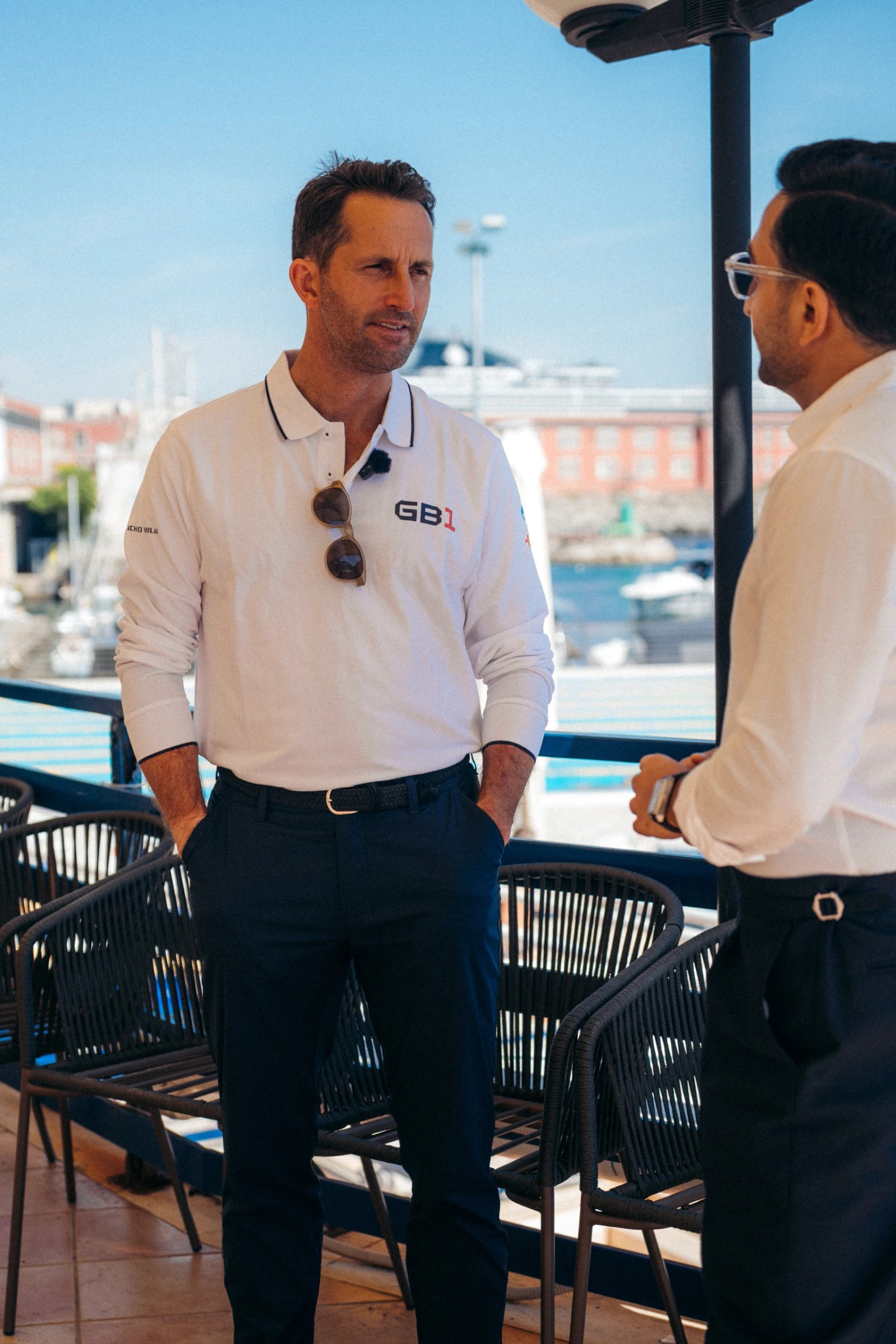
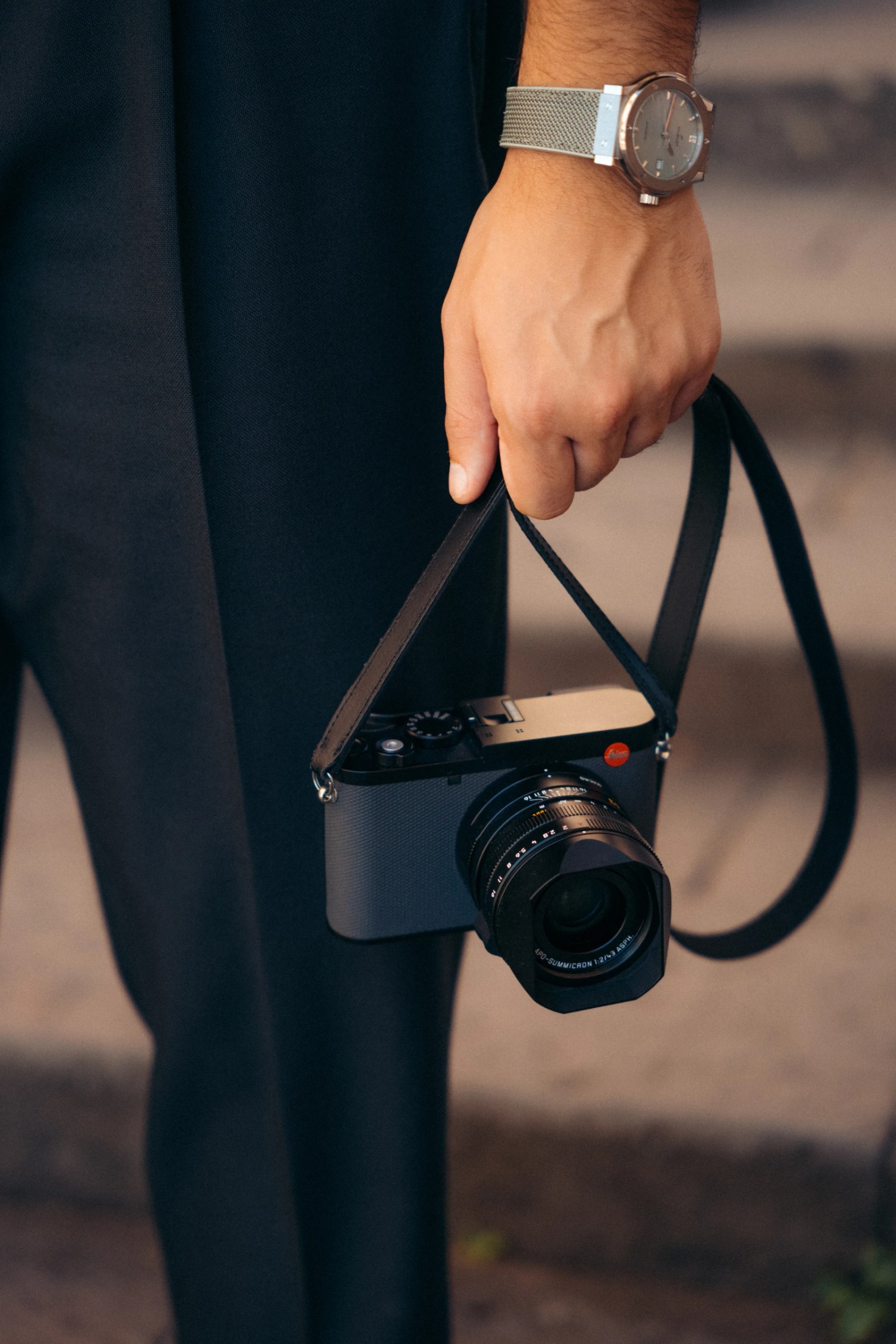
Alinghi lent GB1 their spare foil arm, and the shore crew worked through the night to get the boat back on the water.
He was also looking past the senior crew, to the Athena Pathway and the Women’s and Youth team racing as GB2. “They’ve got a lot of talent in that squad, so I’m really interested to see how they get on.”
Dylan Fletcher, Helm
Fletcher wore the bruise lightly. “A little bump. All part of the job occasionally, unfortunately,” he said. “We weren’t expecting them to be there. There were some things going on, bit of a perfect storm. We’ll be racing this weekend, so we move on.”
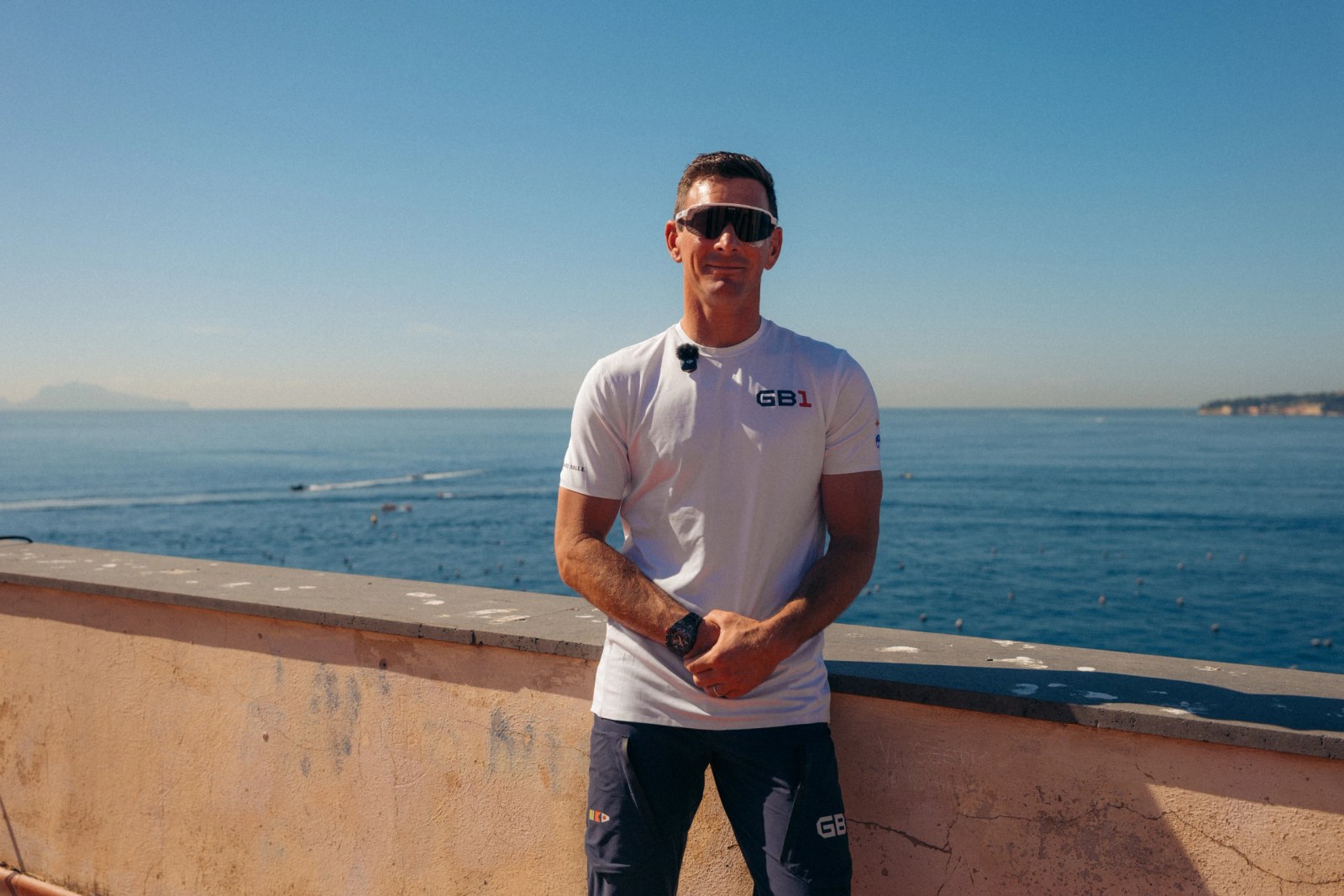
An Olympic gold medallist in the 49er, he co-helmed alongside Ainslie in Barcelona and now leads the boat as GB1’s helm. He was clear about what the regatta was for.
“As much as we want to win this event, the reality is, it’s all about winning next year. That’s what really counts. But at the end of the day, we want to win every race and we want to win the event.”
The scoreboard was harder that weekend. With the repair still in the background, GB1’s best day came on the Sunday, with back-to-back fourth places, while Luna Rossa took the title in front of a home crowd.
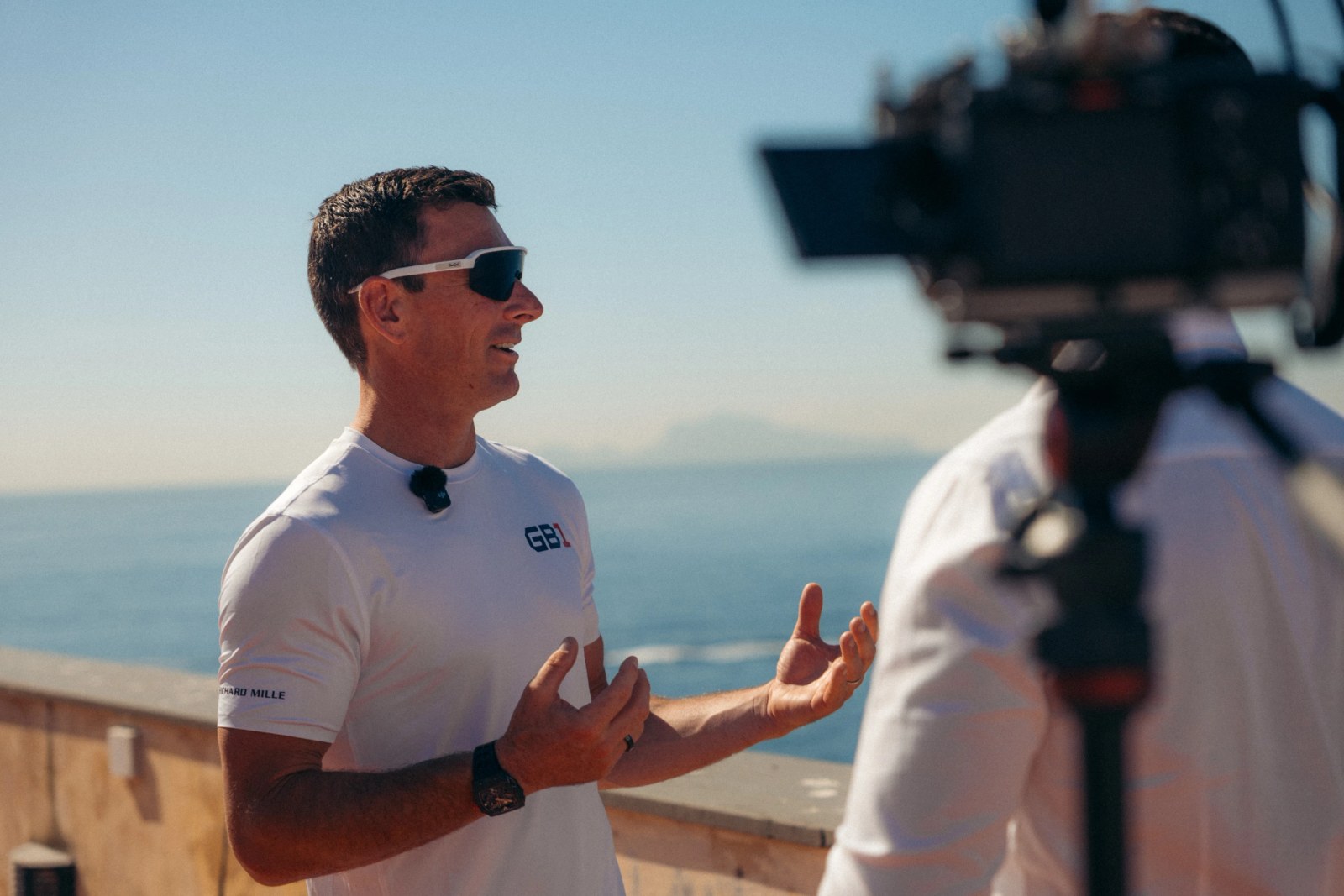
Next year brings something new. For the first time, the AC75s will fleet race, with seven boats on the course. The boats have changed underneath, too.
“We’ve lost the cyclors, so the power delivery is quite different this time round. You have an electric motor that spins up rather than the cyclors having to pedal harder or slower,” he said. “With the weight reduction, the boats will take off in a little bit less wind, but that weight reduction actually makes them a bit slower when you’re up and foiling. So it’ll be interesting, as ever with the design of the America’s Cup, what teams turn up with next year.”
Asked to choose between the two boats, he didn’t hesitate. “The AC40 is a fantastic boat, but I love the AC75. It’s an absolute weapon. It really feels like a big yacht, whereas the 40 feels like a little go-kart in comparison.”
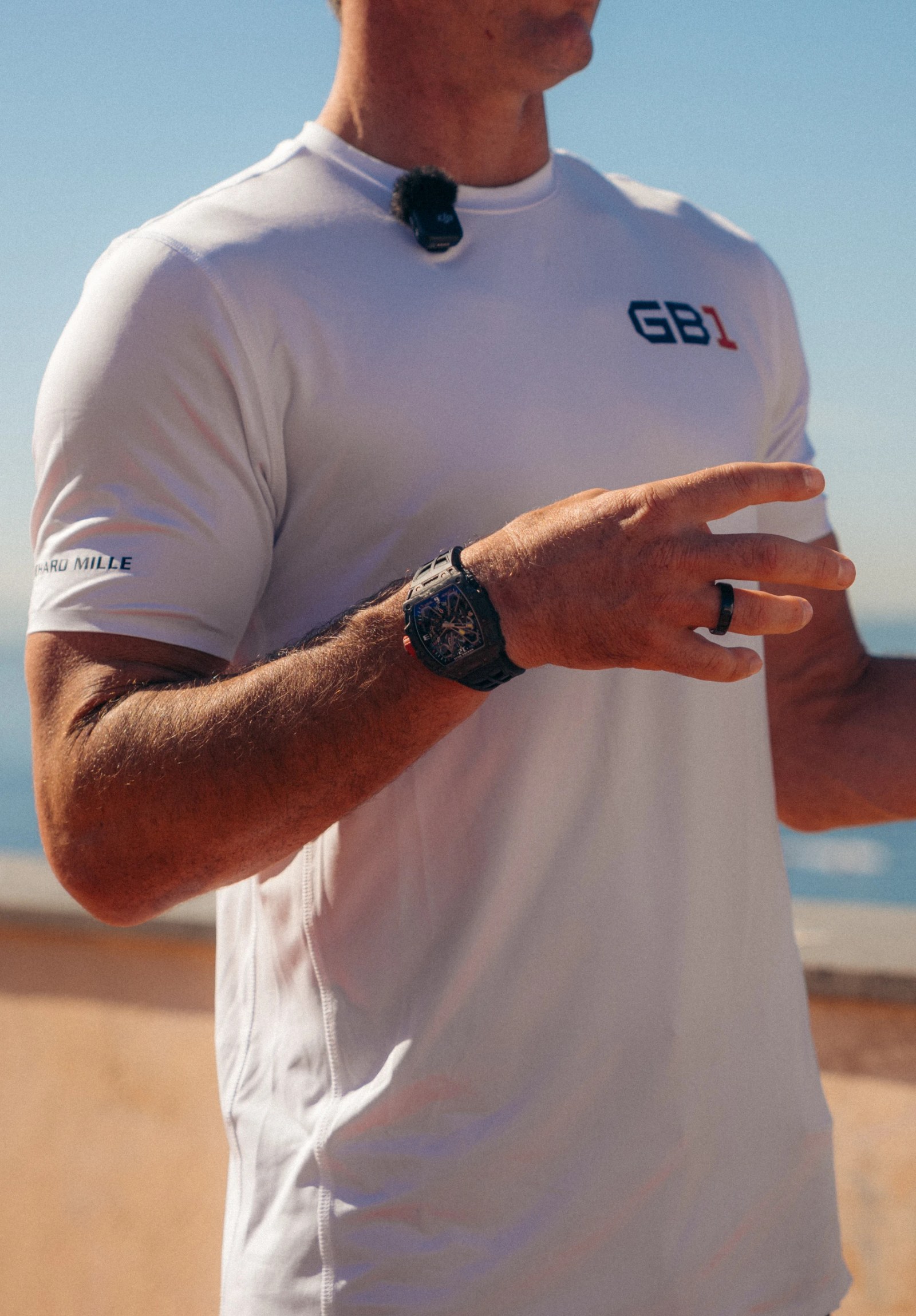
On his wrist was a Richard Mille from the Nadal line, with a function that disengages the winding. The brand joined GB1 as a partner that same week. “It keeps it safe when you’re playing tennis like Nadal,” he said. “Although not something I have to worry about with my tennis skills.” Off the water, he shoots on a Sony.
Jemima Lines, Sailor
Lines is the first woman selected for a British America’s Cup team in 90 years. The last was Phyllis Sopwith, who kept time on deck aboard Endeavour in 1934 and Endeavour II in 1937. The 2027 rules now require at least one woman aboard every AC75.
When that was put to her, she laughed. “Oh, I mean, when you put it like that. What an honour to be joining the team.”
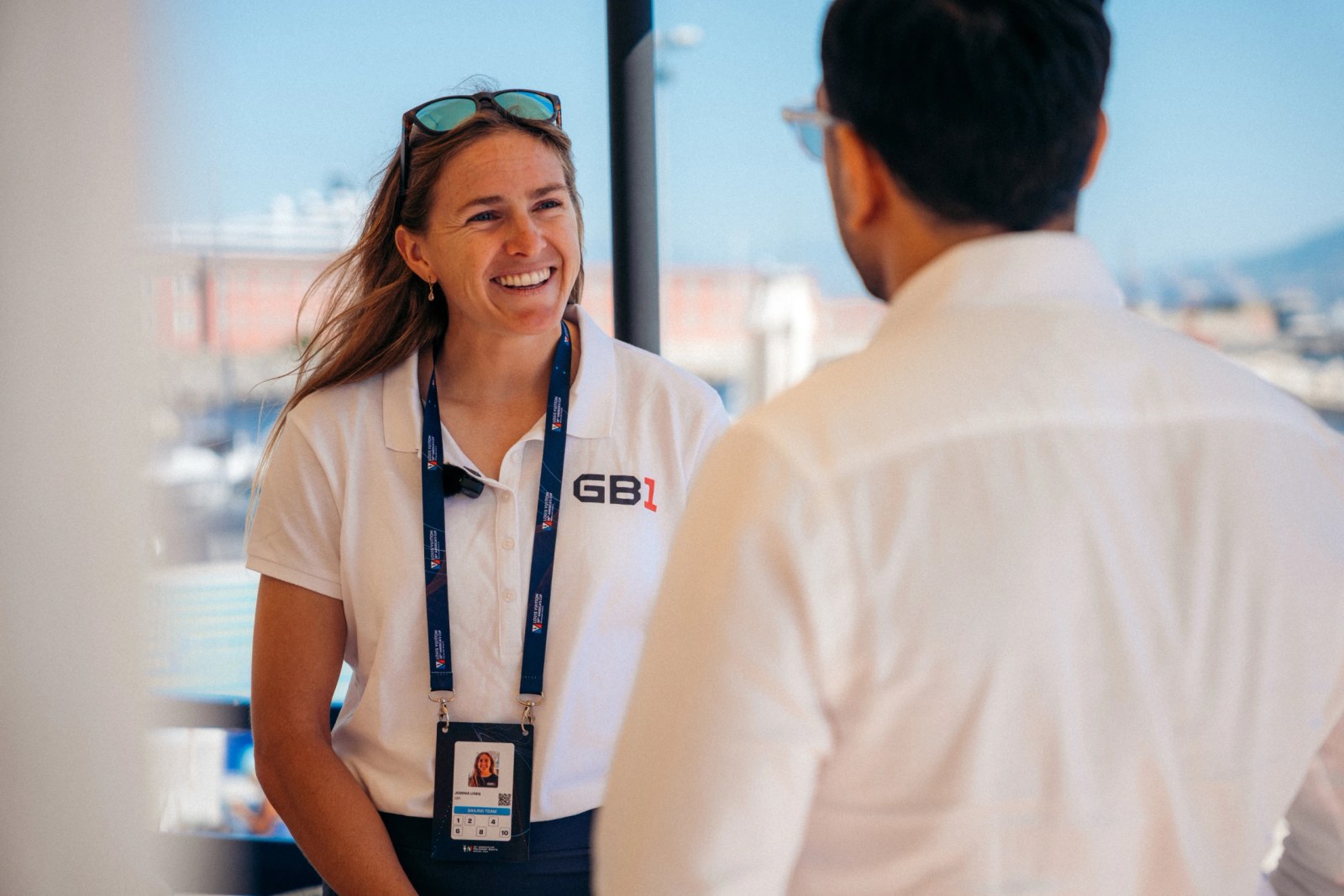
She came up through the RYA Youth Sailing Pathway, then spent six years campaigning in kite foil racing toward the Olympics. By 2023 she was among the world’s top 15, and at the Paris Games she caddied for Ellie Aldridge, who won gold. A mechanical engineer, she works at GB1 as both a sailor and a member of the design team. In Naples she wasn’t racing, but was there in a performance support role.
“I’m an engineer. I’m also a mountain guide. I’ve commentated for kite foil racing after I stopped competing, did a bit of coaching,” she said. “Lots of things, really.”
On the difference between the boats, she reached for the same comparison as Fletcher. “The AC75 is a lot bigger. It’s a much bigger beast, and the way we do the roles within the boat is quite a bit different. The AC40s are more like a crazy fast go-kart.”
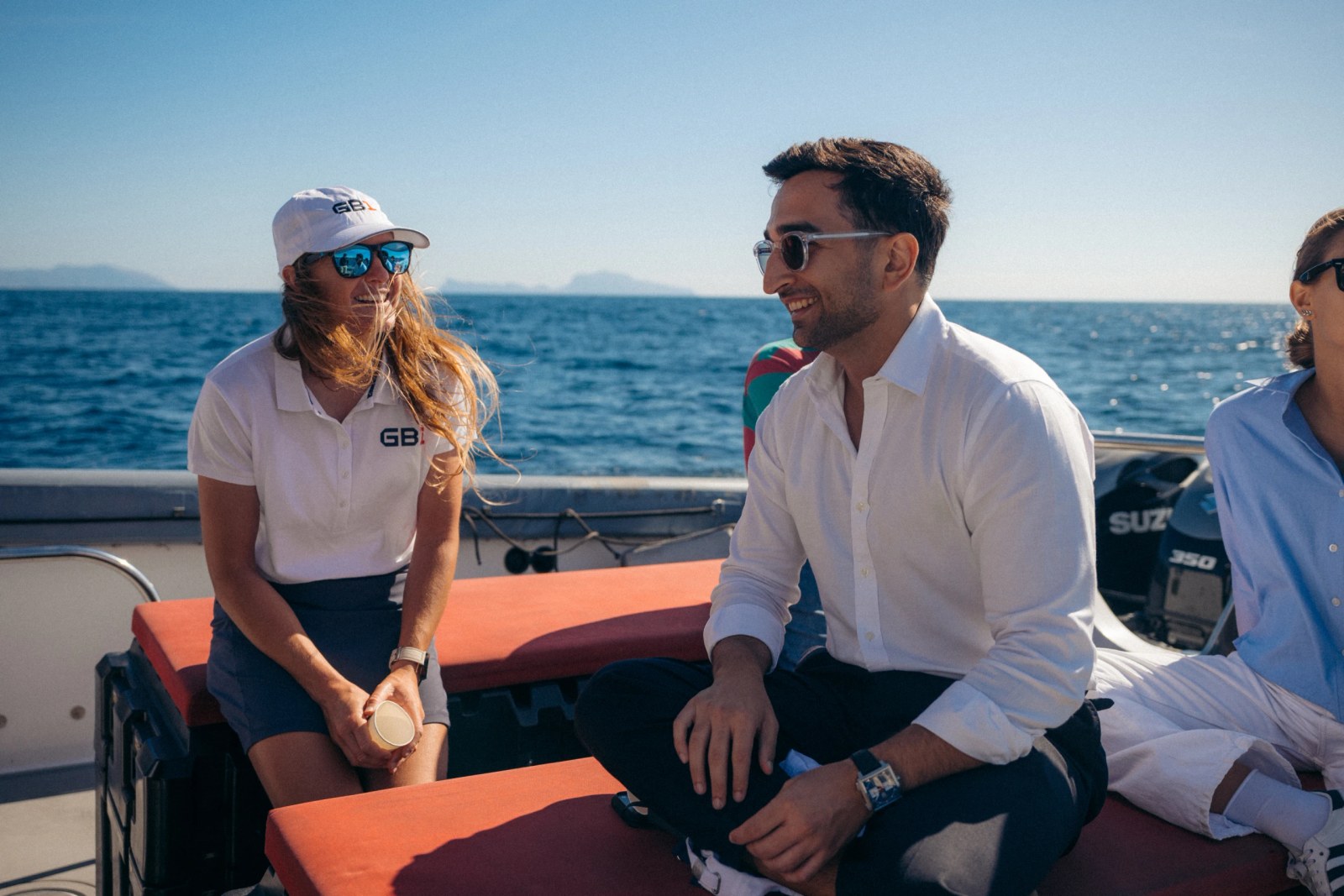
What she looked forward to most that week was simple. “Just seeing the nine boats, the fleet racing around the course. It will be such a special moment for Naples and for the sport.”
The kite hasn’t gone anywhere.
“I’ll always keep up with it. It’s more of a hobby now,” she said. “A lot of the sailors are wing foilers as well. So on our days off, you’ll probably see a lot of them just around here, wing foiling and letting off some steam.”
North Sails
Our time in Naples came through North Sails Apparel, which dresses GB1 on the water and off it.
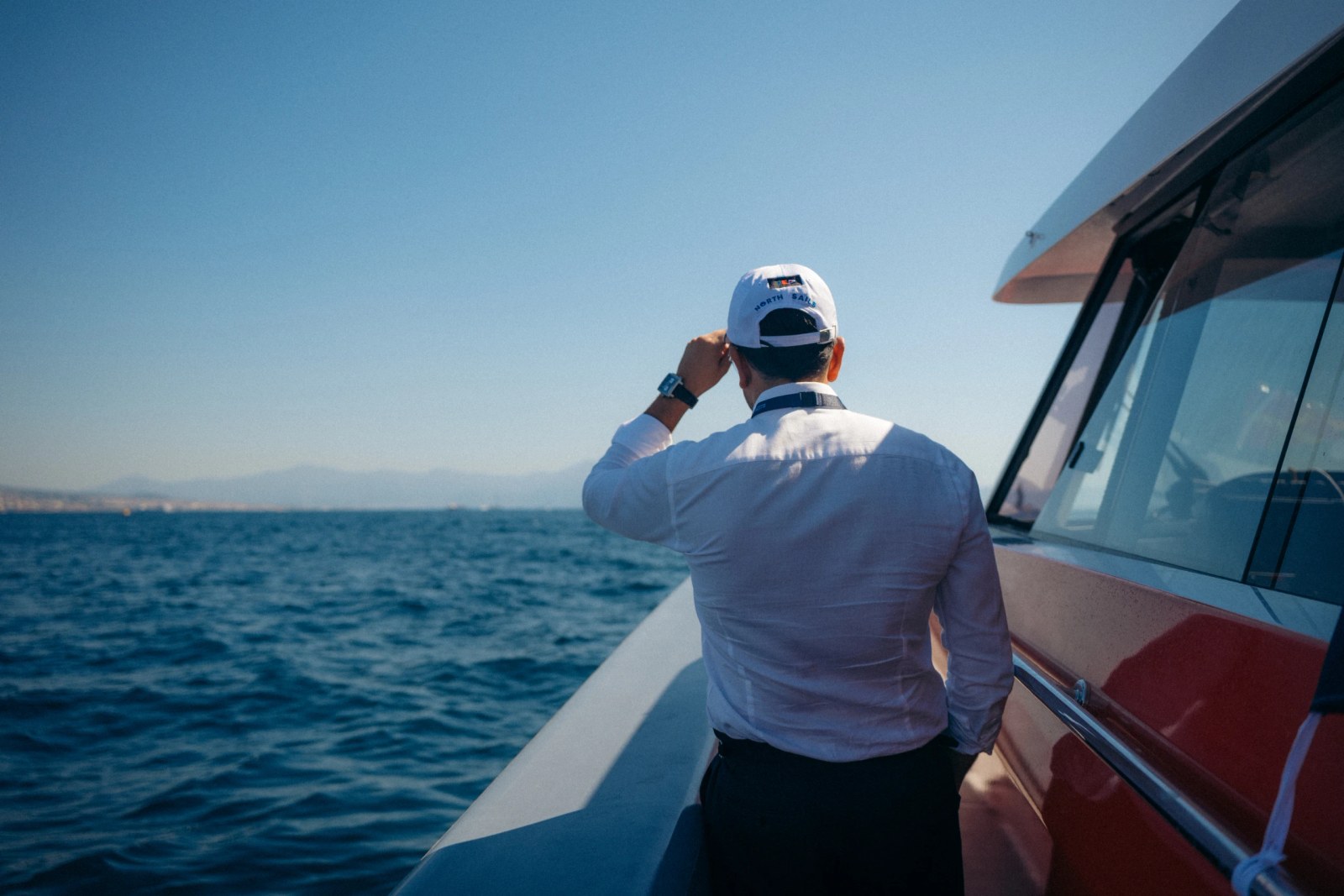
The connection to the Cup runs deeper than clothing. Lowell North, a sailor and aerospace engineer, founded North Sails in 1957, and since 1980 the company has supported every Defender and Challenger in the America’s Cup Match. The apparel line followed in 1989, built on the same technical thinking.
For this Cup, North Sails Apparel is the event’s Official Technical Apparel Sponsor and GB1’s Official Technical Clothing Supplier and Licensing Partner. That support extends to the Athena Pathway’s Women’s and Youth teams. A capsule collection drawn from the GB1 race kit is already out, and a second follows in spring 2027, ahead of the Cup.
“At this level, every detail matters,” Ainslie said of the partnership. “Having world-class technical apparel that performs in the toughest conditions gives our athletes and team the confidence to focus on what matters most.”