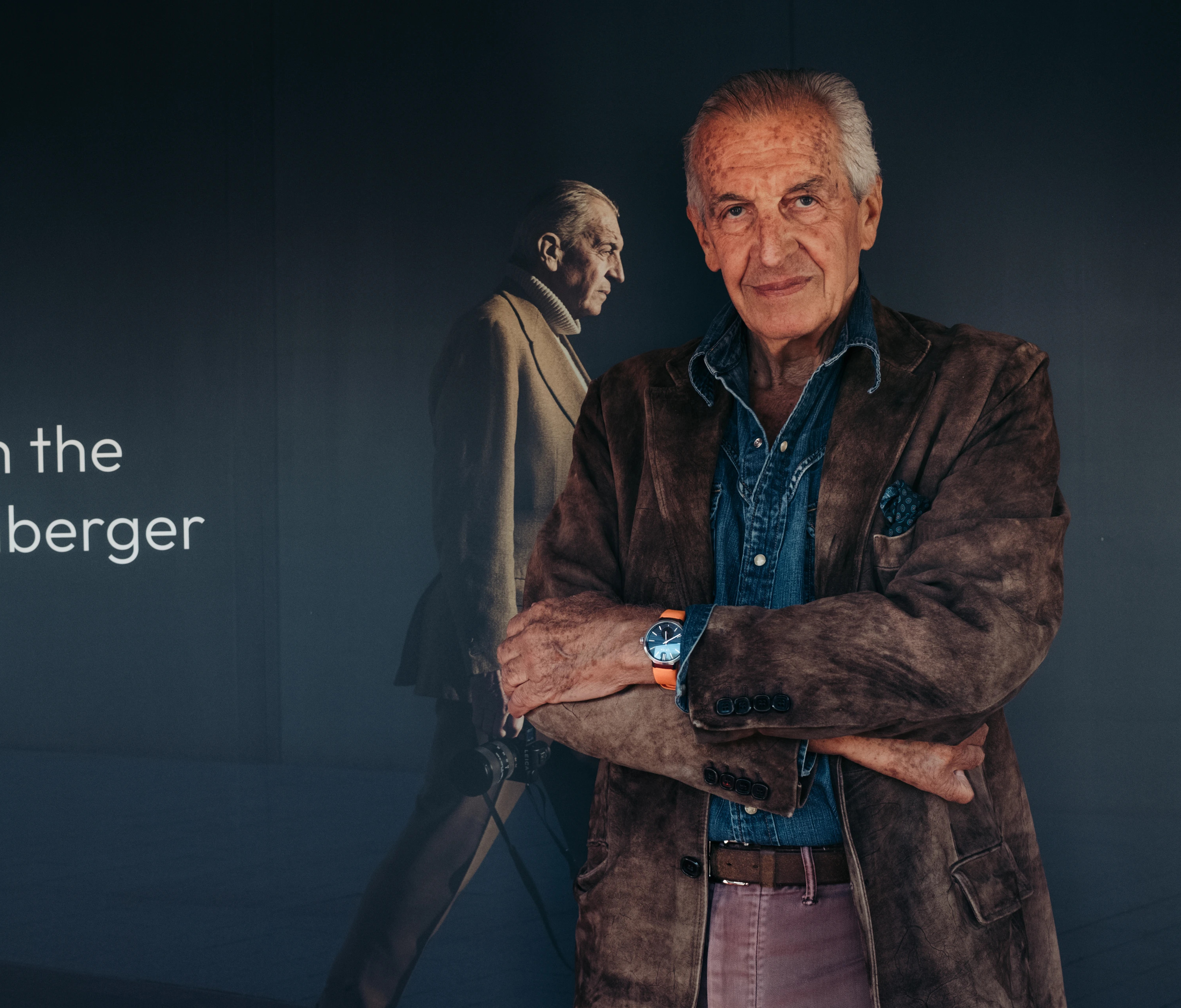
For Auro Montanari, time is something to observe.
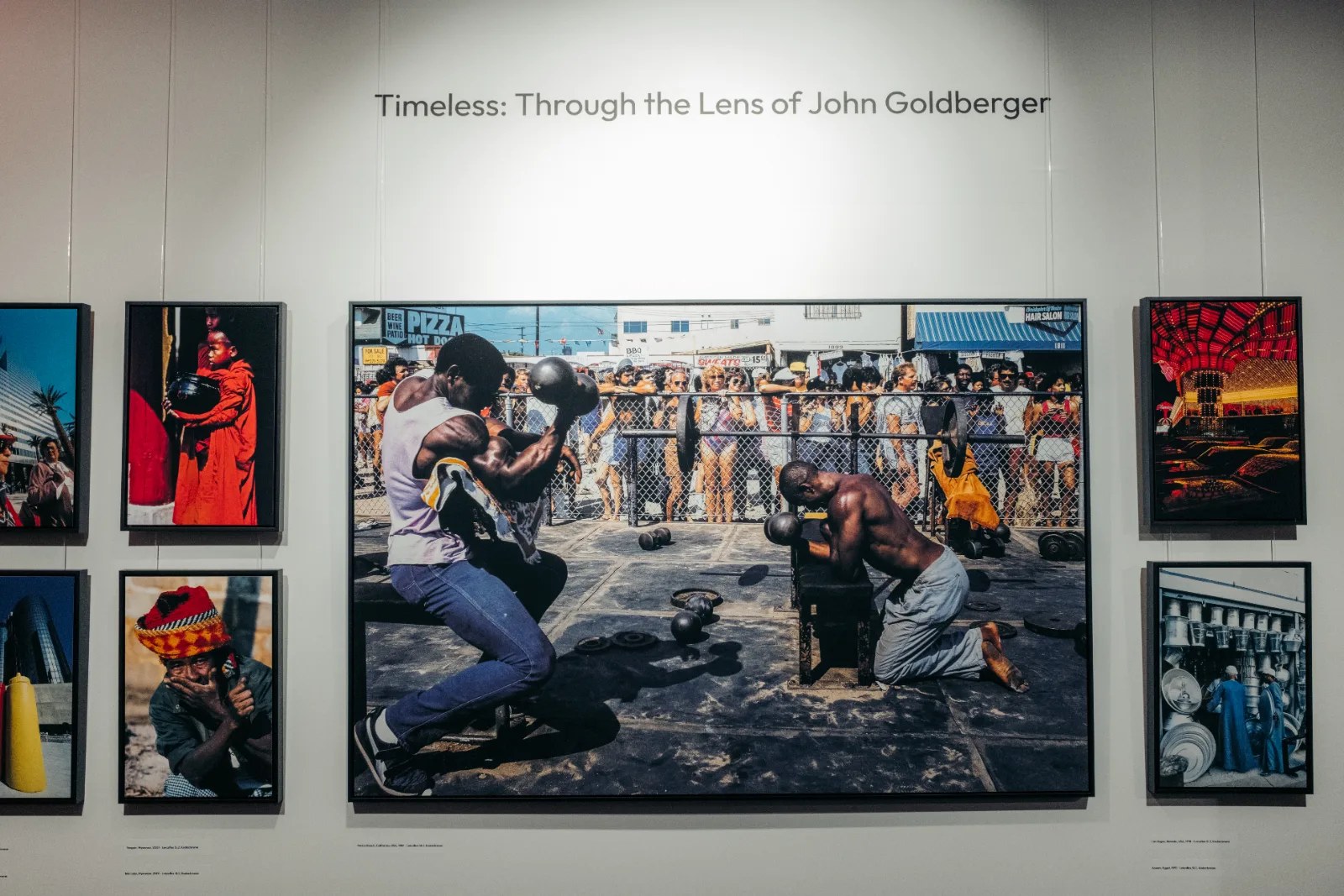
His first photographic exhibition, Timeless, marks a personal milestone. The project brings together images taken across decades and geographies, shaped by instinct and attention.
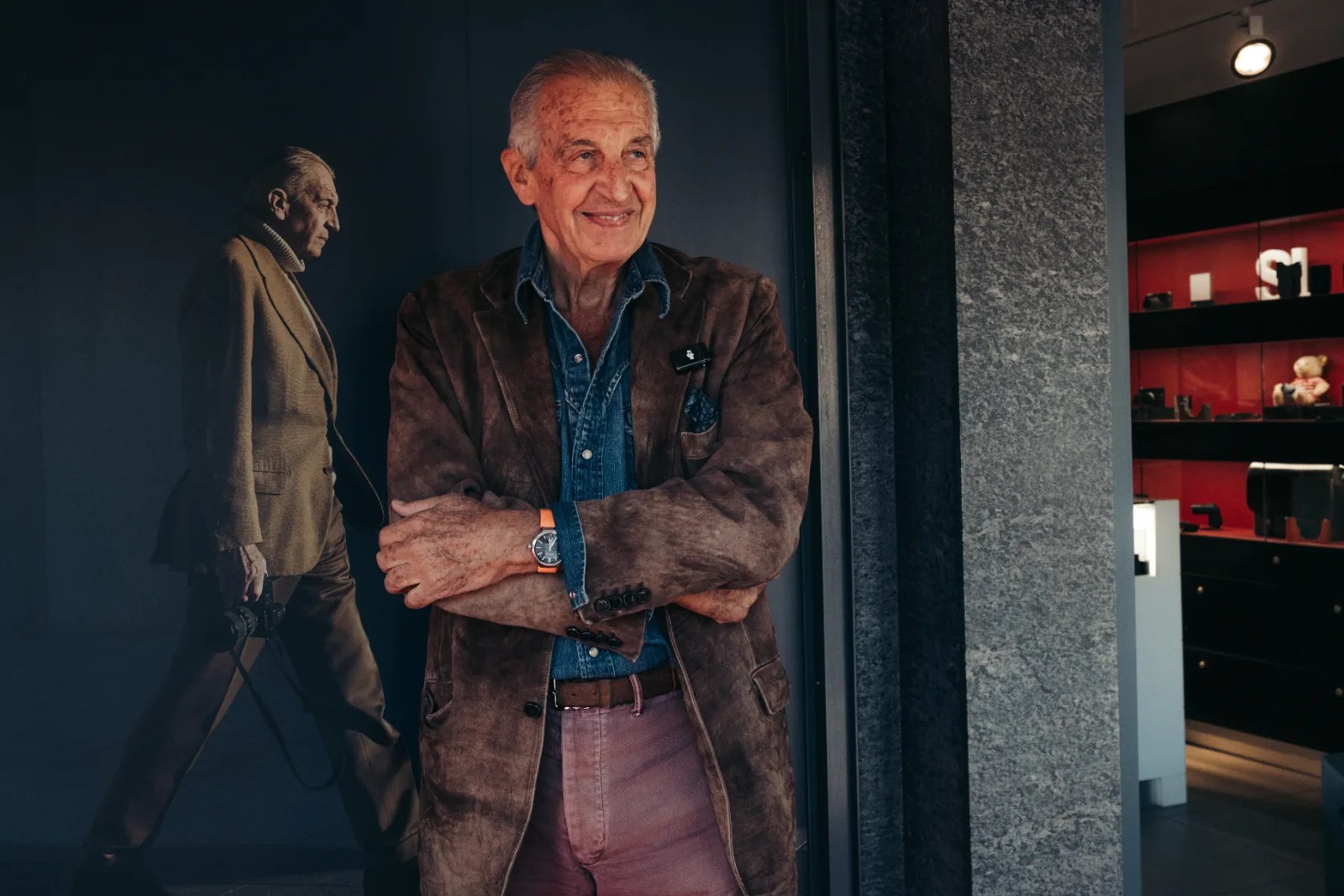
“Timeless was, I’m very happy. For me, the first photo exhibition in my life, because I made a lot of photo in the past, around the world. And I was not professional.”
Montanari, widely known in the watch world as John Goldberger, approaches photography with the same sensibility that has defined his decades of collecting. The focus remains on objects and moments that endure.
Photography entered his life early. At twelve, his father gave him a Leica IIIg. By eighteen, he had saved enough to buy his first Leica SL.
“My great passion was first photos, after watches.”
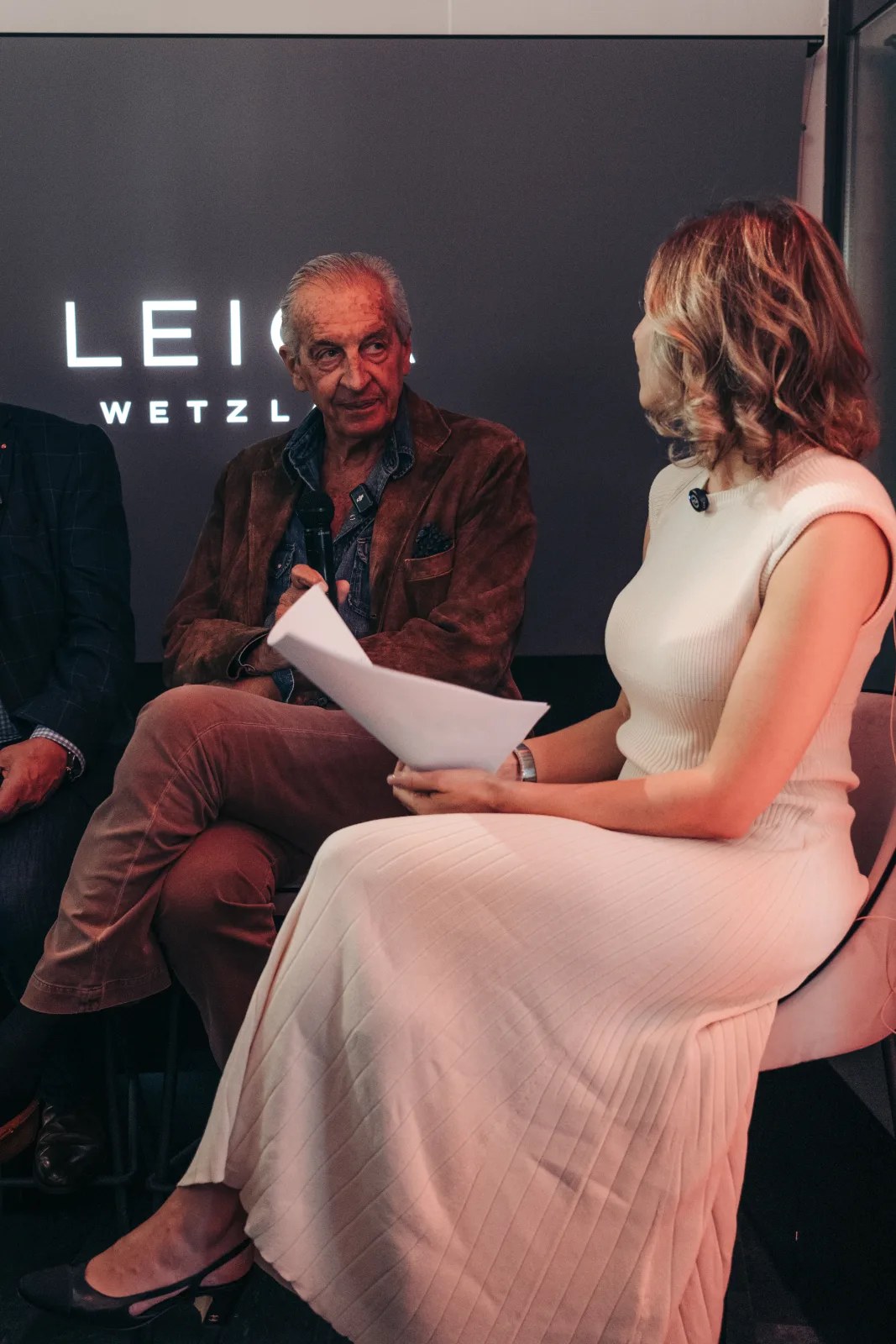
Over time, the camera became a constant. He worked with different Leica models, drawn to the directness of the image.
“I use a lot of Leica first SL, SL1, SL2, because I like to see the real image on the reflex.”
The exhibition developed through his relationship with Leica. After meeting with the brand, he was invited to present his work as a testimonial for Leica watches, linking two long-standing interests through a shared approach to design and function.
Montanari has been collecting watches for nearly fifty years.
“I collected for almost 45 years, 50 years.”
His approach has remained consistent, centred on presence and wearability.
“For me, the most important thing is the aesthetics on your wrist, the wearability. For me, a nice watch remain a nice watch, timeless watch.”
Beyond aesthetics, his attention moves to execution and history.
“The quality, the finish of the case, the movement, and especially for the vintage, the provenance, the history behind the watch.”
His perspective on vintage objects extends across categories.
“In the past, the thing are much better quality. I don’t know why. Everything. Cars, watches, clothes, camera.”
This idea connects directly to how he defines timelessness.
“For me, the timeless, it means something remain the time, the design is contemporary after 40, 50 years, and also, the quality is timeless.”
Mechanical watches and analog cameras exist within the same framework.
“You take a vintage watch and you wind it, it’s still working. You take a camera, like the classic analog camera by Leica, you put a roll film inside, without any battery, it’s still working.”
For Montanari, photography follows a similar logic. His images are grounded in observation.
“The moment is a moment.”
The photographs in Timeless span multiple locations, with a strong presence of work created during his time in California. In his early twenties, he lived in Venice Beach between 1980 and 1985.
“I spent a lot of time. I was 22 years old. Between ’80 and ’85, I was living in Venice on the beach in California. I made a lot of photo. I sold few photos to some architectural magazine, and that’s it. But never be a professional.”
The images reflect that period, capturing everyday scenes with clarity and continuity.
His experience with Leica watches reflects similar priorities.
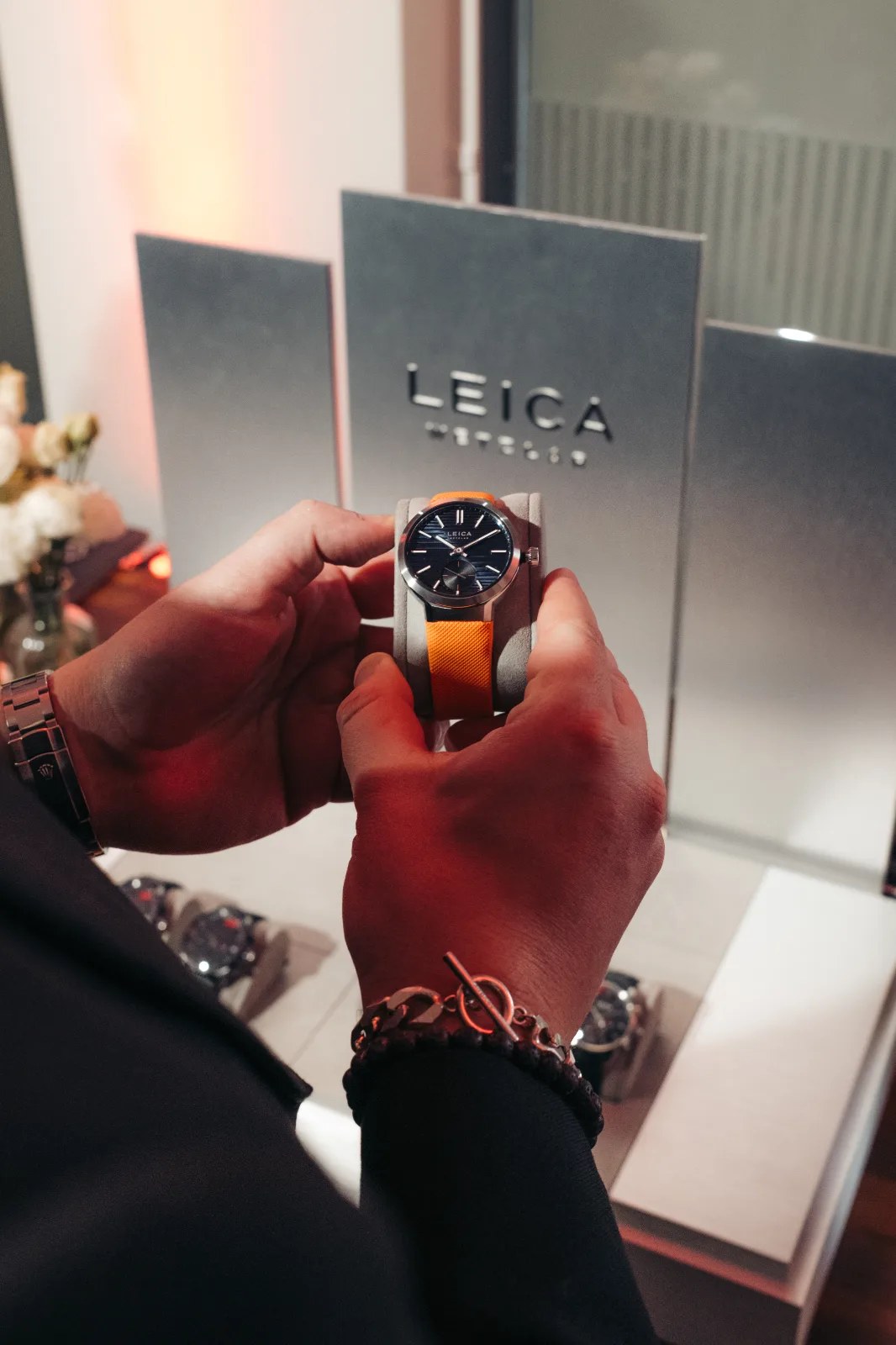
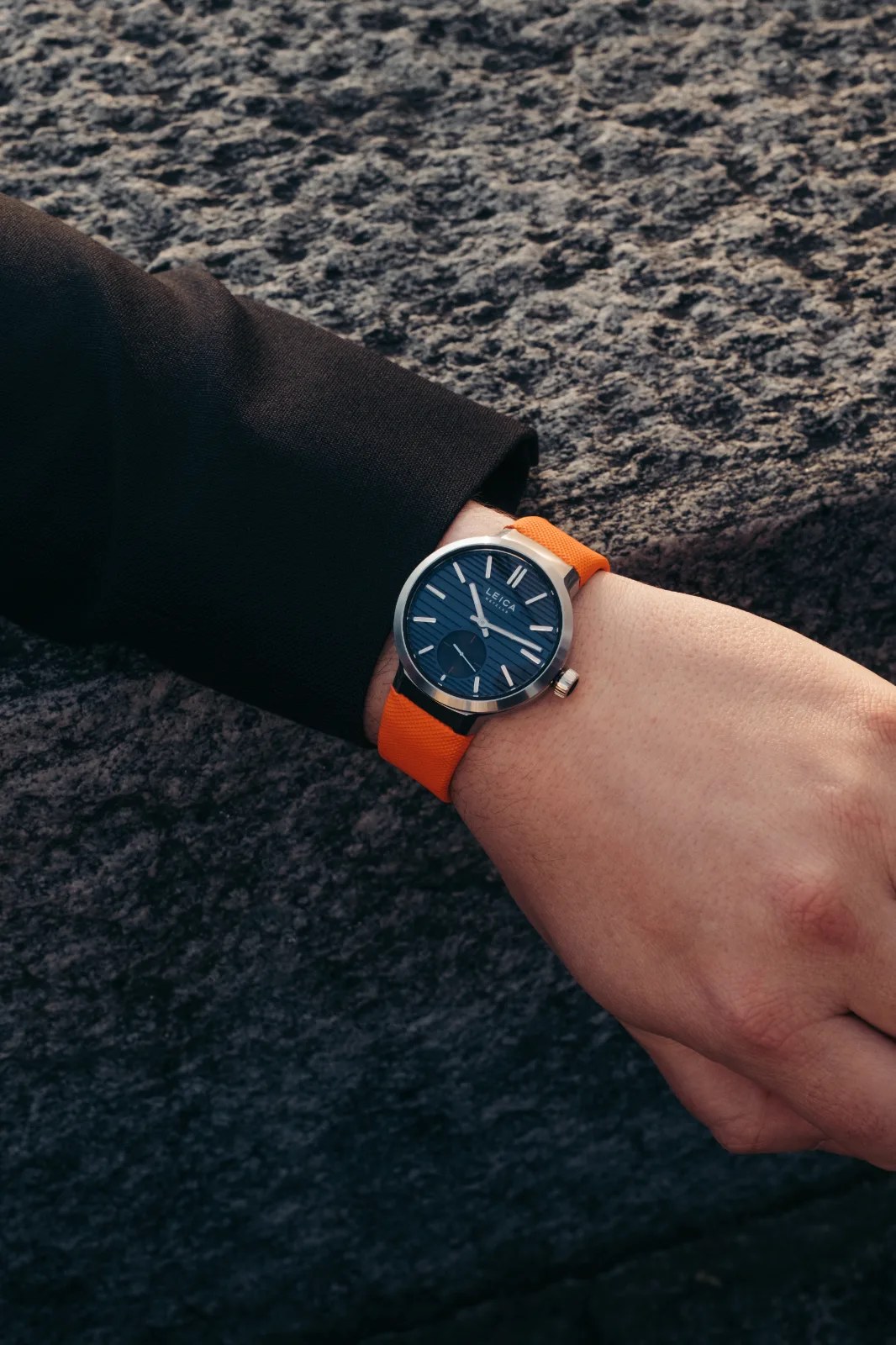
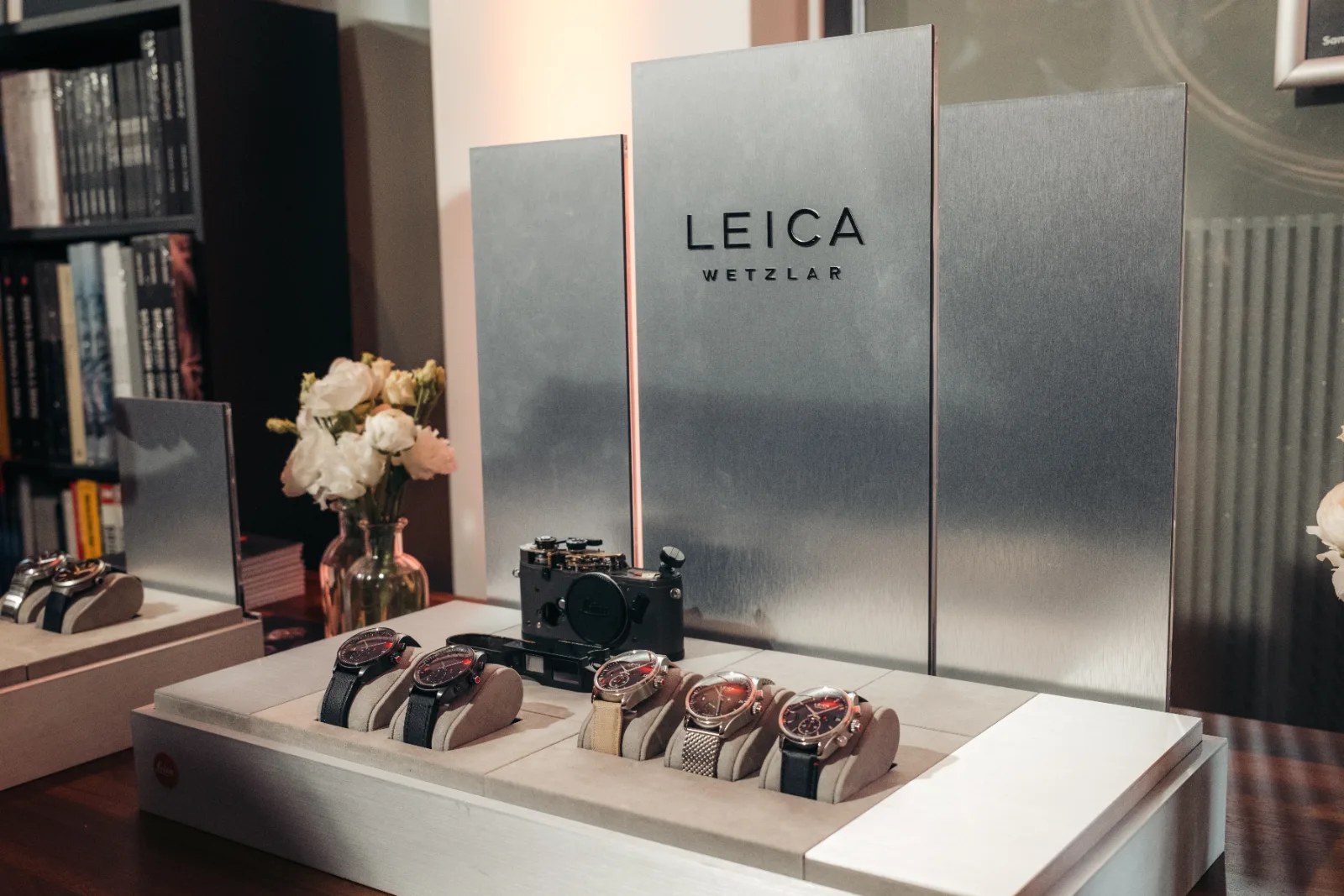
“Leica watch is very German product. There is a perception of the quality, like a camera, and then very industrial pieces, the classic German design. I wore the watch in the last few months, and it working well, very readable, nice dial, a great finishing on the case.”
He also points to practical details.
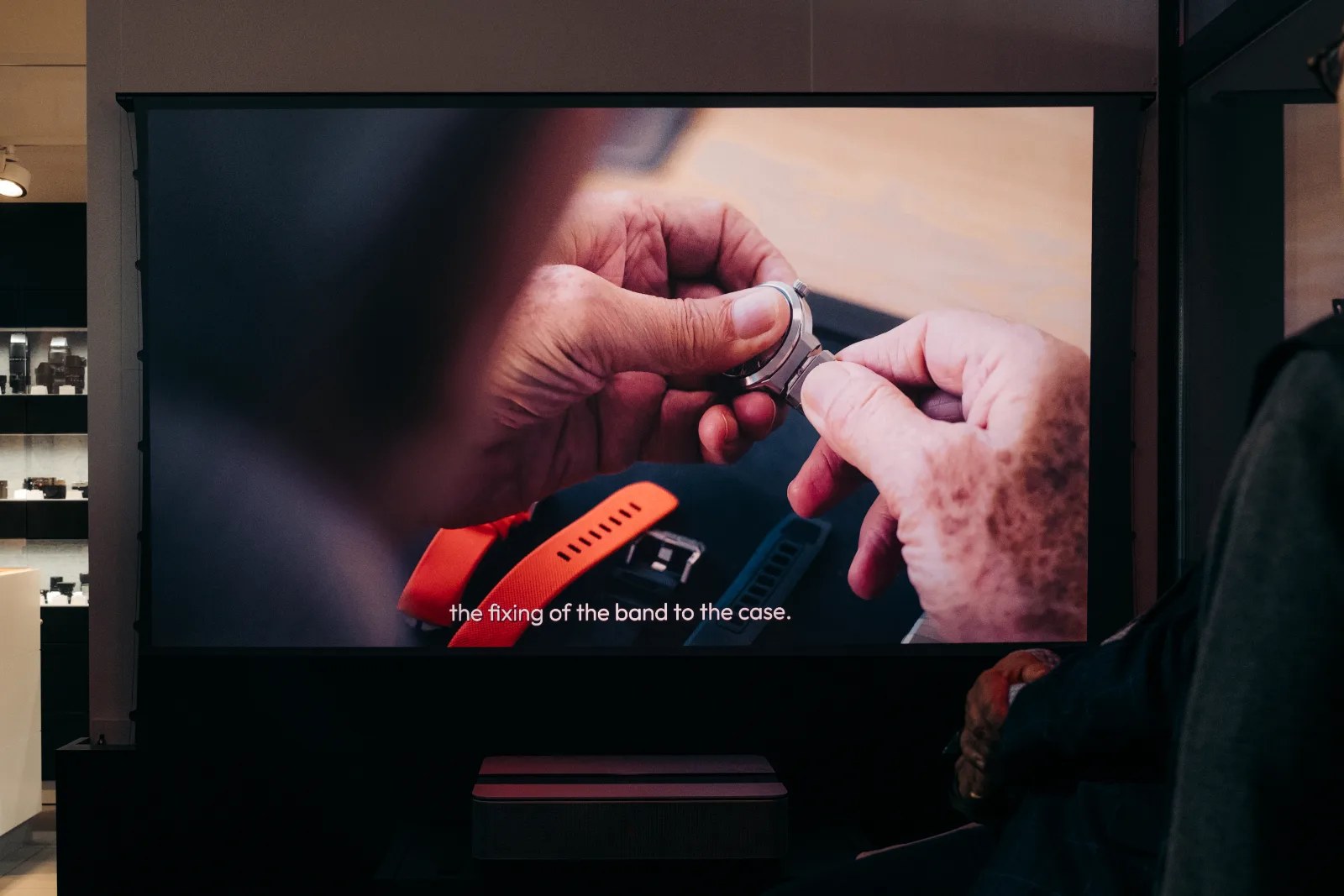
“I like the patent bracelet attachment on the back. This is very smart.”
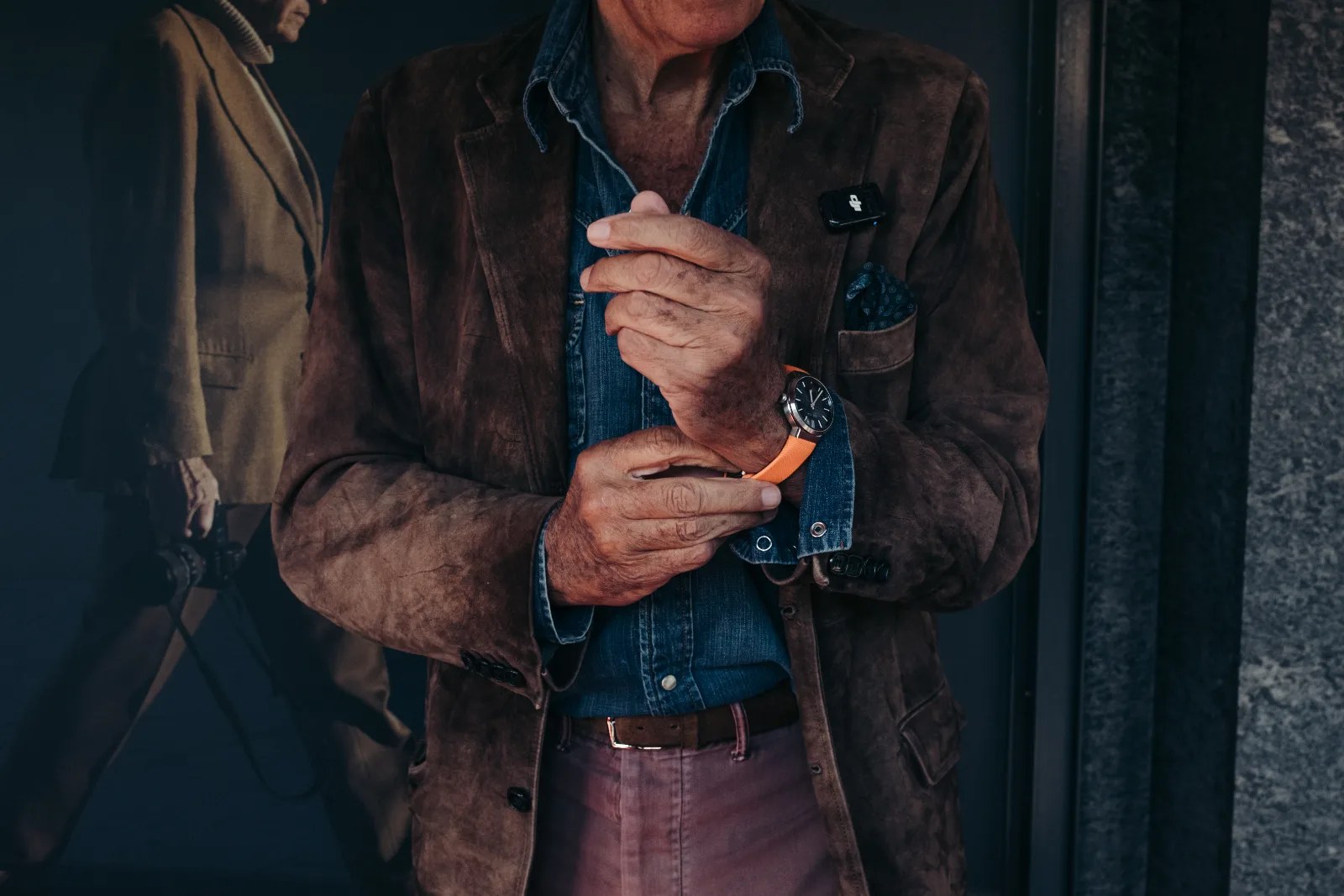
Across photography and watchmaking, the focus remains consistent. Clarity, usability, and durability guide his perspective.
When asked what he hopes visitors take from the exhibition, his response is direct.
“I hope the people like my photos. And also like the Leica watches.”
Timeless is on view at the Leica store in Geneva until May 15th.