A Technology Company
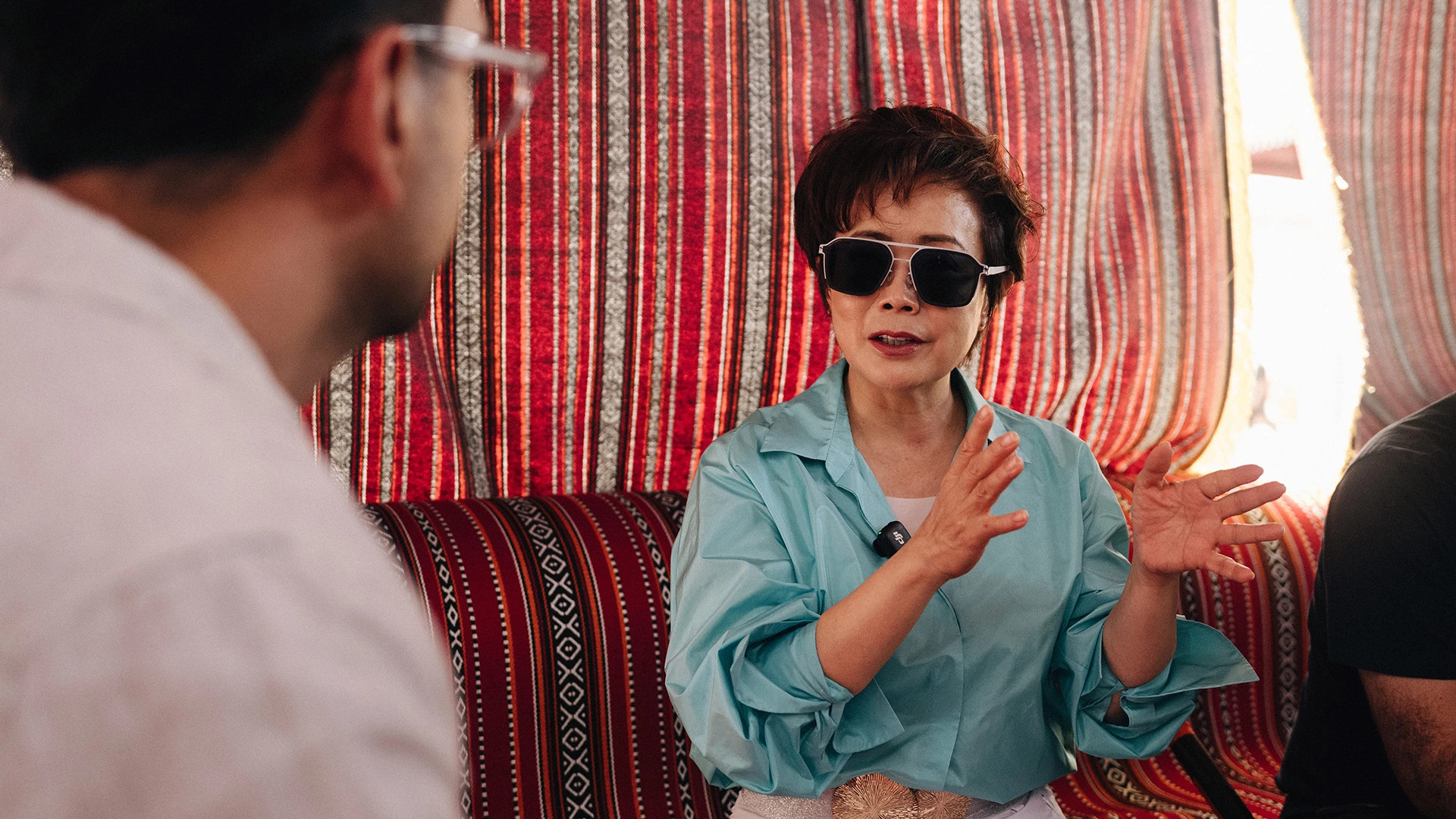
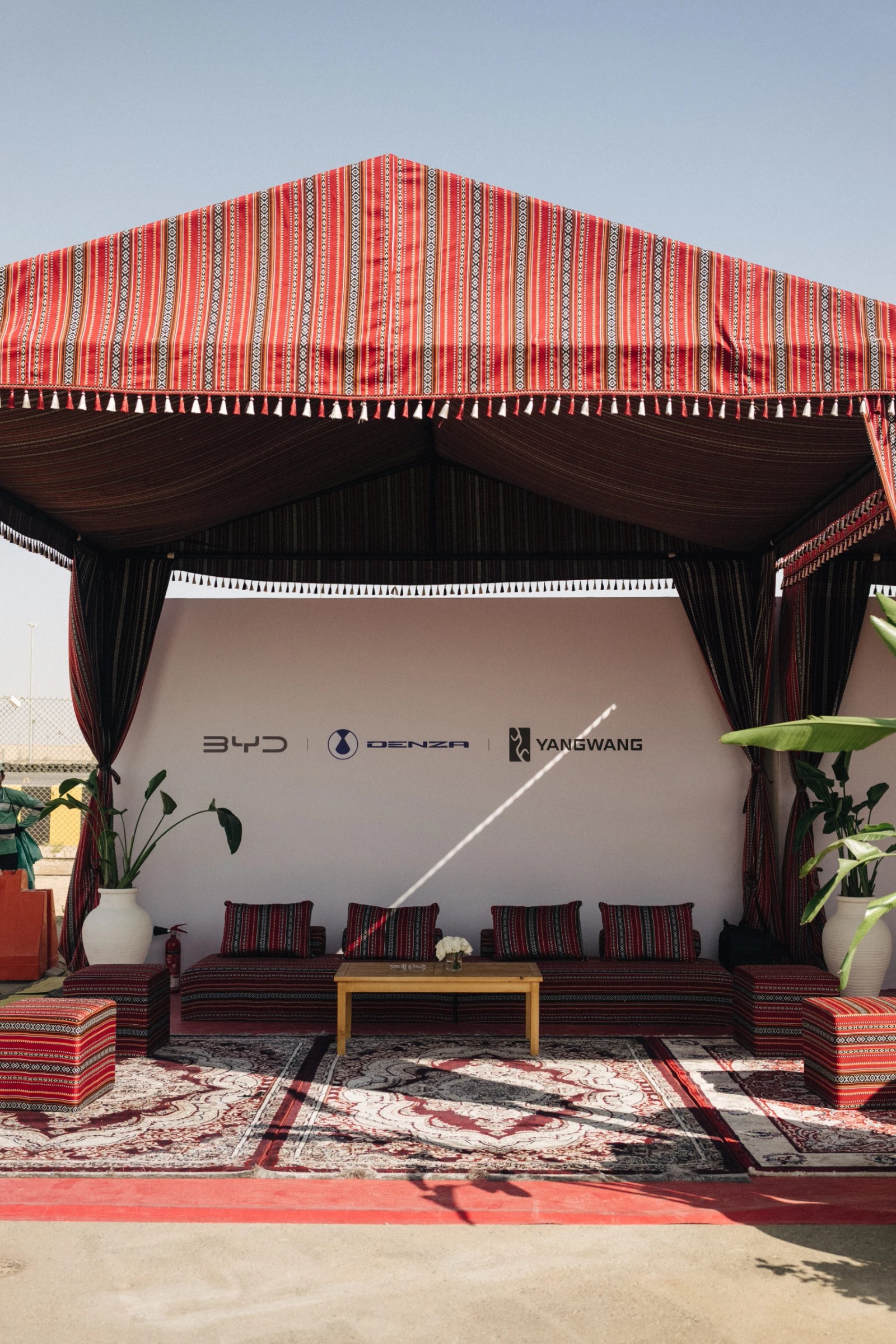
"There it's snow, now here it's hot," Stella Li laughs when we tell her we've flown in from Sweden. The Arabic coffee arrives, time is short, and we go straight to it.
What strikes me first is not what she says about cars. It's that she barely talks about them as cars. "At BYD, we are a technology company," she says. "As engineers, we always want to do something nobody can do, something nobody has made. That is the BYD DNA: innovation."
It's a conviction, and the numbers back it. BYD employs around 120,000 engineers and, according to the company, files around 50 patent applications every day. No European house works at that pace, and none was built to. That output is how the gap between China and the establishment closed in a handful of years instead of a few decades.
Past 500 km/h
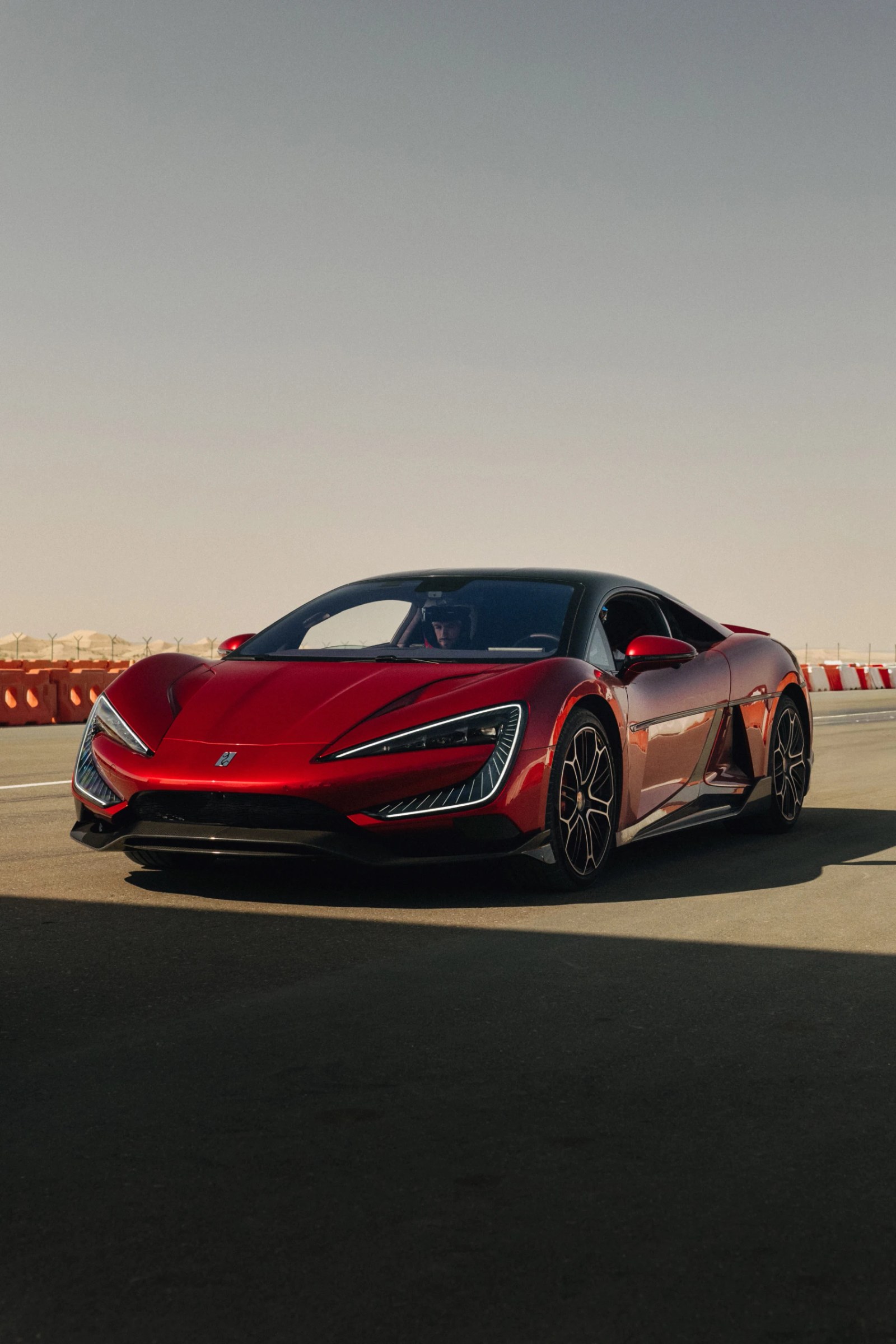
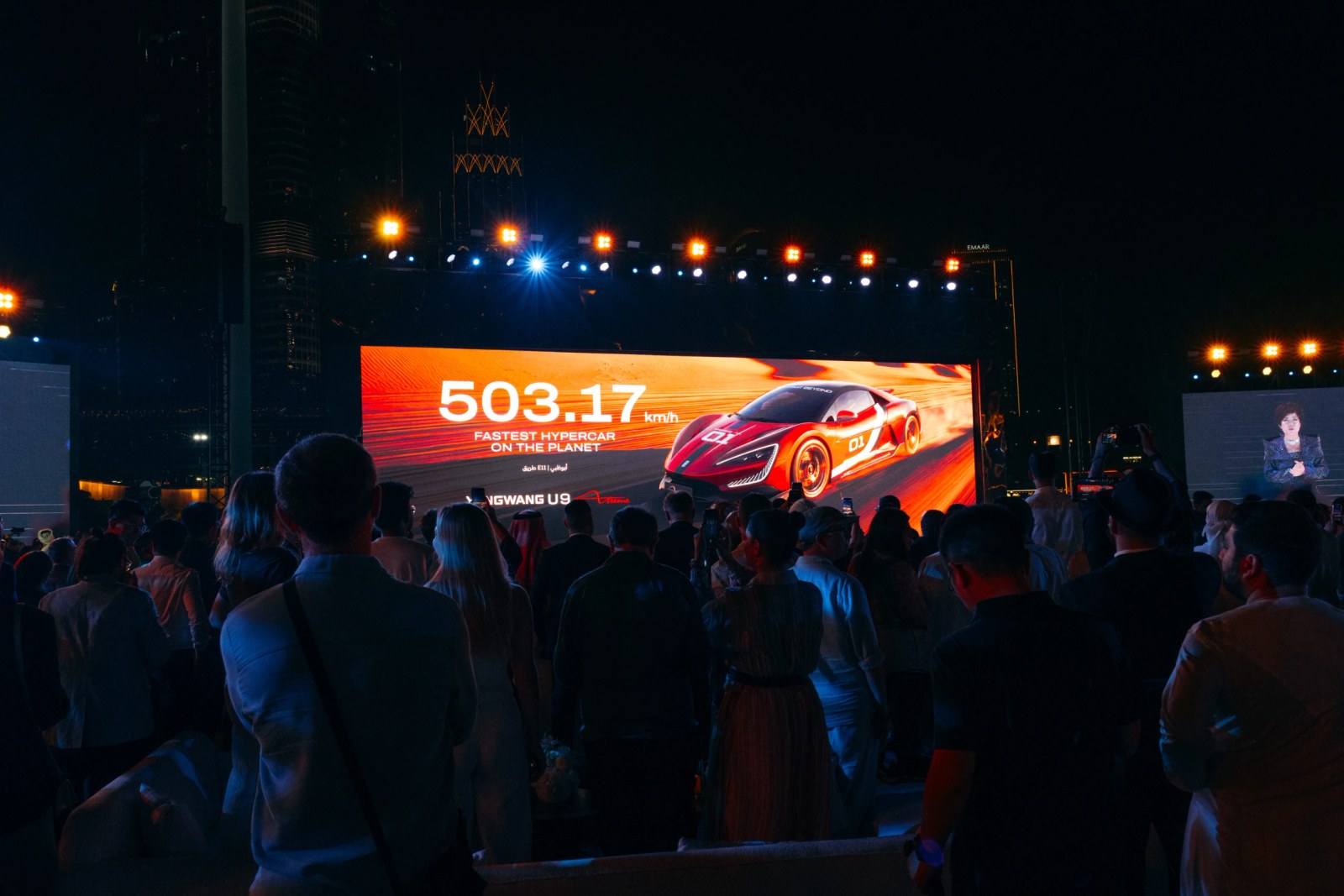
On 1 November, on a closed stretch of the E11 in Abu Dhabi's Al Dhafra region, Marc Basseng took the U9 Xtreme to 503.17 km/h. It became the first production car past 500 km/h, in a single-direction run recognised by both the FIA and Guinness World Records. The figure it beat was its own, set in Germany last year.
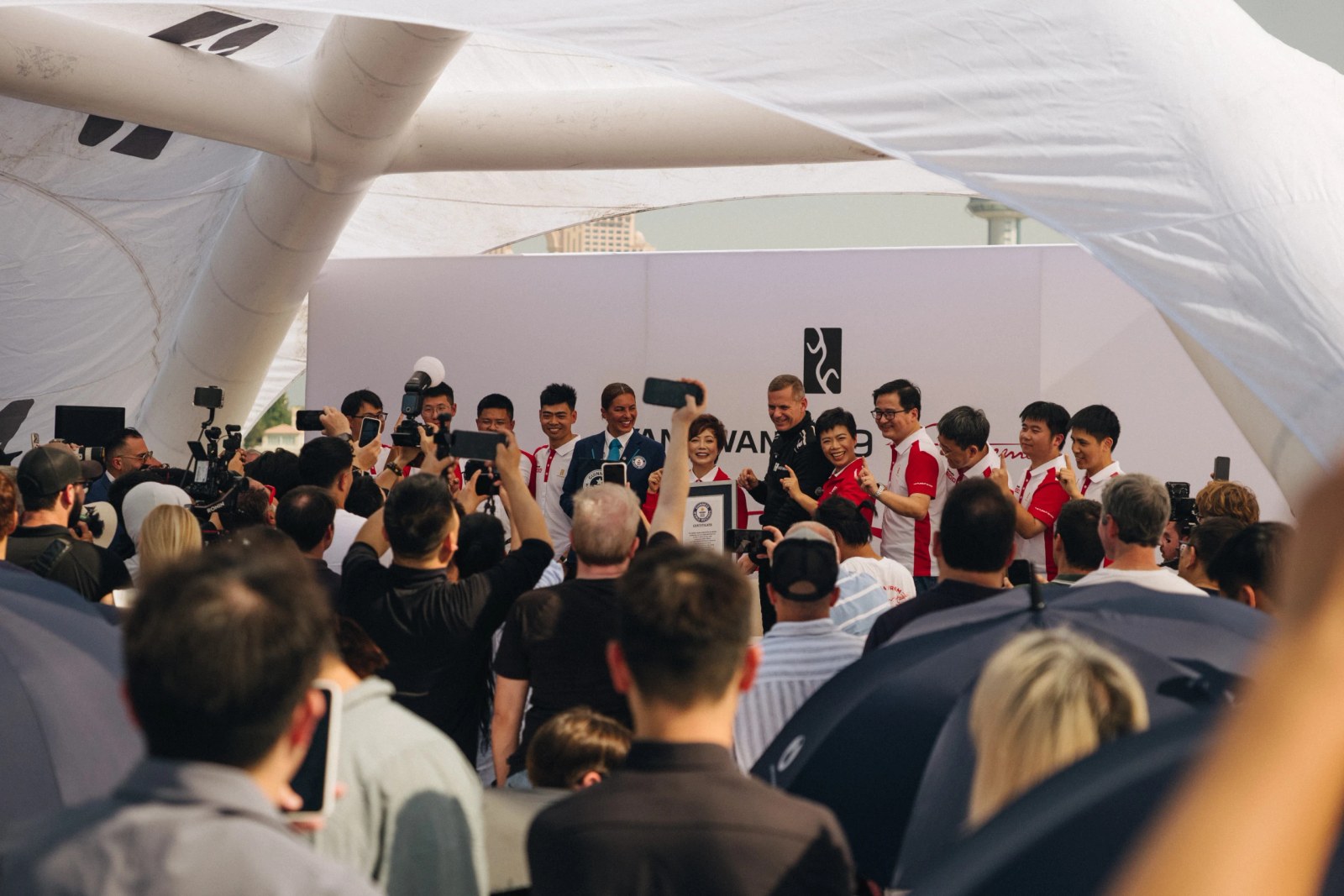
For Li, the number is less a trophy than a proof. "It shows the whole world our capability," she says. "There is a lot of know-how behind the car, and a lot of that technology is already in our BYD cars."
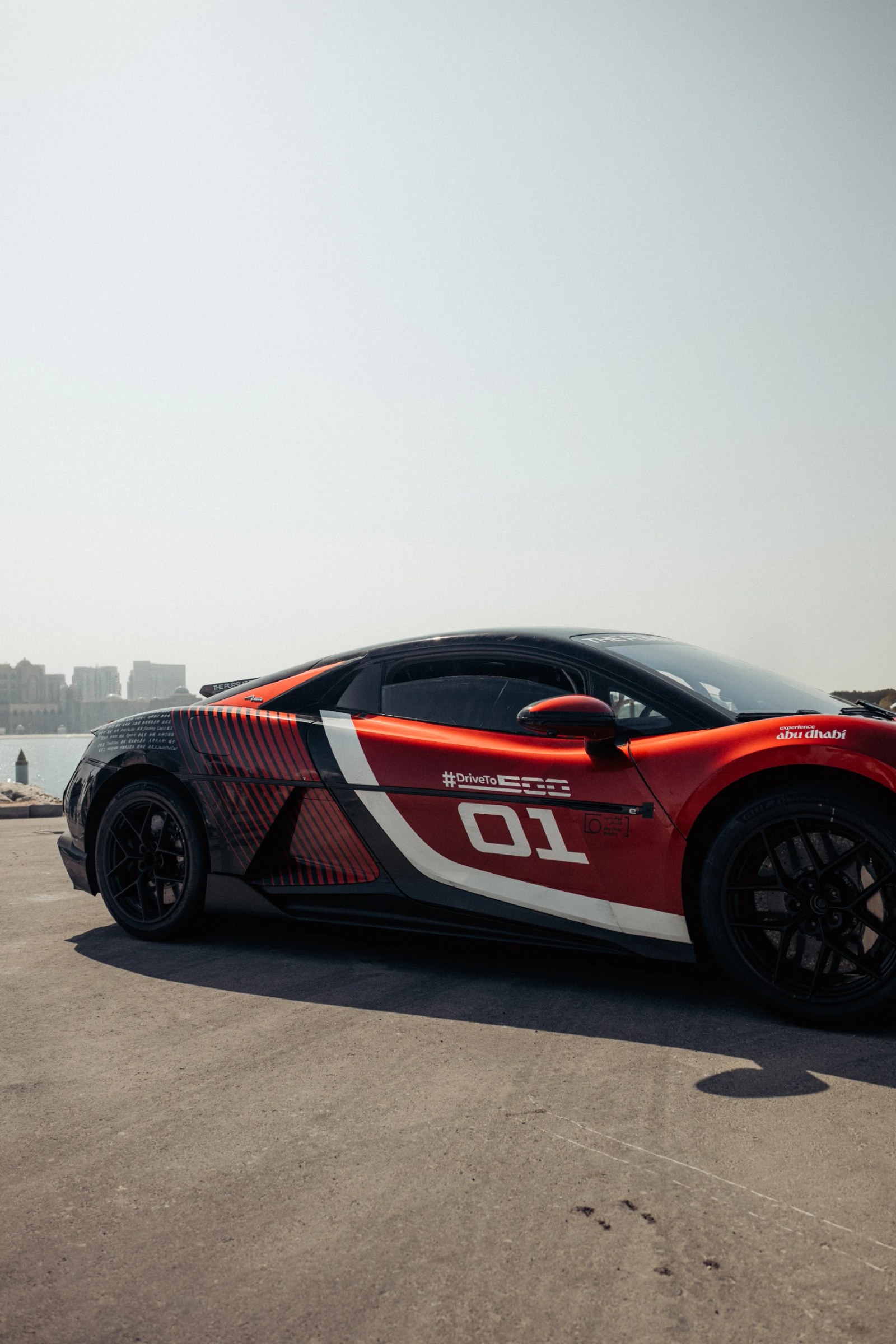
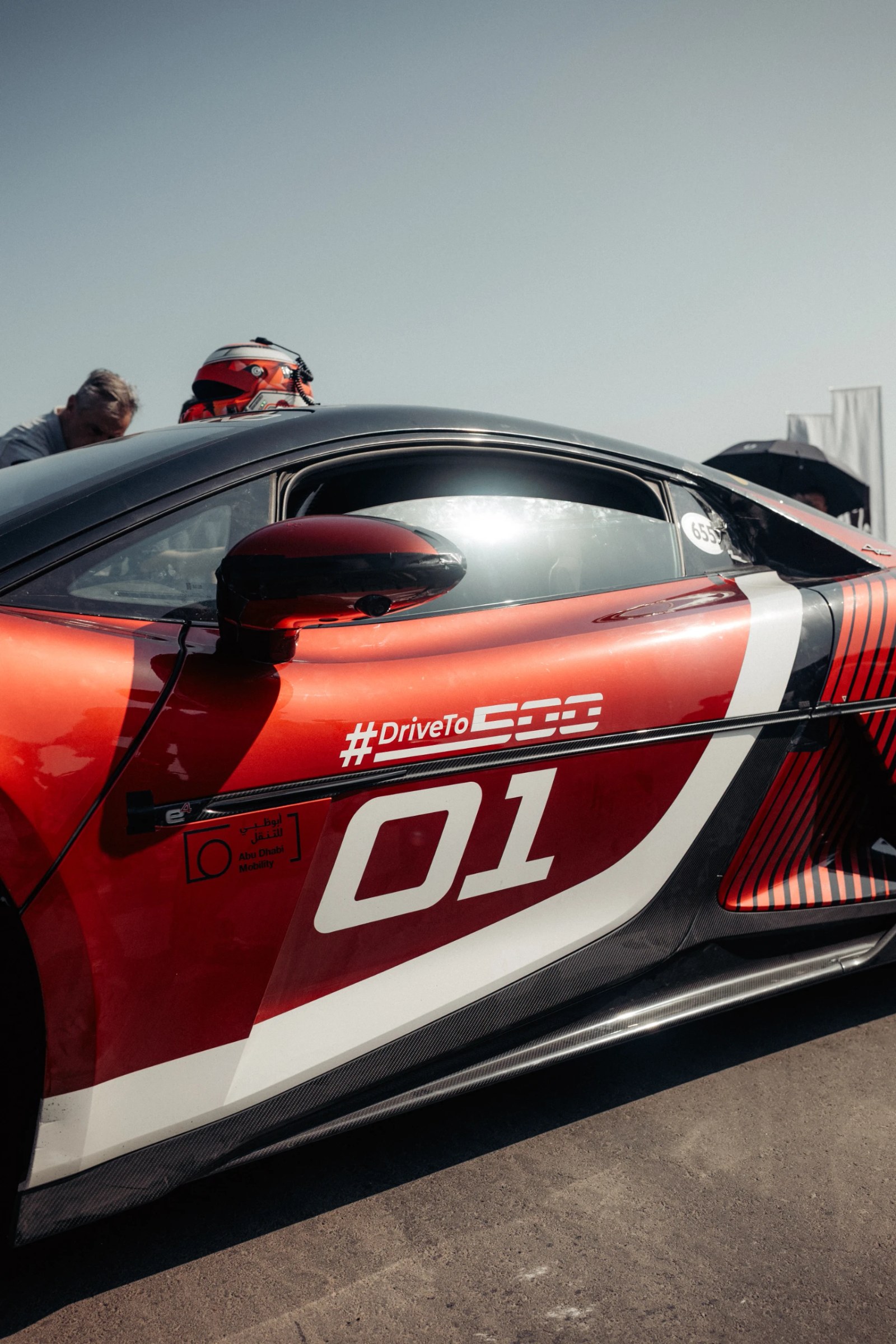
Ask her what would make a collector with a full garage curious, and she doesn't hesitate. "The U9 makes you dream about the fastest car in the world. Nobody can do 3,000 horsepower." Only 30 will be built.
Engineer Art
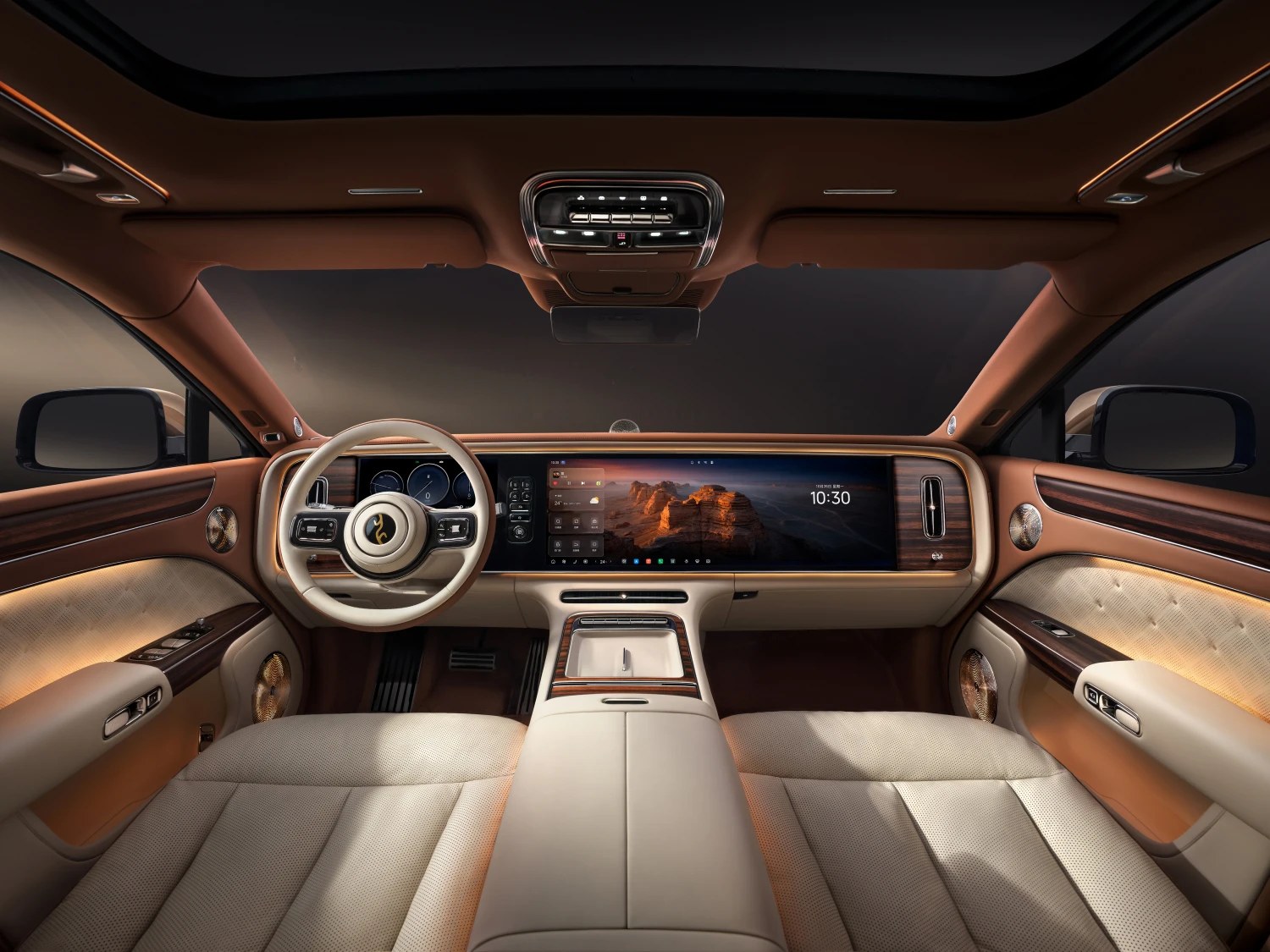
Speed is one argument. The Altior, unveiled days later at Emirates Palace Mandarin Oriental, makes a different one entirely: an electric limousine with coach doors, built for the back seat.
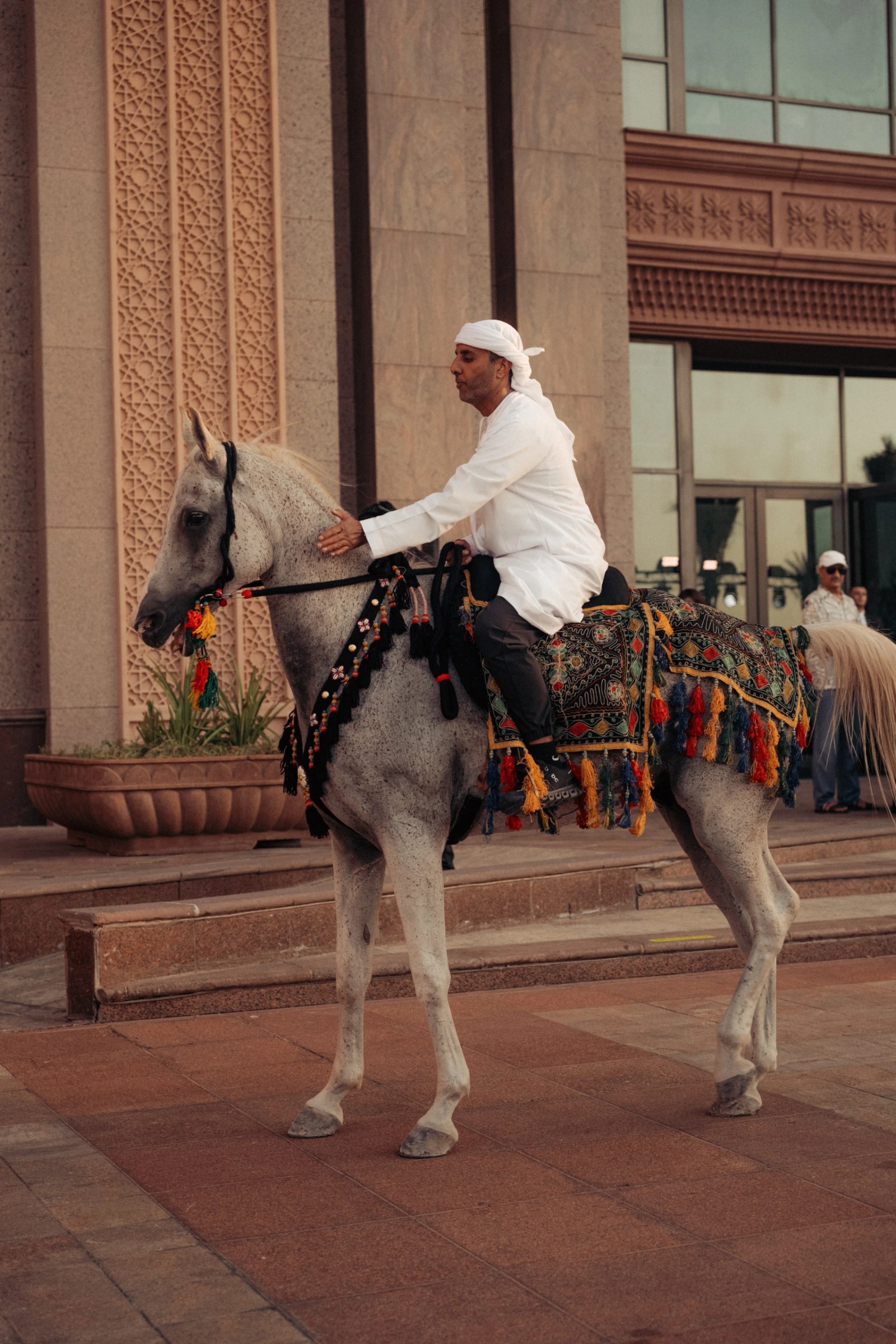
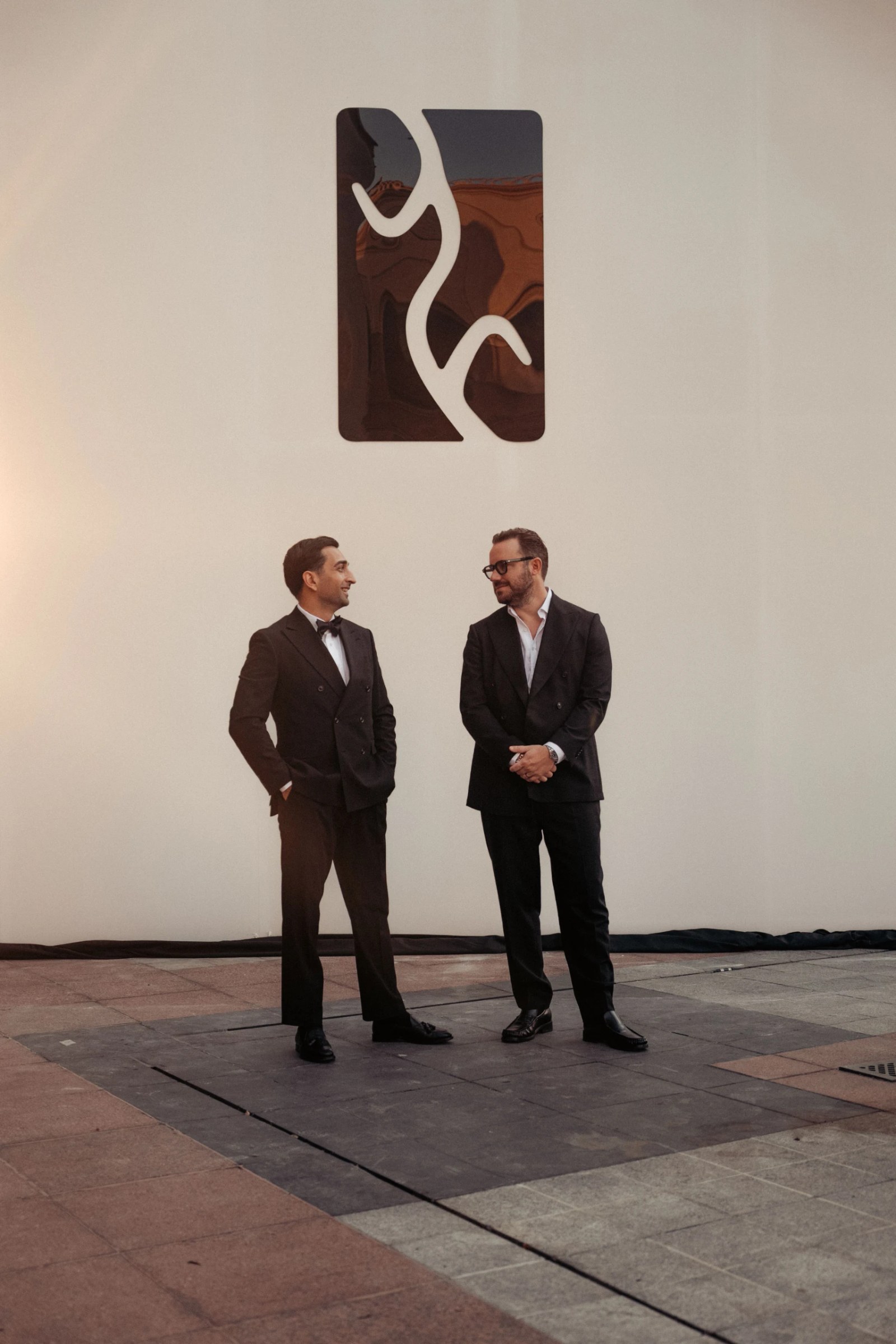
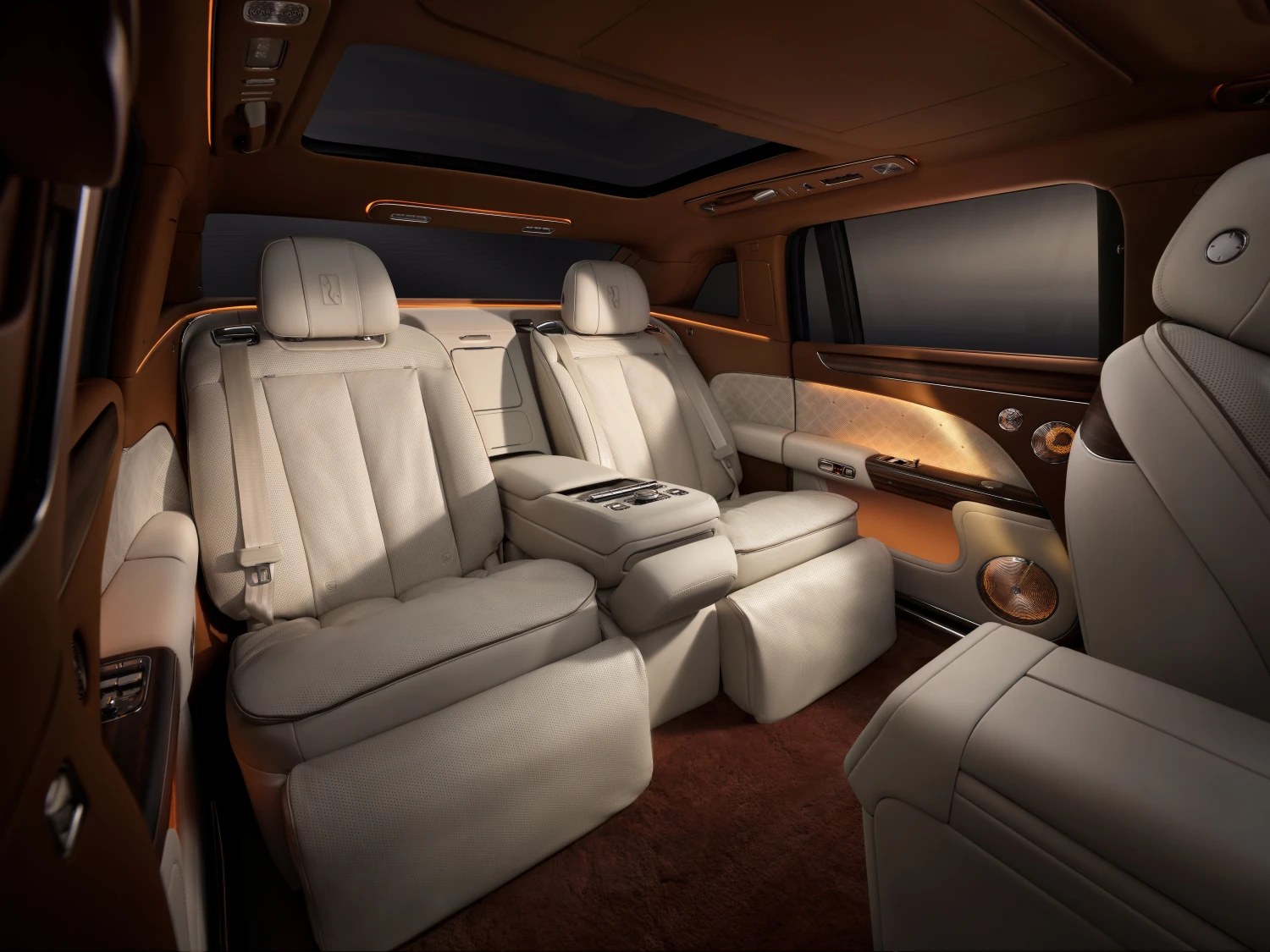
Li has a phrase for the thinking behind it. "Our engineers treat each piece as art, but they do it the engineer's way. Engineer art," she says, laughing at her own coinage. "It has to look very good, but it also has to last. This culture is what will drive us into luxury."
When I ask Li what luxury means to her, she keeps it short. "For me, luxury is about the experience, the expectation, and innovation in technology."
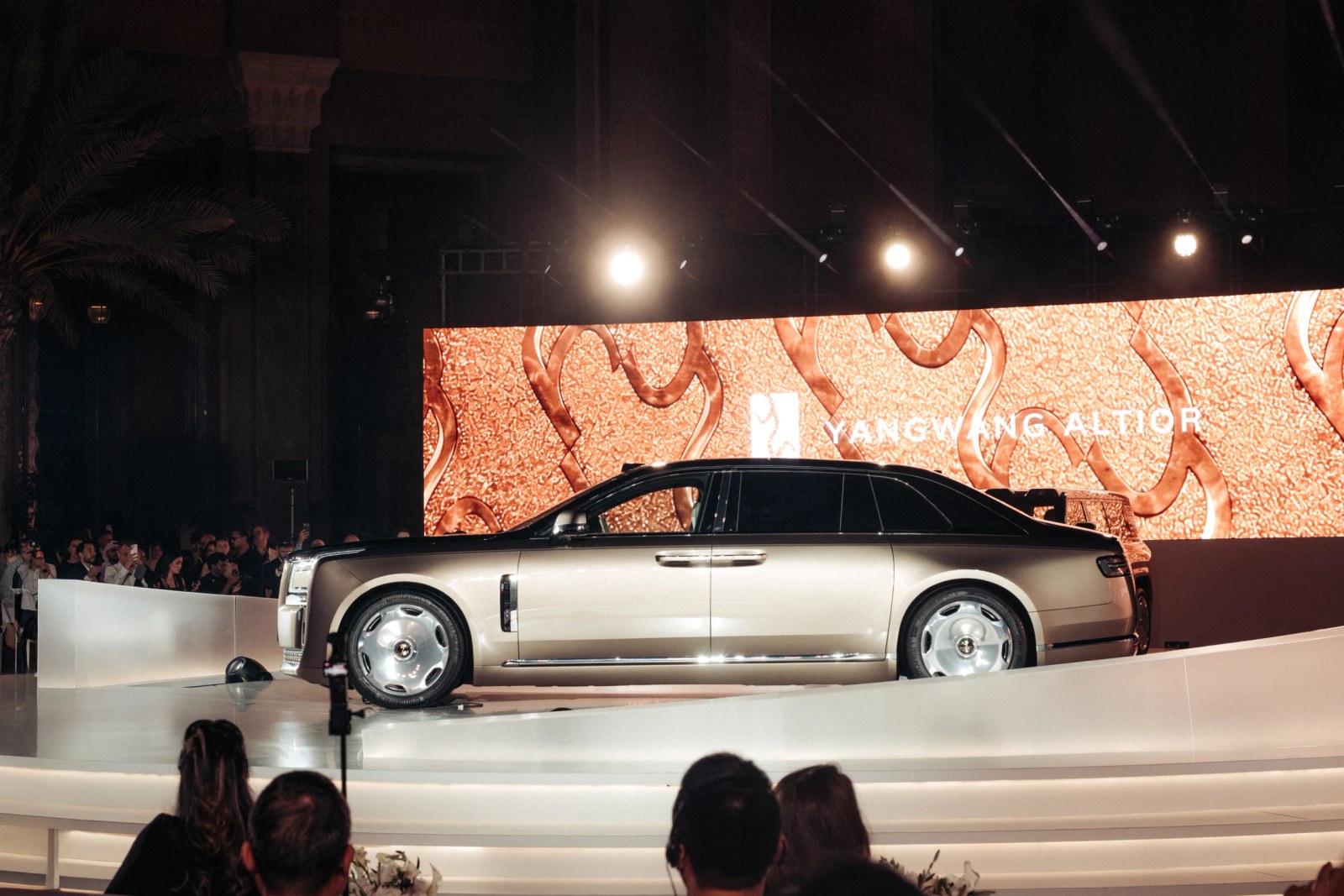
The Altior's design draws on the ding, the ceremonial bronze vessel of ancient China, which is a story worth telling loudly. Li herself describes the U8 as the car that carries Chinese luxury into performance and technology. Which makes one decision curious. With its coach doors and long bonnet, the Altior's silhouette invites the Rolls-Royce comparison many Western reviews have reached for. A brand confident enough to break 500 km/h has earned the right to lean further into its own lineage.
The Real Test
Europe is feeling the shift from both ends. In China, the houses that defined luxury for a generation are losing ground to domestic brands. At home, Chinese brands now take more than one in eight new registrations, mostly hybrids. What Europe still holds is the one thing speed can't buy: time, and the trust that comes with it. Chinese buyers already trust their own brands at the very top of the market. European buyers have yet to make that leap, and closing that gap is the job Yangwang has set itself.
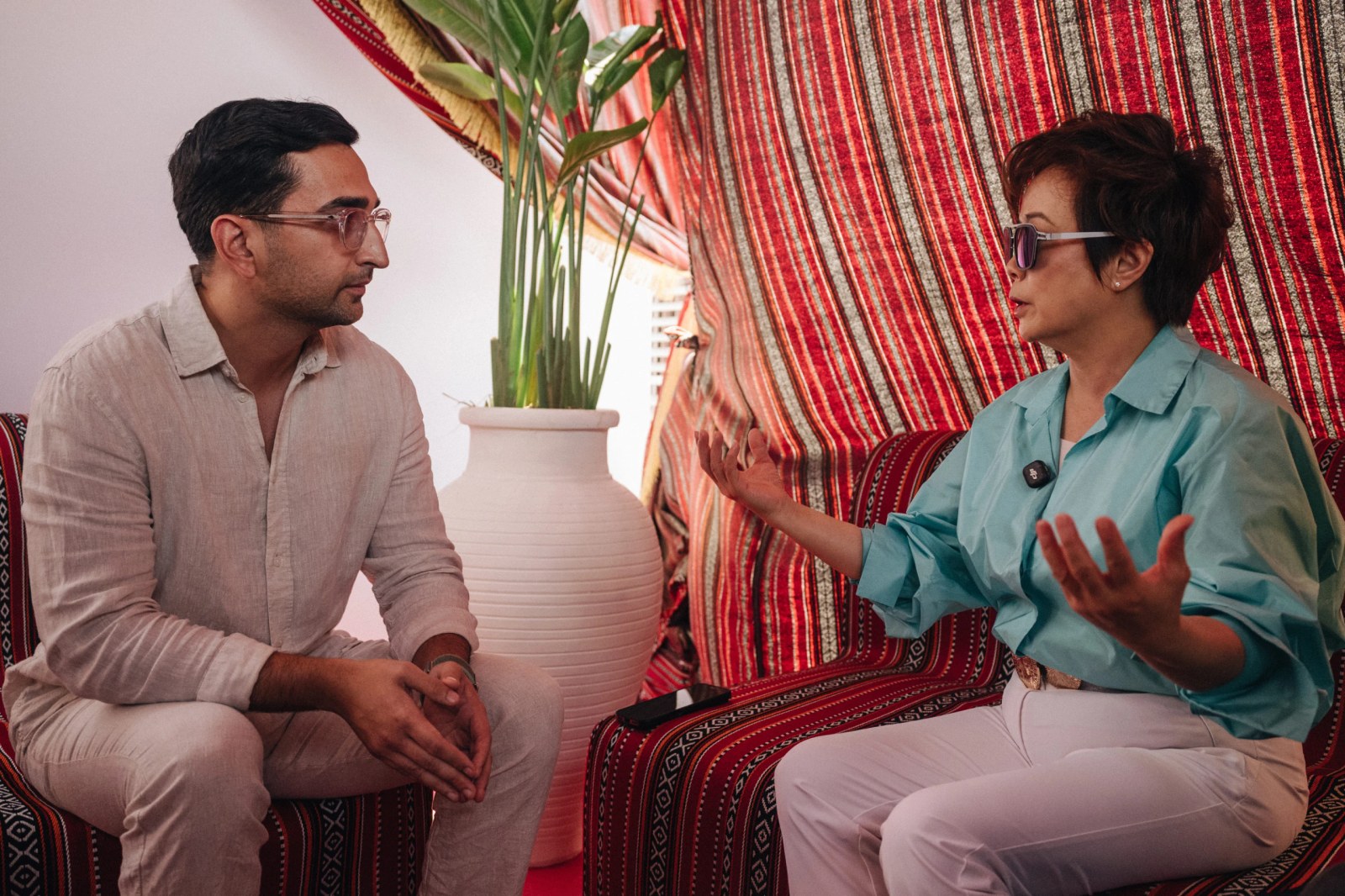
So I ask Li the question I suspect matters most: how does she think Western consumers see BYD?
She answers with the markets where people already drive the cars. "In Brazil, in Mexico, people just love our cars. They enjoy them because they feel the technology. Even when they buy a Dolphin Surf, they buy a piece of BYD's fastest car, because the battery technology is similar."
It is a quietly confident answer. Where people have spent time in the cars, the doubt seems to fade, and the research agrees. Brand Finance puts European trust in Chinese brands at 6.02, against 6.63 for German brands, and closing, noting that trust grows through product experience, not marketing alone.
I haven't driven the cars yet, so I can't tell you whether the experience makes the case. In a way, that is exactly Li's point. Yangwang has done the engineering. The record is in the book. What remains is the slower work of earning trust, owner by owner, year by year, until capability starts to look like heritage.