Luxury fragrance occupies a unique place in modern culture. Unlike watches, cars or fashion, perfume is invisible. Yet it shapes how someone is remembered long after they leave the room.
For Yvan Jacqueline, President of the Americas at Parfums de Marly, that invisible presence is what makes fragrance compelling. It is not simply a product, but an emotional language connecting memory, identity and craftsmanship.
When we speak, Jacqueline has just returned home to New York after a long journey. Yet the fatigue fades as the conversation turns to perfume. After more than fifteen years with the house, the enthusiasm remains.

Heritage That Resonates Today
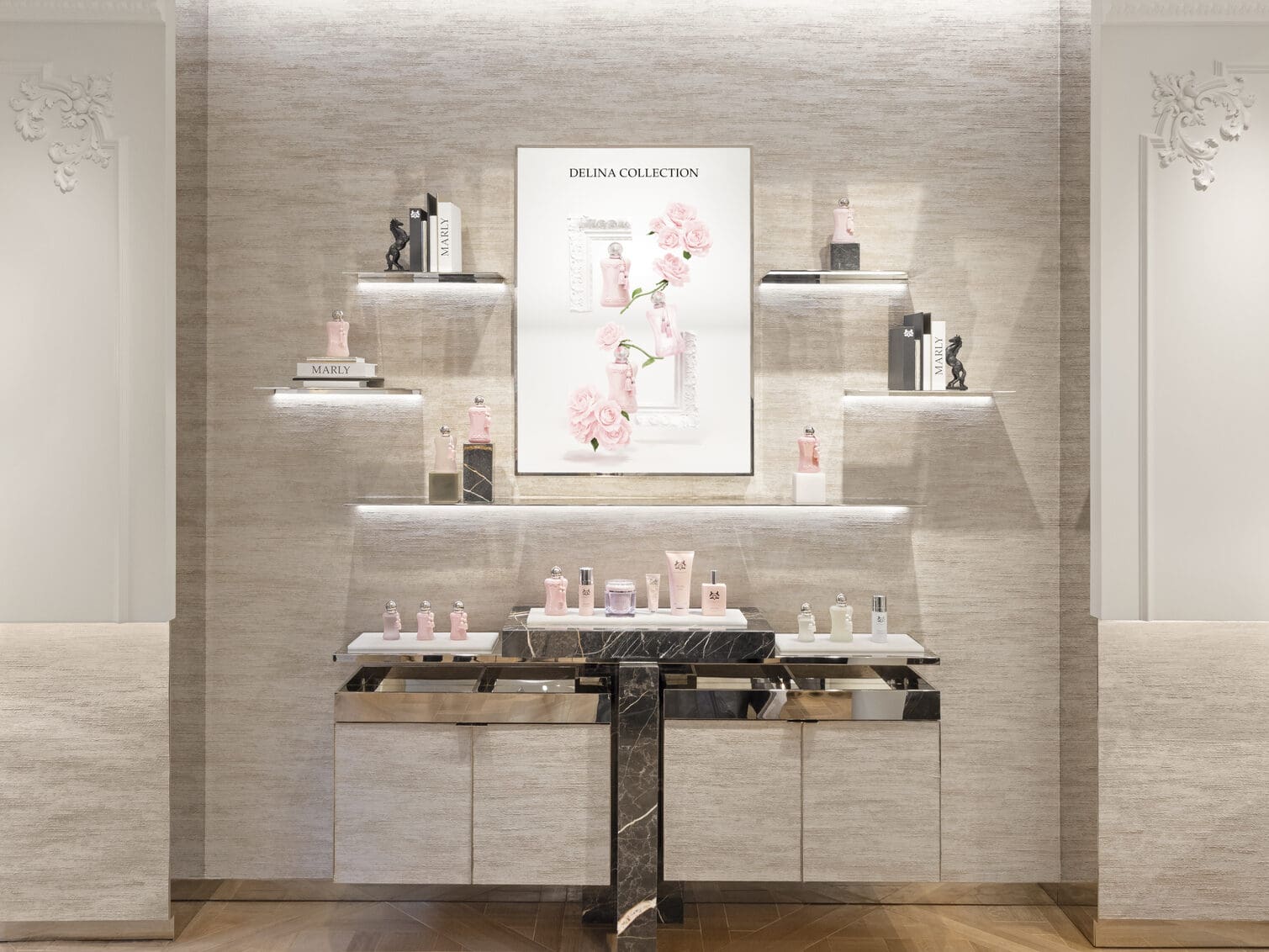
Parfums de Marly draws inspiration from the court of Louis XV in the 18th century, often described as the golden age of French perfumery. Fragrance played a central role in court culture, and the brand continues to reference that heritage in both scent and design.
Its expansion into the United States came later than many expected.
“We opened a subsidiary here in America eight years ago only. It was the last continent we opened because we thought maybe people were not ready for perfume with this power and particularity and DNA.”
At the time, the assumption was that American consumers preferred lighter fragrances. The response proved otherwise.
“It has been a fabulous surprise to see how people were interested, welcoming, appreciating the difference.”
The historical inspiration itself resonated strongly.
“They love Paris, love Versailles, they love their history.”
As the brand expanded globally, one question followed: can a house remain niche at scale?
Jacqueline sees no contradiction.
“It’s not because you become a global brand that you are not niche anymore. What makes you niche is the way you create the perfume.”

The DNA of Natural Ingredients
That philosophy begins with ingredients. While much of modern perfumery relies heavily on synthetics, Parfums de Marly continues to emphasize natural raw materials.
“We still use a lot of natural ingredients. From flowers to woods to vanilla always from Madagascar… the spine is always natural.”
The choice also reflects the brand’s historical inspiration.
“In the 18th century there were no synthetic molecules. So it’s a statement paying tribute to that era.”
Natural ingredients introduce another dimension: individuality.
“The more natural it is, the more the pH of the skin interact with the creation. So it smells different on everybody.”
In a luxury market shaped by personal expression, that variation becomes part of the appeal.

The Rise of Fragrance Culture
Over the past decade, Jacqueline has seen a shift in how people approach fragrance.
“Niche used to be a perfume for very few people that were crazy about scent.”
Today the category has expanded rapidly. Social media has helped create a new generation of enthusiasts.
“In ten years we have seen people welcoming to invest in different quality more and more.”
Consumer habits have changed as well.
“Ten years ago most of the people used to have one perfume for a year. Today they have 10 or more.”
Perfume has quietly become another form of personal expression.
The Power of Memory
Part of fragrance’s power lies in its connection to memory.
“The smell is the only of our senses which is directly linked to the subconscious.”
Unlike sight or sound, scent connects directly to emotion. A fragrance can instantly bring back a place or moment from years earlier.
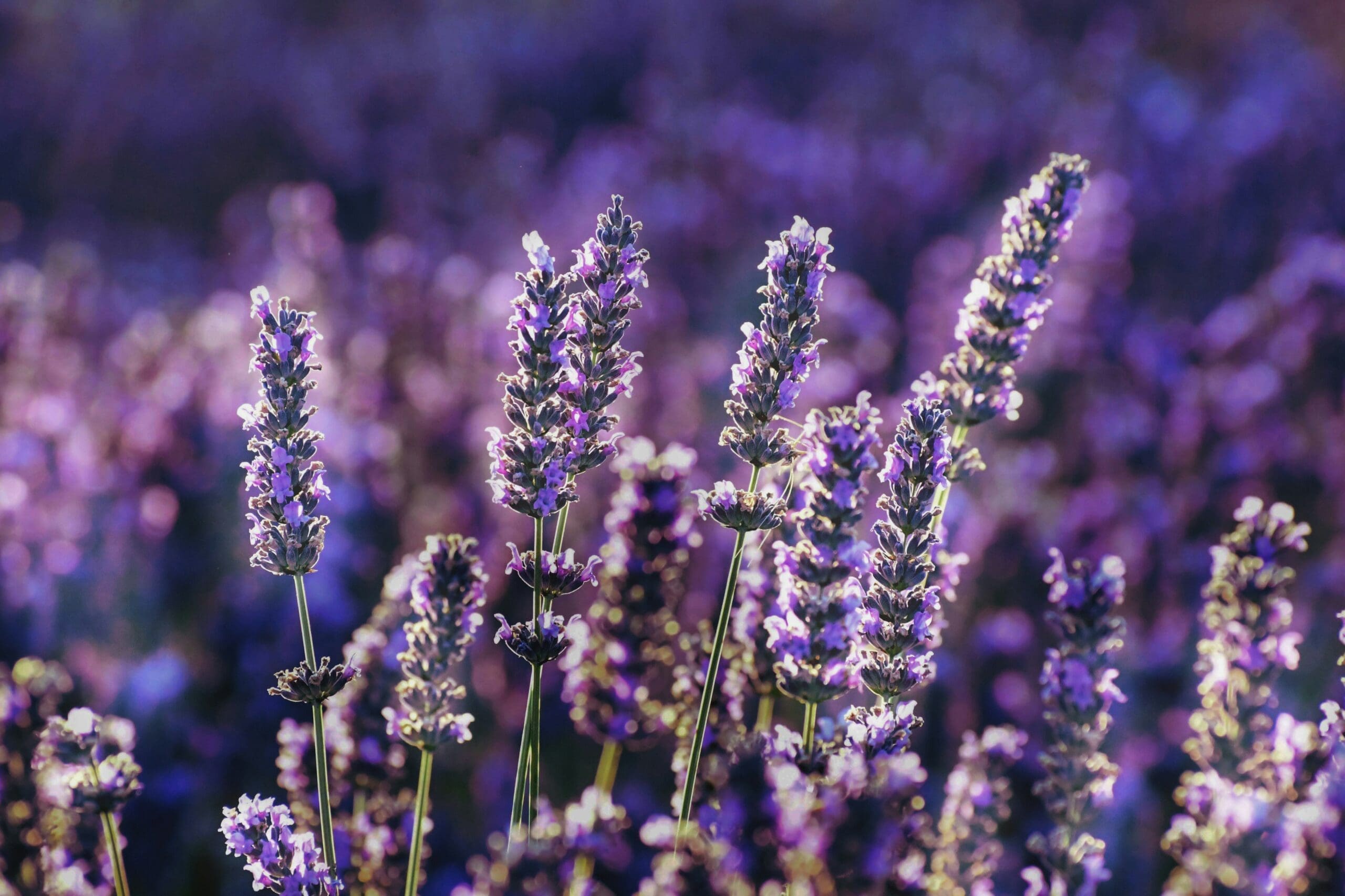
For Jacqueline, lavender carries that association. Growing up, he spent summers at his grandparents’ home in Brittany.
“Every morning I would scratch the flowers in my hand and the whole day long smelling my hands.”
“It’s memories.”
A World of Freedom
That idea of expression extends to fragrance layering, where people combine multiple scents to create something unique.
“The perfume world is a world of freedom, there is no right or wrong,” Jacqueline says.
At the same time, he understands why purists prefer to experience a fragrance as it was composed. Creating a perfume can take years of development and many adjustments to reach the intended balance.
“When you work three years to have the perfect balance… it’s very complex.”
Yet for Jacqueline, personal connection ultimately matters more than strict rules.
“I do have a few layerings that I love in Marly that I do for myself.”
Introducing Les Extraits
This philosophy of depth sits at the center of Parfums de Marly’s latest release: Les Extraits.
The collection reflects a shift toward greater refinement while maintaining the performance the house is known for.
“More and more Julien loves to create around refinement with performance.”
Achieving that balance is one of the hardest challenges in perfumery.
“When you create a strong wood, anyone will make it last because wood lasts. But when you create something bright and refined, to make it project and last is the most complicated thing to do in the perfume world.”
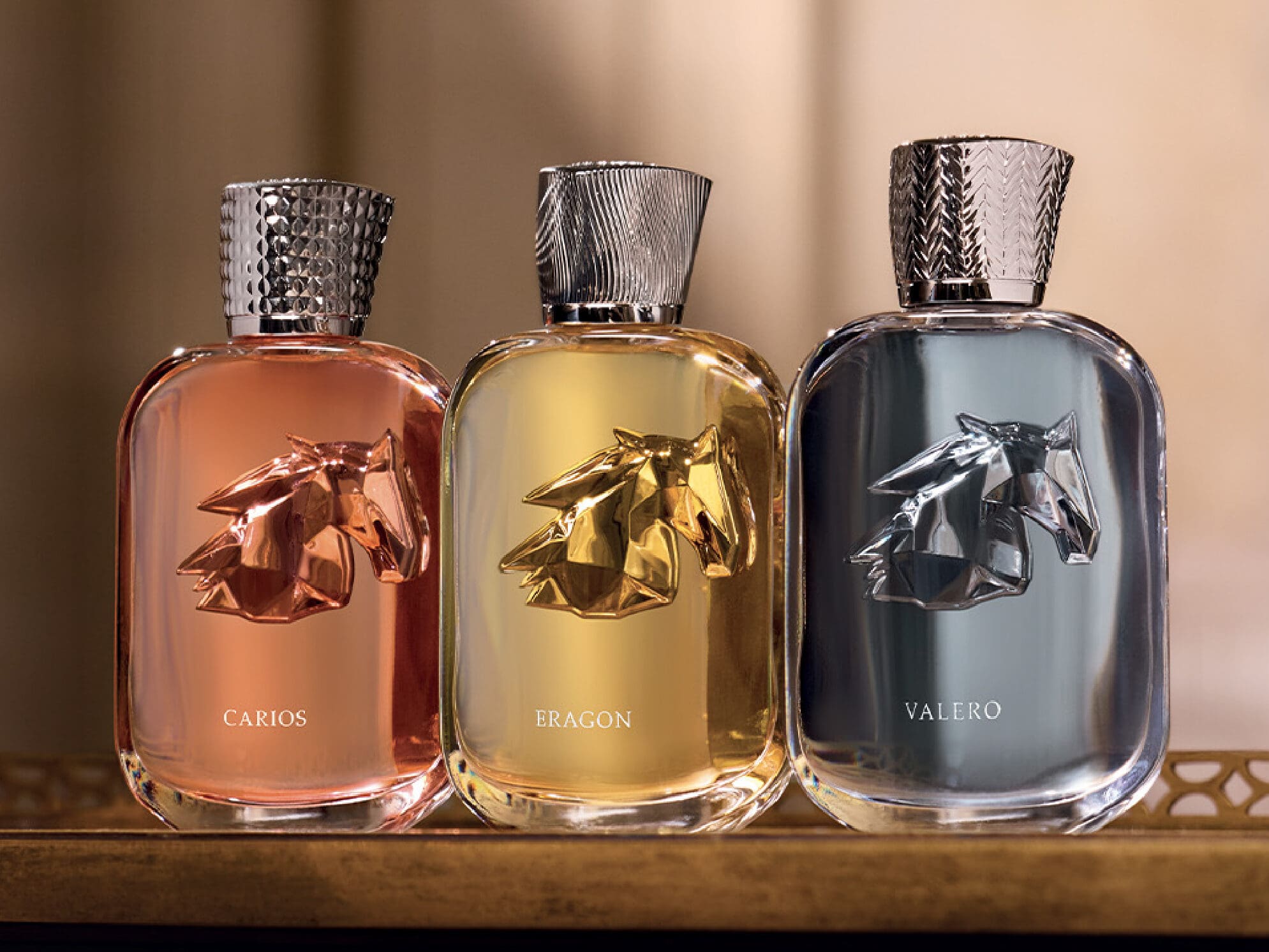
The collection introduces three distinct personalities.
Valero represents the everyday fragrance, elegant and versatile, with a refined woody fougère profile built around lavender and ambrox.

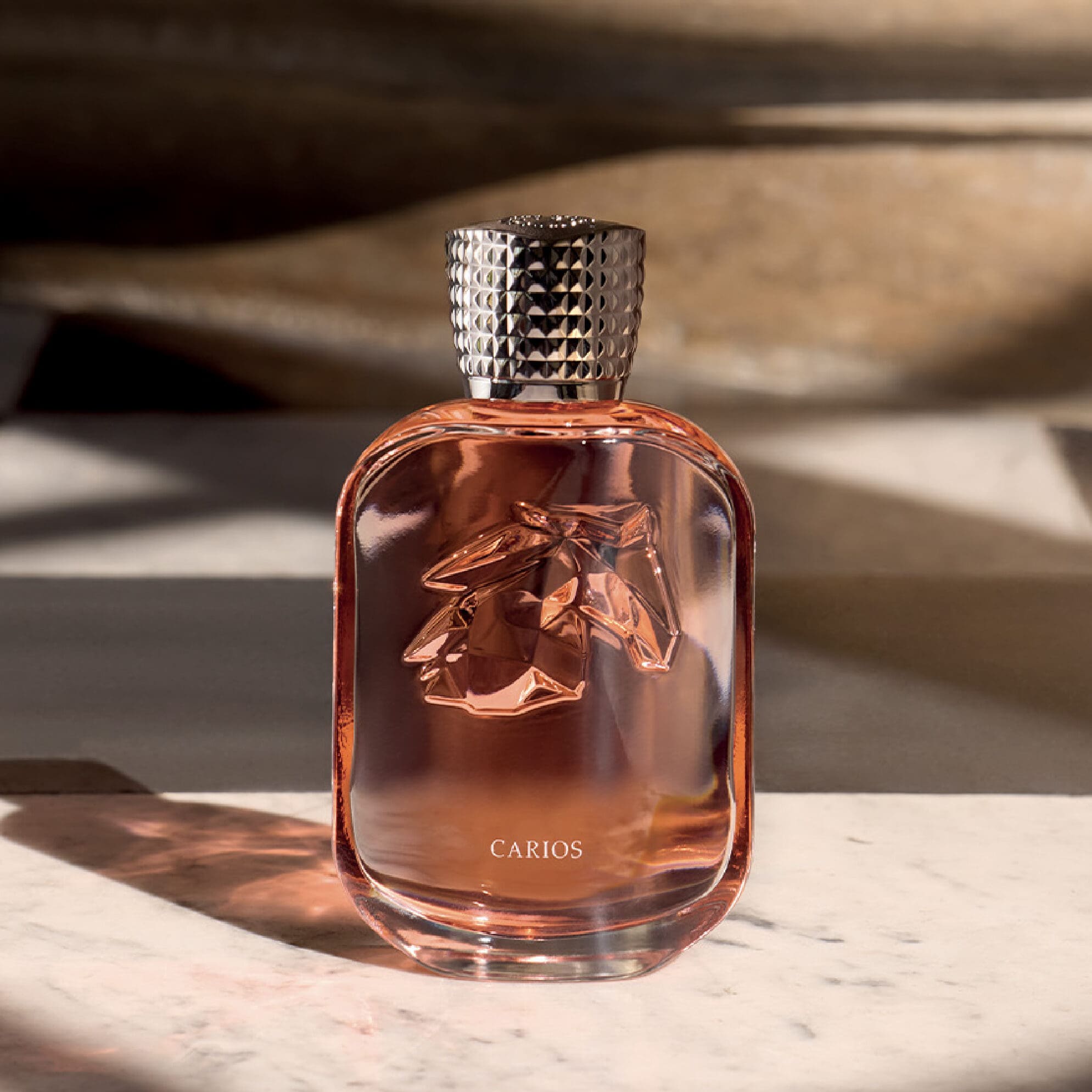
Carios moves in a brighter direction, combining red mandarin and roasted tonka bean into a composition with a more distinctive character.
And then there is the more seductive side.
“Eragon is the sexy one.” Jacqueline says, describing it as a deeper blend of patchouli, cinnamon and spicy vanilla.
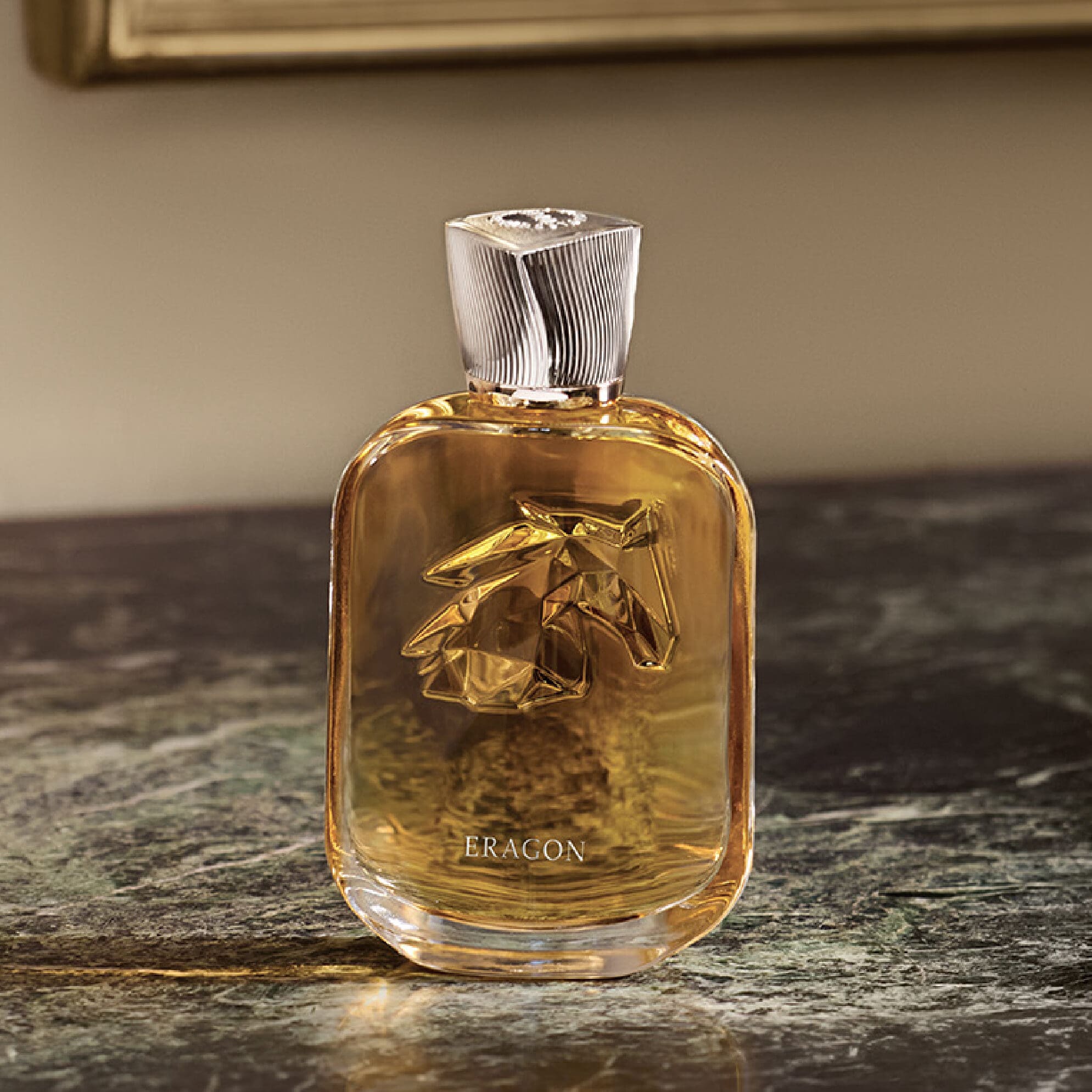
Each scent speaks for itself.
“When you wear a particular scent, you send a different message.”
Fragrance, in that sense, becomes situational.
The Complexity of Creation
Behind every perfume lies a high level of technical precision. Even the smallest adjustment can transform a formula.
Jacqueline describes the process simply.
“To create the perfect scent is like winning the lottery. It’s so incredible that sometimes you lower one ingredient, one percent, and you get a completely different smell.”
Every fragrance begins with experimentation and refinement.
“You always restart from scratch and try to crack the formula.”
When a composition finally reaches the right balance, it reflects years of work.
That attention to detail extends beyond the fragrance itself.

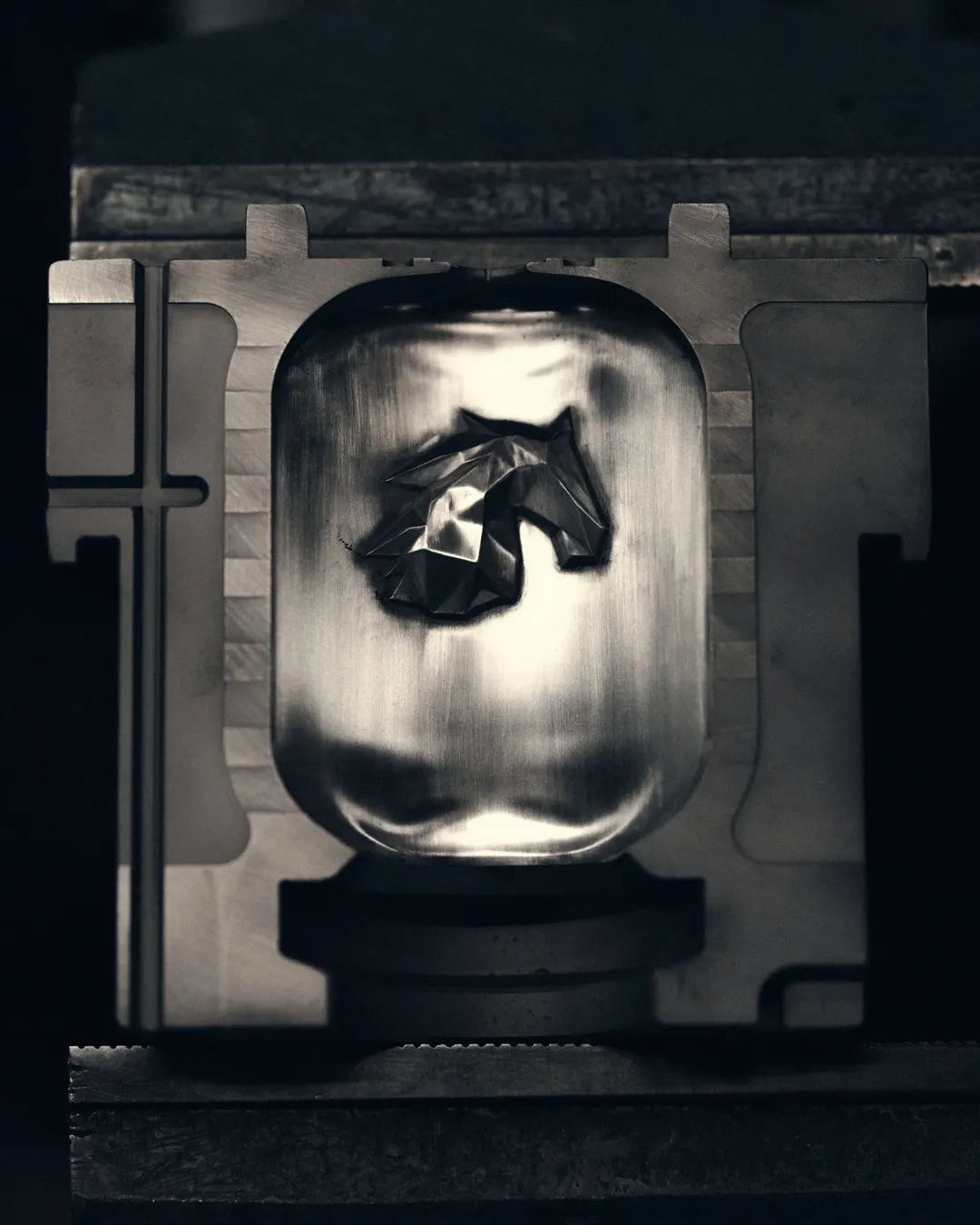
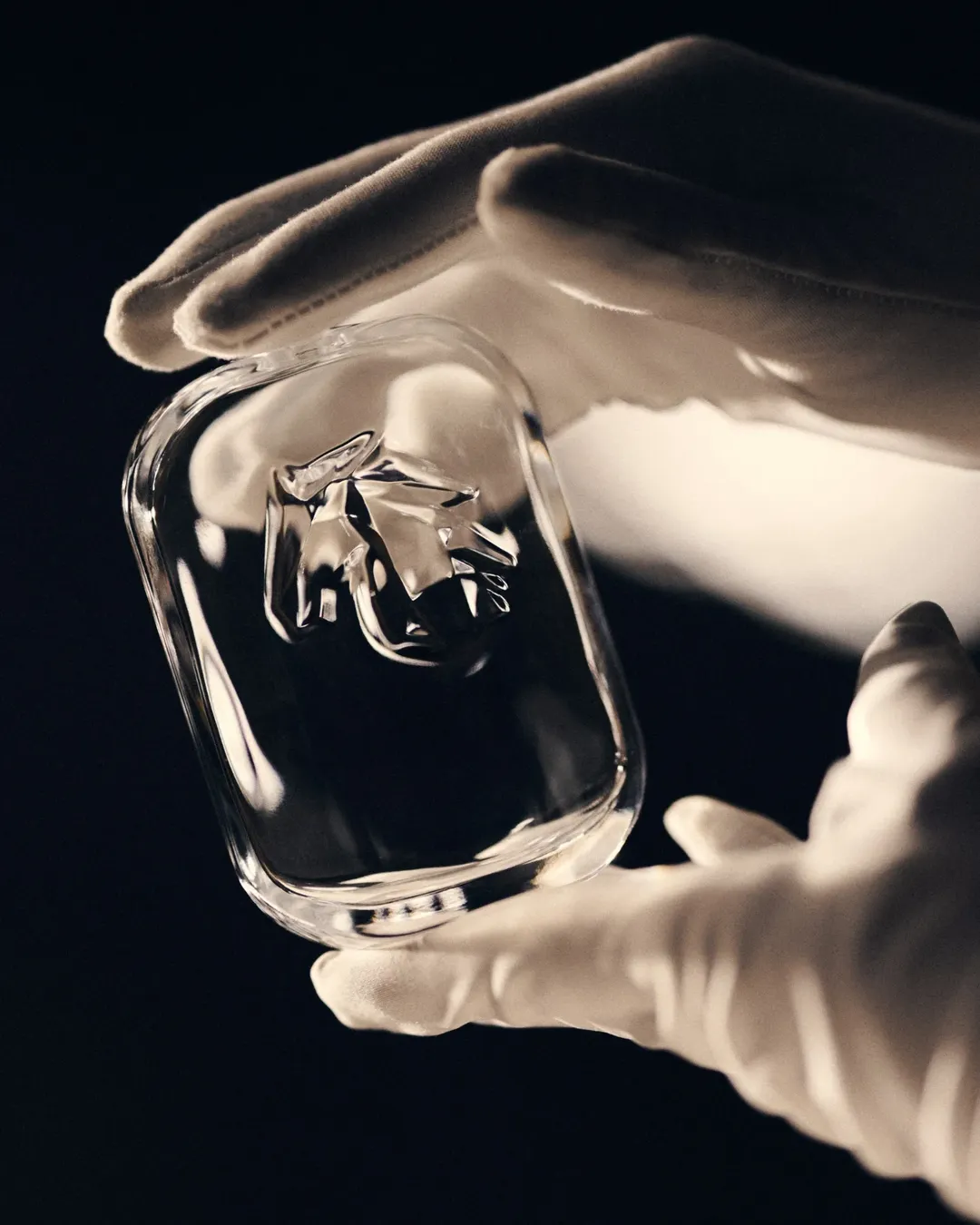
Although fragrance is experienced through scent, the packaging is not merely decorative. It reflects the same philosophy that defines the perfume: precision, balance, and a tribute to the French court where modern perfumery began.
“We pay homage to the 18th century, to the royal court and to French luxury.” he says.
From the weight of the cap to the guilloché detailing on the bottle, every element reinforces the craftsmanship behind the fragrance. In that sense, the experience begins long before the first spray.
More Than Just a Fragrance
For Jacqueline, perfume serves a deeper purpose than simply smelling pleasant.
“It gives you confidence, make you feel special.”
But discovering that connection takes time.
“People are always in a hurry. They will spend five seconds and say, I like it, I don’t like it.”
The character of a fragrance reveals itself slowly.
“Try it. See on your skin how it’s going to evolve.”
Somewhere in that evolution, once the fragrance reaches its dry down, you discover whether you won the lottery.
