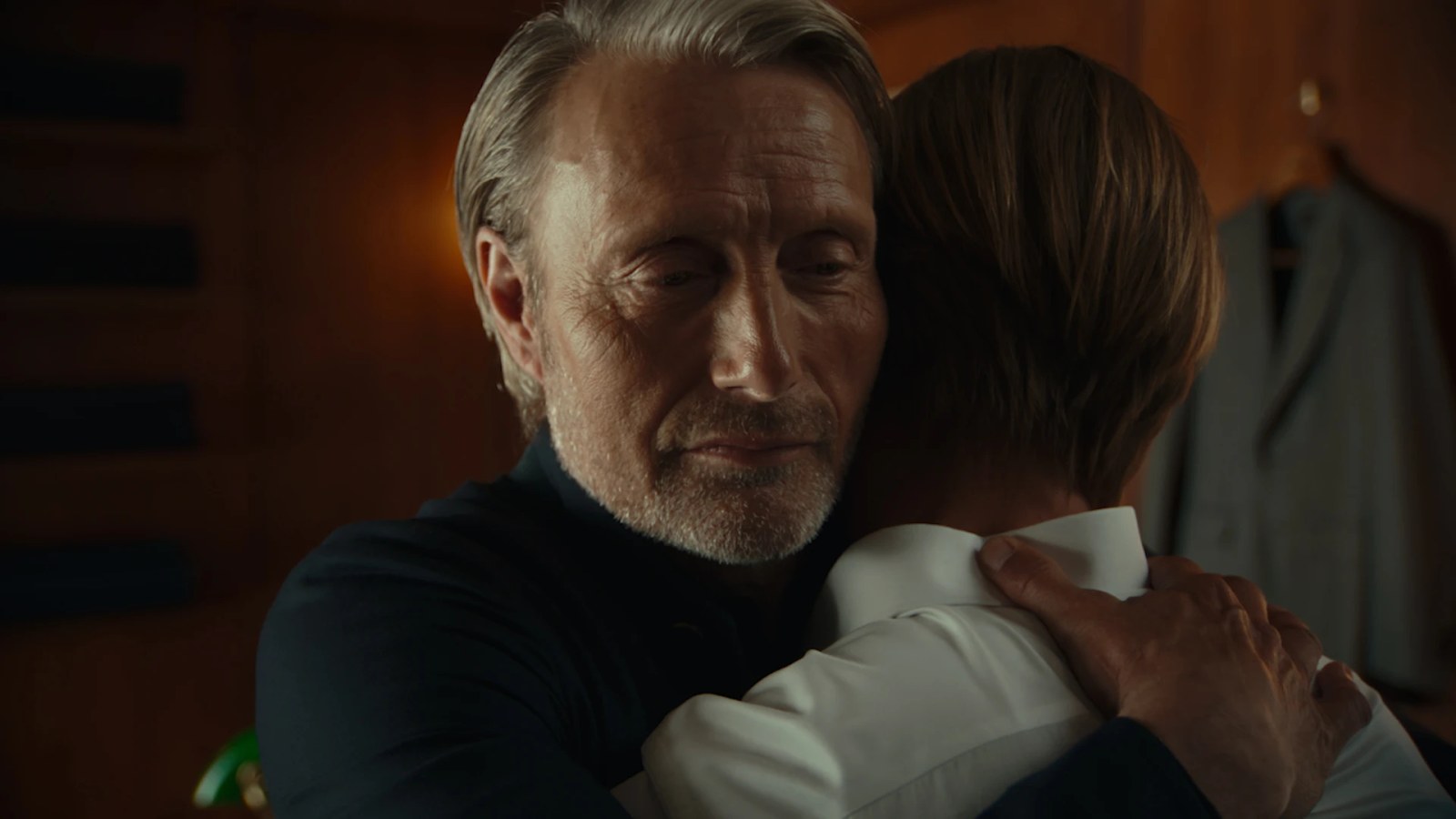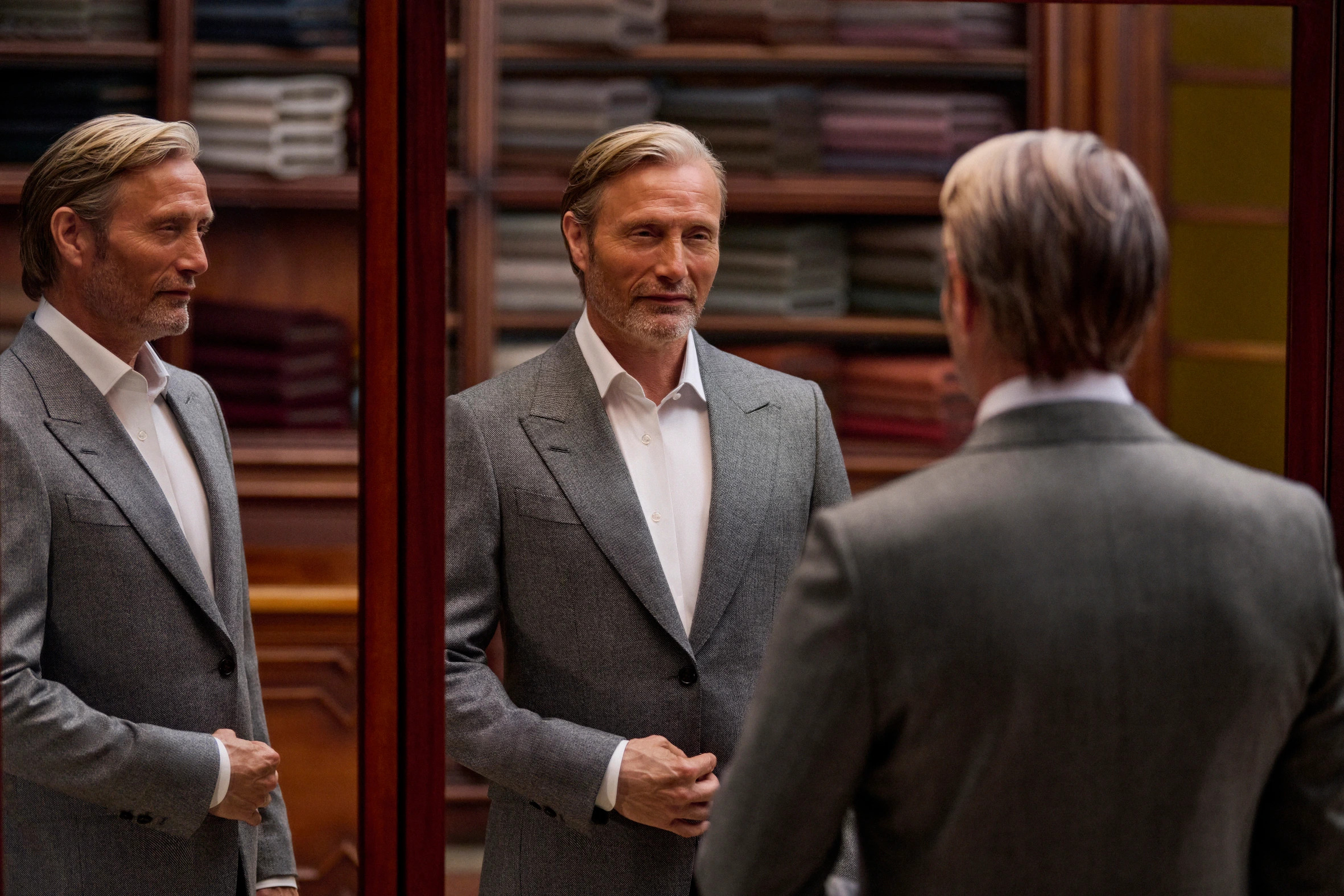
Most made-to-measure begins with an empty body and a length of cloth. Su Misura FW26 begins somewhere else entirely: with a garment that has already been lived in. Global Ambassador Mads Mikkelsen walks into the tailor’s shop, seeing the jacket he already owns, and asks for it to be altered for his son. The fitting is not the start of something. It is the continuation of something.
That reversal is the whole idea. Su Misura has every reason to sell itself on access, on the hundreds of possible alterations, on the linings and buttons and the finishing details that make the wardrobe unrepeatable. All of that is real, and all of it is available. Zegna has chosen instead to talk about what happens years after the last fitting, when the piece stops being an object you commissioned and becomes an object someone else needs.
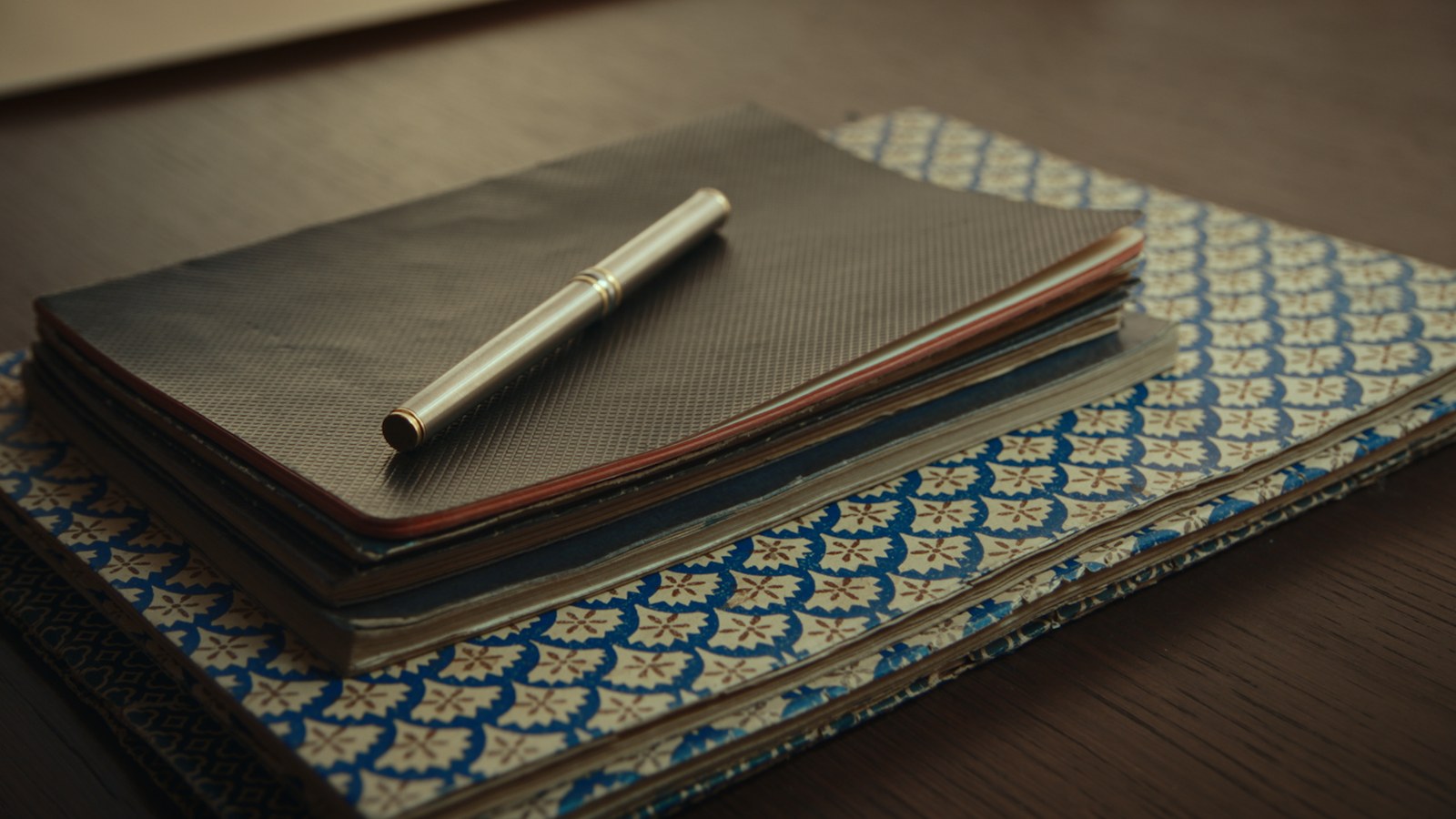
Inside the house this thinking has a name: the family closet. Exceptional pieces are worn, kept, and eventually passed on. Anyone who has opened a father’s wardrobe understands the logic immediately. The garments that survive are rarely the ones bought for a moment. They are the ones built with enough intention to outlast the reason they were made, and enough character that a second wearer recognises something in them worth keeping. A made-to-measure jacket is designed around one man’s shoulders. The proposition is that the shoulders can change, and the jacket still holds.
Watchmaking has been making this argument for a century. A mechanical watch is the one object a man is expected to hand over, and the industry built an entire value system on that expectation: movements serviceable indefinitely, cases that age rather than wear out, the quiet assumption that the first owner is not the last. Clothing almost never gets to claim the same thing, because clothing is usually designed to be replaced. Su Misura is one of the few places in menswear where the claim holds up, and unlike a watch, a suit has been shaped around a specific body.
Which makes the handover more personal, not less.
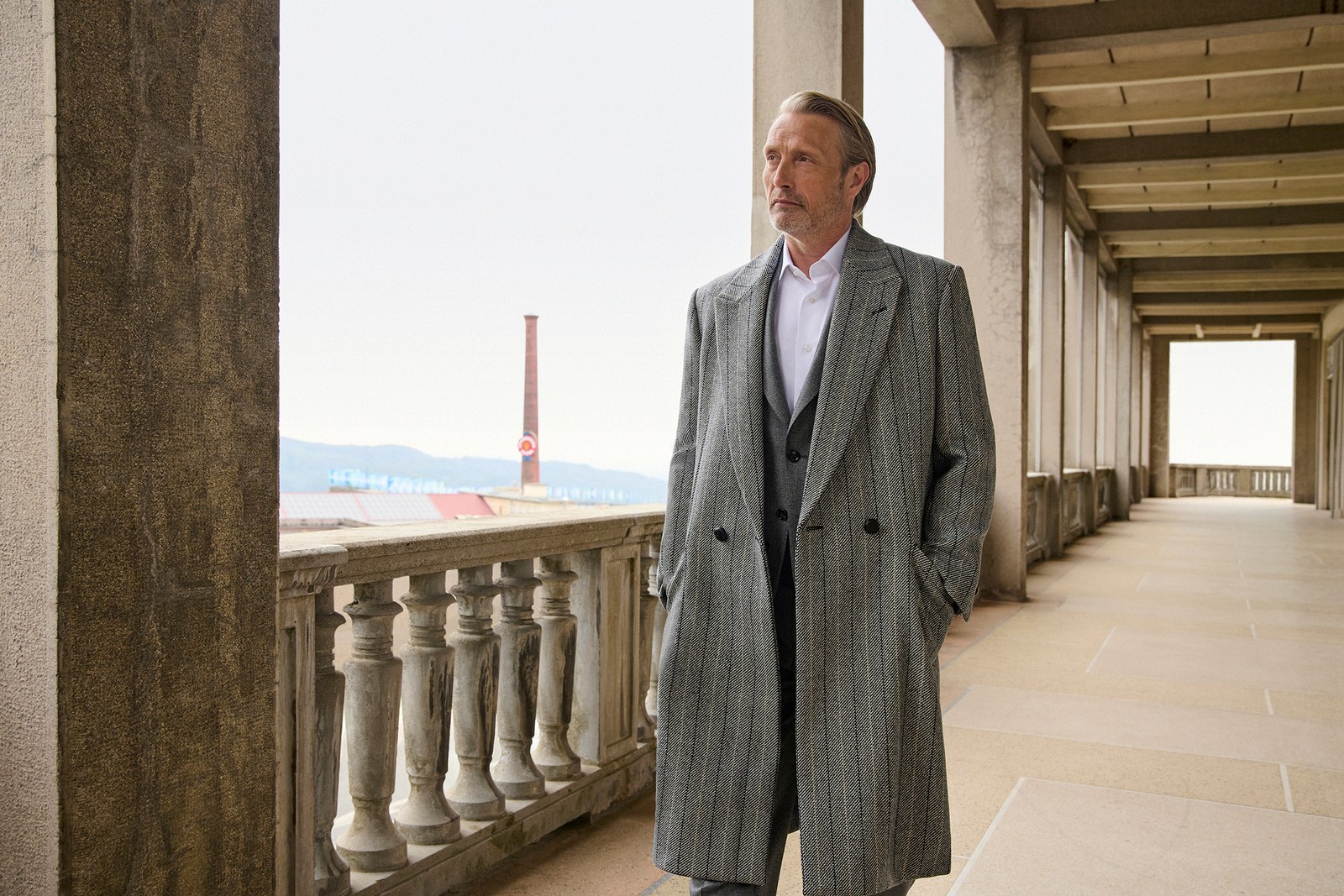
Three pieces sit at the centre of Su Misura, and each of them makes sense on that longer timescale.
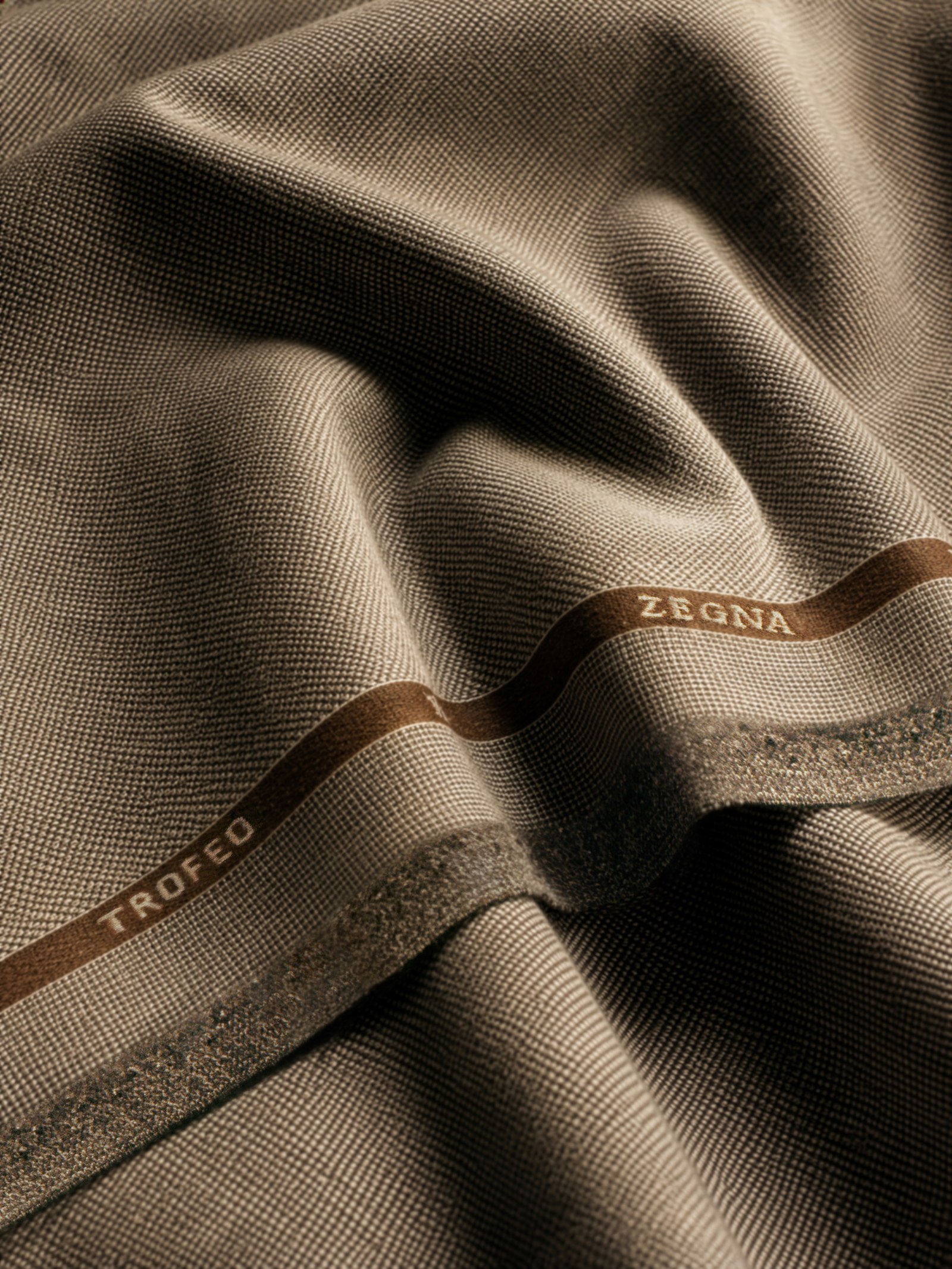
Trofeo came out of the Ermenegildo Zegna Wool Mill in 1965, made from Australian superfine merino and built around a balance that is difficult to strike: soft in the hand, resilient in wear. Sixty years later it behaves the same way, which is the only real proof a fabric can offer. Abito #1 traces back to the founder’s own suits in the 1930s, cut in 100% Australian wool, and is recognised as Zegna’s first suit. The Falcon Jacket begins in Oasi Zegna, the hundred square kilometres of Italian Alps that hold the house’s values, and draws on the animal that came to embody it, and on an ability to see beyond what is directly in front of you, a quality the founder admired.
Heritage pieces are usually presented as reasons to buy. Framed this way, they read as reasons to keep.
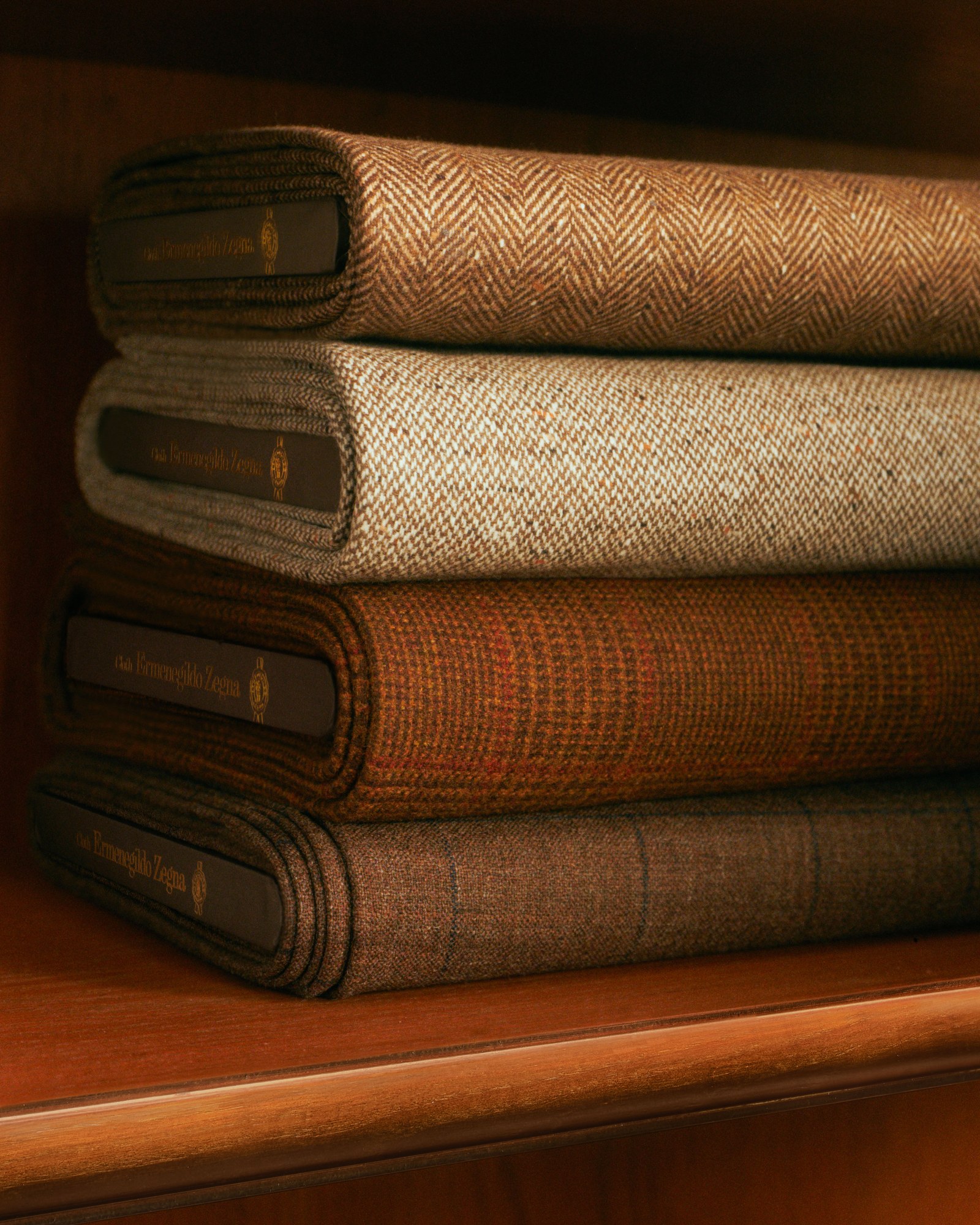
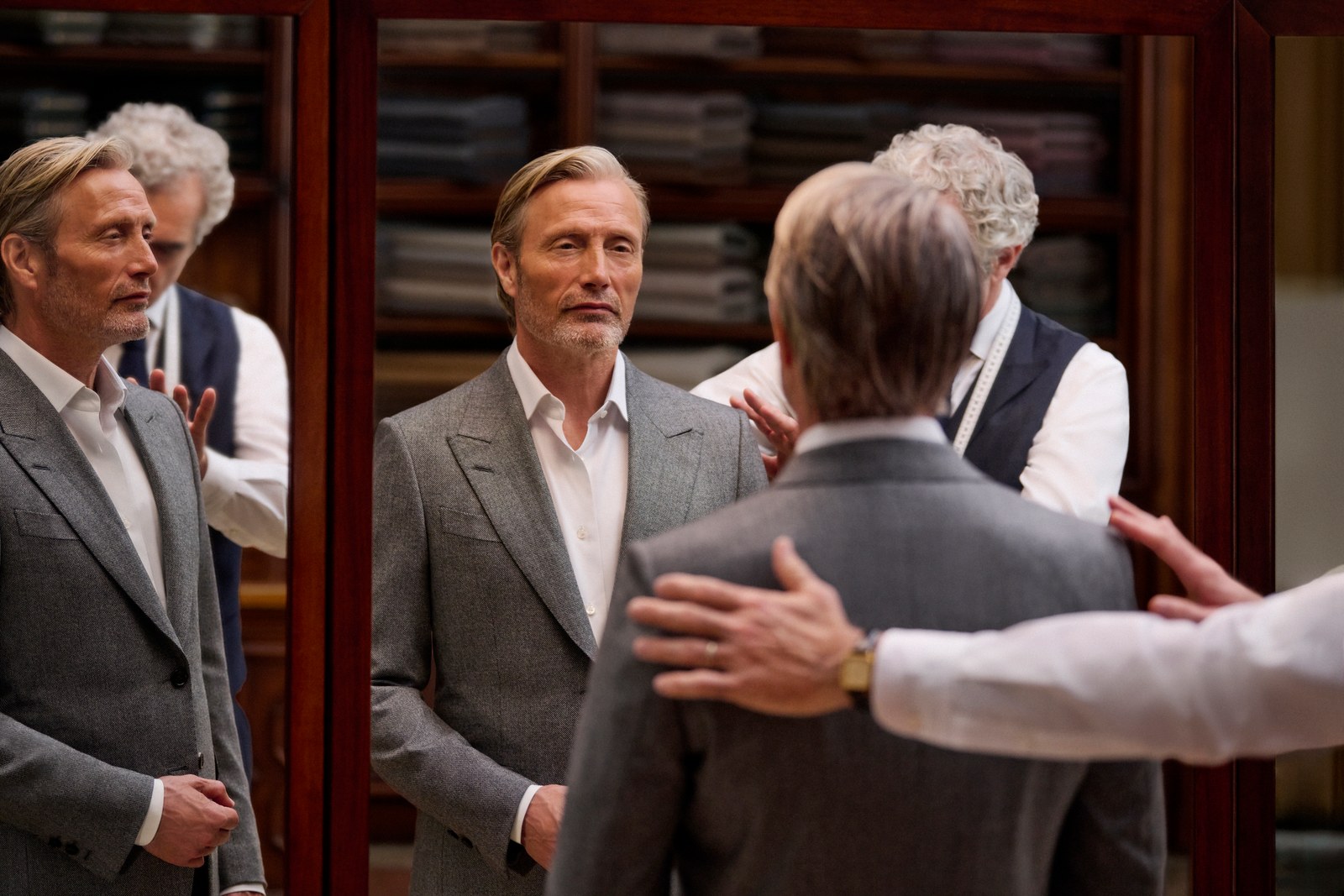
Then there is the tailors perspective. He has watched men stand in front of the mirror before the moments that reorganise a life. Before a proposal. Before a speech. Before fatherhood. Every time, a small silence arrives, and in it the man looks at himself differently. His work exists for that silence.
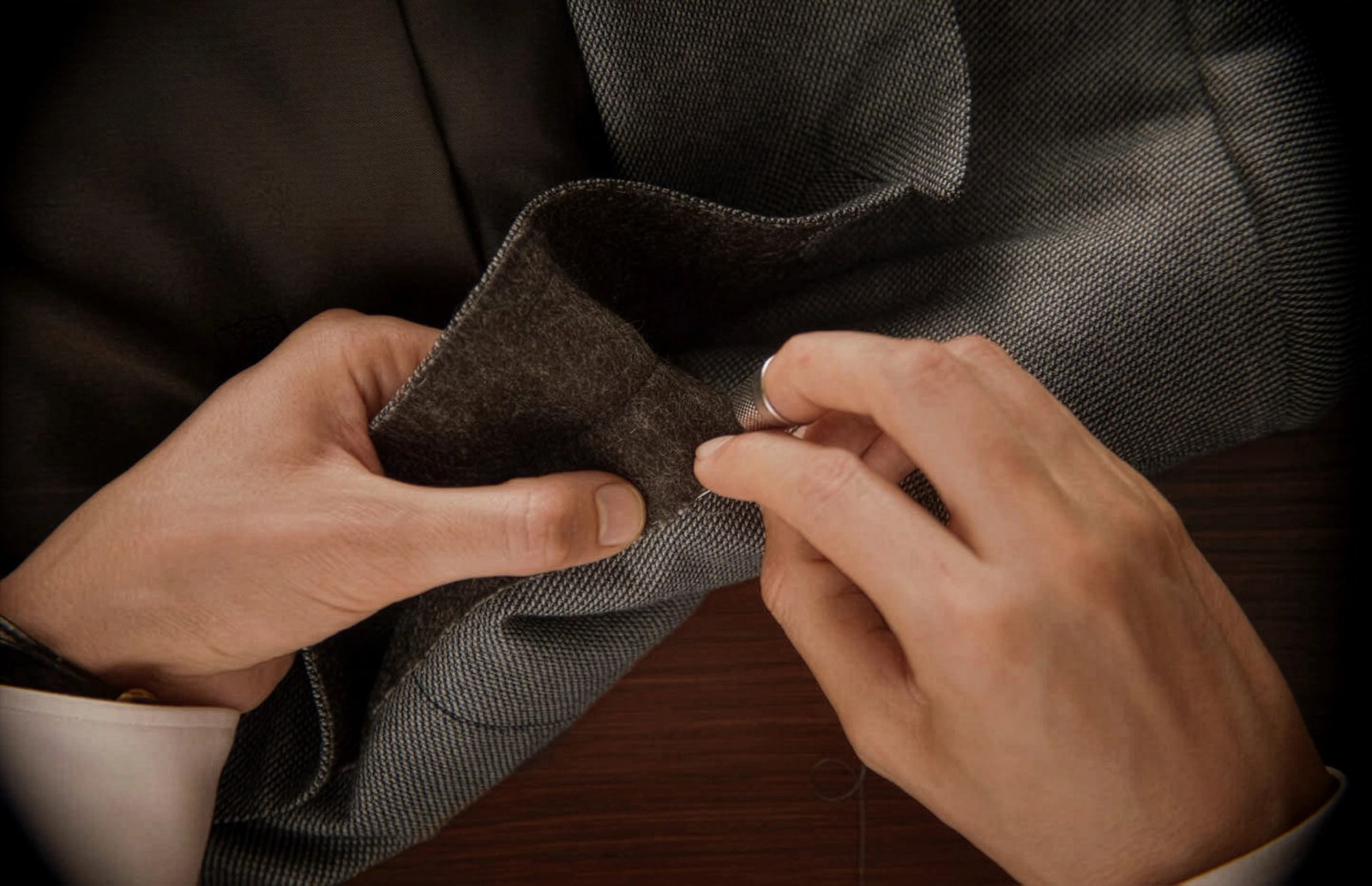
He moves through each stage of the alteration and thinks aloud about what the job actually asks of him, and his conclusion is that people misunderstand the craft as being about cloth. It is about the quarter inch. The pitch of a shoulder. The roll of a lapel. Hours go into a single seam, not because the wearer will notice it, but because he will feel it without ever knowing why.
Then comes the line everything turns on. He is not just shaping a beautiful suit, he says. He is shaping the shoulders that will carry a great life.
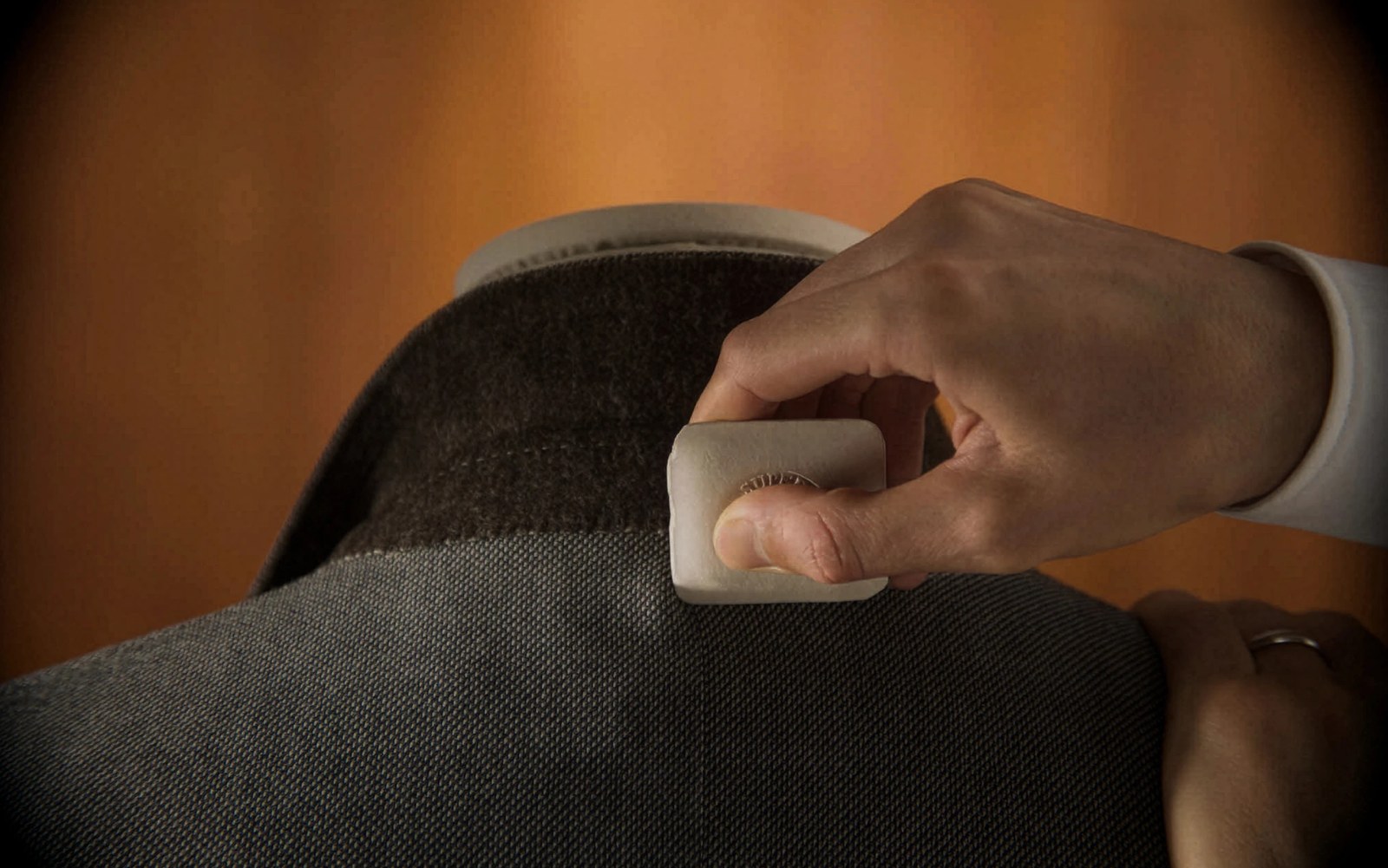
“A man in a suit thinks differently” could easily have been a claim about how a man is seen. Read alongside the tailor, it becomes a claim about interiority. The suit does not change the room’s opinion of him. It changes his posture toward what he is about to do. Anyone who has dressed for something consequential knows the feeling and has never quite had language for it.
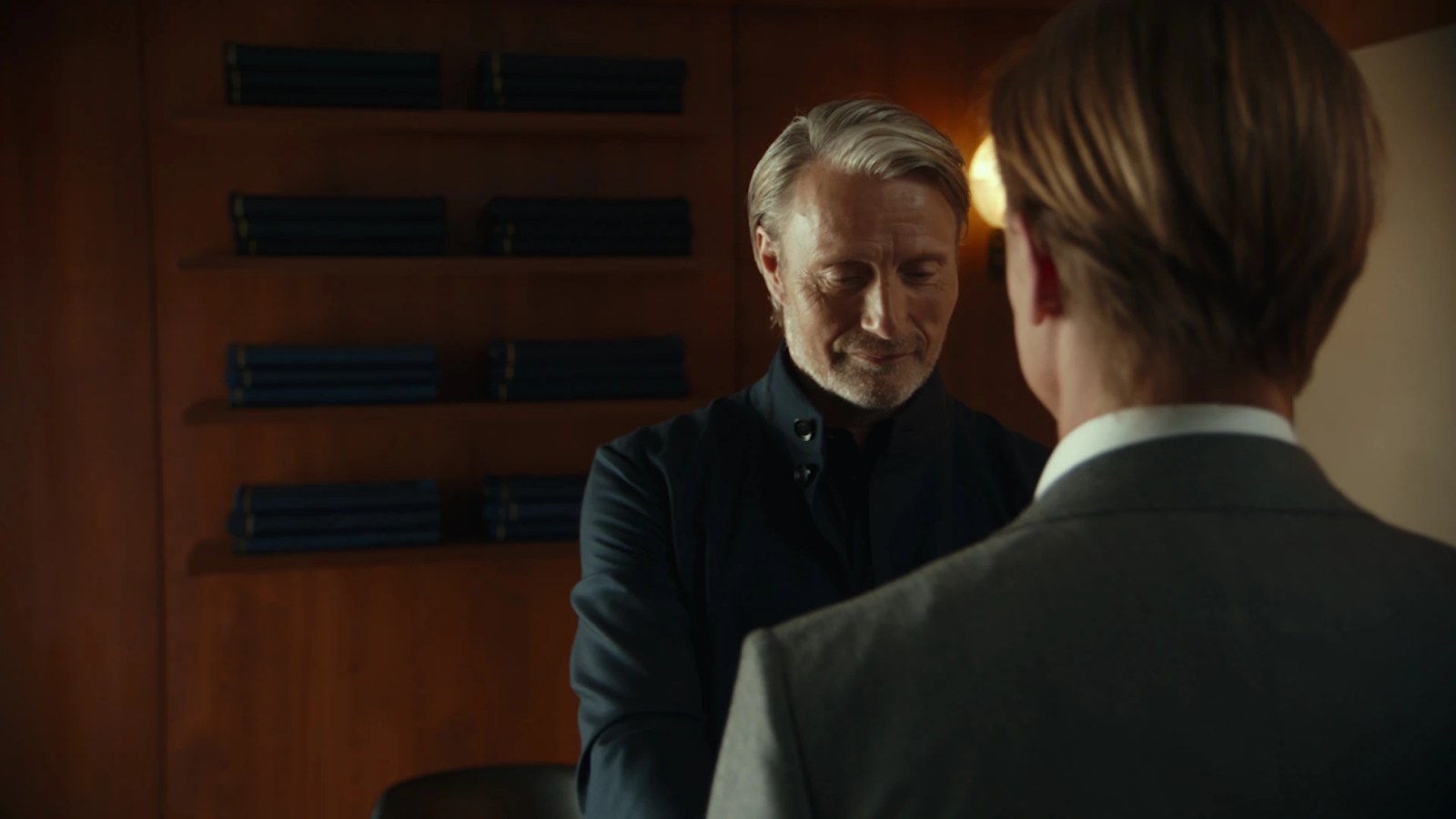
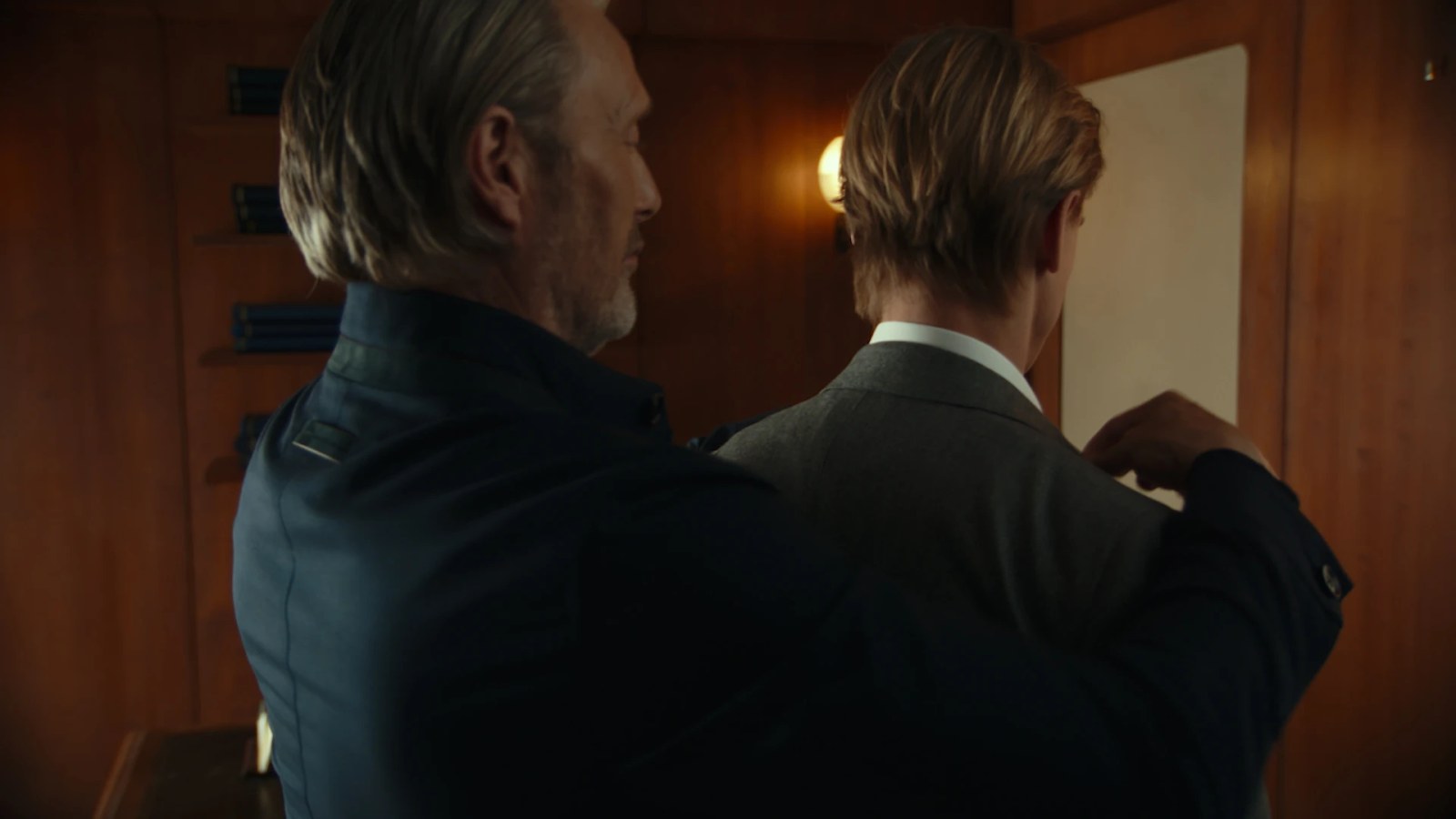
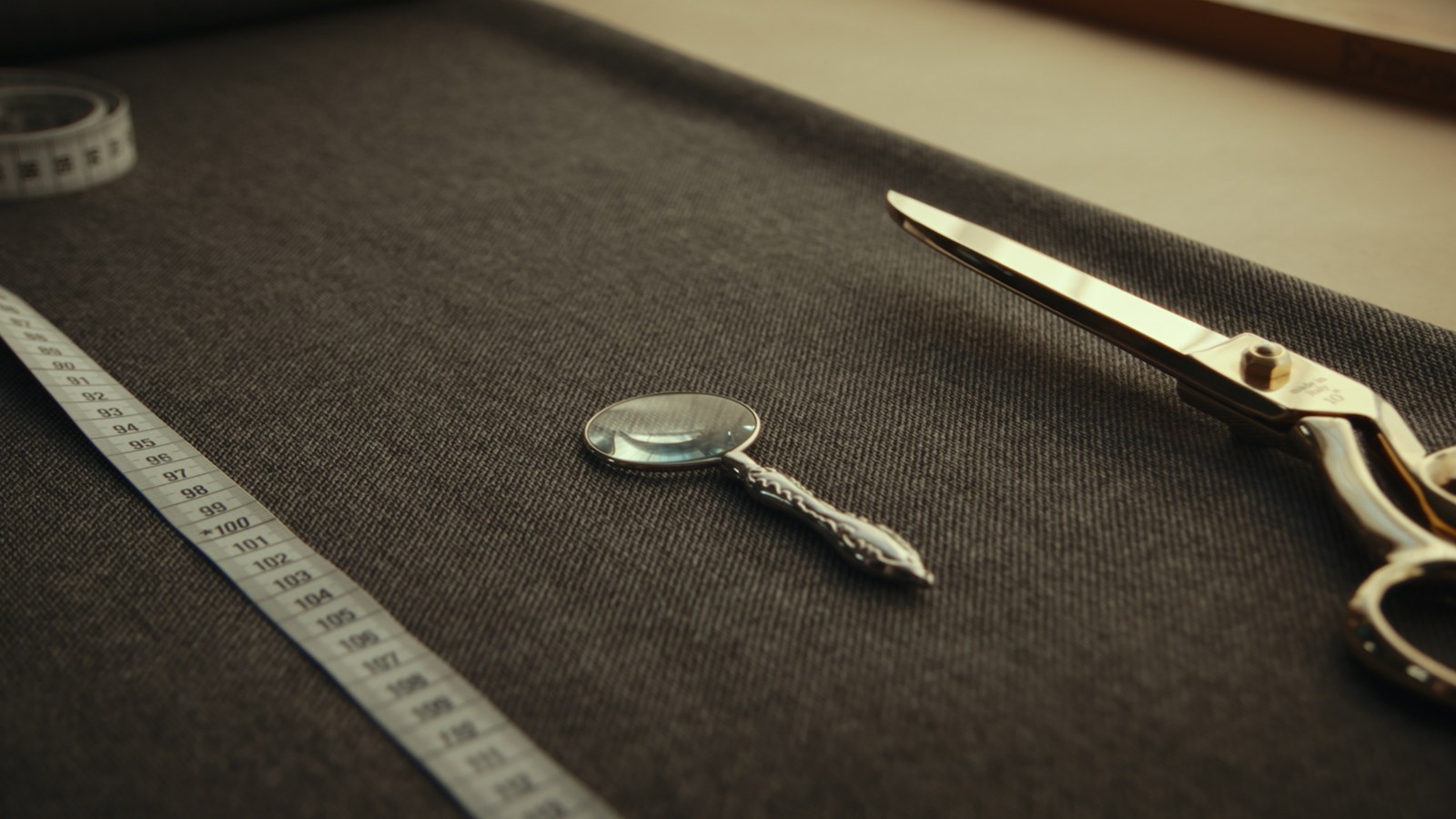
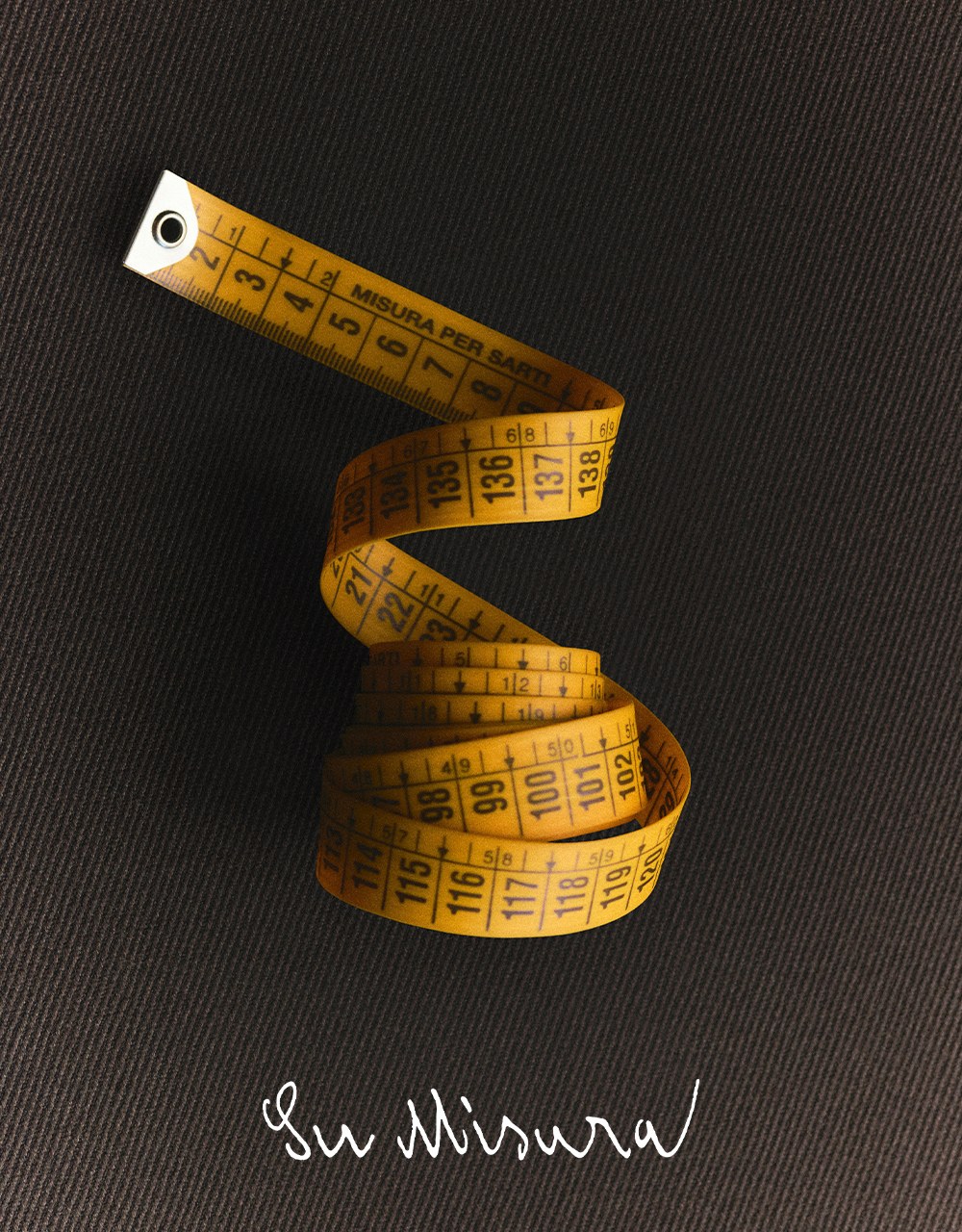
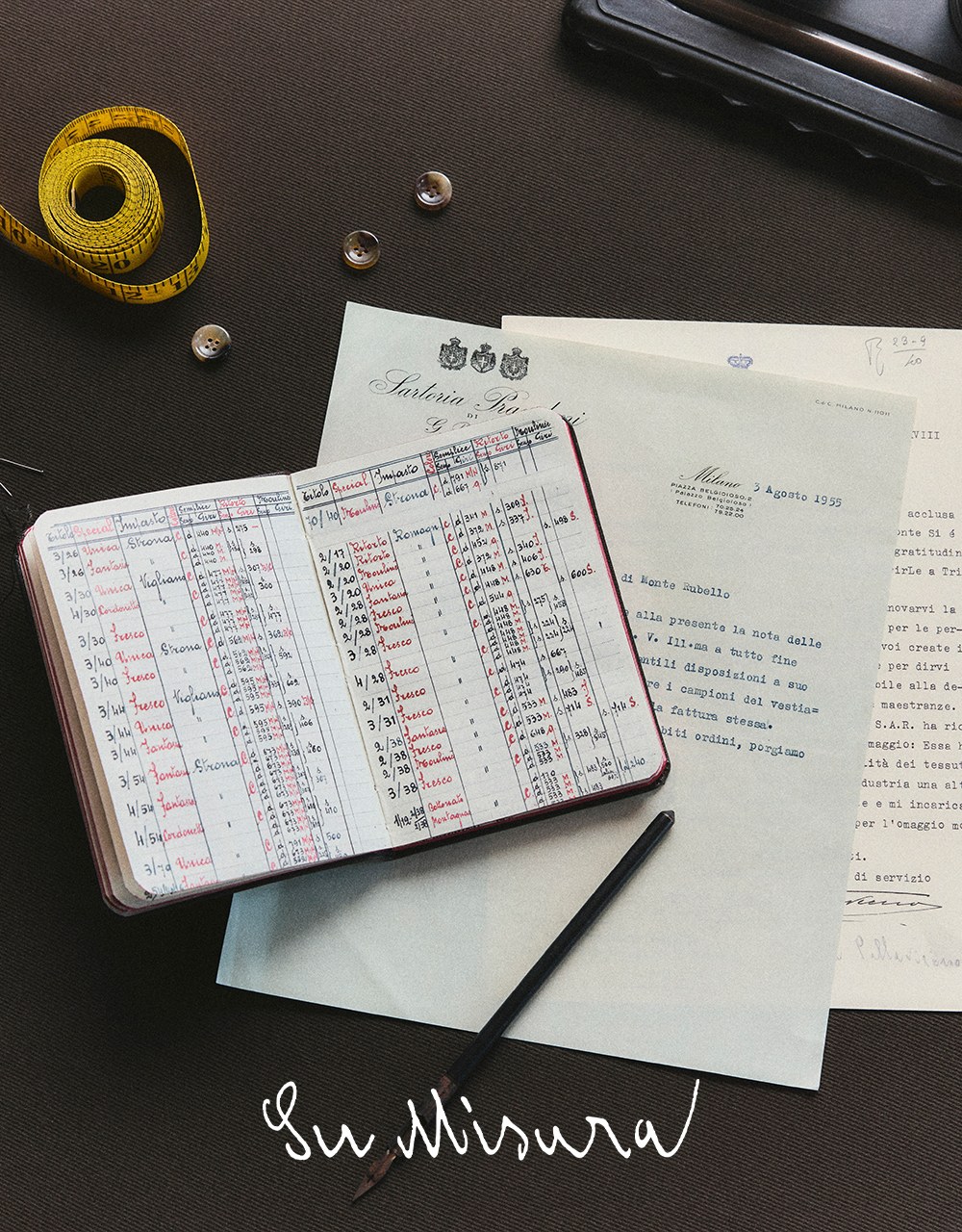
La Mania del Sarto arrives alongside it, a closer study of the tailor’s world: the objects, the rituals, the accumulated small habits of the workroom. Fitting, given that the argument being made here is essentially about time. Time in the making, time in the wearing, time in the handing over.
Objects like these are almost always shown at their most perfect, which means at their newest. Su Misura FW26 does the opposite. It puts forward a jacket at its most valuable precisely because it has been used, and asks to be judged on a timescale that no single season can contain. A man takes his jacket to be altered for his son, and nothing is said out loud about what is happening.
Nothing needs to be.