Yesterday Swatch put a MoonSwatch on sale that can only be bought when it is snowing in Switzerland. It is easy to file that under marketing. I read it as the latest move in the most consequential business experiment the watch industry has run this decade.
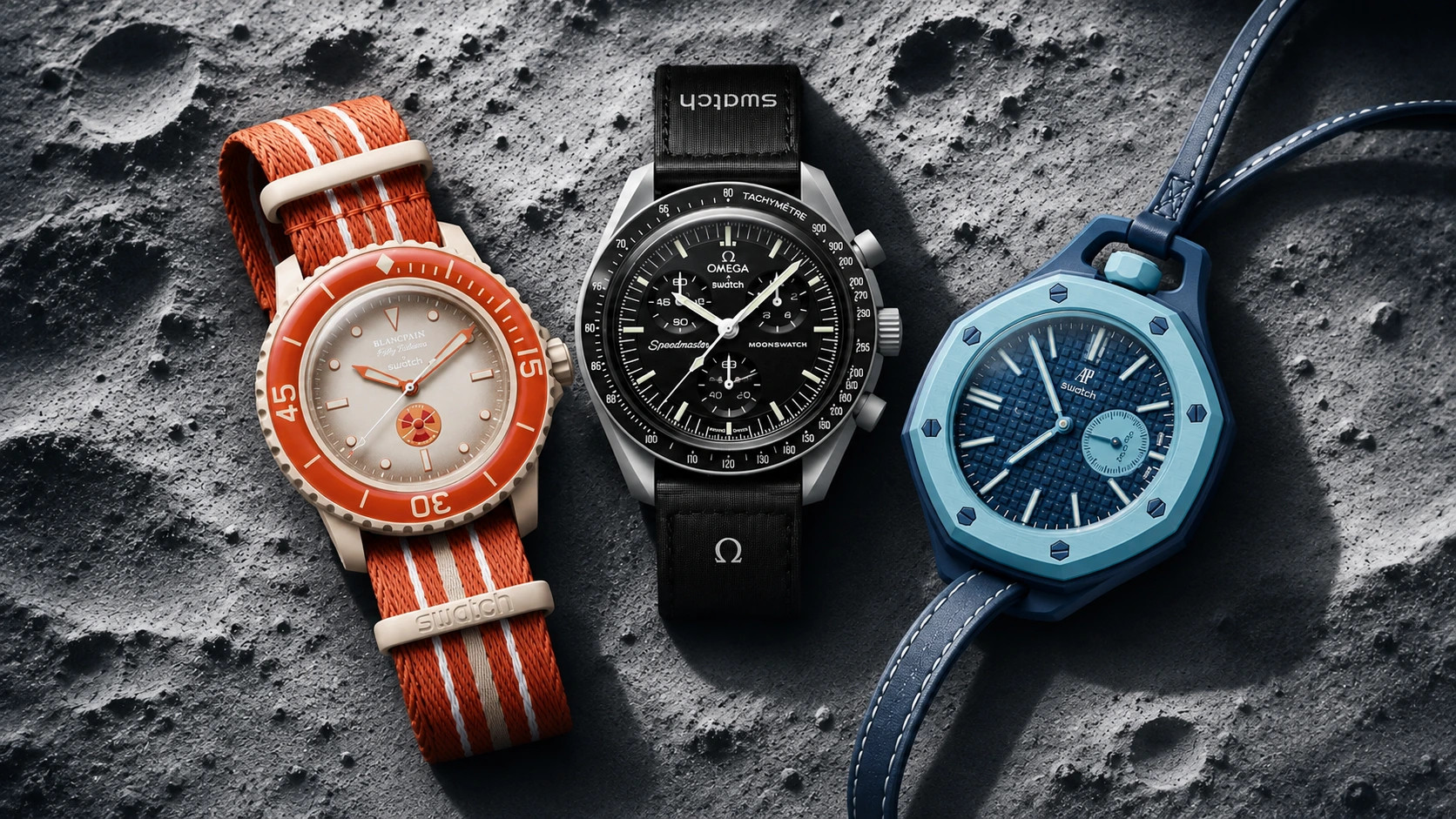
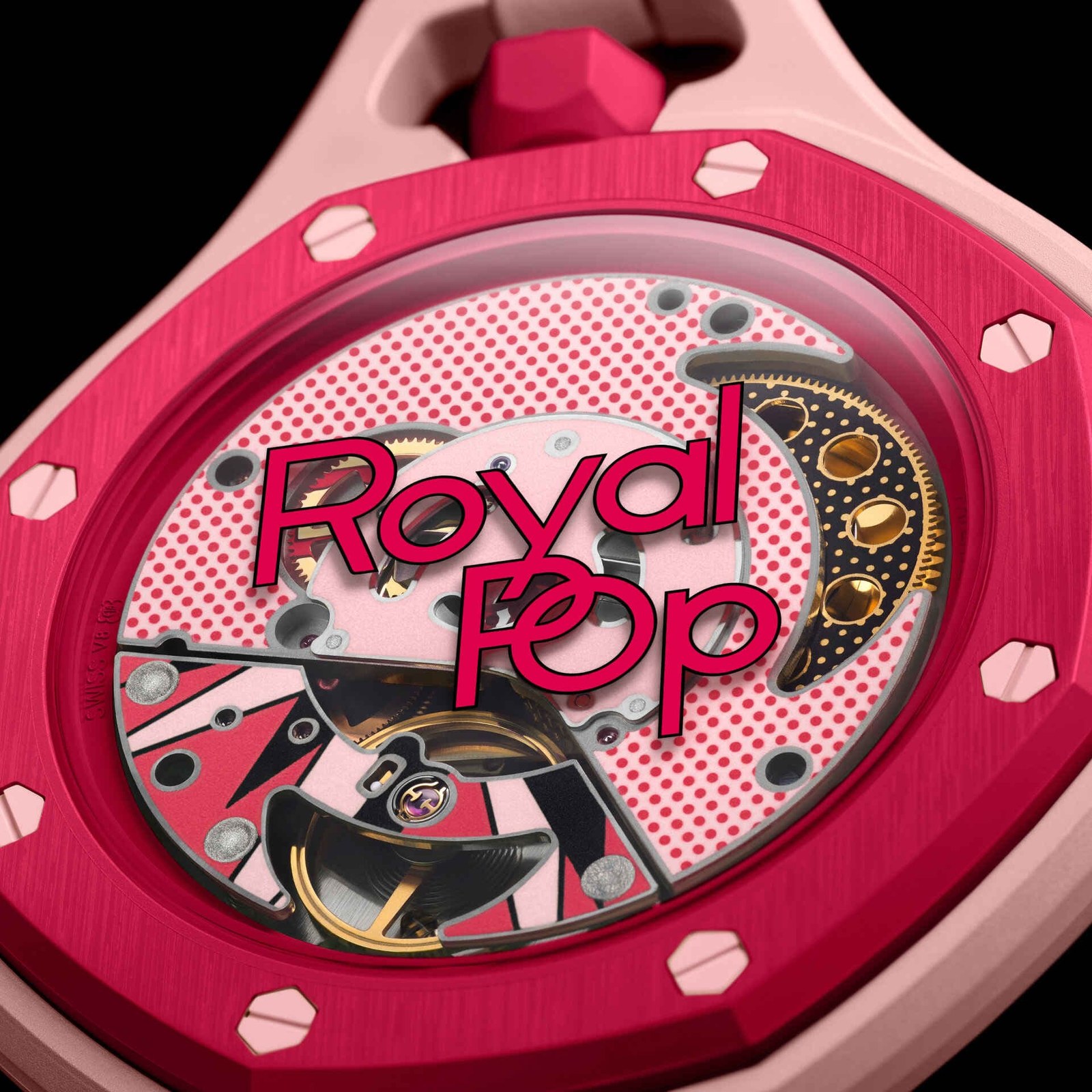
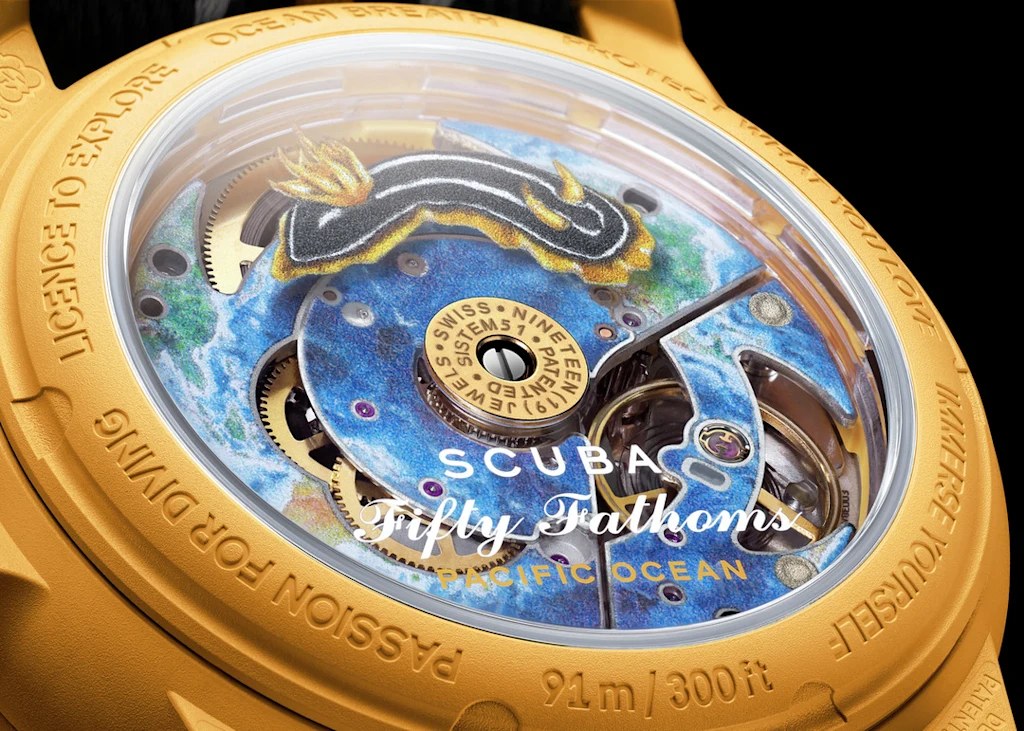
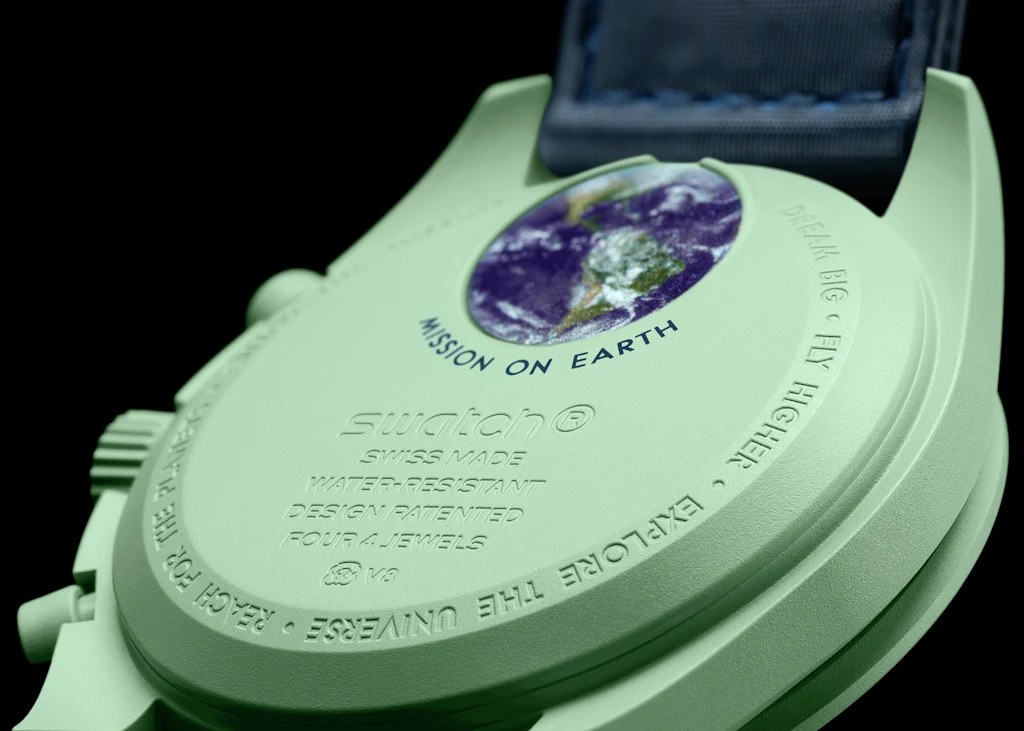
Since March 2022 Swatch has released three collaborations with houses far above its own price point: the MoonSwatch with Omega, the Scuba Fifty Fathoms with Blancpain in September 2023, and the Royal Pop with Audemars Piguet this May. Each one drew queues, and each time the conversation stopped at the queue. The numbers behind them tell a more useful story.
The brand that needed it most
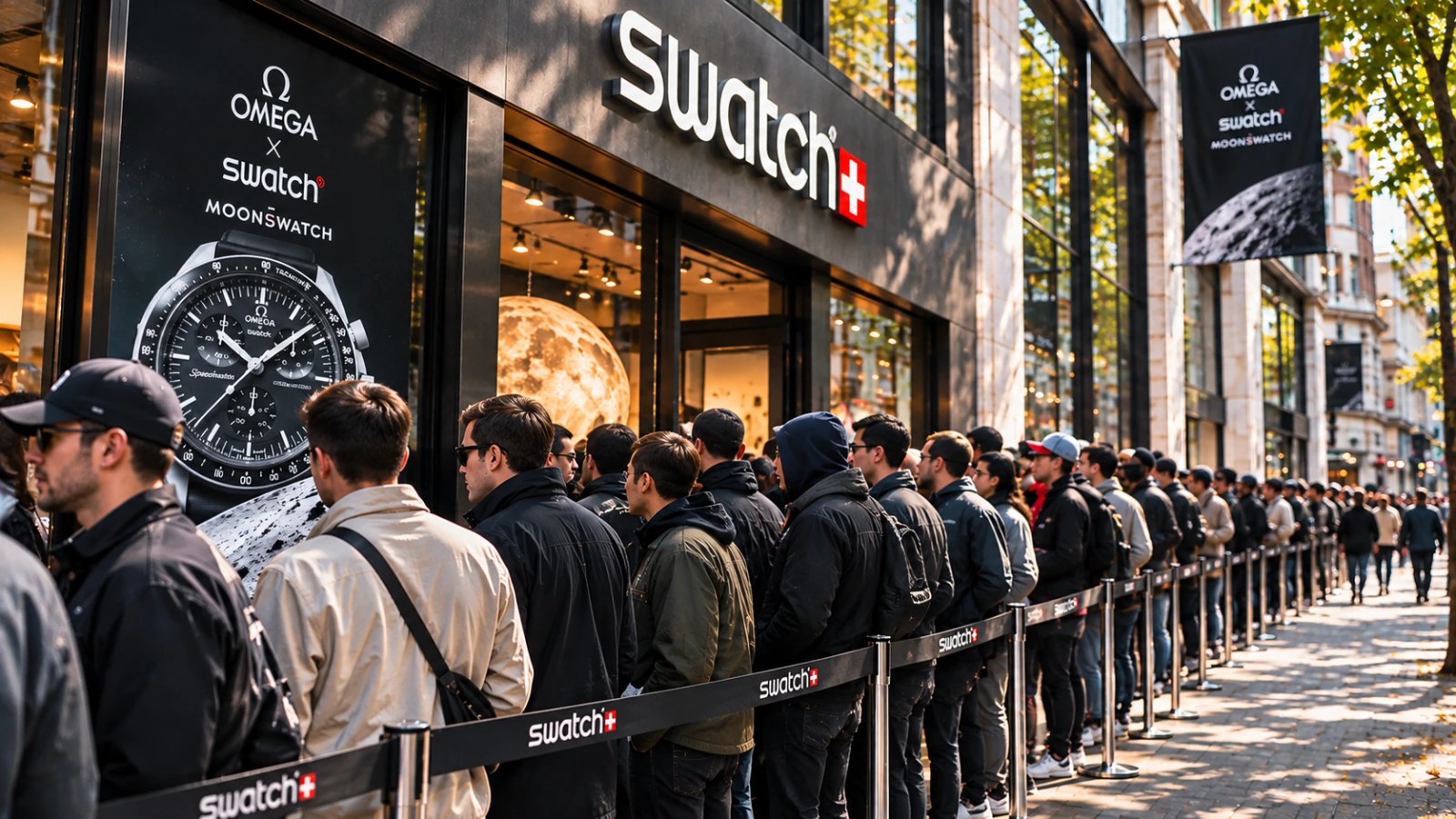
In the early 1990s Swatch sold about 20 million watches a year. By 2021, Morgan Stanley and LuxeConsult estimate, the figure was down to about 3.2 million. Then came the MoonSwatch. Swatch Group reported more than one million sold by January 2023, and the same analysts put the brand at about 5.8 million watches in 2023, the fastest-growing Swiss watch brand two years in a row.
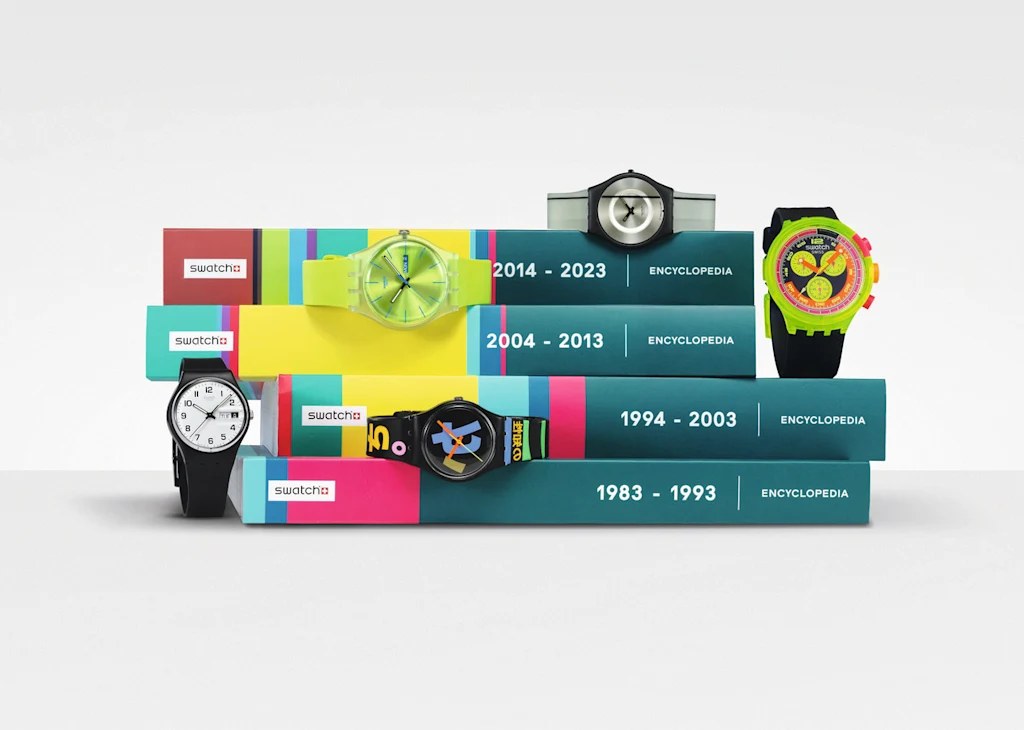
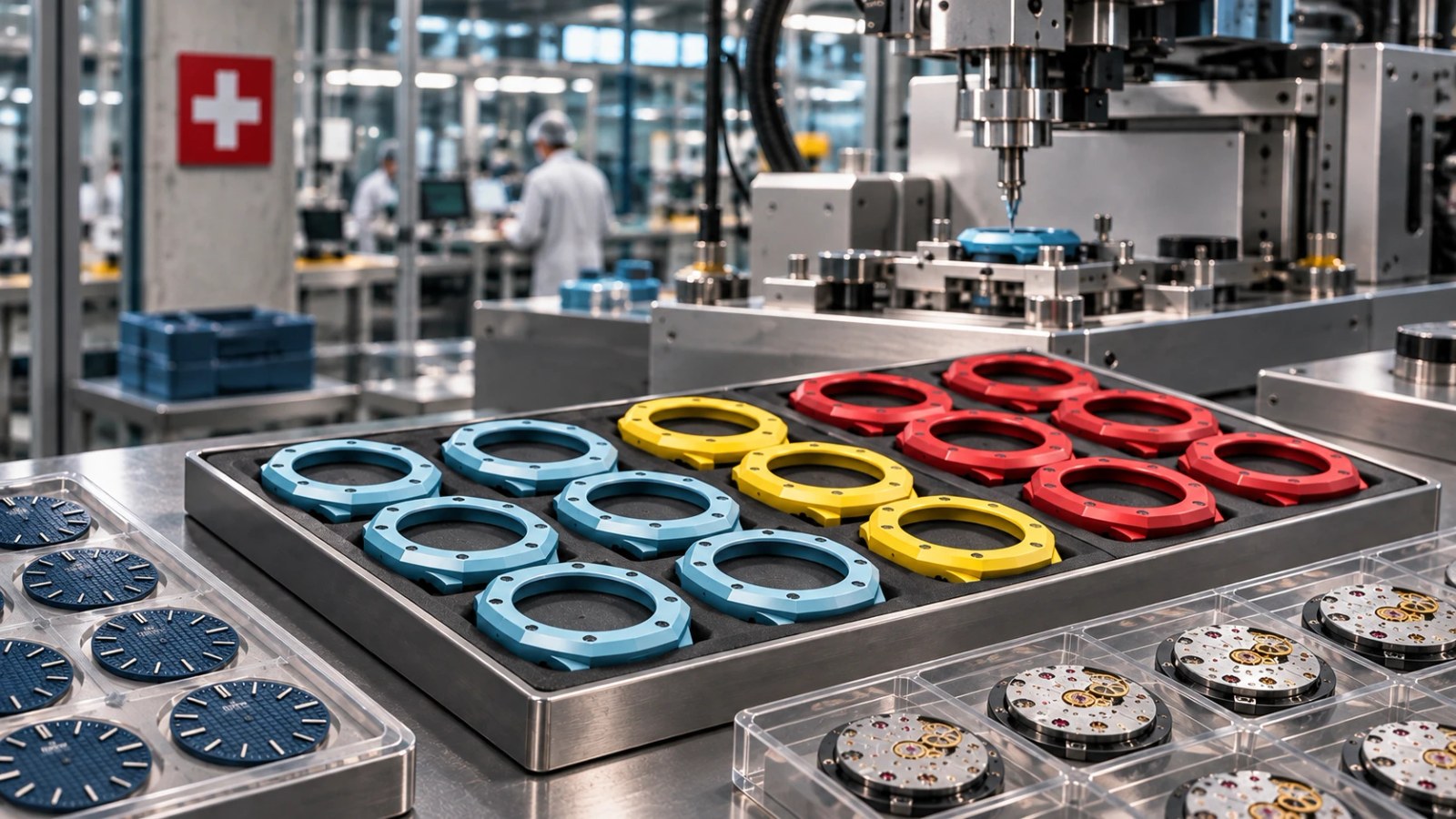
Having produced watches myself, I look past the brand to the factory. Swatch Group makes its own movements and components, and a factory only earns when it runs. In its half-year report this July the group said it had deliberately kept its production capacity and its jobs through the downturn. That is an expensive promise in a slow market.
The Royal Pop arrived on 16 May. For May and June the group reported sales up 13.1% at constant exchange rates and an operating margin of 8.6%, against 1.7% for the half as a whole. A $400 pocket watch gave the machines something to make.
What the luxury name gets back
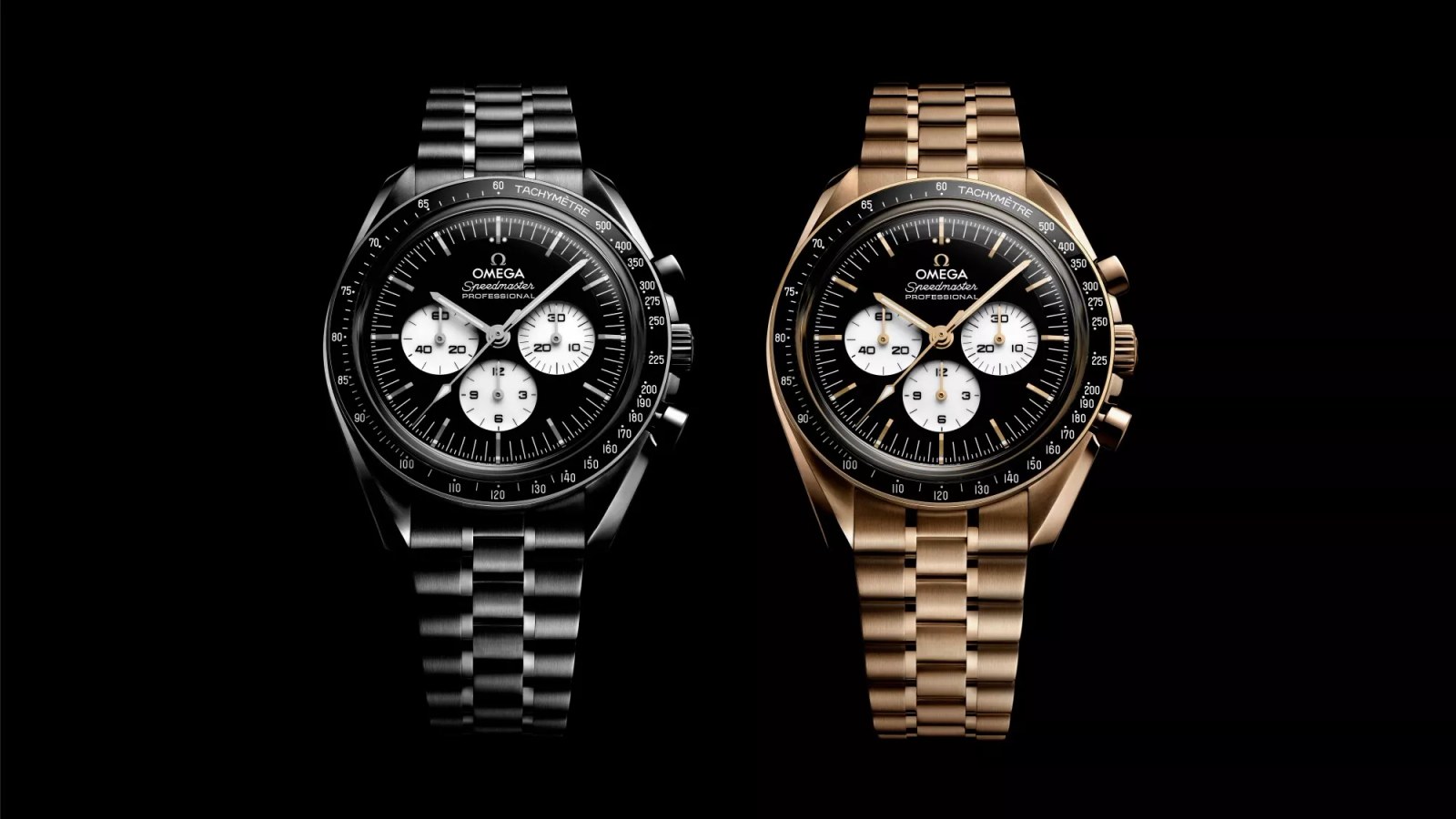
The fear in 2022 was that a plastic Speedmaster would cheapen the real one. Nick Hayek answered four months later: sales of the Speedmaster Moonwatch in Omega stores were up more than 50% since the launch. The buyer of a Moonwatch and the buyer of a MoonSwatch were never the same person. One made the other visible.
Audemars Piguet took the idea outside the group. A house that makes a small number of watches a year reached an audience it could never serve itself, through a few hundred Swatch stores and an industrial production line. It directs all of its proceeds to a programme for watchmaking skills. Swatch Group counted more than 25 billion views on social media. The Royal Oak itself stayed exactly as scarce as before.
I understand the Royal Oak owners who did not love it. You wait a long time for a watch whose appeal rests on how few exist, and one Saturday its shape is in every Swatch window in bright plastic. Straps soon put it on wrists too. That discomfort is fair. The two objects live on different clocks, though. A Royal Pop is almost rented, a moment you wear for a while. A Royal Oak is made to be serviced, handed on and worn for a lifetime and beyond. Nothing about the watch on an owner's wrist changed in May.
I wrote in May that the Royal Pop was an education project. The half-year report supports that reading. Swatch describes a flow of new consumers, some of them very young, many interested in a mechanical watch for the first time. The resellers came for the first weekend. These buyers are the ones who stayed.
A curriculum in three steps
Look at the order of the three launches.
2022, the MoonSwatch: a quartz watch. Put it on and it runs.
2023, the Scuba Fifty Fathoms: an automatic movement, visible through the caseback.
2026, the Royal Pop: a hand-wound movement. It stops unless the owner winds it.
Each collaboration asked a little more of the buyer than the one before. Planned or not, it reads as a curriculum, and it teaches mechanics by touch to people the traditional watch press never reached.
Where the model shows its limits
Hype fades. By the same estimates the Swatch brand went from about 5.8 million watches in 2023 to 4.9 million in 2024. Every launch lifts the brand and then settles, so the system needs a next chapter.
Attention also arrives faster than profit. Group sales rose 8.5% at constant exchange rates in the first half of 2026 while Swiss watch exports fell 0.7%, yet the operating result came in at CHF 52 million against CHF 68 million a year earlier, with currency taking almost CHF 200 million off sales. The group expects profitability to improve markedly in the second half.
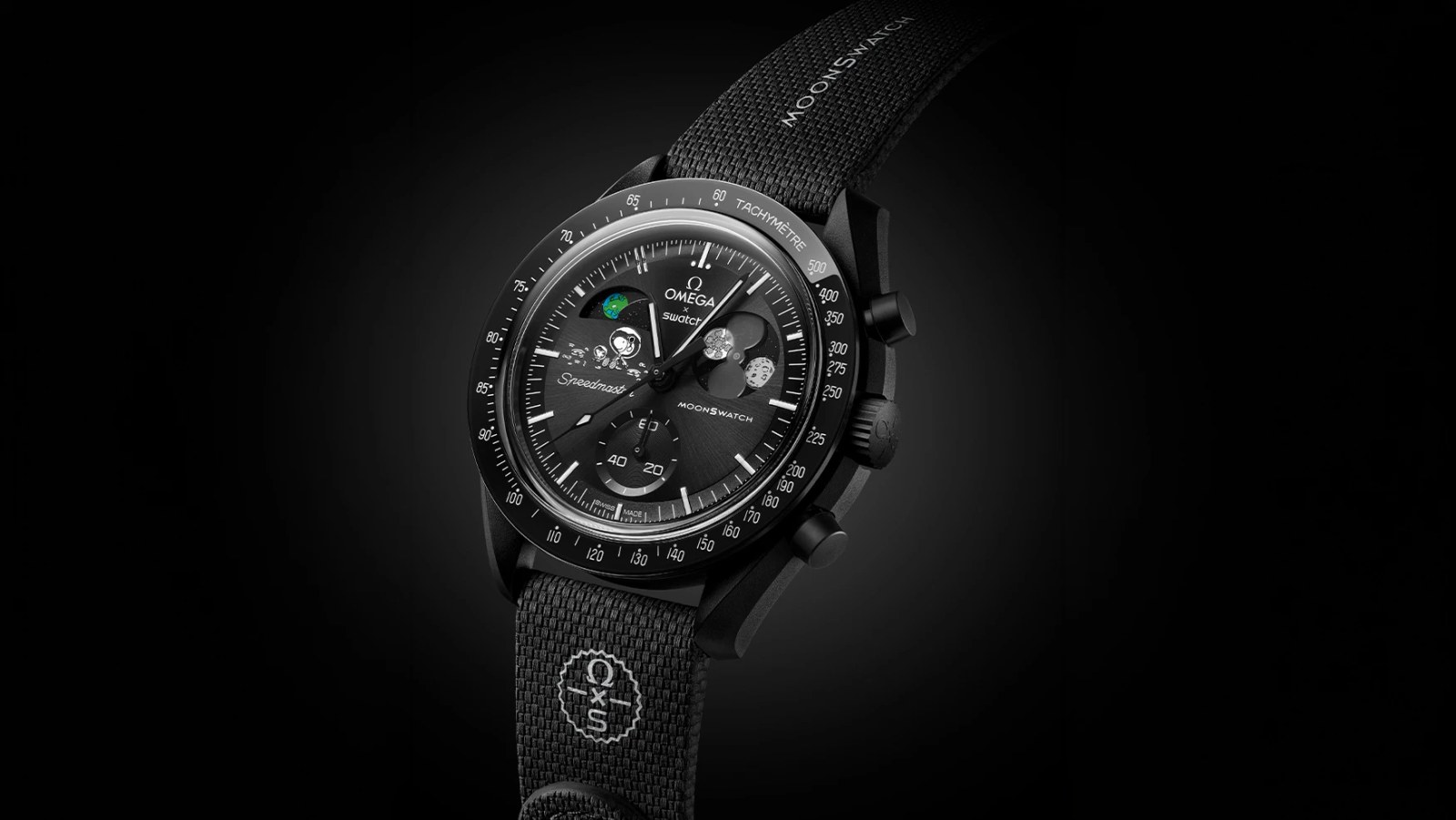
Both limits explain the snow. The Silver Snowflake needs no new partner. Neither did July's gold-detailed MoonSwatch, sold only to buyers who passed a 32-question application. Swatch is learning to renew the idea by changing how a watch is sold. The group also says the Royal Pop lifted sales of the MoonSwatch and the Scuba Fifty Fathoms, so the three now work as one shelf.
What it means for everyone else
For other houses, the entry level has become something you can rent. Audemars Piguet showed that an independent can use it without changing a single thing about its own product. The useful question for a chief executive is what his version would teach.
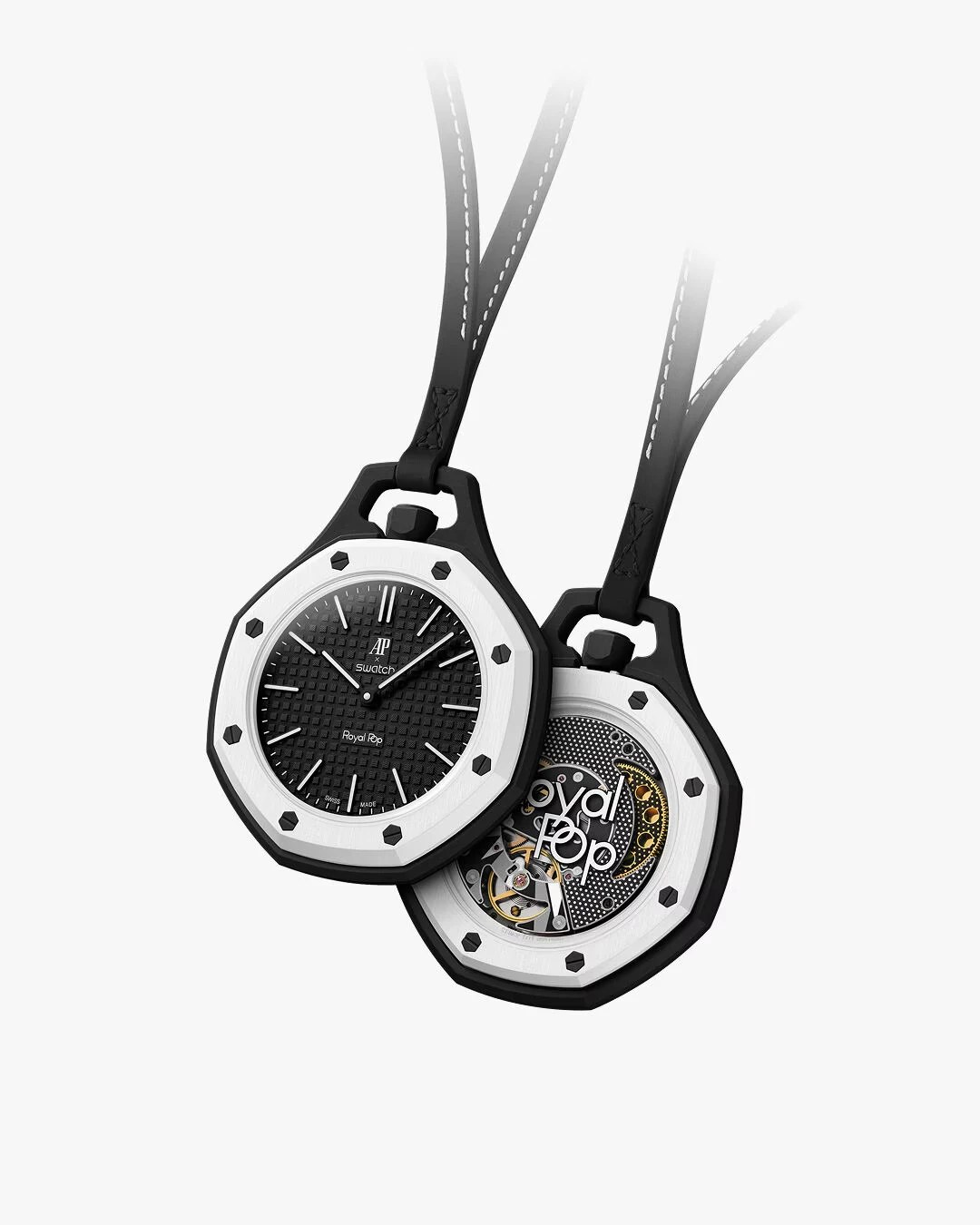
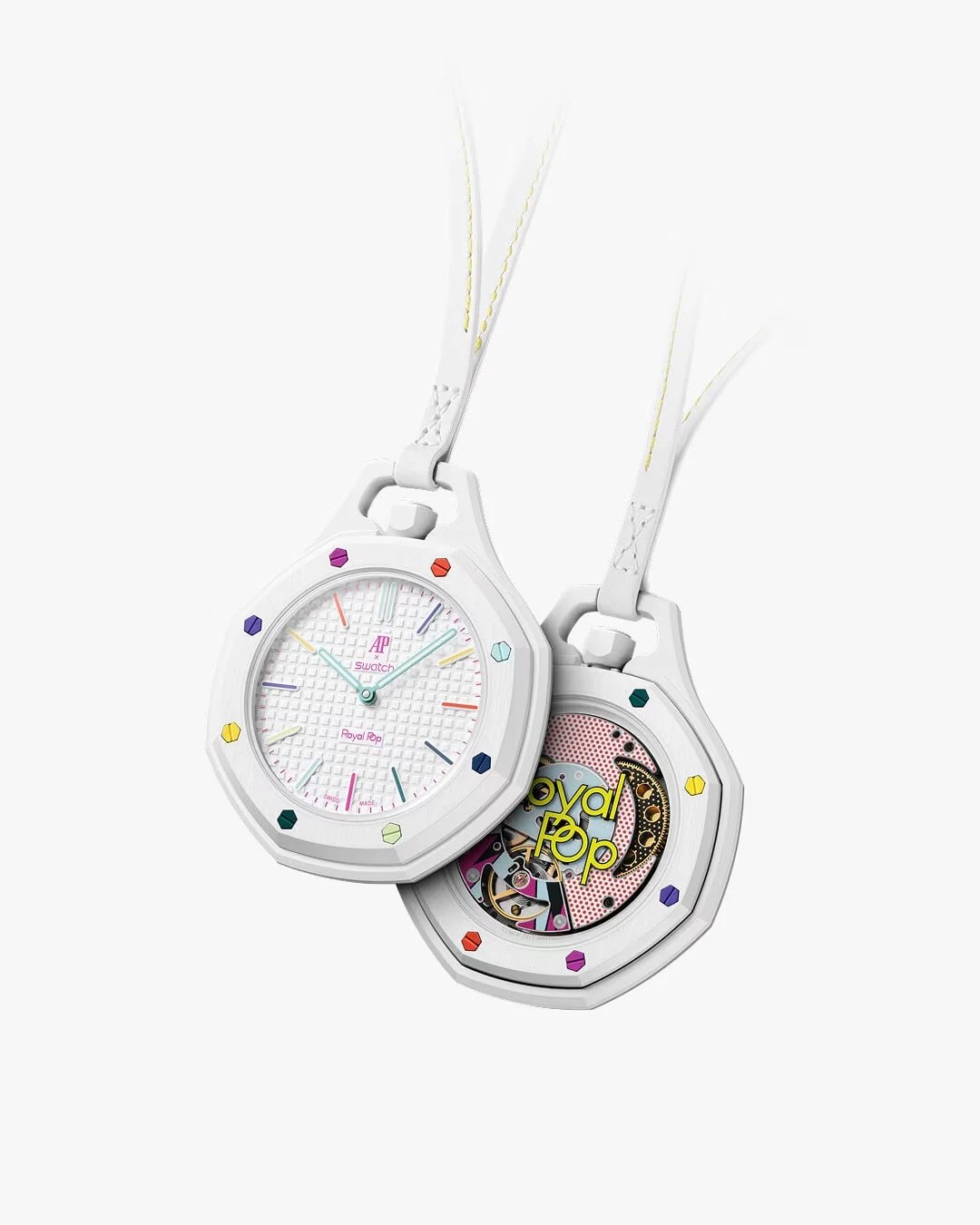
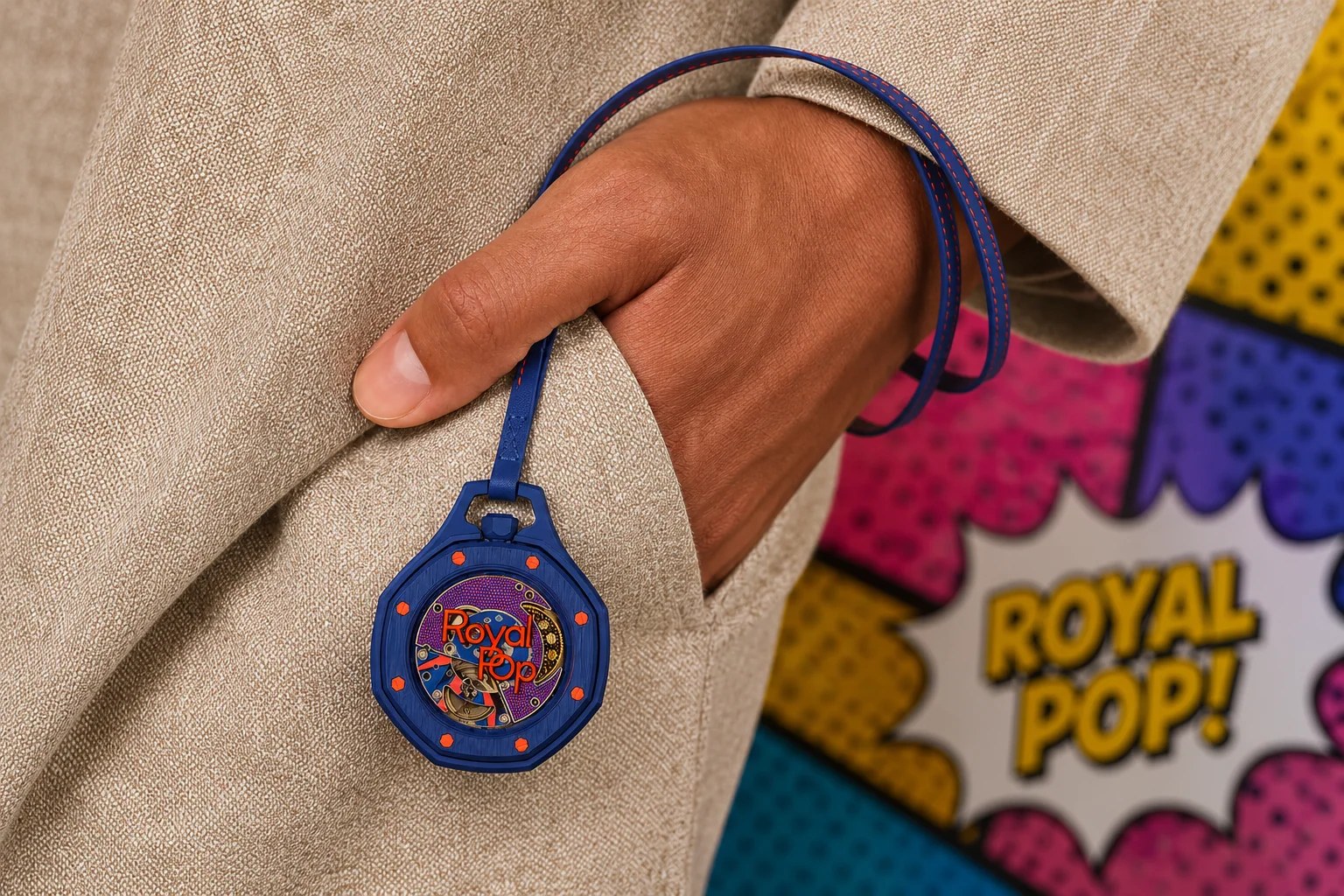
For the industry, the lesson is larger. Nobody needs a watch, so demand has to be created again in every generation, and the group's own report calls the Royal Pop a chance to "create a new market." A twenty-year-old who winds a pocket watch every morning is the closest thing this business has to a client pipeline.
Fun turned out to be the most serious growth strategy the watch industry has.
Read more about watches here.