Louis Vuitton, the boy who walked to Paris.
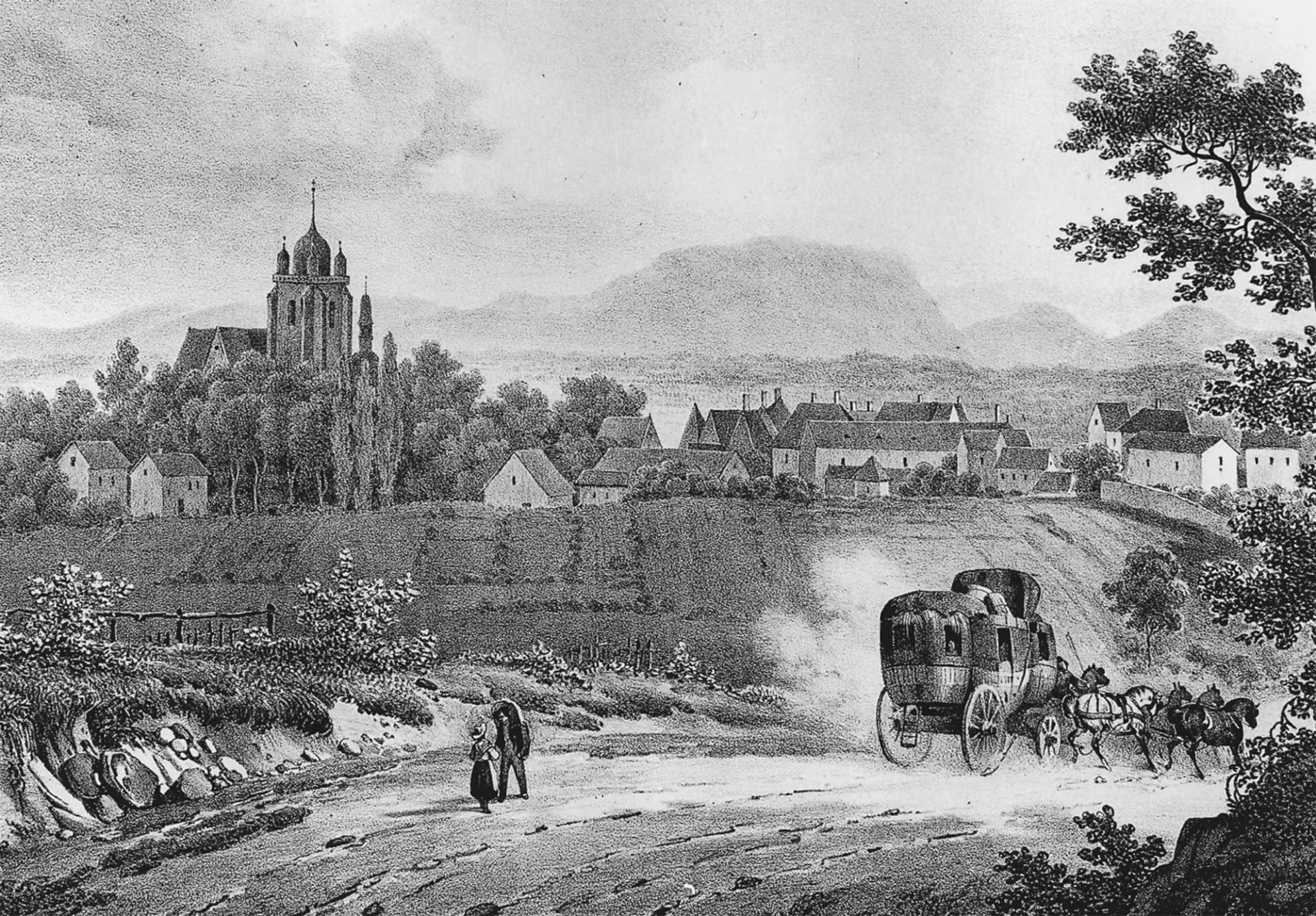
He was thirteen when he left home, on foot and with nothing, and Paris was nearly three hundred miles away. The walk took him two years. Long before the Maison, the canvas or the initials, a boy was working his way across France one job at a time.
Two Years On Foot
He was born in 1821 at the village mill in Anchay, in the Jura. His mother died when he was a boy, his father remarried, and he left. He reached Paris in 1837.
What he did next is the part I find most telling. He apprenticed to a trunk maker and packer, and he stayed seventeen years learning one trade: how to pack other people's lives so nothing breaks. We tend to tell the Vuitton story as a story of design. It started as a story of service. Before he built anything, he spent nearly two decades learning what a traveller needs to arrive with, and what they cannot afford to lose on the way.
The Lid That Shed Rain
In 1854 he opened his own house, steps from Place Vendôme. Then he saw what the old trunks got wrong.
Trunks had domed lids, because a domed lid sheds rain off the back of a carriage. It was the right answer for its time. But the carriage was finished. The railway and the steamship had arrived, and in a luggage car you want to stack.
For anyone running a brand today, this is the moment to study. Vuitton did not make a better version of the existing product. He saw that the world the product lived in had changed, and he designed for the new one. The domed lid was a perfect solution to a problem that was disappearing. Most incumbents never see that moment from the inside. They keep refining the lid.
Built To Stack
So in 1858 he made his flat trunk. Grey Trianon canvas over a light wood frame, lighter than leather and airtight. It was a trunk built for how people were now travelling, and one that could be stacked.
The Name In The Canvas
Then the copying started, and it never stopped.
The house answered in layers. Stripes came in 1872. In 1886 his son Georges reinvented the lock. Years later, as the Maison tells it, Georges challenged Harry Houdini in the newspaper to escape a Vuitton trunk. Houdini never answered.
The decisive move came in 1888, when Georges printed "marque L. Vuitton déposée" directly into the Damier check. The trademark stopped being a label you could remove and became the surface itself. If you wanted the look, you had to take the name with it.
Louis died in 1892. Four years later his son drew a new canvas and built it around his father's initials. The Monogram.
Two Crafts, One Name
Read the two generations together and you see two different skills. The father knew how people moved and built for where travel was going. The son knew what that work was worth and made it impossible to separate from the family name. The pattern recognised all over the world today started as a defence, a way of protecting the work from imitation. Some of the most valuable brand assets in luxury were born the same way, as an answer to a problem rather than as decoration.
A boy walked two years to learn to carry other people's journeys. His son made sure the world knew whose name was on them.